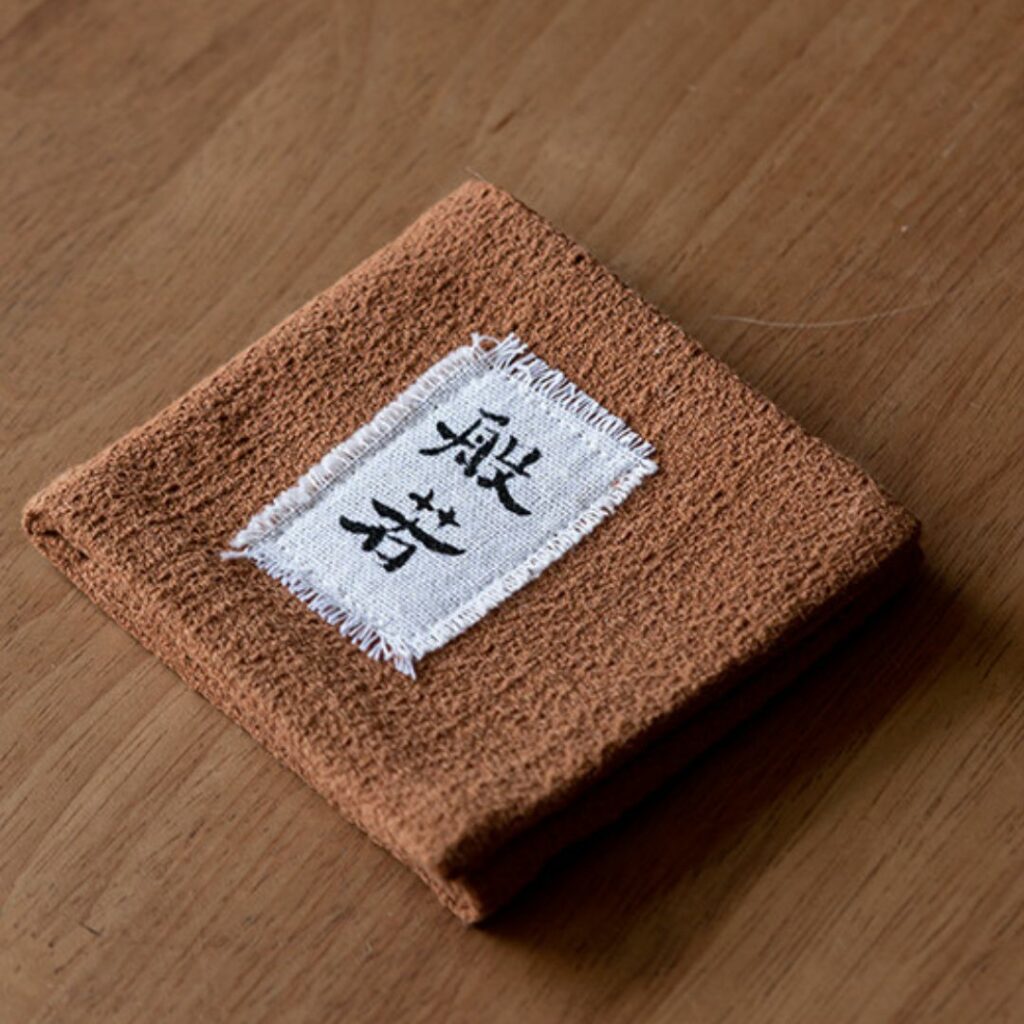
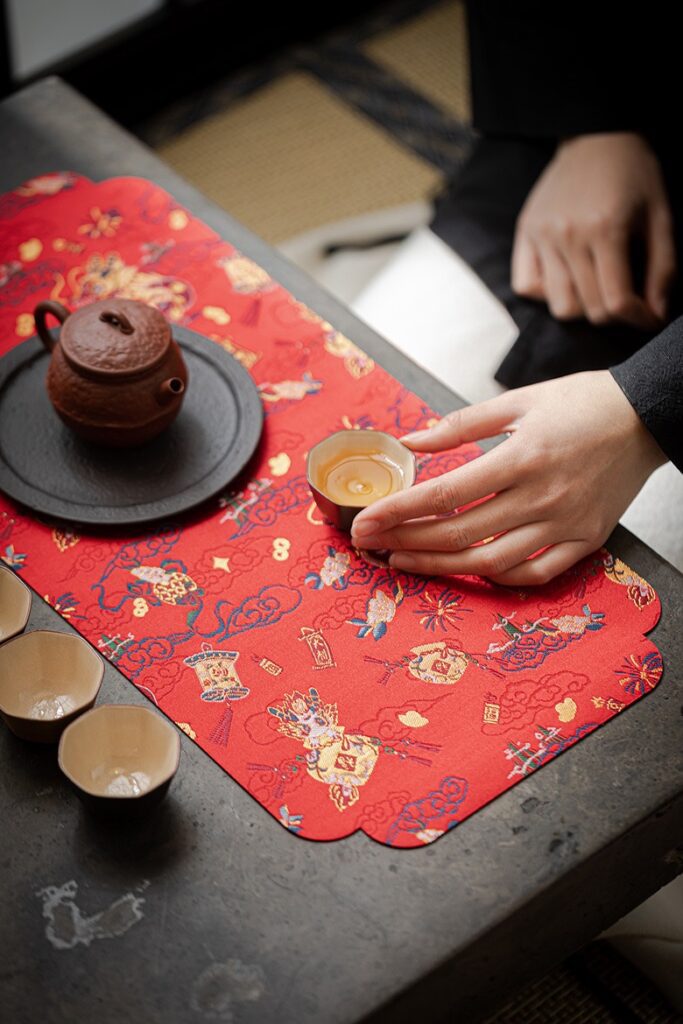
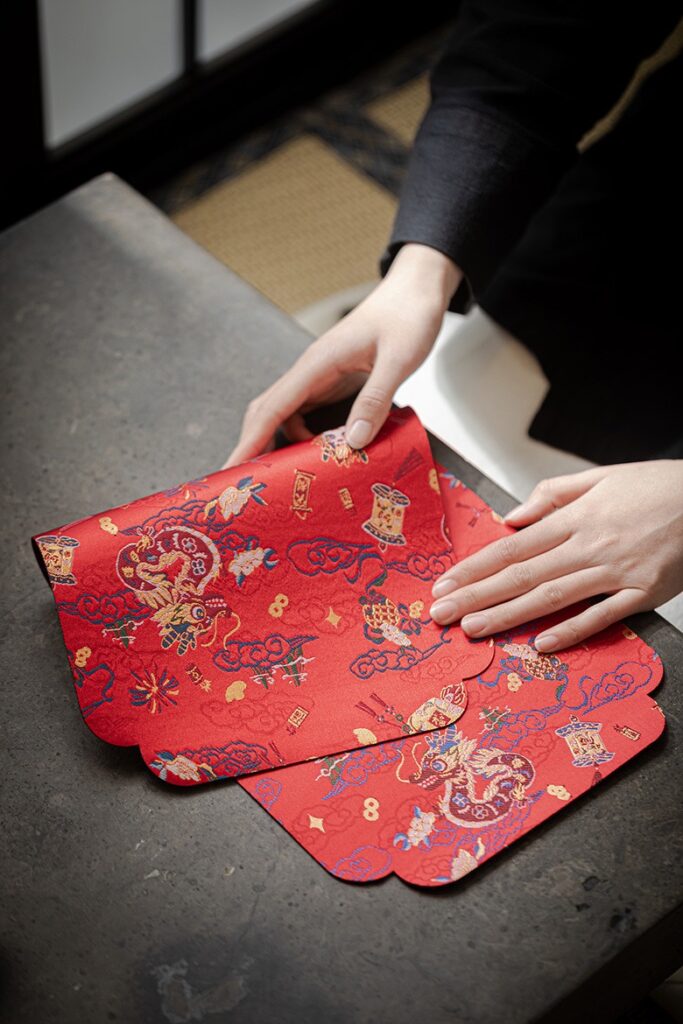
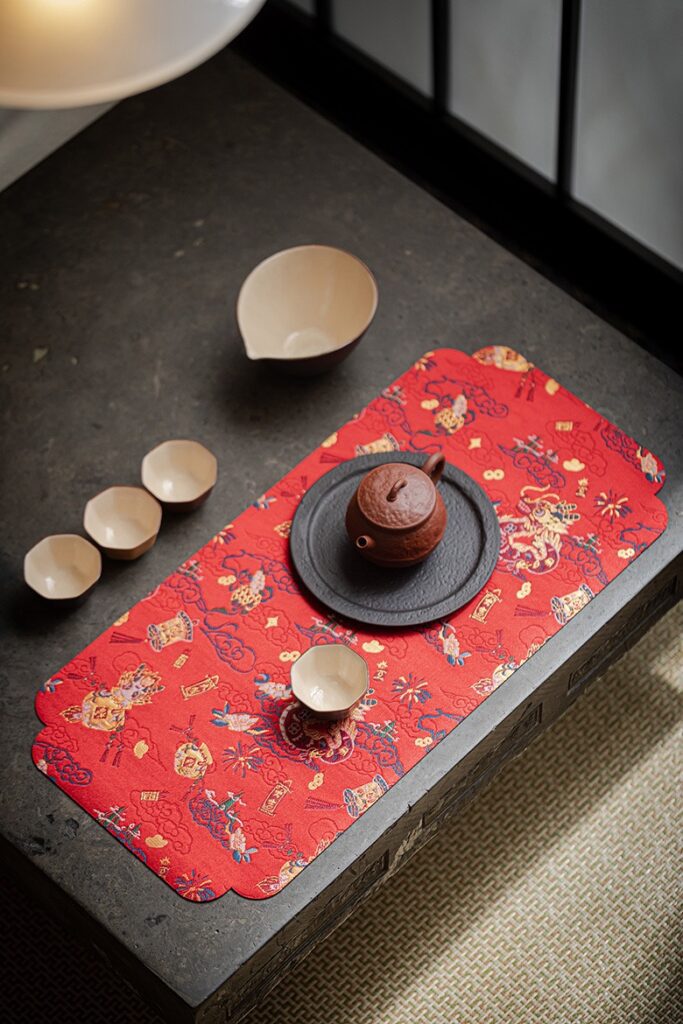
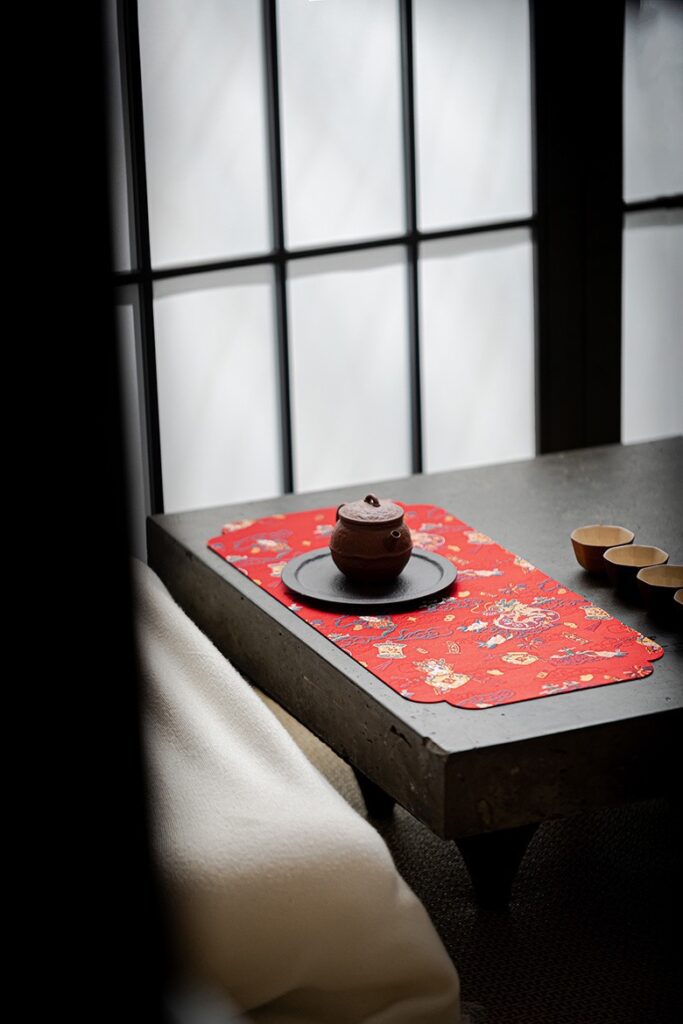
차 애호가 여러분, 안녕하세요! 🐉✨ 2024년 용의 해를 맞이하여 흥미로운 소식을 전해 드립니다. 이싱 찻주전자를 구매하시는 분들께는, 차 마시는 시간을 한층 더 특별하게 만들어 줄 용의 해 한정판 차 매트를 선물로 드립니다. 여러분과 함께 새해를 축하하는 저희만의 방식입니다. 단, 이 혜택은 기간 한정으로 제공되니 꼭 기억해 주세요! 이 신비로운 아이템으로 여러분의 차 시간을 더욱 특별하게 만들어 보세요. 🍵💫
Look at the paws before you look at the face.
In a familiar pair of Chinese guardian lions, one animal rests a paw on a patterned ball. Beside the other is a small cub. Both may have curled manes, broad mouths and wonderfully theatrical expressions, but those little details tell you they are not simply two copies of the same sculpture.
They are also not dogs. Despite the English names Foo Dogs 그리고 Fu Dogs, these figures belong to the tradition of Chinese guardian lions.

Once you notice the ball, the cub and the stance, a figure that initially seemed like a strange decorative animal becomes much easier to read. The expression is only the beginning.
Foo dog, fu dog 그리고 lion dog are English names used for these stylized lions. In Chinese, shizi means lion; shishi refers to stone lions. The English nickname is not a literal translation of either term.
It is worth separating that naming habit from the object itself. A figure sold as a Foo Dog is not necessarily depicting a particular breed of dog. For identifying the artistic tradition, Chinese guardian lion is the clearer description. Even museum catalogues can preserve both names: the Penn Museum’s record of a Qing cloisonne lion lists Fu Lion and Fu Dog together, while describing the animal as a lion.
The face can still look surprisingly dog-like. That is understandable when you look at the rounded muzzle, close-set curls and compact body. But resemblance is not the same as identity.
그 메트로폴리탄 미술관 notes that lions were not native to China, although some had arrived from the west by the Western Han period. As Buddhism became firmly established, the lion also acquired a powerful role as a defender of the faith and Buddhist law.
That history helps explain why a Chinese lion can communicate much more than animal strength. It belongs to an artistic world of guardianship, sacred settings and authority.
Look at the lions supporting this sixth-century vessel. They do not resemble the gilded palace pair above, yet their crouched bodies and animated faces have an unmistakable presence. The example also shows that lions were appearing on small objects, not only at gateways.
On the palace lions, curls become almost architectural. Claws, teeth and eyes are enlarged into features you can read from a distance. You do not need to mistake the sculpture for a living animal to understand that it is watching the entrance.
In the familiar paired arrangement, the lion with the ball is the male, while the one with a cub is the female. The Penn Museum identifies its female lion by the cub beneath her feet. A mane alone is not a reliable way to tell them apart in this stylized tradition.
Notice how much the cub changes the mood. The adult may still look imposing, but the smaller animal introduces a scene of contact and play. The ball does something similar: it gives the raised paw a purpose.
For a collector, these details are more useful than trying to decide whether one face looks sufficiently fierce or whether a mane has the right number of curls. They are also reasons to ask for a complete photograph rather than a close-up of the head.
Treat this as a familiar convention, not a test that every Chinese lion in every medium must pass. A small ceramic interpretation may simplify the whole composition, leave out the companion or replace the accessory with something else.
This is where a little context helps more than a longer list of horns and claws.
Guardian lion is a useful name for the protective lion tradition, especially the paired figures at entrances. 수아니 has an overlapping lion-related history, but later stories give it a place among the Dragon’s sons and associate it with quiet sitting and smoke. The 고궁박물관의 ‘아홉 아들’에 관한 기록 describes that incense-related role.
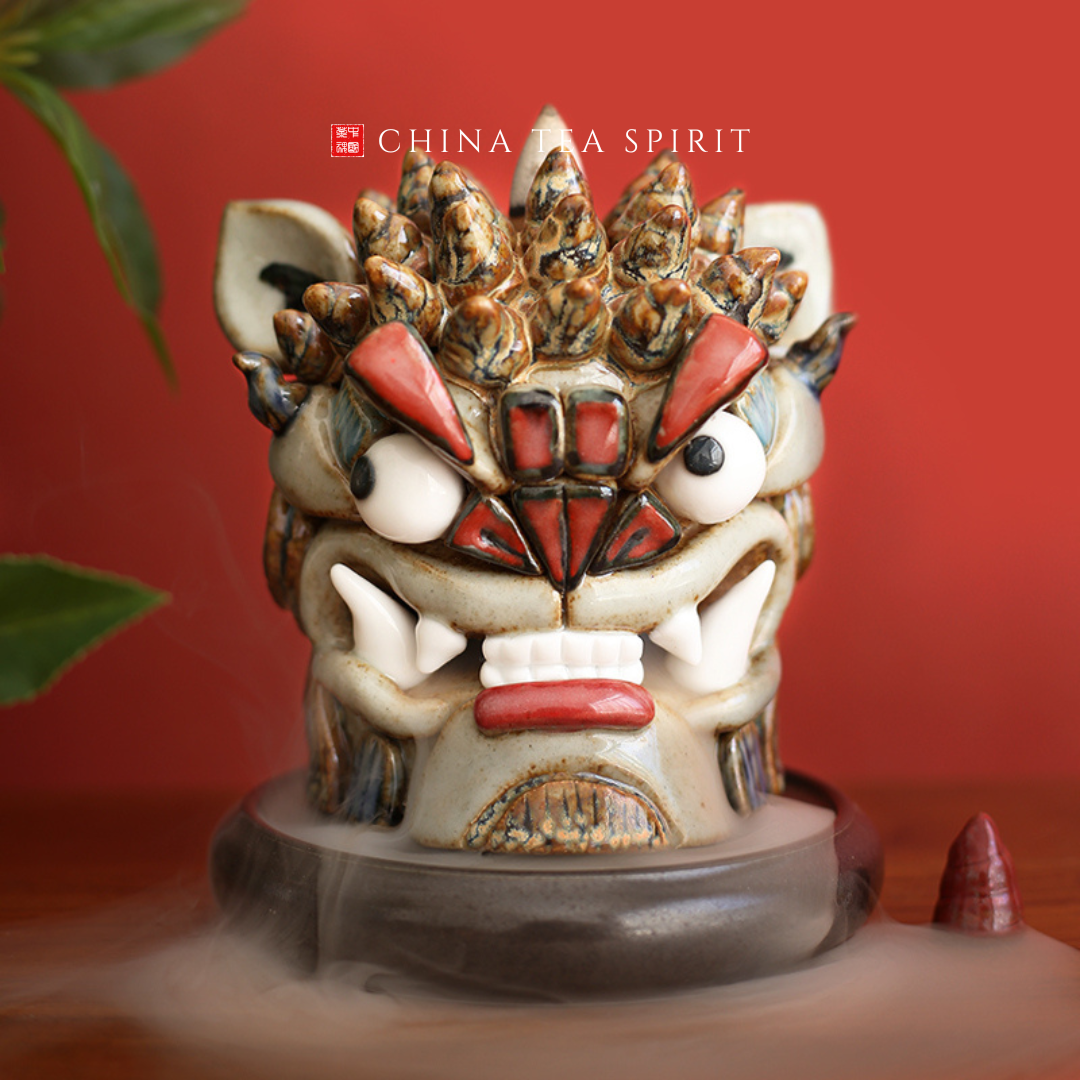
The traditions can share a face without sharing every story. A maker’s description, the setting and the way an object functions are all worth considering before assigning a name.
The same caution applies to 픽시우. A broad mouth and a forceful expression do not automatically turn a lion into the wealth-associated mythical beast.
It is tempting to imagine a simple journey from enormous palace sculpture to tiny modern ornament. Surviving objects make that story less tidy.
The Nelson-Atkins Museum of Art holds a gilt-bronze Guardian Lion from the Western Wei dynasty, dated 535–556, measuring only about five centimetres high. Small-scale lion sculpture already had a place in the artistic tradition long before the contemporary tea pet.
That does not make today’s ceramic tea pets ancient objects. It does show how comfortably the lion can work at different scales. A large guardian commands a doorway. A small one invites a closer look.
The shift in scale changes the relationship. The face that would look formidable above a flight of steps can feel almost mischievous beside a gaiwan.
저희 Foo Dog tea pet is a contemporary handmade Jingdezhen ceramic interpretation. It belongs to this more playful end of the lion tradition, rather than reproducing one particular historic palace statue.
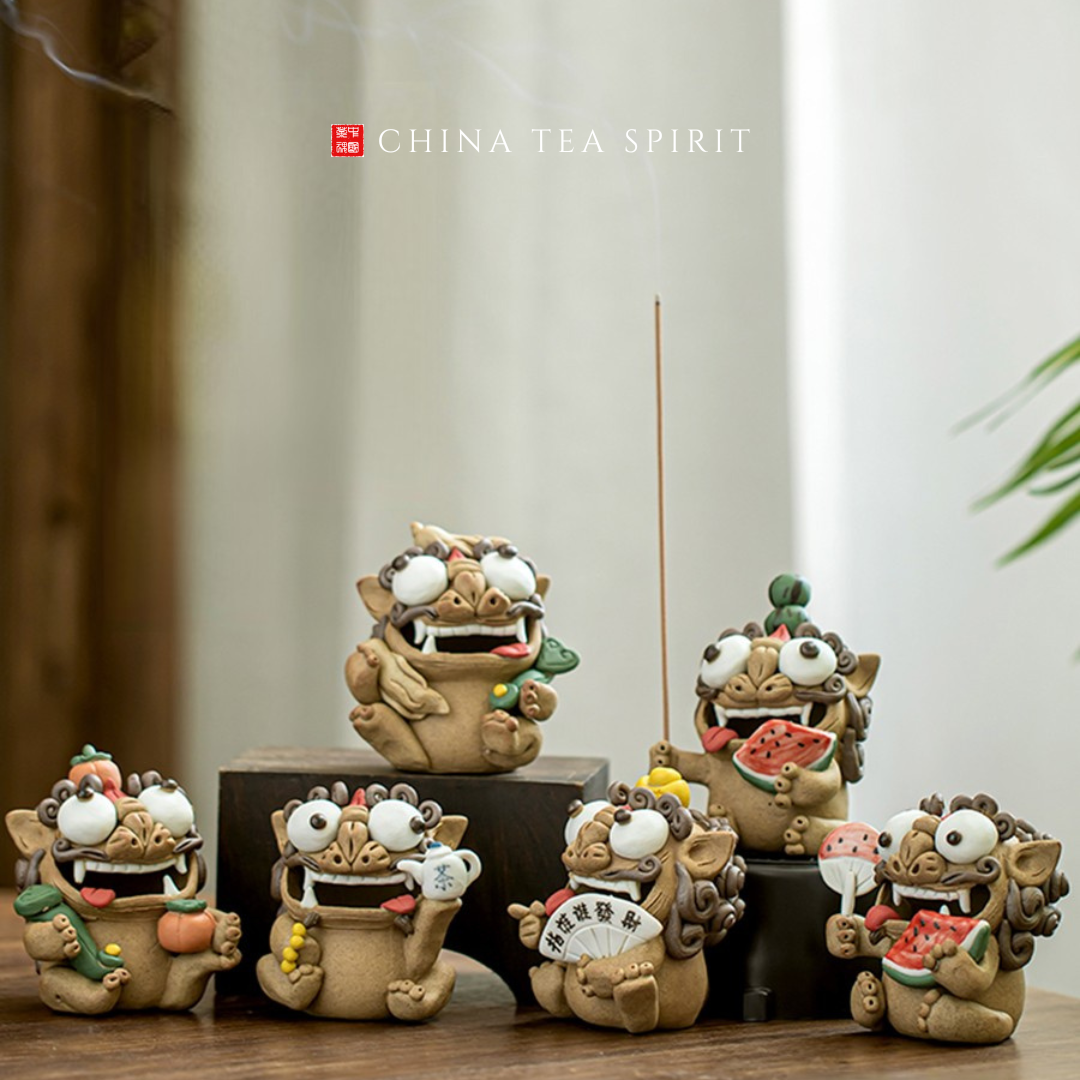
A single figure can be enjoyed as a sculpture without pretending it is a complete ceremonial pair. When choosing one, look at the actual piece: its proportions, its expression and the details that make you want to keep noticing it.
The appeal need not depend on a promise that it will change your fortune. A small guardian can mark a space as yours simply by becoming a familiar part of it.
The next time you meet one of these creatures, start at the paws. Then look at the face again. A ball, a cub or a carefully chosen accessory can turn a generic “Foo Dog” into a much more particular object—and a much better story.
For its other neighbors in Chinese ceramics, visit our 중국 신화 속 괴물 안내서.