Versandpause während der Feiertage – Wiederaufnahme am 8. Oktober. Feiern Sie das Mittherbstfest mit 10% Rabatt unter Verwendung des Codes „ctsmooncake“. SchließenZum Inhalt springen
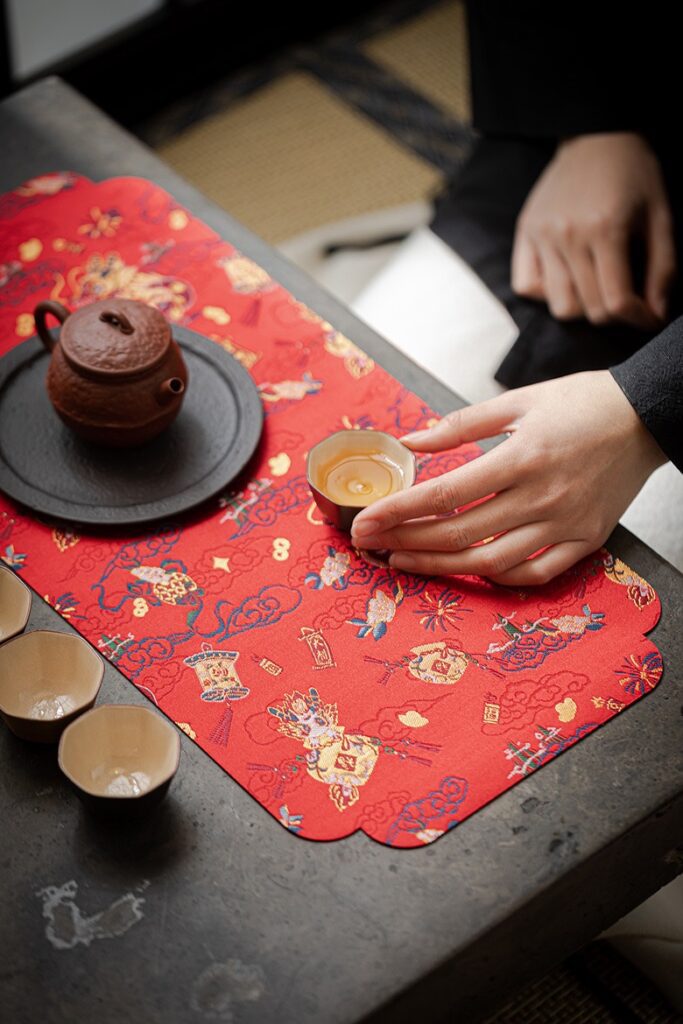
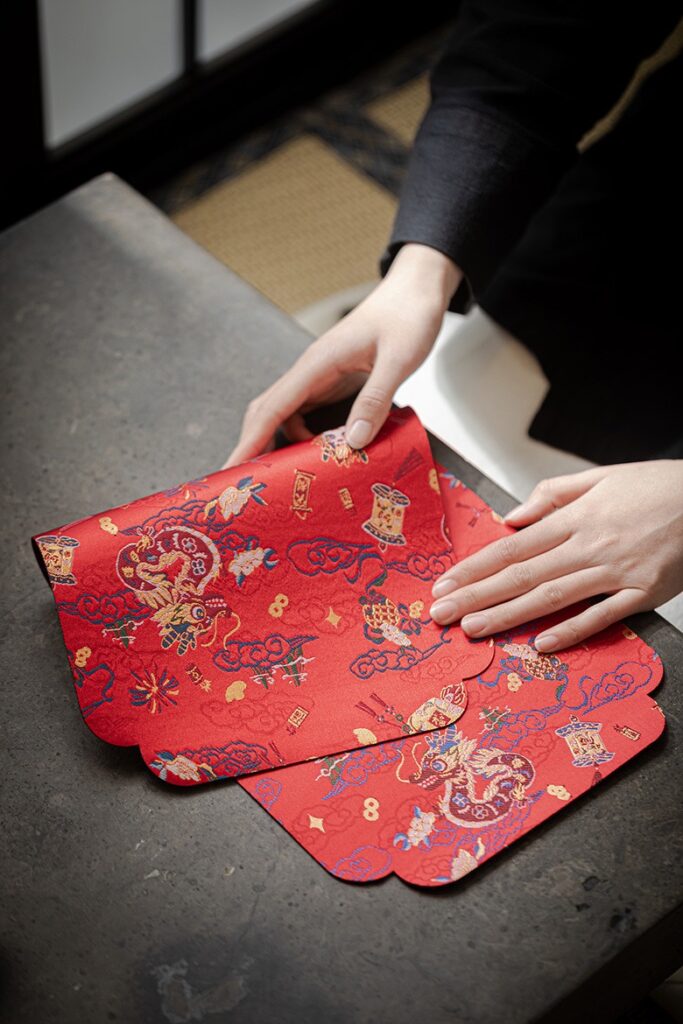
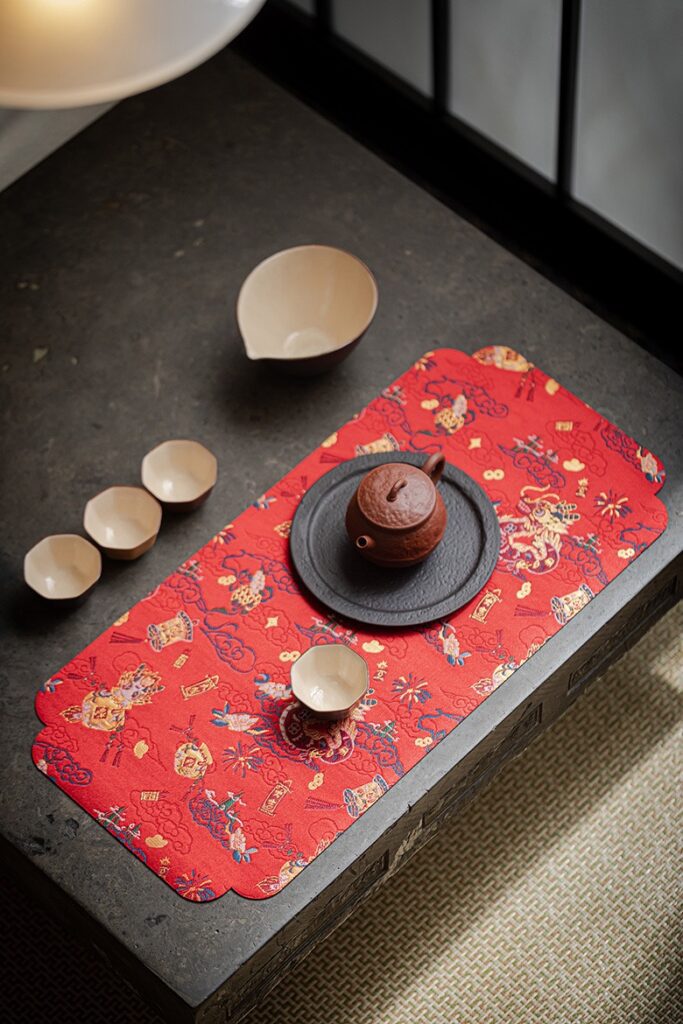
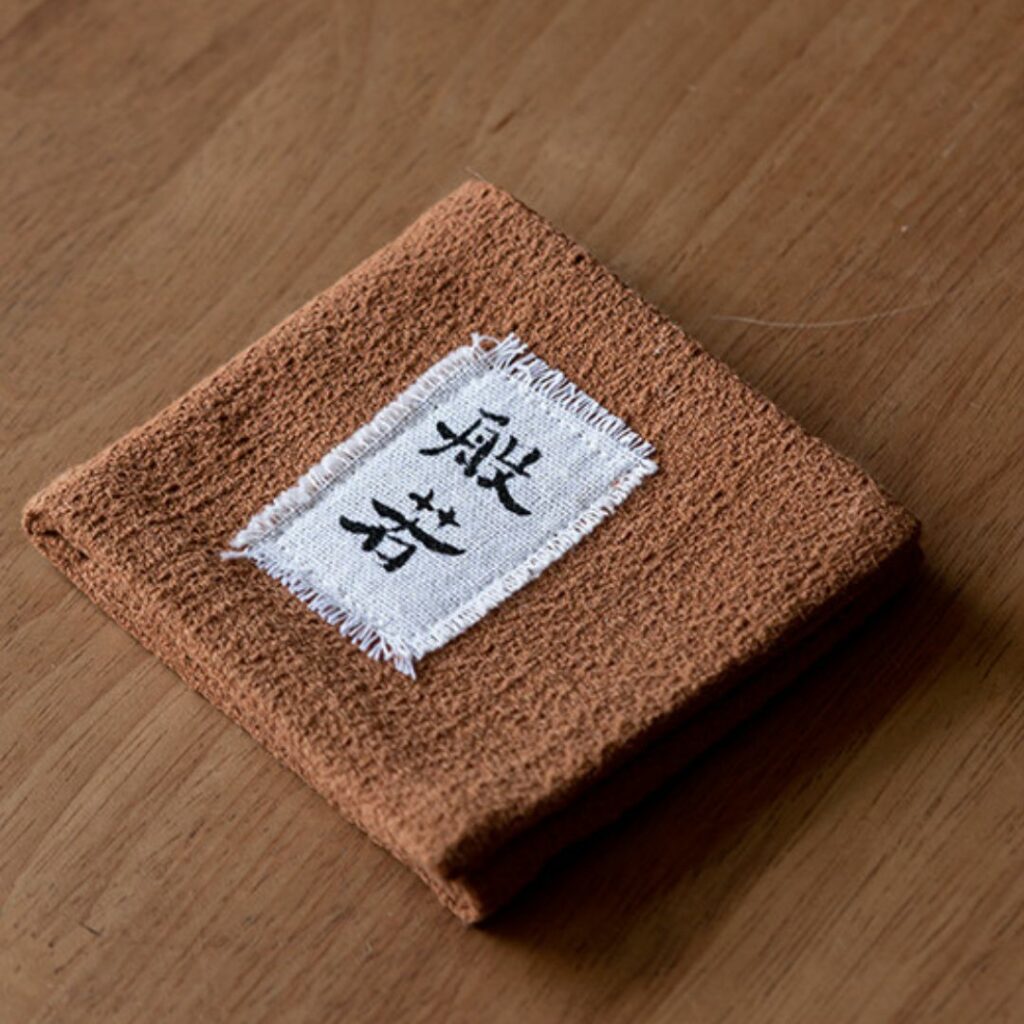
Hallo Teeliebhaber! 🐉✨ Spannende Neuigkeiten zum Start ins Jahr des Drachen 2024 – beim Kauf einer Yixing-Teekanne schenken wir euch eine exklusive Teematte im Stil des Jahres des Drachen, die euren Teeritualen das gewisse Etwas verleiht. So möchten wir gemeinsam mit euch feiern, aber denkt daran: Dieses Angebot gilt nur für begrenzte Zeit! Lasst euch die Gelegenheit nicht entgehen, eure Teestunden mit diesem mystischen Accessoire zu etwas ganz Besonderem zu machen. 🍵💫
Hallo, liebe Teeliebhaber! Viele von euch kennen uns zwar als Anbieter hochwertiger chinesischer Teegeschirre. sind wir auch auf Tees aus der Region Huang Shan spezialisiert. Huang Shan ist die Heimat der berühmtesten chinesischen Teesorten – Huang Shan Mao Feng, Keemun und Tai Ping Hou Kui. Als Einheimische dieses atemberaubenden Ortes haben wir eine tiefe Verbindung zu dieser Gegend und ihrem reichen Tee-Erbe.
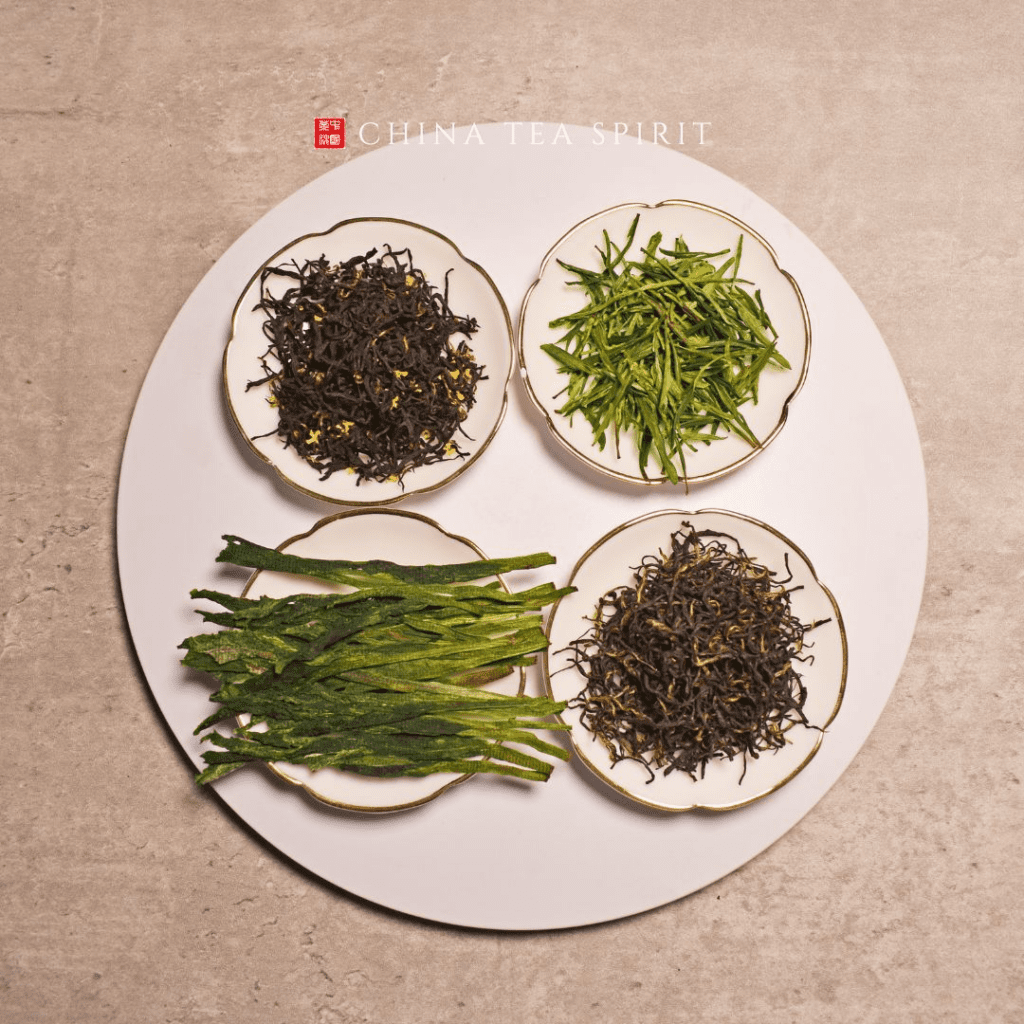
Wir wissen, dass die Suche nach dem perfekten Tee eine ganz persönliche Reise sein kann – deshalb bieten wir unser Probierpaket an. Damit können Sie die vielfältigen Aromen der Huang-Shan-Tees erkunden und denjenigen entdecken, der Ihren Geschmack trifft.
Jeder dieser Tees wird direkt von den Teebauern bezogen und verarbeitet, wodurch die Qualität und der authentische Geschmack gewährleistet sind.
Probierset mit folgendem Inhalt: Huang Shan Mao Feng – 10 g Tai Ping Hou Kui – 10 g Keemun Mao Feng – 10 g Osmanthus Keemun – 10 g
Wir freuen uns schon sehr auf Ihr Feedback zu unseren Teesorten. Begleiten Sie uns auf dieser Reise und lassen Sie sich von uns durch die bezaubernde Welt der Huang-Shan-Tees führen.
Bitte beachten Sie, dass der Tee und das Teegeschirr gemäß den Zollvorschriften in separaten Paketen versandt werden. In der Regel trifft der Tee etwas später ein als das Teegeschirr.
Sehr geehrte Kunden,
Sollten beim Bezahlvorgang Probleme aufgetreten sein, kontaktieren Sie uns bitte unter [email protected]. Und wir werden dir dabei helfen.
Im Folgenden haben wir häufige Zahlungsfehler und deren Lösungen als Orientierungshilfe für Sie aufgelistet.
#1: China Tea Spirit liefert nicht an diesen Standort. Bitte geben Sie eine andere Adresse an.
Dies ist ein bekannter Fehler bei PayPal. Er tritt zufällig auf. Falls Ihnen diese Fehlermeldung angezeigt wurde, kontaktieren Sie uns bitte unter [email protected]. Wir werden das für Sie regeln.
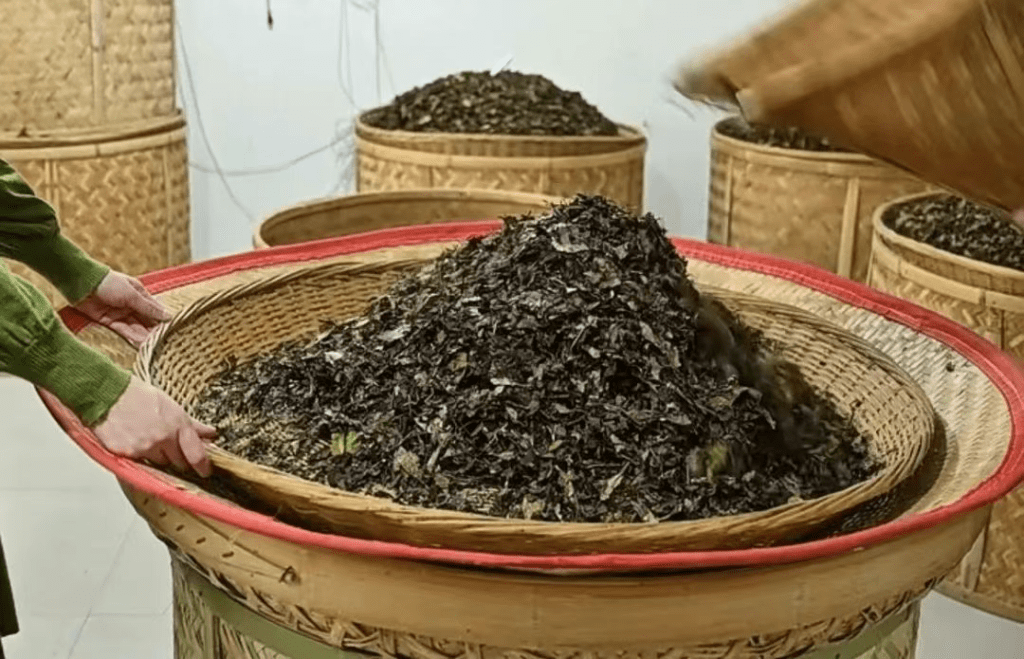
Was weißen Tee angeht, ist der Herstellungsprozess trügerisch einfach – kein Rösten in der Pfanne, kein Rollen. Nur zwei wesentliche Schritte: Welken und Trocknen. Aber lassen Sie sich nicht täuschen. Das in der Teewelt beliebte Sprichwort “natürliches Welken, Trocknen bei niedriger Temperatur” ist nicht nur ein eingängiger Slogan – es ist die Essenz der über Generationen gewachsenen Weisheit der Teeherstellung.
Das Ziel der Trocknung? Überschüssige Feuchtigkeit schonend zu entfernen, eventuelle Bitterkeit im Aufguss abzumildern und grasige oder bei niedriger Siedetemperatur entstehende Aromen zu reduzieren – damit die zarten, silbernen Knospendüfte und blumigen Noten voll zur Geltung kommen können.
Grillen mit Holzkohle vs. Grillen mit Strom
Das Trocknen von weißem Tee ist nicht so einfach, wie die Blätter einfach in einen Trockner zu werfen. Heutzutage kommen vor allem zwei Methoden zum Einsatz: das traditionelle Rösten über Holzkohle (炭焙) und das moderne elektrische Trocknen (电焙).
Aber worin besteht der Unterschied? Und was noch wichtiger ist: Was ist besser, was den Geschmack und das Alterungspotenzial angeht?
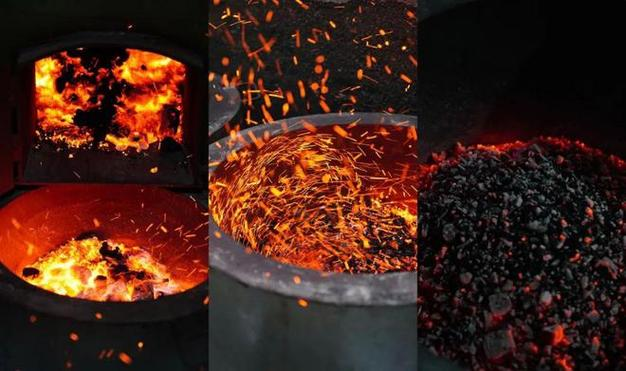
Die Kunst des Grillens mit Holzkohle
Das Rösten mit Holzkohle klingt vielleicht ganz einfach – man zündet einfach ein paar Kohlen an und röstet den Tee, oder? Nicht ganz.
Der Vorgang beginnt damit, dass Holzkohle sorgfältig in Schichten aufgeschichtet und angezündet wird, bis glühende Kohlen entstehen, die mit Asche bedeckt und zu einem Kegel geformt werden. Anschließend folgt das “披灰” („das Feuer bestäuben“), bei dem gereifte Asche gleichmäßig über die Glut verteilt und mit einer Schicht weißer Asche bedeckt wird. Dieses feine Gleichgewicht hilft dabei, die Temperatur zu regulieren, und sorgt für eine gleichmäßige, konstante Hitze, die ideal zum Braten ist.
Es handelt sich um einen arbeitsintensiven, handwerklichen Prozess, der Erfahrung, Intuition und Fingerspitzengefühl erfordert.
Die Effizienz der elektrischen Trocknung
Das elektrische Rösten hingegen ist ein Ergebnis moderner Innovation. Es ermöglicht eine bessere Kontrolle über Temperatur und Zeit, was die Effizienz und Gleichmäßigkeit verbessert – was insbesondere bei der Großproduktion von Vorteil ist.
Aber reicht Beständigkeit aus, um die Tradition zu besiegen?
Wissenschaftlicher Wettstreit: Eine Fallstudie
Um dies herauszufinden, führten die Forscher einen direkten Vergleich mit dem weißen Tee „Fuding Da Bai“ durch. Sie testeten drei Trocknungsmethoden:
• Backen mit Elektroofen: 75 °C für 120 Minuten
• Langsamgaren mit Holzkohle: 55–65 °C für 120 Minuten
• Braten bei hoher Temperatur über Holzkohle: 70 °C für 120 Minuten
Die chemische Analyse ergab:
• Geringe Unterschiede hinsichtlich Aminosäuren, Polyphenolen und löslichen Zuckern zwischen den drei
• Elektrisch gerösteter Tee wies einen höheren Catechin-Gehalt auf (der mit gesundheitlichen Vorteilen und Adstringenz in Verbindung gebracht wird)
Auch das Aromaprofil unterschied sich:
• Elektrisch gerösteter weißer Tee enthielt mehr frische, blumige Duftstoffe wie β-Ionon und β-Citronellal
• Der über Holzkohle geröstete Tee wies eher rosige Aromen auf, wobei ein höherer Gehalt an Linalool und Phenylethanol sowie ein höherer Gehalt an Eicosan zu dem charakteristischen, röstigen “Feueraroma” beitrug.”
Aussehen:
• Elektrisch gerösteter Tee schnitt am besten ab – gleichmäßig und raffiniert
• Mit Holzkohle gerösteter Tee wies eine geringere Einheitlichkeit in Form und Farbe auf, insbesondere die bei niedriger Temperatur geröstete Variante
Aroma:
• Elektrische Röstung: ausgeprägte Süße und frischer, blumiger Duft
• Röstung mit Holzkohle: süßer, silbrig-knospiger Duft mit einem Hauch von Röst- und Feueraroma – allerdings waren einige blumige Noten nur schwach wahrnehmbar
Geschmack:
• Elektrisch gerösteter Tee: frisch, mild, vollmundig und süß mit einem angenehm lang anhaltenden Abgang
• Bei hoher Temperatur über Holzkohle geröstet: kräftig und süß, mit vollem Körper und einem Nachhall von Süße
• Niedertemperatur-Rösten mit Holzkohle: dünner und leicht adstringierend – insgesamt die niedrigste Bewertung
Aussehen der Blätter nach dem Aufbrühen:
• Elektrische Röstung: weich, zart, mit ausgeprägten Knospen
• Braten bei niedriger Temperatur auf Holzkohle: matte Farbe, geringe Elastizität
• Braten bei hoher Temperatur über Holzkohle: gröbere Textur mit dickeren Stielen
Also… Was ist besser?
Das Fazit? Was den Geschmack angeht, spielt die Trocknungstemperatur eine größere Rolle als die Methode allein.
Das Rösten über Holzkohle kann blumige und fruchtige Noten hervorheben, ist jedoch eine anspruchsvolle Kunst. Wird dabei nicht präzise vorgegangen, kann eine ungleichmäßige Hitze zu einem uneinheitlichen Erscheinungsbild und unbeständigen Aromen führen – was erklärt, warum das Rösten über Holzkohle bei niedriger Temperatur nicht so gut abgeschnitten hat.
Das elektrische Rösten bietet dagegen eine gleichmäßige Hitze, hohe Effizienz und gleichbleibende Qualität – was es zu einer idealen Wahl für Produzenten und zu einer zuverlässigen Option für Teetrinker macht.
Allerdings kann ein gekonntes Röstverfahren mit Holzkohle durch einen echten Teemeister zu einem außergewöhnlichen weißen Tee führen, der vielschichtig und äußerst aromatisch ist. Es kommt also nicht nur auf die Methode an – entscheidend ist auch das handwerkliche Können.
Und wie sieht es bei Ihnen aus? Bevorzugen Sie die klare, blumige Süße von elektrisch geröstetem weißem Tee oder die röstige Tiefe eines mit Holzkohle gerösteten Aufgusses?
Teilt uns eure Meinung in den Kommentaren mit – wir würden gerne erfahren, was in eurer Tasse ist!