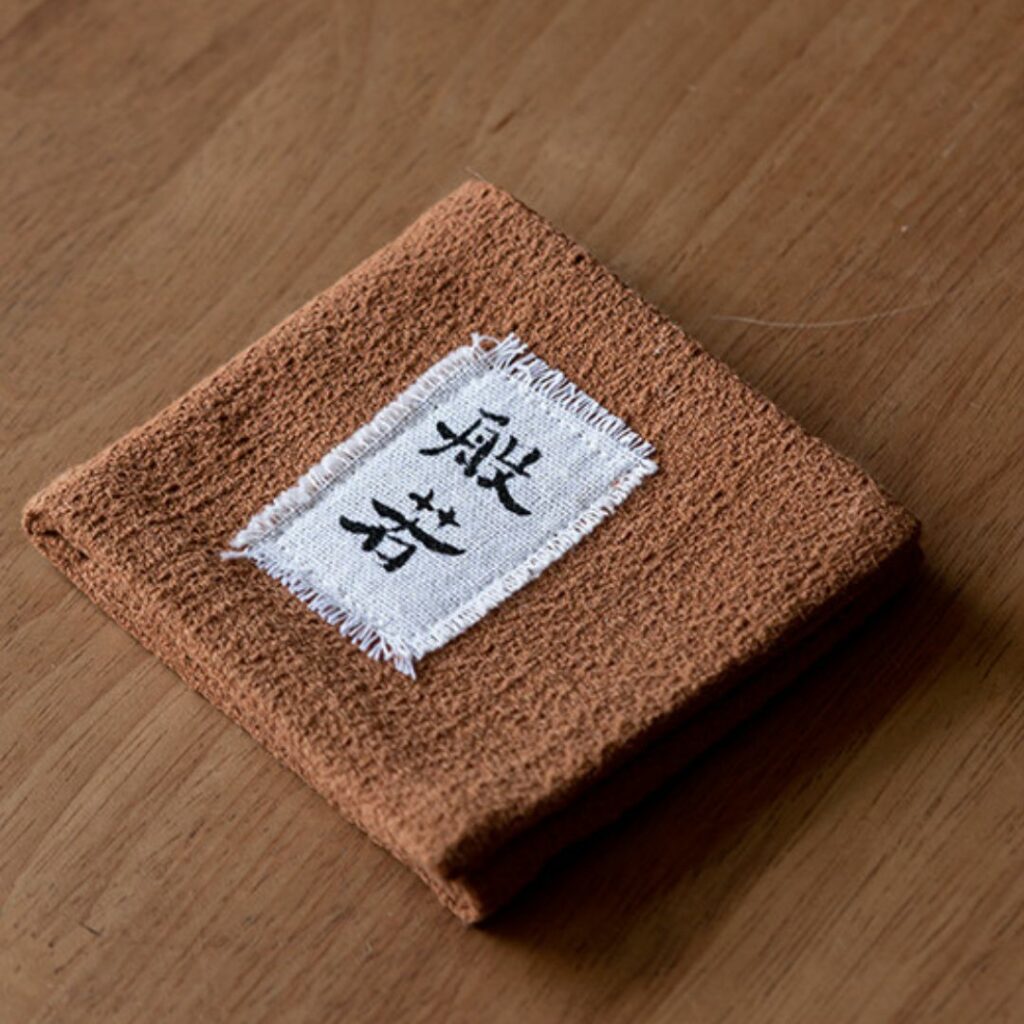
Recevez un torchon gratuit pour toute commande supérieure à $49. Inscrivez-vous à la newsletter et bénéficiez d'une réduction de 7% ! IgnorerAller directement au contenu
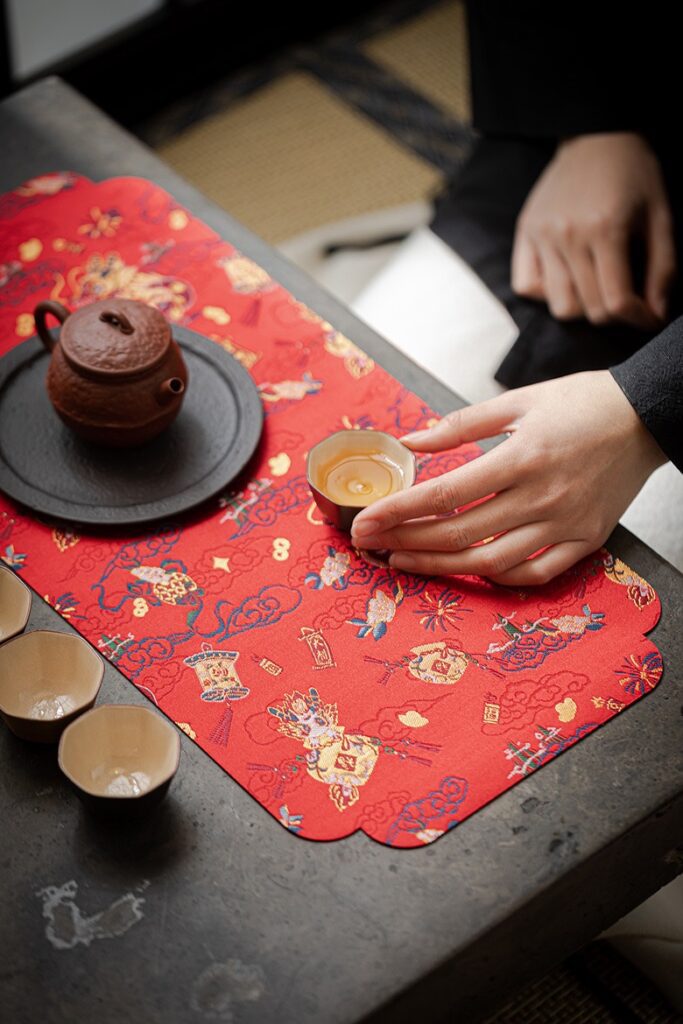
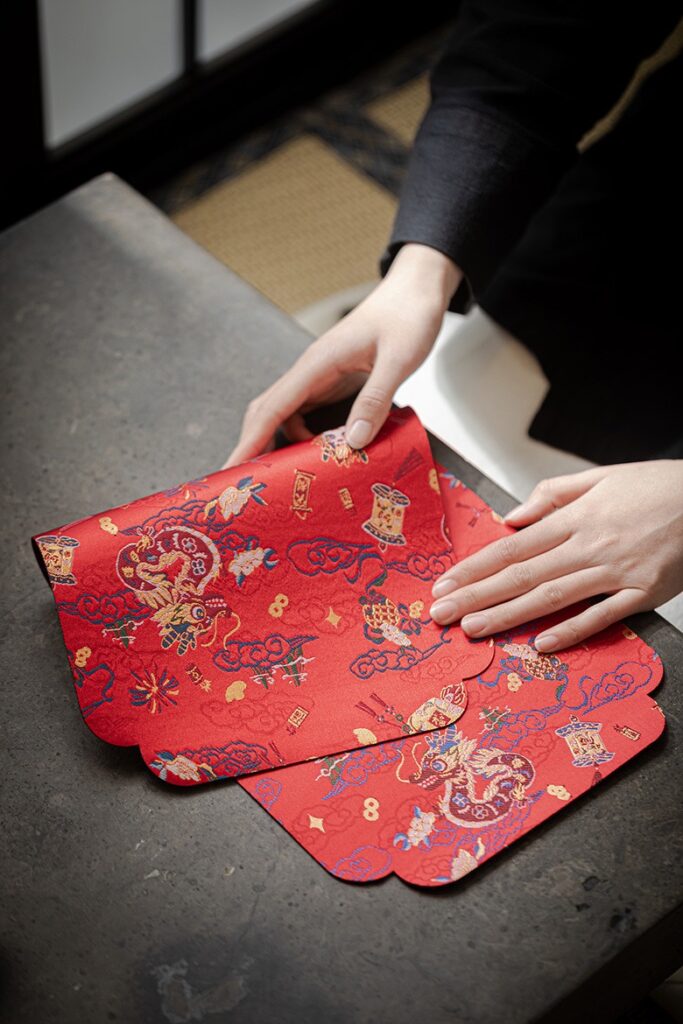
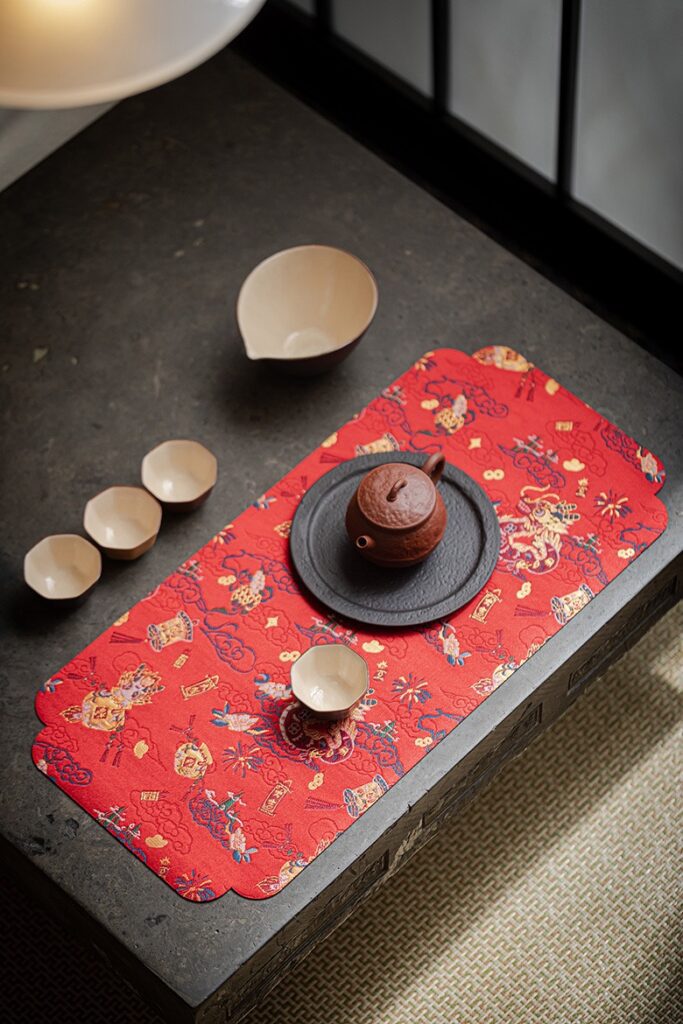
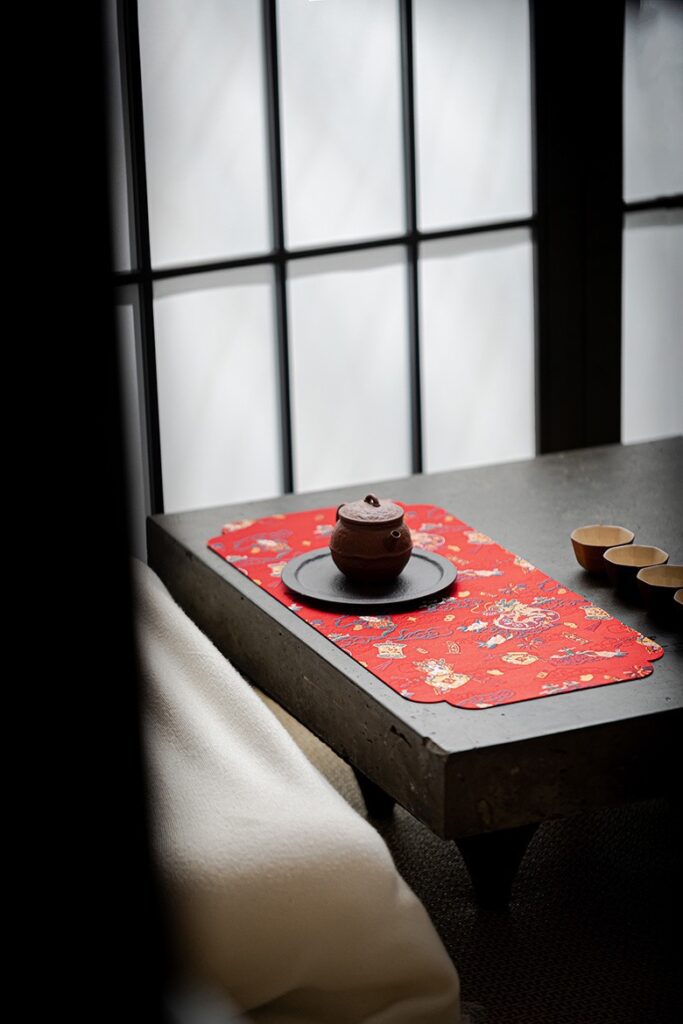
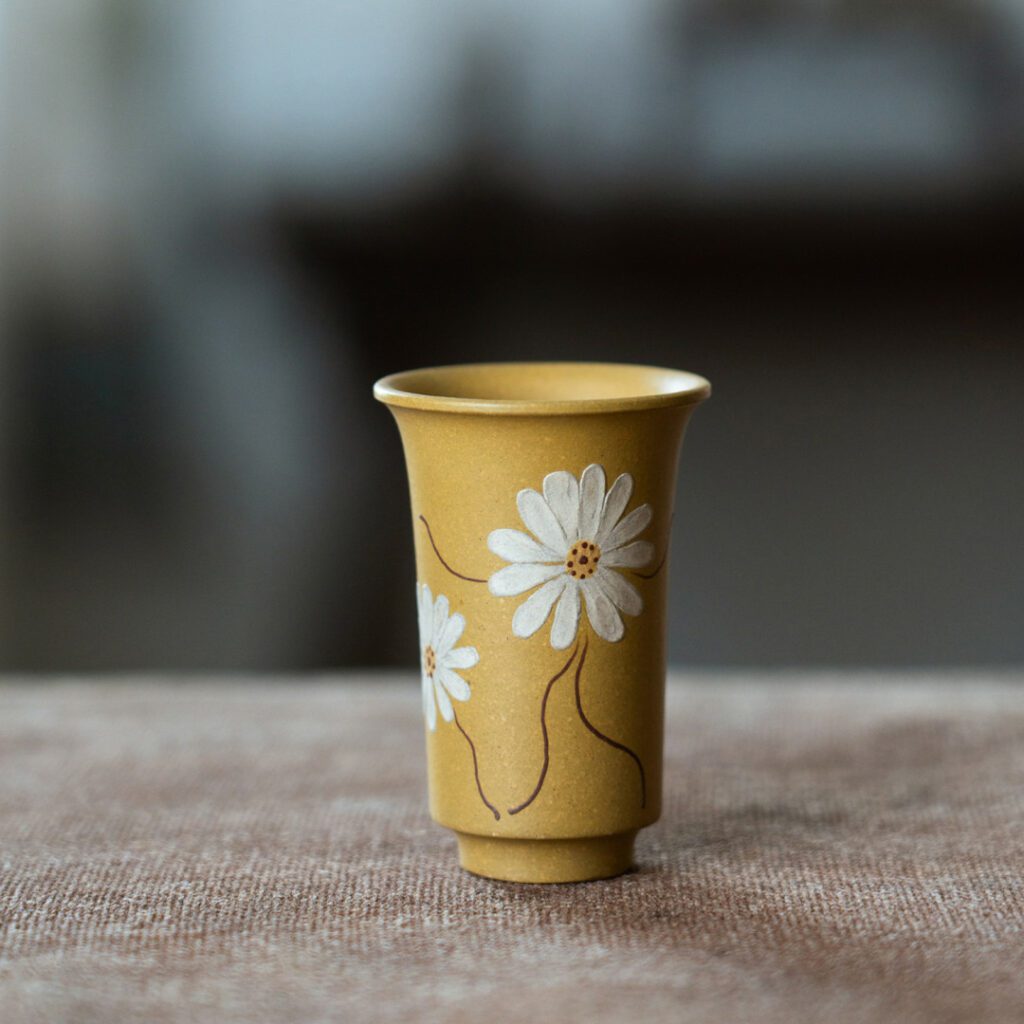
Bonjour à tous les amateurs de thé ! 🐉✨ Une nouvelle passionnante en ce début d’Année du Dragon 2024 : pour tout achat d’une théière Yixing, nous vous offrons un set de thé exclusif aux motifs de l’Année du Dragon, pour apporter une touche d’originalité à vos rituels du thé. C'est notre façon de célébrer cet événement avec vous, mais n'oubliez pas : cette offre est valable pour une durée limitée ! Ne manquez pas l'occasion de rendre vos moments de dégustation encore plus spéciaux grâce à cet accessoire mystique. 🍵💫
Bonjour à tous les amateurs de thé ! Si beaucoup d’entre vous nous connaissent comme une entreprise spécialisée dans les accessoires haut de gamme pour le thé chinois, nous sommes également spécialisés dans les thés de la région de Huang Shan. Huang Shan abrite les thés chinois les plus célèbres : le Huang Shan Mao Feng, le Keemun et le Tai Ping Hou Kui. Originaires de cet endroit à couper le souffle, nous entretenons un lien profond avec cette terre et son riche patrimoine du thé.
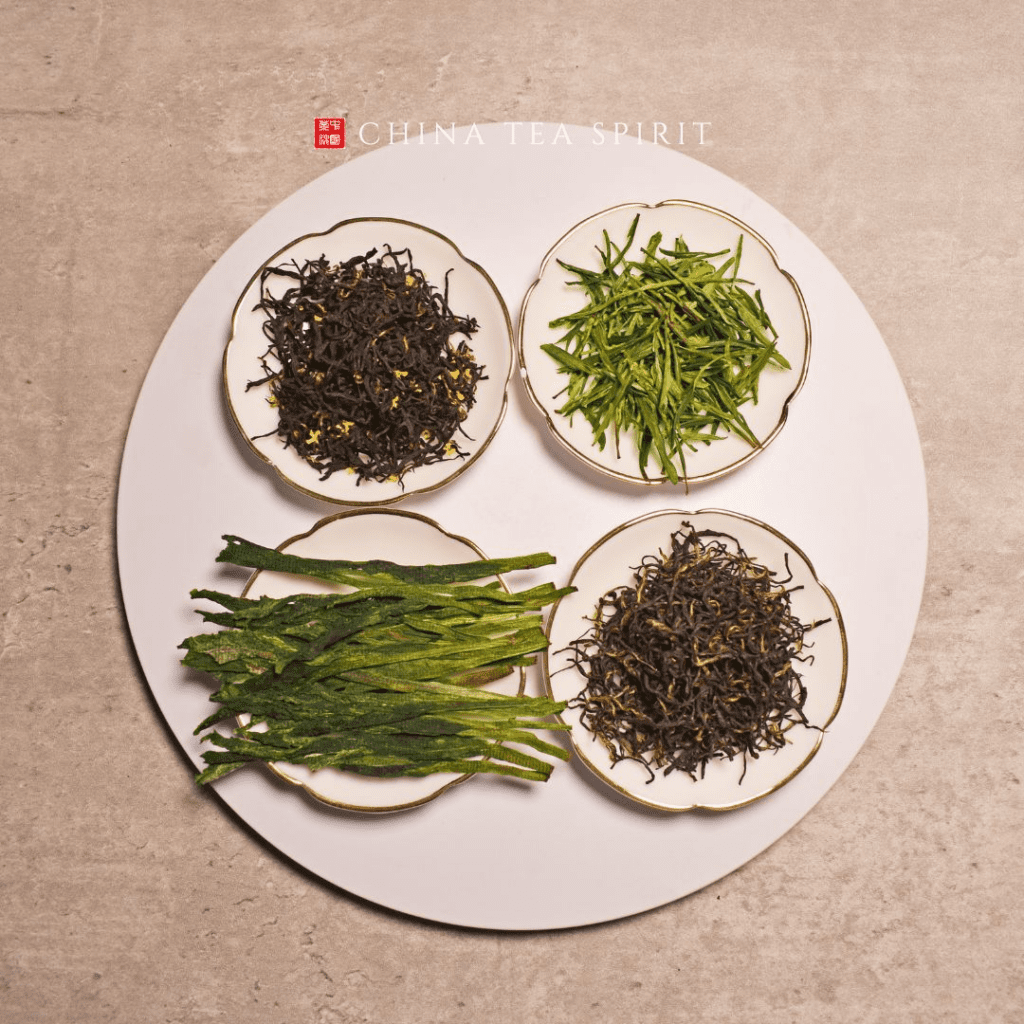
Nous savons que trouver le thé idéal peut être un parcours personnel, c'est pourquoi nous vous proposons notre coffret d'échantillons. Il vous permet d'explorer la diversité des saveurs des thés de Huang Shan et de découvrir celui qui séduira vos papilles.
Chacun de ces thés est acheté et produit directement auprès des producteurs de thé, ce qui garantit sa qualité et son goût authentique.
Coffret d'échantillons comprenant : Huang Shan Mao Feng – 10 g Tai Ping Hou Kui – 10 g Keemun Mao Feng – 10 g Osmanthus Keemun – 10 g
Nous avons hâte de connaître vos impressions sur nos thés. Rejoignez-nous dans cette aventure et laissez-nous vous guider à la découverte de l'univers enchanteur des thés de Huang Shan.
Veuillez noter que le thé et les accessoires de thé seront expédiés dans des colis séparés, conformément aux exigences douanières. En général, le thé arrive un peu plus tard que les accessoires de thé.
Chers clients,
Si vous avez rencontré des problèmes lors du paiement, veuillez nous contacter à l'adresse suivante : [email protected]. Et nous serons là pour vous aider.
Vous trouverez ci-dessous une liste des erreurs de paiement courantes et leurs solutions, à titre de référence.
#1 : China Tea Spirit ne livre pas à cette adresse. Veuillez indiquer une autre adresse.
Il s'agit d'un bug connu de PayPal. Il survient de manière aléatoire. Si vous avez reçu ce message d'erreur, veuillez nous contacter à l'adresse suivante : [email protected]. Nous allons régler cela pour vous.
I came across an interesting question recently from someone learning to brew tea in a gaiwan.
Most gongfu guides seemed to suggest using several grams of tea in a small vessel. But whenever this person tried anything close to those amounts, the tea became bitter almost immediately. In the end, they were happily using only one or two grams of leaf.
So were they brewing incorrectly?
Not necessarily.
Tea ratios are useful. They are also one of the easiest parts of gongfu tea to take too seriously.
For a gongfu-style session, somewhere around 4–5 grams of tea for 100ml of water is a useful place to begin for many teas. Some people prefer more, some less. Certain oolongs and pu’er teas can take a heavier hand; delicate teas may be more enjoyable with less leaf.
The important words are place to begin.
Five grams of one tea can be completely different from five grams of another
Put 5 grams of tightly rolled Tieguanyin beside 5 grams of a loose, fluffy white tea and they hardly look like the same amount.
The rolled oolong may sit quietly at the bottom of the gaiwan before expanding dramatically once it meets hot water. A large-leaf white tea might already appear to fill half the vessel while dry.
Compressed pu’er introduces another variable. Broken leaves extract differently from intact leaves, while fine leaf fragments can release flavor—and bitterness—much faster.
This is why judging tea only by teaspoons, or by how full the gaiwan looks, can be misleading.
A small digital scale is useful when you are learning, not because every session needs to become precise, but because it gives you a reference point. After enough sessions, most people naturally become much better at judging leaf quantity by sight and feel.
First, find out how much water your gaiwan actually holds
This causes more confusion than people expect.
A gaiwan sold as “120ml” does not necessarily mean you are brewing with exactly 120ml of water each time. Capacity may be measured close to the rim, while in normal use the lid sits lower and the actual amount of brewing water is smaller. Once tea leaves are inside, they displace additional water.
Before calculating elaborate ratios, try something simpler. Fill your gaiwan to the level where you would normally brew, then pour that water into a measuring cup.
That is your useful brewing capacity.
For many people, knowing that number is more helpful than knowing the number printed on the product page.
If the tea is bitter, reducing the leaf is only one option
Imagine you put 5 grams into a 100ml gaiwan and the first infusion is unpleasantly bitter.
The natural reaction is to use less tea next time. That may work—but first look at the other variables.
Perhaps the water is too hot for that particular tea. Perhaps a ten-second infusion quietly became thirty seconds while you were arranging the lid and preparing to pour. Perhaps the leaves are broken and extracting unusually fast. Or perhaps you simply prefer lighter tea.
There is no prize for forcing yourself to drink tea at a ratio somebody else enjoys.
Try shortening the infusion first. If the tea still feels overly concentrated, use slightly less leaf. If it tastes thin instead, increase the leaf while keeping the infusion short.
One adjustment at a time teaches you much more than trying to follow somebody else’s brewing recipe exactly.
The size of the gaiwan matters more than beginners expect
This is also why smaller gaiwans can be so comfortable for personal gongfu sessions.
A 90–110ml gaiwan gives the leaves enough room to open while keeping each infusion relatively small. A larger gaiwan is not wrong. It simply means that using the same tea-to-water ratio requires more leaf and produces considerably more tea over a long sequence of infusions.
If you regularly reach the fifth or sixth infusion and realize you simply do not want another cup, the problem may not be your tea at all. Your brewing vessel may just be too large for the way you drink.
Some people enjoy dense, aromatic infusions using plenty of leaf and very fast pours. Others prefer a lighter session and want each infusion to be softer.
Both can still reveal the progression of a tea—the way aroma, texture and flavor change from one infusion to the next.
If you are just beginning with a roughly 100ml gaiwan, start around 4–5 grams for many teas and pour relatively quickly. Taste it.
Too strong? Shorten the infusion or reduce the leaf.
Too weak? Add a little more.
Bitterness appearing very quickly? Before blaming the quantity, also look at water temperature, leaf condition and how long the tea actually remained in contact with the water.
Once you find the combination you like, write it down. After a few sessions, you stop asking what the correct gaiwan ratio is. You start learning what this particular tea wants—and, more importantly, how you like to drink it.