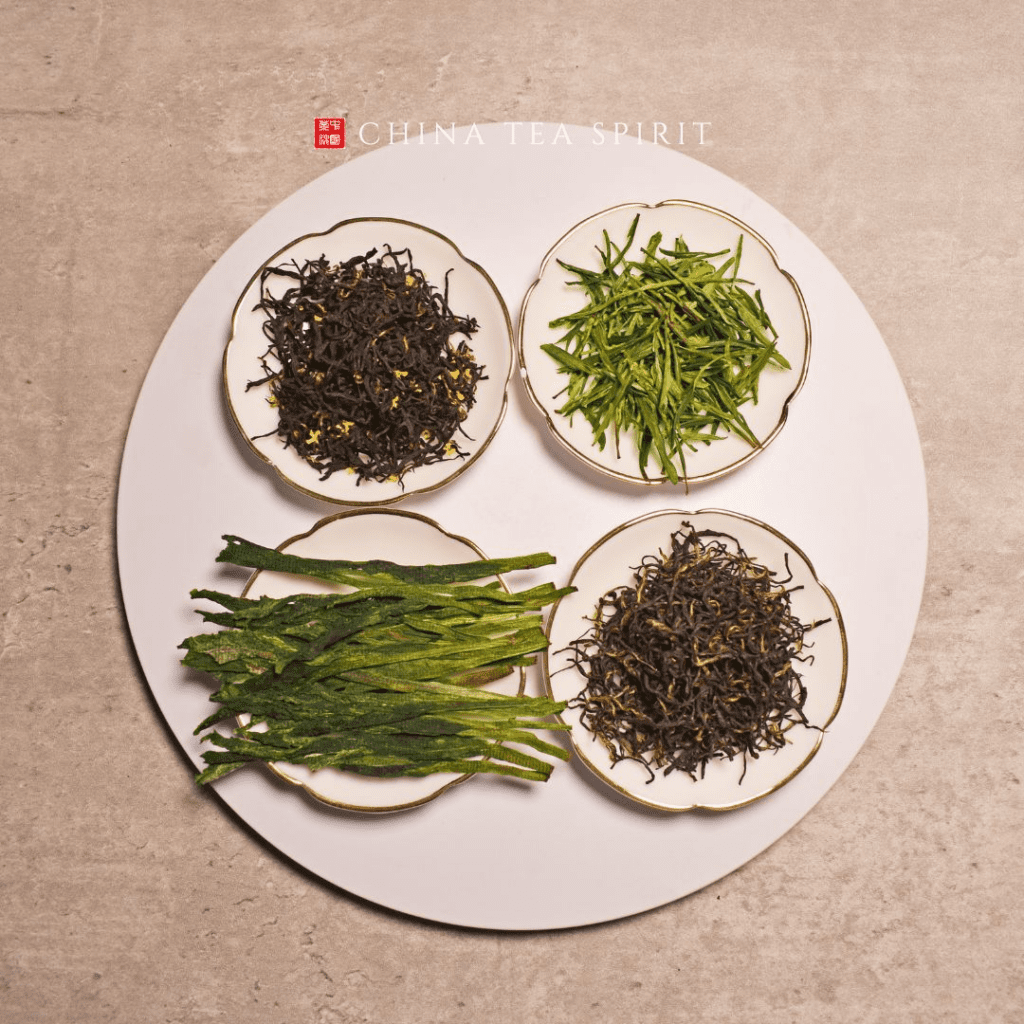
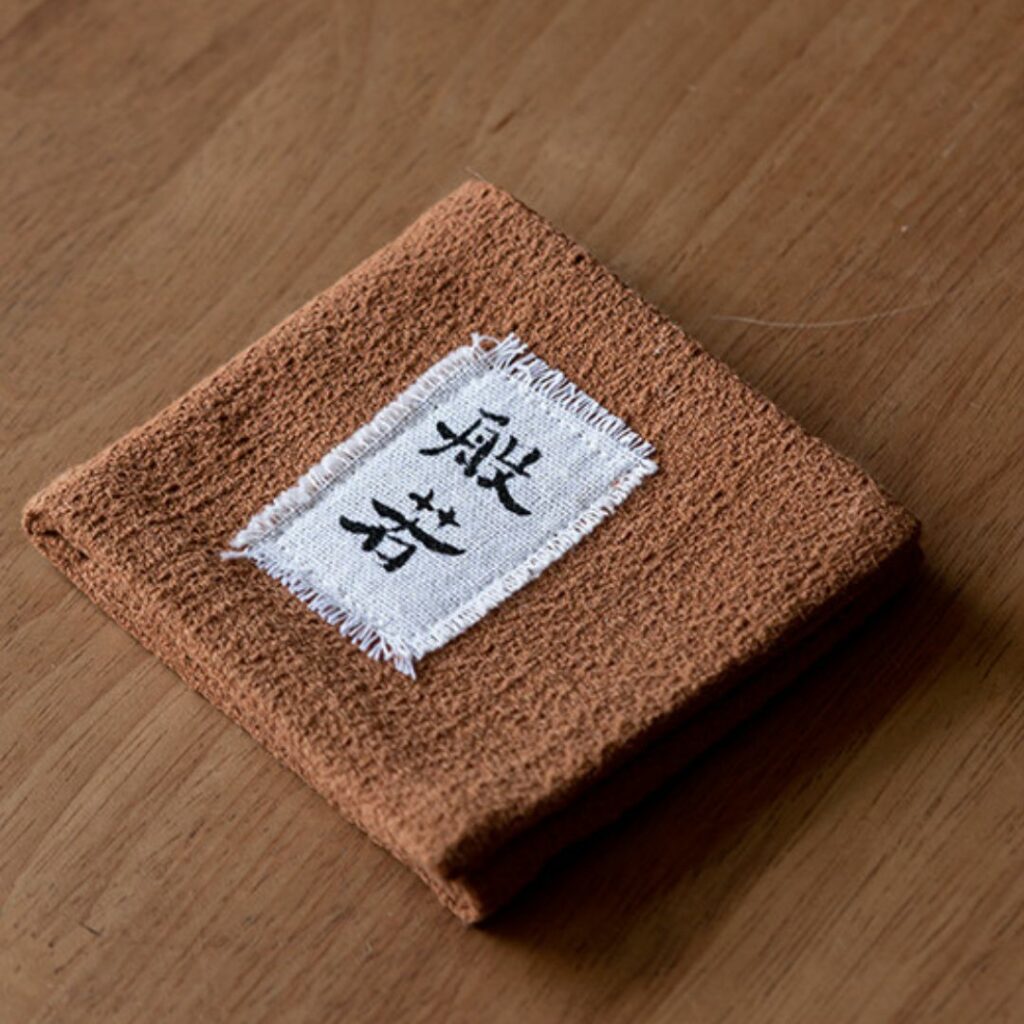
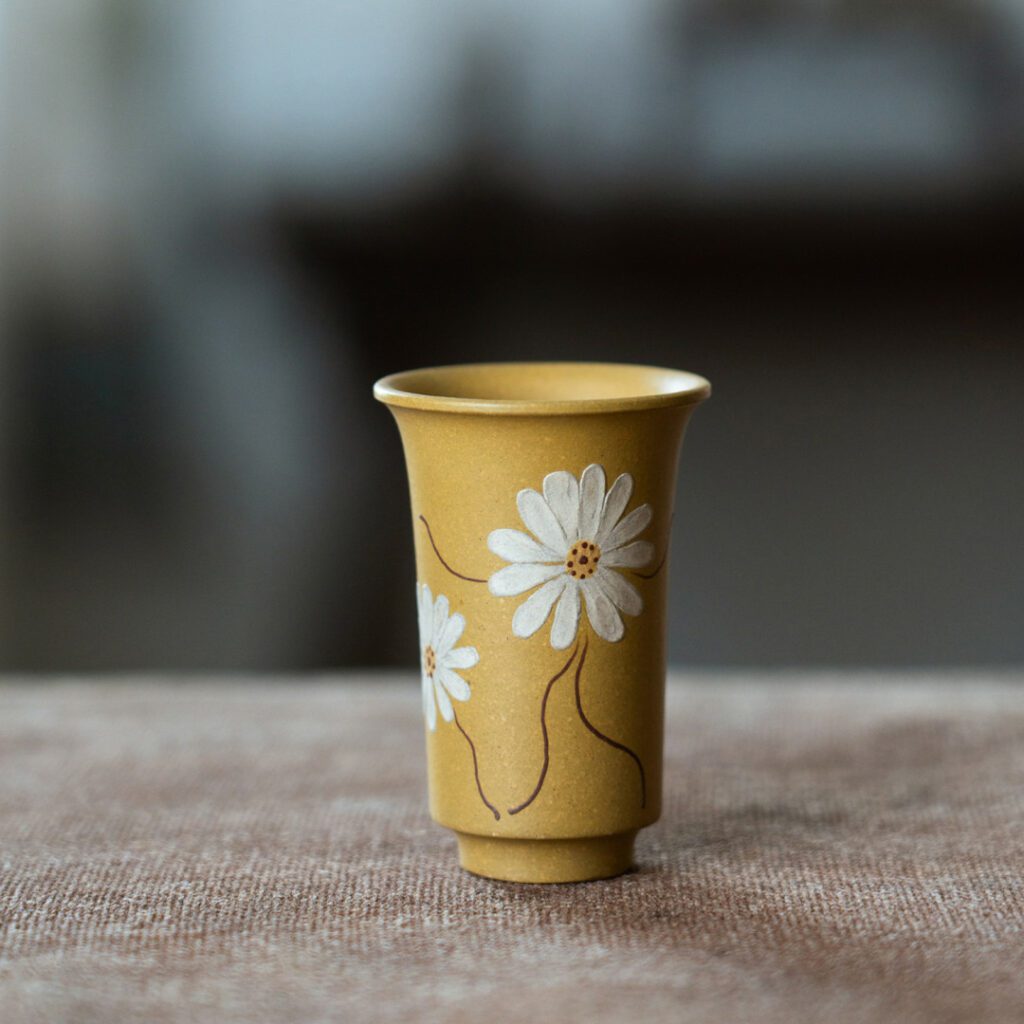
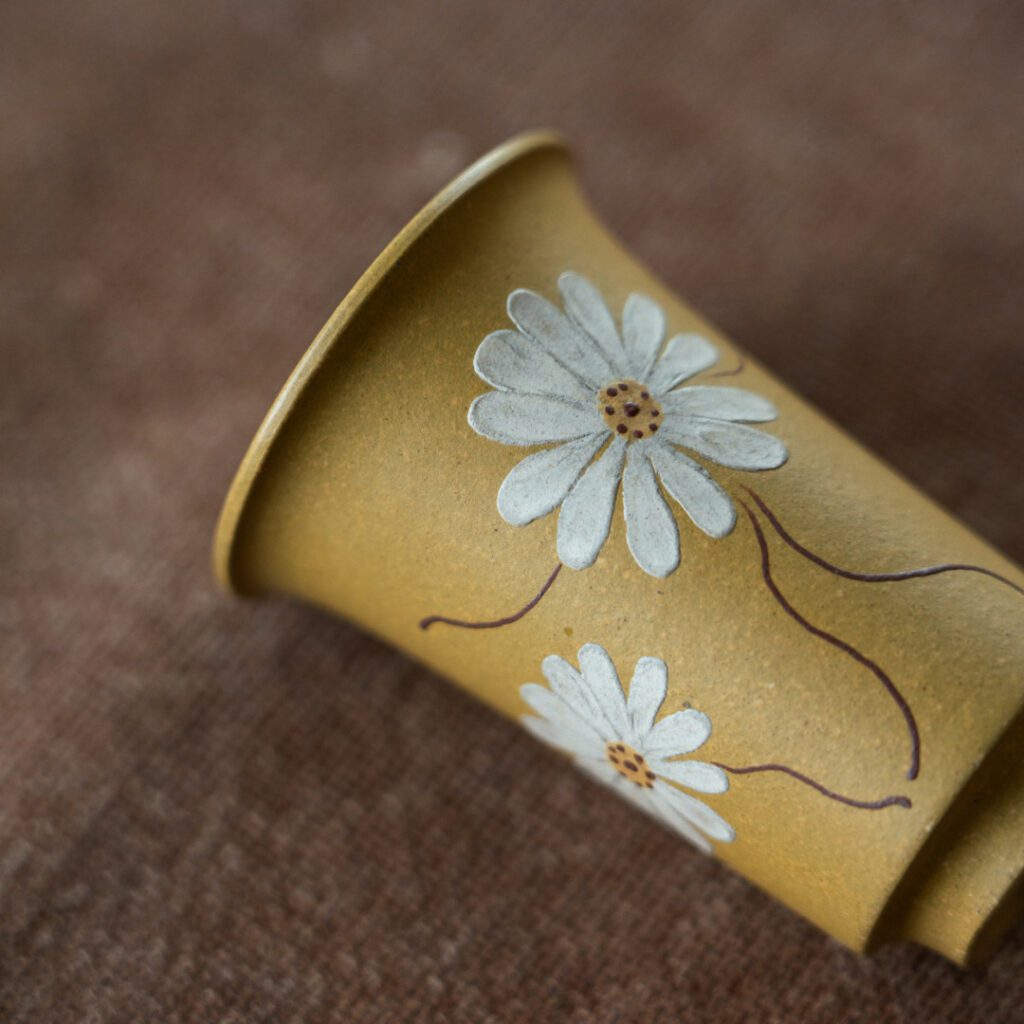
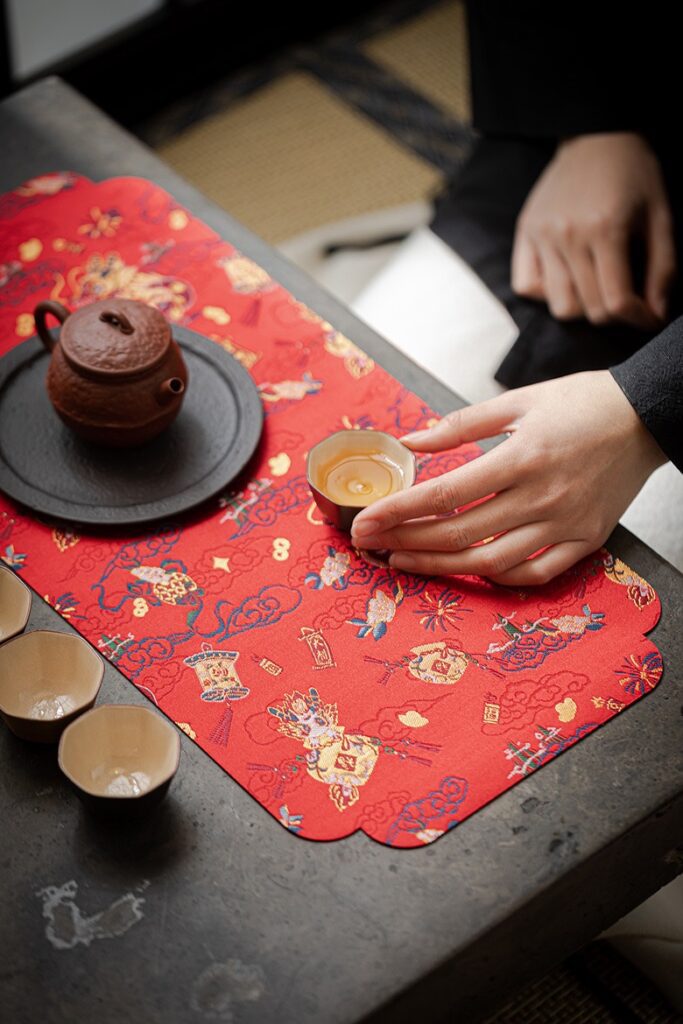
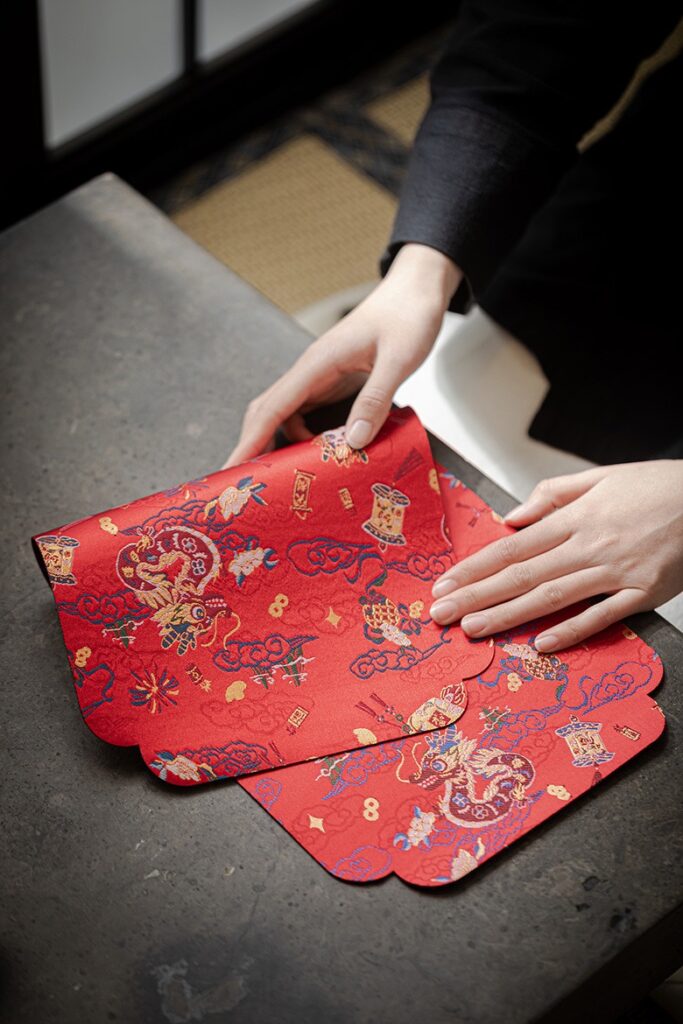
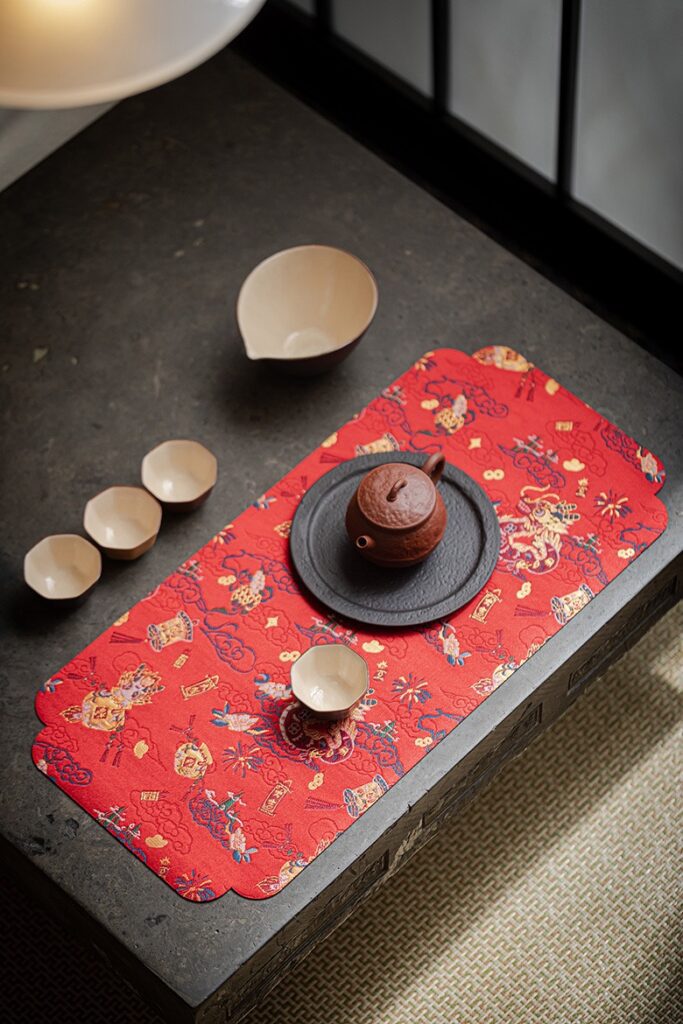
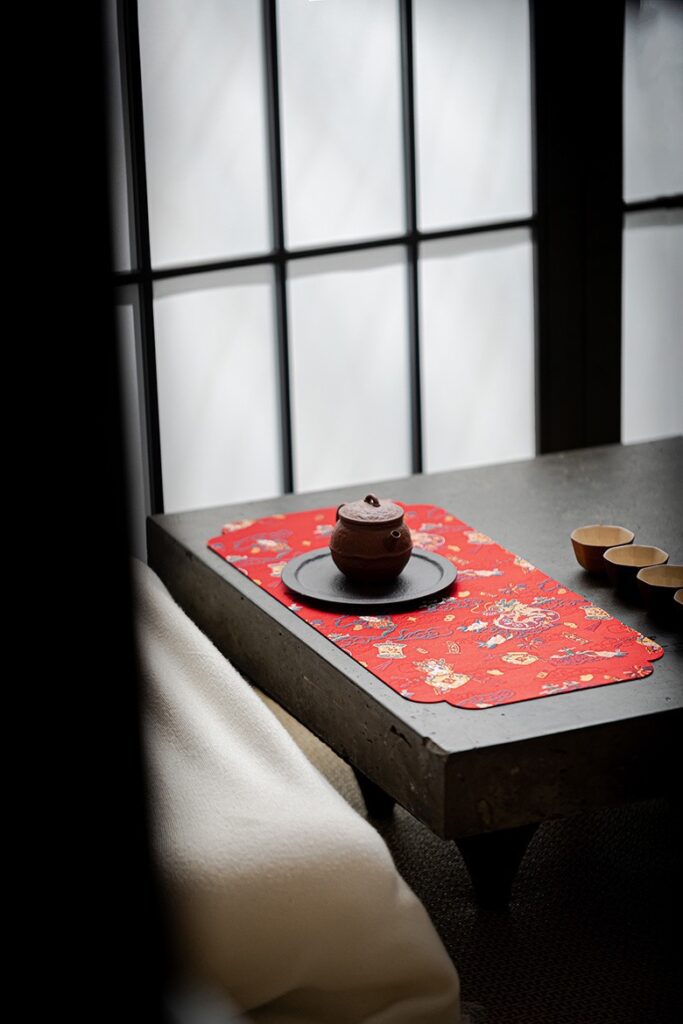
차 애호가 여러분, 안녕하세요! 🐉✨ 2024년 용의 해를 맞이하여 흥미로운 소식을 전해 드립니다. 이싱 찻주전자를 구매하시는 분들께는, 차 마시는 시간을 한층 더 특별하게 만들어 줄 용의 해 한정판 차 매트를 선물로 드립니다. 여러분과 함께 새해를 축하하는 저희만의 방식입니다. 단, 이 혜택은 기간 한정으로 제공되니 꼭 기억해 주세요! 이 신비로운 아이템으로 여러분의 차 시간을 더욱 특별하게 만들어 보세요. 🍵💫
The gaiwan looks finished.
The liquor has gone pale. You have already steeped the leaves eight or ten times. Normally, this is the moment when they go into the compost.
If the tea is an aged Shou Mei—or another sturdy aged white tea—there may be one more thing worth trying.
Put the leaves into a small kettle or pot.
Add fresh water.
Heat them again.
Not another ten-second infusion.
Actually let them simmer.
A surprising number of tea drinkers discover aged white tea this way: not from the first infusion, but from the cup they nearly threw away.
Gongfu brewing uses a high leaf-to-water ratio and relatively short infusions.
That gives you control. Aroma and taste unfold from steep to steep rather than being extracted all at once.
Eventually the tea starts giving less.
But “less during a short infusion” does not mean “nothing remains inside the leaf.”
Temperature and time change what water can extract.
Research on Fuding white tea has found that catechins, caffeine, theanine and free amino acids generally increase as brewing temperature and infusion time increase. In other words, sustained heat can still pull quite a lot from leaves that seem quiet under short infusions.
That does not mean more extraction automatically means better tea.
It explains why leaves that seem exhausted after a series of short steeps can suddenly produce another substantial cup once you change the brewing method.
You are asking something different from them.
Not all white tea is physically the same.
Silver Needle is dominated by buds.
Bai Mu Dan includes buds and leaves.
Shou Mei generally contains more mature leaf material and stems.
That helps explain why Shou Mei can feel so comfortable under more aggressive brewing. There is simply a lot of leaf structure to work with.
Add age, and the story becomes more interesting.
Studies of stored compressed Shou Mei show that aging changes the tea’s chemistry substantially rather than simply creating an older version of the same tea. Catechins, amino acids, phenolic acids and many other compounds shift as the tea is stored.
That does not prove that an old tea will taste good when boiled.
Storage quality still matters.
But it does help explain why an aged Shou Mei can respond very differently to sustained heat from a fresh, delicate white tea.
You can certainly put dry aged white tea straight into a kettle.
But if you have never tried the method, I prefer another route.
Brew it normally first.
Enjoy the progression of the tea through the gaiwan.
When the short infusions become weak, move those same leaves into a small pot and add fresh water.
Bring the water up to temperature, then give the leaves a gentle simmer for a few minutes rather than starting with an aggressive half-hour boil.
Taste it.
If the cup is rich, sweet and pleasant, stop there.
If the leaves still seem generous, add water and do it again.
This approach has two advantages.
First, you are not sacrificing the gongfu session merely to find out whether the tea boils well.
Second, you get to taste the same leaves under two completely different extraction methods.
The contrast can be more interesting than boiling the tea from the beginning.
Start shorter.
You can always keep going.
You cannot unboil the tea.
White tea is often presented online as something so delicate that boiling water will destroy it.
That rule is too simple.
Research on commercial white teas has found good sensory results at very high brewing temperatures. So high temperature by itself is not automatically the enemy.
But prolonged boiling is another question.
A fresh Silver Needle brewed at a high temperature for several minutes is not the same experience as simmering it on a stove for twenty minutes.
Nor is a young Bai Mu Dan identical to ten-year-old Shou Mei.
The tea’s age, leaf grade, processing, storage and your own taste all matter.
If I had a fragrant new spring white tea that I loved for its light floral character, boiling would not be my first instinct.
If I had an aged Shou Mei whose later gongfu infusions were becoming thin, I would be much more curious.
The useful rule is not:
Old white tea should be boiled.
It is:
A sturdy aged white tea is often worth testing under sustained heat.
There is another trap here.
People hear that aged white tea can become mellower, darker and more suitable for boiling, and suddenly every neglected white-tea cake becomes an “aged tea.”
That is not how it works.
Poor storage is still poor storage.
A tea that has absorbed basement odors, excessive moisture or surrounding smells will not become cleaner because you simmer it.
If anything, a more aggressive extraction may make those characteristics more obvious.
This is why the distinction in 차 한 잔이 ‘숙성차’가 아니더라도 42년 된 것일 수 있다’ matters here too.
시간은 차를 변화시킨다.
시간이 지나면 차의 맛이 저절로 좋아지는 것은 아닙니다.
Yes.
Aged white tea does not own the kettle.
Some post-fermented dark teas are also traditionally prepared with sustained heating, and tea drinkers experiment with boiling ripe pu’er and other older, heavier teas as well.
But I would not turn that into “everything can be boiled.”
A highly fragrant green tea will usually reveal very different things under prolonged heat than an aged Shou Mei.
Young raw pu’er may give you far more bitterness and astringency than you wanted.
A delicate aromatic oolong may lose exactly the high notes you bought it for.
You can experiment with anything you own.
Tea is not going to call the police.
But if the goal is to make a good cup rather than to prove a point, choose teas whose character is likely to survive strong extraction.
Aged white tea is popular for this because it often does.
There is also a very practical point here.
Do not assume every transparent glass teapot can be placed on a flame or hot plate simply because it is described as “heat resistant.”
A gongfu glass brewer and a direct-heat kettle are not automatically the same product.

사진 제공: laura adai Unsplash에서.
For boiling tea, use a vessel whose manufacturer explicitly says it is suitable for the heating method you are using. With glass, avoid sudden temperature shocks and follow the maker’s instructions.
You do not need transparent glass at all.
A small stainless-steel or ceramic vessel can do the job perfectly well.
Glass is attractive because you can see the liquor darken and watch the leaves move, but that is aesthetic convenience—not part of the brewing chemistry.
This is one place where I would rather have an ordinary safe kettle than a beautiful teapot being used for something it was never designed to do.
This is the part I find most interesting about boiling spent aged white tea.
You are not simply squeezing out “one more infusion.”
The brewing method itself changes.
Short gongfu steeps emphasize progression and control.
A simmer combines time and sustained heat.
The resulting cup can feel fuller, darker and more unified than the late gongfu infusions immediately before it.
Sometimes that final boiled cup is wonderfully sweet and comforting.
Sometimes it reveals that there was not much left after all.
Both results are useful.
You have learned something about the tea.
And if the leaves produce another genuinely enjoyable pot after you were ready to throw them away, that feels less like extracting maximum value from a purchase and more like discovering that the tea had been keeping one last thing from you.
If you want to understand what happens to white tea before it reaches that stage, see 백차 건조 방법: 숯 볶음 vs 전기 볶음—숙성에 더 좋은 방법은? For a completely different stove-brewed direction, we also have an older recipe for aged white tea with red dates and pear.