Przerwa w wysyłkach świątecznych — wznowienie 8 października. Świętuj Święto Środka Jesieni, korzystając z rabatu 10% po wpisaniu kodu ctsmooncake. OdrzućPrzejdź do treści
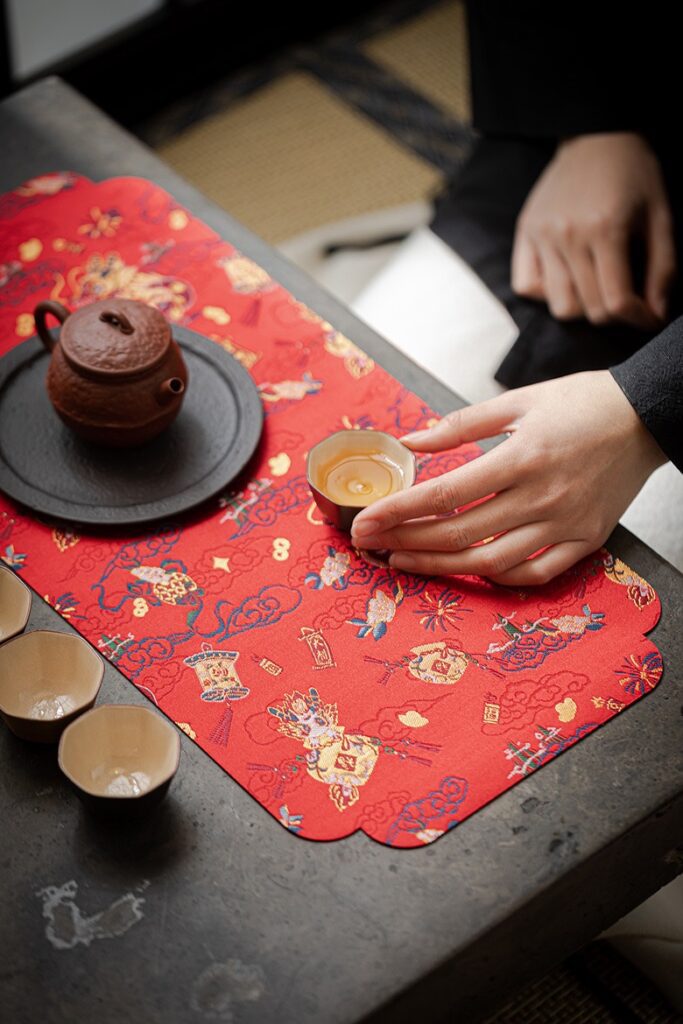
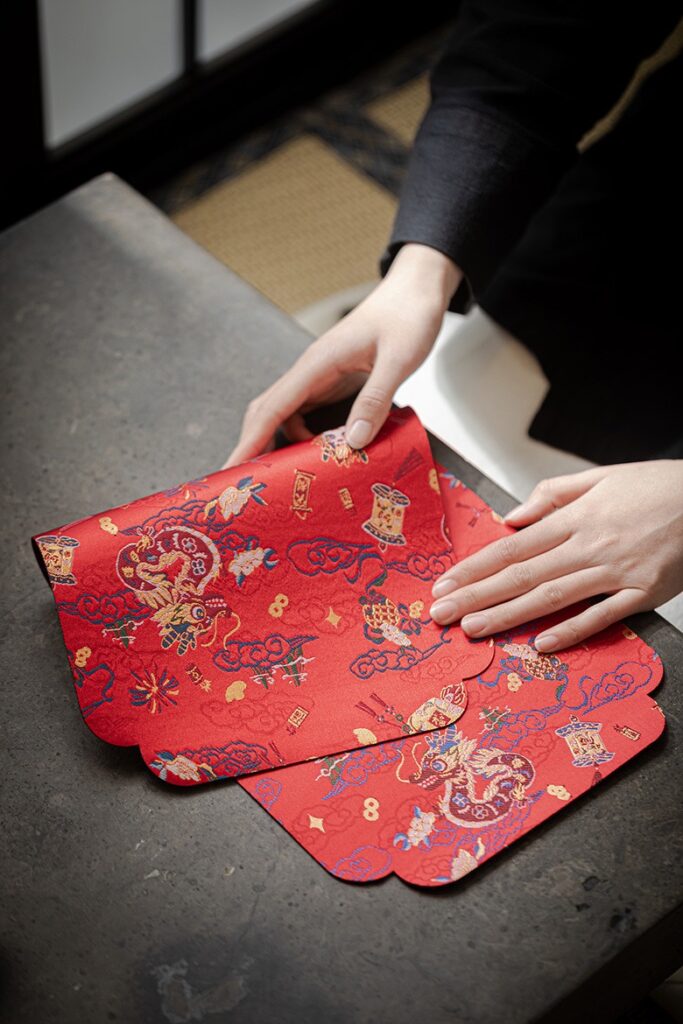
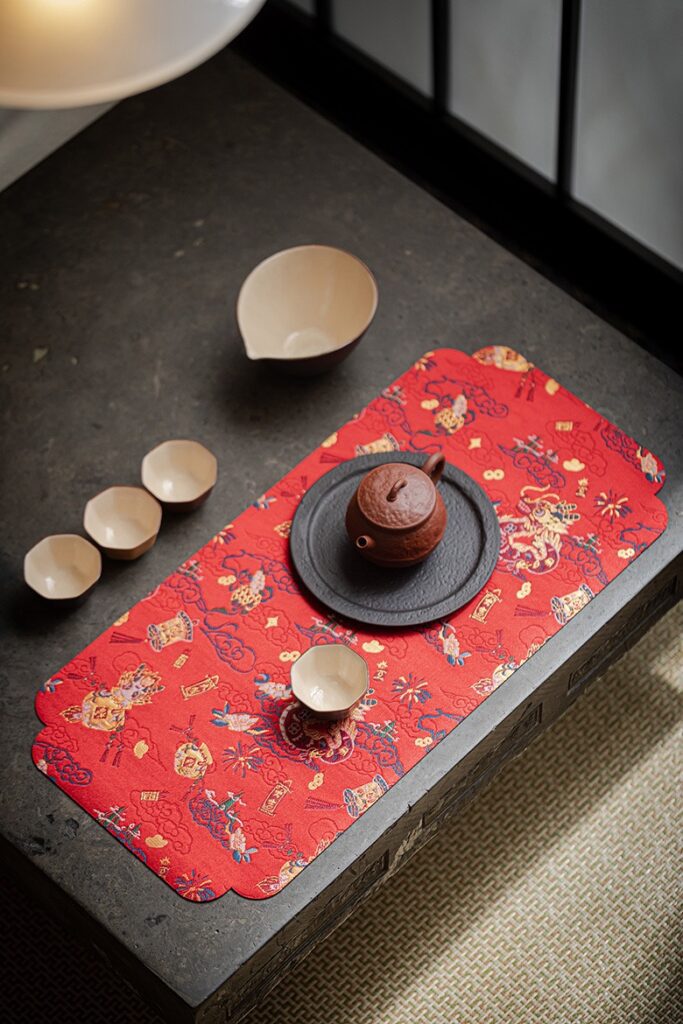
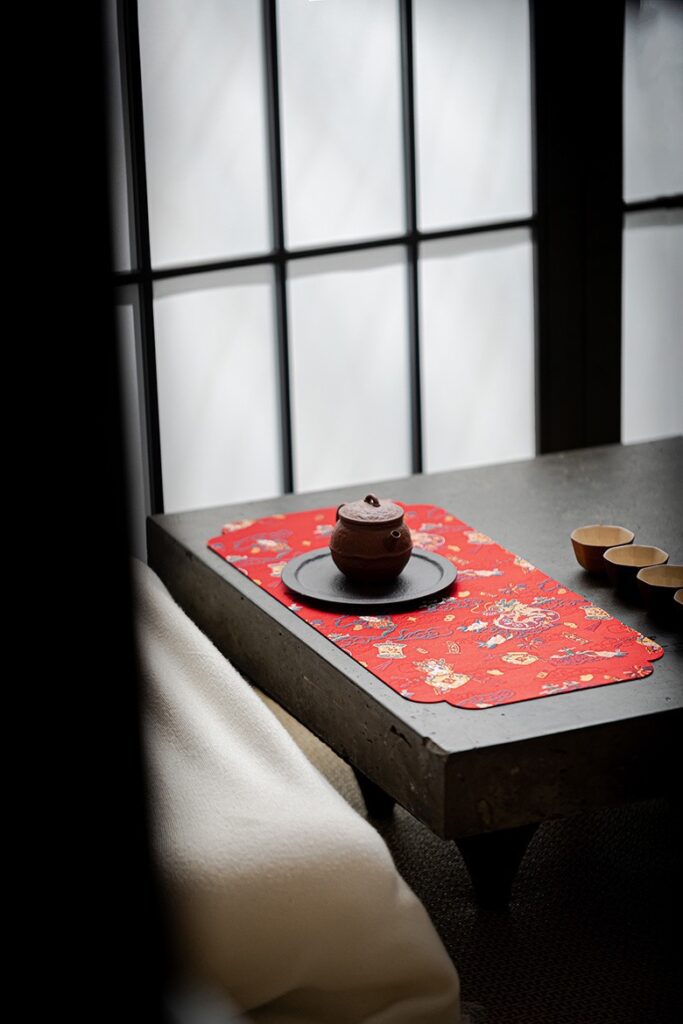
Hej, miłośnicy herbaty! 🐉✨ Mamy ekscytującą wiadomość na początek Roku Smoka 2024 – przy zakupie czajniczka Yixing otrzymacie w prezencie ekskluzywną podkładkę pod czajniczek w stylu Roku Smoka, która doda Waszym rytuałom parzenia herbaty wyjątkowego uroku. To nasz sposób na świętowanie razem z Wami, ale pamiętajcie, że jest to oferta ograniczona czasowo! Nie przegapcie okazji, by dzięki temu mistycznemu dodatku uczynić Wasze sesje herbaciane jeszcze bardziej wyjątkowymi. 🍵💫
Witajcie, miłośnicy herbaty! Chociaż wielu z was zna nas jako firmę oferującą wysokiej jakości chińskie akcesoria do parzenia herbaty, Specjalizujemy się również w herbatach z regionu Huang Shan. Huang Shan to ojczyzna najsłynniejszych chińskich herbat – Huang Shan Mao Feng, Keemun i Tai Ping Hou Kui. Jako mieszkańcy tego zapierającego dech w piersiach miejsca, jesteśmy głęboko związani z tą ziemią i jej bogatym dziedzictwem herbacianym.
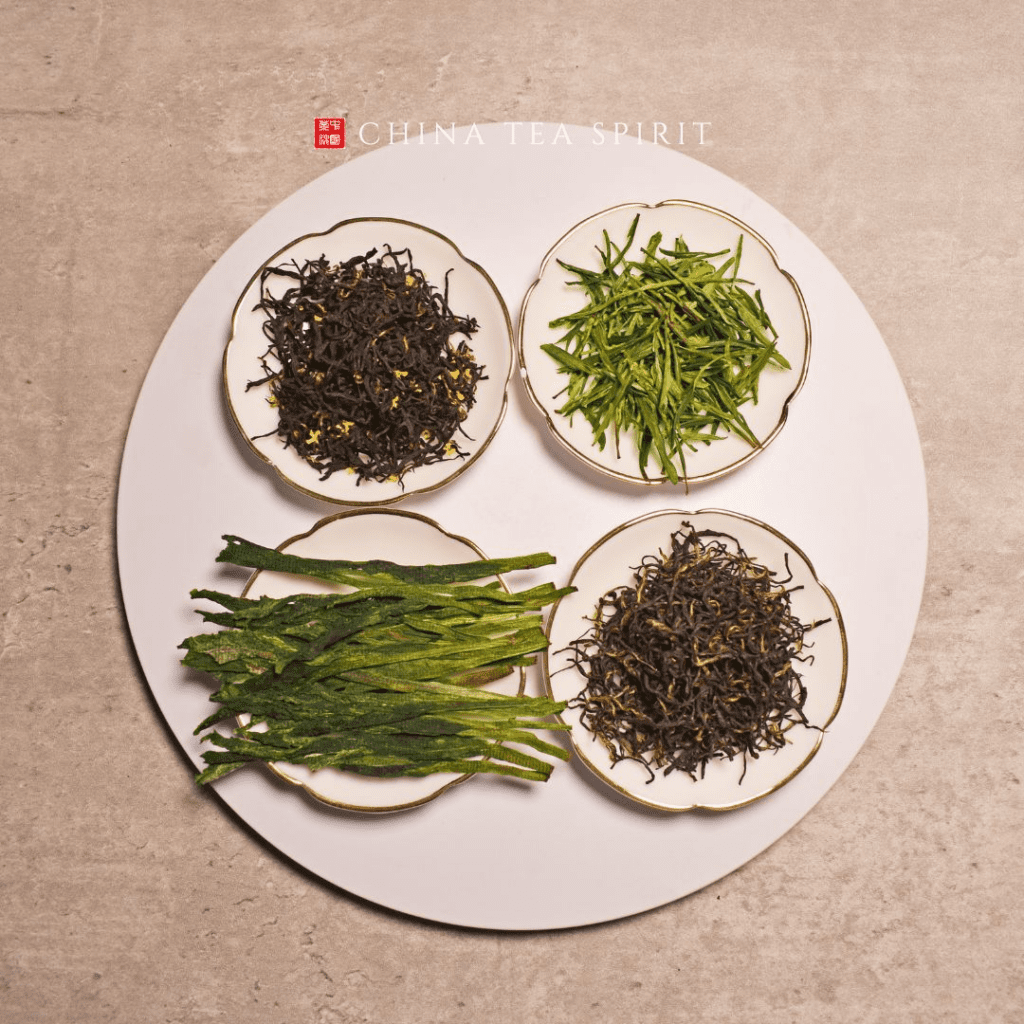
Rozumiemy, że znalezienie idealnej herbaty może być osobistą podróżą, dlatego oferujemy nasz zestaw próbek. Dzięki niemu możesz poznać różnorodne smaki herbat Huang Shan i odkryć tę, która najbardziej przypadnie Ci do gustu.
Każda z tych herbat pochodzi bezpośrednio od plantatorów herbaty i jest przez nich produkowana, co gwarantuje jej jakość i autentyczny smak.
Zestaw próbek zawierający: Huang Shan Mao Feng – 10 g Tai Ping Hou Kui – 10 g Keemun Mao Feng – 10 g Osmanthus Keemun – 10 g
Z niecierpliwością czekamy na Wasze opinie na temat naszych herbat. Dołączcie do nas w tej podróży i pozwólcie nam być Waszym przewodnikiem podczas odkrywania czarującego świata herbat z Huang Shan.
Należy pamiętać, że herbata i akcesoria do parzenia herbaty zostaną wysłane w oddzielnych paczkach zgodnie z wymogami celnymi. Zazwyczaj herbata dociera nieco później niż akcesoria do parzenia herbaty.
Drodzy klienci,
Jeśli podczas realizacji zamówienia wystąpiły jakiekolwiek problemy, prosimy o kontakt pod adresem [email protected]. A my Ci w tym pomożemy.
Poniżej przedstawiamy listę typowych błędów związanych z płatnościami oraz sposoby ich rozwiązania, które mogą Państwu pomóc.
#1: Firma China Tea Spirit nie realizuje wysyłek do tej lokalizacji. Prosimy o podanie innego adresu.
Jest to znany błąd serwisu PayPal. Występuje on losowo. Jeśli pojawił się u Ciebie ten komunikat o błędzie, skontaktuj się z nami pod adresem [email protected]. Zajmiemy się tym za Ciebie.
Some Yixing teapots spend their first day in a saucepan.
Not because anyone intends to cook dinner in them, but because their owners have been told that a new purple clay teapot must first be boiled in water, then boiled again with tea leaves, and perhaps left soaking overnight.
Other instructions are even more elaborate. You might come across recommendations involving tofu, sugarcane, or several rounds of strong tea.
All this before the teapot has brewed its first proper cup.
If you’ve just bought your first Yixing teapot, it’s understandable to feel a little confused. Some tea drinkers swear by these traditional preparations. Others simply rinse their pots with hot water and start brewing.
So who’s right?
For a well-made, food-safe Yixing teapot, a thorough rinse and gradual warming are generally enough to prepare it for its first tea session. A tea bath is an optional practice, not a requirement.
But it’s worth understanding where the tradition comes from.
What does “opening a teapot” actually mean?
In Chinese tea culture, preparing a new teapot is called 开壶 (kāi hú), literally “opening the pot.”
The name makes the process sound almost ceremonial, and for some tea drinkers, it is.
There’s something quite satisfying about preparing a new piece of teaware before putting it into regular use. A Yixing teapot might have been shaped and finished by hand, fired in a kiln, and carefully packed before finally reaching your tea table.
Taking a little time to prepare it feels appropriate.
But there are two ideas that often get mixed together.
The first is 开壶 (kāi hú): preparing a new teapot for use, primarily by removing dust and any loose particles remaining from production, handling or storage.
The second is 养壶 (yǎng hú): caring for a teapot through repeated use, allowing its surface character to develop gradually over time.
These aren’t the same process.
Yixing zisha is an unglazed fired clay. Its structure and surface can interact with water and compounds in tea, which is part of what makes the material interesting for brewing.
But the clay has already been fired at high temperatures. It doesn’t need to be cooked again to finish becoming a teapot.
And its pores aren’t little doors that must be unlocked with an hour of boiling tea.
Why do people soak Yixing teapots in tea?
The traditional tea bath is based on an appealing idea: if a clay teapot gradually takes on some characteristics of the tea brewed inside it, why not give the process a head start?
One approach involves simmering the teapot in a large pot of tea. Another uses freshly brewed tea liquor, allowing the teapot to soak as the liquid cools. Some tea drinkers choose the very tea they intend to brew regularly in that pot.
The expectation is that the clay will begin absorbing some tea compounds and developing its characteristic surface appearance.
There’s a certain logic to this. Unglazed clay can interact with liquids, and repeated tea brewing may contribute to changes in the surface of a teapot.
But a single tea bath is not the equivalent of years of normal use. Nor is there convincing evidence that an elaborate initial soaking ritual is necessary for a new, properly made teapot to brew good tea.
You may notice some temporary changes after soaking a pot in strong tea. Its surface might look darker while wet, and it might retain a faint tea aroma. That doesn’t necessarily mean the pot has undergone a profound transformation.
There is also a practical question worth considering.
If you’re going to use the teapot regularly anyway, why rush the process? The tea you brew over the coming months will provide plenty of contact between the leaves, water and clay.
For a new teapot from a maker or seller I trust, I would keep things simple.
First, inspect the pot.
Remove the lid and look inside. Pay attention to the bottom, the lid’s seating surface, and the filter holes where the spout connects to the body.
You might find a little fine clay dust or loose particles left from handling and finishing.
Rinse the pot and lid separately with clean water. If necessary, use a soft, clean brush to remove particles from the filter or other difficult-to-reach areas.
Avoid abrasive pads and strongly scented cleaning products.
Then gradually warm the teapot.
Start with warm water, filling the pot and pouring it out a few times. Rinse the lid and exterior as well.
Follow with hotter water, giving the clay time to warm rather than exposing a very cold pot to a sudden extreme temperature change.
There’s no special number of rinses that guarantees success. The aim is simply to remove loose dust and prepare the pot for ordinary brewing.
Once the rinsing water is clear and the pot is clean, you’re ready to make tea.
That’s it.
You don’t need to leave it submerged overnight. You don’t need to sacrifice an expensive portion of your favorite oolong. And you certainly don’t need to put tofu in the pot.
Of course, if the maker of a particular teapot provides special preparation instructions, those deserve consideration. An older, repaired or unusually delicate piece may need different handling.
But for a sound, modern Yixing teapot, a gentle rinse is a reasonable starting point.
Why boiling the entire teapot can be risky
One popular opening method involves placing the teapot and lid inside a saucepan and bringing the water to a boil.
It sounds thorough. Unfortunately, a saucepan isn’t always the friendliest environment for a small ceramic object.
As water boils, movement and bubbles can cause the teapot or lid to shift. If the lid knocks against the body or the vessel strikes the side of the pan, chips and cracks are possible.
Sudden temperature changes can create additional stress, especially for thinner or more delicate pieces.
This is one reason some experienced Yixing sellers discourage boiling a new teapot altogether.
Other sellers and collectors do use carefully controlled soaking or simmering methods, so there isn’t complete agreement across the tea community.
The important distinction is between something that może be done under appropriate conditions and something that trzeba be done.
Boiling a Yixing teapot in a saucepan isn’t an essential first-use requirement.
If ordinary rinsing will accomplish what you need, why introduce an unnecessary opportunity to damage the pot?
And if your teapot has a persistent chemical smell, an unusual coating, or questionable material provenance, boiling it in tea isn’t a reliable way to establish that it is safe.
A tea bath cannot turn an unsuitable material into a trustworthy brewing vessel.
A shiny teapot isn’t necessarily a well-cared-for teapot
There’s another side to the idea of 养壶 that deserves attention.
Many people associate a beautifully maintained Yixing teapot with a rich, soft sheen.
The clay may deepen slightly in appearance after years of use, developing a surface character that collectors sometimes describe as bao jiang (包浆), or patina.
This is part of the pleasure of using unglazed teaware. But it can also create pressure to make a new teapot look old as quickly as possible.
Repeatedly coating the exterior in concentrated tea isn’t necessarily helpful. Depending on the tea, water and way the pot dries, it may leave uneven stains or visible deposits rather than the subtle finish you’re hoping for.
The same goes for deliberately leaving tea residue inside the pot.
A layer of old tea isn’t proof that a teapot has been lovingly seasoned. Good care still means keeping the vessel clean.
After brewing, remove the leaves, rinse the inside thoroughly, and allow the pot to dry completely with its lid off.
Don’t leave damp leaves inside a closed teapot overnight, and don’t treat a stale or unpleasant smell as a desirable part of its character.
Over time, regular use may produce visible changes in the clay. The degree of change depends on the material, the firing, the tea and how the teapot is handled.
There’s no need to force a particular appearance. And a new teapot that still looks new after several months isn’t doing anything wrong.
The first tea doesn’t have to be a lifelong commitment
One final worry often comes up when people consider giving a new Yixing teapot a tea bath.
What if I choose the wrong tea?
If you season the pot with roasted oolong today, have you committed it to roasted oolong forever?
Not really.
Unglazed clay can retain some aromas and residues, which is why many tea enthusiasts prefer to dedicate particular teapots to specific tea families over time.
But one ordinary session with a different unflavored tea is unlikely to permanently determine a teapot’s character.
You don’t need to decide its entire future before you’ve even discovered how it brews.
In fact, trying a few different teas in a clean new pot may help you understand which ones you enjoy most in it.