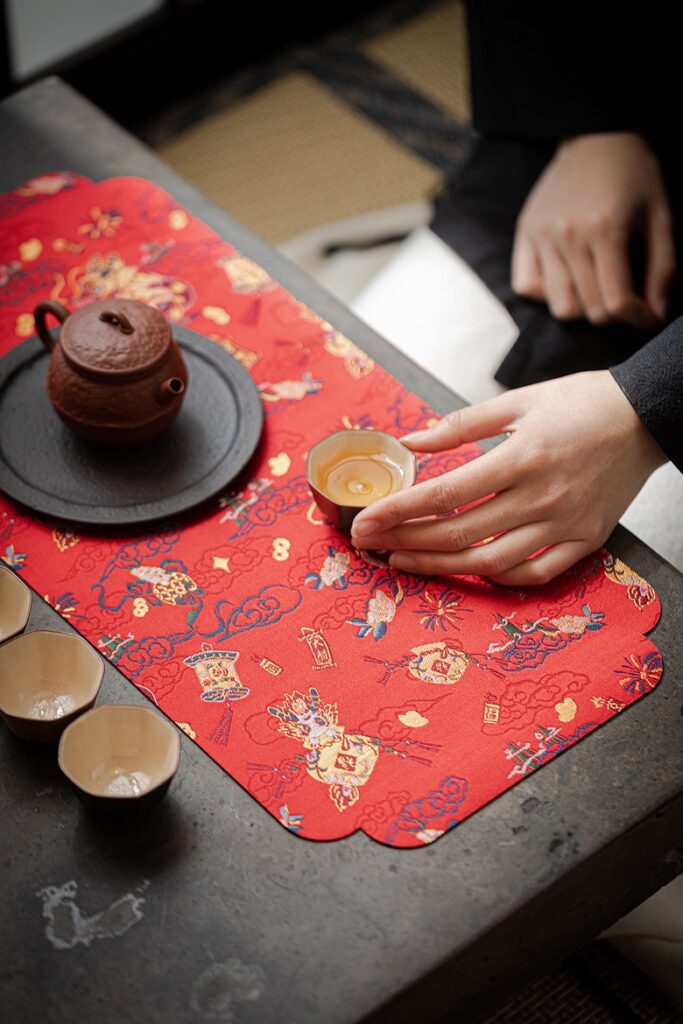
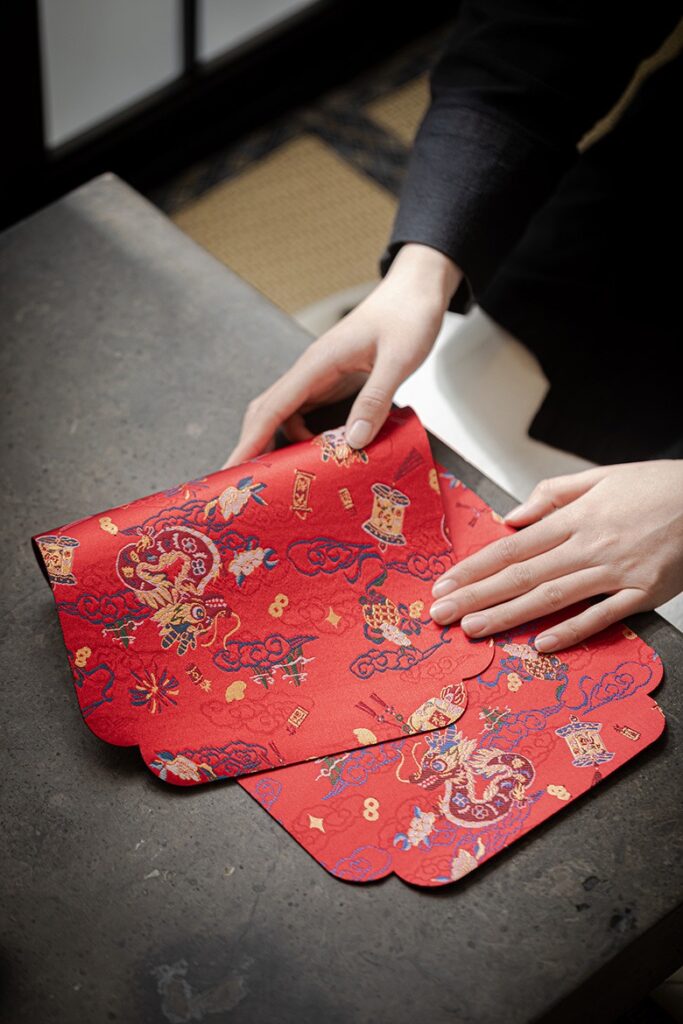
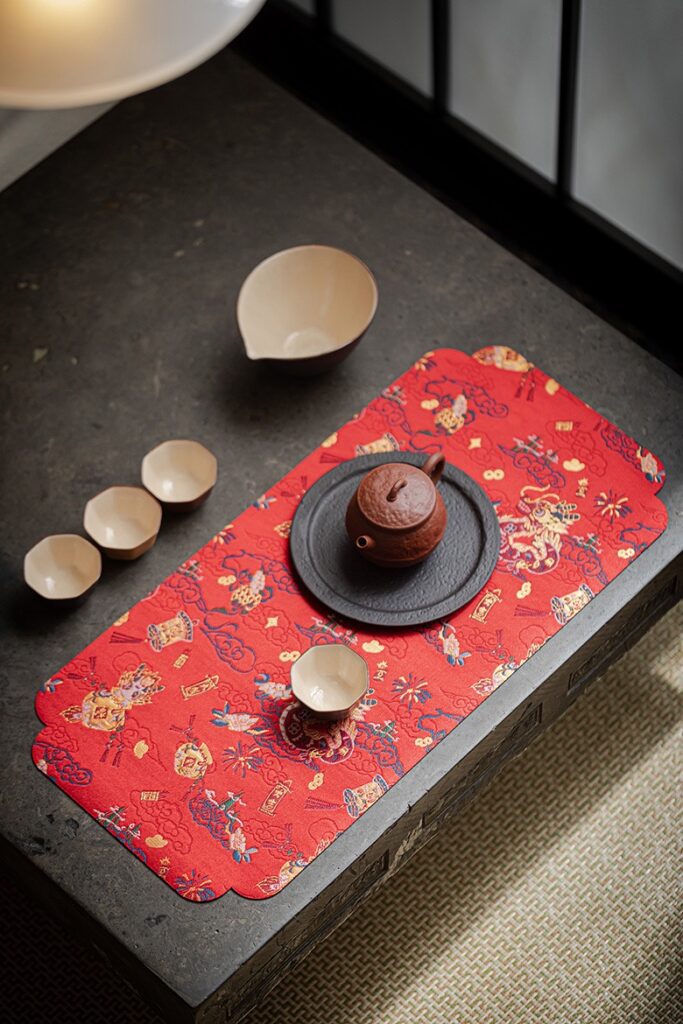
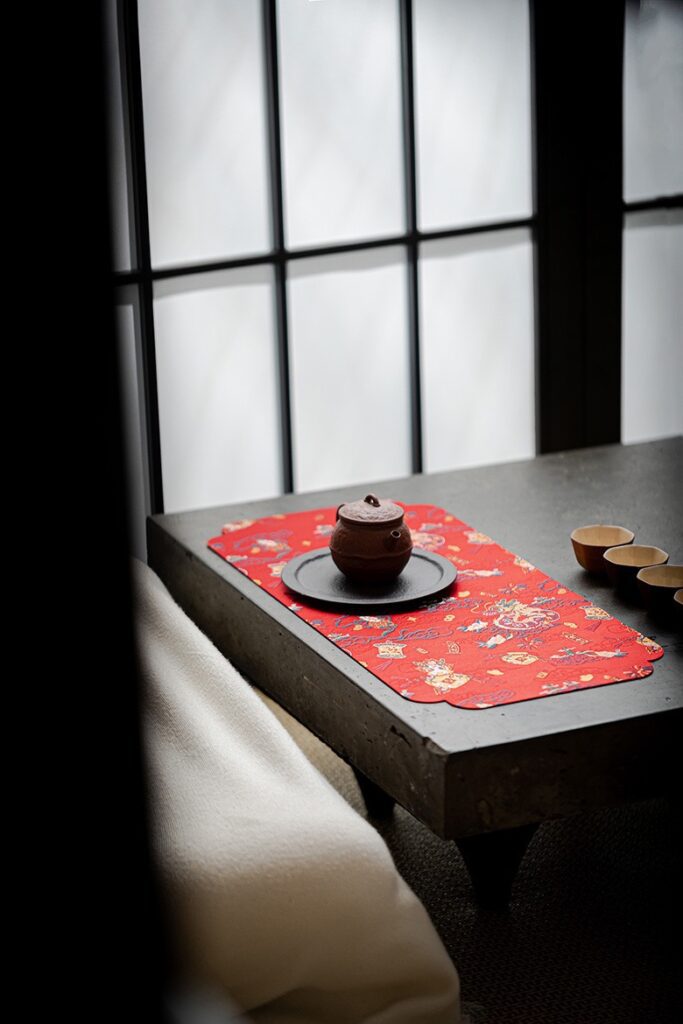
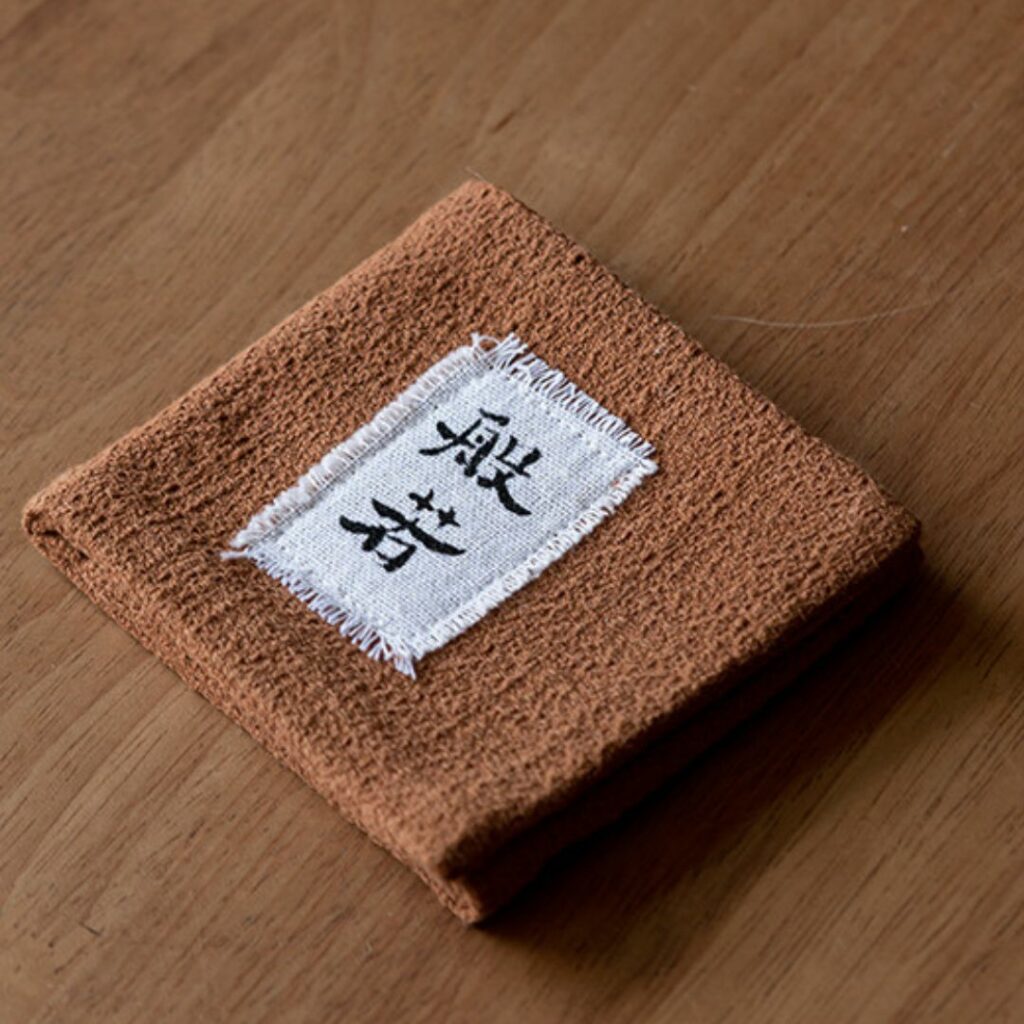
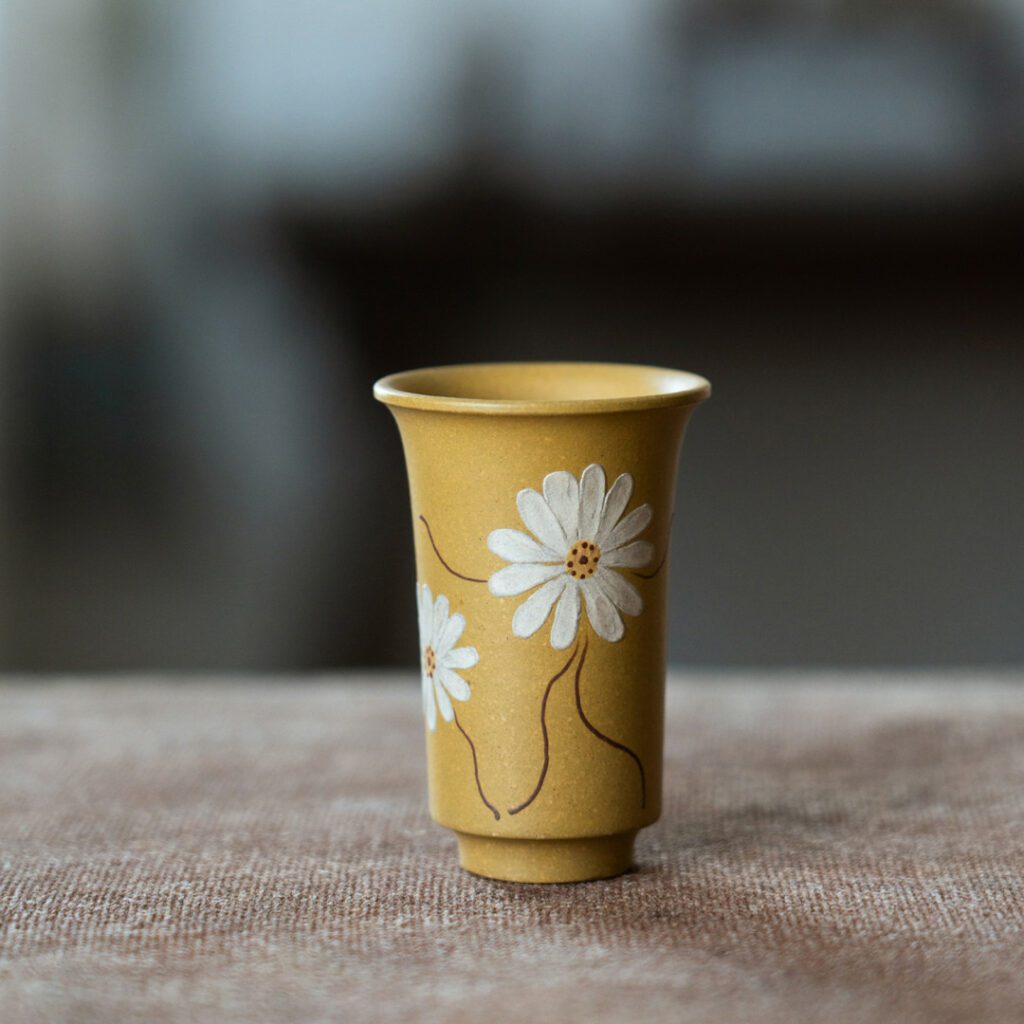
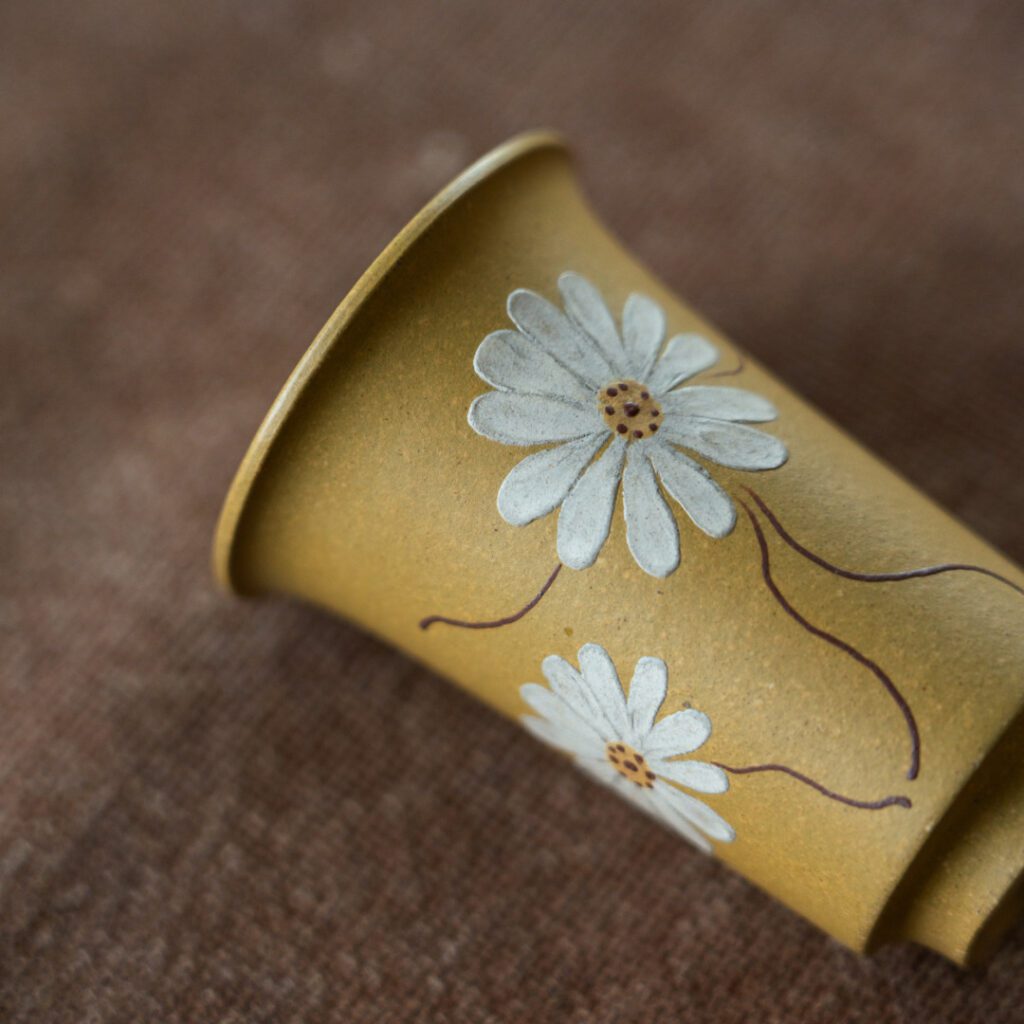
مرحبًا يا عشاق الشاي! 🐉✨ أخبار مثيرة مع دخولنا «عام التنين» 2024 — عند شراء إبريق شاي «ييشينغ»، نهديكم مفرش شاي حصري بتصميم «عام التنين» لإضفاء لمسة إضافية على طقوس الشاي الخاصة بكم. هذه طريقتنا للاحتفال معكم، لكن تذكروا أن هذا العرض متاح لفترة محدودة! لا تفوتوا فرصة جعل جلسات الشاي الخاصة بكم أكثر تميزًا مع هذه الإضافة السحرية. 🍵💫
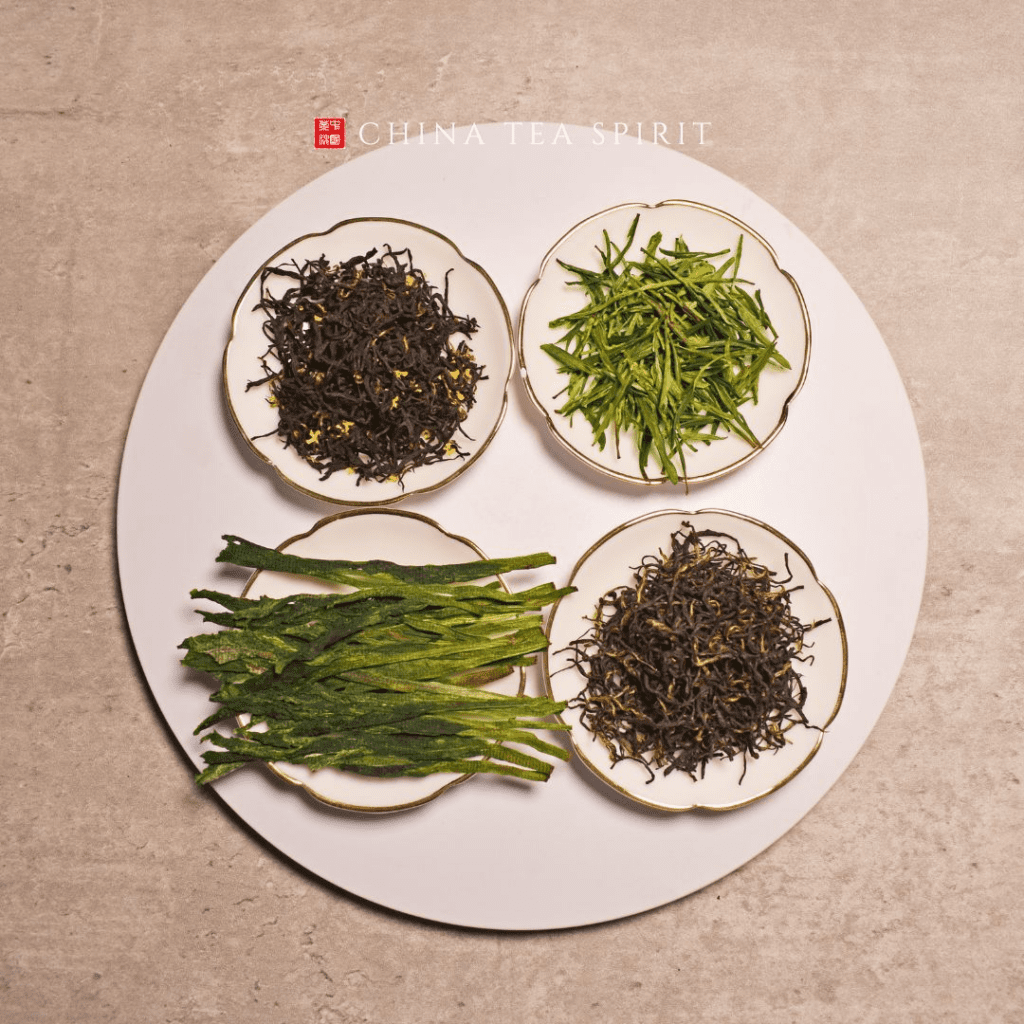
مرحبًا يا عشاق الشاي! على الرغم من أن الكثيرين منكم يعرفوننا كشركة متخصصة في أدوات الشاي الصينية الفاخرة، إلا أننا متخصصون أيضًا في أنواع الشاي من منطقة هوانغ شان. وتُعد هوانغ شان موطنًا لأشهر أنواع الشاي الصيني – هوانغ شان ماو فنغ، وكيمون، وتاي بينغ هو كوي. وبصفتنا من سكان هذا المكان الخلاب، فإننا نتمتع بارتباط عميق بهذه الأرض وتراثها الغني في مجال الشاي.
نحن ندرك أن العثور على الشاي المثالي قد يكون رحلة شخصية، ولهذا السبب نقدم حزمة العينات الخاصة بنا. فهي تتيح لك استكشاف النكهات المتنوعة لشاي هوانغ شان واكتشاف النوع الذي يرضي ذوقك.
يتم الحصول على كل نوع من أنواع الشاي وإنتاجه مباشرةً من مزارعي الشاي، مما يضمن جودته ومذاقه الأصيل.
How a tea from China’s Anhui mountains develops its remarkable fragrance—and why no two Keemun teas have to smell quite the same.
Keemun has an inconvenient aroma for anyone trying to describe it precisely. Rose? Dried fruit? A little honey, perhaps? Sometimes there is a gentle sweetness reminiscent of malt, followed by something unmistakably floral. And just when you think you have found the right description, another Keemun tastes entirely different.
In China, this distinctive fragrance has its own name: Qimen Xiang (祁门香), or “Keemun aroma.” It is one of the qualities that helped make Keemun one of China’s celebrated black teas. Yet the fragrance is difficult to pin down, partly because it isn’t a single scent at all. Behind it is a collaboration between the tea plant, the landscape where it grows, and the people who transform its leaves.
The flowers that were never there
Keemun, known in Chinese as Qimen Hongcha (祁门红茶), comes from the Qimen region of Anhui Province, near the Huangshan mountains. In Chinese tea terminology, this is hongcha, literally “red tea,” named for the reddish color of its infusion.
Unlike jasmine tea or osmanthus-scented tea, traditional unflavored Keemun does not need flowers to develop its fragrance. The aroma comes from compounds naturally present in the leaves and others that develop or change during processing.
A 2024 sensory-guided study identified important contributors to Keemun aroma, including geraniol, associated with rose-like notes; linalool, which contributes floral character; and β-ionone, associated with violet-like and woody nuances. Malty aldehydes and other compounds contribute to the overall impression. An aroma compound can smell a certain way in isolation yet behave differently among dozens of other volatile substances. A tea’s fragrance is an arrangement, not a list of ingredients.
A freshly picked tea leaf does not smell like finished Keemun. Much of that transformation happens during manufacturing. For traditional black tea, the broad sequence involves withering, rolling, enzymatic oxidation and drying. Traditional Keemun Gongfu tea also undergoes further refining and sorting.
Withering is where some of the fragrance begins to take shape. After picking, fresh leaves gradually lose moisture. Their physical structure changes, and biochemical reactions continue inside them. The 2024 Keemun study found that withering was important in the development of sweet aromatic notes, while the quality of the original fresh leaves also mattered. Processing does not simply add fragrance to a neutral raw material: the maker works with chemical possibilities already present in the leaf.
During rolling, leaf tissues are disrupted, allowing enzymes and their substrates to interact more readily. As enzymatic oxidation proceeds, the leaf’s chemistry changes substantially. Polyphenols are transformed, contributing to the color and taste associated with black tea, while aroma-related reactions develop alongside them. Tea makers sometimes call this stage “fermentation,” but in conventional black tea production the central process is enzymatic oxidation, not the microbial fermentation associated with certain dark teas.
Drying reduces moisture, limits further enzymatic activity and influences the final aromatic balance. Heat is not just a way to preserve the tea; it can change the mixture of volatile compounds. In a 2025 processing study, researchers examined changes in aroma compounds during Keemun production, highlighting the importance of withering and drying. One begins to transform the fresh leaf. The other helps determine what remains in the finished tea.
The same region, different fragrances
It would be convenient if every Keemun tasted the same. But Qimen Xiang is better understood as a characteristic family of aromas than an identical formula repeated in every batch. The tea plant itself matters: different cultivars bring different starting materials to the processing table, even when the broad manufacturing method is similar.
Then there is the landscape. In a 2026 study in Food Chemistry, researchers examined fresh tea materials from 136 locations across the Qimen region. They focused on glycosidically bound volatiles—compounds that can act as reservoirs of aromatic substances, released through chemical changes during processing. They identified regional variation, including three zones with relatively high concentrations of certain aroma-related precursors.
This gives a more detailed picture of what people often loosely call terroir. Growing conditions can influence what leaves contain before processing begins. But a higher concentration of a particular precursor does not automatically mean the resulting tea will smell better. The final fragrance still depends on processing, the combination of compounds that reaches the cup, and the drinker’s sensory experience. The maker remains part of the story.
Keemun is not one single style
Traditional Keemun Gongfu black tea is known for its elaborate refining process. Its leaves are typically slender and carefully sorted, with an aromatic character often described as elegant and layered. Other styles—including كيمون ماو فنغ, Keemun Xiang Luo and Keemun Jin Zhen—have become increasingly familiar to Chinese tea drinkers. Their shapes and manufacturing methods differ.
A 2023 comparison of four Keemun styles found distinctive aromatic profiles associated with their processing methods. When two packages both say “Keemun black tea,” they are not necessarily promising the same cup. One may emphasize a lighter floral character; another a deeper mixture of sweet, malty or fruit-like notes. Neither difference, by itself, establishes which is better. The more interesting question is whether the aroma is balanced, clean and appropriate to the style.
A different Keemun leaf grade, illustrating variation in finished leaf appearance rather than a direct comparison of processing styles. Photograph: Whiteness / Wikimedia Commons, CC BY-SA 4.0. Unmodified.
Learning to smell Keemun
Brew a plain, unflavored Keemun in a clean porcelain gaiwan or cup. Before adding water, smell the dry leaves. You may notice subtle sweetness, dried fruit or something woody. Then warm the vessel, add the leaves and smell them again. Heat can make aromatic compounds more noticeable, so the impression may change before water has been added.
After brewing, smell the tea while it is hot, but avoid holding your nose directly over scalding steam. Take a sip, then return to the cup as the tea cools. Some aromas become easier to distinguish as the intense heat and steam subside. Finally, smell the emptied cup: the lingering fragrance can sometimes reveal notes that were difficult to separate from the liquid itself.
There is no requirement to identify geraniol or linalool by name. Most people cannot reliably assign a complex tea aroma to individual molecules. The more useful skill is recognizing changes: floral versus fruity, fresh versus malty, vivid versus faint, harmonious versus distracting.
If possible, compare two Keemun styles using the same water and similar brewing conditions. And if you want to understand what added flowers contribute, compare plain Keemun with an osmanthus-blended version. The distinction becomes easier to appreciate in the cup than in a flavor description.
A fragrance shaped by many hands
There is a temptation to treat the best tea as something nature produces almost effortlessly: the right mountain, the right climate, the right leaves. But Keemun offers a more complicated story. Its fragrance begins with a living plant and the aromatic potential of its leaves. Growing conditions help shape that potential. The cultivar brings its own chemical characteristics. Then the tea maker intervenes, making decisions about moisture, time, oxidation, heat and refinement.
The result is neither purely natural nor simply manufactured. It is the expression of a place, a plant and a craft working together. And that may be why Keemun’s floral aroma remains so difficult to capture in a few tasting notes. There is more than one way for a leaf to become fragrant.