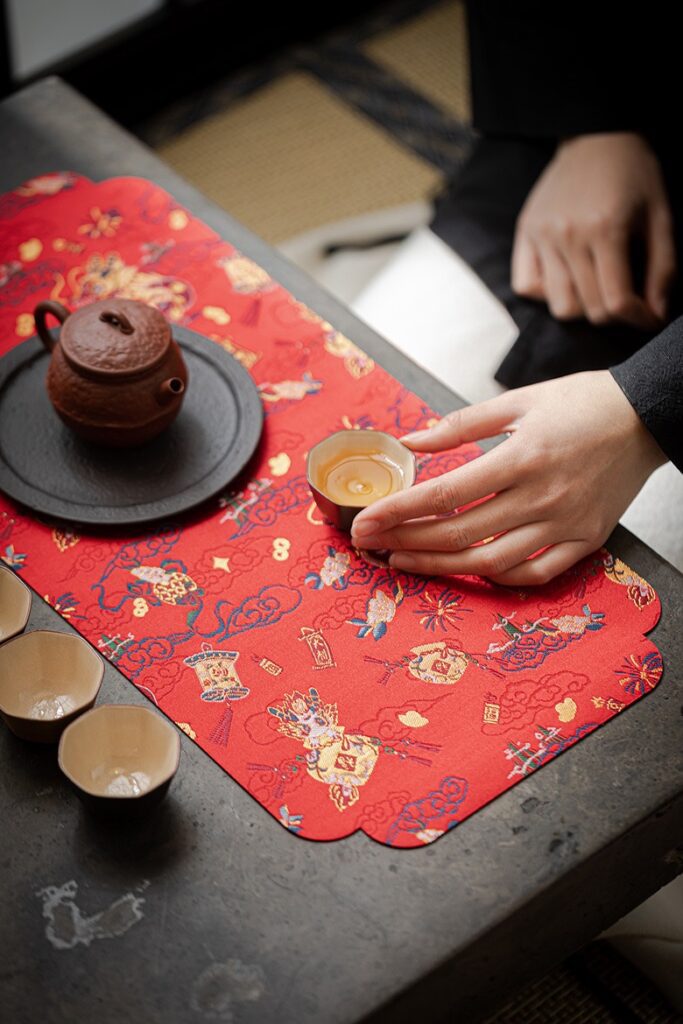
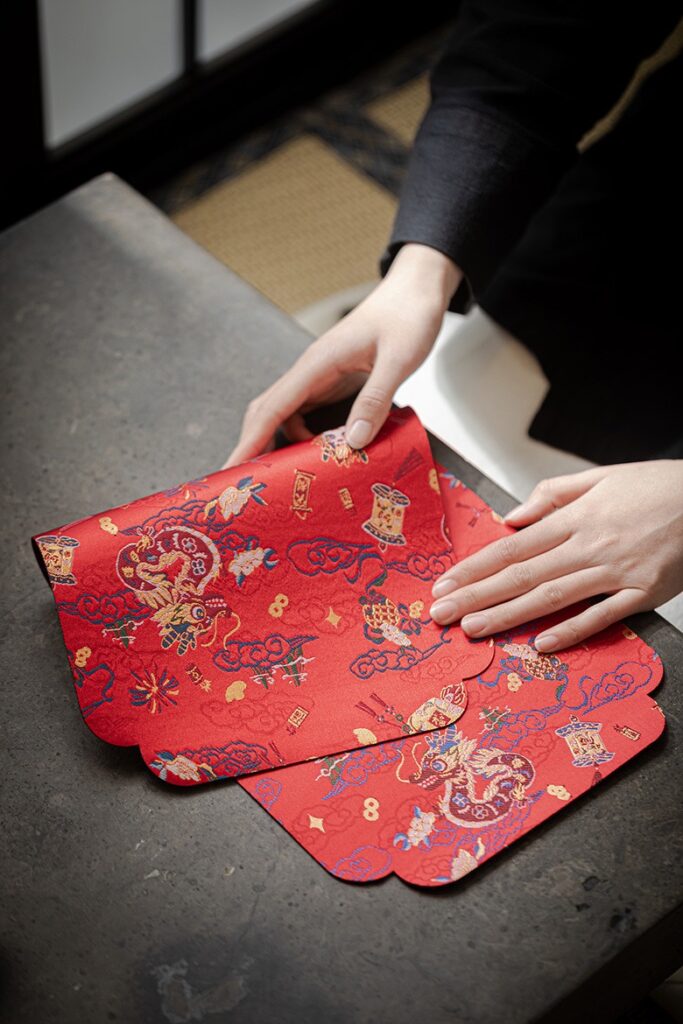
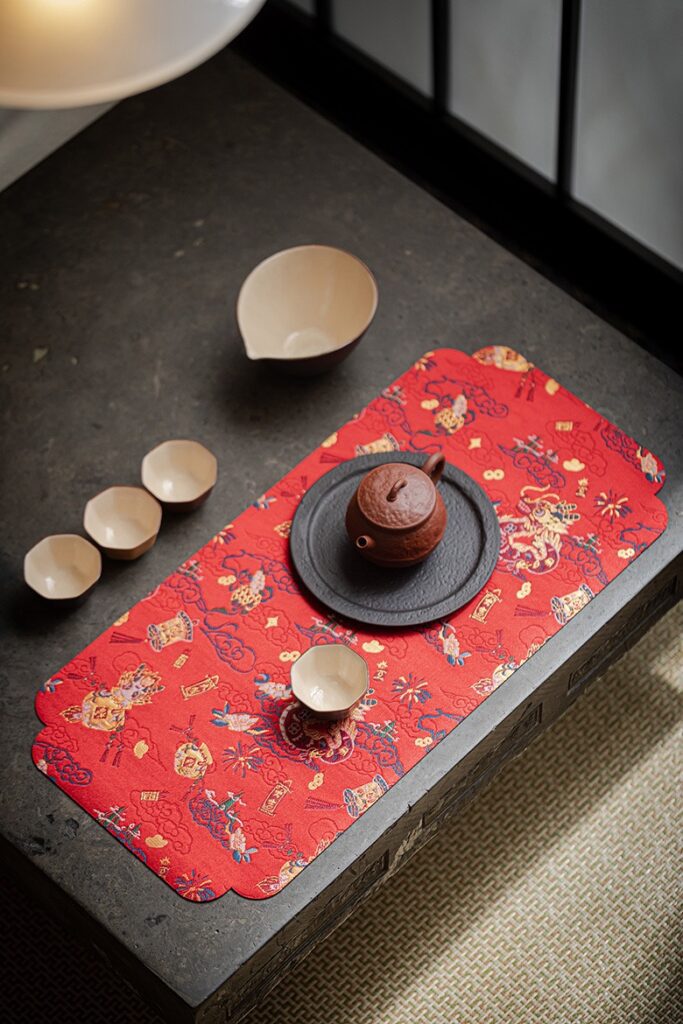
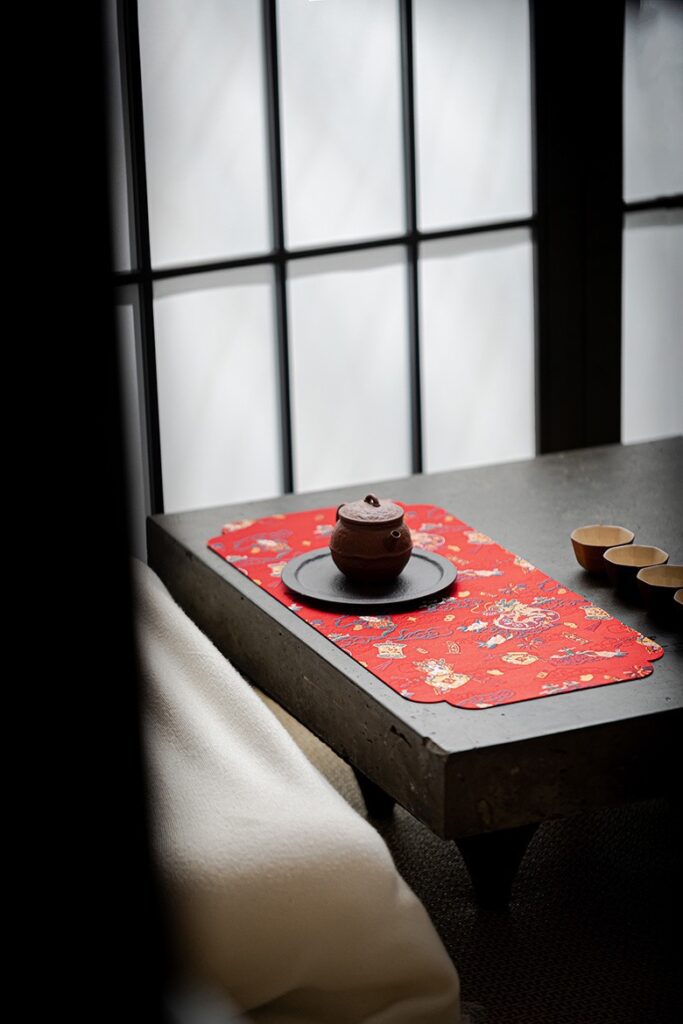
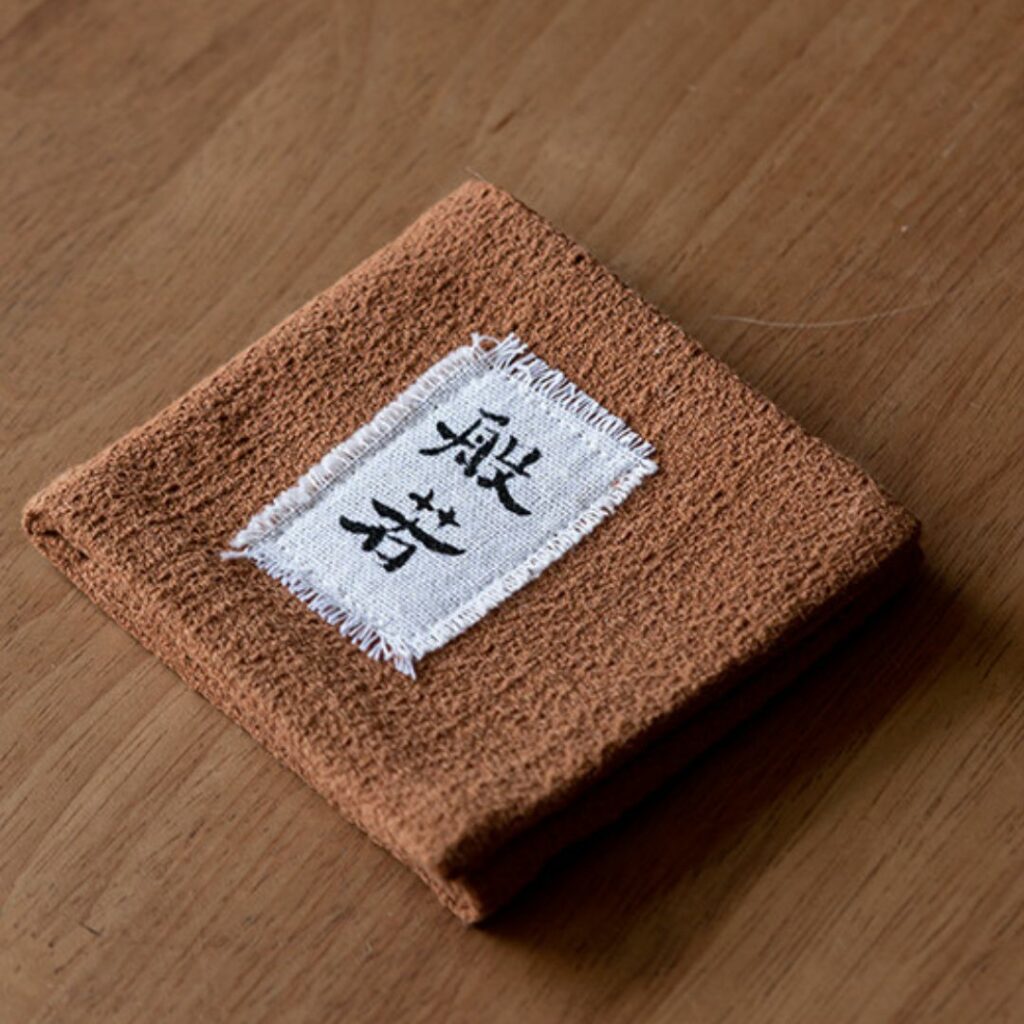
مرحبًا يا عشاق الشاي! 🐉✨ أخبار مثيرة مع دخولنا «عام التنين» 2024 — عند شراء إبريق شاي «ييشينغ»، نهديكم مفرش شاي حصري بتصميم «عام التنين» لإضفاء لمسة إضافية على طقوس الشاي الخاصة بكم. هذه طريقتنا للاحتفال معكم، لكن تذكروا أن هذا العرض متاح لفترة محدودة! لا تفوتوا فرصة جعل جلسات الشاي الخاصة بكم أكثر تميزًا مع هذه الإضافة السحرية. 🍵💫
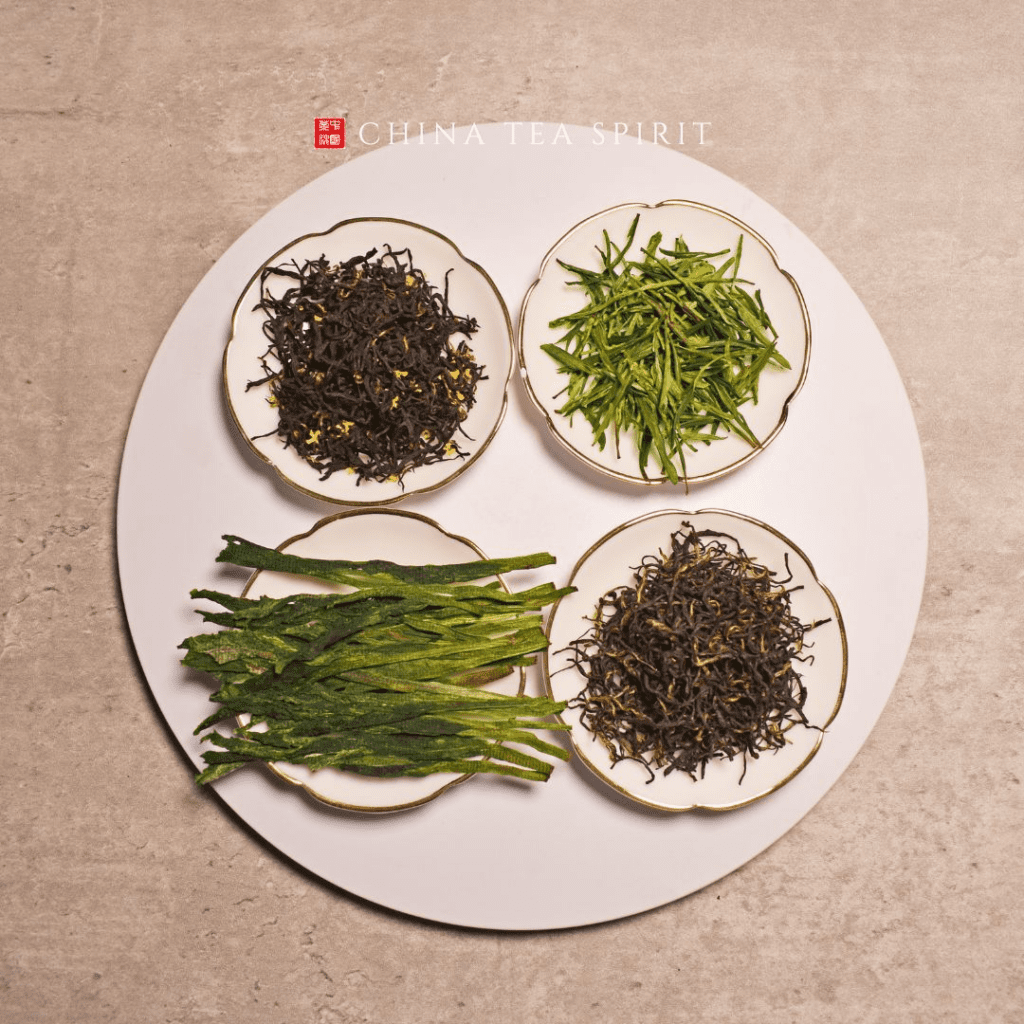
مرحبًا يا عشاق الشاي! على الرغم من أن الكثيرين منكم يعرفوننا كشركة متخصصة في أدوات الشاي الصينية الفاخرة، إلا أننا متخصصون أيضًا في أنواع الشاي من منطقة هوانغ شان. وتُعد هوانغ شان موطنًا لأشهر أنواع الشاي الصيني – هوانغ شان ماو فنغ، وكيمون، وتاي بينغ هو كوي. وبصفتنا من سكان هذا المكان الخلاب، فإننا نتمتع بارتباط عميق بهذه الأرض وتراثها الغني في مجال الشاي.
نحن ندرك أن العثور على الشاي المثالي قد يكون رحلة شخصية، ولهذا السبب نقدم حزمة العينات الخاصة بنا. فهي تتيح لك استكشاف النكهات المتنوعة لشاي هوانغ شان واكتشاف النوع الذي يرضي ذوقك.
يتم الحصول على كل نوع من أنواع الشاي وإنتاجه مباشرةً من مزارعي الشاي، مما يضمن جودته ومذاقه الأصيل.
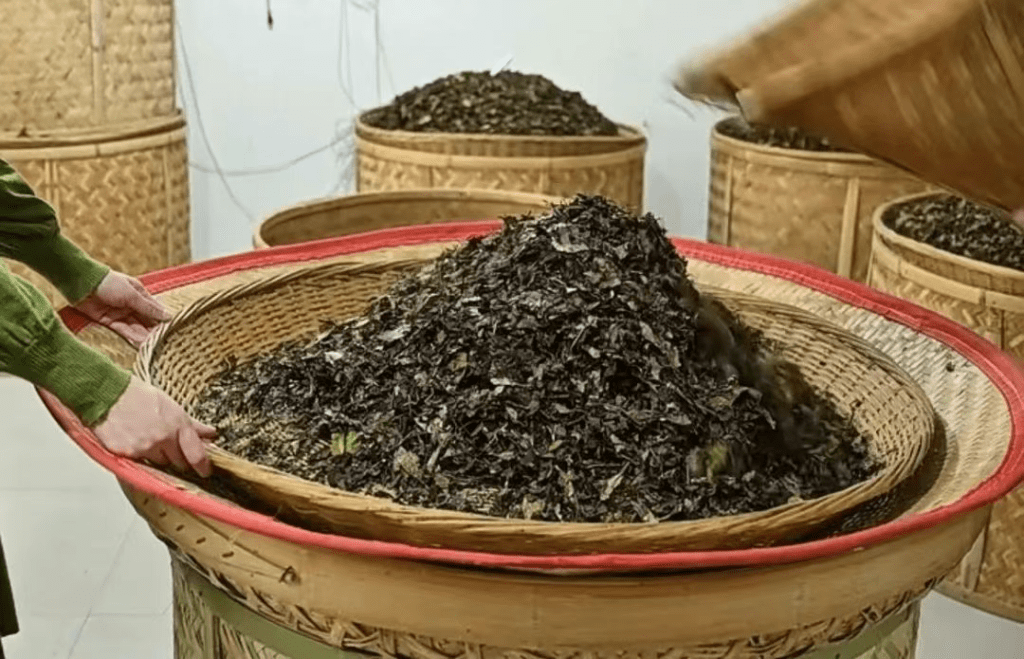
عندما يتعلق الأمر بالشاي الأبيض، تبدو العملية بسيطة بشكل خادع — فلا حاجة إلى التحميص في المقلاة، ولا إلى لف الأوراق. فلا يتطلب الأمر سوى خطوتين أساسيتين: التذويب والتجفيف. لكن لا تنخدع بذلك. فالمقولة الشائعة في عالم الشاي، “التذويب الطبيعي، والتجفيف بدرجة حرارة منخفضة”، ليست مجرد عبارة جذابة — بل هي خلاصة حكمة أجيال في صناعة الشاي.
ما الهدف من عملية التجفيف؟ إزالة الرطوبة الزائدة بلطف، وتخفيف أي مرارة في المشروب، والحد من الروائح العشبية أو ذات درجة الغليان المنخفضة — مما يسمح لروائح البراعم الفضية الرقيقة والنوتات الزهرية بأن تتألق حقًّا.
الشواء بالفحم مقابل الشواء الكهربائي
تجفيف الشاي الأبيض ليس بالأمر البسيط الذي يقتصر على وضع الأوراق في مجفف. واليوم، تُستخدم طريقتان رئيسيتان: التحميص التقليدي بالفحم (炭焙) والتجفيف الكهربائي الحديث (电焙).
ولكن ما الفرق بينهما؟ والأهم من ذلك — أيهما أفضل من حيث المذاق وإمكانية التخمير؟
فن الشواء بالفحم
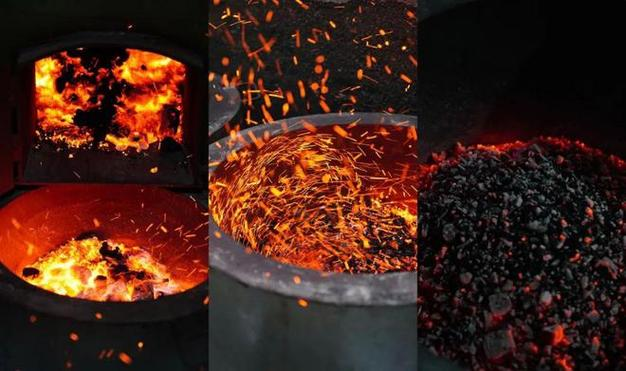
قد يبدو تحميص الشاي على الفحم أمرًا بسيطًا — ما عليك سوى إشعال بعض الفحم وتحميص الشاي، أليس كذلك؟ ليس تمامًا.
تبدأ العملية بترتيب طبقات الفحم بدقة وإشعاله حتى يتشكل جمر متوهج مغطى بالرماد، على شكل مخروط. ثم تأتي مرحلة “نثر الرماد” (披灰)، حيث يُنثر الرماد القديم بالتساوي فوق الجمر ويُغطى بطبقة من الرماد الأبيض. يساعد هذا التوازن الدقيق على التحكم في درجة الحرارة، مما يخلق حرارة متساوية وثابتة مثالية للشوي.
إنها عملية حرفية تتطلب جهدًا كبيرًا، وتستلزم الخبرة والحدس والبراعة.
كفاءة التجفيف الكهربائي
أما التحميص الكهربائي، فهو نتاج الابتكار الحديث. فهو يتيح تحكمًا أفضل في درجة الحرارة والتوقيت، مما يحسّن الكفاءة والاتساق — وهو أمر مفيد بشكل خاص في الإنتاج على نطاق واسع.
ولكن هل يكفي الاتساق للتغلب على التقاليد؟
مواجهة علمية: دراسة حالة
ولمعرفة ذلك، أجرى الباحثون مقارنة مباشرة باستخدام شاي «فودينغ دا باي» الأبيض. وقاموا باختبار ثلاث طرق للتجفيف:
• الشواء الكهربائي: 75 درجة مئوية لمدة 120 دقيقة
• الشواء بالفحم على درجة حرارة منخفضة: 55–65 درجة مئوية لمدة 120 دقيقة
• الشواء بالفحم على درجة حرارة عالية: 70 درجة مئوية لمدة 120 دقيقة
أظهر التحليل الكيميائي ما يلي:
• لا يوجد فرق يذكر في الأحماض الأمينية والبوليفينولات والسكريات القابلة للذوبان بين الثلاثة
• احتوى الشاي المحمص كهربائيًا على نسبة أعلى من الكاتشين (الذي يرتبط بفوائد صحية وبالطعم القابض)
كما اختلفت ملامح الروائح أيضًا:
• احتوى الشاي الأبيض المحمص كهربائيًا على مزيد من المركبات العطرية الزهرية الطازجة، مثل β-أيونون وβ-سيترونيلال
• اتسم الشاي المحمص على الفحم برائحة تميل إلى الوردية، مع وجود كميات أكبر من اللينالول والفينيل إيثانول، بالإضافة إلى مستويات أعلى من الإيكوسان، مما ساهم في إضفاء “رائحة النار” المميزة الناتجة عن التحميص”
المظهر:
• حصل الشاي المحمص كهربائيًا على أعلى الدرجات — حيث اتسم بالمثالية والرقي
• أظهر الشاي المحمص بالفحم تباينًا أكبر في الشكل واللون، لا سيما النوع الذي تم تحميصه على درجة حرارة منخفضة
الرائحة:
• تحميص كهربائي: حلاوة بارزة ورائحة زهرية منعشة
• تحميص بالفحم: رائحة حلوة تشبه براعم الفضة مع لمسة من رائحة النار المشوية — على الرغم من أن بعض النوتات الزهرية كانت خافتة
• تحميص بالفحم عند درجة حرارة عالية: طعم قوي وحلو، مع قوام قوي ونكهة حلوة متكررة
• التحميص بالفحم على درجة حرارة منخفضة: طعم أرق وأكثر قابضًا بعض الشيء — أدنى تقييم بشكل عام
مظهر الأوراق بعد التخمير:
• تحميص كهربائي: طري، ناعم، مع براعم بارزة
• التحميص بالفحم عند درجة حرارة منخفضة: لون باهت، ومرونة ضعيفة
• التحميص بالفحم عند درجة حرارة عالية: قوام أكثر خشونة مع سيقان أكثر سمكًا
إذن… أيهما أفضل؟
ماذا نستخلص من ذلك؟ تلعب درجة حرارة التجفيف دورًا أكبر من الطريقة وحدها فيما يتعلق بالنكهة.
يمكن أن يبرز التحميص بالفحم النكهات الزهرية والفاكهية، لكنه عملية تتطلب مهارة عالية. فإذا لم يتم التعامل معها بدقة، قد تؤدي الحرارة غير المتساوية إلى مظهر غير متناسق ورائحة غير مستقرة — وهو ما يفسر سبب عدم حصول التحميص بالفحم على درجة منخفضة على تقييم جيد.
على النقيض من ذلك، يوفر التحميص الكهربائي حرارة ثابتة وكفاءة عالية وجودة متسقة — مما يجعله الخيار المثالي للمنتجين والخيار الموثوق به لمحبي الشاي.
ومع ذلك، فإن التحميص الماهر على الفحم الذي يقوم به خبير شاي حقيقي يمكن أن ينتج عنه شاي أبيض استثنائي، غني بطبقات متعددة وذو رائحة عطرية عميقة. لذا، فإن الأمر لا يقتصر على الطريقة فحسب، بل إن الحرفية هي ما يهم.
فماذا عنك؟ هل تفضل الحلاوة الزهرية النقية للشاي الأبيض المحمص بالكهرباء، أم العمق المحمص للشاي المحمص بالفحم؟
شاركنا آرائك في التعليقات — نود أن نعرف ما الذي تحتويه فنجانك!