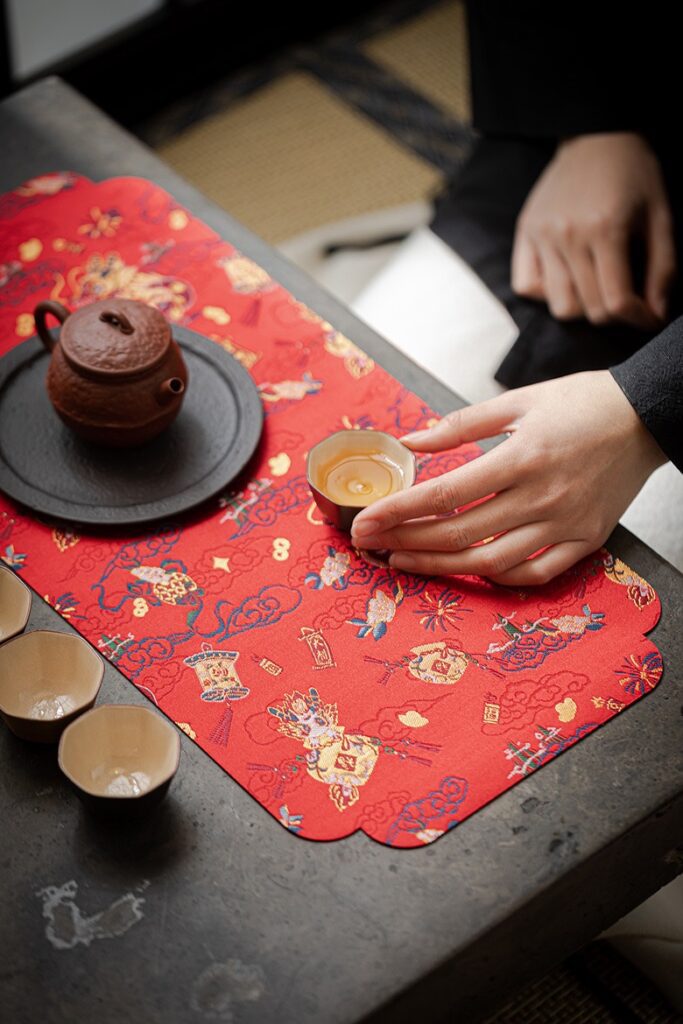
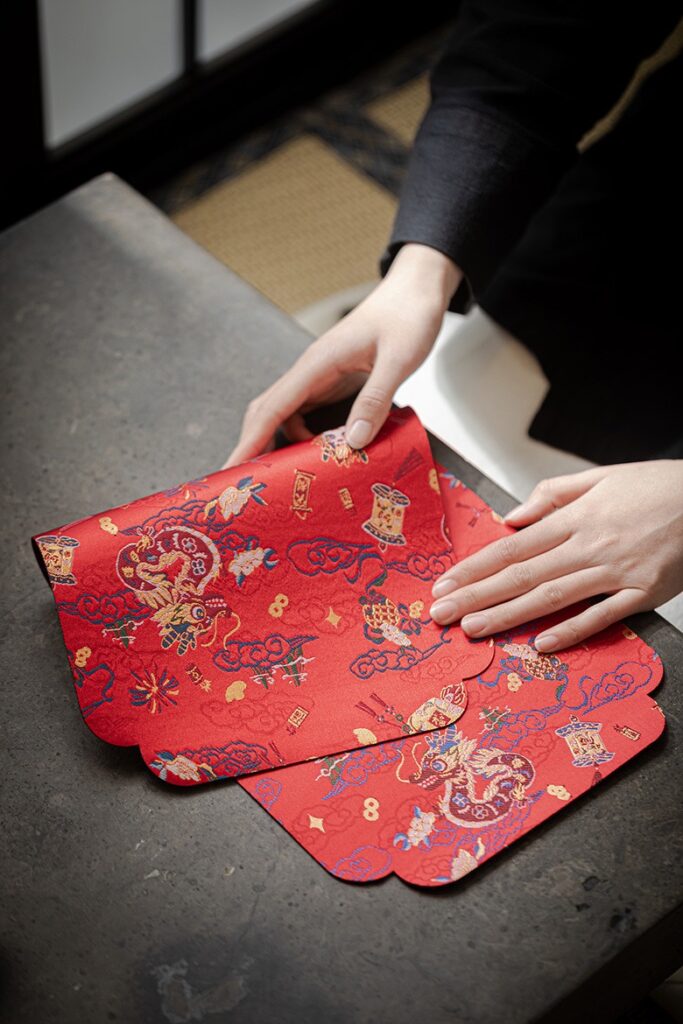
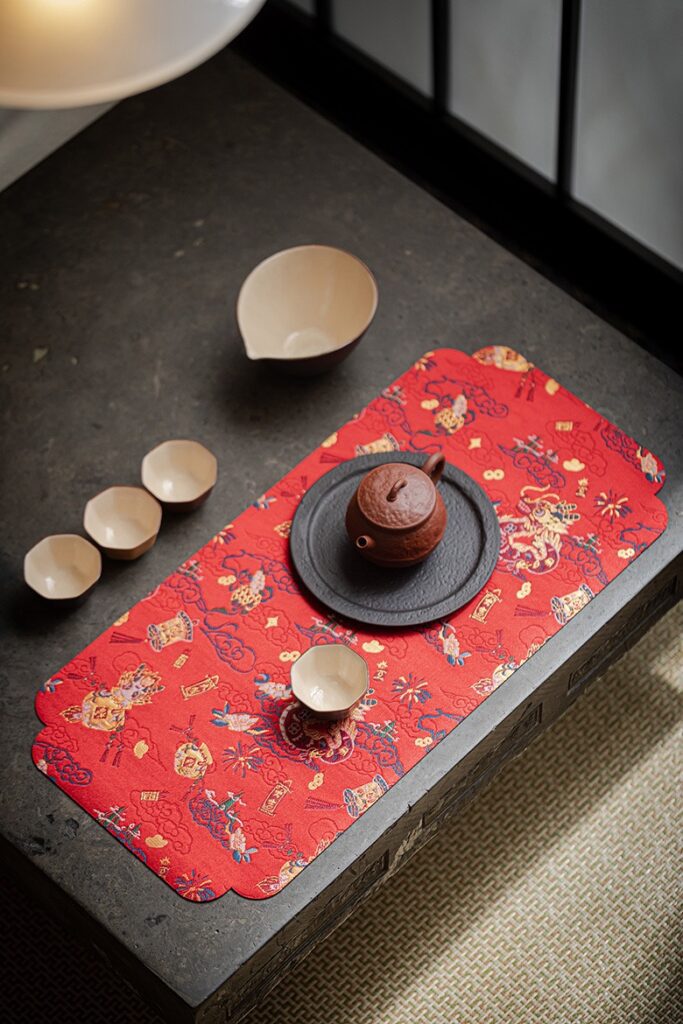
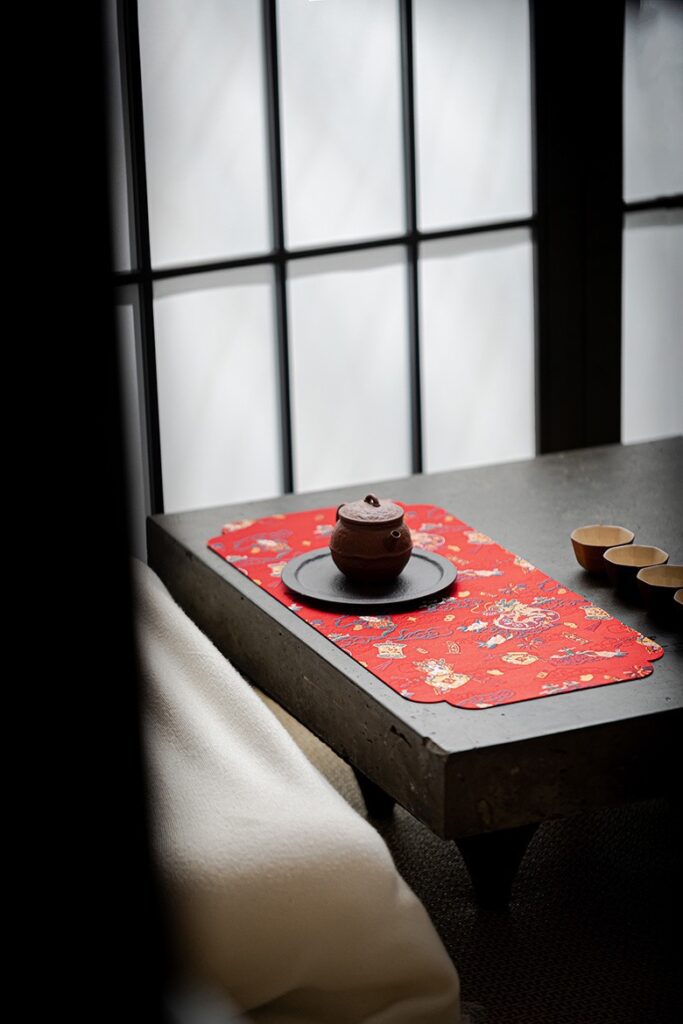
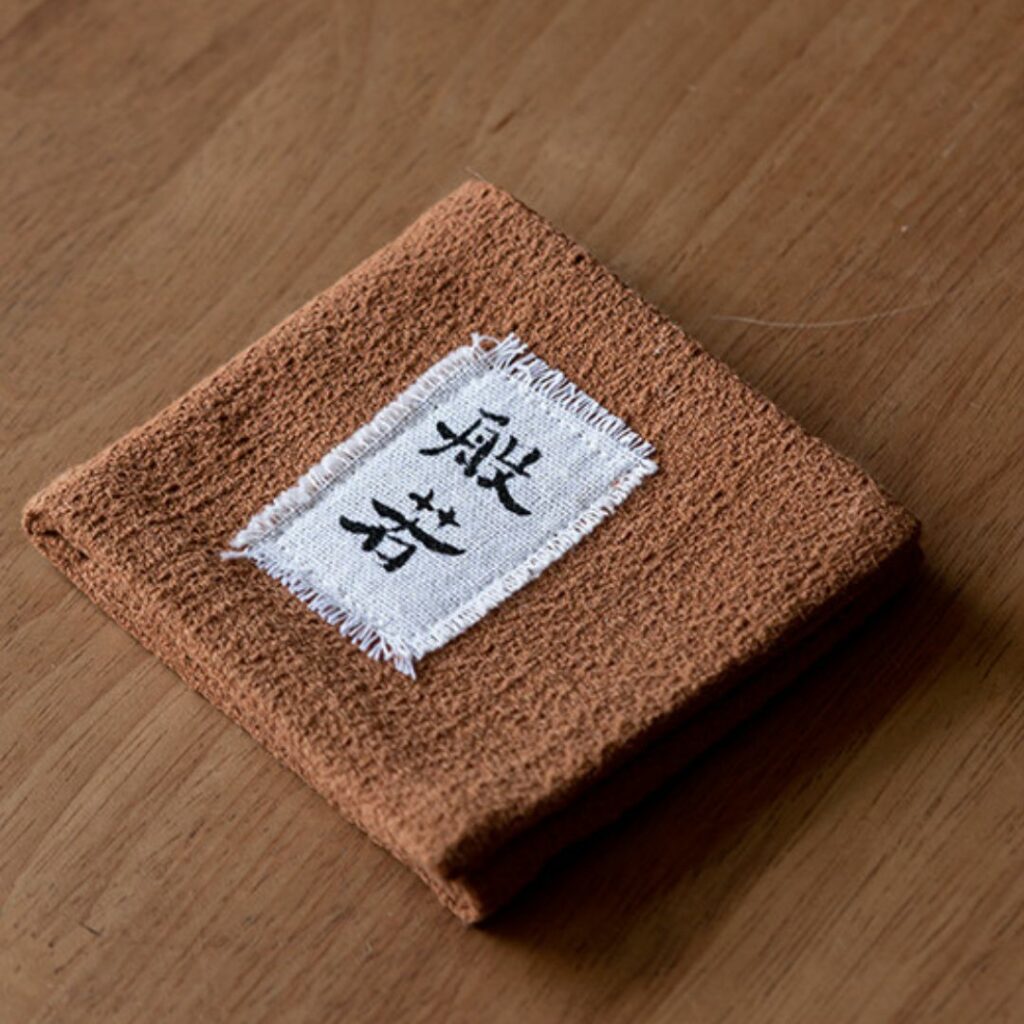
Hallo Teeliebhaber! 🐉✨ Spannende Neuigkeiten zum Start ins Jahr des Drachen 2024 – beim Kauf einer Yixing-Teekanne schenken wir euch eine exklusive Teematte im Stil des Jahres des Drachen, die euren Teeritualen das gewisse Etwas verleiht. So möchten wir gemeinsam mit euch feiern, aber denkt daran: Dieses Angebot gilt nur für begrenzte Zeit! Lasst euch die Gelegenheit nicht entgehen, eure Teestunden mit diesem mystischen Accessoire zu etwas ganz Besonderem zu machen. 🍵💫
Hallo, liebe Teeliebhaber! Viele von euch kennen uns zwar als Anbieter hochwertiger chinesischer Teegeschirre. sind wir auch auf Tees aus der Region Huang Shan spezialisiert. Huang Shan ist die Heimat der berühmtesten chinesischen Teesorten – Huang Shan Mao Feng, Keemun und Tai Ping Hou Kui. Als Einheimische dieses atemberaubenden Ortes haben wir eine tiefe Verbindung zu dieser Gegend und ihrem reichen Tee-Erbe.
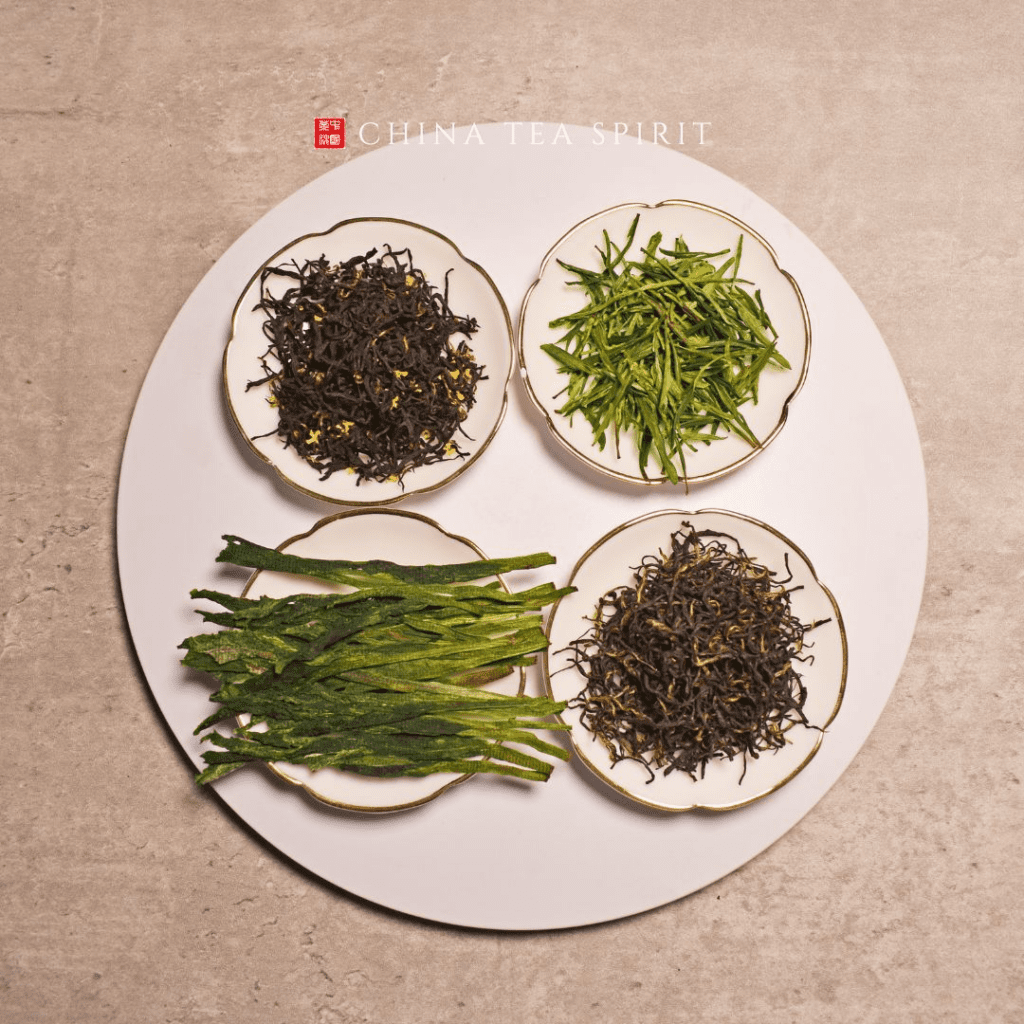
Wir wissen, dass die Suche nach dem perfekten Tee eine ganz persönliche Reise sein kann – deshalb bieten wir unser Probierpaket an. Damit können Sie die vielfältigen Aromen der Huang-Shan-Tees erkunden und denjenigen entdecken, der Ihren Geschmack trifft.
Jeder dieser Tees wird direkt von den Teebauern bezogen und verarbeitet, wodurch die Qualität und der authentische Geschmack gewährleistet sind.
Probierset mit folgendem Inhalt: Huang Shan Mao Feng – 10 g Tai Ping Hou Kui – 10 g Keemun Mao Feng – 10 g Osmanthus Keemun – 10 g
Wir freuen uns schon sehr auf Ihr Feedback zu unseren Teesorten. Begleiten Sie uns auf dieser Reise und lassen Sie sich von uns durch die bezaubernde Welt der Huang-Shan-Tees führen.
Bitte beachten Sie, dass der Tee und das Teegeschirr gemäß den Zollvorschriften in separaten Paketen versandt werden. In der Regel trifft der Tee etwas später ein als das Teegeschirr.
Sehr geehrte Kunden,
Sollten beim Bezahlvorgang Probleme aufgetreten sein, kontaktieren Sie uns bitte unter [email protected]. Und wir werden dir dabei helfen.
Im Folgenden haben wir häufige Zahlungsfehler und deren Lösungen als Orientierungshilfe für Sie aufgelistet.
#1: China Tea Spirit liefert nicht an diesen Standort. Bitte geben Sie eine andere Adresse an.
Dies ist ein bekannter Fehler bei PayPal. Er tritt zufällig auf. Falls Ihnen diese Fehlermeldung angezeigt wurde, kontaktieren Sie uns bitte unter [email protected]. Wir werden das für Sie regeln.
Tea shopping gets strangely seasonal once you spend enough time around Chinese tea.
In March, everyone starts talking about spring green tea.
A little later, new oolong appears.
Then autumn Tieguanyin and autumn Dancong begin showing up, while other teas seem to arrive whenever they please.
It can make you feel as though there is a calendar everyone else received and you somehow missed.
There is one.
Sort of.
The problem is that there is no single Chinese tea season.
Longjing, Tieguanyin, white tea and pu’er may all have a spring harvest, but “spring” does not mean the same thing for each of them. And the day a leaf is picked is not necessarily the day you should rush to buy or drink the finished tea.
That early arrival matters because green tea is processed to preserve much of the fresh character of the leaf.
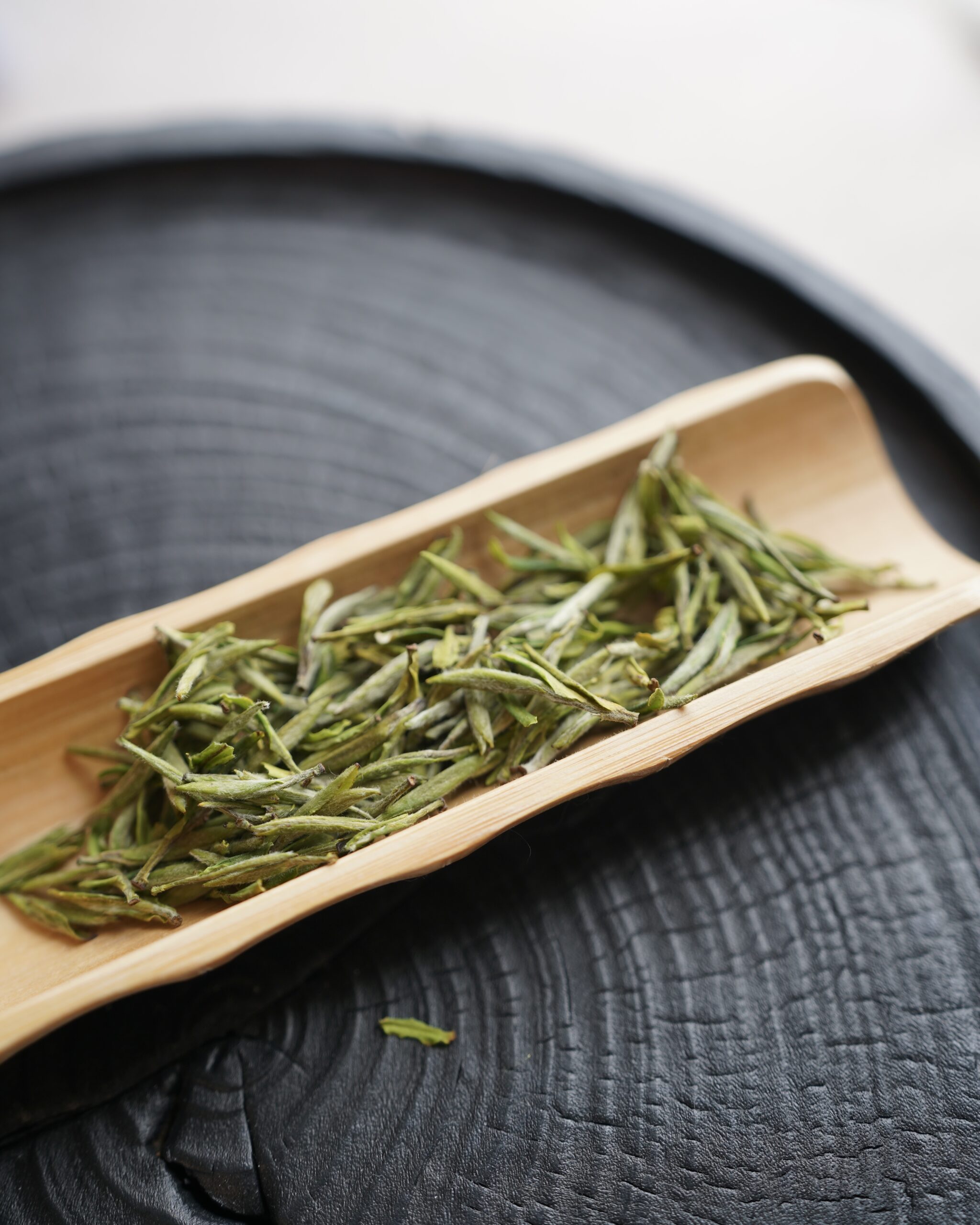
With teas such as Longjing, Huangshan Maofeng, Biluochun and Xinyang Maojian, people are often looking for tenderness, freshness, sweetness, umami and the particular aroma of young spring growth.
This is not only tradition talking. A 2026 study of Xinyang Maojian found clear seasonal differences in aroma: spring samples had the richest floral profile, summer leaned more fruity, and autumn had lower overall aroma intensity.
So for fresh Chinese green tea, spring is genuinely part of the product.
That does not mean March 18 is automatically better than April 8.
Earlier picking usually means smaller, more tender material and often a higher price. It does not guarantee better processing, better origin, or a flavor you personally prefer.
“Early” is information.
It is not a quality certificate.
Tieguanyin is where the calendar gets more interesting
Move south to Anxi and the simple rule of “spring is best” immediately becomes less useful.
Tieguanyin has important spring and autumn harvests, and the two seasons are not simply “good tea” and “the second harvest.”
A study of 266 finished Tieguanyin samples found clear seasonal differences in their chemistry and sensory profile. Other work on the same scale found that season does affect aroma, but its overall influence on finished aroma quality can be modest compared with everything else that happens to the tea.
That is a useful buying lesson.
A good autumn Tieguanyin is not a consolation prize because you missed spring.
And a mediocre spring Tieguanyin does not become exceptional simply because it was picked earlier in the year.
Autumn tea is not simply “the second harvest”
Spring happens first.
Autumn happens later.
It is easy to turn that sequence into a ranking.
But different temperatures, rainfall, sunlight, growth rates and plant stress change what accumulates in the leaf. The result is not merely “the same tea, harvested again.”
Fenghuang Dancong gives us a good example. A 2025 study of Dancong from different harvest seasons and altitudes found that season left a measurable signature in the tea’s stable isotopes. In that dataset, harvest season influenced those markers more strongly than altitude.
That does not tell us which cup tastes best.
It tells us that the season is not just a marketing word. The plant really is growing under a different set of conditions.
White tea makes the difference tasteable too
White tea can look deceptively simple because its processing is comparatively restrained.
That makes the raw leaf matter even more.
A 2025 study comparing spring and autumn white teas from two cultivars found clear differences in both chemistry and sensory evaluation. In the samples studied, spring teas scored higher overall and contained more soluble sugars and amino acids, while autumn teas contained higher levels of caffeine and total polyphenols.
That does not mean nobody should buy autumn white tea.
It means that buying a spring Bai Mudan and an autumn Bai Mudan can be more interesting than buying two packages and expecting them to taste identical.
The harvest season becomes part of the tea’s identity.
And once a tea is deliberately aged, another variable enters the picture.
A spring tea stored badly for five years is not rescued by the word “spring.” A well-made autumn tea stored beautifully does not become less interesting because its leaves grew later in the year.
Harvest date and release date are not the same thing
This is where a lot of tea calendars become misleading.
Tea is picked.
Then it has to become tea.
For a fresh green tea, that transformation can happen very quickly, which is why spring releases feel immediate.
For an oolong, the timeline can involve withering, tossing, oxidation, repeated drying, roasting, sorting and sometimes additional resting or re-roasting.
So you can have a tea that is unquestionably a spring harvest without seeing the finished tea offered at the beginning of spring.
That is especially important with more heavily processed oolongs. Our article on why fresh Phoenix Dancong often benefits from waiting is a good example of why “freshly harvested” and “ready to drink” are not always the same thing.
Sometimes the calendar is telling you about agriculture.
Sometimes it is telling you about processing.
Sometimes it is just telling you about logistics.
Dancong shows why season is only one variable
Dancong makes a useful case because people often focus heavily on spring material, especially for higher-grade teas.
But the phrase “spring Dancong” still leaves a lot unanswered.
Which cultivar?
Which altitude?
How mature were the leaves?
How was the tea oxidized?
How strong was the roast?
How long did it rest after roasting?
Season can leave measurable traces in Fenghuang Dancong, but it remains one variable among many.
If two Dancongs are in front of me, I would rather know their producer, garden, cultivar and processing than choose blindly because one says “spring” and the other says “autumn.”
The calendar helps explain the tea.
It does not replace the tea.
Pu’er has seasons too—but the question changes
Fresh pu’er material is also harvested seasonally.
Spring material attracts the most attention, and you will regularly encounter terms such as first spring, early spring and autumn material on wrappers and product descriptions.
But once you start buying older pu’er, harvest season becomes only one line in a much longer story.
A ten-year-old cake also carries ten years of storage.
Was it kept humid or dry? Was the material blended? Is the stated village credible? How was it compressed? How has it transformed?
At that point, “spring 2016” is useful information, but it cannot tell you what is now in the cup.
For fresh green tea, pay close attention in early spring. Freshness and harvest timing are meaningful parts of what you are buying.
For Tieguanyin, spring and autumn are both serious seasons. Expect differences rather than treating autumn as second best.
For Dancong and other processed oolongs, pay attention to harvest season, but also ask when the tea was finished and how it was roasted. Harvest and release can be separated by processing time.
For white tea, spring and autumn can produce genuinely different profiles. Decide whether you are buying for immediate drinking or for storage rather than treating the season as a simple quality ranking.
For pu’er, season matters most when understanding the original material. With aged tea, provenance and storage increasingly matter alongside it.
That is already enough of a calendar to make shopping much less confusing.
There is one more reason not to order everything in spring
Tea has a shelf life as an experience, even when it remains perfectly safe to drink.
A highly aromatic green tea you adore in April may feel much quieter by the following February.
A fragrant oolong can slowly lose some of its top notes after repeated opening.
For many people, buying smaller amounts through the year makes more sense than ordering an entire year’s supply of aromatic tea at once.
Spring brings fresh greens and spring teas.
Later releases bring finished oolongs and other processed teas.
Autumn brings another genuinely interesting wave, particularly for teas such as Tieguanyin.
And aged tea can fill the spaces between them without caring very much what month the parcel arrives.
That creates a tea cupboard that changes naturally through the year.
Not because a rule says you must drink Longjing in April.
Because tea is an agricultural product, and agriculture has seasons.
The useful thing is learning which seasons actually matter for the tea in front of you.
Spring tea is not automatically the best tea. Autumn tea is not automatically second-best tea.
Sometimes they are simply two different answers from the same plant.