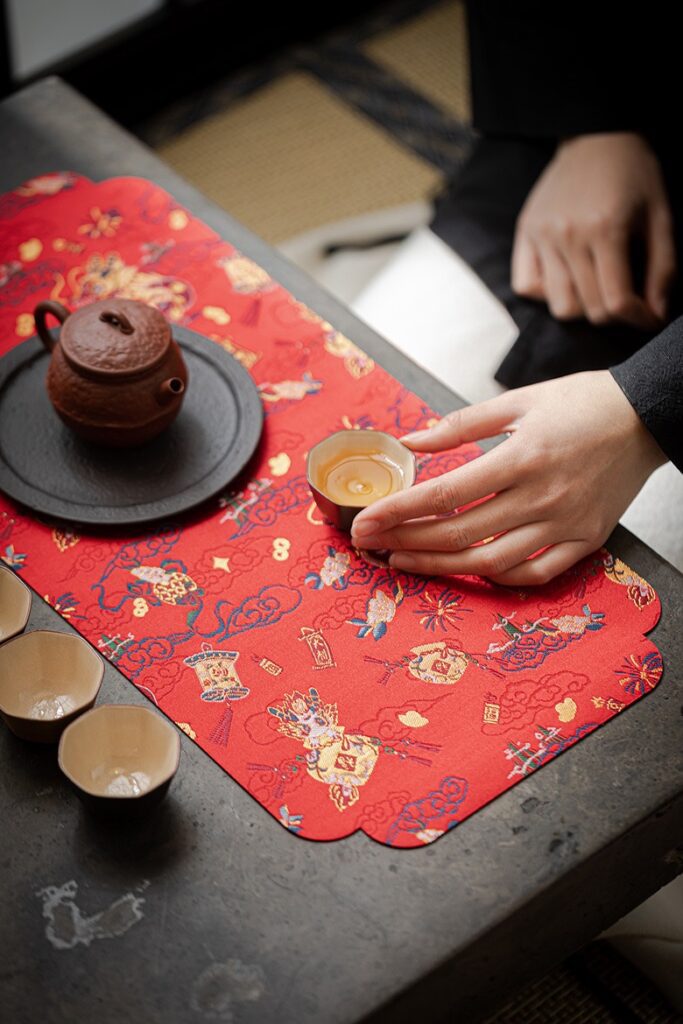
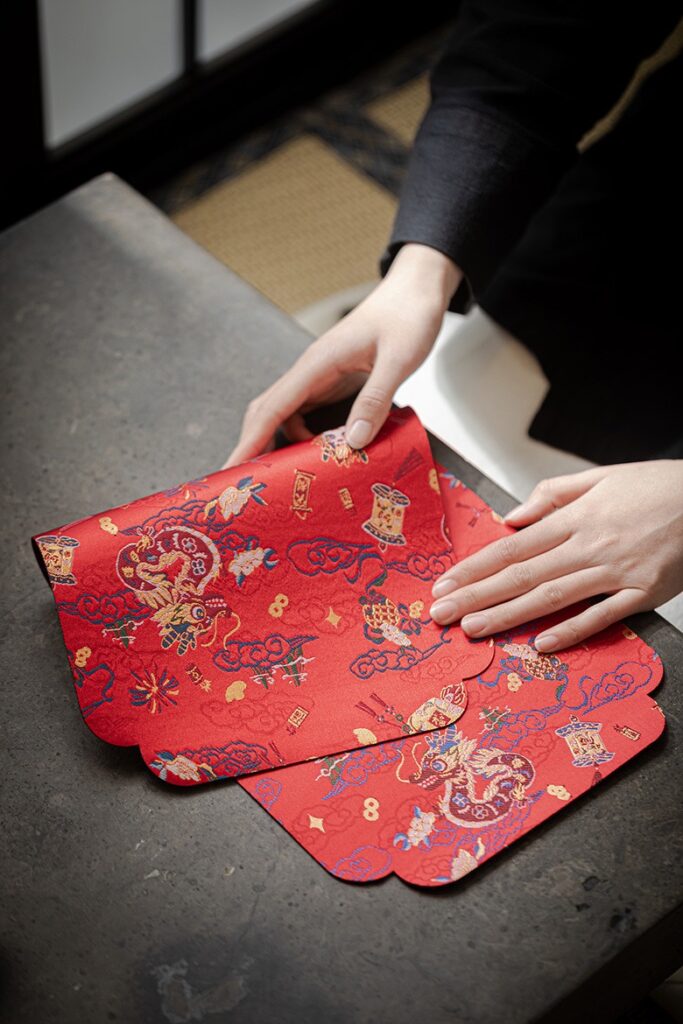
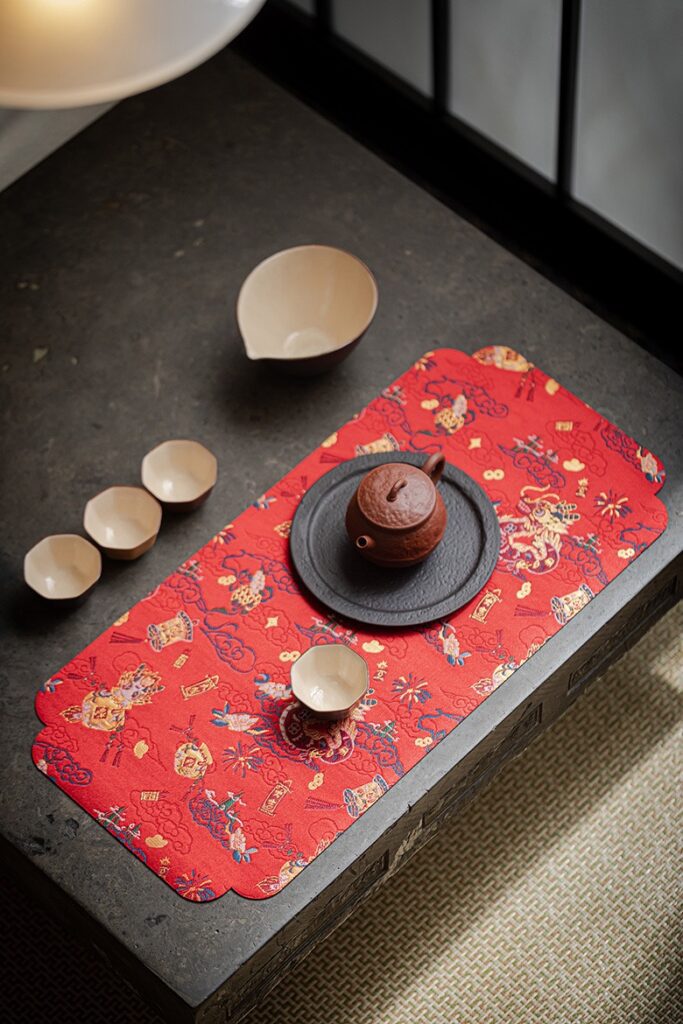
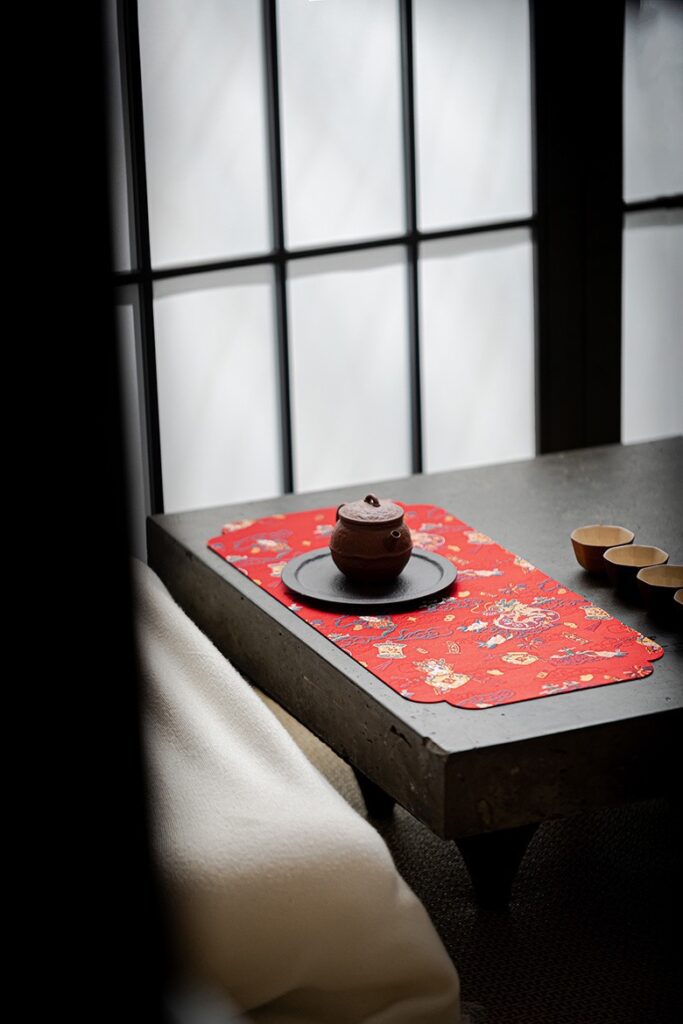
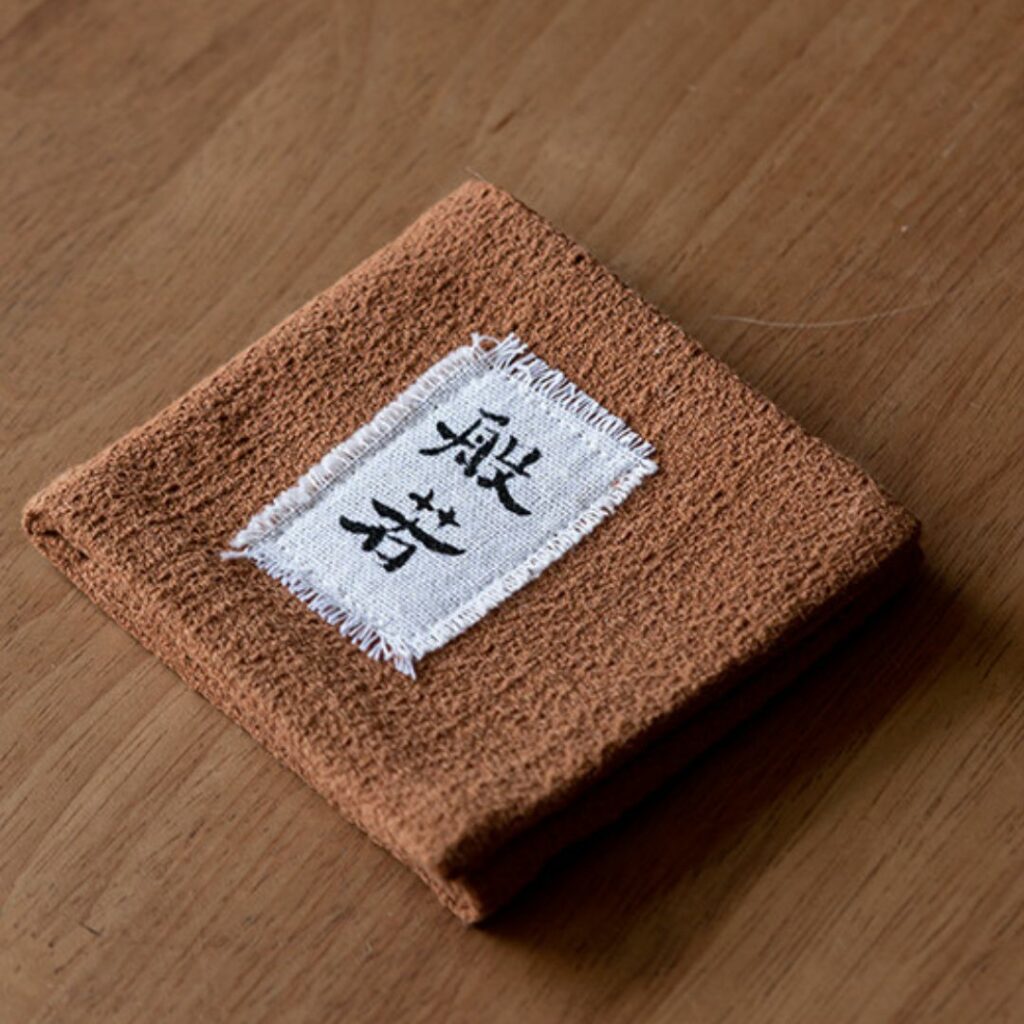
¡Hola, amantes del té! 🐉✨ Tenemos una noticia emocionante ahora que entramos en el Año del Dragón de 2024: con la compra de una tetera de Yixing, te regalamos un tapete para té exclusivo con el diseño del Año del Dragón para que tus rituales de té tengan un toque especial. Es nuestra forma de celebrarlo con vosotros, pero recordad: ¡es una oferta por tiempo limitado! No dejéis pasar la oportunidad de hacer que vuestras sesiones de té sean aún más especiales con este místico complemento. 🍵💫
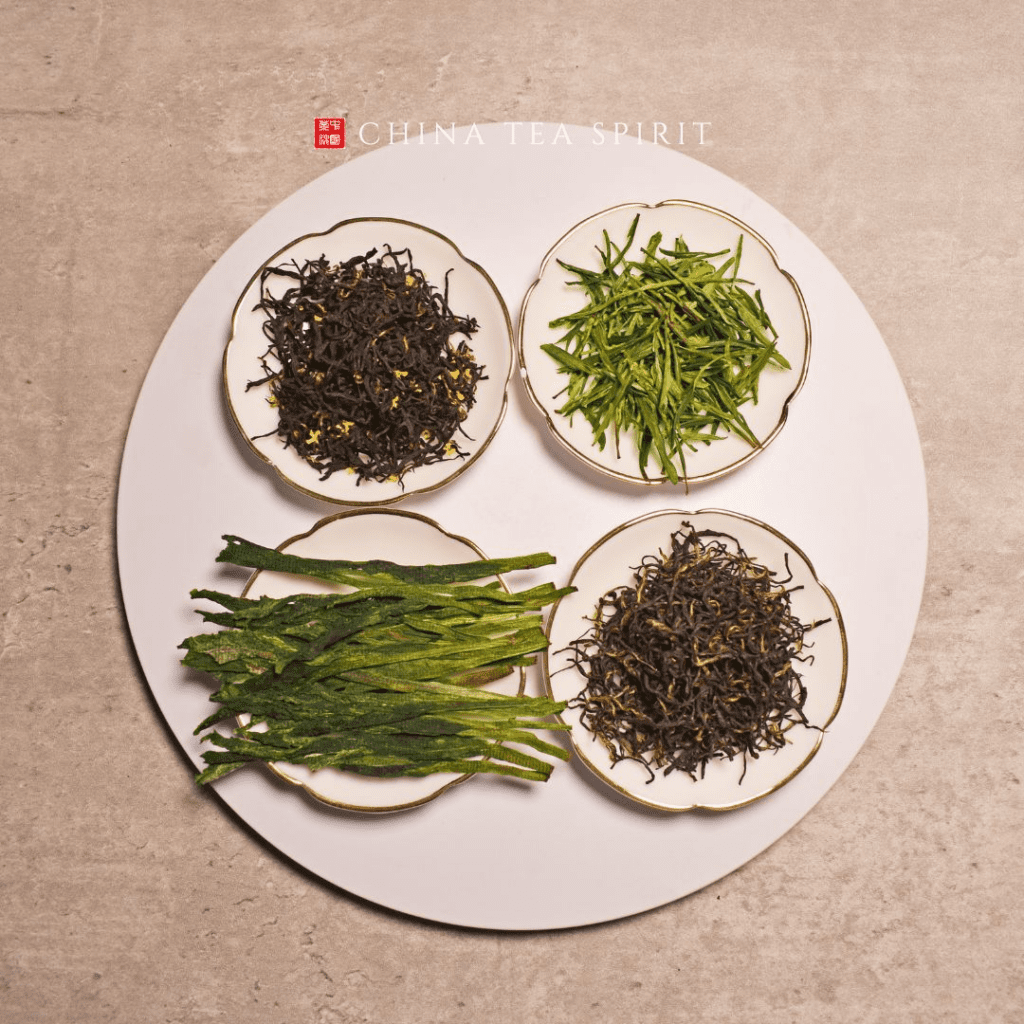
¡Hola, amantes del té! Aunque muchos de vosotros nos conocéis como una empresa especializada en artículos de té chino de alta gama, también nos especializamos en tés de la región de Huang Shan. Huang Shan es la cuna de los tés chinos más famosos: el Huang Shan Mao Feng, el Keemun y el Tai Ping Hou Kui. Como nativos de este lugar impresionante, tenemos un profundo vínculo con la tierra y su rico patrimonio del té.
Somos conscientes de que encontrar el té perfecto puede ser toda una experiencia personal, y por eso te ofrecemos nuestro paquete de muestras. Te permite explorar la variedad de sabores de los tés de Huang Shan y descubrir aquel que más se adapte a tu paladar.
Todos los tés proceden directamente de los productores de té, lo que garantiza su calidad y su sabor auténtico.
Paquete de muestras que incluye: Huang Shan Mao Feng – 10 g Tai Ping Hou Kui – 10 g Keemun Mao Feng – 10 g Osmanthus Keemun – 10 g
Estamos deseando conocer vuestras opiniones sobre nuestros tés. Acompañadnos en este viaje y dejad que seamos vuestra guía mientras exploráis el encantador mundo de los tés de Huang Shan.
Ten en cuenta que el té y los utensilios para el té se enviarán en paquetes separados, de acuerdo con los requisitos aduaneros. Normalmente, el té llegará un poco más tarde que los utensilios para el té.
Estimados clientes,
Si has tenido algún problema durante el proceso de pago, ponte en contacto con nosotros en [email protected]. Y te echaremos una mano.
A continuación, enumeramos los errores de pago más habituales y sus soluciones para tu información.
#1: China Tea Spirit no realiza envíos a esta ubicación. Por favor, utiliza otra dirección.
Se trata de un error conocido de PayPal. Se produce de forma aleatoria. Si has visto este mensaje de error, ponte en contacto con nosotros en [email protected]. Nos encargaremos de solucionarlo por ti.
Tea shopping gets strangely seasonal once you spend enough time around Chinese tea.
In March, everyone starts talking about spring green tea.
A little later, new oolong appears.
Then autumn Tieguanyin and autumn Dancong begin showing up, while other teas seem to arrive whenever they please.
It can make you feel as though there is a calendar everyone else received and you somehow missed.
There is one.
Sort of.
The problem is that there is no single Chinese tea season.
Longjing, Tieguanyin, white tea and pu’er may all have a spring harvest, but “spring” does not mean the same thing for each of them. And the day a leaf is picked is not necessarily the day you should rush to buy or drink the finished tea.
That early arrival matters because green tea is processed to preserve much of the fresh character of the leaf.
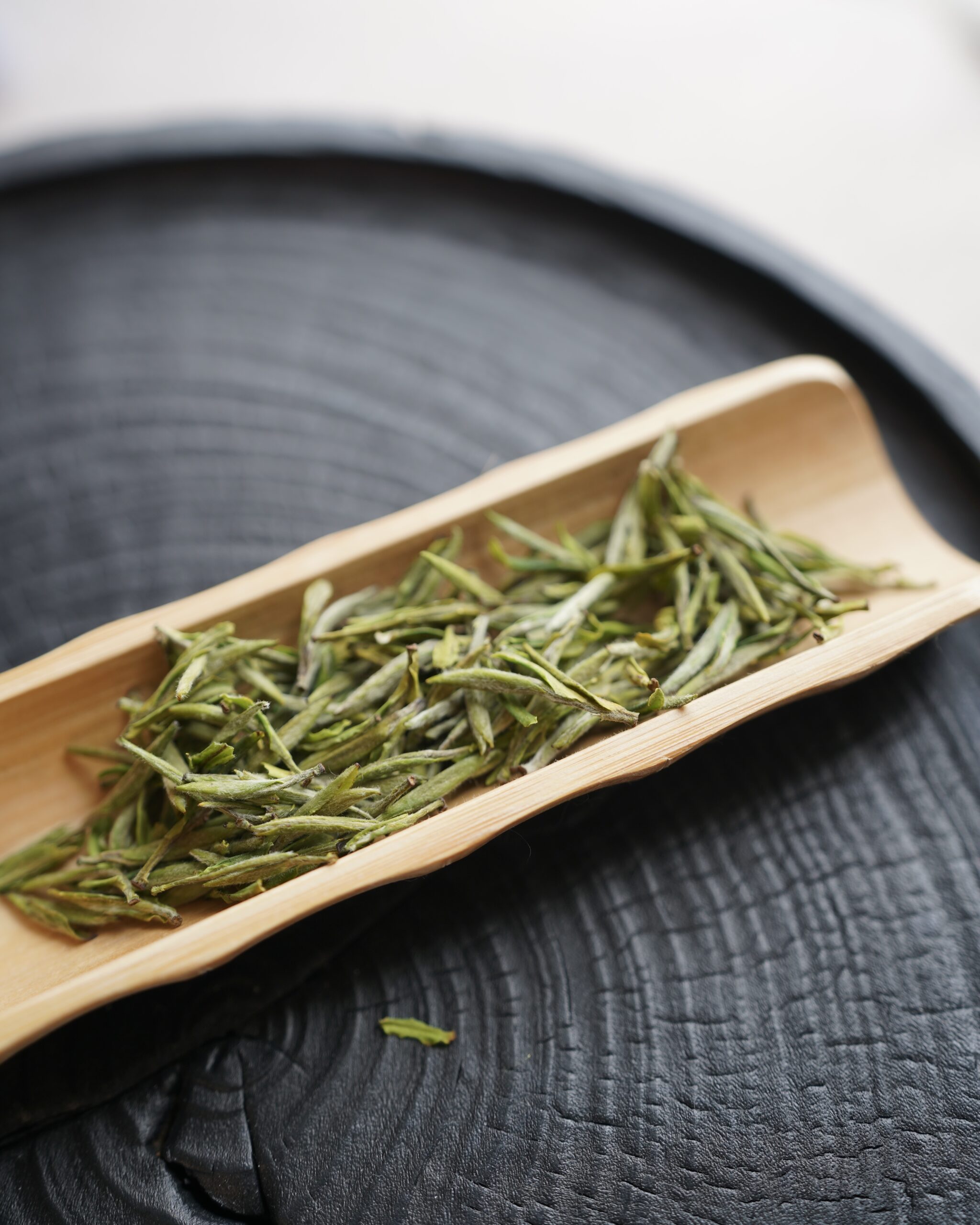
With teas such as Longjing, Huangshan Maofeng, Biluochun and Xinyang Maojian, people are often looking for tenderness, freshness, sweetness, umami and the particular aroma of young spring growth.
This is not only tradition talking. A 2026 study of Xinyang Maojian found clear seasonal differences in aroma: spring samples had the richest floral profile, summer leaned more fruity, and autumn had lower overall aroma intensity.
So for fresh Chinese green tea, spring is genuinely part of the product.
That does not mean March 18 is automatically better than April 8.
Earlier picking usually means smaller, more tender material and often a higher price. It does not guarantee better processing, better origin, or a flavor you personally prefer.
“Early” is information.
It is not a quality certificate.
Tieguanyin is where the calendar gets more interesting
Move south to Anxi and the simple rule of “spring is best” immediately becomes less useful.
Tieguanyin has important spring and autumn harvests, and the two seasons are not simply “good tea” and “the second harvest.”
A study of 266 finished Tieguanyin samples found clear seasonal differences in their chemistry and sensory profile. Other work on the same scale found that season does affect aroma, but its overall influence on finished aroma quality can be modest compared with everything else that happens to the tea.
That is a useful buying lesson.
A good autumn Tieguanyin is not a consolation prize because you missed spring.
And a mediocre spring Tieguanyin does not become exceptional simply because it was picked earlier in the year.
Autumn tea is not simply “the second harvest”
Spring happens first.
Autumn happens later.
It is easy to turn that sequence into a ranking.
But different temperatures, rainfall, sunlight, growth rates and plant stress change what accumulates in the leaf. The result is not merely “the same tea, harvested again.”
Fenghuang Dancong gives us a good example. A 2025 study of Dancong from different harvest seasons and altitudes found that season left a measurable signature in the tea’s stable isotopes. In that dataset, harvest season influenced those markers more strongly than altitude.
That does not tell us which cup tastes best.
It tells us that the season is not just a marketing word. The plant really is growing under a different set of conditions.
White tea makes the difference tasteable too
White tea can look deceptively simple because its processing is comparatively restrained.
That makes the raw leaf matter even more.
A 2025 study comparing spring and autumn white teas from two cultivars found clear differences in both chemistry and sensory evaluation. In the samples studied, spring teas scored higher overall and contained more soluble sugars and amino acids, while autumn teas contained higher levels of caffeine and total polyphenols.
That does not mean nobody should buy autumn white tea.
It means that buying a spring Bai Mudan and an autumn Bai Mudan can be more interesting than buying two packages and expecting them to taste identical.
The harvest season becomes part of the tea’s identity.
And once a tea is deliberately aged, another variable enters the picture.
A spring tea stored badly for five years is not rescued by the word “spring.” A well-made autumn tea stored beautifully does not become less interesting because its leaves grew later in the year.
Harvest date and release date are not the same thing
This is where a lot of tea calendars become misleading.
Tea is picked.
Then it has to become tea.
For a fresh green tea, that transformation can happen very quickly, which is why spring releases feel immediate.
For an oolong, the timeline can involve withering, tossing, oxidation, repeated drying, roasting, sorting and sometimes additional resting or re-roasting.
So you can have a tea that is unquestionably a spring harvest without seeing the finished tea offered at the beginning of spring.
That is especially important with more heavily processed oolongs. Our article on why fresh Phoenix Dancong often benefits from waiting is a good example of why “freshly harvested” and “ready to drink” are not always the same thing.
Sometimes the calendar is telling you about agriculture.
Sometimes it is telling you about processing.
Sometimes it is just telling you about logistics.
Dancong shows why season is only one variable
Dancong makes a useful case because people often focus heavily on spring material, especially for higher-grade teas.
But the phrase “spring Dancong” still leaves a lot unanswered.
Which cultivar?
Which altitude?
How mature were the leaves?
How was the tea oxidized?
How strong was the roast?
How long did it rest after roasting?
Season can leave measurable traces in Fenghuang Dancong, but it remains one variable among many.
If two Dancongs are in front of me, I would rather know their producer, garden, cultivar and processing than choose blindly because one says “spring” and the other says “autumn.”
The calendar helps explain the tea.
It does not replace the tea.
Pu’er has seasons too—but the question changes
Fresh pu’er material is also harvested seasonally.
Spring material attracts the most attention, and you will regularly encounter terms such as first spring, early spring and autumn material on wrappers and product descriptions.
But once you start buying older pu’er, harvest season becomes only one line in a much longer story.
A ten-year-old cake also carries ten years of storage.
Was it kept humid or dry? Was the material blended? Is the stated village credible? How was it compressed? How has it transformed?
At that point, “spring 2016” is useful information, but it cannot tell you what is now in the cup.
For fresh green tea, pay close attention in early spring. Freshness and harvest timing are meaningful parts of what you are buying.
For Tieguanyin, spring and autumn are both serious seasons. Expect differences rather than treating autumn as second best.
For Dancong and other processed oolongs, pay attention to harvest season, but also ask when the tea was finished and how it was roasted. Harvest and release can be separated by processing time.
For white tea, spring and autumn can produce genuinely different profiles. Decide whether you are buying for immediate drinking or for storage rather than treating the season as a simple quality ranking.
For pu’er, season matters most when understanding the original material. With aged tea, provenance and storage increasingly matter alongside it.
That is already enough of a calendar to make shopping much less confusing.
There is one more reason not to order everything in spring
Tea has a shelf life as an experience, even when it remains perfectly safe to drink.
A highly aromatic green tea you adore in April may feel much quieter by the following February.
A fragrant oolong can slowly lose some of its top notes after repeated opening.
For many people, buying smaller amounts through the year makes more sense than ordering an entire year’s supply of aromatic tea at once.
Spring brings fresh greens and spring teas.
Later releases bring finished oolongs and other processed teas.
Autumn brings another genuinely interesting wave, particularly for teas such as Tieguanyin.
And aged tea can fill the spaces between them without caring very much what month the parcel arrives.
That creates a tea cupboard that changes naturally through the year.
Not because a rule says you must drink Longjing in April.
Because tea is an agricultural product, and agriculture has seasons.
The useful thing is learning which seasons actually matter for the tea in front of you.
Spring tea is not automatically the best tea. Autumn tea is not automatically second-best tea.
Sometimes they are simply two different answers from the same plant.