Pausa en los envíos por las fiestas — se reanudarán el 8 de octubre. Celebra el Festival del Medio Otoño con un descuento de 10% utilizando el código ctsmooncake. DescartarIr al contenido
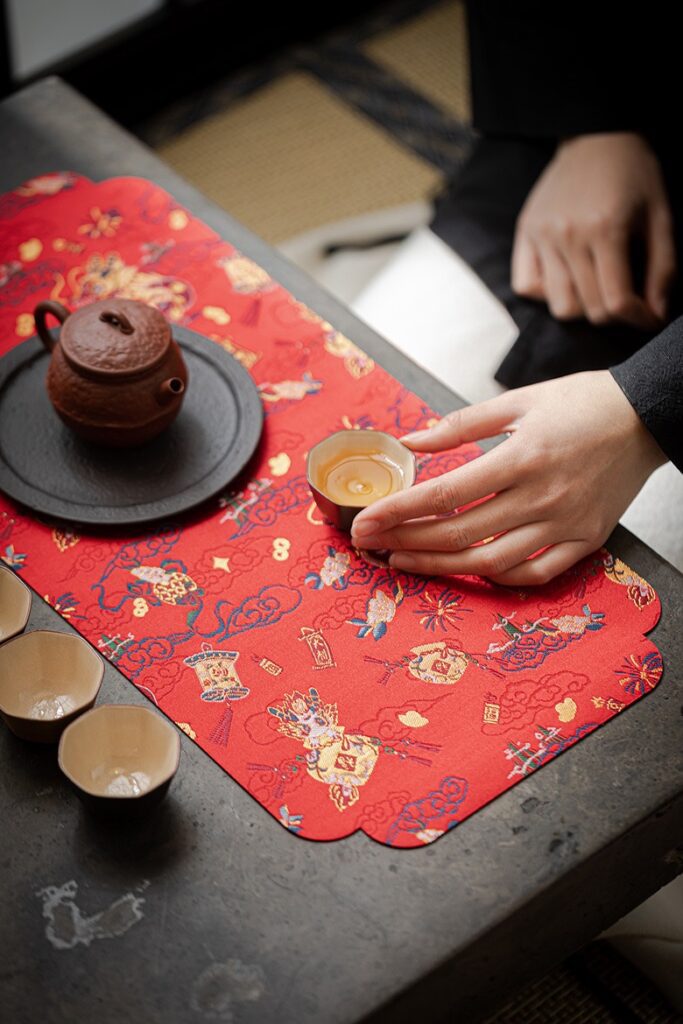
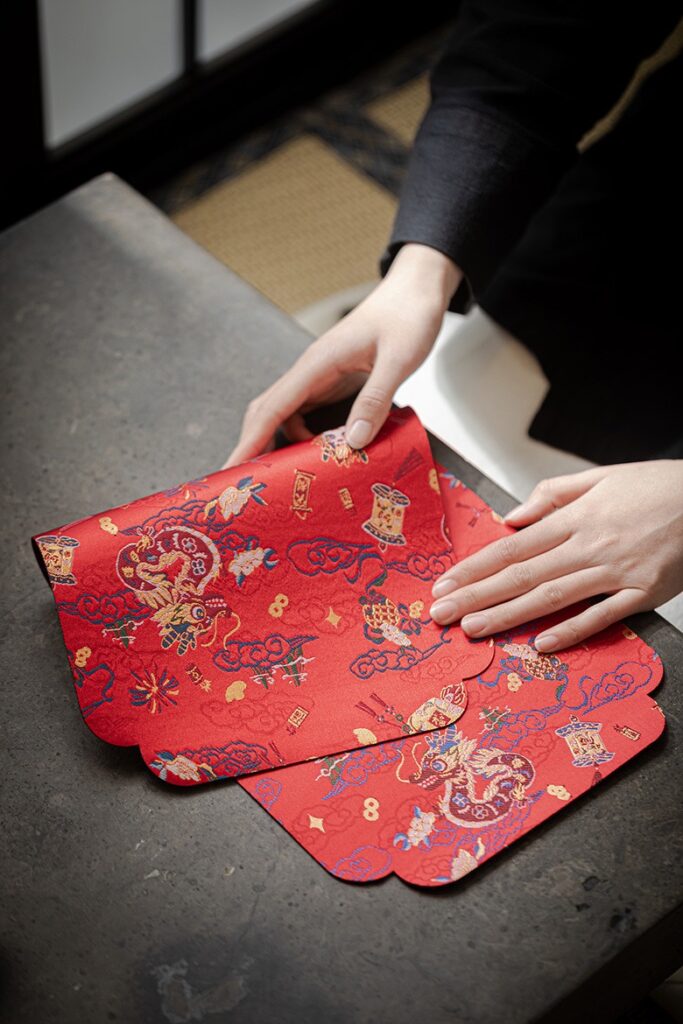
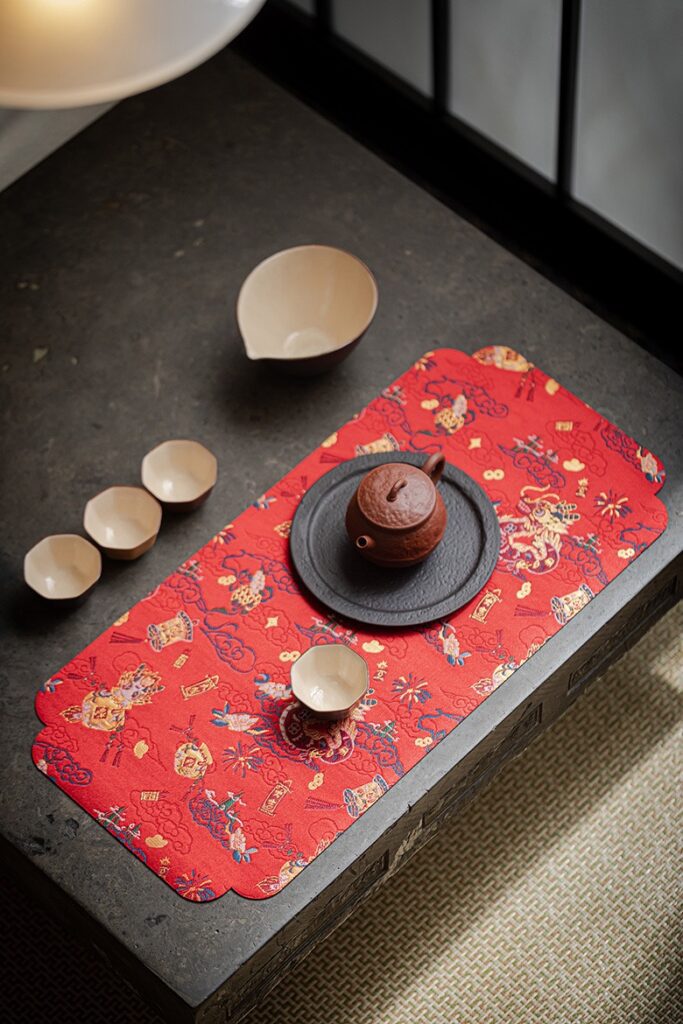
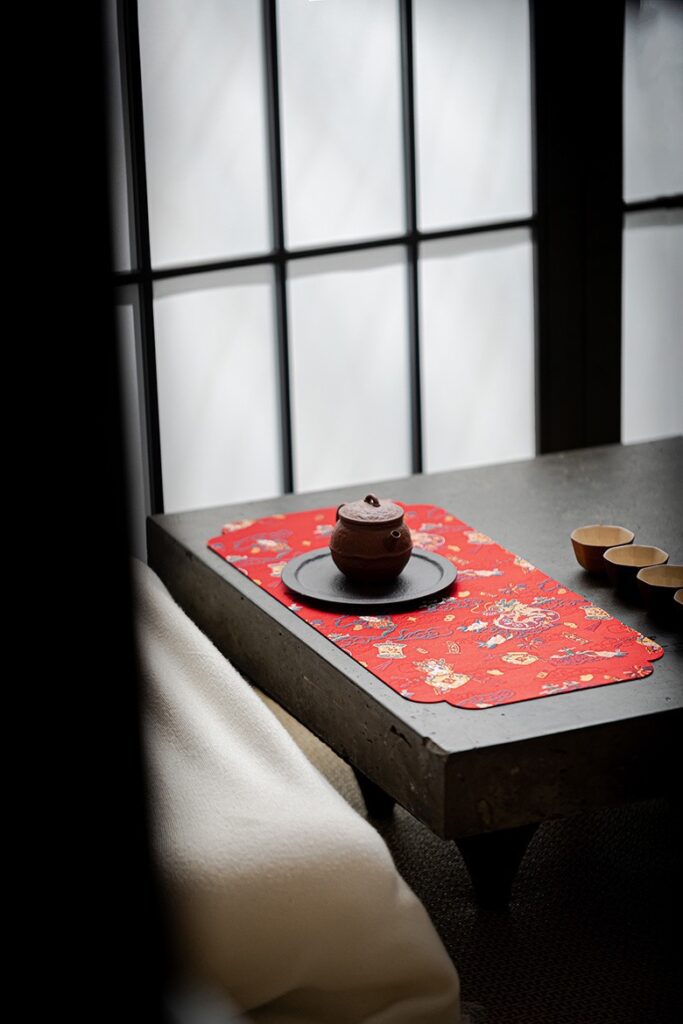
¡Hola, amantes del té! 🐉✨ Tenemos una noticia emocionante ahora que entramos en el Año del Dragón de 2024: con la compra de una tetera de Yixing, te regalamos un tapete para té exclusivo con el diseño del Año del Dragón para que tus rituales de té tengan un toque especial. Es nuestra forma de celebrarlo con vosotros, pero recordad: ¡es una oferta por tiempo limitado! No dejéis pasar la oportunidad de hacer que vuestras sesiones de té sean aún más especiales con este místico complemento. 🍵💫
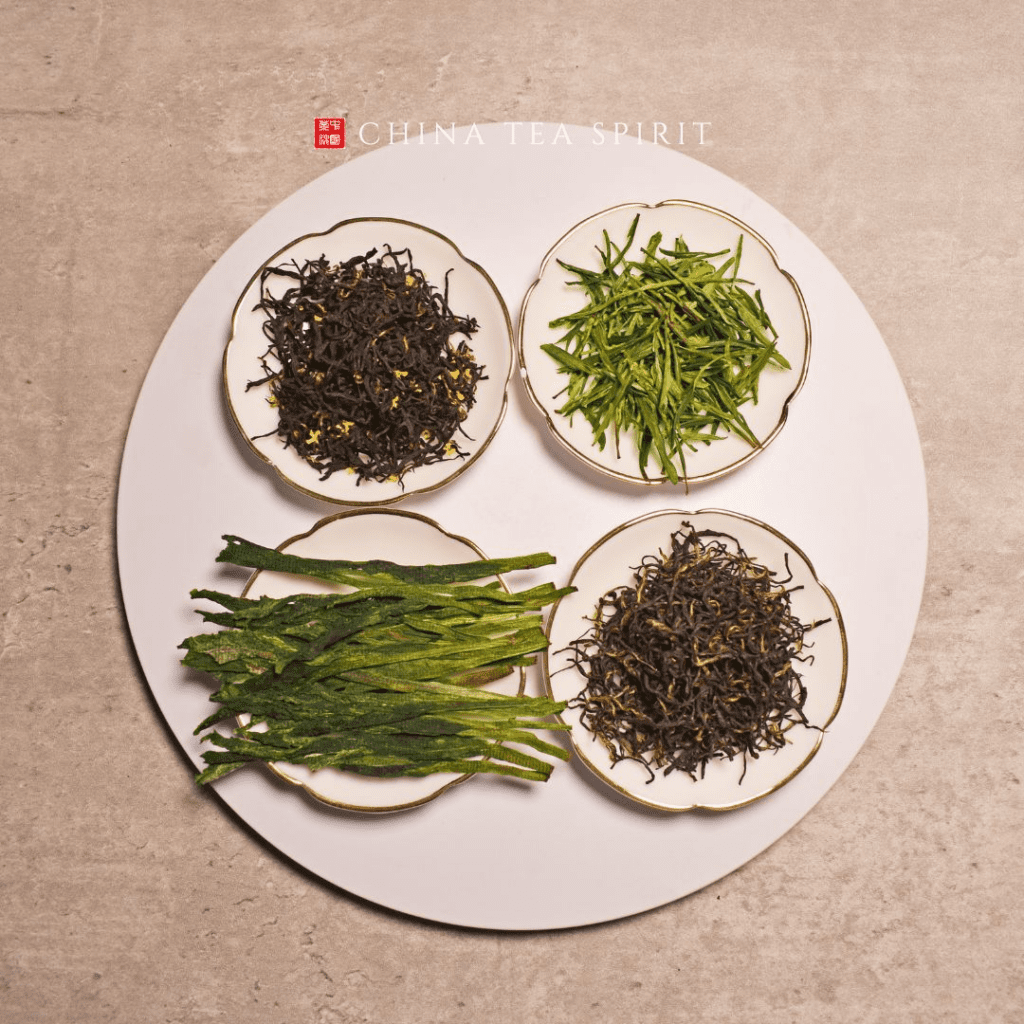
¡Hola, amantes del té! Aunque muchos de vosotros nos conocéis como una empresa especializada en artículos de té chino de alta gama, también nos especializamos en tés de la región de Huang Shan. Huang Shan es la cuna de los tés chinos más famosos: el Huang Shan Mao Feng, el Keemun y el Tai Ping Hou Kui. Como nativos de este lugar impresionante, tenemos un profundo vínculo con la tierra y su rico patrimonio del té.
Somos conscientes de que encontrar el té perfecto puede ser toda una experiencia personal, y por eso te ofrecemos nuestro paquete de muestras. Te permite explorar la variedad de sabores de los tés de Huang Shan y descubrir aquel que más se adapte a tu paladar.
Todos los tés proceden directamente de los productores de té, lo que garantiza su calidad y su sabor auténtico.
Paquete de muestras que incluye: Huang Shan Mao Feng – 10 g Tai Ping Hou Kui – 10 g Keemun Mao Feng – 10 g Osmanthus Keemun – 10 g
Estamos deseando conocer vuestras opiniones sobre nuestros tés. Acompañadnos en este viaje y dejad que seamos vuestra guía mientras exploráis el encantador mundo de los tés de Huang Shan.
Ten en cuenta que el té y los utensilios para el té se enviarán en paquetes separados, de acuerdo con los requisitos aduaneros. Normalmente, el té llegará un poco más tarde que los utensilios para el té.
Estimados clientes,
Si has tenido algún problema durante el proceso de pago, ponte en contacto con nosotros en [email protected]. Y te echaremos una mano.
A continuación, enumeramos los errores de pago más habituales y sus soluciones para tu información.
#1: China Tea Spirit no realiza envíos a esta ubicación. Por favor, utiliza otra dirección.
Se trata de un error conocido de PayPal. Se produce de forma aleatoria. Si has visto este mensaje de error, ponte en contacto con nosotros en [email protected]. Nos encargaremos de solucionarlo por ti.
Esta es una de nuestras entradas de la serie sobre las formas de la tetera de Yixing. Si te interesan otras entradas de esta serie, consulta esta entrada para obtener más información sobre Formas de las teteras de Yixing.
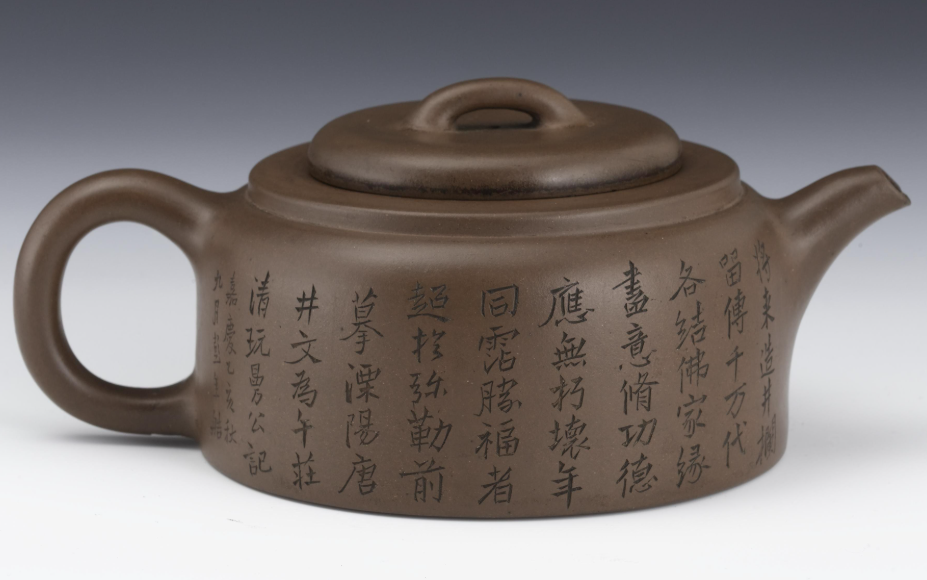
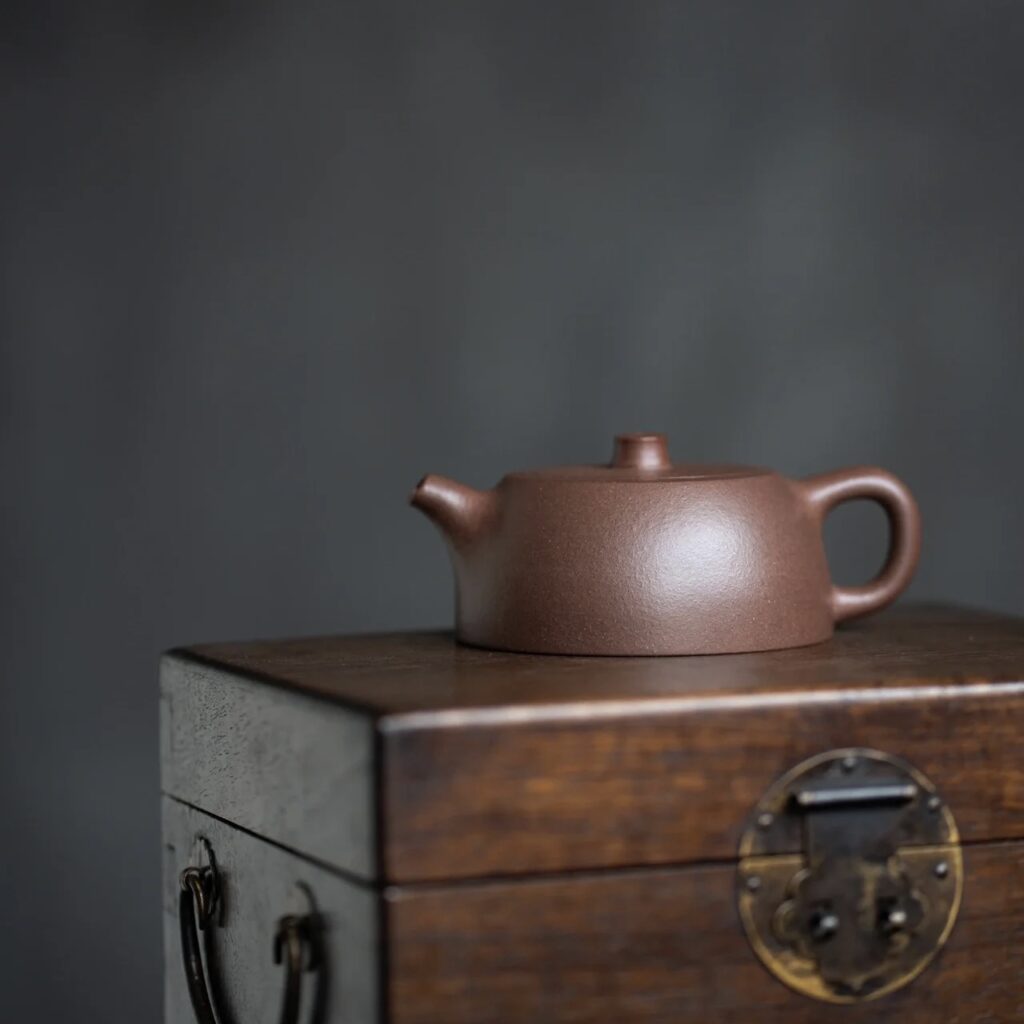
Entre las numerosas formas más apreciadas en el mundo de las teteras de Yixing, la Jing Lan La tetera (Jing Lan) destaca por su geometría sencilla, su encanto clásico y sus profundas raíces culturales. La tetera Jing Lan, que debe su nombre a las barandillas de piedra de los pozos en las que se inspira, es una combinación perfecta de funcionalidad, simbolismo y diseño atemporal.
Un diseño arraigado en la tradición
La forma de la tetera Jing Lan se inspira en las barandillas circulares de piedra que antaño rodeaban los pozos en la antigua China. Fue el maestro Chen Hongshou (más conocido como Man Sheng), durante la dinastía Qing, quien captó por primera vez esta inspiración y la transformó en una de sus célebres Los dieciocho estilos de Man Sheng. En colaboración con el reconocido artesano Yang Pengnian, dio vida a la tetera Jing Lan.
Para Man Sheng, el pozo profundo simbolizaba el vasto océano del conocimiento: algo de lo que se puede sacar continuamente, al igual que el agua sustenta la vida. La tetera se convirtió así en una metáfora: un recordatorio de que el aprendizaje, al igual que el agua de un pozo, es una fuente de alimento para toda la vida.
Una historia grabada en arcilla
Cuenta la leyenda que la idea del diseño «Jing Lan» surgió durante una reunión informal en un patio. Mientras el maestro Man Sheng y su amigo íntimo Yang Pengnian hablaban de teteras mientras tomaban té, se fijaron en una criada que sacaba agua de un pozo profundo de piedra. La silueta del pozo y la postura de la criada les sugirieron una idea: ¿y si ese momento pudiera plasmarse en la forma de una tetera? Inspirado, Man Sheng esbozó el diseño sobre una mesa de piedra. Pengnian lo perfeccionó y, así, la primera Jing Lan nació.
Cuando Pengnian propuso el nombre “Tetera para sacar agua”, Man Sheng respondió: “Esta tetera llegó a mis manos con la misma naturalidad que el propio pozo. Llamémosla Jing Lan.”. Los dos se rieron, conscientes de que habían creado algo atemporal.
La belleza de la sencillez
La tetera Jing Lan se considera una Guang Huo Diseño «(光货)»: hace referencia a formas limpias y sin adornos que se basan exclusivamente en la proporción, el equilibrio y la calidad de la arcilla. Presenta un cuerpo redondeado, un asa circular y un pomo en forma de puente en la tapa. Su superficie lisa y sin interrupciones permite que resalte el carácter de la arcilla Zisha.
Dominar una forma así requiere tanto sensibilidad artística como precisión técnica. La curvatura del cuerpo, la simetría de la tapa y el pico, y el equilibrio del asa: todo debe ejecutarse con armonía. No hay ornamentación tras la que esconderse; la belleza reside en la sobriedad.
Más que una tetera
El Jing Lan es más que una simple vasija: encarna el espíritu de la estética tradicional china: funcionalidad, humildad y una profunda resonancia cultural. En el mundo acelerado de hoy en día, utilizar una tetera Jing Lan Yixing es un discreto guiño a la reflexión, a la artesanía y al placer de la sencillez.
👉 ¿Estás listo para descubrir la elegancia de la tetera Jing Lan? Explora nuestra colección aquí.