Pausa en los envíos por las fiestas — se reanudarán el 8 de octubre. Celebra el Festival del Medio Otoño con un descuento de 10% utilizando el código ctsmooncake. DescartarIr al contenido
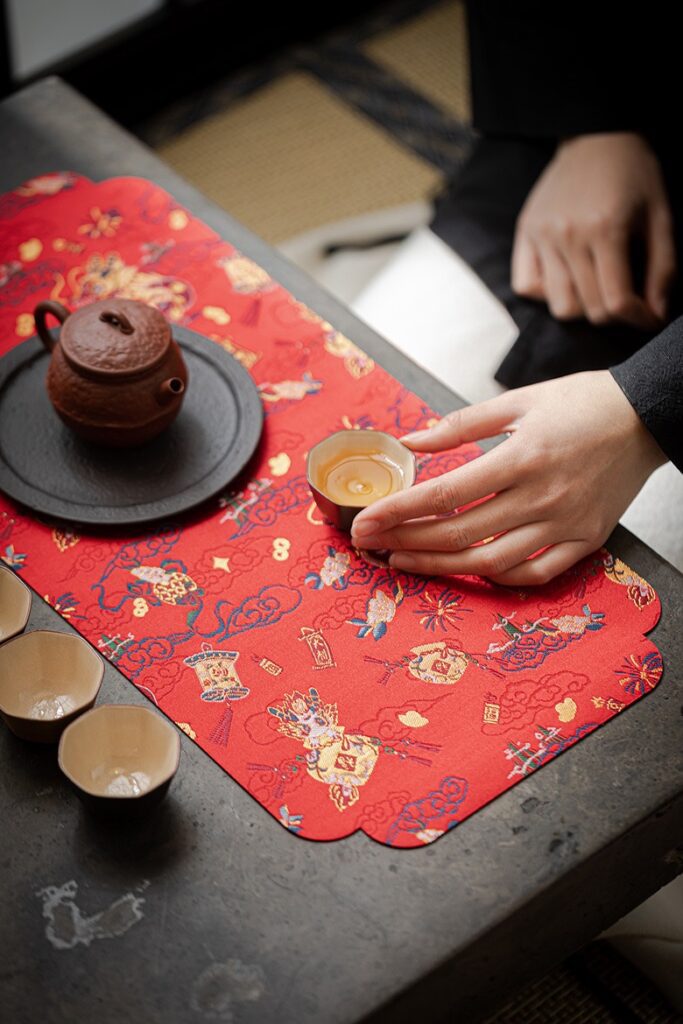
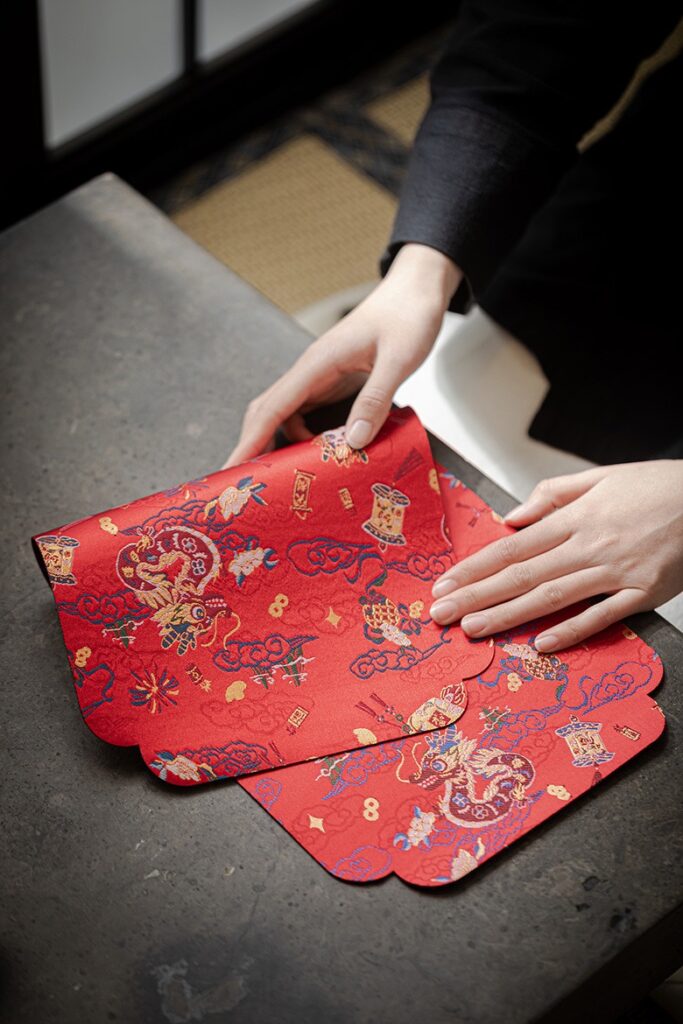
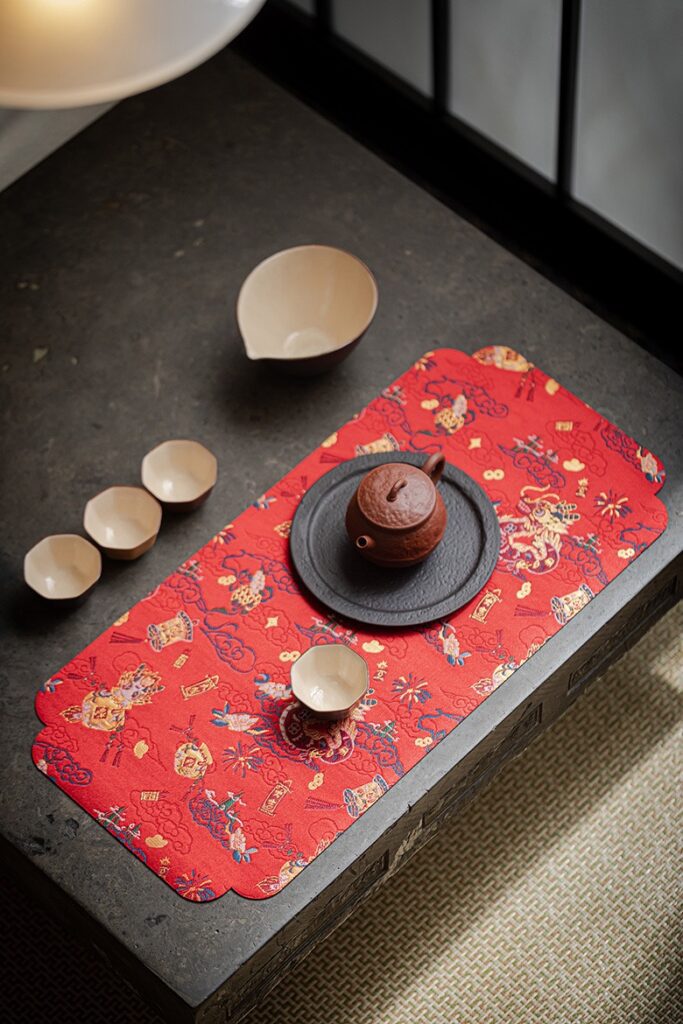
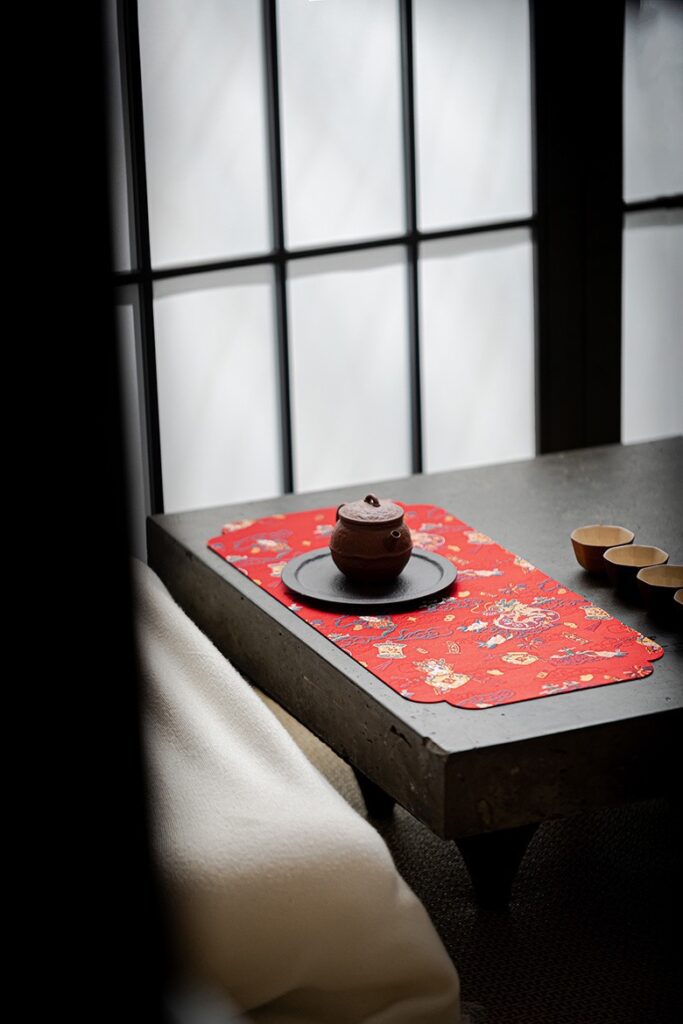
¡Hola, amantes del té! 🐉✨ Tenemos una noticia emocionante ahora que entramos en el Año del Dragón de 2024: con la compra de una tetera de Yixing, te regalamos un tapete para té exclusivo con el diseño del Año del Dragón para que tus rituales de té tengan un toque especial. Es nuestra forma de celebrarlo con vosotros, pero recordad: ¡es una oferta por tiempo limitado! No dejéis pasar la oportunidad de hacer que vuestras sesiones de té sean aún más especiales con este místico complemento. 🍵💫
¡Hola, amantes del té! Aunque muchos de vosotros nos conocéis como una empresa especializada en artículos de té chino de alta gama, también nos especializamos en tés de la región de Huang Shan. Huang Shan es la cuna de los tés chinos más famosos: el Huang Shan Mao Feng, el Keemun y el Tai Ping Hou Kui. Como nativos de este lugar impresionante, tenemos un profundo vínculo con la tierra y su rico patrimonio del té.
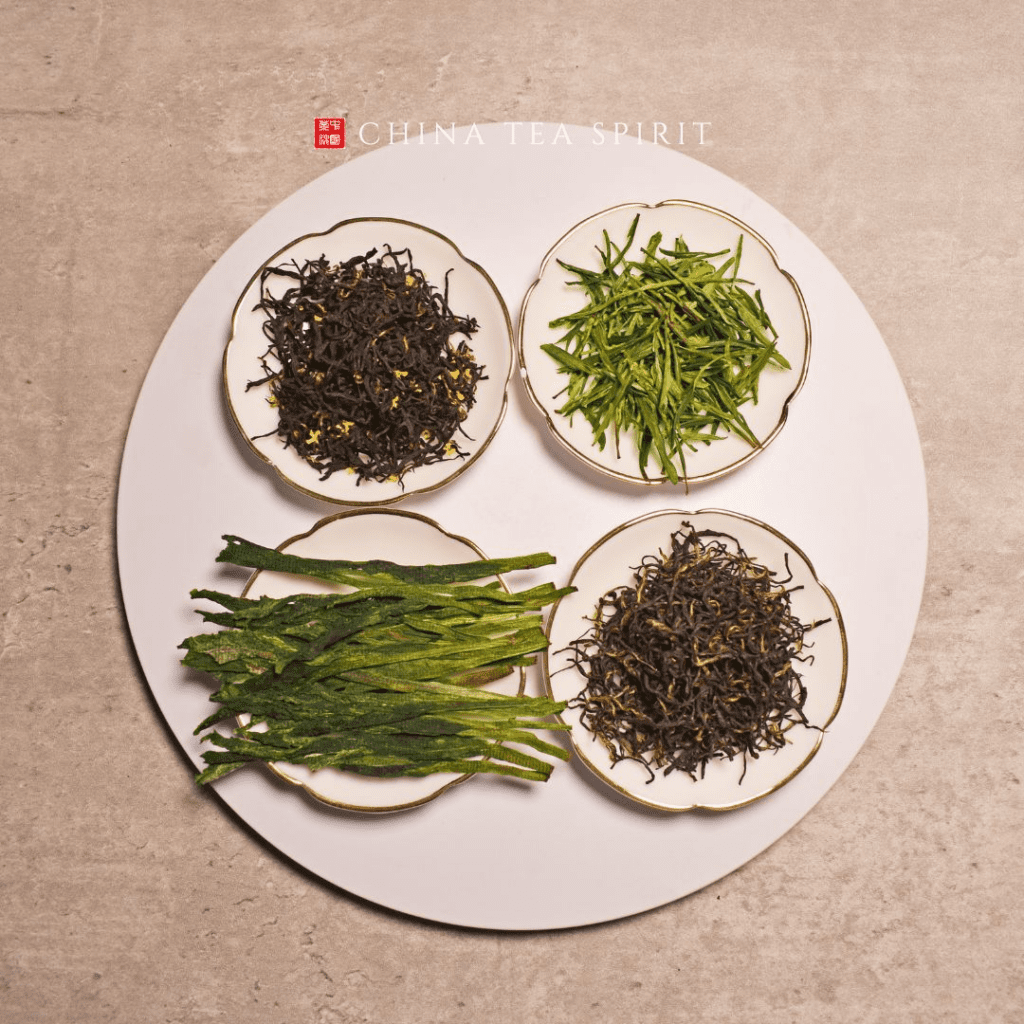
Somos conscientes de que encontrar el té perfecto puede ser toda una experiencia personal, y por eso te ofrecemos nuestro paquete de muestras. Te permite explorar la variedad de sabores de los tés de Huang Shan y descubrir aquel que más se adapte a tu paladar.
Todos los tés proceden directamente de los productores de té, lo que garantiza su calidad y su sabor auténtico.
Paquete de muestras que incluye: Huang Shan Mao Feng – 10 g Tai Ping Hou Kui – 10 g Keemun Mao Feng – 10 g Osmanthus Keemun – 10 g
Estamos deseando conocer vuestras opiniones sobre nuestros tés. Acompañadnos en este viaje y dejad que seamos vuestra guía mientras exploráis el encantador mundo de los tés de Huang Shan.
Ten en cuenta que el té y los utensilios para el té se enviarán en paquetes separados, de acuerdo con los requisitos aduaneros. Normalmente, el té llegará un poco más tarde que los utensilios para el té.
Estimados clientes,
Si has tenido algún problema durante el proceso de pago, ponte en contacto con nosotros en [email protected]. Y te echaremos una mano.
A continuación, enumeramos los errores de pago más habituales y sus soluciones para tu información.
#1: China Tea Spirit no realiza envíos a esta ubicación. Por favor, utiliza otra dirección.
Se trata de un error conocido de PayPal. Se produce de forma aleatoria. Si has visto este mensaje de error, ponte en contacto con nosotros en [email protected]. Nos encargaremos de solucionarlo por ti.
Esta es una de nuestras entradas de la serie sobre las formas de la tetera de Yixing. Si te interesan otras entradas de esta serie, consulta esta entrada para obtener más información sobre Formas de las teteras de Yixing.
(El “cajón de joyas” de los dieciocho estilos de Mansheng)
En el mundo de las teteras de Yixing, Dian He (tetera Dian He) destaca no solo como un recipiente, sino como un poema de amor en arcilla. Su nombre, Dian He, significa literalmente “caja de joyas”, en referencia a los estuches ornamentados que antaño se utilizaban para guardar adornos preciosos o recuerdos de amor.
La inspiración: de los detalles de amor al arte del té
En la antigua China, Dian He (钿盒) Eran cajas con intrincadas decoraciones, con incrustaciones de oro, perlas y piedras preciosas, que se intercambiaban como regalo entre amantes o parejas comprometidas. Eran símbolos de compromiso, belleza y refinada artesanía.
El gran erudito y funcionario de la dinastía Qing Chen Mansheng (陈鸿寿) reinterpretó este objeto íntimo como una tetera. En colaboración con el célebre alfarero Yang Pengnian (杨彭年), transformó el simbolismo romántico del Dian He en algo a la vez práctico y poético.
Su creación se convirtió en una de las “Los dieciocho estilos de Mansheng” — una fusión atemporal entre la estética literaria y la maestría artesanal.
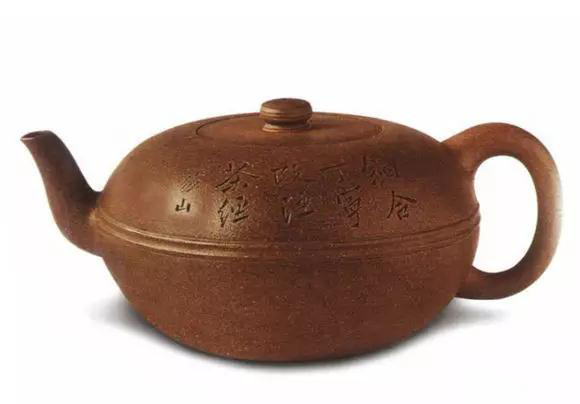
Mansheng grabó estas palabras en su vasija «Dian He»:
“El cofre enjoyado susurra en voz baja: reescribiendo el Clásico del té”.”
La frase juega con una ingeniosa transformación: la caja que antes contenía joyas ahora contiene té, convirtiendo un símbolo del cortejo en uno de la contemplación.
La forma: un diálogo entre la elegancia y la emoción
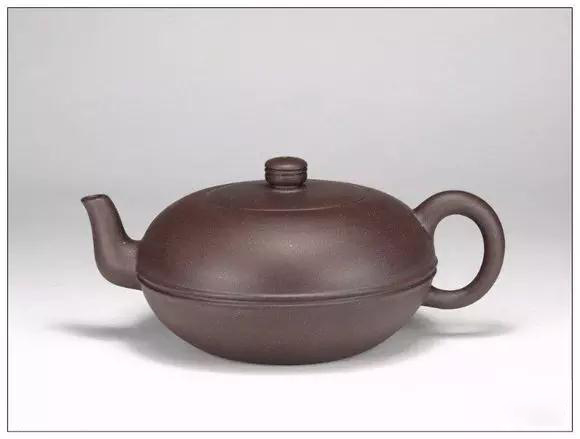
El Dian He La forma de esta tetera se inspira en las antiguas cajas lacadas y de porcelana de las dinastías Song y Ming: dos óvalos aplanados unidos por una banda decorativa central. El diseño es a la vez equilibrado y evocador:
Cuerpo: suave, redondeada y de perfil bajo, que recuerda la forma de un joyero antiguo.
Banda intermedia: una sutil protuberancia que simboliza la unión de dos corazones.
Boquilla: ligeramente curvada hacia arriba, lo que sugiere un estado de ánimo optimista.
Asa: en forma de anillo, delicado pero resistente.
Tapa: plana y ligeramente empotrada, con un pequeño saliente redondeado que se asemeja a la propia forma de la olla.
Esta armonía entre líneas y proporciones confiere al Dian He una calidez casi palpable. Como historiador del arte Gao Zhenyu lo describió así:
“Sus contornos son nítidos y su superficie, lisa como el jade”.”
Niveles de significado
El Dian He es más que refinamiento estético: es un receptáculo de sentimientos. En la literatura, el cofre enjoyado solía aparecer como símbolo de añoranza o fidelidad. Un poeta de la dinastía Tang Xue Neng escribió:
“El cofre enjoyado guarda secretos bordados en lo más profundo, ”Un detalle que simboliza el cariño compartido esta noche».”
Dian He, de Mansheng, traslada esa corriente emocional subyacente al mundo del té: Una olla que convierte la pasión en poesía y el sentimiento en ceremonia.
Imagínatelo: una tarde de primavera, los primeros brotes de té infusionándose en una tetera Dian He, compartidos entre dos almas gemelas. El té se convierte en tema de conversación, la tetera se convierte en puente.
Artesanía y legado
Las ollas originales de Dian He se fabricaban con fina Arcilla zisha de Yixing, con una textura arenosa que recuerda a pequeñas perlas — como una incrustación de conchas dispersas. Los detalles, desde la cresta central con bandas hasta las suaves curvas, exigían una destreza excepcional.
Con el paso del tiempo, el diseño de la Dian He fue evolucionando, pero conservó su discreta elegancia. Cada versión mantuvo esa sensación de intimidad: una tetera pensada no para grandes ceremonias, sino para momentos de té compartidos y personales.
Hoy en día, los coleccionistas lo valoran precisamente por esa cualidad: sutileza, emoción y un equilibrio perfecto. Su forma sigue susurrando la misma historia que Mansheng imaginó hace dos siglos: que el té, al igual que el amor, es mejor cuando el corazón y la mano se unen en armonía.
El espíritu de Dian He
La tetera Dian He Yixing es la más romántica de las formas de Mansheng — un puente entre el arte y el cariño. Nos recuerda que la belleza no reside solo en la forma o en el material, sino en la intención que hay detrás: infundir calidez, elegancia y significado al gesto cotidiano de preparar té.
En un rincón tranquilo, una tetera como esta no sirve solo para servir té. Encierra un sentimiento… y quizá, el recuerdo de alguien querido.