Pausa en los envíos por las fiestas — se reanudarán el 8 de octubre. Celebra el Festival del Medio Otoño con un descuento de 10% utilizando el código ctsmooncake. DescartarIr al contenido
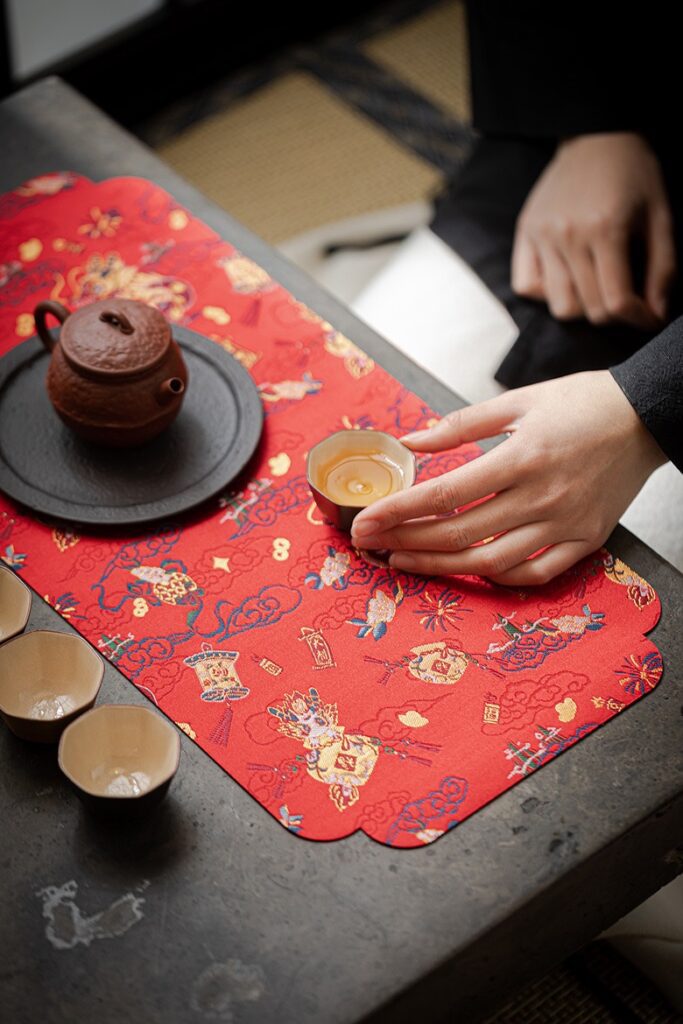
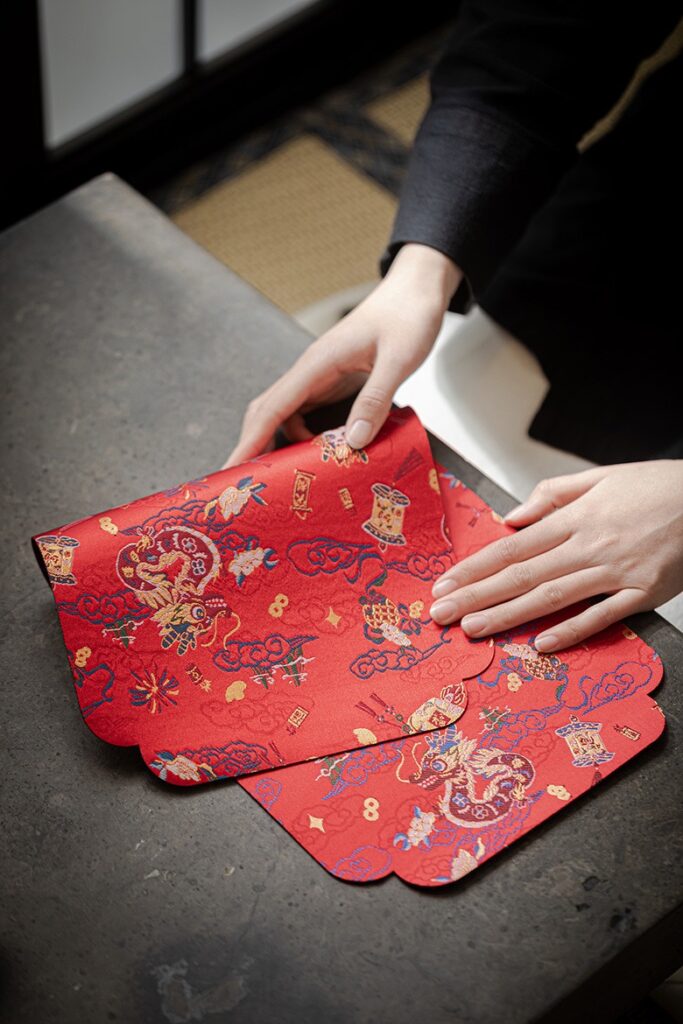
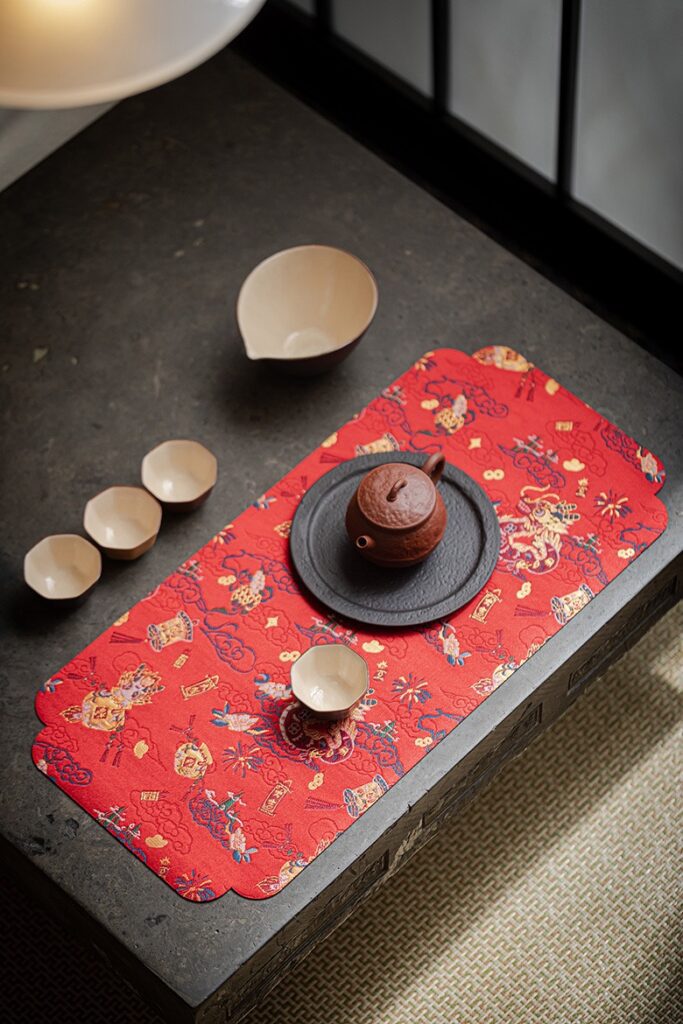
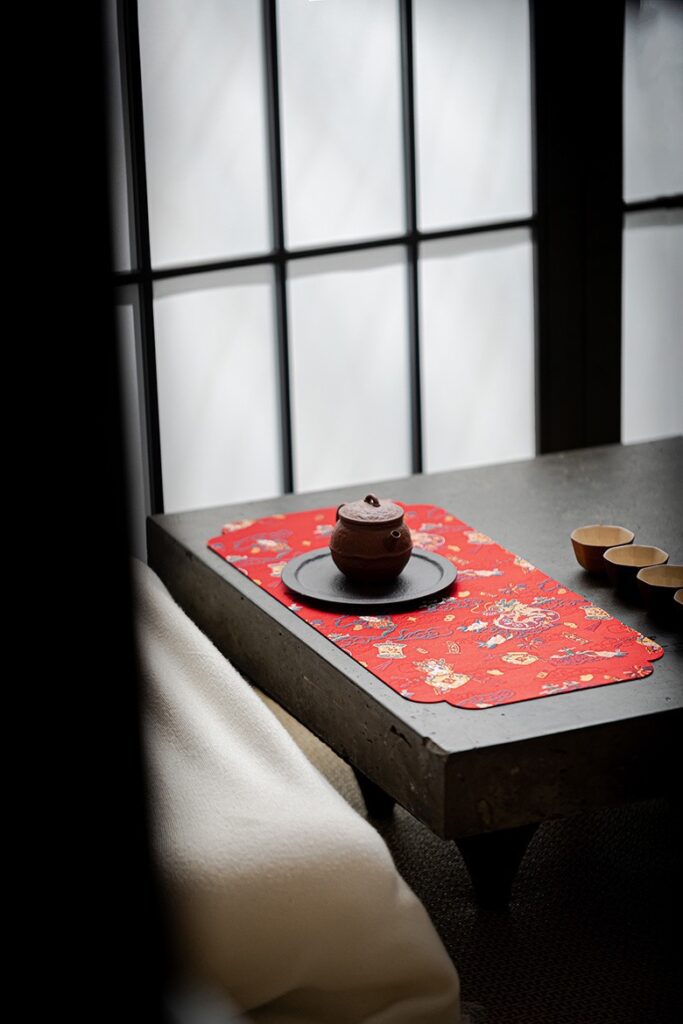
¡Hola, amantes del té! 🐉✨ Tenemos una noticia emocionante ahora que entramos en el Año del Dragón de 2024: con la compra de una tetera de Yixing, te regalamos un tapete para té exclusivo con el diseño del Año del Dragón para que tus rituales de té tengan un toque especial. Es nuestra forma de celebrarlo con vosotros, pero recordad: ¡es una oferta por tiempo limitado! No dejéis pasar la oportunidad de hacer que vuestras sesiones de té sean aún más especiales con este místico complemento. 🍵💫
¡Hola, amantes del té! Aunque muchos de vosotros nos conocéis como una empresa especializada en artículos de té chino de alta gama, también nos especializamos en tés de la región de Huang Shan. Huang Shan es la cuna de los tés chinos más famosos: el Huang Shan Mao Feng, el Keemun y el Tai Ping Hou Kui. Como nativos de este lugar impresionante, tenemos un profundo vínculo con la tierra y su rico patrimonio del té.
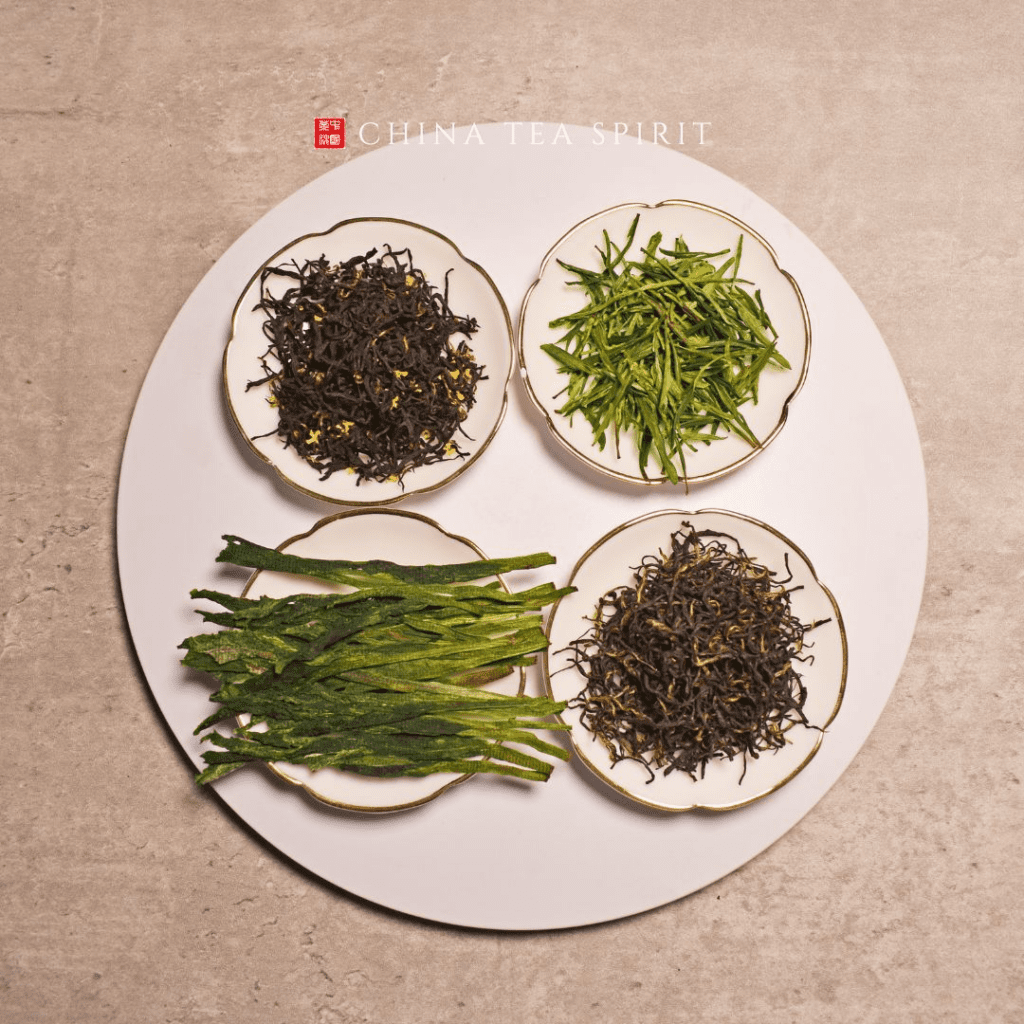
Somos conscientes de que encontrar el té perfecto puede ser toda una experiencia personal, y por eso te ofrecemos nuestro paquete de muestras. Te permite explorar la variedad de sabores de los tés de Huang Shan y descubrir aquel que más se adapte a tu paladar.
Todos los tés proceden directamente de los productores de té, lo que garantiza su calidad y su sabor auténtico.
Paquete de muestras que incluye: Huang Shan Mao Feng – 10 g Tai Ping Hou Kui – 10 g Keemun Mao Feng – 10 g Osmanthus Keemun – 10 g
Estamos deseando conocer vuestras opiniones sobre nuestros tés. Acompañadnos en este viaje y dejad que seamos vuestra guía mientras exploráis el encantador mundo de los tés de Huang Shan.
Ten en cuenta que el té y los utensilios para el té se enviarán en paquetes separados, de acuerdo con los requisitos aduaneros. Normalmente, el té llegará un poco más tarde que los utensilios para el té.
Estimados clientes,
Si has tenido algún problema durante el proceso de pago, ponte en contacto con nosotros en [email protected]. Y te echaremos una mano.
A continuación, enumeramos los errores de pago más habituales y sus soluciones para tu información.
#1: China Tea Spirit no realiza envíos a esta ubicación. Por favor, utiliza otra dirección.
Se trata de un error conocido de PayPal. Se produce de forma aleatoria. Si has visto este mensaje de error, ponte en contacto con nosotros en [email protected]. Nos encargaremos de solucionarlo por ti.
Esta es una de nuestras entradas de la serie sobre las formas de la tetera de Yixing. Si te interesan otras entradas de esta serie, consulta esta entrada para obtener más información sobre Formas de las teteras de Yixing.
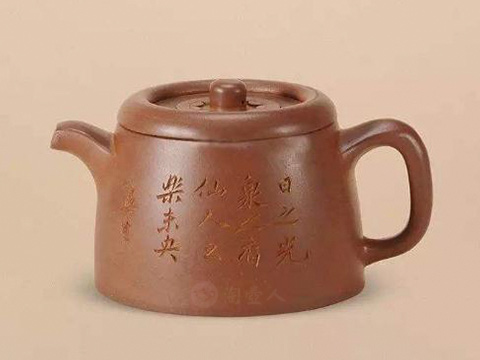
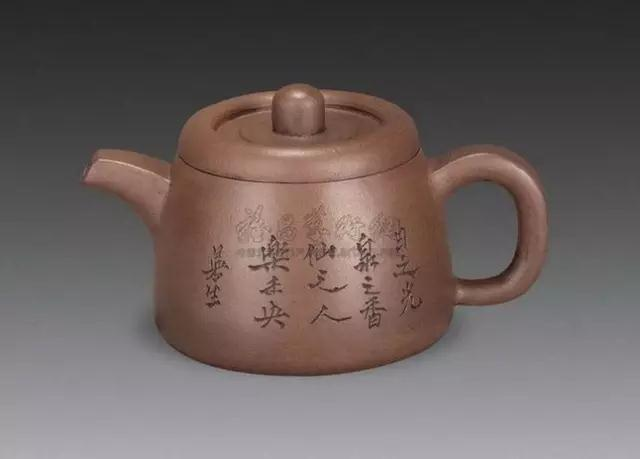
De entre todas las teteras de Yixing, pocas encierran un simbolismo tan poético como la Jing Wa (tetera «teja de espejo»), o Espejos y azulejos tetera. Creado durante la dinastía Qing por Chen Mansheng (陈鸿寿) y maestro alfarero Yang Pengnian (杨彭年), es uno de los legendarios “Los dieciocho estilos de Mansheng.”
La inspiración: espejos y tejas
El nombre Jing Wa proviene de dos materiales antiguos — el espejo de bronce (镜) y el teja de arcilla (瓦). Mucho antes de que existieran los espejos de bronce, los habitantes de la antigua China utilizaban cuencos o jarras con agua en reposo —o incluso vasijas de arcilla esmaltada— para ver su reflejo. Cuando aparecieron los espejos de bronce durante el período de los Estados Combatientes, el término “espejo” (鉴) dejó de ser un mero objeto para convertirse en una metáfora de la autorreflexión, la claridad y la perspicacia moral.
Así que, cuando Mansheng diseñó esta tetera, combinó ambas ideas:
“Toma agua del espejo y gracia de los azulejos. El manantial fluye sin cesar, nutriendo sin fin”.”
Esa inscripción — “El espejo recoge el agua, la teja acoge la lluvia, el manantial brota sin cesar, y la humedad no tiene límites” — sigue apareciendo en las piezas originales. Habla de la armonía entre la reflexión y el sustento, el conocimiento y la bondad, y de cómo la creatividad, como un manantial, nunca debe agotarse.
Diseño y forma
La tetera Jing Wa plasma esa filosofía en arcilla:
Cuerpo: cilíndrico como una teja antigua, sólido y humilde.
Tapa: plana y ancha como un espejo, a veces con líneas radiales grabadas que reflejan la luz del sol.
Pico y asa: equilibrado y fluido, que aúna funcionalidad y elegancia.
Pomo: un eco en miniatura del propio cuerpo, que crea armonía visual.
Su estética general transmite sencillo, pero completo — una conversación entre la geometría y la elegancia. En la base suele aparecer la siguiente inscripción: “A Man Tuo Shi 阿曼陀室”, mientras que la inscripción que recorre el cuerpo recoge el poema de Mansheng:
“La luz del sol, el aroma de la primavera, ”la persona de la inmortalidad, la alegría sin fin».”
Cada palabra parece un reflejo: en parte poesía, en parte filosofía.
De la tradición a la artesanía moderna
Según el Nomenclátor del condado de Yixing (《Nomenclátor del condado de Yixing》 de la era Guangxu), Chen Mansheng ejercía como magistrado en Liyang cuando su amistad con Yang Pengnian dio lugar a esta emblemática línea de teteras. Fue la combinación perfecta de el pensamiento de los literatos y la maestría de los artesanos — una unión que dio forma a lo que hoy llamamos el “estilo Mansheng”.”
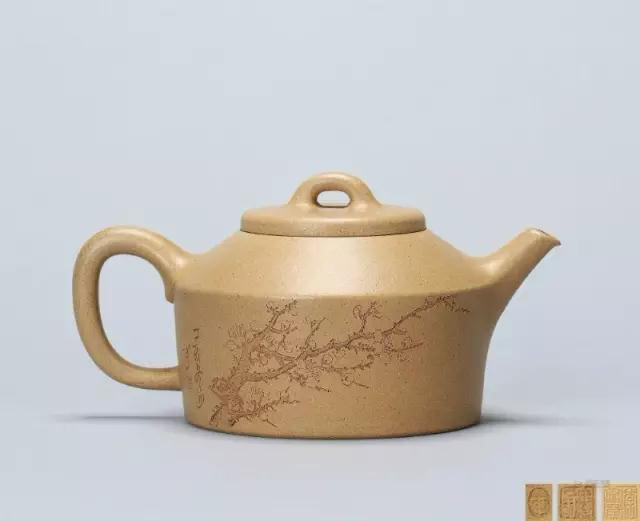
Hoy, el maestro alfarero Li Hanyong (李寒勇) sigue esa tradición. Su Jing Wa Estas reinterpretaciones conservan la sobria dignidad de la forma tradicional, al tiempo que refinan las líneas y las proporciones para adaptarlas a la estética moderna. Suaviza la geometría, aligera el peso visual y aporta un nuevo equilibrio entre la historia y la sensibilidad moderna.
El espíritu de Jing Wa
Sostener un Jing Wa 壶 es como sostener una parte de la filosofía:
El espejo nos recuerda que debemos mirar hacia nuestro interior.
La baldosa nos conecta con la tierra que pisamos. Juntos forman un recipiente, no solo para el té, sino también para la atención plena.
Es una tetera que encarna el ideal de Mansheng: Belleza con sentido, sencillez con alma.