Recevez un torchon gratuit pour toute commande supérieure à $49. Inscrivez-vous à la newsletter et bénéficiez d'une réduction de 7% ! IgnorerAller directement au contenu
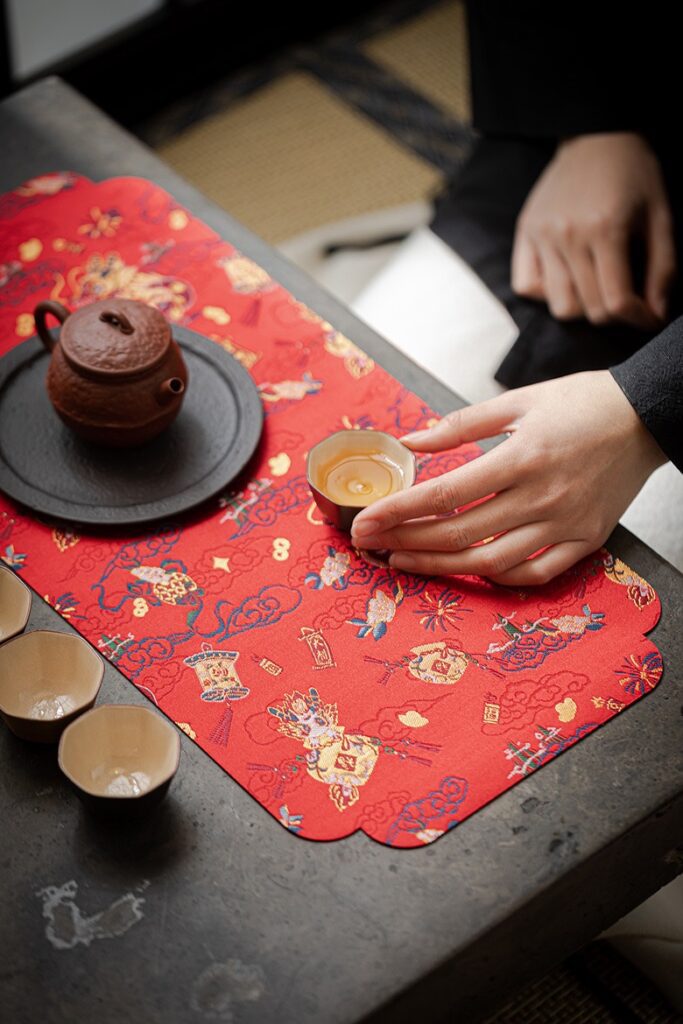
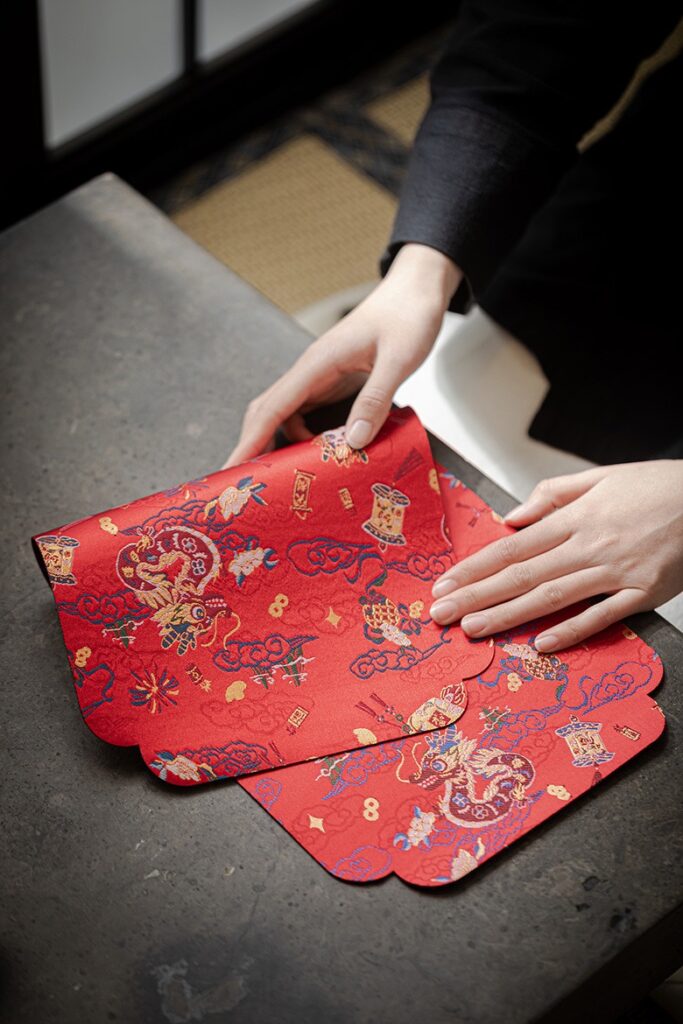
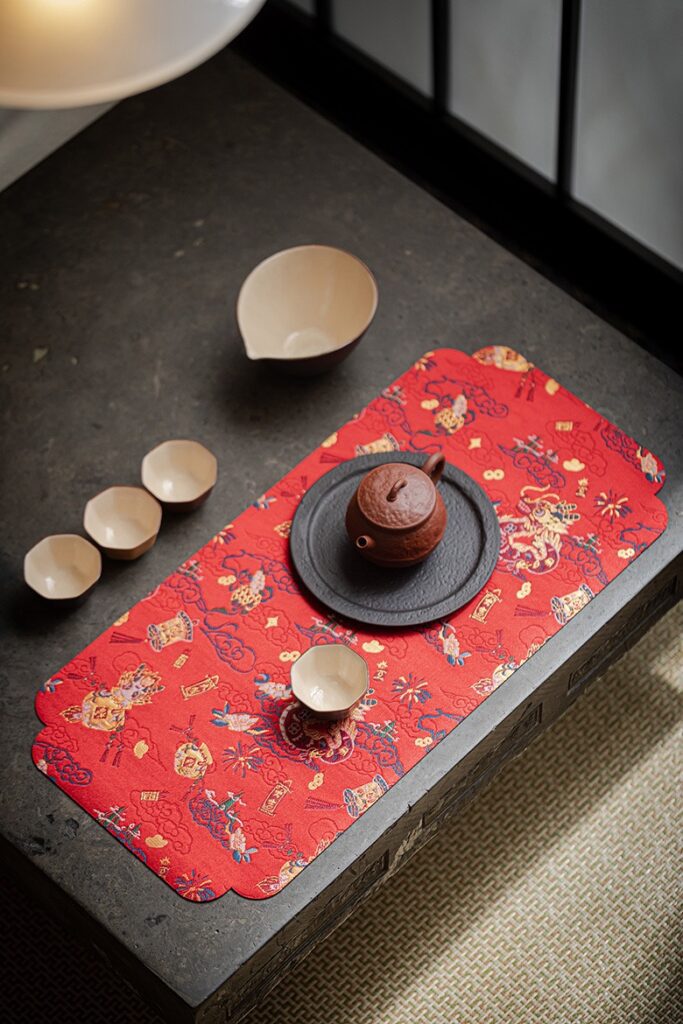
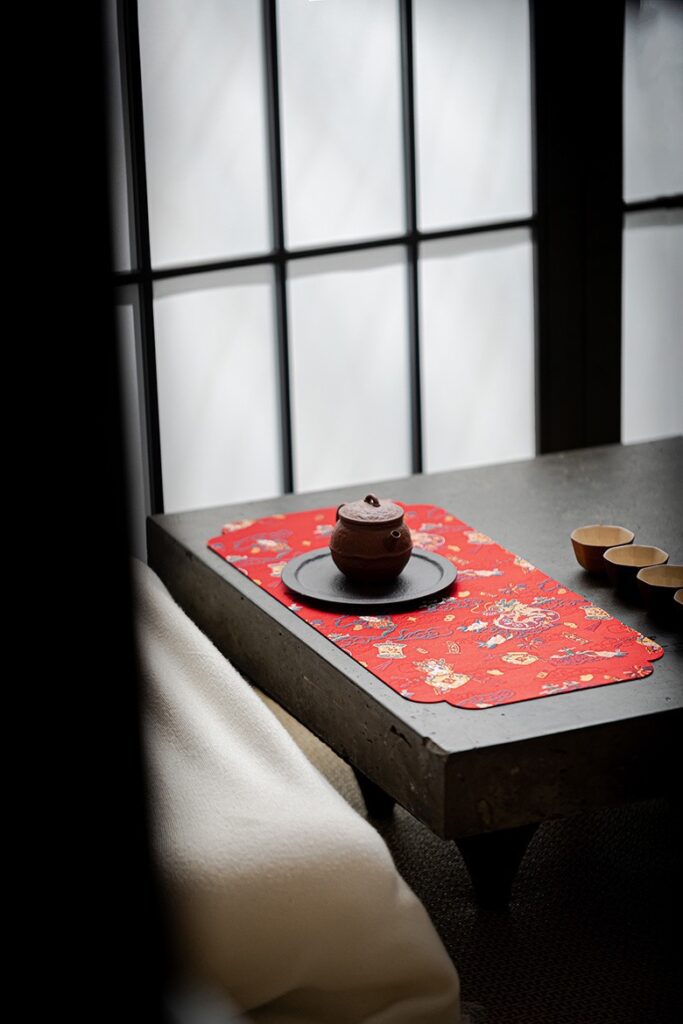
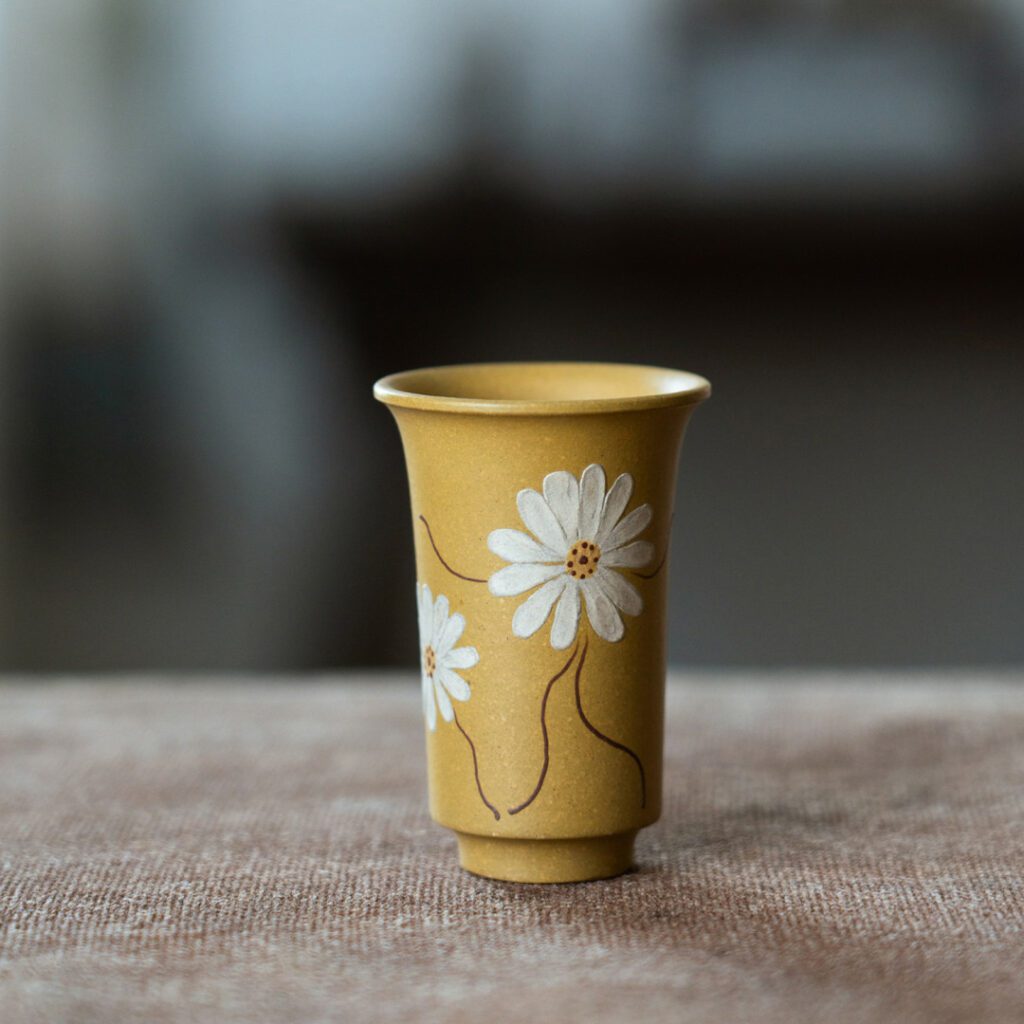
Bonjour à tous les amateurs de thé ! 🐉✨ Une nouvelle passionnante en ce début d’Année du Dragon 2024 : pour tout achat d’une théière Yixing, nous vous offrons un set de thé exclusif aux motifs de l’Année du Dragon, pour apporter une touche d’originalité à vos rituels du thé. C'est notre façon de célébrer cet événement avec vous, mais n'oubliez pas : cette offre est valable pour une durée limitée ! Ne manquez pas l'occasion de rendre vos moments de dégustation encore plus spéciaux grâce à cet accessoire mystique. 🍵💫
Bonjour à tous les amateurs de thé ! Si beaucoup d’entre vous nous connaissent comme une entreprise spécialisée dans les accessoires haut de gamme pour le thé chinois, nous sommes également spécialisés dans les thés de la région de Huang Shan. Huang Shan abrite les thés chinois les plus célèbres : le Huang Shan Mao Feng, le Keemun et le Tai Ping Hou Kui. Originaires de cet endroit à couper le souffle, nous entretenons un lien profond avec cette terre et son riche patrimoine du thé.
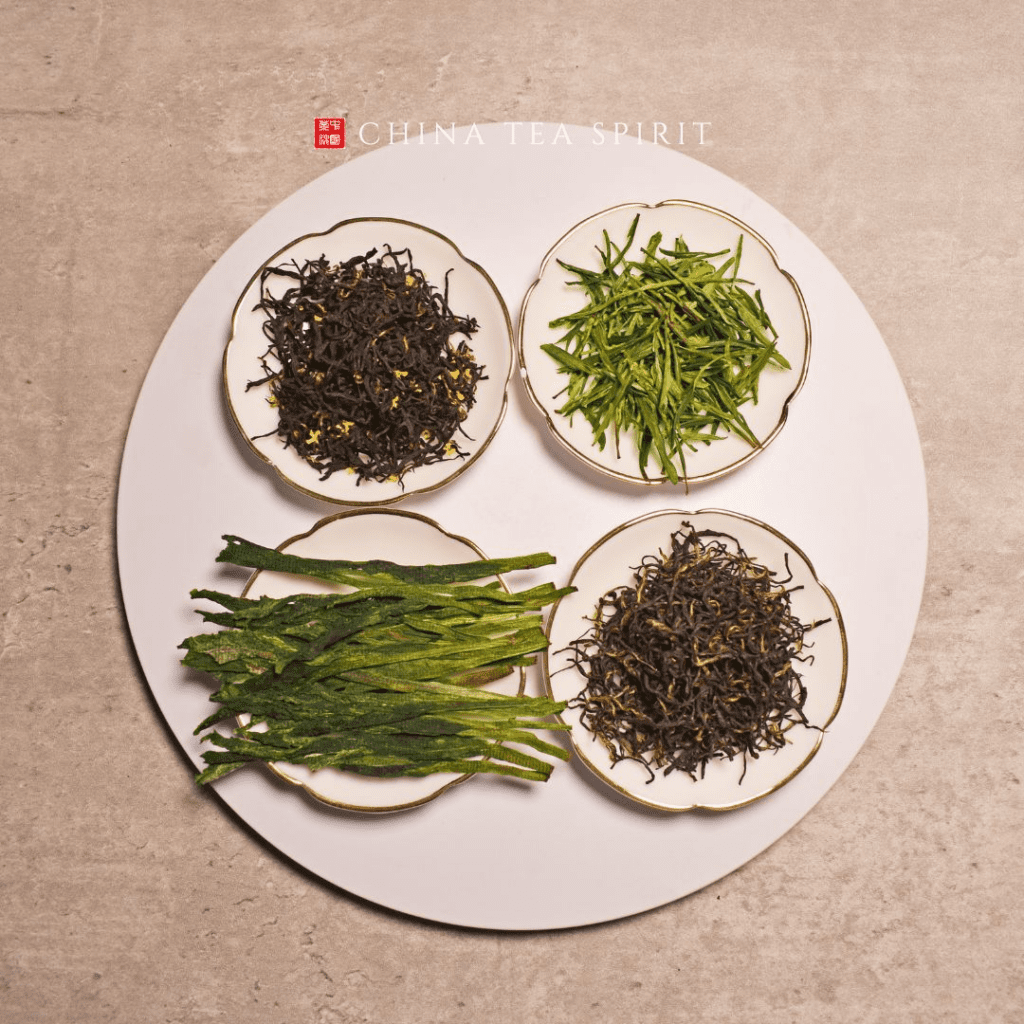
Nous savons que trouver le thé idéal peut être un parcours personnel, c'est pourquoi nous vous proposons notre coffret d'échantillons. Il vous permet d'explorer la diversité des saveurs des thés de Huang Shan et de découvrir celui qui séduira vos papilles.
Chacun de ces thés est acheté et produit directement auprès des producteurs de thé, ce qui garantit sa qualité et son goût authentique.
Coffret d'échantillons comprenant : Huang Shan Mao Feng – 10 g Tai Ping Hou Kui – 10 g Keemun Mao Feng – 10 g Osmanthus Keemun – 10 g
Nous avons hâte de connaître vos impressions sur nos thés. Rejoignez-nous dans cette aventure et laissez-nous vous guider à la découverte de l'univers enchanteur des thés de Huang Shan.
Veuillez noter que le thé et les accessoires de thé seront expédiés dans des colis séparés, conformément aux exigences douanières. En général, le thé arrive un peu plus tard que les accessoires de thé.
Chers clients,
Si vous avez rencontré des problèmes lors du paiement, veuillez nous contacter à l'adresse suivante : [email protected]. Et nous serons là pour vous aider.
Vous trouverez ci-dessous une liste des erreurs de paiement courantes et leurs solutions, à titre de référence.
#1 : China Tea Spirit ne livre pas à cette adresse. Veuillez indiquer une autre adresse.
Il s'agit d'un bug connu de PayPal. Il survient de manière aléatoire. Si vous avez reçu ce message d'erreur, veuillez nous contacter à l'adresse suivante : [email protected]. Nous allons régler cela pour vous.
Your tea finally arrives after three weeks in transit.
You open the box, find the cake you have been waiting for, put the kettle on—and then someone tells you to wait another two weeks before drinking it.
This advice appears surprisingly often around pu’er and other teas ordered internationally: let the tea “rest” after shipping before you judge it.
Some tea drinkers swear by it. Others open the package before the delivery driver has made it back to the van.
So does tea really need to recover from a journey?
The most accurate answer is: sometimes it seems to help, especially with pu’er—but the reasons are less certain than the advice often makes them sound.
A recurring story among pu’er drinkers goes something like this:
A cake arrives. They brew it immediately. The tea feels muted, hollow, rough or simply less interesting than expected.
They put it away.
A couple of weeks later they return to it, and suddenly the aroma feels stronger, the texture fuller and the tea generally more alive.
Not everyone experiences this. Some people happily drink newly arrived tea on day one and never notice a problem.
That difference is important.
“Rest your tea for exactly seven days” sounds like a brewing rule. It probably makes more sense to think of it as something worth testing.
What actually happened to the tea during shipping?
International shipping is not tea storage.
A parcel may spend days moving between warehouses, trucks and aircraft, experiencing changes in temperature and humidity before arriving in an environment completely different from where it started.
Tea is also hygroscopic: it exchanges moisture with its surroundings and can pick up odors if poorly protected.
For pu’er in particular, storage environment matters a great deal over time.
Research published in 2026 found that raw pu’er stored in different environments developed measurably different aroma and taste compounds. Another study looking at controlled water activity found that moisture conditions changed both microbial activity and the formation of flavor-related compounds during storage.
That tells us something useful:
Pu’er is not chemically frozen once it leaves the factory. Its environment continues to matter.
But there is an important gap.
These studies examine storage and aging over meaningful periods. They do not prove that three days in an airplane puts a tea into “shock,” nor that fourteen days on your shelf reverses it.
The short-term resting idea still comes mostly from repeated drinking experience rather than controlled research.
Resting and aging are not the same thing
This distinction gets blurred surprisingly often.
Aging a raw pu’er is a long process in which its chemistry, aroma, taste and sometimes microbial community gradually change under storage conditions.
Resting a recently shipped tea is much less ambitious.
You are simply allowing it to sit in a stable environment before deciding what you think of it.
You are not turning a young tea into an aged one in two weeks.
And if the tea was disappointing because the material was poor to begin with, resting is unlikely to perform a miracle.
Pu’er is where I would pay the most attention
If a compressed raw or ripe pu’er has just spent several weeks travelling internationally, I would hesitate before forming a strong opinion from the very first session.
That does pas mean I would refuse to drink it.
Quite the opposite.
If there is enough tea, brewing it immediately can be useful.
Pay attention to the aroma, body, sweetness, bitterness and how open or muted the tea feels. Then put the rest away properly and brew it again a week or two later under roughly the same conditions.
Now you have something much more useful than a rule from the internet:
you have your own comparison.
This works particularly well with a full cake or larger sample because you are not sacrificing your only session to curiosity.
This is where universal “rest your tea” advice becomes much less convincing.
Some experienced drinkers report noticeable changes in oolong after long shipping, while others see little reason to wait.
Aged white tea and other teas intended for storage may also settle differently after travelling, but again, there is no good reason to invent a fixed waiting period for every tea category.
Fresh green tea is the clearest example of why the rule cannot simply apply to everything.
Freshness is one of the qualities you are buying.
I would not receive a beautiful spring green tea and automatically hide it in a cupboard for several weeks because “all shipped tea needs rest.”
Different teas are trying to preserve or develop different things.
Treating them all identically defeats the point.
Don’t confuse “resting” with leaving tea exposed
Another mistake is assuming that tea needs to be opened and aired out like a bottle of wine.
Usually, it doesn’t.
Tea readily absorbs surrounding smells, and prolonged exposure to open air can also work against the aroma you are trying to preserve.
If the parcel arrives extremely cold, I would let the sealed package come closer to room temperature before opening it rather than immediately exposing cold tea to warm humid air.
After that, store the tea in a way appropriate to the tea itself—not simply uncovered on a shelf in the name of “resting.”
For pu’er, your longer-term storage conditions matter far more than performing some special post-delivery ritual.
The experiment is more useful than the rule
There is a reason this question keeps coming back in tea communities.
People genuinely notice changes.
What becomes unreliable is the attempt to convert those experiences into universal formulas:
rest it for seven days.
Rest it for twice the shipping time.
Rest every tea.
Never rest roasted tea.
All of these are much more precise than the evidence deserves.
A better approach is wonderfully simple.
Drink the tea.
If it seems disappointing, do not immediately conclude that you bought bad tea.
Put it away under sensible conditions and return to it later.
If it improves, you have learned something about that tea, that journey and your storage environment.
If it tastes exactly the same, you have learned something too.
And if it tastes fantastic five minutes after the parcel arrives, there is no prize for staring at it for two weeks before making another cup.
Good tea is meant to be drunk.
Sometimes it just deserves a second introduction after the journey is over.