Suspension des expéditions pendant les fêtes — reprise le 8 octobre. Fêtez la Fête de la mi-automne avec une réduction de 10% en utilisant le code ctsmooncake. IgnorerAller directement au contenu
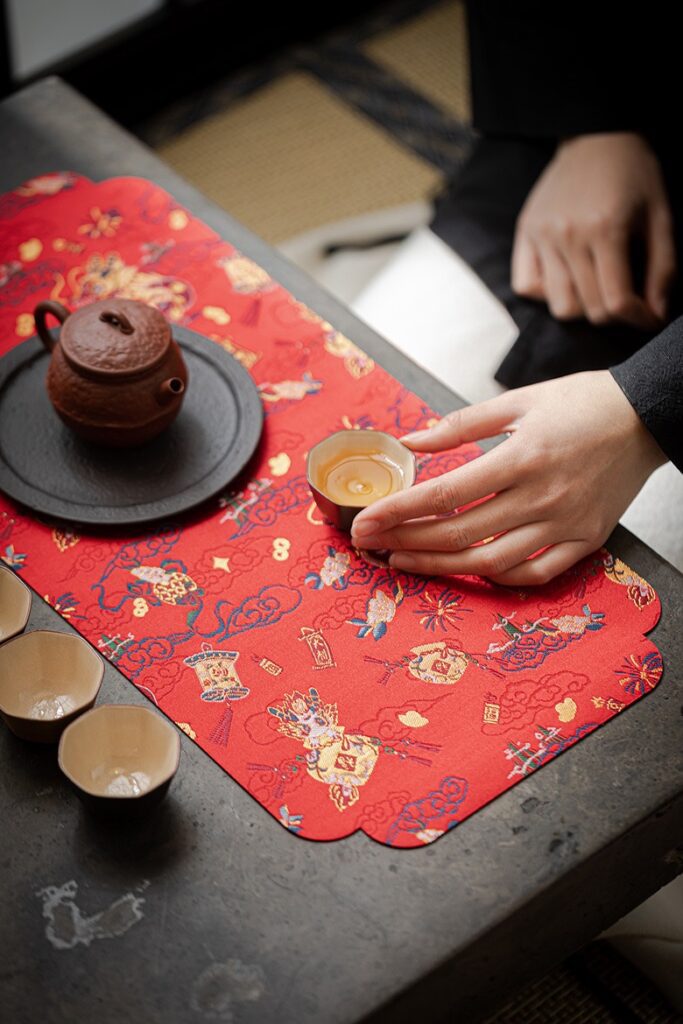
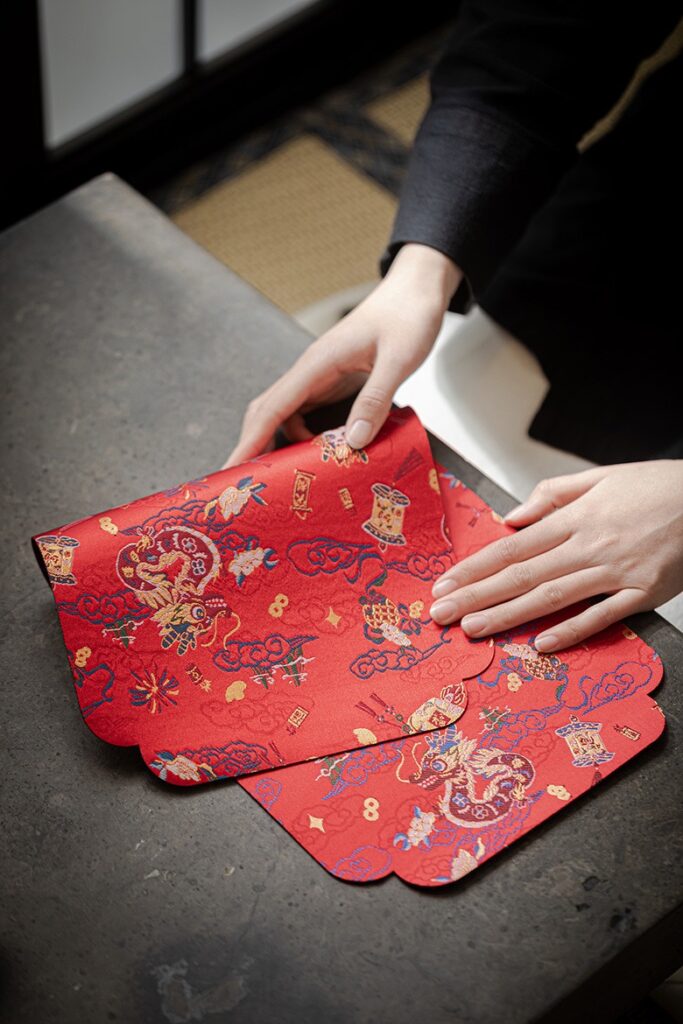
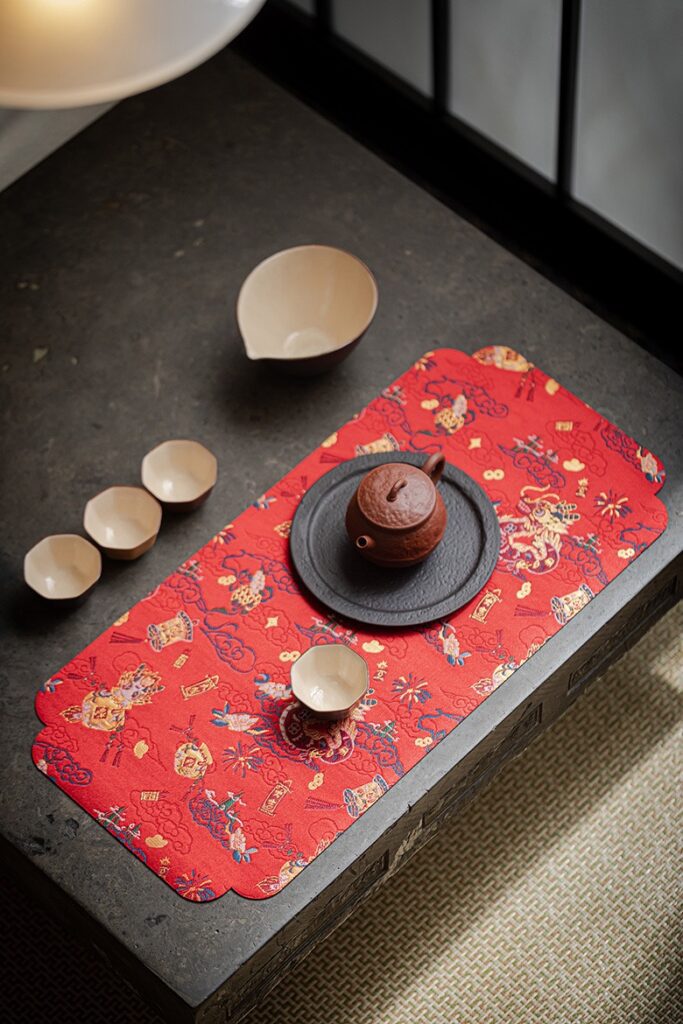
Bonjour à tous les amateurs de thé ! 🐉✨ Une nouvelle passionnante en ce début d’Année du Dragon 2024 : pour tout achat d’une théière Yixing, nous vous offrons un set de thé exclusif aux motifs de l’Année du Dragon, pour apporter une touche d’originalité à vos rituels du thé. C'est notre façon de célébrer cet événement avec vous, mais n'oubliez pas : cette offre est valable pour une durée limitée ! Ne manquez pas l'occasion de rendre vos moments de dégustation encore plus spéciaux grâce à cet accessoire mystique. 🍵💫
Bonjour à tous les amateurs de thé ! Si beaucoup d’entre vous nous connaissent comme une entreprise spécialisée dans les accessoires haut de gamme pour le thé chinois, nous sommes également spécialisés dans les thés de la région de Huang Shan. Huang Shan abrite les thés chinois les plus célèbres : le Huang Shan Mao Feng, le Keemun et le Tai Ping Hou Kui. Originaires de cet endroit à couper le souffle, nous entretenons un lien profond avec cette terre et son riche patrimoine du thé.
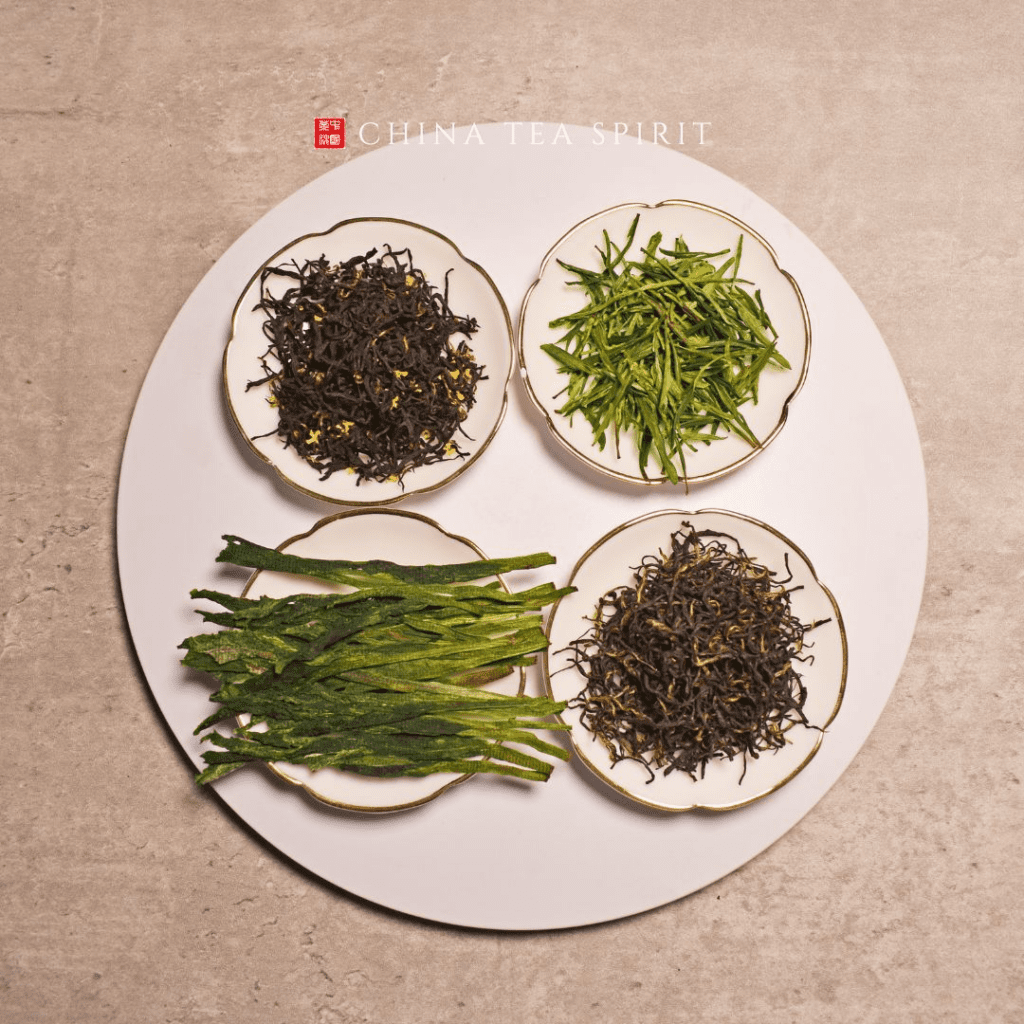
Nous savons que trouver le thé idéal peut être un parcours personnel, c'est pourquoi nous vous proposons notre coffret d'échantillons. Il vous permet d'explorer la diversité des saveurs des thés de Huang Shan et de découvrir celui qui séduira vos papilles.
Chacun de ces thés est acheté et produit directement auprès des producteurs de thé, ce qui garantit sa qualité et son goût authentique.
Coffret d'échantillons comprenant : Huang Shan Mao Feng – 10 g Tai Ping Hou Kui – 10 g Keemun Mao Feng – 10 g Osmanthus Keemun – 10 g
Nous avons hâte de connaître vos impressions sur nos thés. Rejoignez-nous dans cette aventure et laissez-nous vous guider à la découverte de l'univers enchanteur des thés de Huang Shan.
Veuillez noter que le thé et les accessoires de thé seront expédiés dans des colis séparés, conformément aux exigences douanières. En général, le thé arrive un peu plus tard que les accessoires de thé.
Chers clients,
Si vous avez rencontré des problèmes lors du paiement, veuillez nous contacter à l'adresse suivante : [email protected]. Et nous serons là pour vous aider.
Vous trouverez ci-dessous une liste des erreurs de paiement courantes et leurs solutions, à titre de référence.
#1 : China Tea Spirit ne livre pas à cette adresse. Veuillez indiquer une autre adresse.
Il s'agit d'un bug connu de PayPal. Il survient de manière aléatoire. Si vous avez reçu ce message d'erreur, veuillez nous contacter à l'adresse suivante : [email protected]. Nous allons régler cela pour vous.
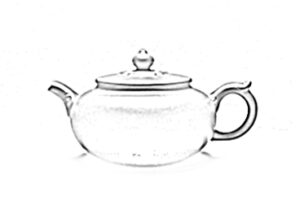
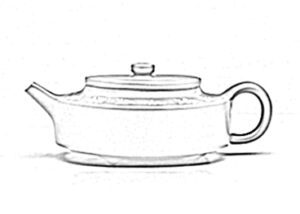
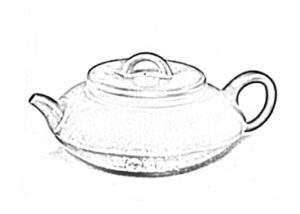
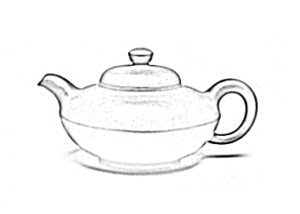
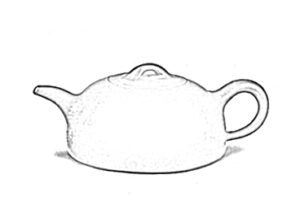
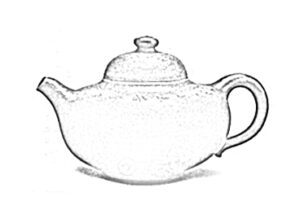
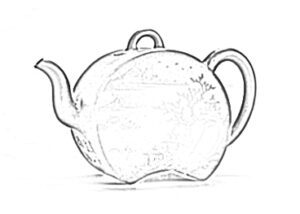
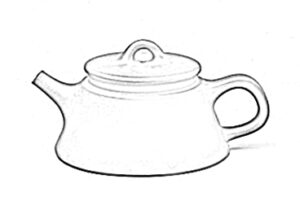
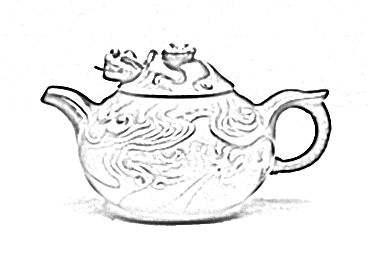
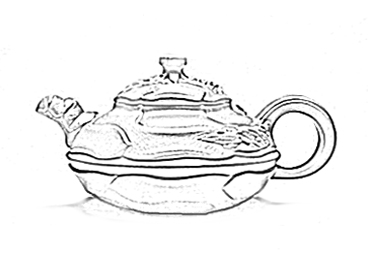
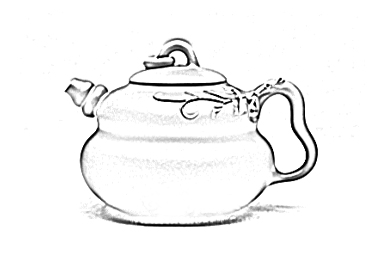
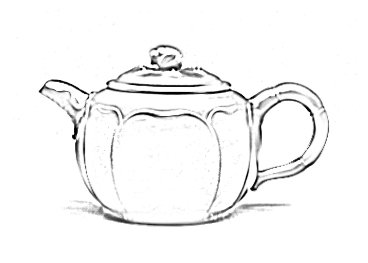
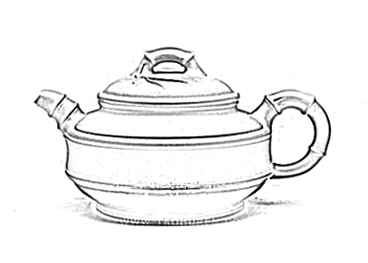
Voici le guide élaboré par China Tea Spirit sur les formes et les styles des théières d'Yixing.Cliquez sur l'image pour en savoir plus.
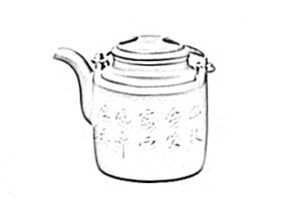
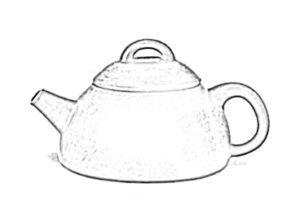
Xi Shi, Shi Piao. Si vous êtes amateur de théières d’Yixing, vous avez sans doute déjà entendu ces noms. Il existe des centaines, voire des milliers de formes de théières d’Yixing, chacune possédant un charme et une signification qui lui sont propres.
Dans ce guide complet, nous allons nous plonger dans l’univers des formes des théières d’Yixing, en explorant leur signification, leur histoire et leur esthétique. Que vous soyez collectionneur ou simplement curieux de découvrir ces théières exquises, cet article vous offrira une ressource incontournable pour découvrir et apprécier la diversité des formes des théières d’Yixing. Nous mettrons régulièrement à jour ce contenu afin de vous garantir les informations les plus récentes. N'hésitez pas à nous indiquer quelle forme vous aimeriez que nous abordions !
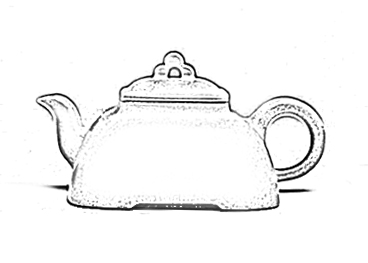
Formes rondes – 圆器
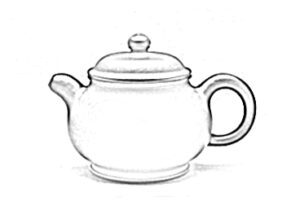
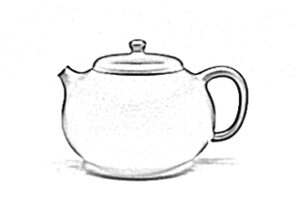
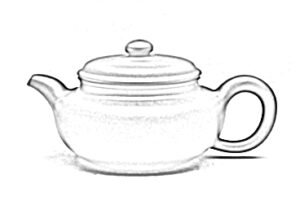
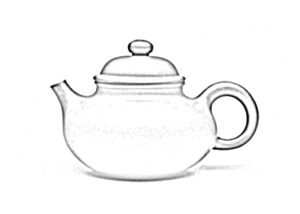
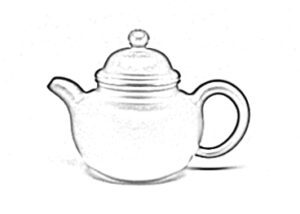
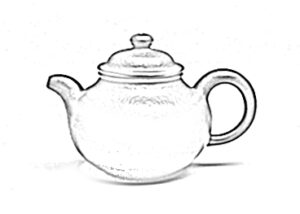
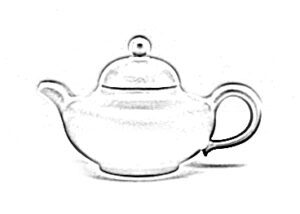
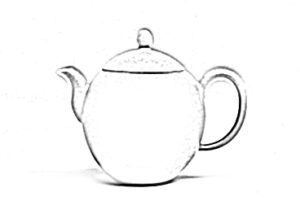
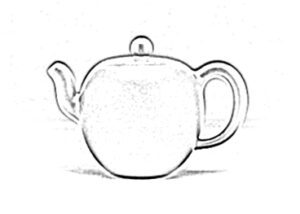
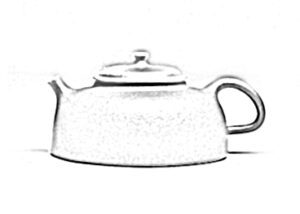
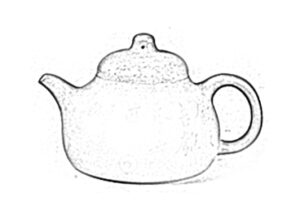
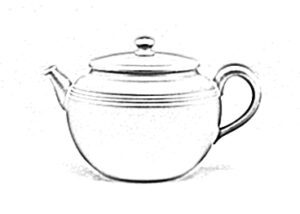
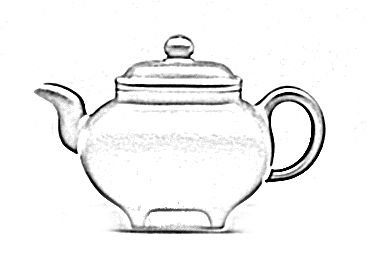
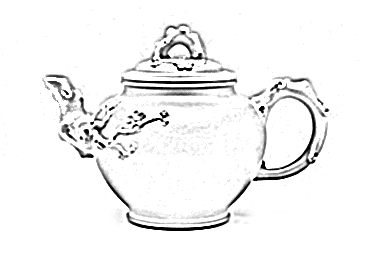
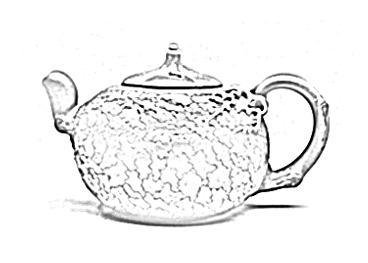
La forme ronde, appelée “ 圆器 ” (yuán qì) en chinois, est un style classique et très apprécié parmi les théières d'Yixing. Avec ses courbes harmonieuses et ses proportions équilibrées, la théière ronde dégage une élégance intemporelle.
La forme ronde est appréciée pour sa simplicité et sa polyvalence. Ses contours harmonieux reflètent l'esthétique traditionnelle chinoise, fondée sur l'équilibre et l'unité. Cette forme permet à la beauté naturelle de l'argile d'Yixing de s'exprimer pleinement, mettant en valeur sa texture et ses variations de couleur.
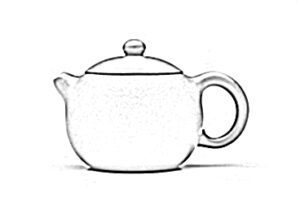
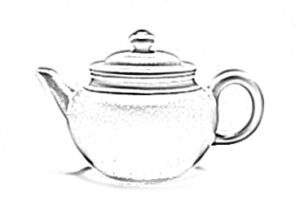
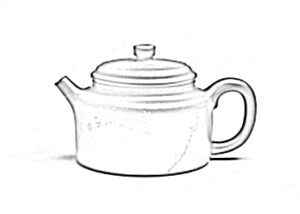
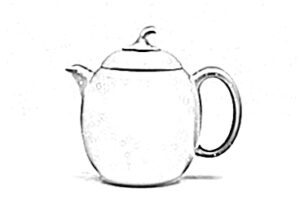
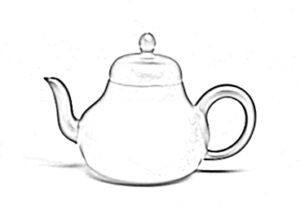
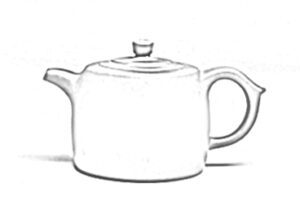
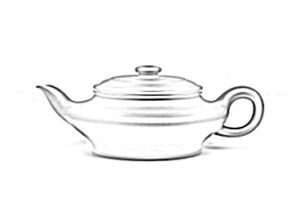
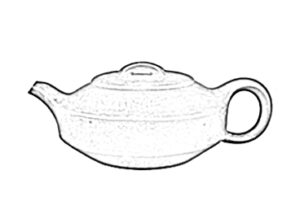
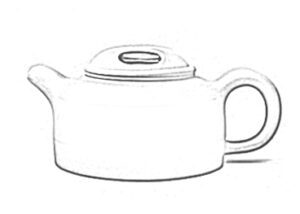
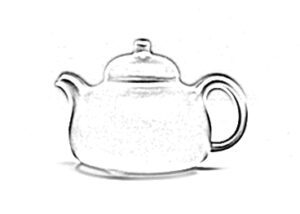
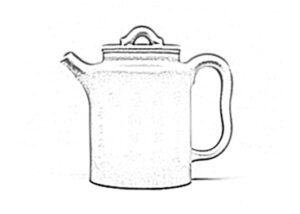
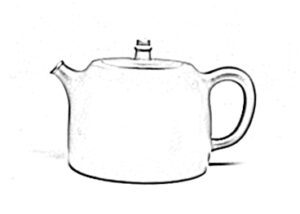
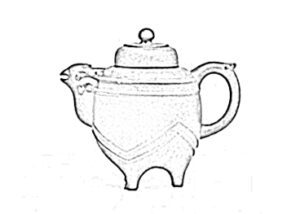
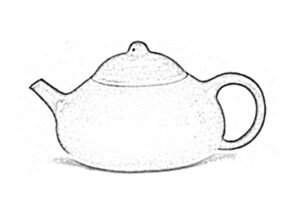
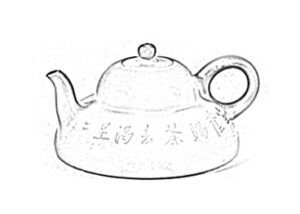
Xi Shi – 西施Shi Piao – 石瓢Shui Ping – 水平Han Wa – 汉瓦De Zhong – 德钟Pan Hu – 潘壶Wen Dan – 文旦Fang Gu – Style ancienRong Tian – 容天Duo Qiu – 掇球Duo Zhi – 掇只Silhouette en poire – 梨形Si Ting – 思亭Hua Ying – 华颖Œuf de dragon – 龙蛋Jing Lan – 井栏Jing Wa – 镜瓦Dian He – 钿合Xu Bian – 虚扁Qie Duan – 茄段Xiao Ying – 笑樱Mei Ren Jian – 美人肩Ban Yue – 半月Pao Gua – 匏瓜Qin Quan – 秦权Shi Bian – 石扁Niu Gai – 牛盖Ru Ding – 乳鼎Ji Zhi – 汲直Ru Yi – 如意Zhou Pan – 周盘He Pan – 合盘He Huan – 合欢Han Duo – 汉铎Tang Po – 汤婆Tian Ji – 天鸡Heng Yun – 横云Li Yin – 笠荫Zhu Chu – Socle de colonneXiang Rui – 祥瑞Yang Tong – 洋桶Tang Yu – 唐羽Xian Yuan – 线圆Bai Na – 百纳Ban Piao – 半瓢Ban Gua – 半瓜Ru Ou – 乳瓯Que Yue – 却月Yu Zhao – 鱼罩
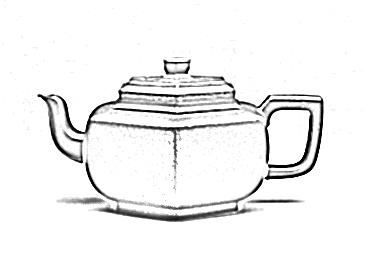
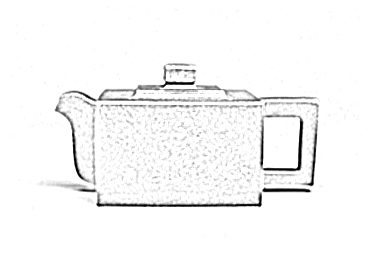
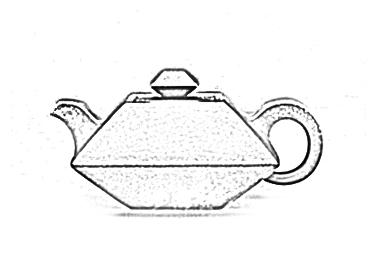
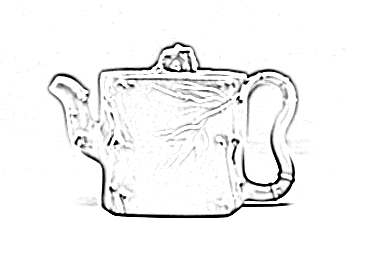
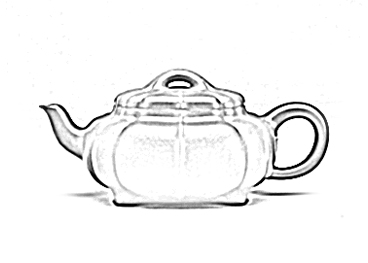
Formes carrées – 方器
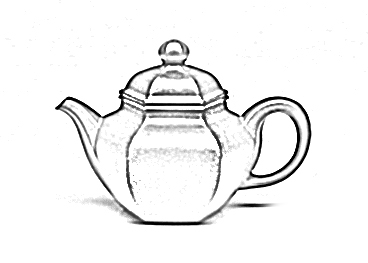
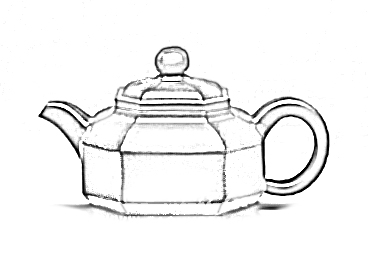
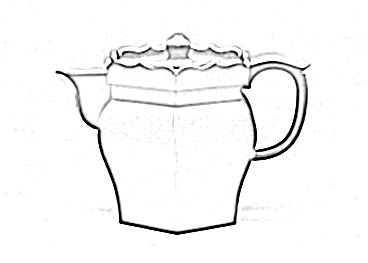
La forme carrée, appelée “ 方器 ” (fāng qì) en chinois, est un style caractéristique des théières d’Yixing qui incarne le concept du “ carré dans le rond ”. Le savoir-faire artisanal des théières carrées met l'accent sur l'équilibre harmonieux entre les lignes droites et les angles, ainsi que sur la relation entre les lignes et les surfaces. Le processus de fabrication exige des lignes bien définies, des contours nets et des proportions précises.
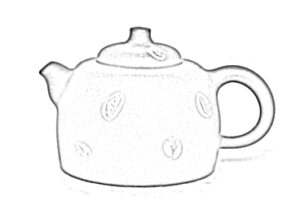
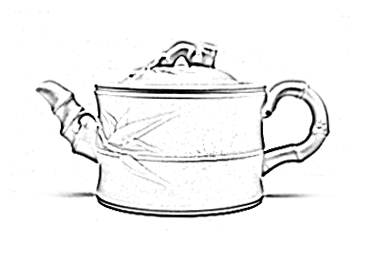
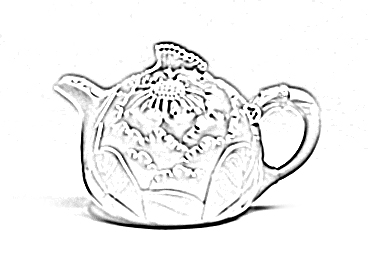
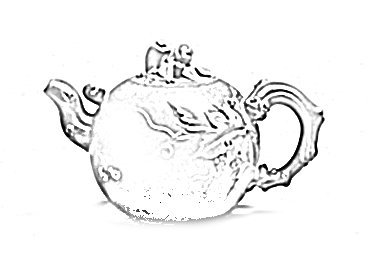
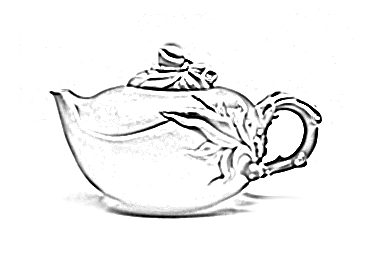
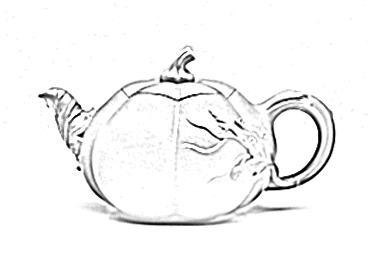
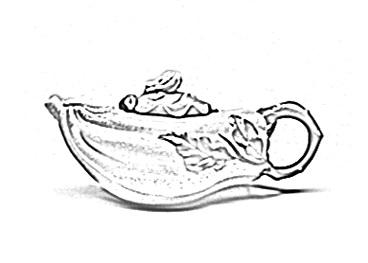
Les formes originales, appelées “ 花器 ” (huā qì) en chinois, désignent des théières d’Yixing qui s’inspirent directement du monde naturel, notamment des fruits, des fleurs, des plantes, des oiseaux, des animaux et des poissons. Ces théières transforment diverses formes naturelles observées dans la vie quotidienne en créations artistiques grâce aux techniques artisanales de l’argile violette.
La création de théières aux formes originales obéit au principe suivant : “ s'inspirer de la nature tout en la surpassant ”. Les formes doivent non seulement présenter un certain degré d'exagération artistique, mais aussi refléter un style à la fois réfléchi et “ insouciant ”. L'objectif est de saisir et de mettre en valeur avec vivacité la valeur esthétique inhérente aux formes naturelles.
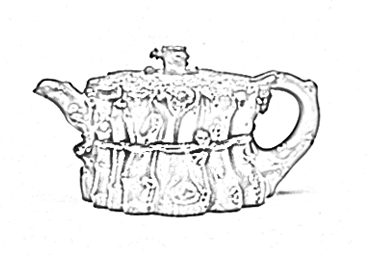
Yu Hua Long – 鱼化龙Feng Juan Kui – 风卷葵Courge – 葫芦He Lian – 荷莲Zhu Gu – 竹鼓Zhu Duan – 竹段Pivoine – 牡丹Raisins des écureuils – 松鼠葡萄Pin, bambou, prunier – 松竹梅Shu Chai San You – 束柴三友Bao Chun – 报春Shou Tao – 寿桃Potiron – 南瓜Gong Chun – 供春Fo Shou – 佛手
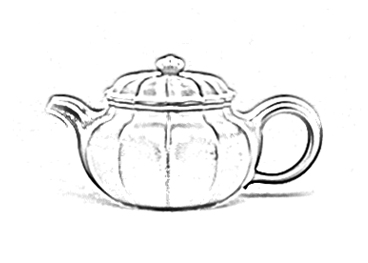
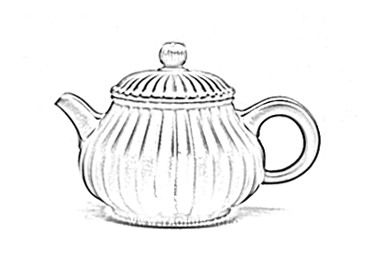
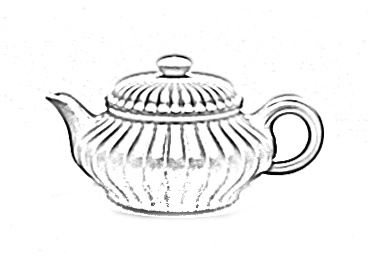
Formes nervurées – 筋纹器
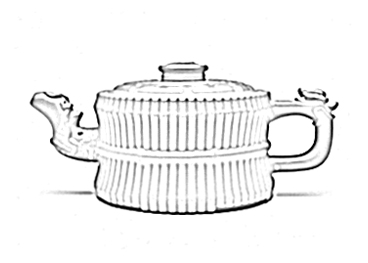
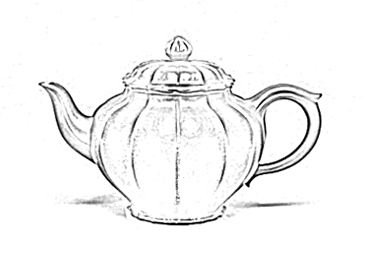
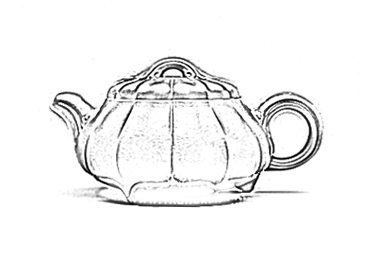
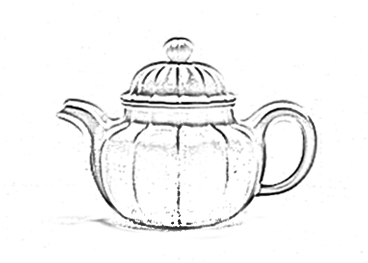
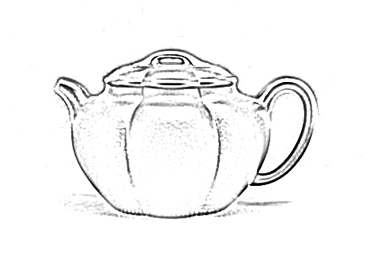
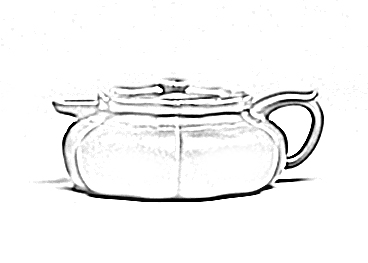
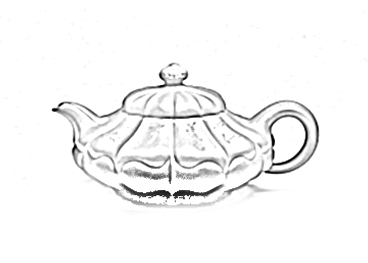
Les formes nervurées, appelées “ 筋纹器 ” (jīn wén qì) en chinois, constituent un style de théières d’Yixing inspiré des motifs naturels que l’on retrouve sur les nervures des melons, les pétales de fleurs et l’eau qui coule. Ces motifs sont affinés et travaillés pour créer des dessins uniques et complexes. Les théières nervurées peuvent présenter des lignes variées et entrecroisées, et le couvercle et le corps peuvent être interchangés tout en conservant un ajustement parfait et sans joint apparent.
La fabrication de théières à nervures exige une attention méticuleuse portée aux détails. Les motifs nervurés à la surface de la théière doivent être réguliers sur l'ensemble du couvercle, du corps et de la surface intérieure. Les lignes nervurées doivent être bien définies, uniformes et soigneusement disposées. Les motifs décoratifs doivent s'enchaîner sans rupture depuis le bouton du couvercle jusqu'au bec verseur, créant ainsi une impression d'harmonie, de beauté et de rythme.
Long Tou Yi Kun Zhu – 龙头一捆竹Kui Fang Gu – 葵仿古Ling Hua – 菱花Ju Lei – 菊蕾Jin Wen Xu Bian – 筋纹虚扁Jin Wen Xiao Ying – 筋纹笑樱Jin Wen Shi Piao – 筋纹石瓢Jin Wen Duo Qiu – 筋纹掇球Jin Wen Ru Yi – 筋纹如意Guan Mao – 官帽He Ling – 合菱