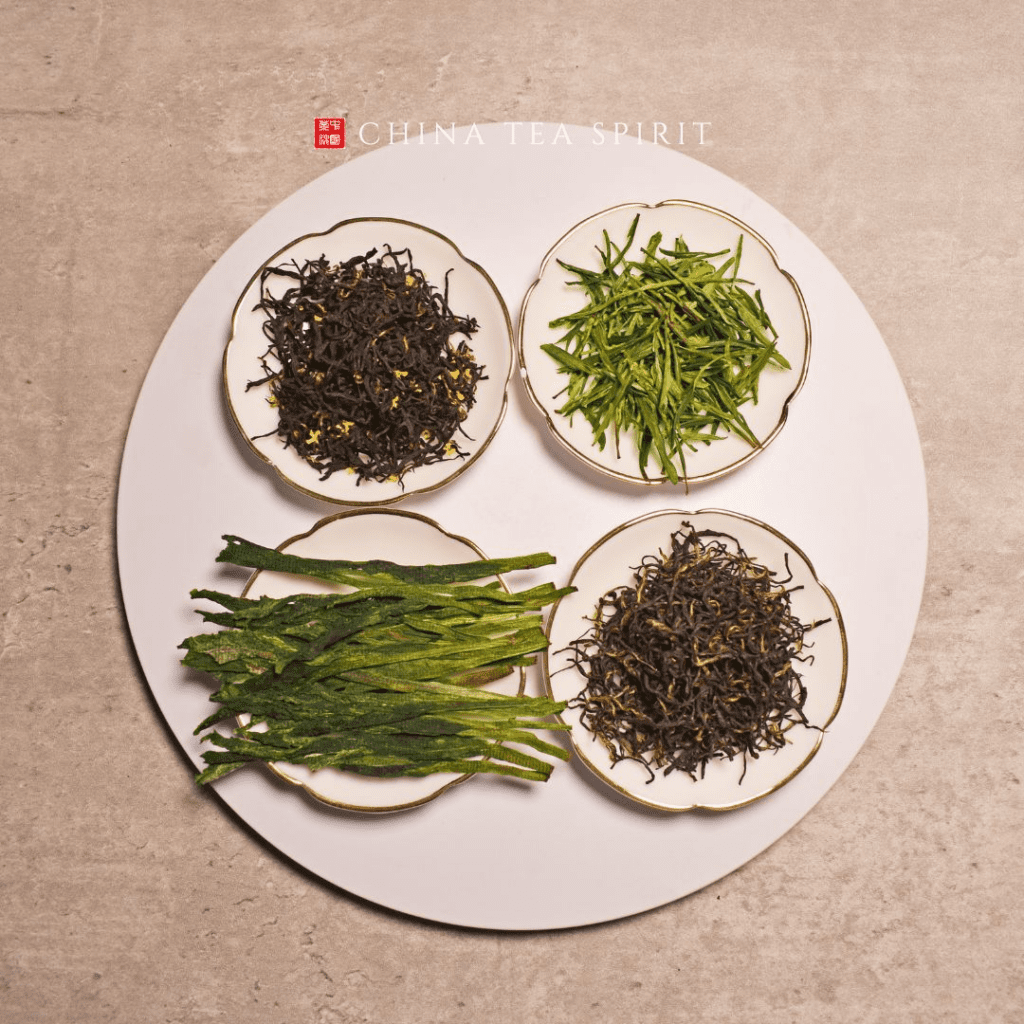
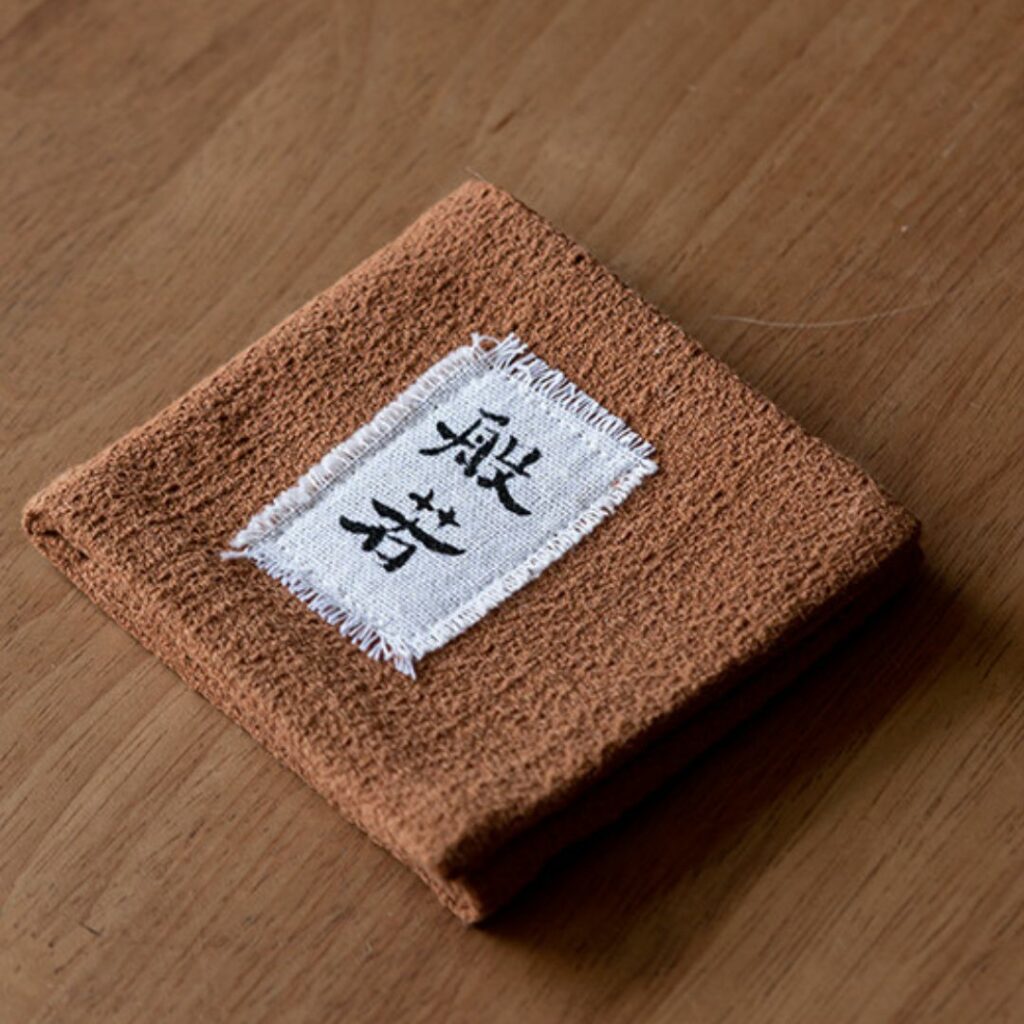
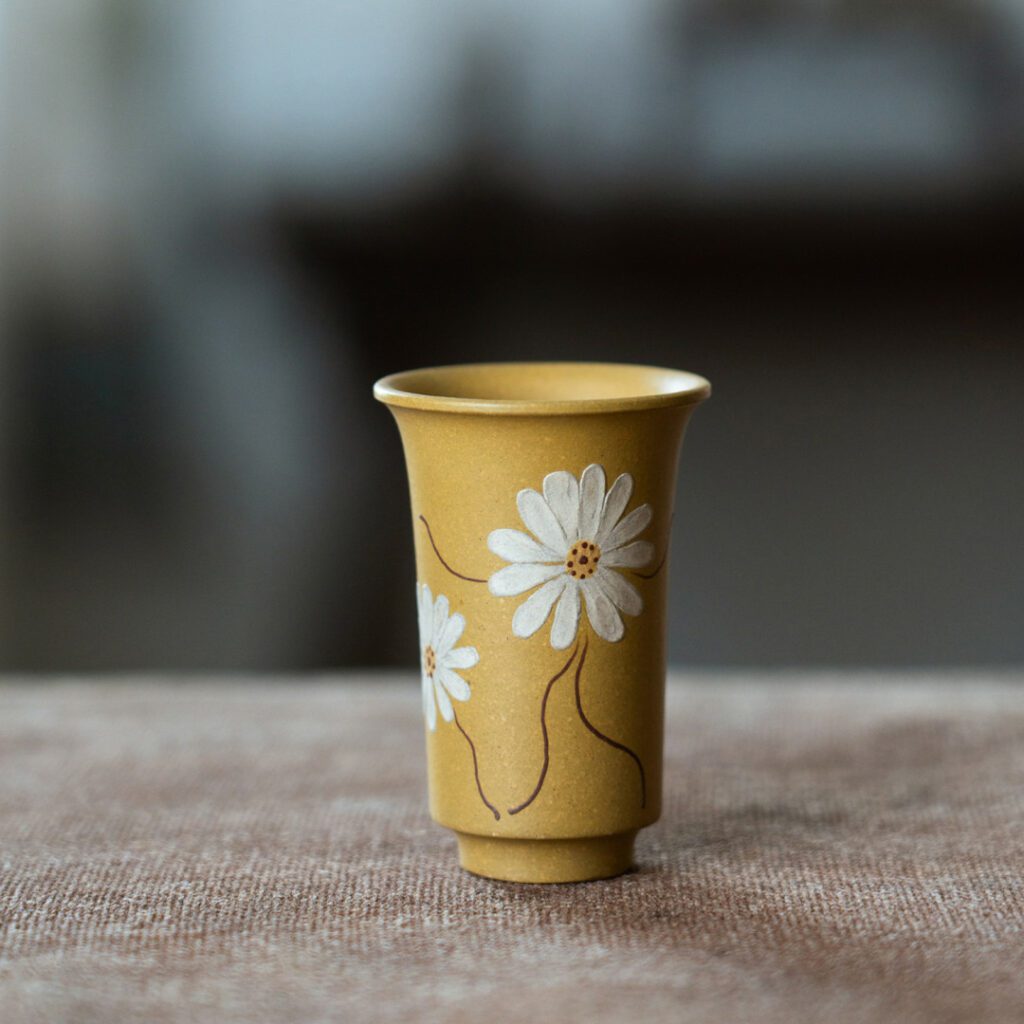
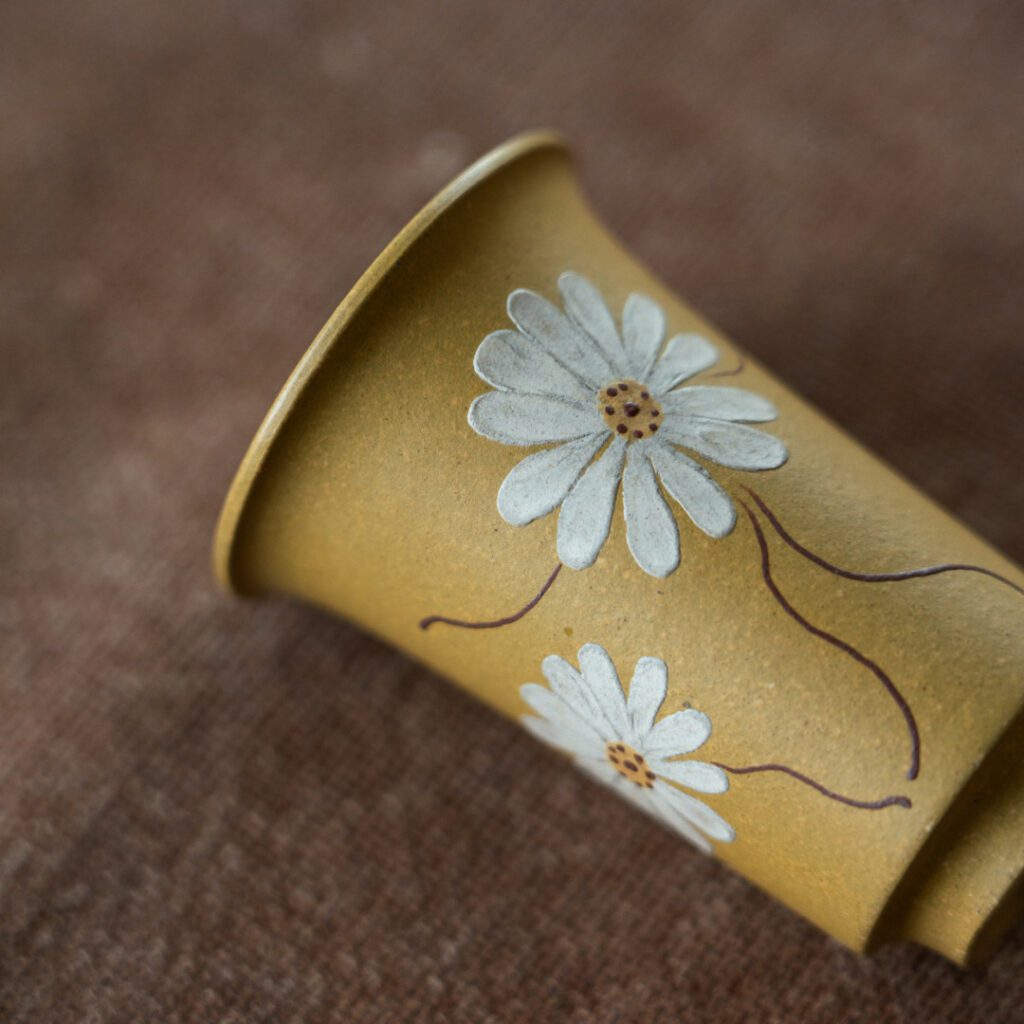
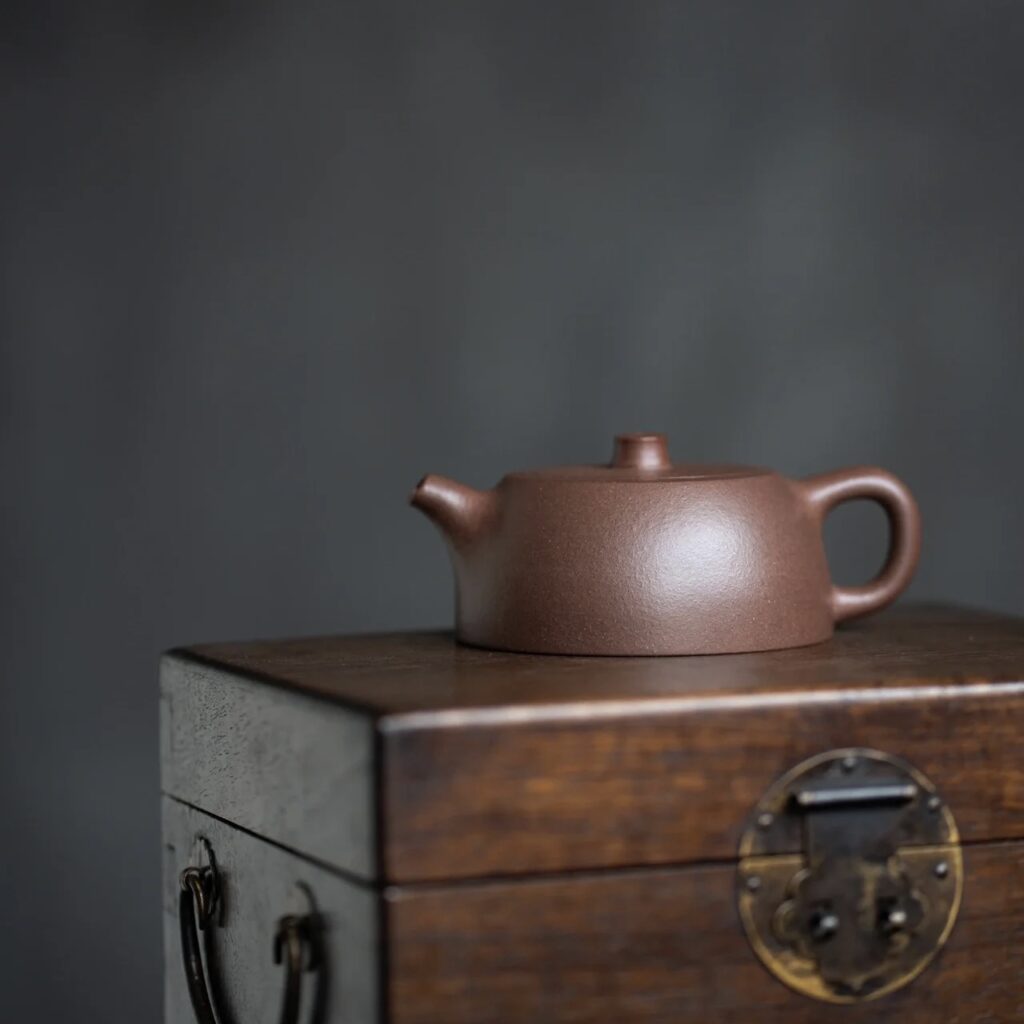
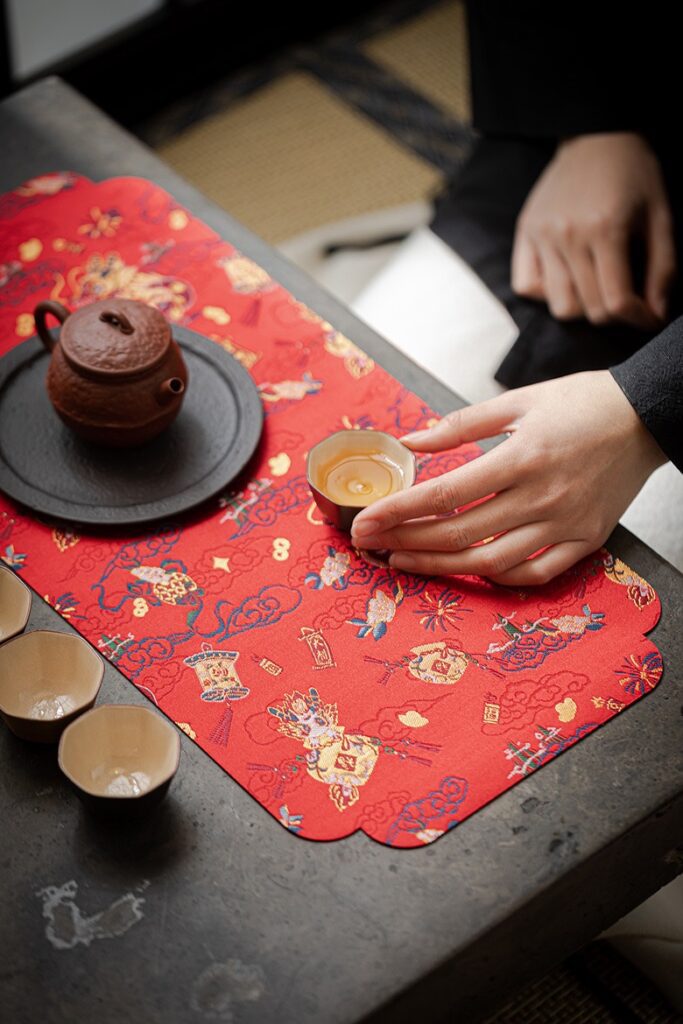
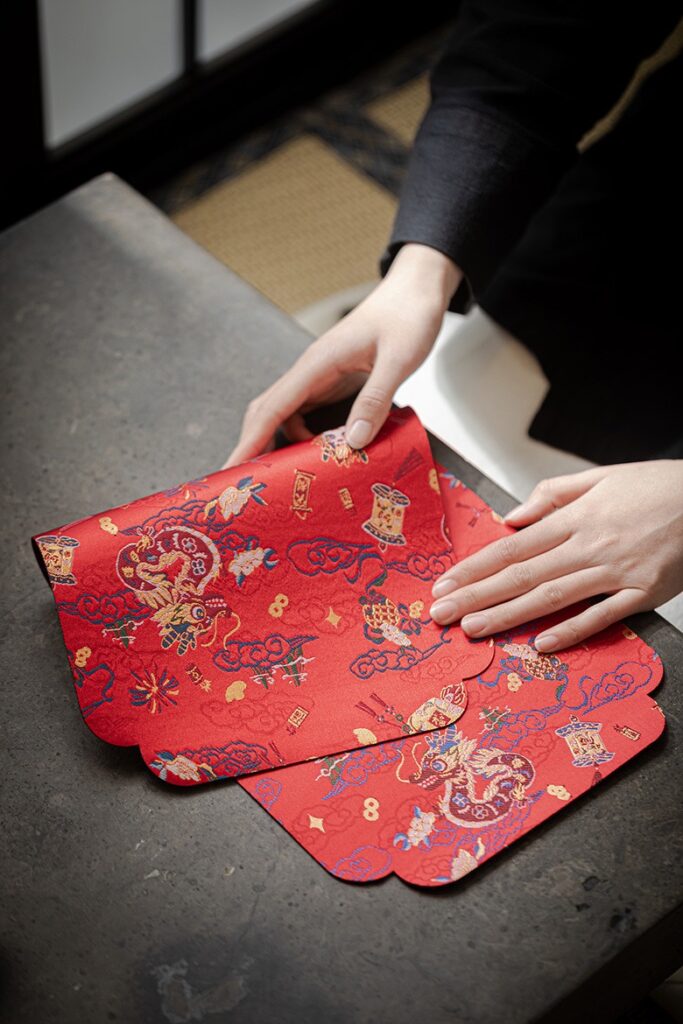
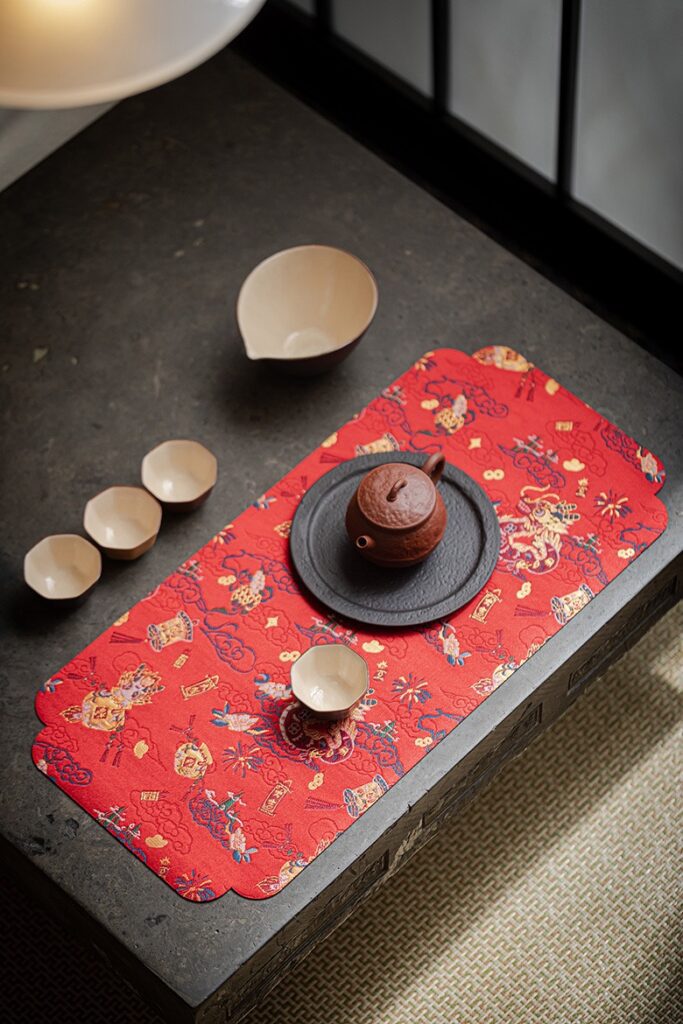
お茶好きの皆さん、こんにちは!🐉✨ 2024年の辰年を迎えるにあたり、嬉しいお知らせです。宜興(イシン)の急須をご購入いただいたお客様には、お茶のひとときに特別な彩りを添える、辰年限定デザインの茶敷きをプレゼントいたします。 これは皆様と共にこの年を祝うための私たちのささやかな贈り物ですが、期間限定のオファーですのでお見逃しなく!この神秘的なアイテムで、お茶のひとときをさらに特別なものにしてください。🍵💫
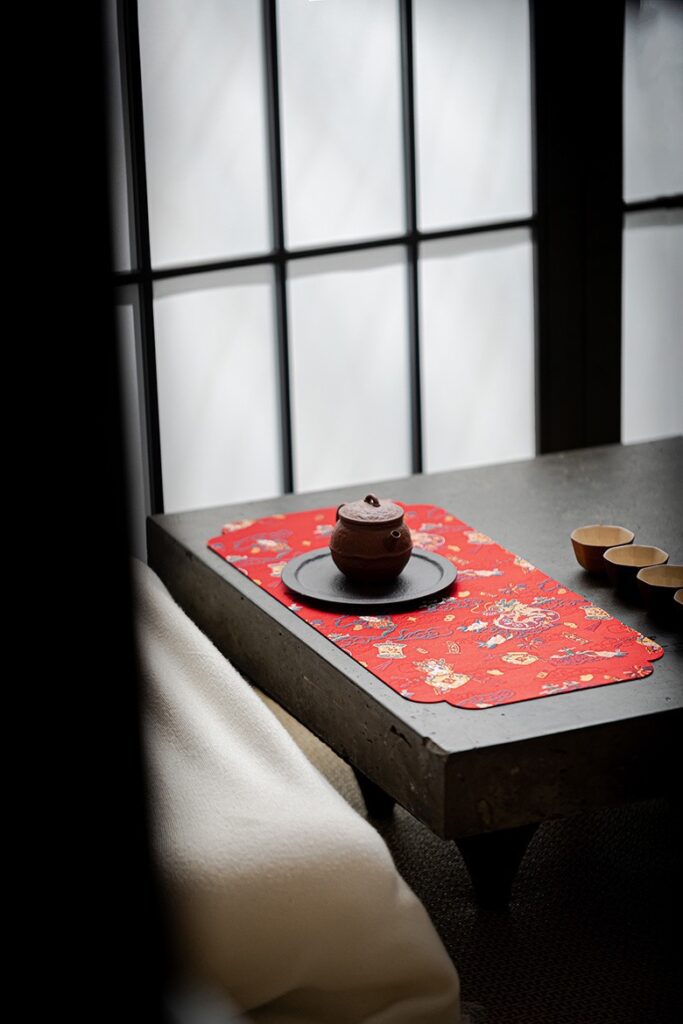
これは、「宜興(イシン)急須の形」に関する連載記事の一つです。このシリーズについてさらに詳しく知りたい方は、こちらの記事をご覧ください。 宜興の急須の形状.
宜興(イシン)の急須の世界には、多くの人々に愛されている形がありますが、その中でも ジン・ラン (井欄)ティーポットは、そのシンプルな形状、古典的な魅力、そして文化に深く根ざした背景が際立っています。その名の由来となった石造りの井戸の欄干からインスピレーションを得た「井欄」ティーポットは、実用性、象徴性、そして時代を超えたデザインが見事に融合した逸品です。.
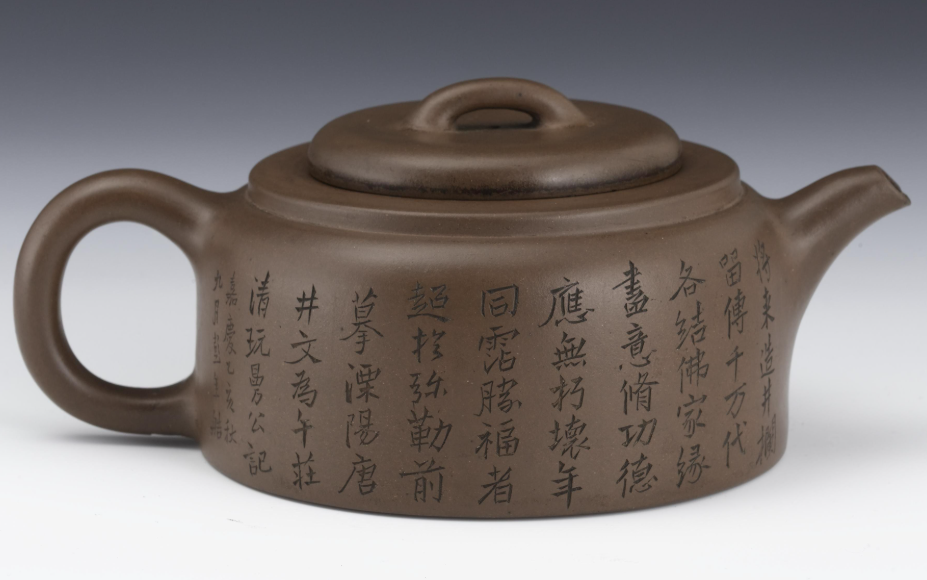
「景蘭」急須の形状は、かつて古代中国の井戸を囲んでいた円形の石の手すりをモチーフにしています。清代の陳洪寿(通称:曼生)師が、この着想をいち早く取り入れ、それを自身の代表的な作品の一つへと昇華させたのです。 曼生十八式. 。著名な職人である楊鵬年氏と協力し、彼は「景蘭」という名の急須を生み出した。.
マン・シェンにとって、深い井戸は知識という広大な海を象徴していた。それは、水が生命を支えるように、絶えず汲み取ることができるものだった。こうして、急須は一つの比喩となった。すなわち、学びは井戸の水のように、生涯にわたる糧の源であることを思い出させるものなのである。.
伝説によると、「景蘭」のデザインの発想は、中庭での気取らない集まりの最中に生まれたという。マン・シェン師匠と親友のヤン・ペンニアンが、お茶を飲みながら急須について語り合っていたところ、深い石の井戸から水を汲んでいる女中が目に入った。 井戸のシルエットと彼女の姿から、あるアイデアが閃いた――この瞬間を急須の形に表現できたらどうだろう? インスピレーションを得たマン・シェンは、石のテーブルにそのデザインをスケッチした。ペンニアンがそれを洗練させ、こうして最初の ジン・ラン 生まれた。.
ペンニアンがその名前を提案したとき “「水を汲む急須」”, 、マン・シェンはこう答えた。「この急須は、井戸そのものと同じくらい自然に私の手元にやって来た。これを ジン・ラン.。」二人は、自分たちが時代を超えて愛されるものを生み出したことを悟り、共に笑った。.
「ジン・ラン」の急須は、 広火 (光貨)のデザイン――これは、装飾を一切排し、プロポーション、バランス、そして紫砂の質そのものにのみ依拠した、すっきりとしたフォルムを指します。丸みを帯びた胴、円形の取っ手、そして橋の形をした蓋のつまみが特徴です。滑らかで途切れることのない表面が、紫砂の持つ本来の魅力を際立たせています。.
このような形を極めるには、芸術的な感性と技術的な正確さの両方が求められます。本体の曲線、蓋と注ぎ口の対称性、そして取っ手のバランス――これらすべてが調和のとれた形で表現されなければなりません。装飾に隠れる余地はなく、その美しさは「控えめさ」にこそあります。.
「景蘭」は単なる器にとどまらず、機能性、謙虚さ、そして深い文化的共鳴といった、伝統的な中国美学の精神を体現しています。目まぐるしく変化する現代社会において、「景蘭」の宜興(イーシン)急須を使うことは、内省、職人技、そして簡素さの喜びへの静かな賛辞となるのです。.
👉 「ジンラン」ティーポットの優雅さを体験してみませんか?こちらのコレクションをご覧ください。.