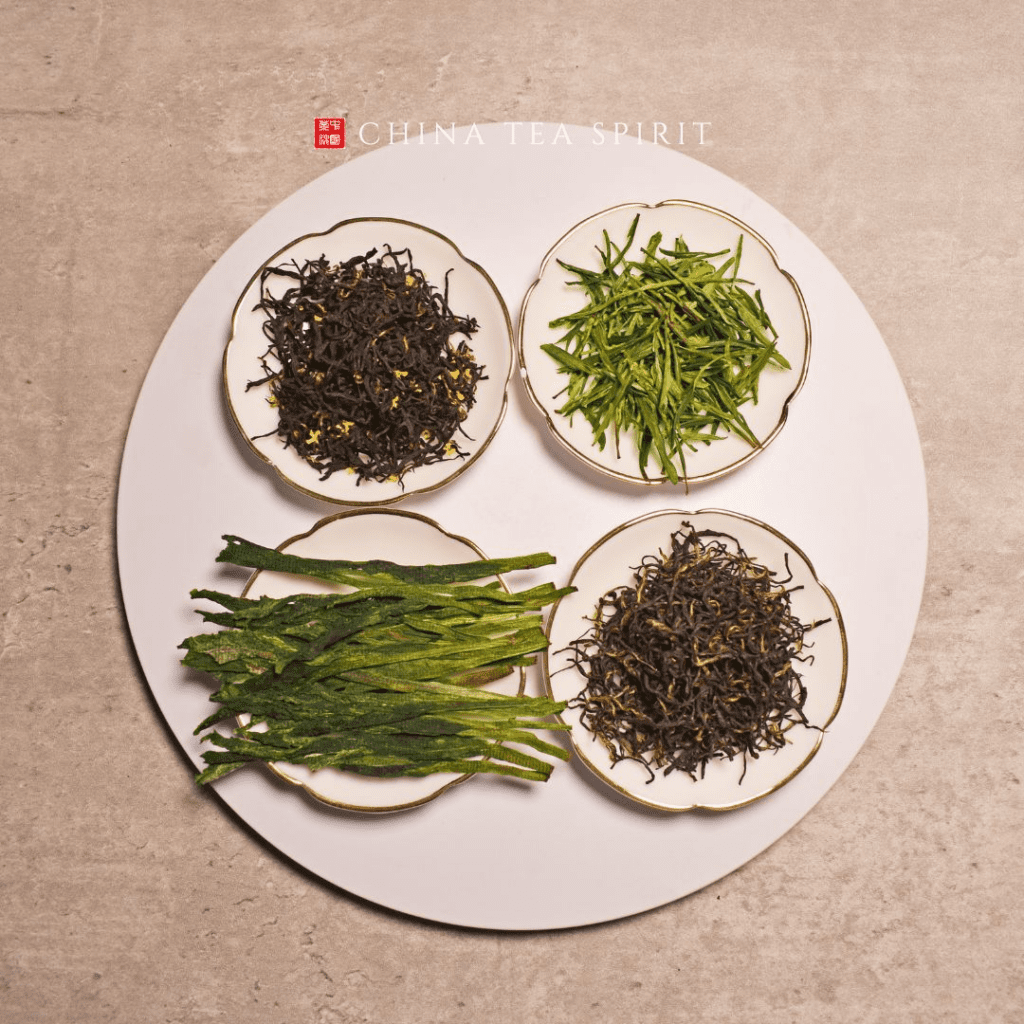
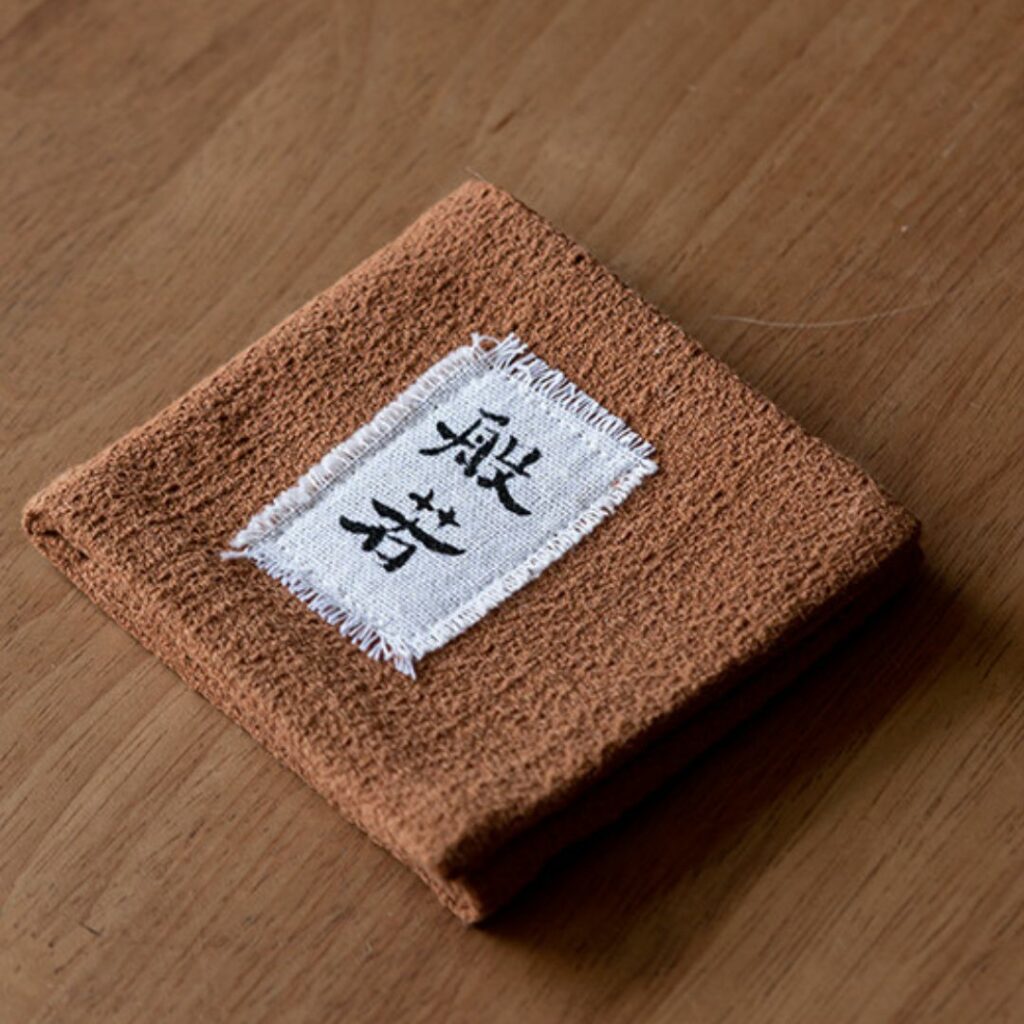
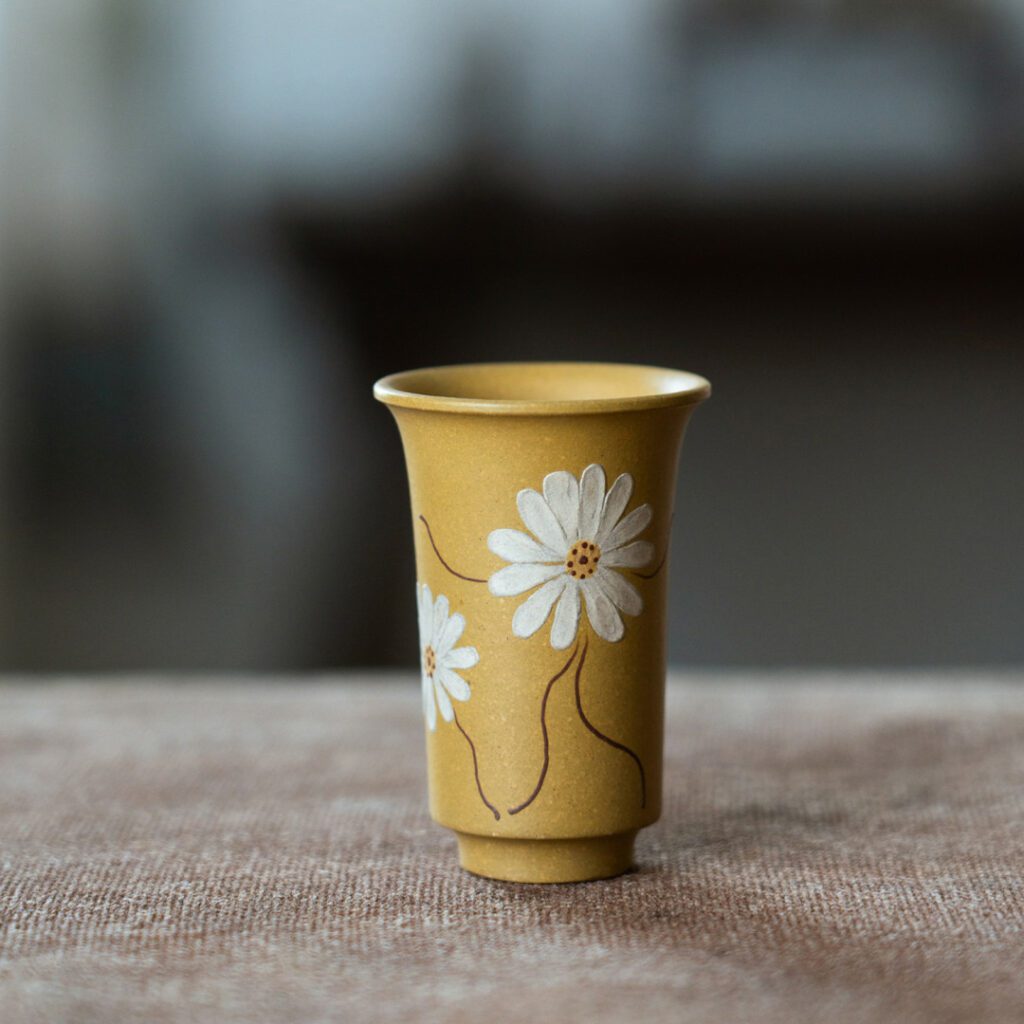
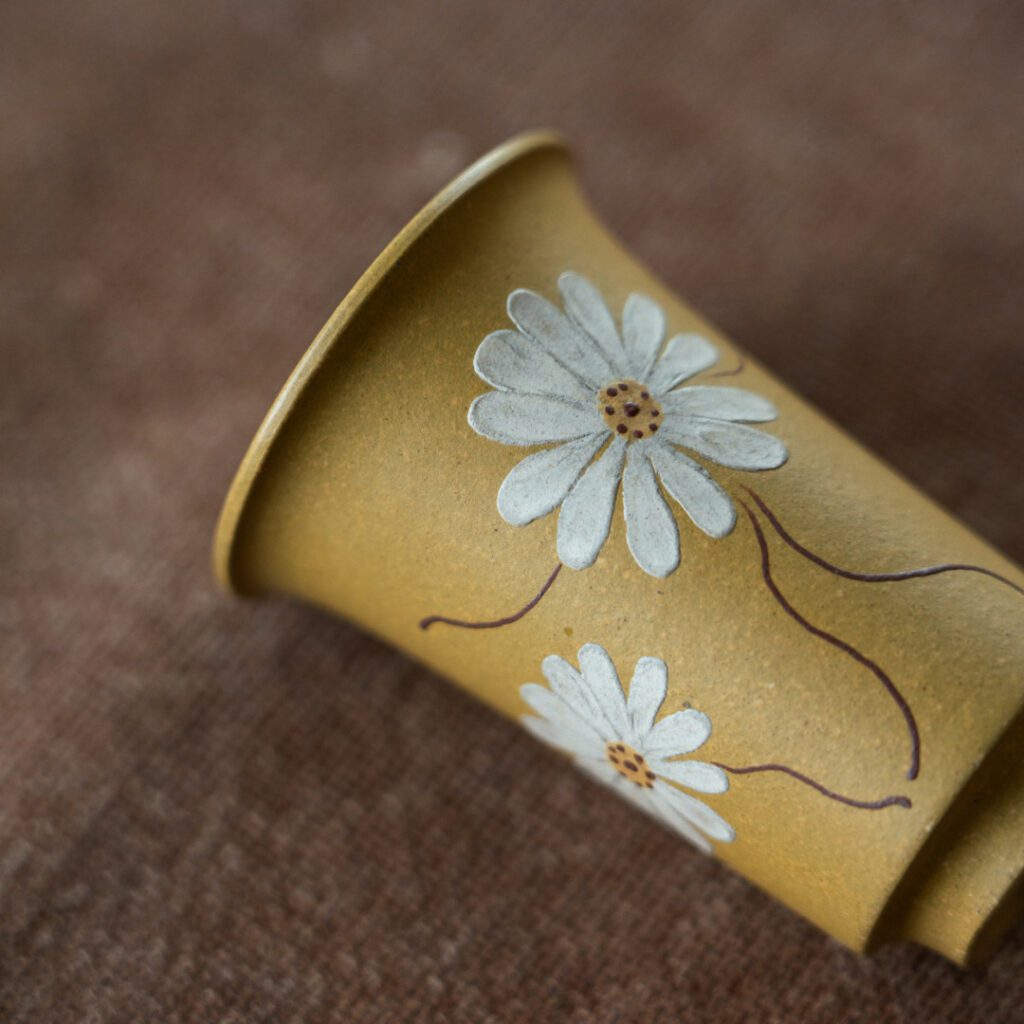
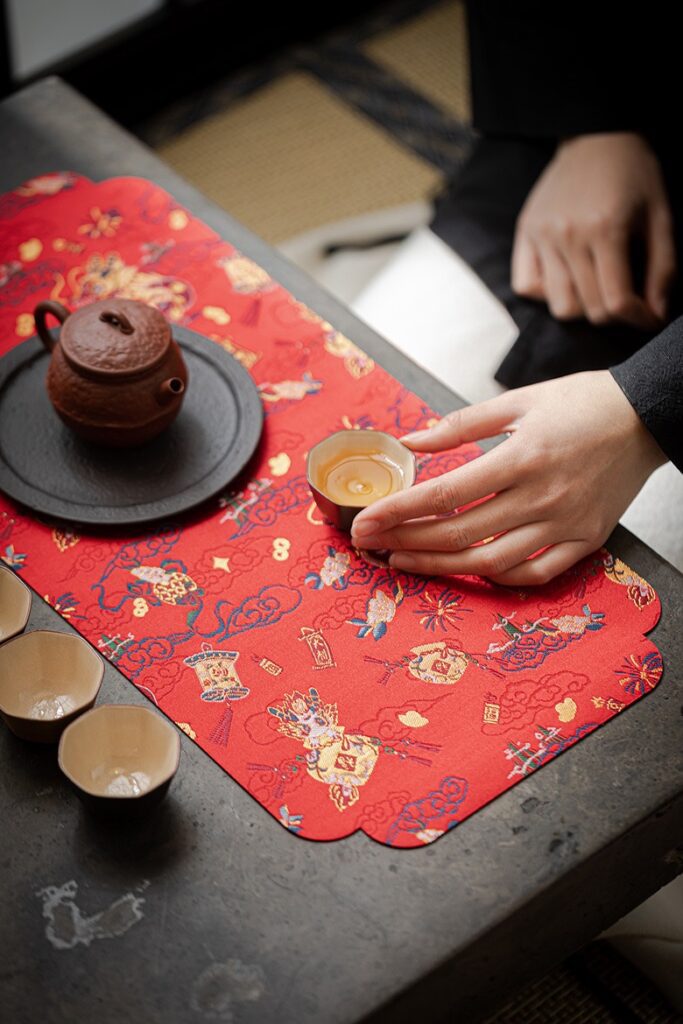
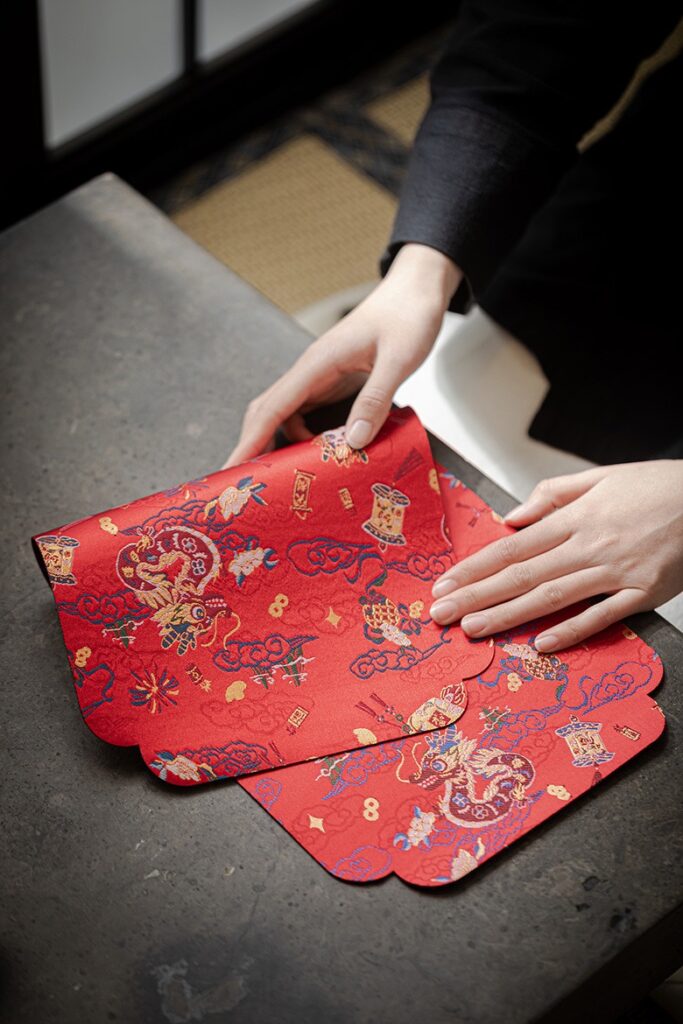
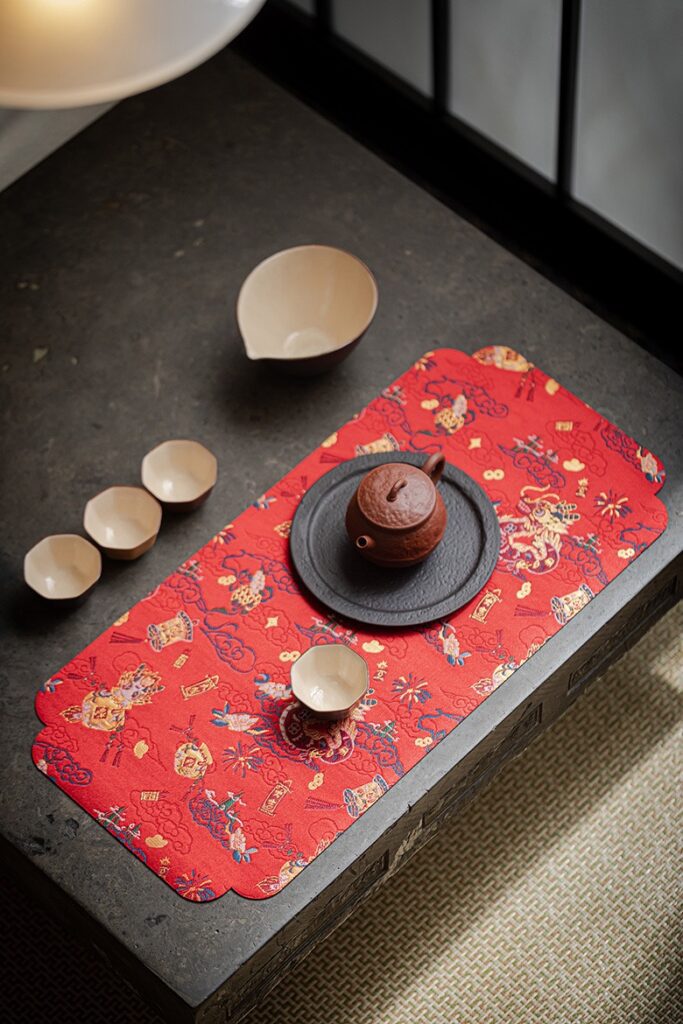
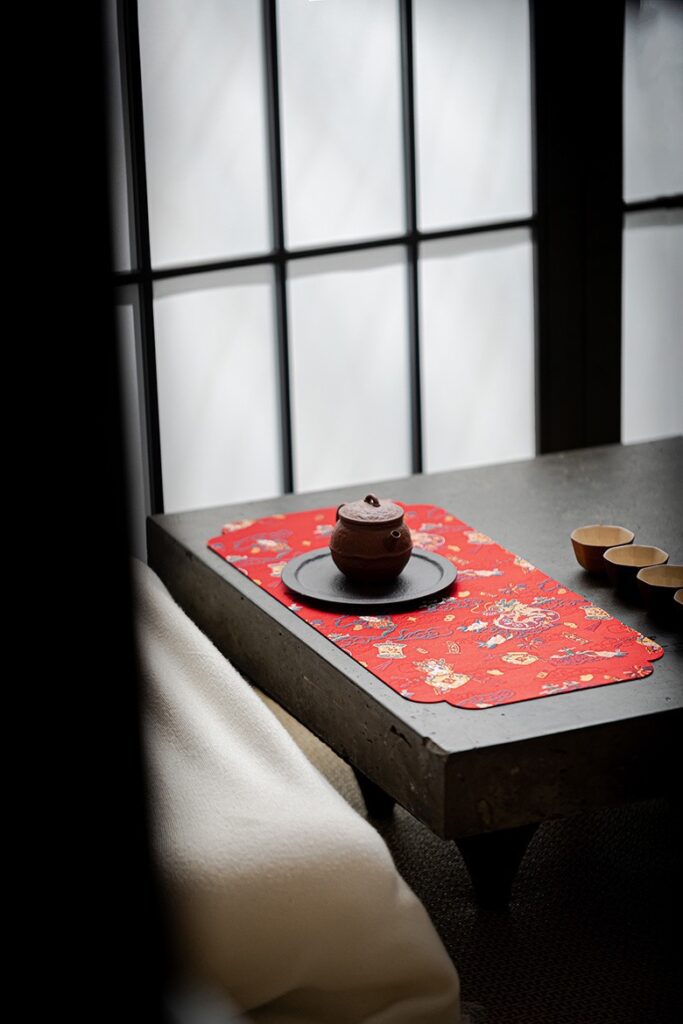
お茶好きの皆さん、こんにちは!🐉✨ 2024年の辰年を迎えるにあたり、嬉しいお知らせです。宜興(イシン)の急須をご購入いただいたお客様には、お茶のひとときに特別な彩りを添える、辰年限定デザインの茶敷きをプレゼントいたします。 これは皆様と共にこの年を祝うための私たちのささやかな贈り物ですが、期間限定のオファーですのでお見逃しなく!この神秘的なアイテムで、お茶のひとときをさらに特別なものにしてください。🍵💫
Forty-two years sounds impressive on a tea label.
It sounds even more impressive when there is no label at all—just an old tin that has been sitting in a cupboard since 1984.

Photo by Emile Guillemot on Unsplash.
A tea drinker recently inherited exactly that kind of collection. The tea had originally been bought in Hong Kong by their grandmother. Some of the containers were still sealed. One ceramic container was not airtight, so naturally they did the most sensible thing possible:
they brewed it.
Apparently, it wasn’t bad.
The interesting question came afterwards.
Does forty-two years turn an ordinary tea into aged tea?
Not necessarily.
Age is a date. Aging is a process.
And the difference between those two ideas explains why one forty-year-old tea can be fascinating, another can be flat and dusty, and a third might genuinely have developed into something better than it was when it was young.
“Old tea” is not really a category.
A forty-year-old jasmine tea and a forty-year-old pu’er have spent the same amount of time on Earth, but that does not mean time has done the same thing to them.
Some teas are made with long-term transformation in mind.
Raw pu’er is the obvious example. During storage, its chemistry and microbial environment can continue changing in ways that reshape bitterness, aroma, mouthfeel and the characteristic qualities associated with aged tea. Recent research on raw pu’er found that water activity during storage significantly affected both microbial communities and flavor development; in other words, the tea did not improve simply because someone waited long enough. The storage environment was part of the process.
Ripe pu’er changes too. A study comparing teas stored for 0, 5, 10 and 15 years found substantial changes in volatile compounds, metabolites and microbial communities, including compounds associated with the familiar woody character of older ripe pu’er.
That is aging in a meaningful sense.
Now compare that with jasmine tea.
Jasmine tea is prized partly for aroma—the floral compounds introduced through scenting are a large part of what makes the tea itself.
That aroma does change in storage, but “longer” does not mean “better.”
Researchers comparing jasmine teas of different ages found that some desirable floral and fruity aroma compounds initially increased and later declined. In their particular samples, three-year-old tea performed best in sensory evaluation; much longer storage weakened the overall aroma and increased compounds associated with stale notes.
So if you find a jasmine tea from 1984, the interesting fact is not that you now own a forty-two-year-aged jasmine.
The interesting fact is that you have jasmine tea that somehow survived for forty-two years.
Those are quite different things.
Old oolong sits somewhere in the middle, which is why it produces so much confusion.
There is a real tradition of aged oolong.
Properly stored older Wuyi tea, Tieguanyin and other sufficiently robust oolongs can develop deep, softened and sometimes quite unusual profiles over time.
But an old oolong is not automatically an aged oolong in the sense tea sellers normally mean.
Some traditional aged oolong has also been periodically re-roasted or dried during storage. The process surrounding the tea matters, not just the number of birthdays it has had.
1 long-term metabolomics study found hundreds of measurable changes in oolong stored for 1, 3, 7, 14 and 25 years. Interestingly, the researchers did not conclude that the oldest tea must therefore be the best. Their data suggested around seven years was an important point in the samples they studied, while indefinitely extending storage caused desirable compounds to continue declining.
That is a useful reminder.
Time changes tea.
Time does not automatically improve tea.
Imagine two identical tins of tea packed in 1984.
One was properly sealed and kept somewhere cool, dry and free of strong odors.
The other was opened in 1986, used twice, loosely closed and then left beside a kitchen spice cabinet for four decades.
On paper, both teas are forty-two years old.
In the cup, they may have almost nothing in common.

Photo by Eric Prouzet on Unsplash.
Tea reacts with oxygen and moisture and readily absorbs surrounding odors. Packaging, humidity, temperature and exposure therefore matter enormously over long periods.
This is especially important when people discover forgotten tea at home.
The printed date tells you when it was made.
It usually tells you very little about what happened next.
And when the storage history is unknown, there is no reliable way to reconstruct forty years of environmental conditions from the age alone.
There is another reason an inherited tea collection can feel valuable.
Sometimes the compelling object is the tin.
Old typography, regional packaging, export labels, bamboo baskets, ceramic jars and designs that disappeared decades ago can preserve a small piece of tea history even when the leaves themselves are unremarkable.
That does not necessarily mean the set has substantial monetary collector value.
With genuinely collectible aged tea, provenance matters enormously: producer, production period, tea type, packaging, authenticity and credible storage history all affect value.
“Found unopened in Grandma’s cupboard” is a wonderful family provenance.
It is not necessarily commercial provenance.
And there is nothing wrong with that.
In fact, I would probably be much more interested in drinking a family tea from 1984 than in convincing myself that it ought to become an investment.
I would first look at the tea rather than the date.
If an old package has been compromised by moisture, shows visible mold or insect contamination, or has a strongly unpleasant musty or chemical smell, curiosity is not a good enough reason to drink it.
But if the packaging remained dry and intact and the leaves appear normal, tasting a small amount can answer something that the year printed on the package never will:
what survived?
And I would taste it without expecting it to be “better.”
Maybe an old roasted oolong has become strangely soft and woody.
Maybe a sealed jasmine tea has retained far more fragrance than expected.
Maybe a once-beautiful tea has faded almost completely.
Or maybe the most obvious flavor is simply cupboard.
All of those outcomes are interesting.
The mistake is deciding in advance that forty years must equal forty years of improvement.
Pu’er drinkers sometimes deliberately build storage environments and wait decades because controlled transformation is the point.
Someone forgetting a tin behind a stack of plates for forty years is a different experiment entirely.
Sometimes that experiment still works.
But that is part of the fun.
You are not tasting a number.
You are tasting what forty-two years actually did to that particular tea.
And those are not the same thing.