Przerwa w wysyłkach świątecznych — wznowienie 8 października. Świętuj Święto Środka Jesieni, korzystając z rabatu 10% po wpisaniu kodu ctsmooncake. OdrzućPrzejdź do treści
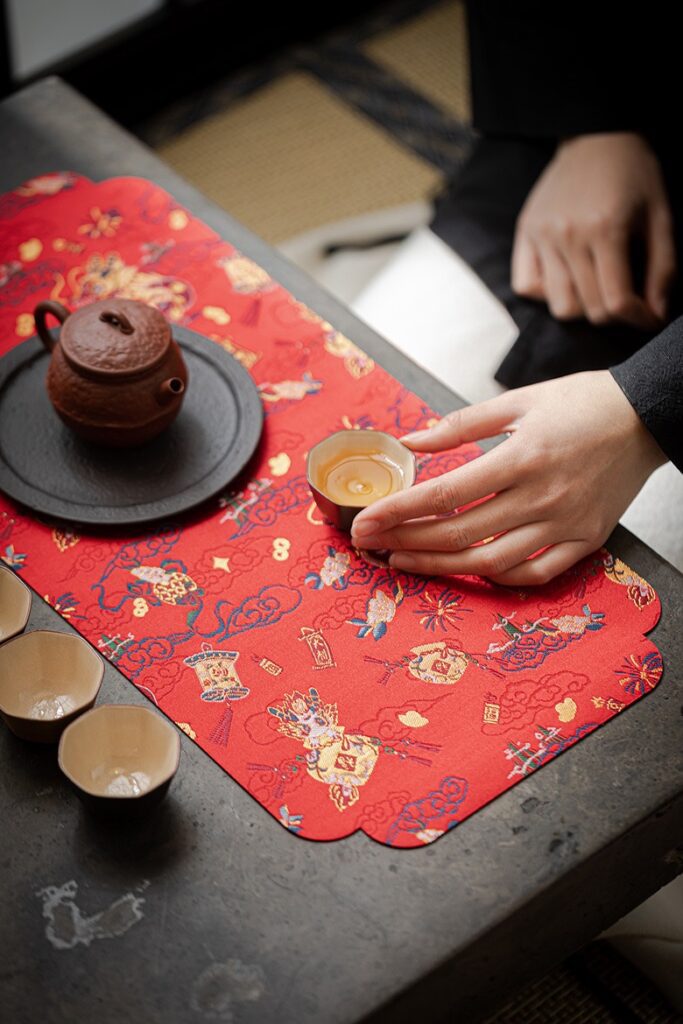
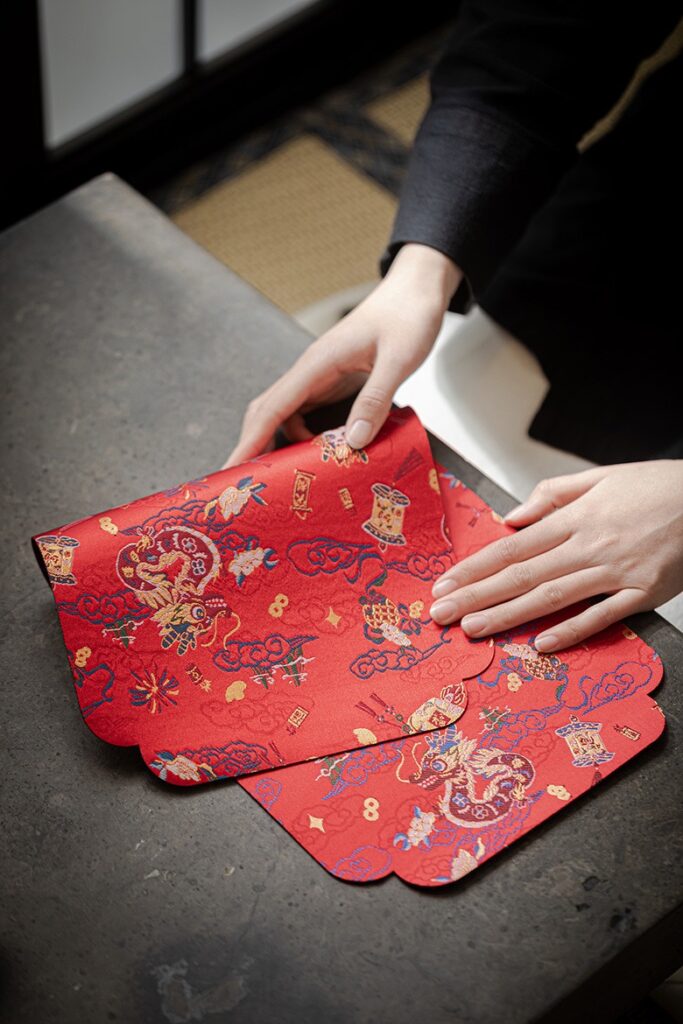
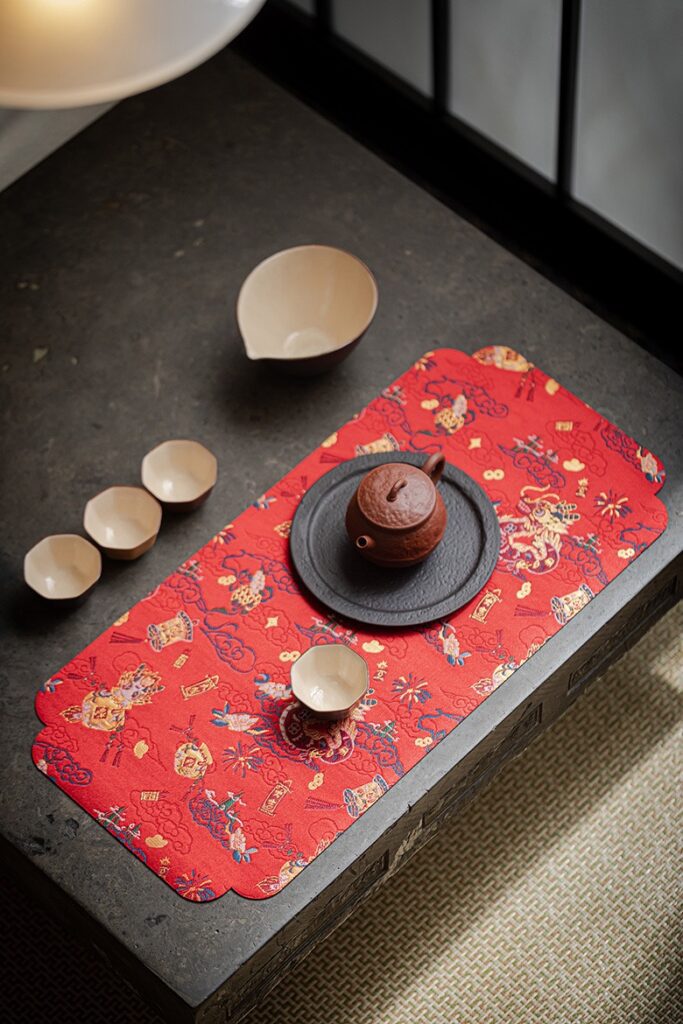
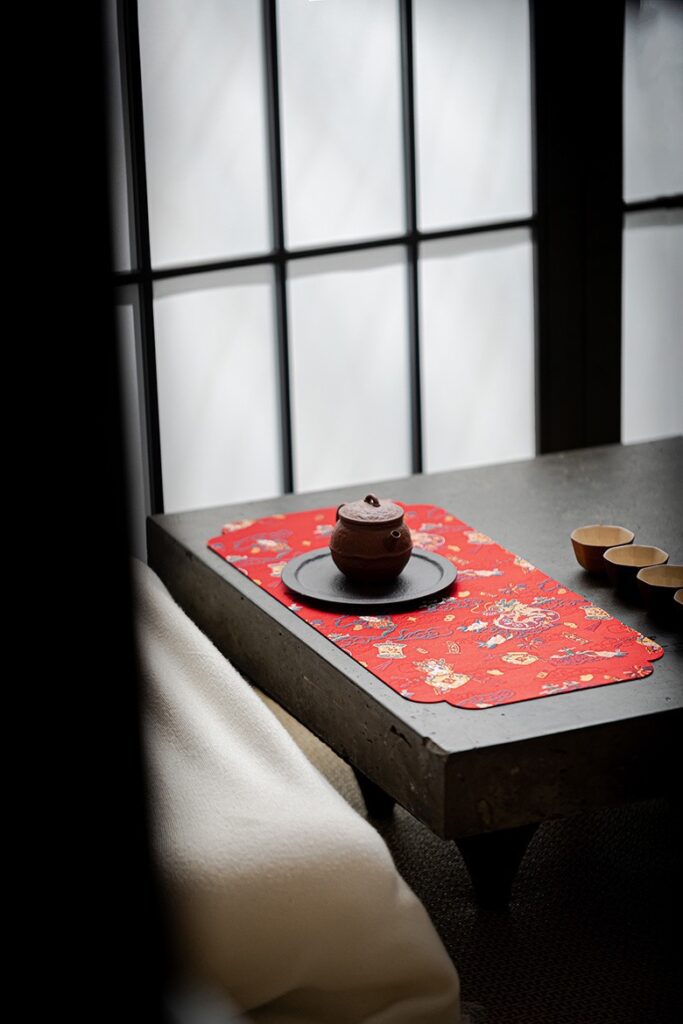
Hej, miłośnicy herbaty! 🐉✨ Mamy ekscytującą wiadomość na początek Roku Smoka 2024 – przy zakupie czajniczka Yixing otrzymacie w prezencie ekskluzywną podkładkę pod czajniczek w stylu Roku Smoka, która doda Waszym rytuałom parzenia herbaty wyjątkowego uroku. To nasz sposób na świętowanie razem z Wami, ale pamiętajcie, że jest to oferta ograniczona czasowo! Nie przegapcie okazji, by dzięki temu mistycznemu dodatku uczynić Wasze sesje herbaciane jeszcze bardziej wyjątkowymi. 🍵💫
Witajcie, miłośnicy herbaty! Chociaż wielu z was zna nas jako firmę oferującą wysokiej jakości chińskie akcesoria do parzenia herbaty, Specjalizujemy się również w herbatach z regionu Huang Shan. Huang Shan to ojczyzna najsłynniejszych chińskich herbat – Huang Shan Mao Feng, Keemun i Tai Ping Hou Kui. Jako mieszkańcy tego zapierającego dech w piersiach miejsca, jesteśmy głęboko związani z tą ziemią i jej bogatym dziedzictwem herbacianym.
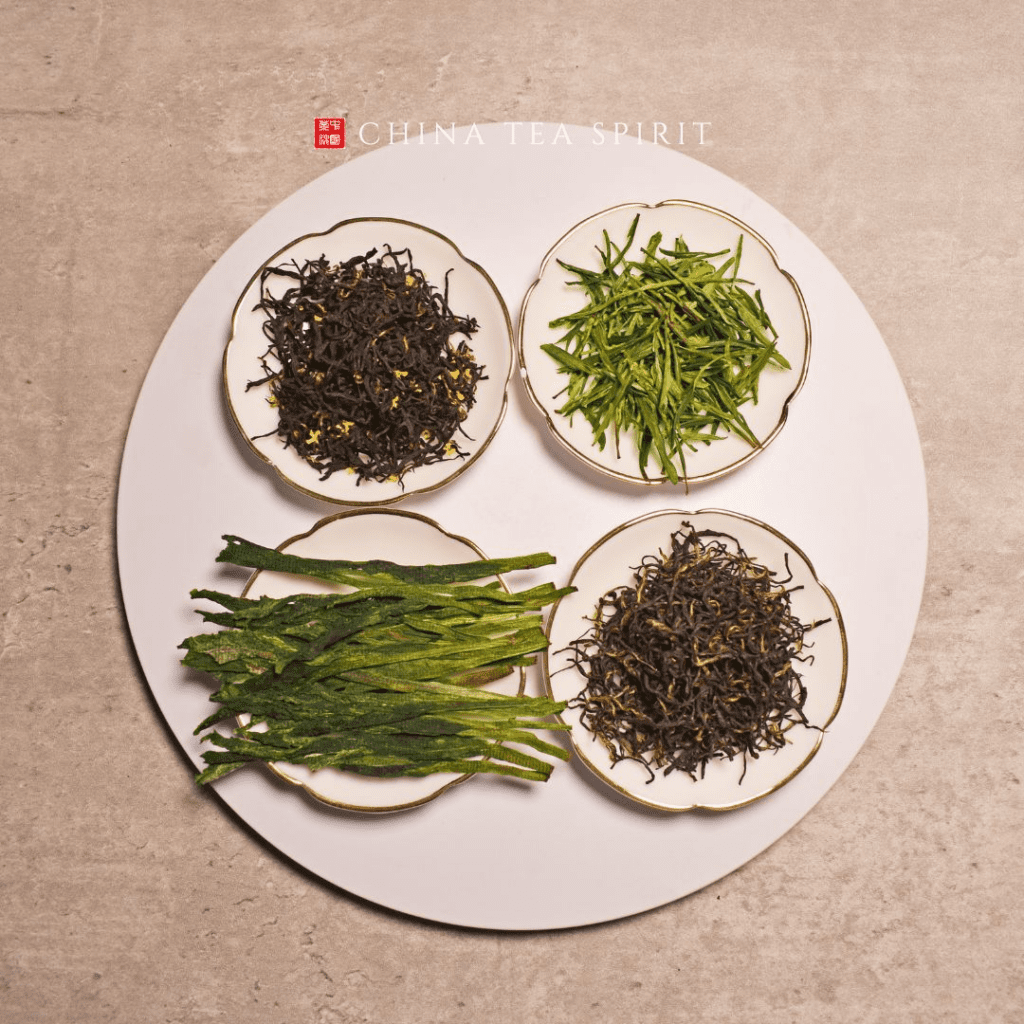
Rozumiemy, że znalezienie idealnej herbaty może być osobistą podróżą, dlatego oferujemy nasz zestaw próbek. Dzięki niemu możesz poznać różnorodne smaki herbat Huang Shan i odkryć tę, która najbardziej przypadnie Ci do gustu.
Każda z tych herbat pochodzi bezpośrednio od plantatorów herbaty i jest przez nich produkowana, co gwarantuje jej jakość i autentyczny smak.
Zestaw próbek zawierający: Huang Shan Mao Feng – 10 g Tai Ping Hou Kui – 10 g Keemun Mao Feng – 10 g Osmanthus Keemun – 10 g
Z niecierpliwością czekamy na Wasze opinie na temat naszych herbat. Dołączcie do nas w tej podróży i pozwólcie nam być Waszym przewodnikiem podczas odkrywania czarującego świata herbat z Huang Shan.
Należy pamiętać, że herbata i akcesoria do parzenia herbaty zostaną wysłane w oddzielnych paczkach zgodnie z wymogami celnymi. Zazwyczaj herbata dociera nieco później niż akcesoria do parzenia herbaty.
Drodzy klienci,
Jeśli podczas realizacji zamówienia wystąpiły jakiekolwiek problemy, prosimy o kontakt pod adresem [email protected]. A my Ci w tym pomożemy.
Poniżej przedstawiamy listę typowych błędów związanych z płatnościami oraz sposoby ich rozwiązania, które mogą Państwu pomóc.
#1: Firma China Tea Spirit nie realizuje wysyłek do tej lokalizacji. Prosimy o podanie innego adresu.
Jest to znany błąd serwisu PayPal. Występuje on losowo. Jeśli pojawił się u Ciebie ten komunikat o błędzie, skontaktuj się z nami pod adresem [email protected]. Zajmiemy się tym za Ciebie.
The name covers a surprisingly wide range of aromas. Understanding the difference between yellowing and roasting makes that range much easier to enjoy.
A description of yellow tea can promise something gentle and sweet. Another can conjure up toasted grain or the crisp edge of cooked rice. Both can belong to the same tea category. Before deciding that one description must be wrong, it helps to ask what happened to the leaves between picking and packing.
“Yellow tea” gives us a starting point. It leaves a great deal of the story untold.
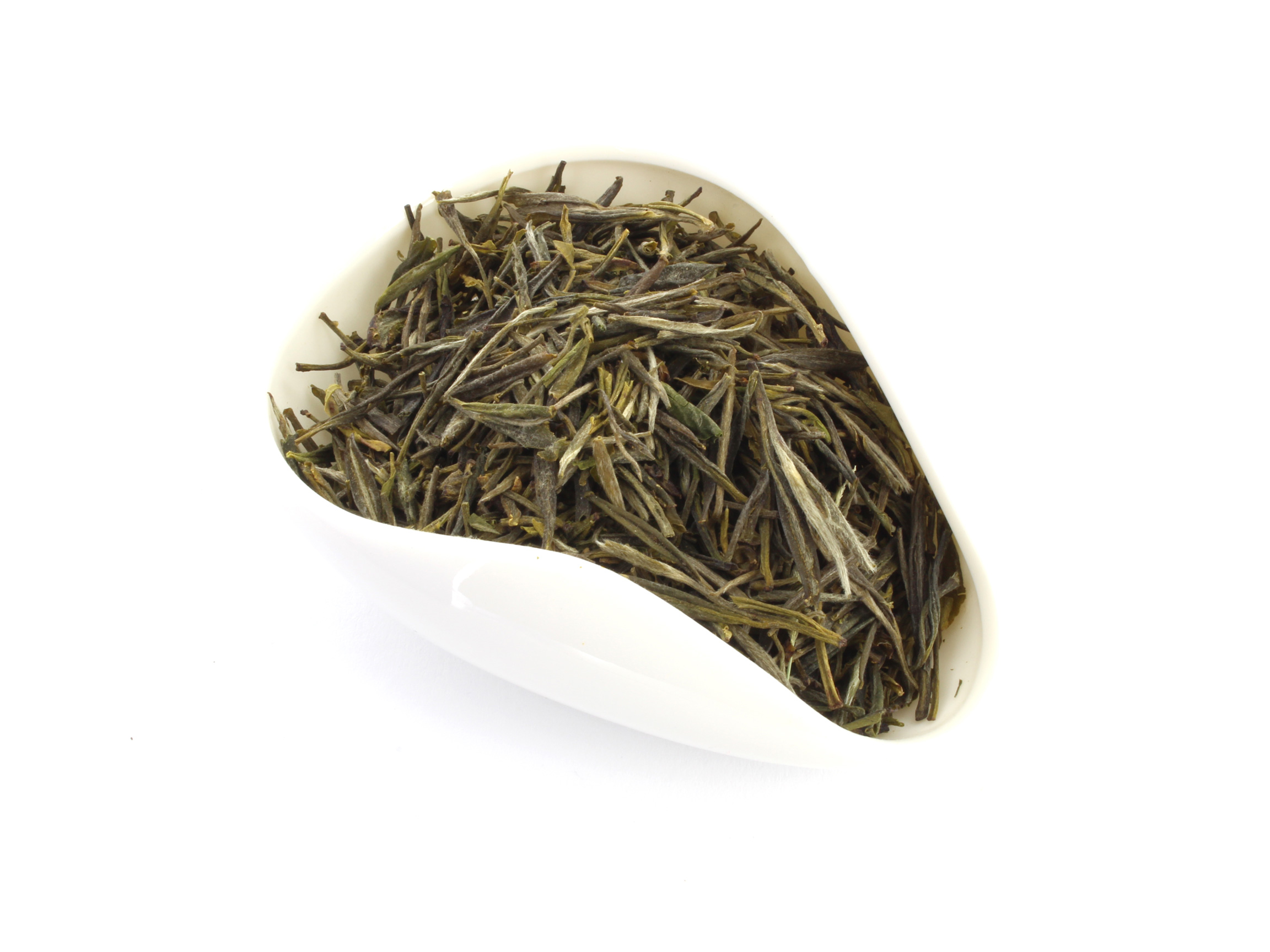
Chinese yellow tea identified by the photographer as “Huang Ya.” Its precise origin is unspecified. Photograph: KirillK / Wikimedia Commons, CC0.
A warm, deliberate pause
The defining operation is yellowing, or menhuang (闷黄): a controlled period of warm, moist conditions during manufacture. Temperature, moisture, time and ventilation all matter. Change those conditions and the result changes too. The word names a process with choices inside it, rather than a single recipe shared by every producer.
A broad scientific review describes refreshing, sweet aromas in bud and small-leaf yellow teas, alongside a crispy-rice character associated with roasting in large-leaf examples. That range is worth keeping in mind before treating “delicate” as a universal requirement. The review appeared online in April 2023 and in a 2024 journal issue. Read the review.
For a drinker, the useful question is what kind of character the maker was trying to develop. A fragrant, restrained tea and a deeply roasted one invite different expectations. Judging both against the same imagined cup can make an intentional style seem like a disappointment.
What happened to the grassy aroma?
A study published in February 2026 followed Mengding bud yellow tea through production. Researchers combined sensory assessment with chemical analysis, identifying yellowing as an important point in the shift from grassy aromas toward sweet and umami-associated qualities. They also investigated aroma compounds and the transformations contributing to that development. Read the Mengding study.
There is something compelling about that shift: part of the craft takes place during a hold, when the leaves may appear to be doing very little. Time under controlled conditions is productive work.
This was research on a particular tea and manufacturing sequence. It does not establish that every yellow tea should smell identical, or that a tea described as sweet must have a sugary taste. An aroma description tells us what a smell recalls; it is not a measurement of sweetness in the cup.
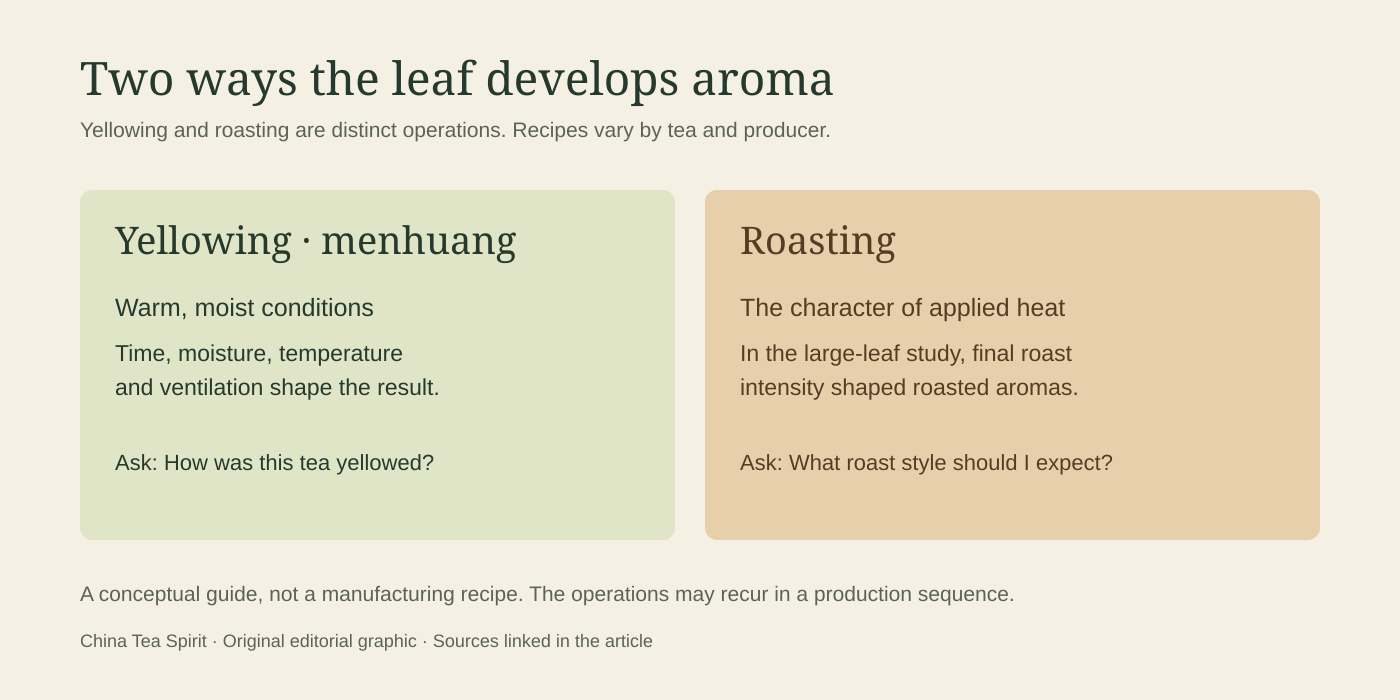
Two operations, two useful questions. This explanatory graphic is a conceptual guide, not a production recipe or a reproduction of either study’s figures.
The grain-like side of the family
For a different view, consider large-leaf yellow tea, or huangdacha. In a 2025 industrial-scale study, researchers followed tea made in Lu’an, Anhui, using shoots with a bud and more than three leaves. The manufacturing sequence included repeated yellowing and roasting, with different final roast levels examined.
The final roasting stage mattered greatly. Pyrazines associated with roasted notes formed chiefly during that stage and increased with roasting intensity; some floral compounds declined over manufacture. The sensory assessment included malty, roasted, caramel-like and cooked-corn descriptions. Read the large-leaf study.
This gives “toasted grain” a firmer explanation than simply calling it the taste of yellowing. Yellowing and roasting both helped shape these samples, and their contributions need to be understood separately.
It also changes how we look at the leaves. A larger plucking standard need not be judged as an unsuccessful attempt at a bud tea. Here, it was the starting material for a different product. The interesting question is how well the finished tea expresses its intended character.
Put the descriptions beside the cups
A small comparison can make these distinctions more tangible. Choose two named yellow teas with clearly different descriptions, ideally one emphasizing sweet fragrance and another emphasizing roast. Keep the packaging nearby and begin with each producer’s brewing guidance. Treat the exercise as a conversation with the descriptions rather than an exam with one correct answer.
First, write down what you notice before rereading the tasting notes. Does the fragrance suggest flowers, vegetables, grain, or something else entirely? Then separate that impression from the experience of drinking: how does the liquid feel, and what remains after swallowing?
If “roasted” is the first word that comes to mind, look for a second one. Is it closer to bread crust, toasted rice, or a sharper charred edge? These are prompts for your own observations, not a checklist that every sample should satisfy.
A useful seller should be able to give more than a colour category: the tea’s name, origin, leaf material and, where known, its processing or roast style. Those details make it easier to choose the next cup without demanding that every yellow tea deliver the same pleasure.
The label opens the door. The maker’s decisions explain what is waiting inside.