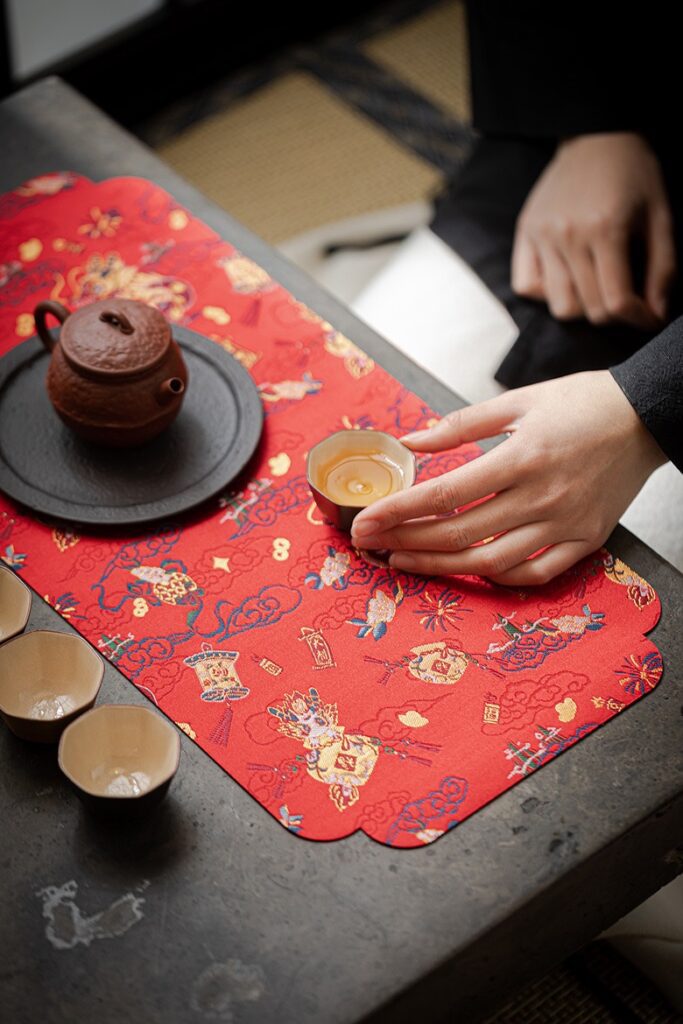
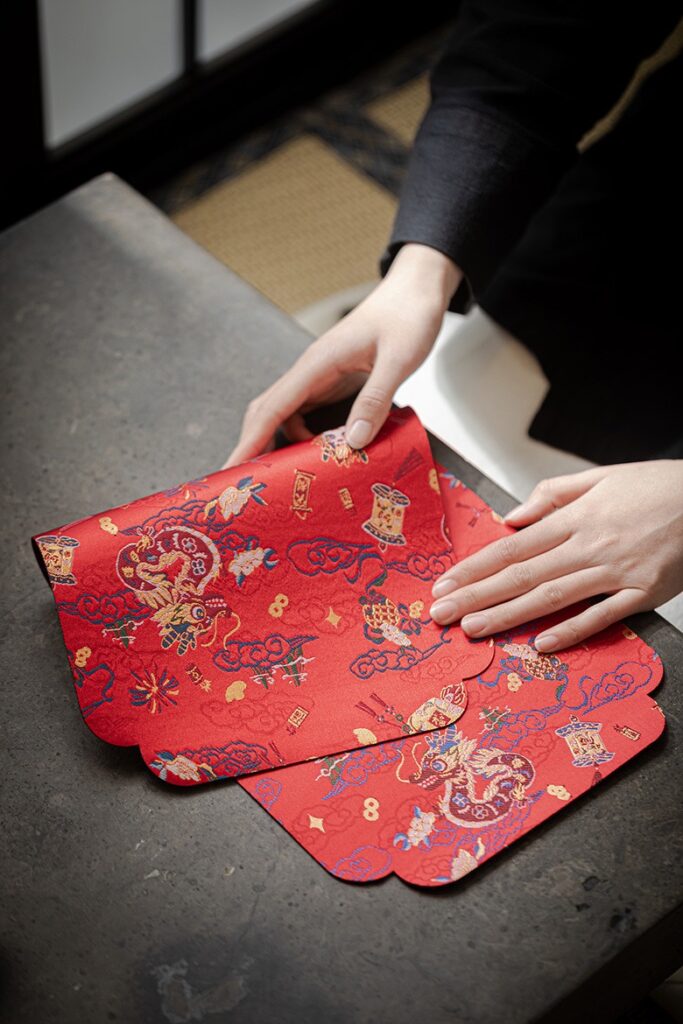
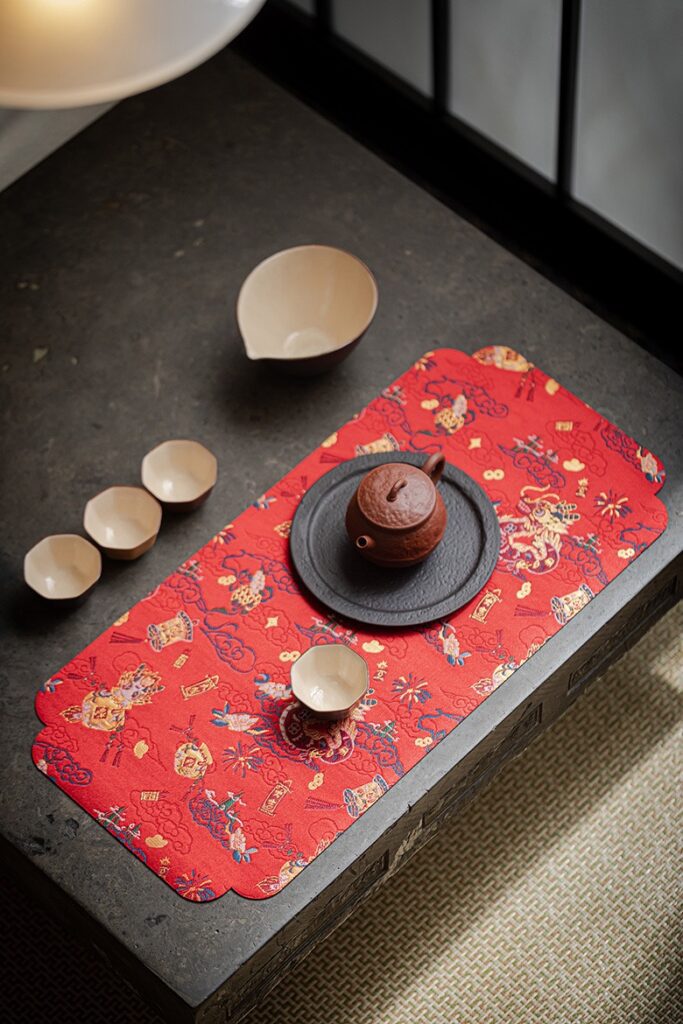
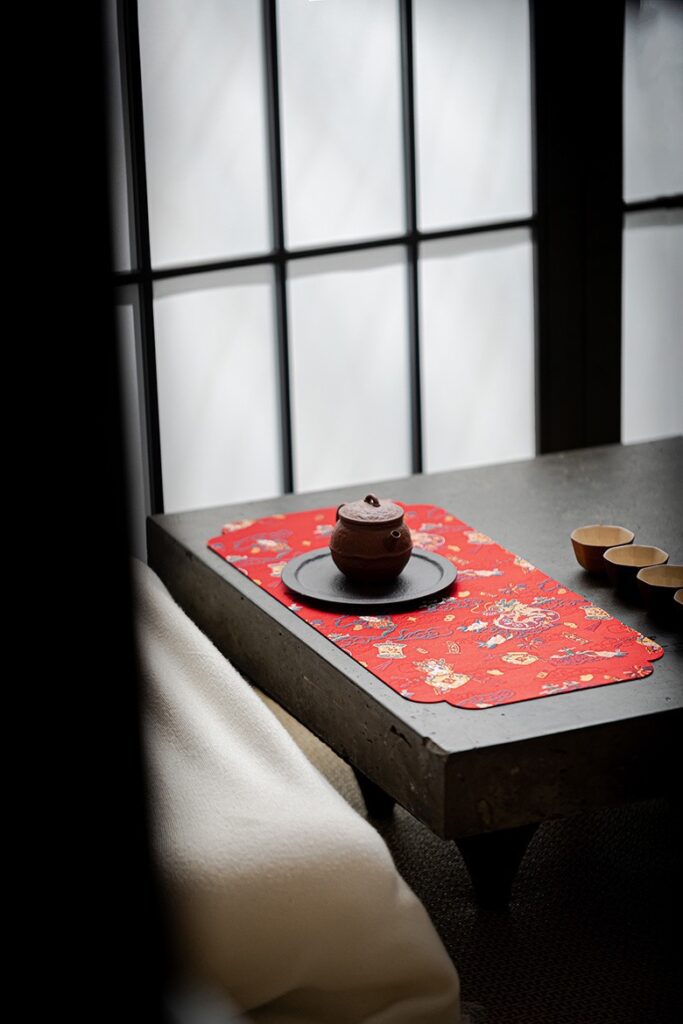
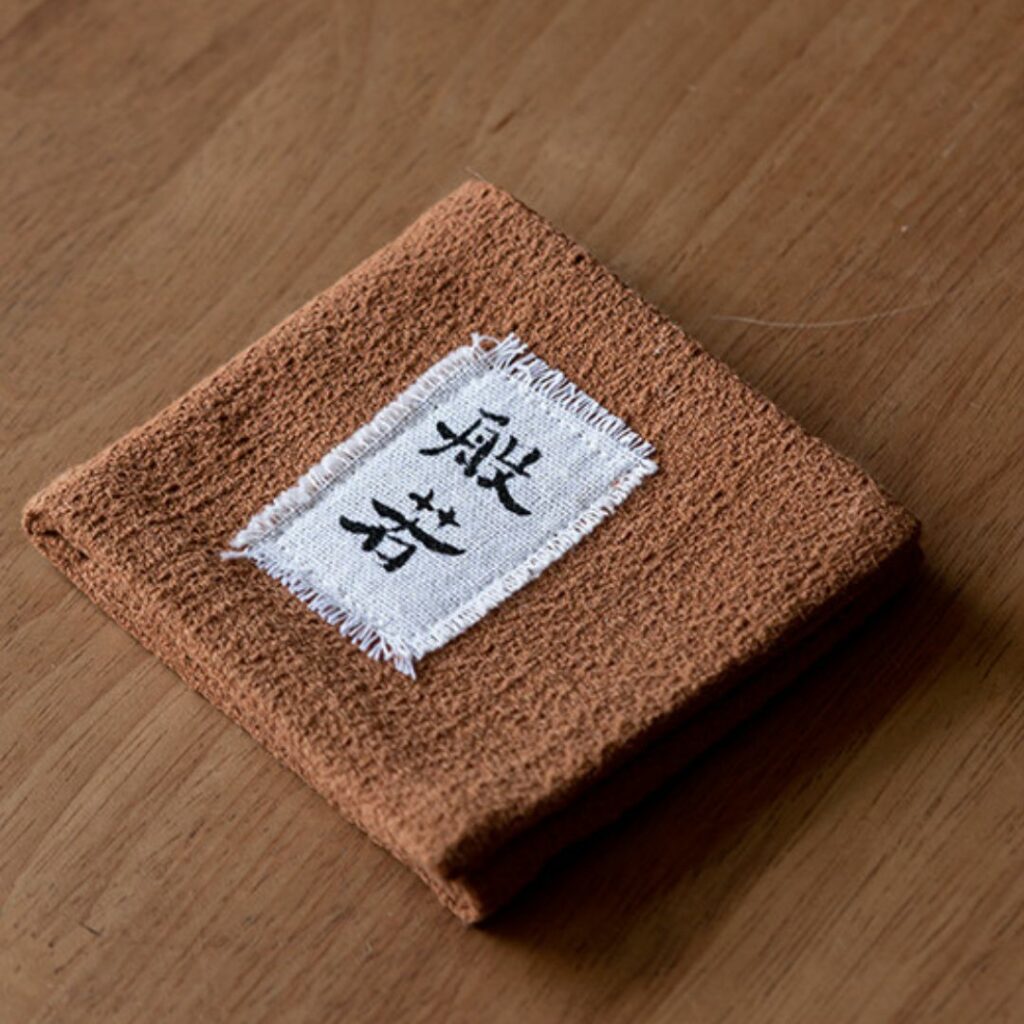
مرحبًا يا عشاق الشاي! 🐉✨ أخبار مثيرة مع دخولنا «عام التنين» 2024 — عند شراء إبريق شاي «ييشينغ»، نهديكم مفرش شاي حصري بتصميم «عام التنين» لإضفاء لمسة إضافية على طقوس الشاي الخاصة بكم. هذه طريقتنا للاحتفال معكم، لكن تذكروا أن هذا العرض متاح لفترة محدودة! لا تفوتوا فرصة جعل جلسات الشاي الخاصة بكم أكثر تميزًا مع هذه الإضافة السحرية. 🍵💫
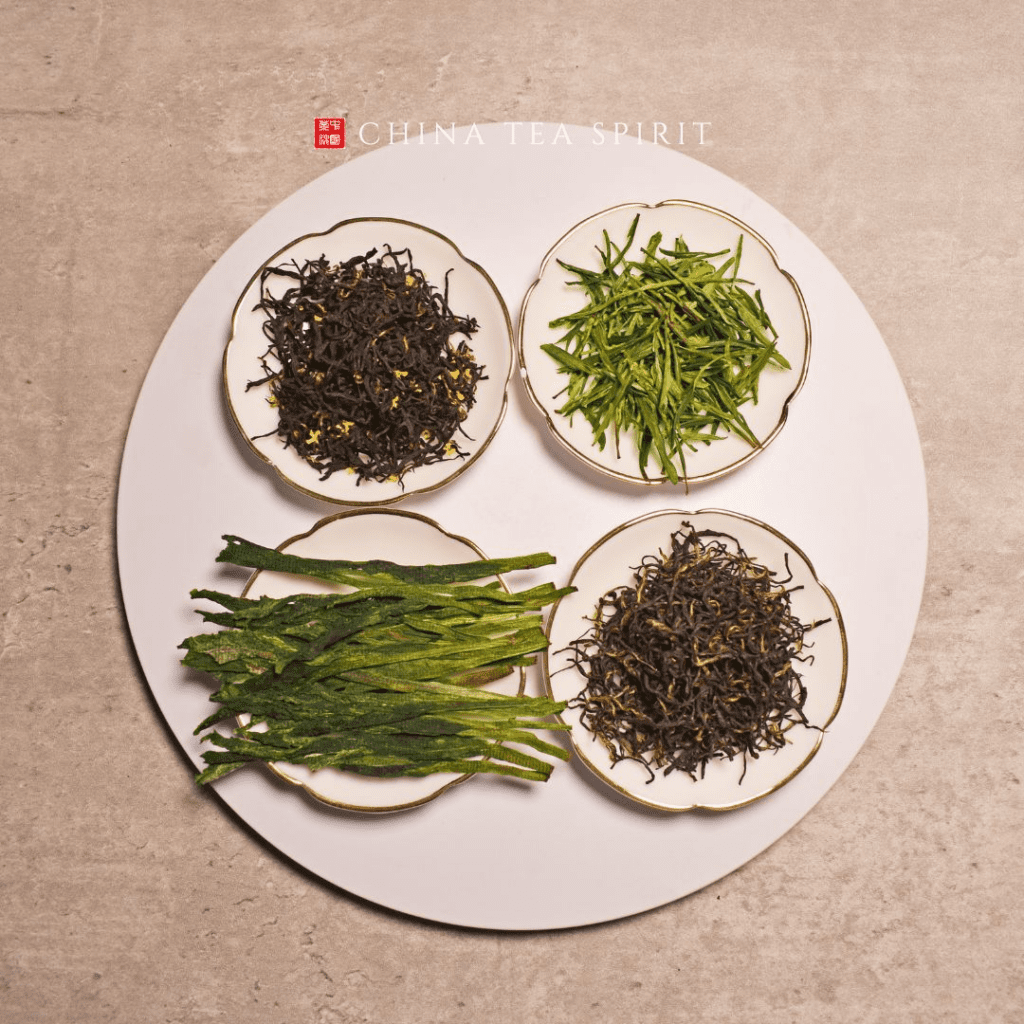
مرحبًا يا عشاق الشاي! على الرغم من أن الكثيرين منكم يعرفوننا كشركة متخصصة في أدوات الشاي الصينية الفاخرة، إلا أننا متخصصون أيضًا في أنواع الشاي من منطقة هوانغ شان. وتُعد هوانغ شان موطنًا لأشهر أنواع الشاي الصيني – هوانغ شان ماو فنغ، وكيمون، وتاي بينغ هو كوي. وبصفتنا من سكان هذا المكان الخلاب، فإننا نتمتع بارتباط عميق بهذه الأرض وتراثها الغني في مجال الشاي.
نحن ندرك أن العثور على الشاي المثالي قد يكون رحلة شخصية، ولهذا السبب نقدم حزمة العينات الخاصة بنا. فهي تتيح لك استكشاف النكهات المتنوعة لشاي هوانغ شان واكتشاف النوع الذي يرضي ذوقك.
يتم الحصول على كل نوع من أنواع الشاي وإنتاجه مباشرةً من مزارعي الشاي، مما يضمن جودته ومذاقه الأصيل.
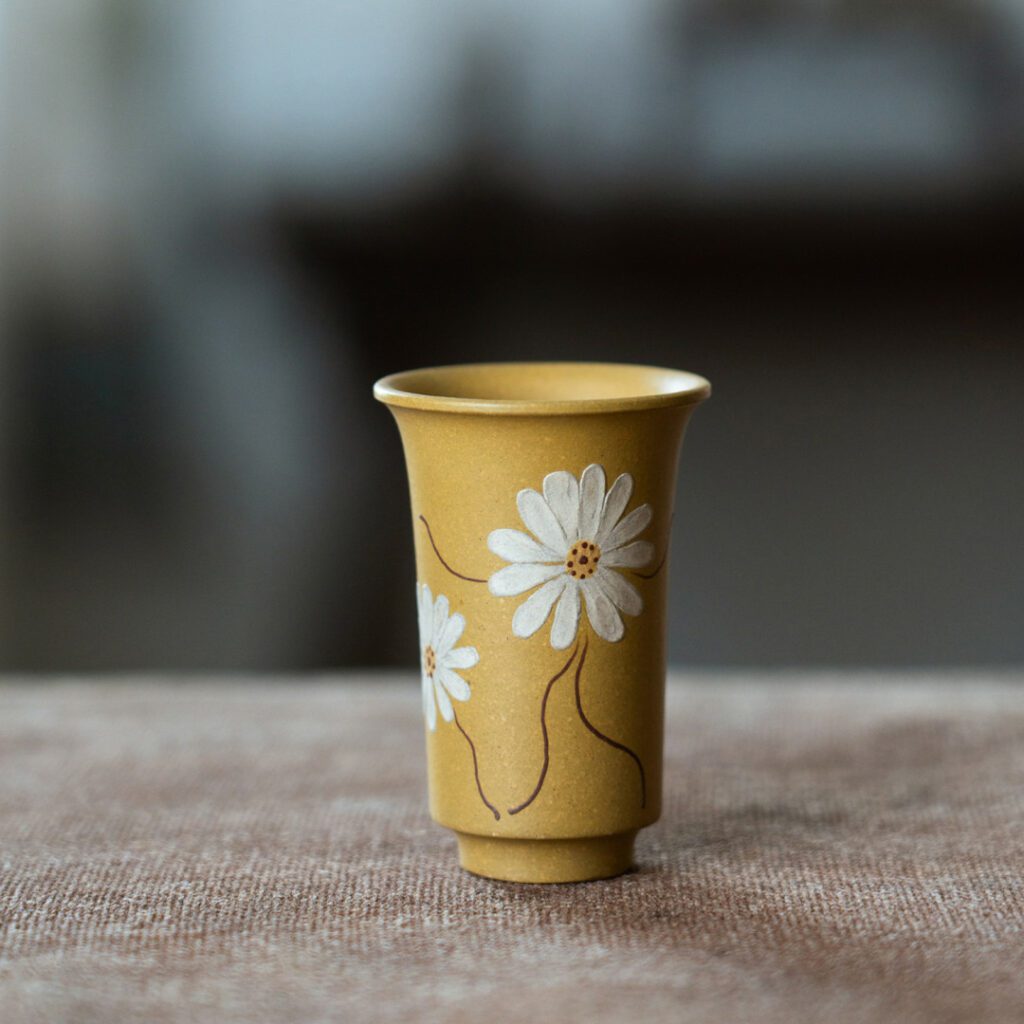
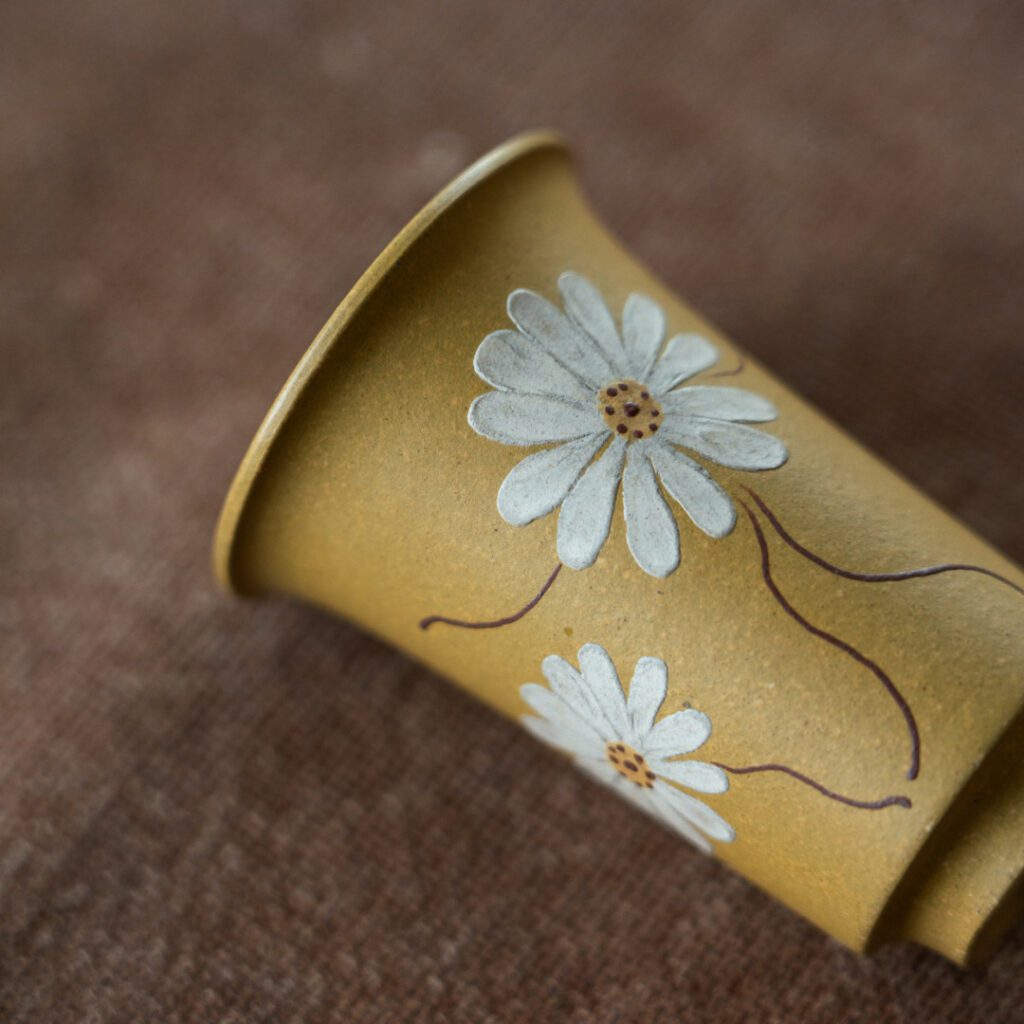
في عالم الشاي، تُعد الأواني التي نستخدمها أكثر بكثير من مجرد حاويات؛ فهي تعبر عن الاحترام لكل من الشاي ومن يشربه. فكل فنجان شاي يجسد روح وأسلوب حياة الشعب الصيني. خذ على سبيل المثال الشاعر باي جويي من عصر أسرة تانغ، الذي كان يجلس بجانب نبع جبلي، يحضر الشاي ويستمتع بمشاهدة المياه الصافية. أو سو شي من عصر أسرة سونغ، الذي كان يستمتع بالشاي الطازج تحت النسيم العليل، ويؤلف الشعر ويستمتع باللحظة. أما وين تشنغ مينغ من عصر أسرة مينغ، فقد كان يقدّر مذاق الشاي، ويحضّره بيديه لالتقاط جوهر الهدوء العابر.
الشاي، الذي كان في الأصل نباتًا بريًّا، ارتقى إلى مرتبة الفن من خلال كتابات لو يو وأشعار لو تونغ. فقد حوّلت أعمالهما، “كتاب الشاي” و“رسالة في الشاي”، الشاي من مجرد مشروب بسيط إلى رمز ثقافي. وتراوحت ممارسات شرب الشاي في الصين بين العادات الفاخرة لنبلاء عصر أسرة تانغ، والخلوات الهادئة لعلماء ورهبان عصري أسرتي مينغ وتشينغ. وأصبحت هذه الورقة السحرية القادمة من الشرق رمزاً للنقاء ووسيلة ثقافية مثالية.
للتأكيد على الأهمية الروحية للشاي، صمم لو يو أدوات الشاي، وأرسى طقوس الشاي، ووضع مجموعة من الشعائر المتعلقة به. وتطورت هذه الممارسات لتصبح تقاليد شاي متنوعة، مما مهد الطريق نحو التجاوز الروحي. كان الهدف من كل جانب من جوانب هذه التصاميم هو غمر المرء في حالة ذهنية معينة. فأدوات الشاي، ومراسم الشاي، وطقوس الشاي، وتقاليد الشاي، كلها تهدف إلى إظهار الشاي والفرد في أفضل حالاتهما، مما أدى إلى ابتكار العديد من أدوات الشاي الرائعة التي لا توصف.
أواني الشاي بالنسبة للشاي هي مثل الأب بالنسبة لابنه، بينما الماء هو الأم. عندما تمسك بكوب شاي من طراز «جيان تشان» يعود إلى عهد أسرة سونغ، قد تلاحظ أن مذاق الشاي يبدو أكثر ثراءً وتعقيدًا. قد يكون هذا مجرد انطباع خادع، أو ربما كان القدماء يفهمون العلاقة بين الشاي وأوانيه بشكل أفضل مما نفهمه نحن اليوم. بدافع الفضول، سألتُ عدة أشخاص يستخدمون أدوات الشاي القديمة، وأكدت إجاباتهم ما شعرتُ به: إن أدوات الشاي تعزز بالفعل رائحة الشاي. وأعتقد أن هذا هو الجوهر الحقيقي لأدوات الشاي.
تجسد أدوات الشاي جمال الفائدة العملية وجمال ما هو غير ملموس في آن واحد. إن جعل الشاي أكثر عطرية ونكهة هو جمال الجانب العملي، بينما إضفاء الروح والسحر على الوعاء هو جمال الجانب غير الملموس. وعندما تمسك بكوب شاي من عصر أسرة سونغ، يمكنك أن ترى الأنماط الساحرة والمذهلة، وتتساءل كيف استطاع القدماء أن يضفوا نواياهم في شيء بهذه البساطة.
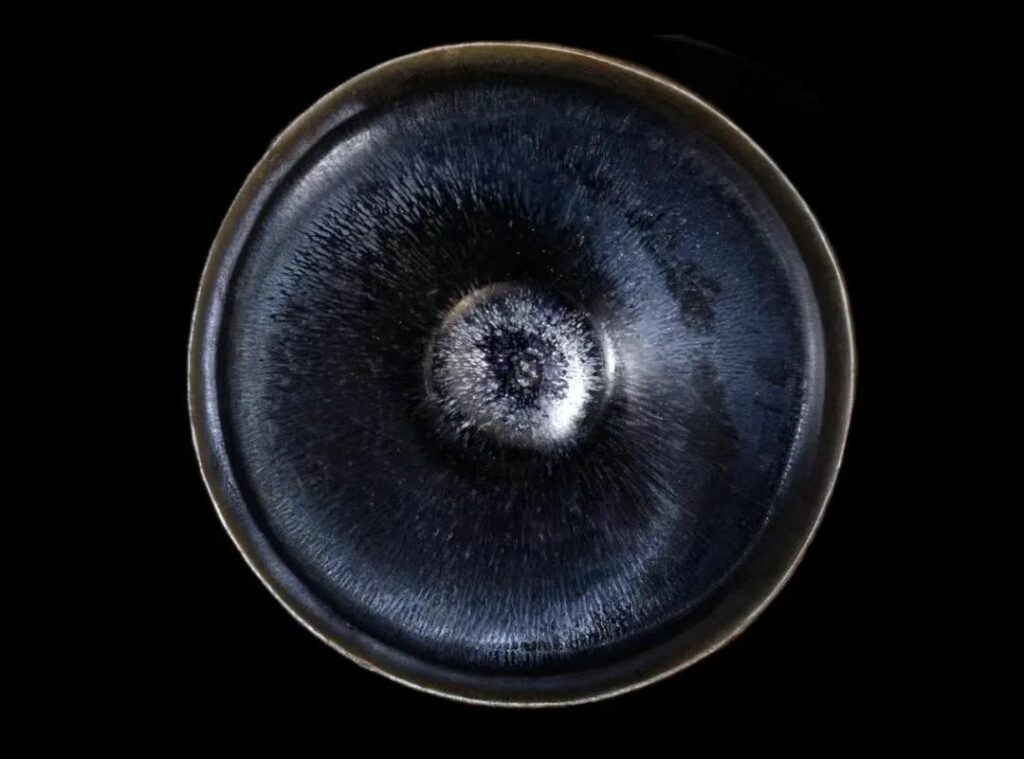
فنجان شاي «غونغفو» ذو الشعيرات الفضية من عصر أسرة سونغ
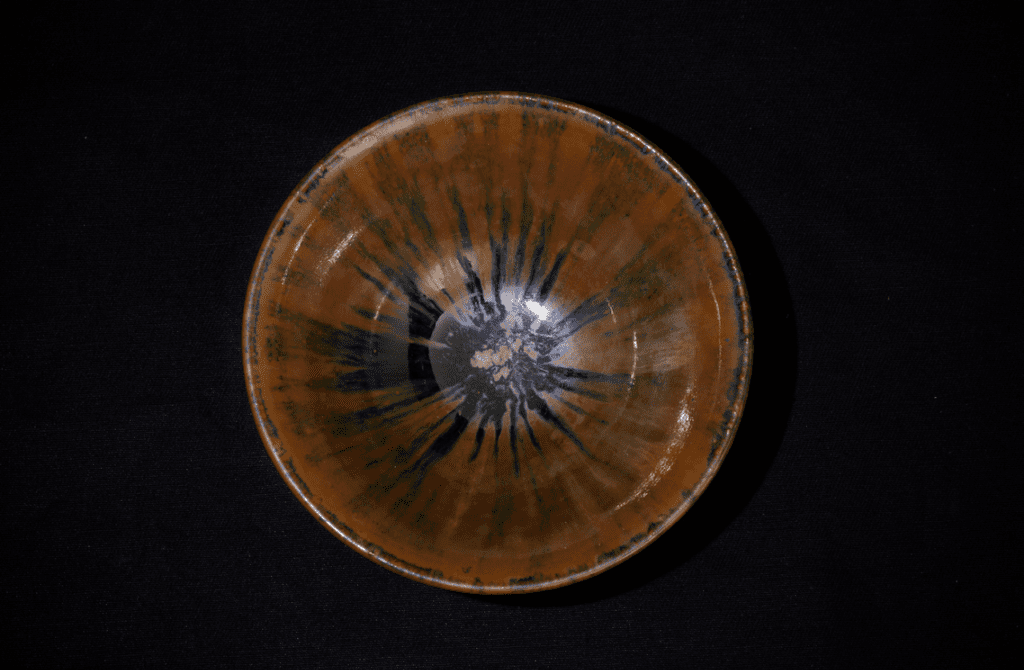
فنجان شاي من عصر أسرة سونغ الشمالية مزخرف بنقوش تشبه الصدأ