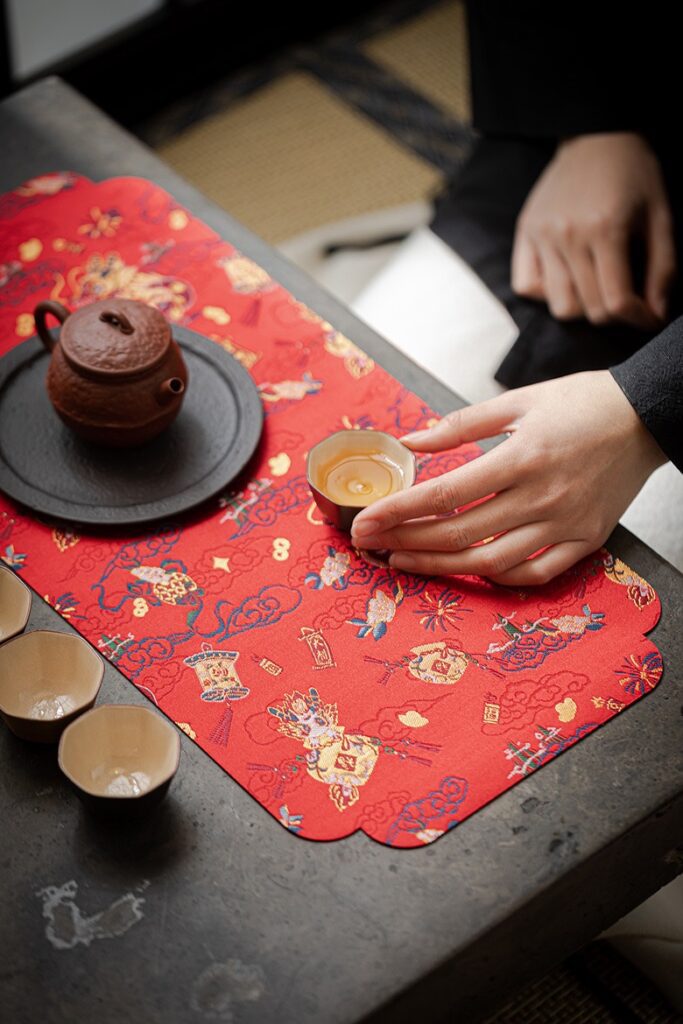
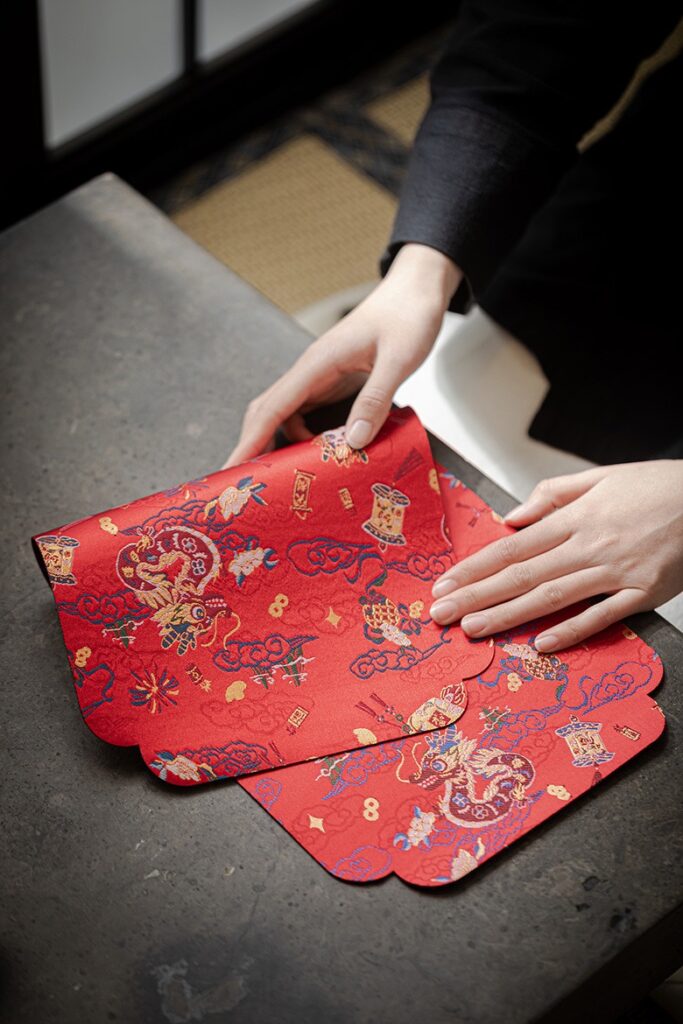
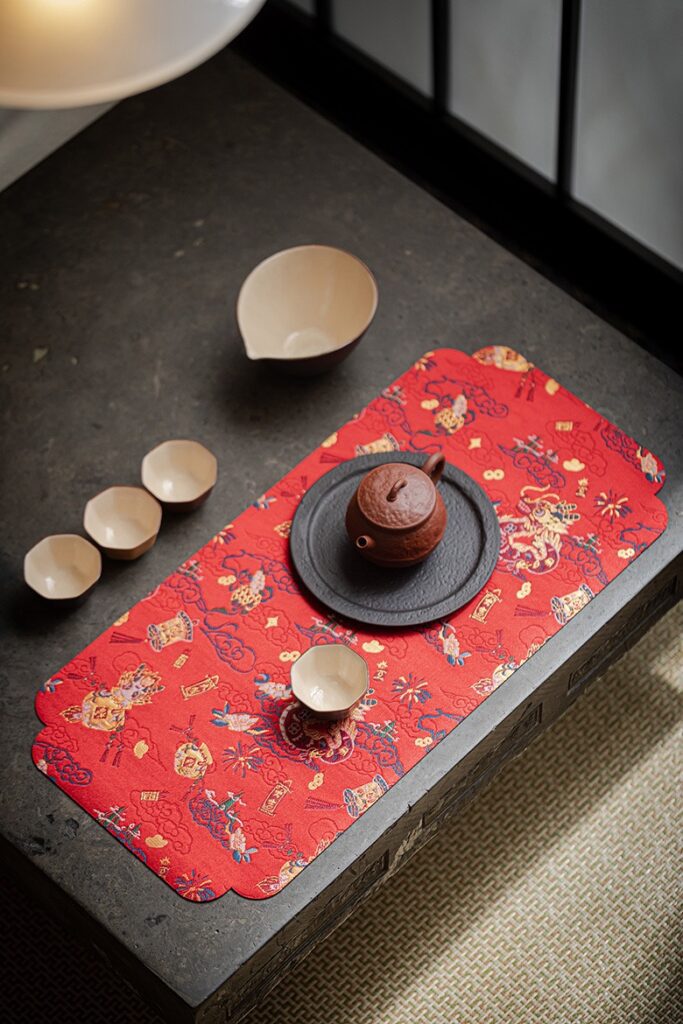
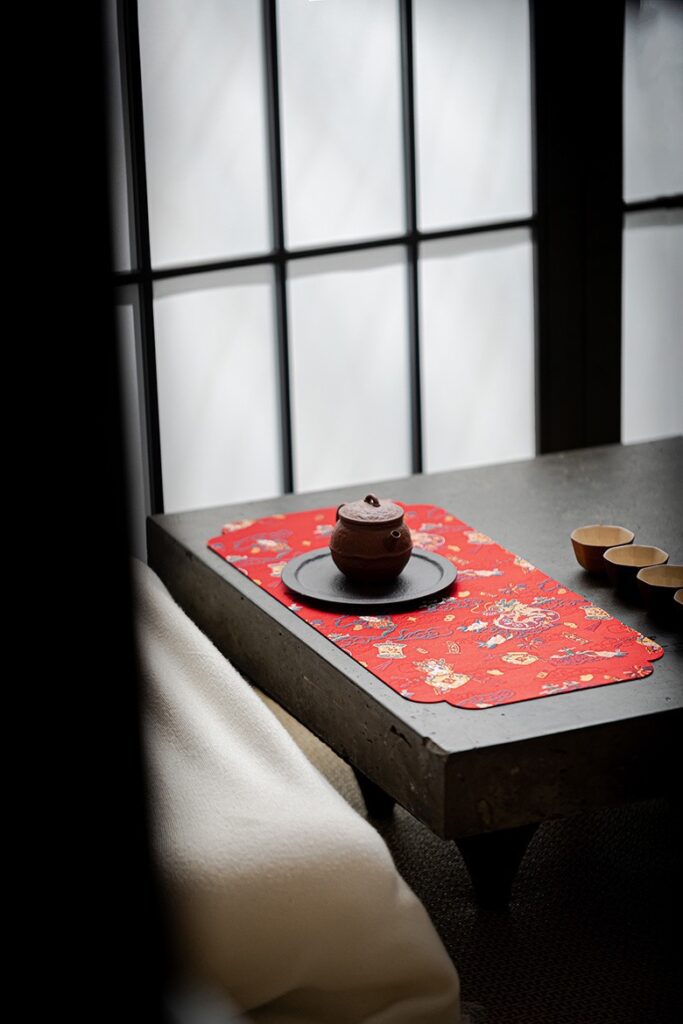
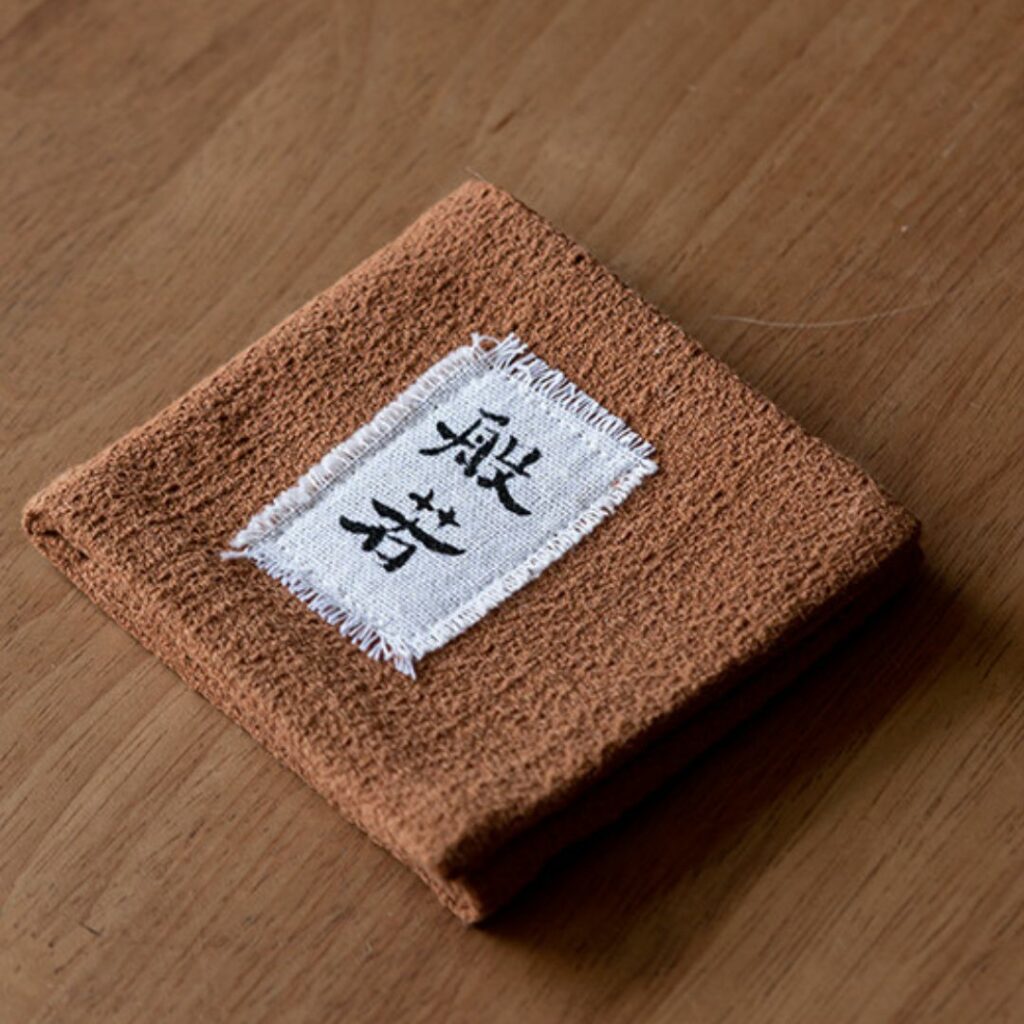
مرحبًا يا عشاق الشاي! 🐉✨ أخبار مثيرة مع دخولنا «عام التنين» 2024 — عند شراء إبريق شاي «ييشينغ»، نهديكم مفرش شاي حصري بتصميم «عام التنين» لإضفاء لمسة إضافية على طقوس الشاي الخاصة بكم. هذه طريقتنا للاحتفال معكم، لكن تذكروا أن هذا العرض متاح لفترة محدودة! لا تفوتوا فرصة جعل جلسات الشاي الخاصة بكم أكثر تميزًا مع هذه الإضافة السحرية. 🍵💫
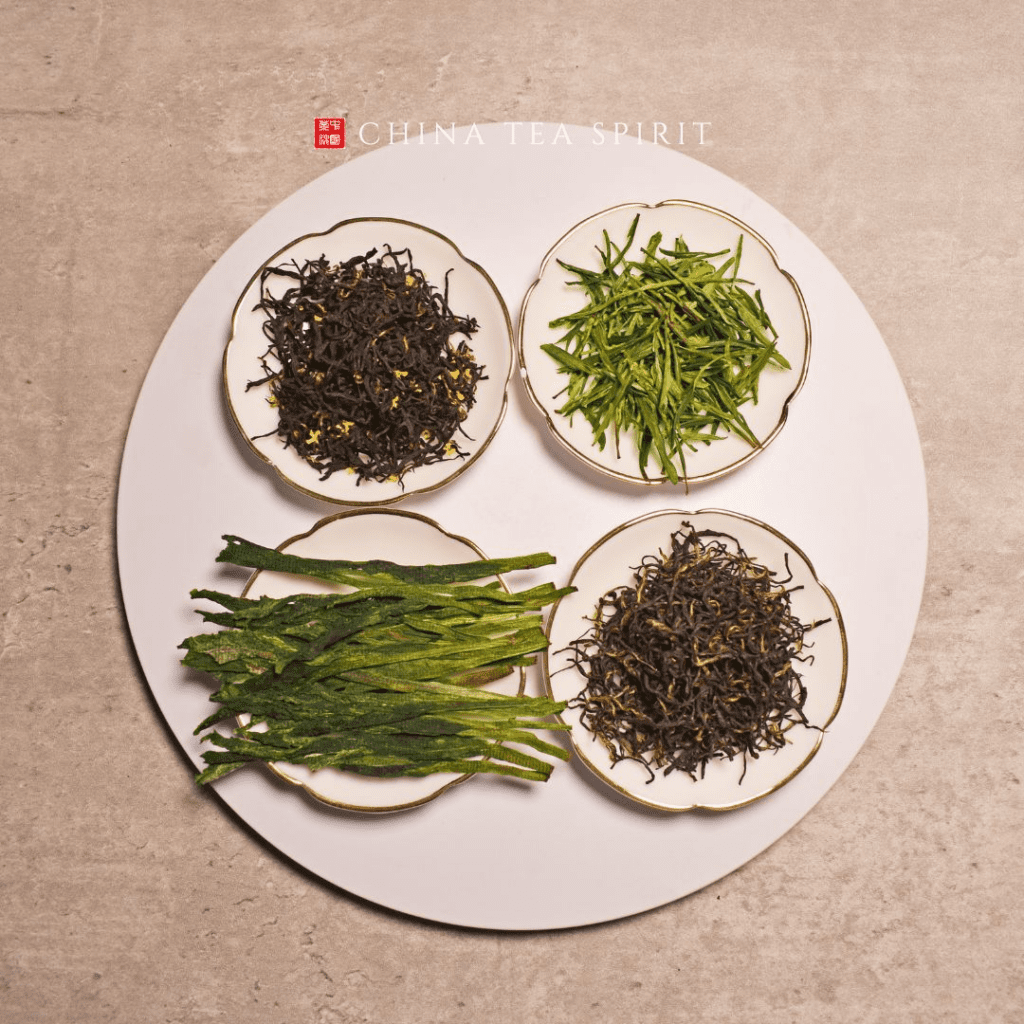
مرحبًا يا عشاق الشاي! على الرغم من أن الكثيرين منكم يعرفوننا كشركة متخصصة في أدوات الشاي الصينية الفاخرة، إلا أننا متخصصون أيضًا في أنواع الشاي من منطقة هوانغ شان. وتُعد هوانغ شان موطنًا لأشهر أنواع الشاي الصيني – هوانغ شان ماو فنغ، وكيمون، وتاي بينغ هو كوي. وبصفتنا من سكان هذا المكان الخلاب، فإننا نتمتع بارتباط عميق بهذه الأرض وتراثها الغني في مجال الشاي.
نحن ندرك أن العثور على الشاي المثالي قد يكون رحلة شخصية، ولهذا السبب نقدم حزمة العينات الخاصة بنا. فهي تتيح لك استكشاف النكهات المتنوعة لشاي هوانغ شان واكتشاف النوع الذي يرضي ذوقك.
يتم الحصول على كل نوع من أنواع الشاي وإنتاجه مباشرةً من مزارعي الشاي، مما يضمن جودته ومذاقه الأصيل.
هذه إحدى سلسلة منشوراتنا حول أشكال إبريق الشاي «ييشينغ». إذا كنت ترغب في الاطلاع على المزيد منها، يرجى الرجوع إلى هذا المنشور لمعرفة المزيد عن أشكال إبريق الشاي من ييشينغ.
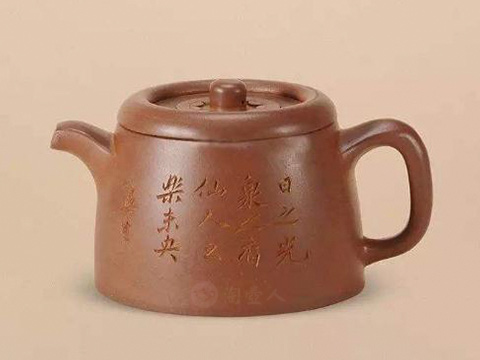
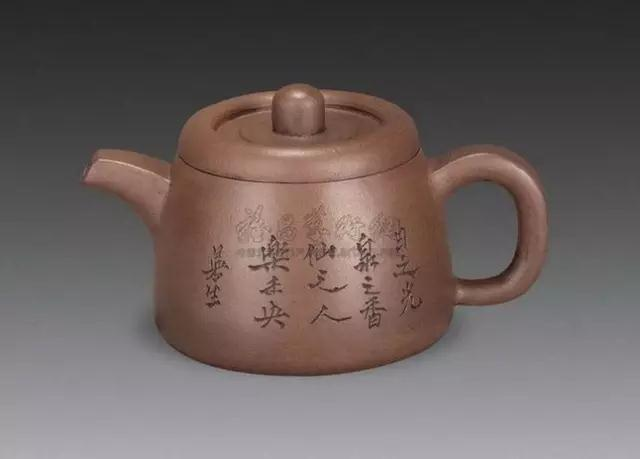
من بين جميع أباريق الشاي من نوع «ييشينغ»، قليلة هي تلك التي تحمل رمزية شعرية مثل جينغ وا (镜瓦) إبريق, ، أو المرايا والبلاط إبريق الشاي. صُنع في عهد أسرة تشينغ على يد تشين مانشنغ (陈鸿寿) والخزاف البارع يانغ بينغنيان (杨彭年), ، إنها واحدة من الأسطورية “ثمانية عشر أسلوبًا من أساليب مانشنغ.”
المصدر الإلهامي: المرايا وبلاط الأسقف
الاسم جينغ وا يأتي من مادتين قديمتين — المرآة البرونزية (镜) وـ بلاط السقف الطيني (瓦). قبل ظهور المرايا البرونزية بوقت طويل، كان الناس في الصين القديمة يستخدمون الأوعية أو الجرار المملوءة بالماء الساكن — أو حتى الأواني الفخارية المزججة — لرؤية انعكاس صورتهم. عندما ظهرت المرايا البرونزية خلال عصر الدول المتحاربة، أصبح مصطلح “مرآة” (鉴) أكثر من مجرد شيء مادي — فقد أصبح استعارةً لـ التأمل الذاتي، والوضوح، والبصيرة الأخلاقية.
لذلك، عندما صمم مانشنغ هذا الإبريق، جمع بين الفكرتين:
“استمد الماء من المرآة، والنعمة من البلاط. فالينبوع يتدفق بلا انقطاع، ويغذي بلا حدود.”
تلك النقش — “المرآة تستقي الماء، والقرميد يحمل النعمة، والينابيع تتدفق، والروي لا حدود له” — لا تزال تظهر على القطع الأصلية. إنها تتحدث عن التناغم بين التأمل والغذاء الروحي، والمعرفة واللطف — وكيف أن الإبداع، مثل النبع، لا ينبغي أن يجف أبدًا.
التصميم والشكل
تجسد إبريق الشاي «جينغ وا» تلك الفلسفة في شكل طيني:
النص: أسطواني الشكل كبلاطة سقف قديمة، ثابت ومتواضع.
الفوهة والمقبض: متوازن وسلس، يجمع بين الأداء العملي والأناقة.
المقبض: صورة مصغرة للجسد نفسه، مما يخلق تناغمًا بصريًّا.
تُعطي جماليتها العامة انطباعًا بسيط لكنه شامل — حوار بين الهندسة والرشاقة. غالبًا ما يرد على الختم السفلي ما يلي: “أمانتو شي 阿曼陀室”, ، بينما يحمل النقش الموجود على طول الجسم قصيدة مانشنغ:
“ضوء الشمس، وعطر الربيع،, ”شخص الخلود، والفرح الذي لا ينتهي."
تبدو كل كلمة وكأنها تأمل — جزء منها شعر، وجزء آخر فلسفة.
من التقاليد إلى الحرف اليدوية الحديثة
وفقًا لـ كتاب المعالم الجغرافية لمقاطعة ييشينغ (كتاب «تاريخ مقاطعة ييشينغ» في عهد غوانغشو), ، كان تشن مانشنغ يشغل منصب قاضي في لييانغ عندما أسفرت صداقته مع يانغ بينغنيان عن إنتاج هذه المجموعة الأيقونية من أباريق الشاي. لقد كان لقاءً مثالياً بين الفكر الأدبي والبراعة الحرفية — اتحاد ساهم في تشكيل ما نسميه اليوم “أسلوب مانشنغ”.”
اليوم، خبير صناعة الفخار لي هانيونغ (李寒勇) يواصل هذا النسب. له جينغ وا تحافظ إعادة التفسير هذه على الكرامة الهادئة للشكل القديم، مع صقل الخطوط والنسب لتتناسب مع الذوق الجمالي المعاصر. إنه يخفف من حدة الأشكال الهندسية، ويخفف من الثقل البصري، ويحقق توازنًا جديدًا بين التاريخ والحس المعاصر.
روح جينغ وا
إن حمل إبريق «جينغ وا» 壶 يعني حمل جزء من الفلسفة:
المرآة يذكرنا بأن ننظر إلى داخل أنفسنا.
البلاطة تربطنا بالأرض التي تحت أقدامنا. وهما معًا يشكلان إناءً — ليس للشاي فحسب، بل للتأمل أيضًا.
إنه إناء يجسد المثل الأعلى لـ «مانشينغ»: الجمال الذي يحمل معنى، والبساطة التي تنبض بالروح.