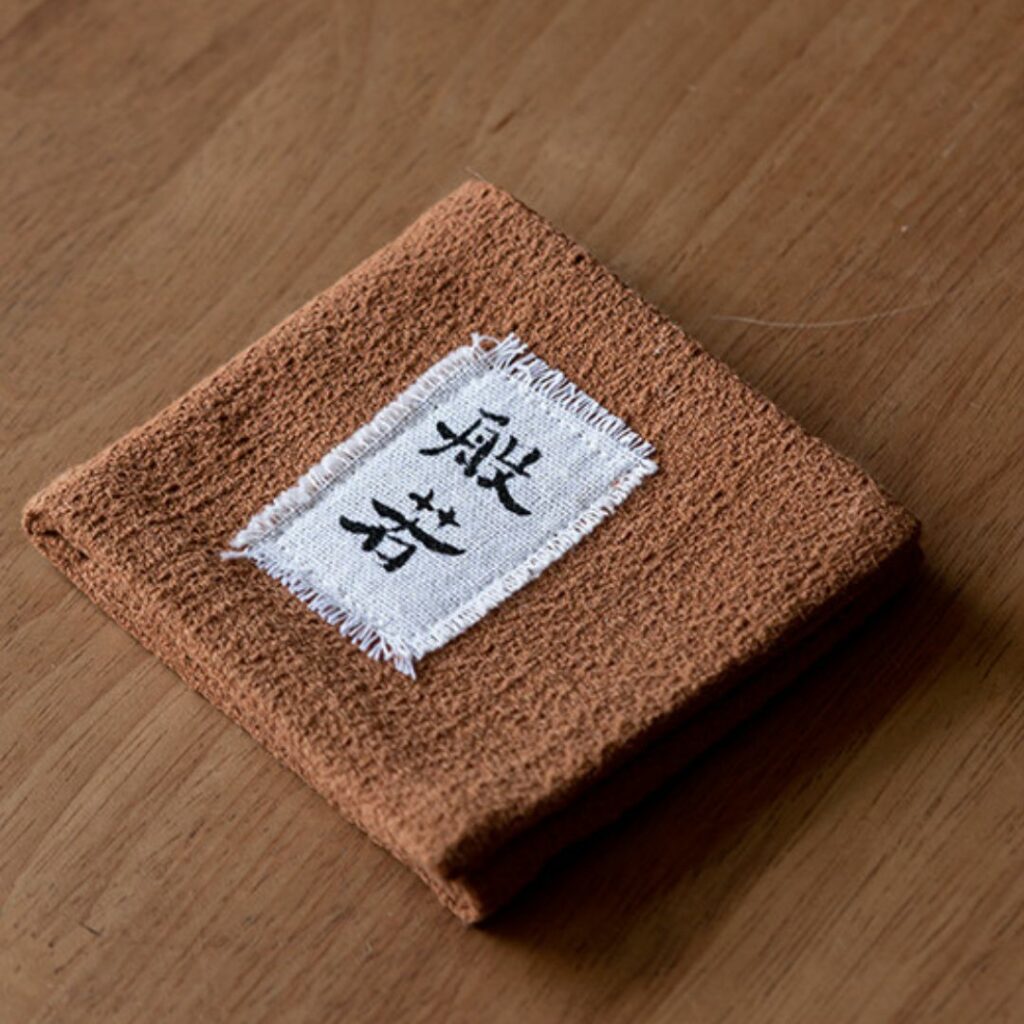
Erhalten Sie ein kostenloses Geschirrtuch ab $49. Abonnieren Sie unseren E-Mail-Newsletter und profitieren Sie von 7% Rabatt! SchließenZum Inhalt springen
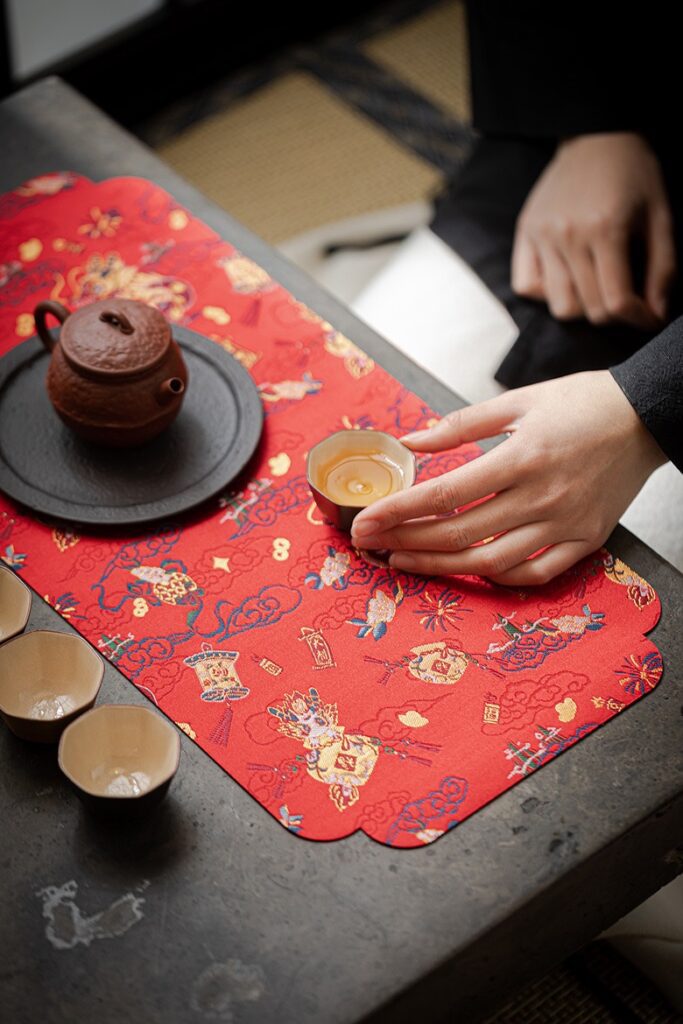
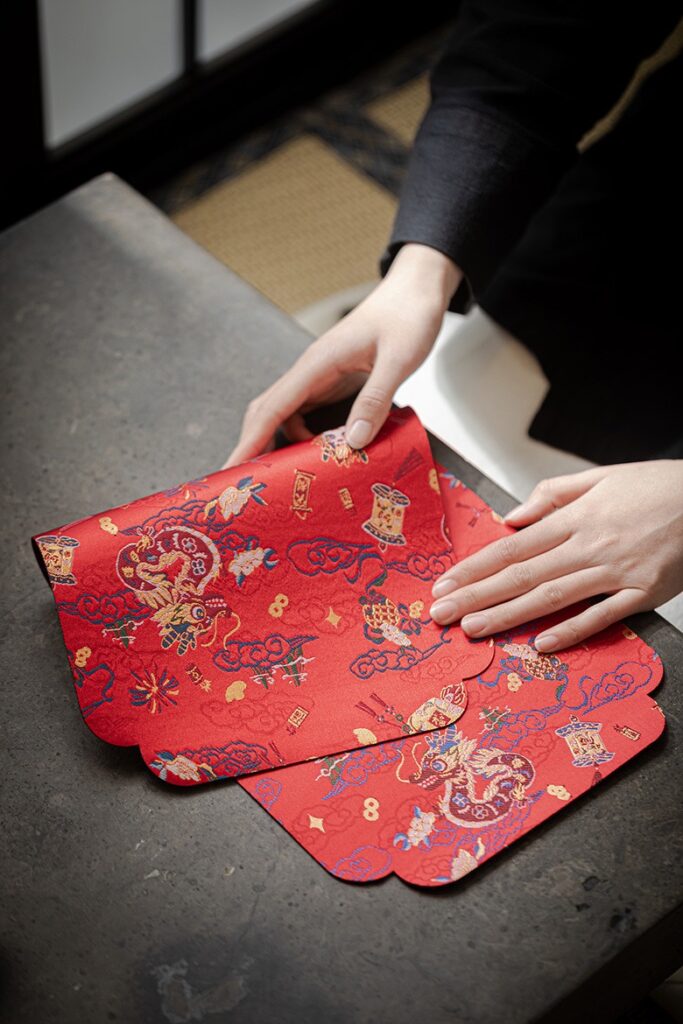
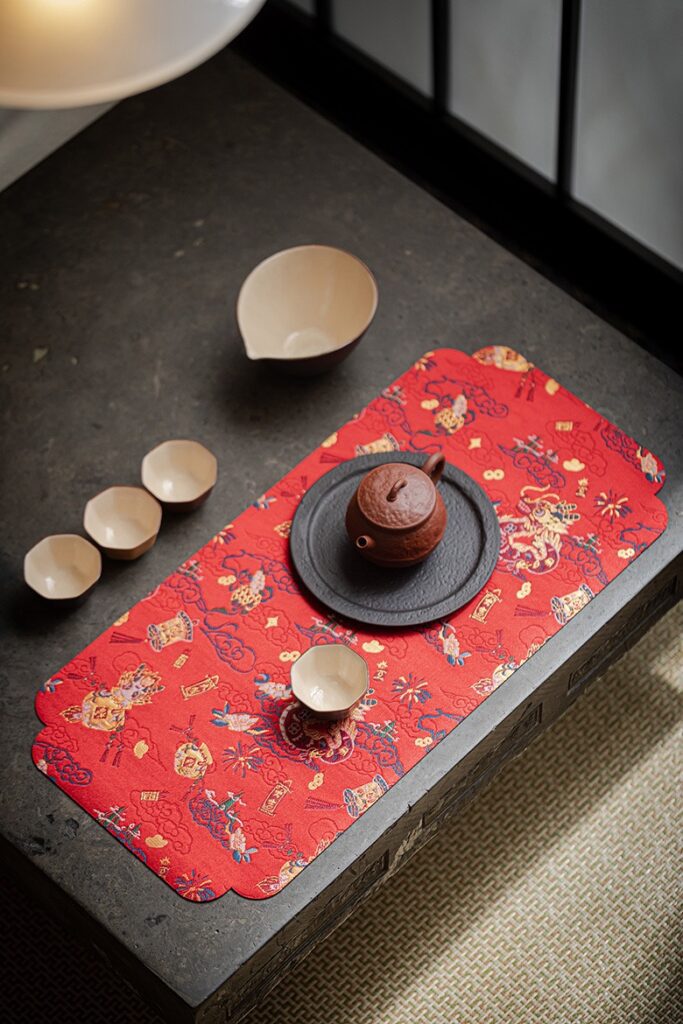
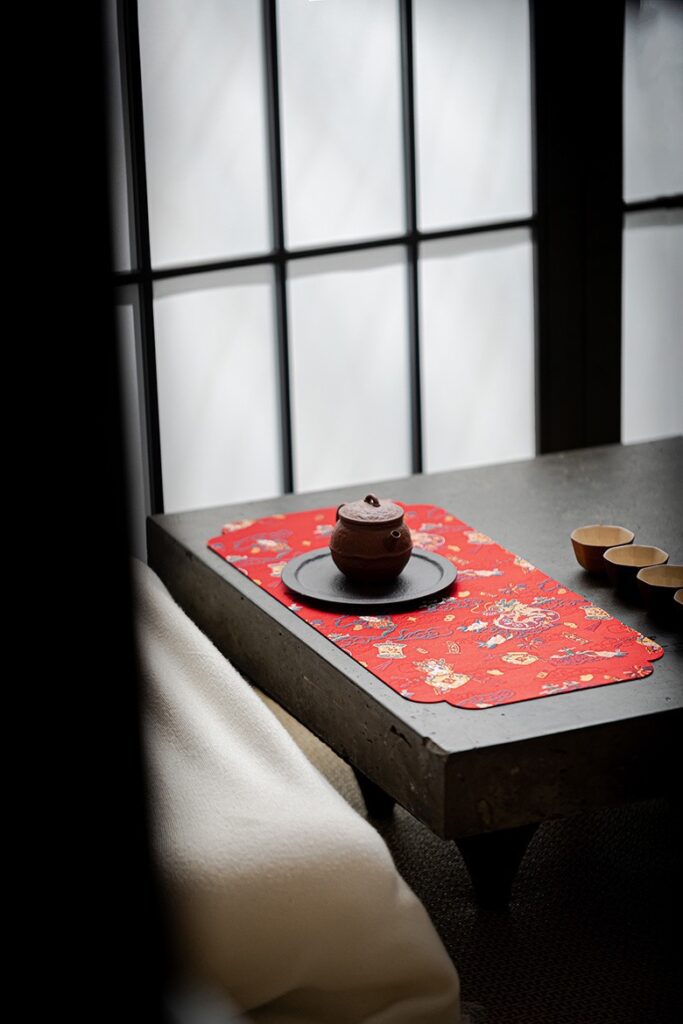
Hallo Teeliebhaber! 🐉✨ Spannende Neuigkeiten zum Start ins Jahr des Drachen 2024 – beim Kauf einer Yixing-Teekanne schenken wir euch eine exklusive Teematte im Stil des Jahres des Drachen, die euren Teeritualen das gewisse Etwas verleiht. So möchten wir gemeinsam mit euch feiern, aber denkt daran: Dieses Angebot gilt nur für begrenzte Zeit! Lasst euch die Gelegenheit nicht entgehen, eure Teestunden mit diesem mystischen Accessoire zu etwas ganz Besonderem zu machen. 🍵💫
Hallo, liebe Teeliebhaber! Viele von euch kennen uns zwar als Anbieter hochwertiger chinesischer Teegeschirre. sind wir auch auf Tees aus der Region Huang Shan spezialisiert. Huang Shan ist die Heimat der berühmtesten chinesischen Teesorten – Huang Shan Mao Feng, Keemun und Tai Ping Hou Kui. Als Einheimische dieses atemberaubenden Ortes haben wir eine tiefe Verbindung zu dieser Gegend und ihrem reichen Tee-Erbe.
Wir wissen, dass die Suche nach dem perfekten Tee eine ganz persönliche Reise sein kann – deshalb bieten wir unser Probierpaket an. Damit können Sie die vielfältigen Aromen der Huang-Shan-Tees erkunden und denjenigen entdecken, der Ihren Geschmack trifft.
Jeder dieser Tees wird direkt von den Teebauern bezogen und verarbeitet, wodurch die Qualität und der authentische Geschmack gewährleistet sind.
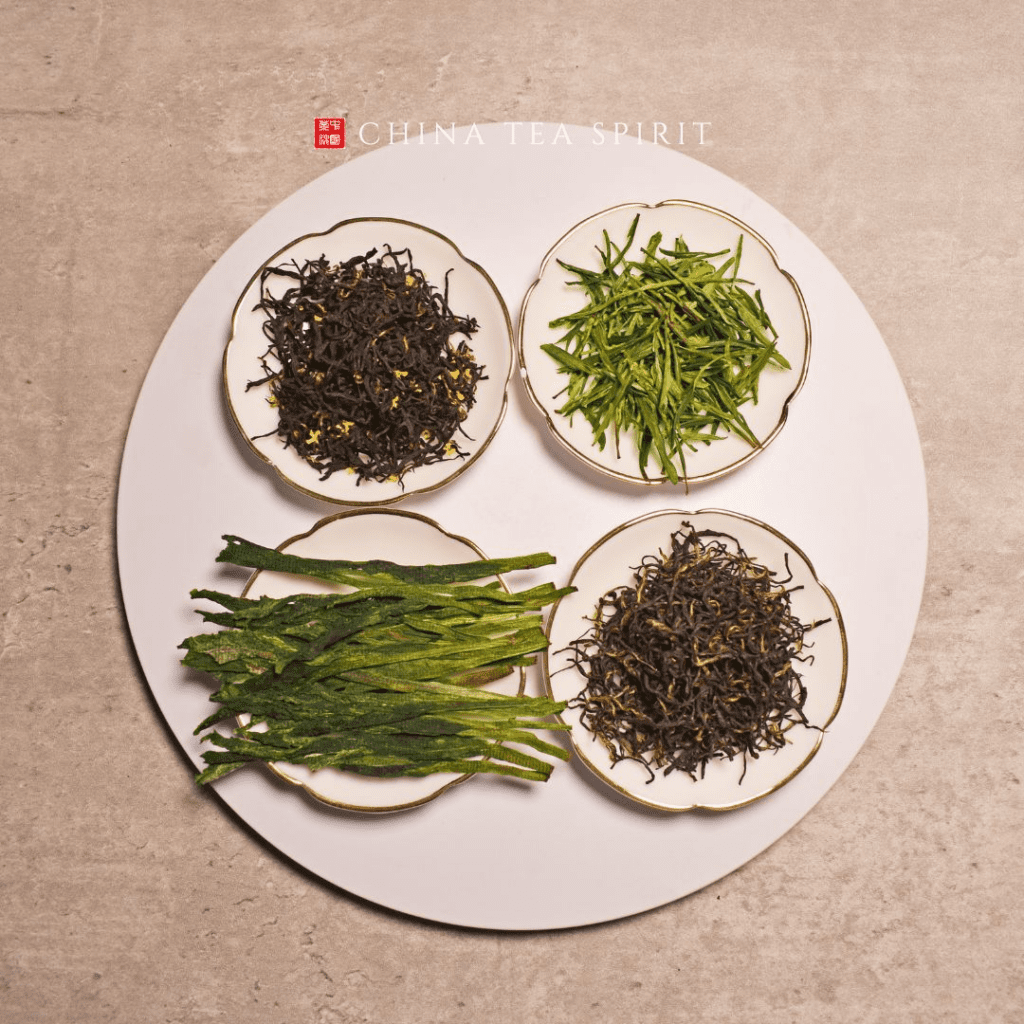
Probierset mit folgendem Inhalt: Huang Shan Mao Feng – 10 g Tai Ping Hou Kui – 10 g Keemun Mao Feng – 10 g Osmanthus Keemun – 10 g
Wir freuen uns schon sehr auf Ihr Feedback zu unseren Teesorten. Begleiten Sie uns auf dieser Reise und lassen Sie sich von uns durch die bezaubernde Welt der Huang-Shan-Tees führen.
Bitte beachten Sie, dass der Tee und das Teegeschirr gemäß den Zollvorschriften in separaten Paketen versandt werden. In der Regel trifft der Tee etwas später ein als das Teegeschirr.
Sehr geehrte Kunden,
Sollten beim Bezahlvorgang Probleme aufgetreten sein, kontaktieren Sie uns bitte unter [email protected]. Und wir werden dir dabei helfen.
Im Folgenden haben wir häufige Zahlungsfehler und deren Lösungen als Orientierungshilfe für Sie aufgelistet.
#1: China Tea Spirit liefert nicht an diesen Standort. Bitte geben Sie eine andere Adresse an.
Dies ist ein bekannter Fehler bei PayPal. Er tritt zufällig auf. Falls Ihnen diese Fehlermeldung angezeigt wurde, kontaktieren Sie uns bitte unter [email protected]. Wir werden das für Sie regeln.
I came across an interesting question recently from someone learning to brew tea in a gaiwan.
Most gongfu guides seemed to suggest using several grams of tea in a small vessel. But whenever this person tried anything close to those amounts, the tea became bitter almost immediately. In the end, they were happily using only one or two grams of leaf.
So were they brewing incorrectly?
Not necessarily.
Tea ratios are useful. They are also one of the easiest parts of gongfu tea to take too seriously.
For a gongfu-style session, somewhere around 4–5 grams of tea for 100ml of water is a useful place to begin for many teas. Some people prefer more, some less. Certain oolongs and pu’er teas can take a heavier hand; delicate teas may be more enjoyable with less leaf.
The important words are place to begin.
Five grams of one tea can be completely different from five grams of another
Put 5 grams of tightly rolled Tieguanyin beside 5 grams of a loose, fluffy white tea and they hardly look like the same amount.
The rolled oolong may sit quietly at the bottom of the gaiwan before expanding dramatically once it meets hot water. A large-leaf white tea might already appear to fill half the vessel while dry.
Compressed pu’er introduces another variable. Broken leaves extract differently from intact leaves, while fine leaf fragments can release flavor—and bitterness—much faster.
This is why judging tea only by teaspoons, or by how full the gaiwan looks, can be misleading.
A small digital scale is useful when you are learning, not because every session needs to become precise, but because it gives you a reference point. After enough sessions, most people naturally become much better at judging leaf quantity by sight and feel.
First, find out how much water your gaiwan actually holds
This causes more confusion than people expect.
A gaiwan sold as “120ml” does not necessarily mean you are brewing with exactly 120ml of water each time. Capacity may be measured close to the rim, while in normal use the lid sits lower and the actual amount of brewing water is smaller. Once tea leaves are inside, they displace additional water.
Before calculating elaborate ratios, try something simpler. Fill your gaiwan to the level where you would normally brew, then pour that water into a measuring cup.
That is your useful brewing capacity.
For many people, knowing that number is more helpful than knowing the number printed on the product page.
If the tea is bitter, reducing the leaf is only one option
Imagine you put 5 grams into a 100ml gaiwan and the first infusion is unpleasantly bitter.
The natural reaction is to use less tea next time. That may work—but first look at the other variables.
Perhaps the water is too hot for that particular tea. Perhaps a ten-second infusion quietly became thirty seconds while you were arranging the lid and preparing to pour. Perhaps the leaves are broken and extracting unusually fast. Or perhaps you simply prefer lighter tea.
There is no prize for forcing yourself to drink tea at a ratio somebody else enjoys.
Try shortening the infusion first. If the tea still feels overly concentrated, use slightly less leaf. If it tastes thin instead, increase the leaf while keeping the infusion short.
One adjustment at a time teaches you much more than trying to follow somebody else’s brewing recipe exactly.
The size of the gaiwan matters more than beginners expect
This is also why smaller gaiwans can be so comfortable for personal gongfu sessions.
A 90–110ml gaiwan gives the leaves enough room to open while keeping each infusion relatively small. A larger gaiwan is not wrong. It simply means that using the same tea-to-water ratio requires more leaf and produces considerably more tea over a long sequence of infusions.
If you regularly reach the fifth or sixth infusion and realize you simply do not want another cup, the problem may not be your tea at all. Your brewing vessel may just be too large for the way you drink.
Some people enjoy dense, aromatic infusions using plenty of leaf and very fast pours. Others prefer a lighter session and want each infusion to be softer.
Both can still reveal the progression of a tea—the way aroma, texture and flavor change from one infusion to the next.
If you are just beginning with a roughly 100ml gaiwan, start around 4–5 grams for many teas and pour relatively quickly. Taste it.
Too strong? Shorten the infusion or reduce the leaf.
Too weak? Add a little more.
Bitterness appearing very quickly? Before blaming the quantity, also look at water temperature, leaf condition and how long the tea actually remained in contact with the water.
Once you find the combination you like, write it down. After a few sessions, you stop asking what the correct gaiwan ratio is. You start learning what this particular tea wants—and, more importantly, how you like to drink it.