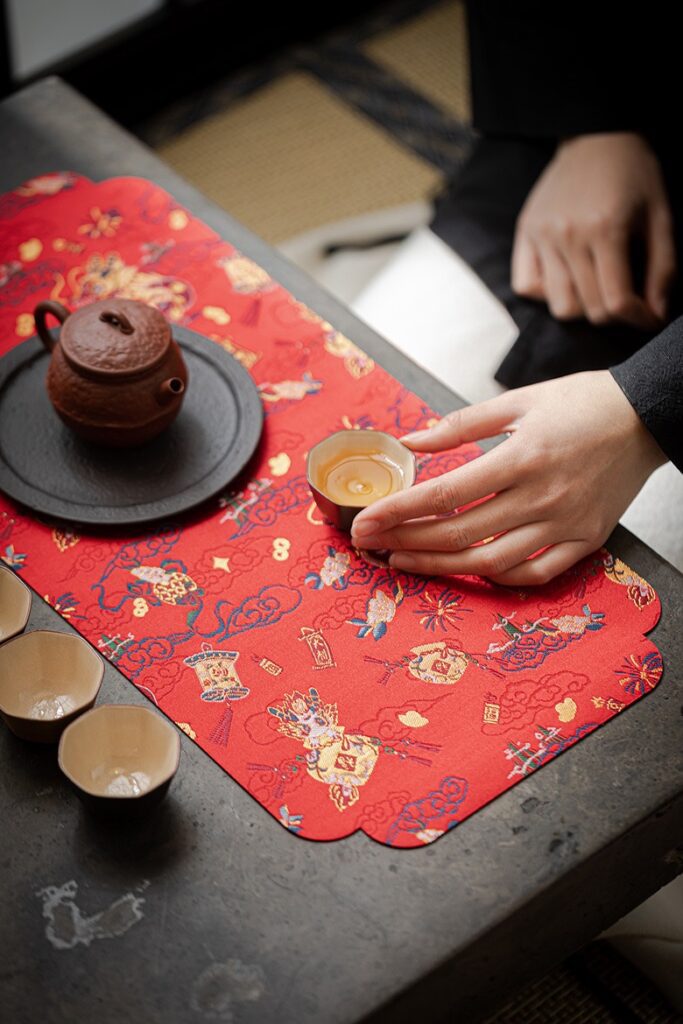
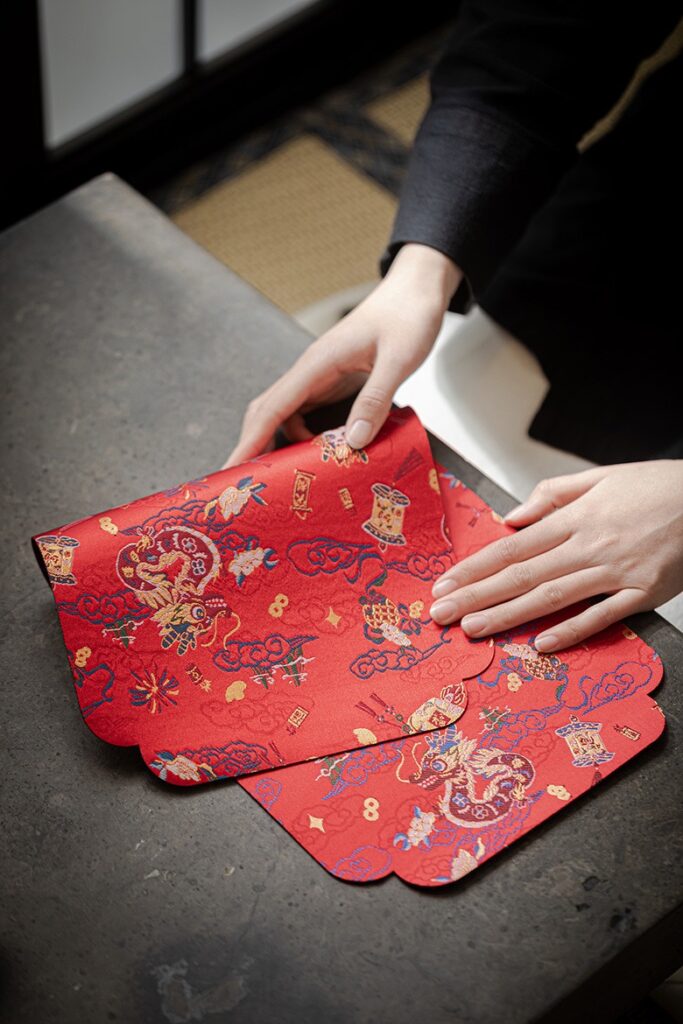
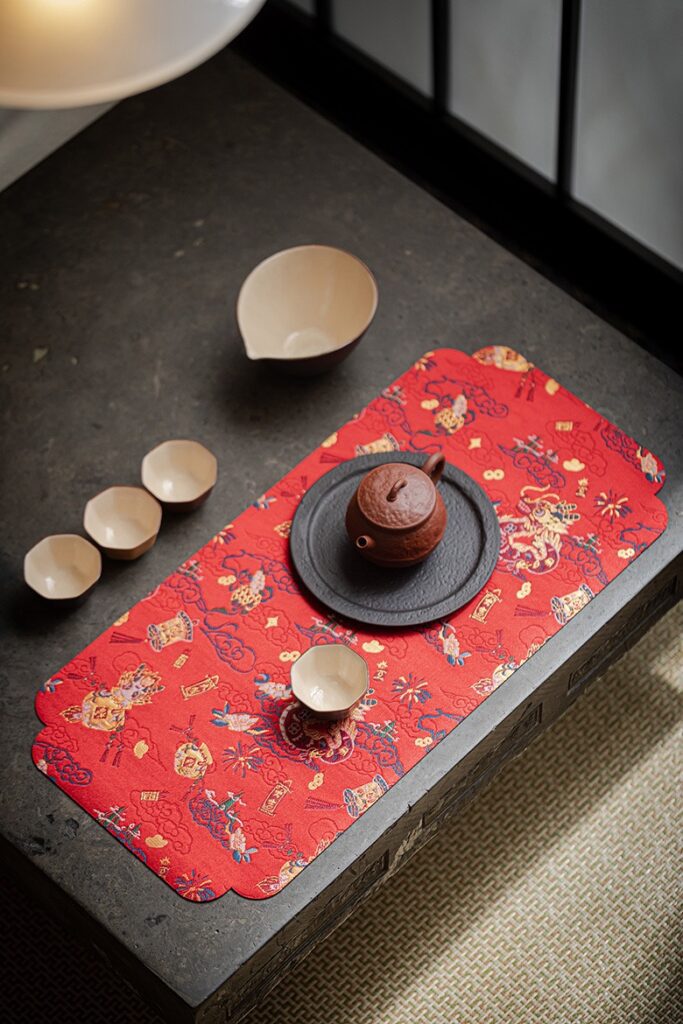
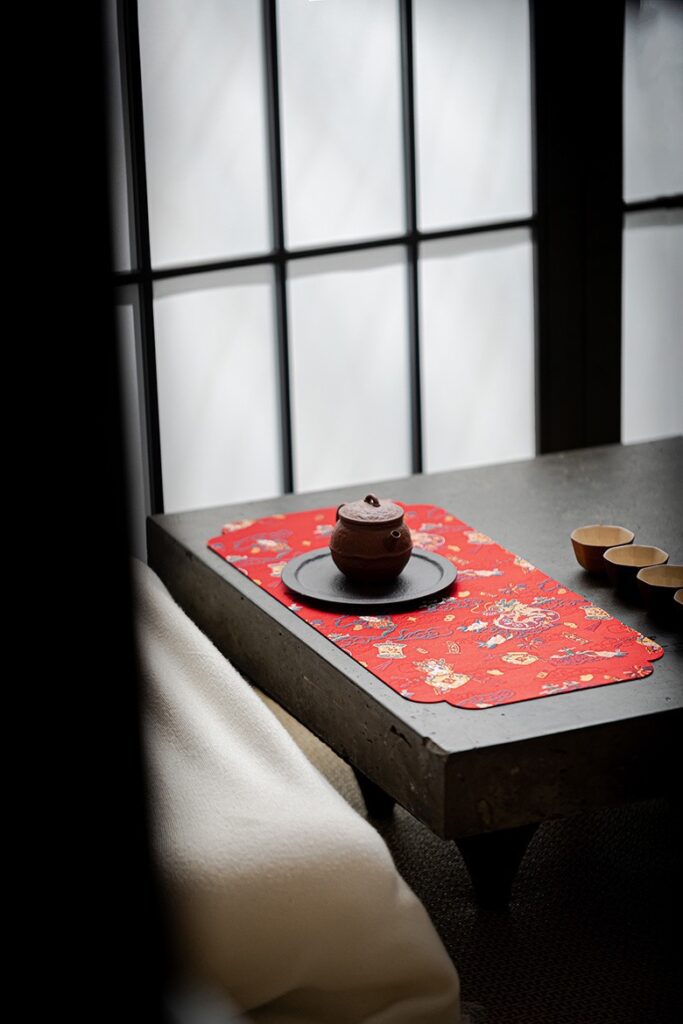
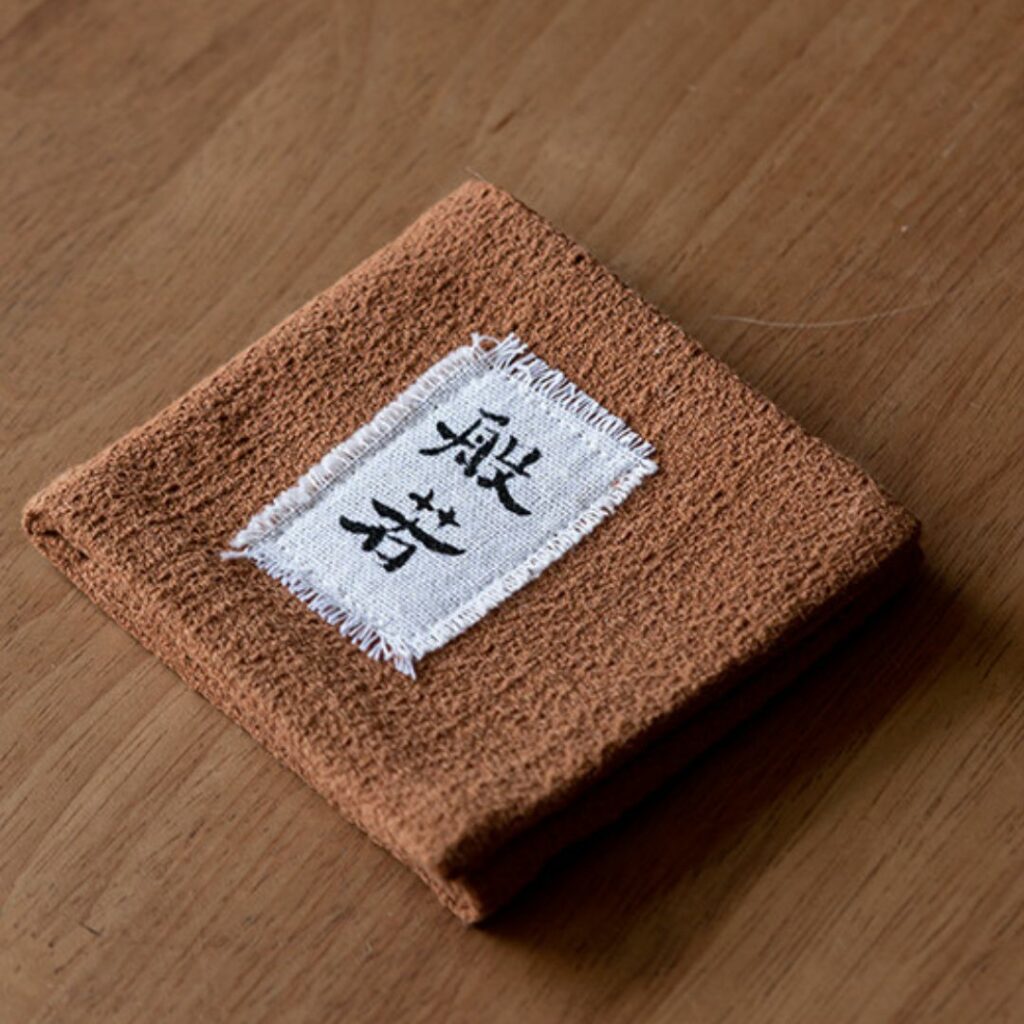
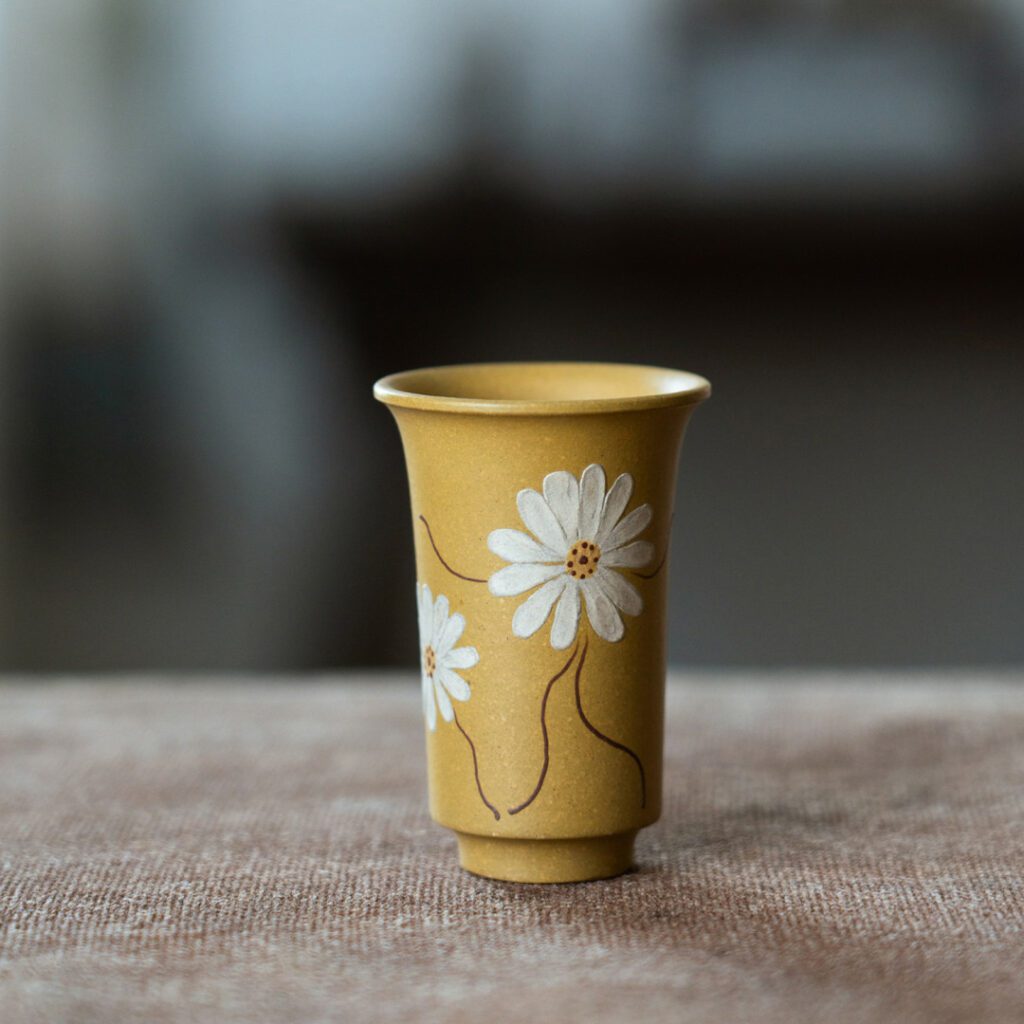
¡Hola, amantes del té! 🐉✨ Tenemos una noticia emocionante ahora que entramos en el Año del Dragón de 2024: con la compra de una tetera de Yixing, te regalamos un tapete para té exclusivo con el diseño del Año del Dragón para que tus rituales de té tengan un toque especial. Es nuestra forma de celebrarlo con vosotros, pero recordad: ¡es una oferta por tiempo limitado! No dejéis pasar la oportunidad de hacer que vuestras sesiones de té sean aún más especiales con este místico complemento. 🍵💫
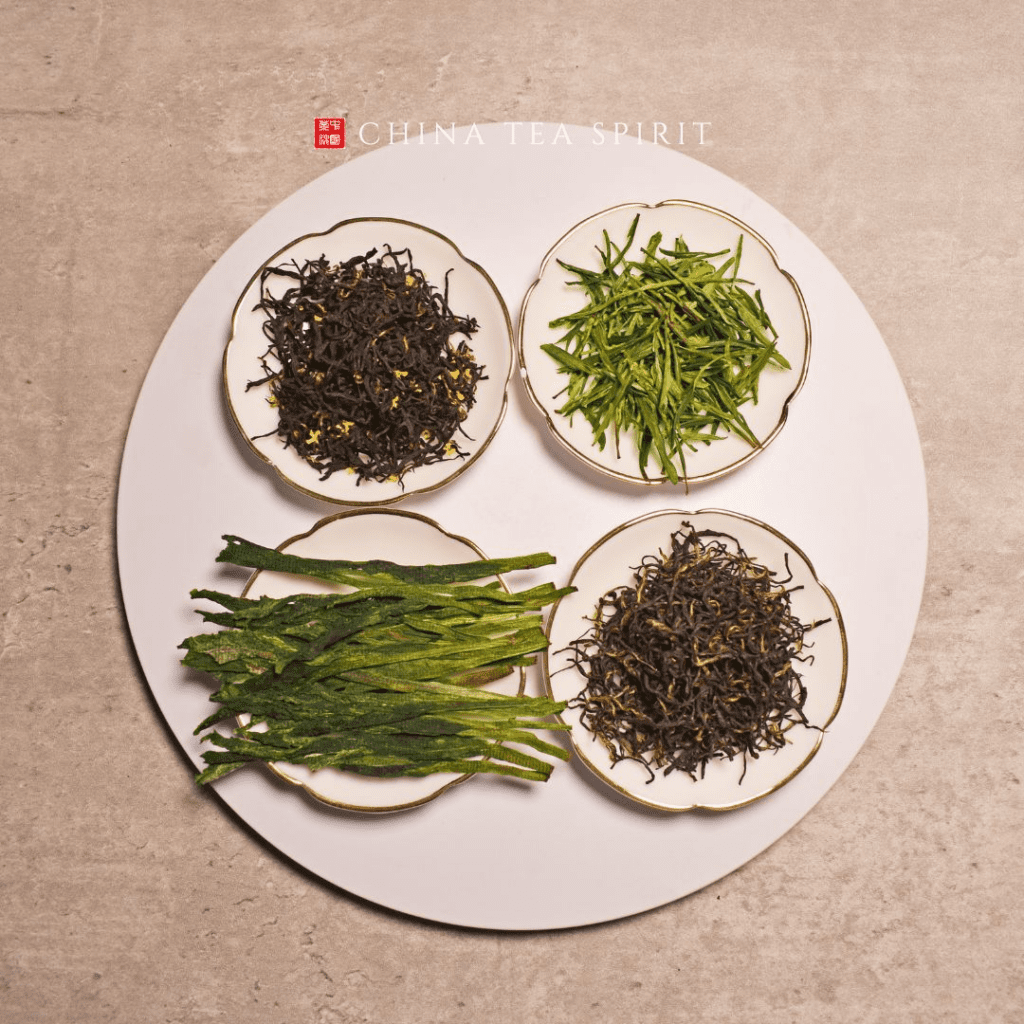
¡Hola, amantes del té! Aunque muchos de vosotros nos conocéis como una empresa especializada en artículos de té chino de alta gama, también nos especializamos en tés de la región de Huang Shan. Huang Shan es la cuna de los tés chinos más famosos: el Huang Shan Mao Feng, el Keemun y el Tai Ping Hou Kui. Como nativos de este lugar impresionante, tenemos un profundo vínculo con la tierra y su rico patrimonio del té.
Somos conscientes de que encontrar el té perfecto puede ser toda una experiencia personal, y por eso te ofrecemos nuestro paquete de muestras. Te permite explorar la variedad de sabores de los tés de Huang Shan y descubrir aquel que más se adapte a tu paladar.
Todos los tés proceden directamente de los productores de té, lo que garantiza su calidad y su sabor auténtico.
Paquete de muestras que incluye: Huang Shan Mao Feng – 10 g Tai Ping Hou Kui – 10 g Keemun Mao Feng – 10 g Osmanthus Keemun – 10 g
Estamos deseando conocer vuestras opiniones sobre nuestros tés. Acompañadnos en este viaje y dejad que seamos vuestra guía mientras exploráis el encantador mundo de los tés de Huang Shan.
Ten en cuenta que el té y los utensilios para el té se enviarán en paquetes separados, de acuerdo con los requisitos aduaneros. Normalmente, el té llegará un poco más tarde que los utensilios para el té.
Estimados clientes,
Si has tenido algún problema durante el proceso de pago, ponte en contacto con nosotros en cary.wang@cnteaspirit.com. Y te echaremos una mano.
A continuación, enumeramos los errores de pago más habituales y sus soluciones para tu información.
#1: China Tea Spirit no realiza envíos a esta ubicación. Por favor, utiliza otra dirección.
Se trata de un error conocido de PayPal. Se produce de forma aleatoria. Si has visto este mensaje de error, ponte en contacto con nosotros en cary.wang@cnteaspirit.com. Nos encargaremos de solucionarlo por ti.
I came across an interesting question recently from someone learning to brew tea in a gaiwan.
Most gongfu guides seemed to suggest using several grams of tea in a small vessel. But whenever this person tried anything close to those amounts, the tea became bitter almost immediately. In the end, they were happily using only one or two grams of leaf.
So were they brewing incorrectly?
Not necessarily.
Tea ratios are useful. They are also one of the easiest parts of gongfu tea to take too seriously.
For a gongfu-style session, somewhere around 4–5 grams of tea for 100ml of water is a useful place to begin for many teas. Some people prefer more, some less. Certain oolongs and pu’er teas can take a heavier hand; delicate teas may be more enjoyable with less leaf.
The important words are place to begin.
Five grams of one tea can be completely different from five grams of another
Put 5 grams of tightly rolled Tieguanyin beside 5 grams of a loose, fluffy white tea and they hardly look like the same amount.
The rolled oolong may sit quietly at the bottom of the gaiwan before expanding dramatically once it meets hot water. A large-leaf white tea might already appear to fill half the vessel while dry.
Compressed pu’er introduces another variable. Broken leaves extract differently from intact leaves, while fine leaf fragments can release flavor—and bitterness—much faster.
This is why judging tea only by teaspoons, or by how full the gaiwan looks, can be misleading.
A small digital scale is useful when you are learning, not because every session needs to become precise, but because it gives you a reference point. After enough sessions, most people naturally become much better at judging leaf quantity by sight and feel.
First, find out how much water your gaiwan actually holds
This causes more confusion than people expect.
A gaiwan sold as “120ml” does not necessarily mean you are brewing with exactly 120ml of water each time. Capacity may be measured close to the rim, while in normal use the lid sits lower and the actual amount of brewing water is smaller. Once tea leaves are inside, they displace additional water.
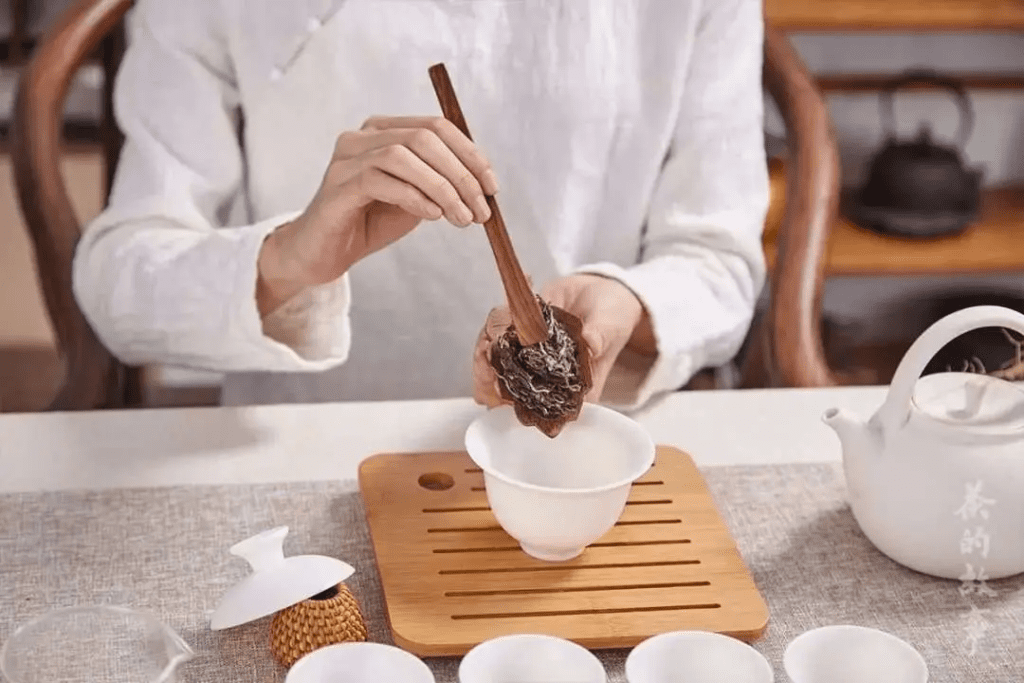
Before calculating elaborate ratios, try something simpler. Fill your gaiwan to the level where you would normally brew, then pour that water into a measuring cup.
That is your useful brewing capacity.
For many people, knowing that number is more helpful than knowing the number printed on the product page.
If the tea is bitter, reducing the leaf is only one option
Imagine you put 5 grams into a 100ml gaiwan and the first infusion is unpleasantly bitter.
The natural reaction is to use less tea next time. That may work—but first look at the other variables.
Perhaps the water is too hot for that particular tea. Perhaps a ten-second infusion quietly became thirty seconds while you were arranging the lid and preparing to pour. Perhaps the leaves are broken and extracting unusually fast. Or perhaps you simply prefer lighter tea.
There is no prize for forcing yourself to drink tea at a ratio somebody else enjoys.
Try shortening the infusion first. If the tea still feels overly concentrated, use slightly less leaf. If it tastes thin instead, increase the leaf while keeping the infusion short.
One adjustment at a time teaches you much more than trying to follow somebody else’s brewing recipe exactly.
The size of the gaiwan matters more than beginners expect
This is also why smaller gaiwans can be so comfortable for personal gongfu sessions.
A 90–110ml gaiwan gives the leaves enough room to open while keeping each infusion relatively small. A larger gaiwan is not wrong. It simply means that using the same tea-to-water ratio requires more leaf and produces considerably more tea over a long sequence of infusions.
If you regularly reach the fifth or sixth infusion and realize you simply do not want another cup, the problem may not be your tea at all. Your brewing vessel may just be too large for the way you drink.
Some people enjoy dense, aromatic infusions using plenty of leaf and very fast pours. Others prefer a lighter session and want each infusion to be softer.
Both can still reveal the progression of a tea—the way aroma, texture and flavor change from one infusion to the next.
If you are just beginning with a roughly 100ml gaiwan, start around 4–5 grams for many teas and pour relatively quickly. Taste it.
Too strong? Shorten the infusion or reduce the leaf.
Too weak? Add a little more.
Bitterness appearing very quickly? Before blaming the quantity, also look at water temperature, leaf condition and how long the tea actually remained in contact with the water.
Once you find the combination you like, write it down. After a few sessions, you stop asking what the correct gaiwan ratio is. You start learning what this particular tea wants—and, more importantly, how you like to drink it.