Pausa en los envíos por las fiestas — se reanudarán el 8 de octubre. Celebra el Festival del Medio Otoño con un descuento de 10% utilizando el código ctsmooncake. DescartarIr al contenido
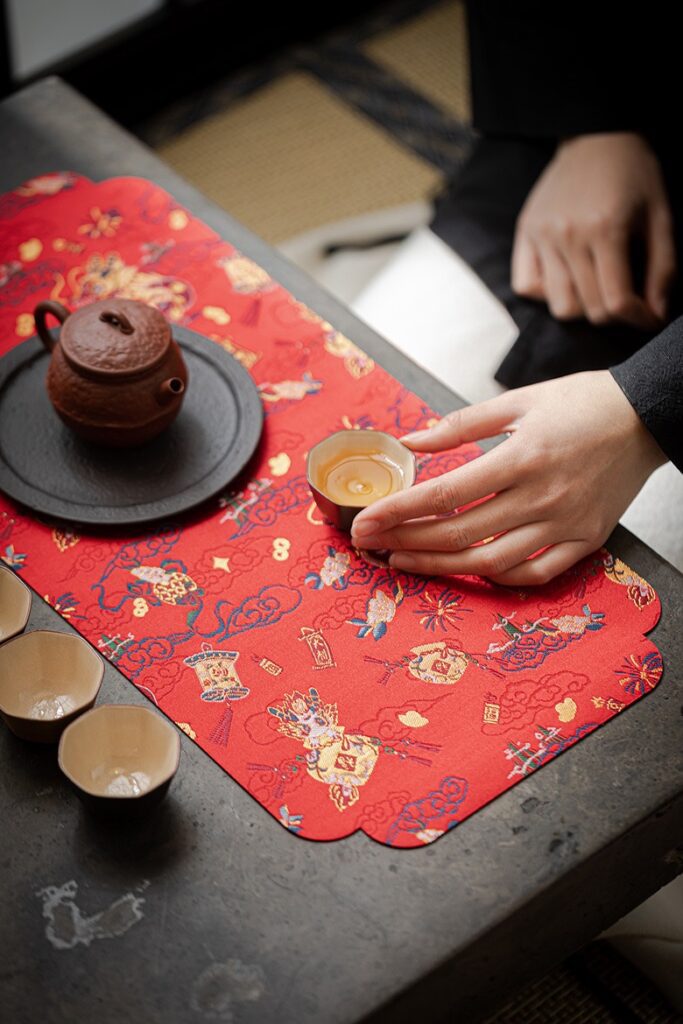
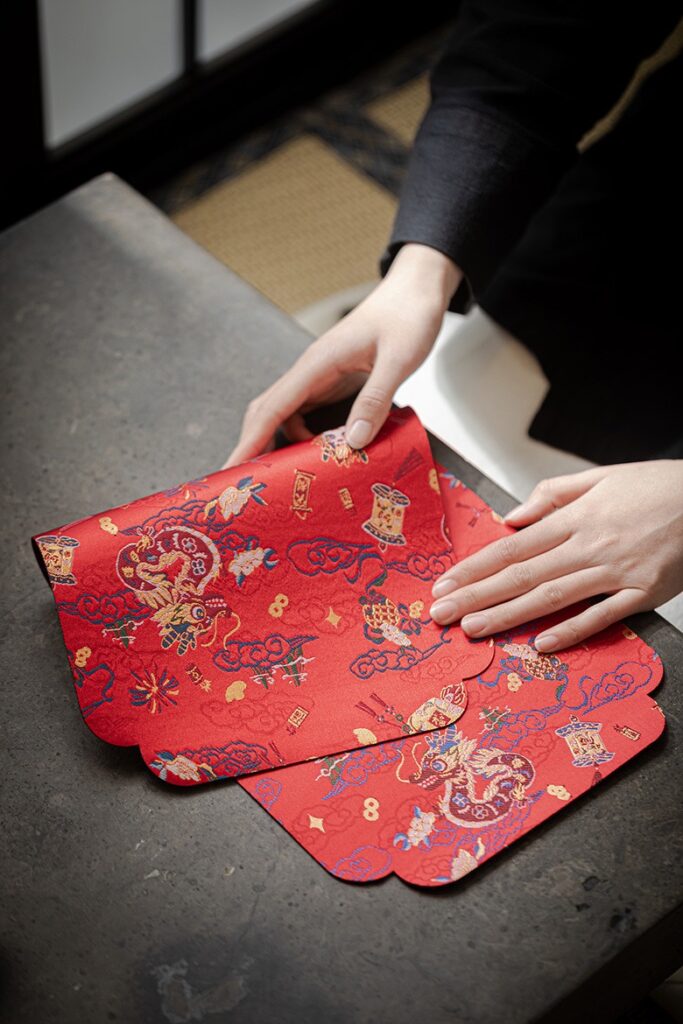
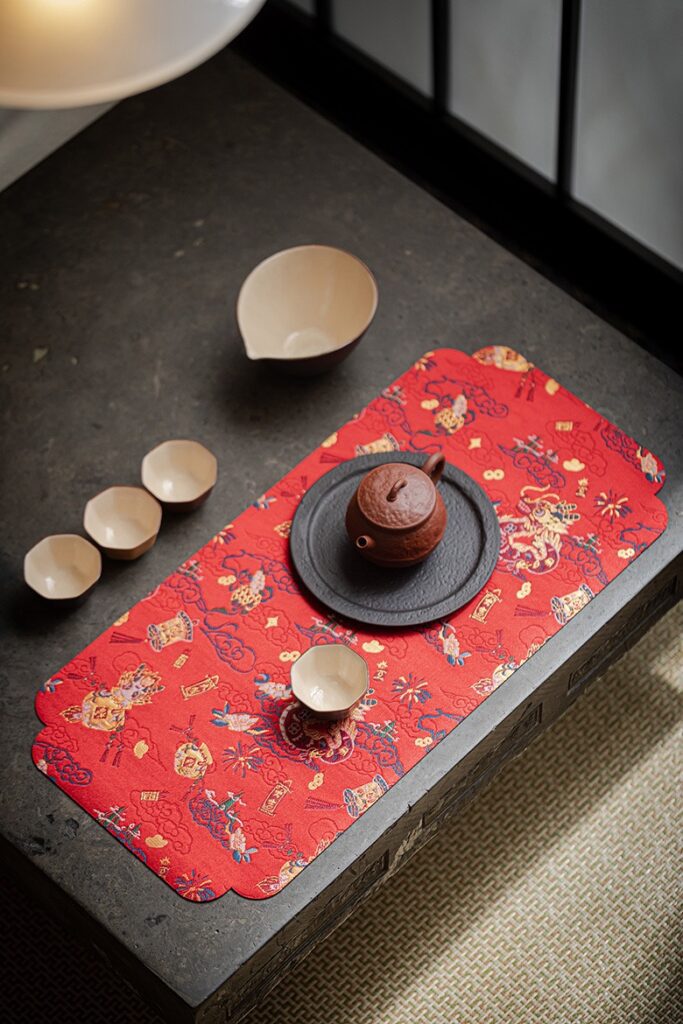
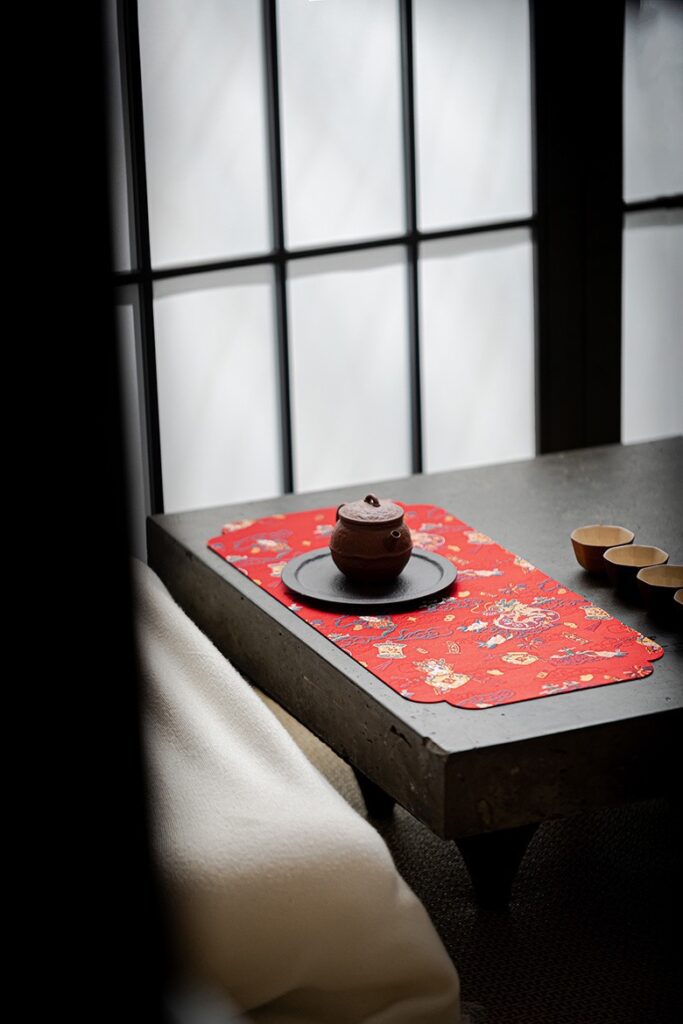
¡Hola, amantes del té! 🐉✨ Tenemos una noticia emocionante ahora que entramos en el Año del Dragón de 2024: con la compra de una tetera de Yixing, te regalamos un tapete para té exclusivo con el diseño del Año del Dragón para que tus rituales de té tengan un toque especial. Es nuestra forma de celebrarlo con vosotros, pero recordad: ¡es una oferta por tiempo limitado! No dejéis pasar la oportunidad de hacer que vuestras sesiones de té sean aún más especiales con este místico complemento. 🍵💫
¡Hola, amantes del té! Aunque muchos de vosotros nos conocéis como una empresa especializada en artículos de té chino de alta gama, también nos especializamos en tés de la región de Huang Shan. Huang Shan es la cuna de los tés chinos más famosos: el Huang Shan Mao Feng, el Keemun y el Tai Ping Hou Kui. Como nativos de este lugar impresionante, tenemos un profundo vínculo con la tierra y su rico patrimonio del té.
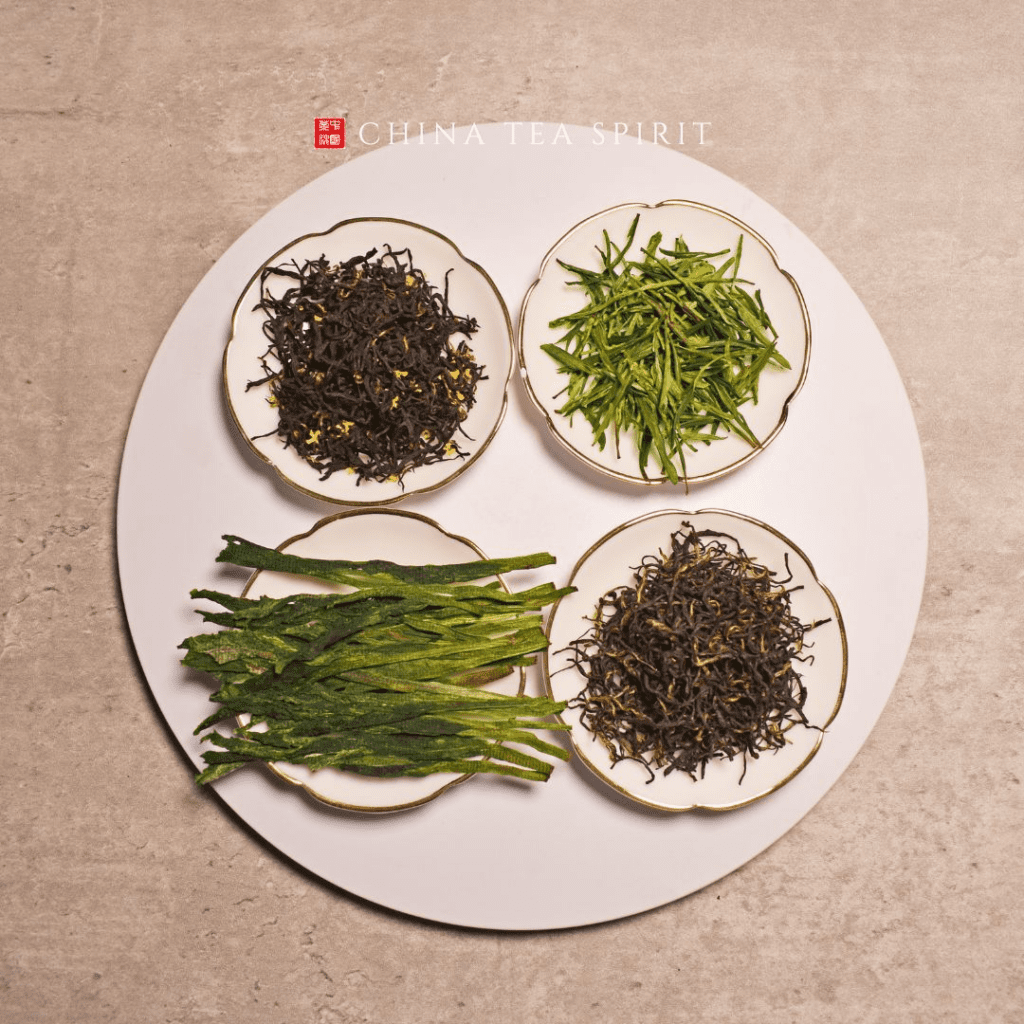
Somos conscientes de que encontrar el té perfecto puede ser toda una experiencia personal, y por eso te ofrecemos nuestro paquete de muestras. Te permite explorar la variedad de sabores de los tés de Huang Shan y descubrir aquel que más se adapte a tu paladar.
Todos los tés proceden directamente de los productores de té, lo que garantiza su calidad y su sabor auténtico.
Paquete de muestras que incluye: Huang Shan Mao Feng – 10 g Tai Ping Hou Kui – 10 g Keemun Mao Feng – 10 g Osmanthus Keemun – 10 g
Estamos deseando conocer vuestras opiniones sobre nuestros tés. Acompañadnos en este viaje y dejad que seamos vuestra guía mientras exploráis el encantador mundo de los tés de Huang Shan.
Ten en cuenta que el té y los utensilios para el té se enviarán en paquetes separados, de acuerdo con los requisitos aduaneros. Normalmente, el té llegará un poco más tarde que los utensilios para el té.
Estimados clientes,
Si has tenido algún problema durante el proceso de pago, ponte en contacto con nosotros en [email protected]. Y te echaremos una mano.
A continuación, enumeramos los errores de pago más habituales y sus soluciones para tu información.
#1: China Tea Spirit no realiza envíos a esta ubicación. Por favor, utiliza otra dirección.
Se trata de un error conocido de PayPal. Se produce de forma aleatoria. Si has visto este mensaje de error, ponte en contacto con nosotros en [email protected]. Nos encargaremos de solucionarlo por ti.
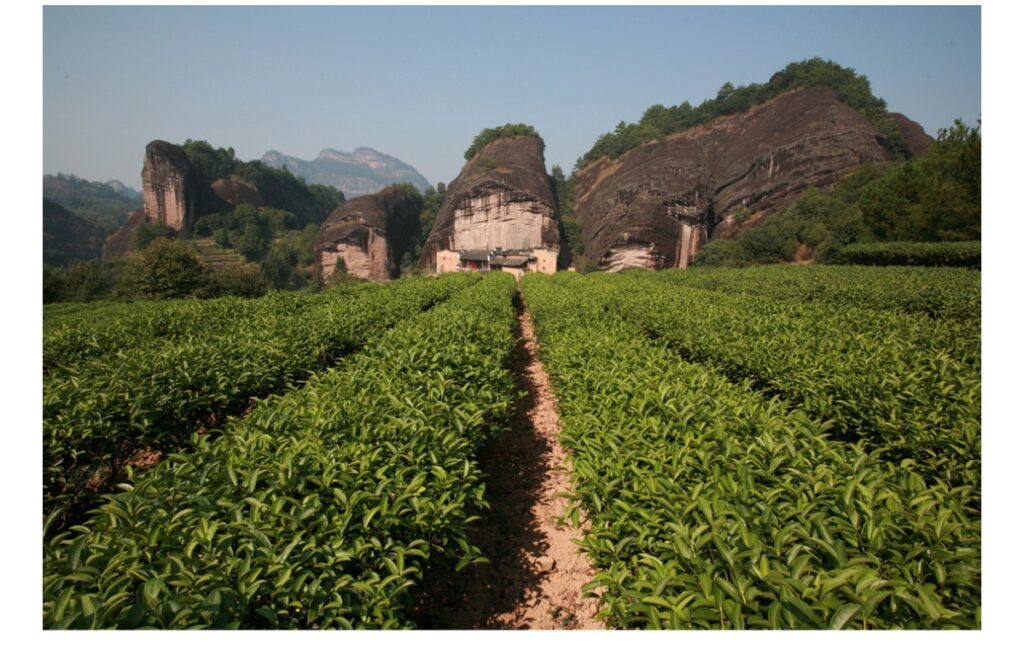
Dahongpao, Rougui and Shuixian are three familiar names in Wuyi rock tea, a family of oolong teas from Fujian. Rougui is known for a cinnamon-like aroma, Shuixian often has a softer orchid-like character, and Dahongpao can bring several flavour notes together. The producer, roast and individual batch still matter.
Dahongpao vs Rougui vs Shuixian
Té
A useful starting point
What to check when choosing
Rougui · 肉桂
Cinnamon-like aroma and a more assertive character
Roast level and the producer’s description of this batch
Shuixian · 水仙
Orchid-like notes and a softer, rounded impression
Roast level; any specific old-bush claims should have supporting provenance
Dahongpao · 大红袍
Often sold as a blend, though the label can cover different styles
Whether it is a blend or a named cultivar, and how the producer describes it
What is Rougui tea?
Rougui is a Wuyi oolong tea known for a cinnamon-like aroma. Its name means “cinnamon”, but an aroma name is not an ingredient list. Look at the tea’s actual product details rather than assuming cinnamon has been added.
If you enjoy a bolder aromatic style, Rougui is a useful place to start. If you prefer a softer impression, compare it with Shuixian. For Dahongpao, ask about the particular blend or style rather than expecting every tea with that name to taste alike.
Shuixian (Wuyi(Narciso)
Origen e historia
El té Shuixian tiene su origen en Cueva de Zhu Xian, en Jianyang, Fujian. Se introdujo en la montaña de Wuyi durante el reinado de Guangxu de la dinastía Qing y cuenta con cientos de años de historia de cultivo.
El shuixian se puede clasificar según la temporada de cosecha:
Shuixian de primavera: Destaca por su calidad superior, su intenso sabor y su aroma vibrante.
Shuixian de invierno: De menor rendimiento y sabor más suave, con el que a menudo se elabora un té más delicado.
Características únicas de Shuixian
Old-bush Shuixian: If a tea carries an old-bush label, look for the producer’s age and origin information. A woody aroma or appearance alone does not establish provenance.
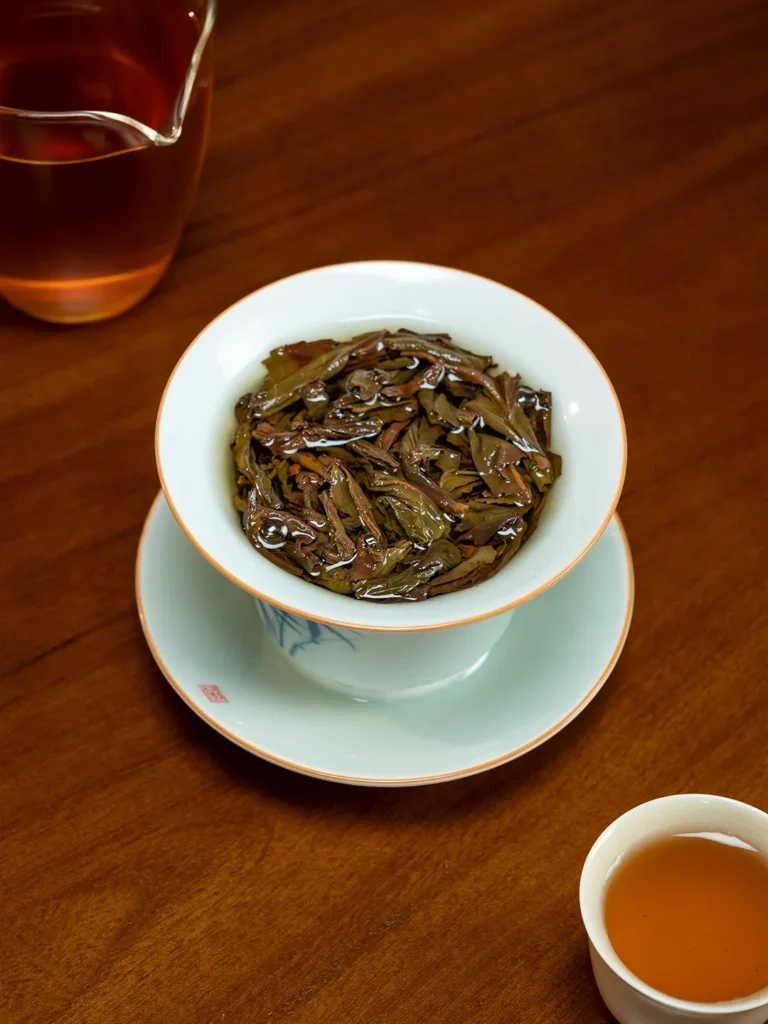
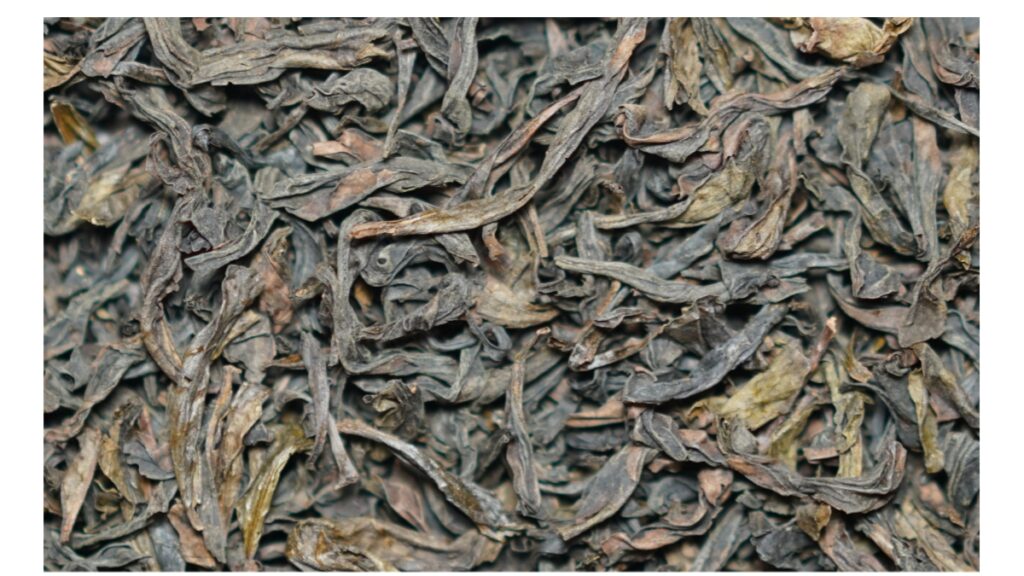
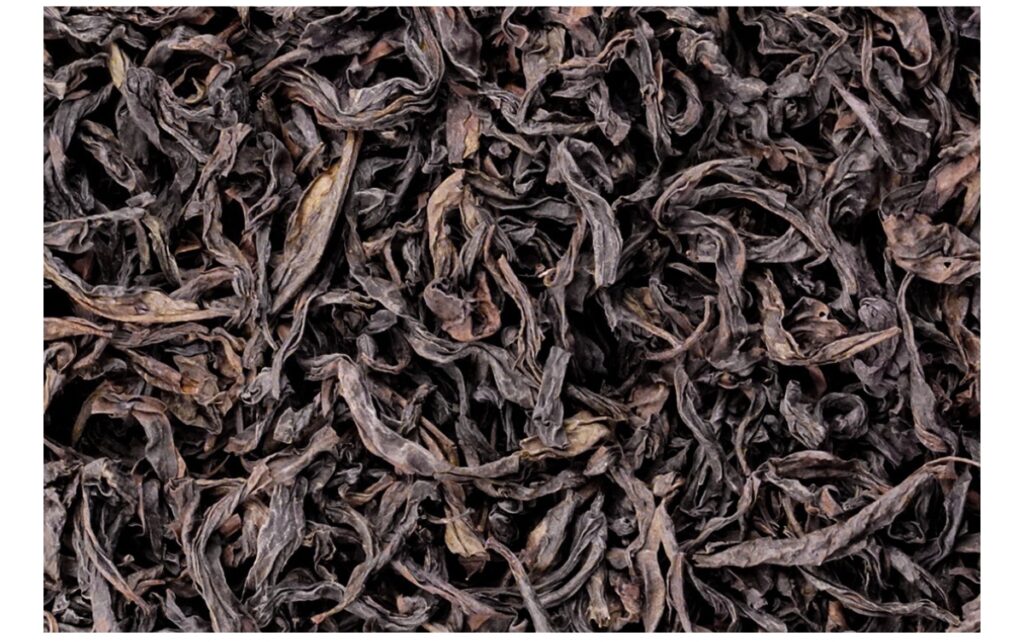
Aspecto: Hojas largas y gruesas, de un tono verde-marrón oscuro y brillante.
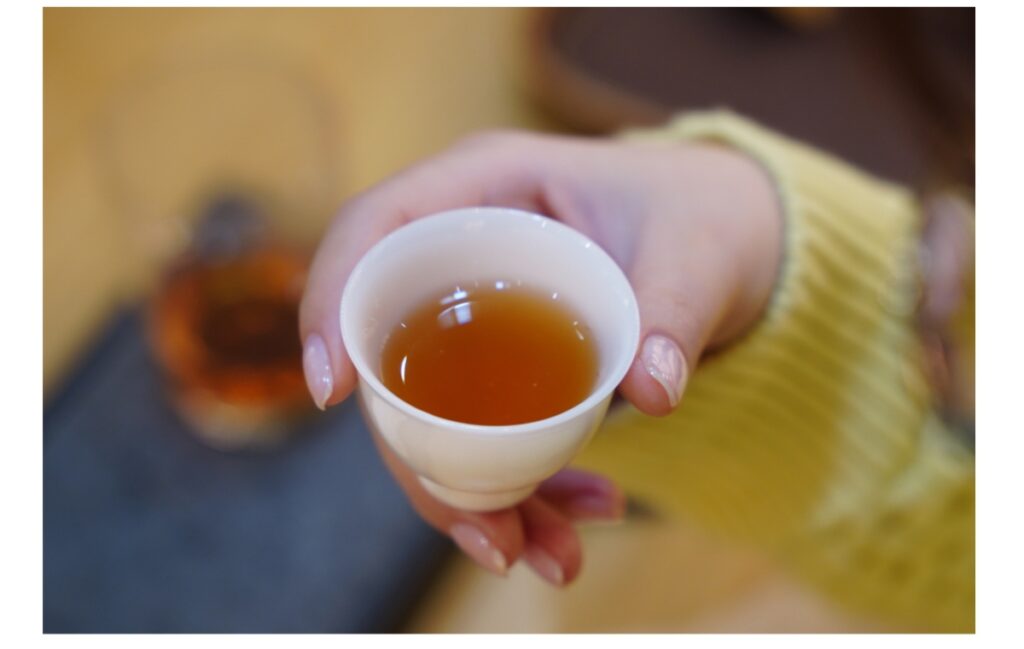
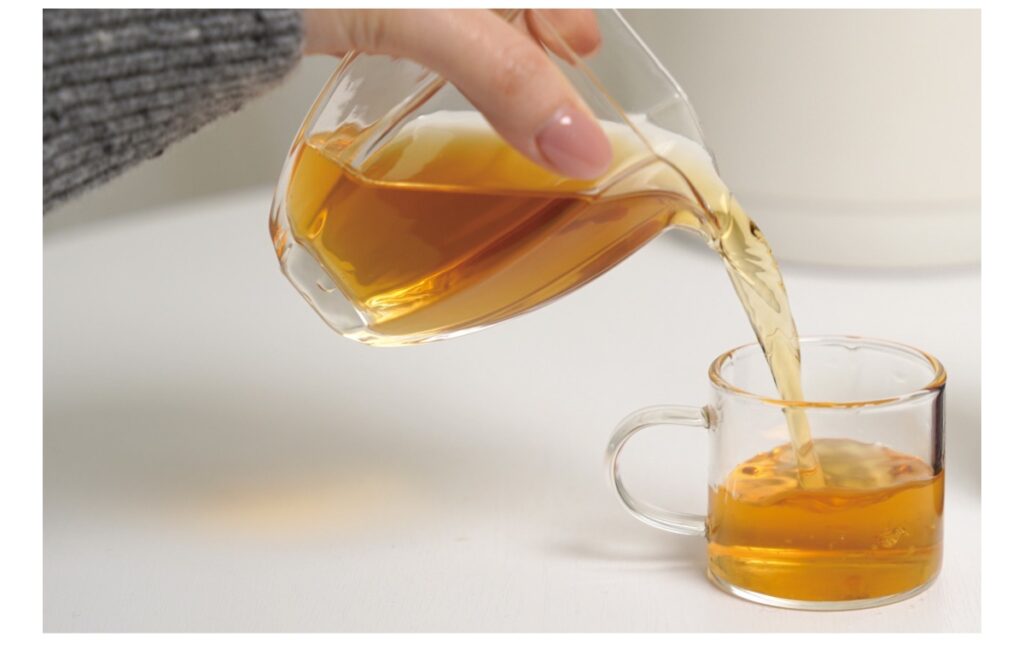
Sabor: Aroma floral que recuerda a las orquídeas, con un final suave y delicado. Las variedades de primavera producen un licor de color dorado o ámbar, mientras que las de invierno son más pálidas y tienen un sabor más ligero.
Visible leaf fibres are not reliable proof of a tea bush’s age. For an old-bush claim, look for specific producer information and provenance.
Rougui (肉桂): El aroma intenso y audaz de la canela
Origen e historia
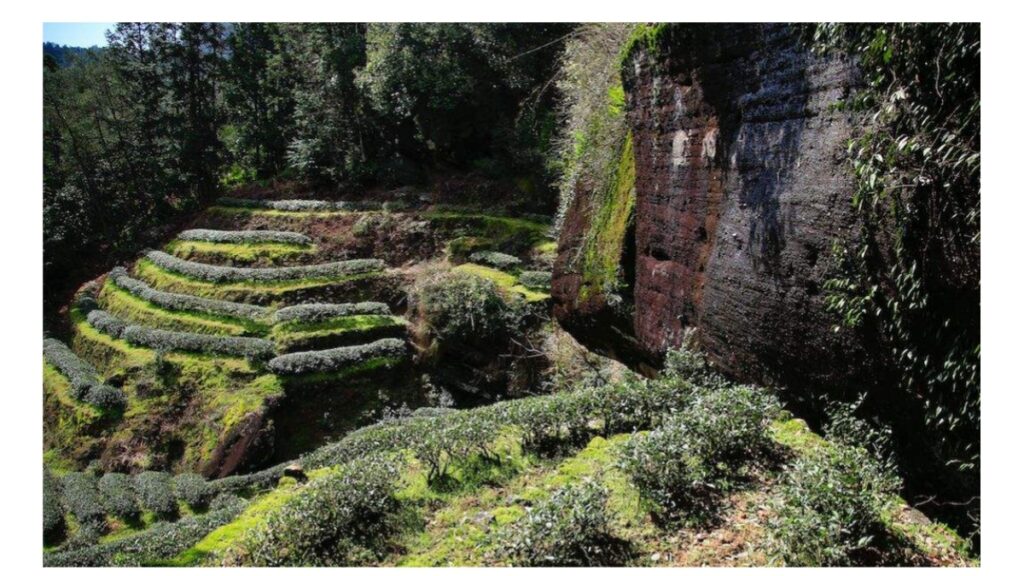
Conocido como “Té de canela” Por su característico aroma picante, el Rougui tiene su origen en Huiyuan Keng, un famoso valle situado en la cordillera de Wuyi. Su fama se ha extendido por todas partes, gracias a las famosas variedades de té Rougui procedentes de lugares como Niulankeng (“Niurou”) y Matouyan (“Marou”).
Características únicas de Rougui
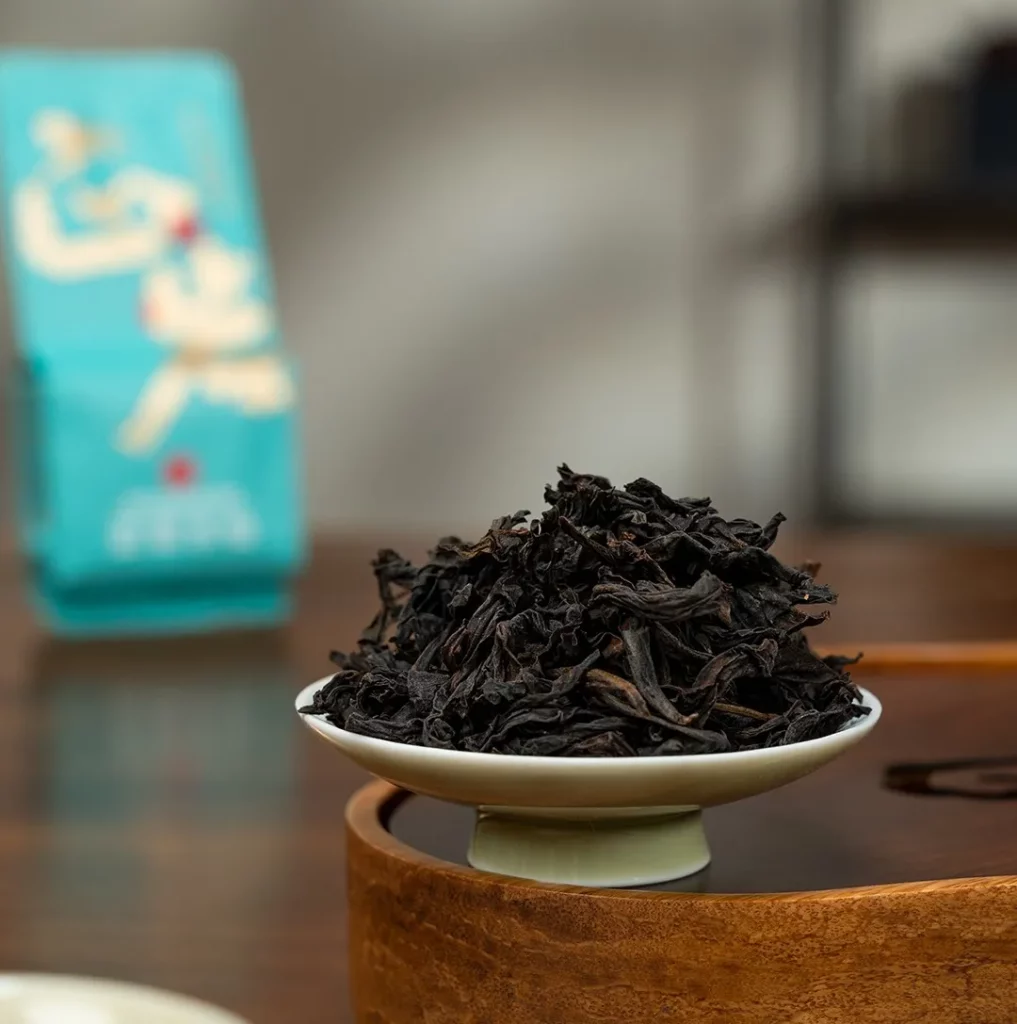
Aspecto: Tiras de hojas de color verde oscuro, limpias y bien enrolladas, con un brillo aceitoso.
Aroma: Aroma intenso, con notas de canela, que se percibe de inmediato al prepararlo.
Sabor: Often described as full-bodied, with a cinnamon-like aroma and a lingering finish. The number of enjoyable infusions depends on the tea and how you brew it.
La característica más destacada de Rougui es su personalidad asertiva. En comparación con las suaves notas de orquídea del Shuixian, el aroma a canela del Rougui es ardiente e intenso: toda una declaración de intenciones en una taza.
Dahongpao (大红袍): El rey del té de roca
La leyenda de Dahongpao
Conocido como el “El rey del té”,” En un principio, el término «Dahongpao» hacía referencia al té procedente de seis árboles madre ancestrales que crecían en Jiulongke (el Nido de los Nueve Dragones). Estos árboles son legendarios y están muy protegidos, por lo que cualquier Dahongpao moderno que pruebes se elabora a partir de esquejes propagados o de mezclas de tés.
El Dahongpao moderno
Commercial Dahongpao is often sold as a blend, but the name can also appear on other styles. Check whether the producer identifies a blend or a named cultivar.
A good blend depends on the quality and proportions of its teas. More varieties do not automatically make it better or more balanced.
Diferencias clave entre el Dahongpao, el Shuixian y el Rougui
Aroma
Shuixian: Sutil aroma a orquídea.
Rougui: Notas especiadas de canela.
Dahongpao: Equilibrado, con una mezcla de notas florales, amaderadas y minerales.
Sabor
Shuixian: Suave, delicado, con un ligero toque dulce.
Rougui: Fuerte, intenso, con un toque especiado que perdura.
Dahongpao: Complejo y armonioso, que aúna las mejores cualidades de varios tés.
Aspecto
Shuixian: Hojas largas, gruesas y brillantes.
Rougui: Hojas oscuras, bien enrolladas y con un brillo aceitoso.
Dahongpao: Appearance varies with the tea’s style and producer; the label alone does not specify a blend.
How to compare them in your cup
Start with the producer’s brewing guidance and compare the teas using the same vessel and water. Notice the aroma, texture and finish over several infusions. Adjust the leaf amount or infusion time to your taste rather than judging a tea by its name alone.
The term yan yun, often translated as “rock rhyme”, describes a sensory impression associated with Wuyi tea. It is not a laboratory measurement of mineral content.