Pausa en los envíos por las fiestas — se reanudarán el 8 de octubre. Celebra el Festival del Medio Otoño con un descuento de 10% utilizando el código ctsmooncake. DescartarIr al contenido
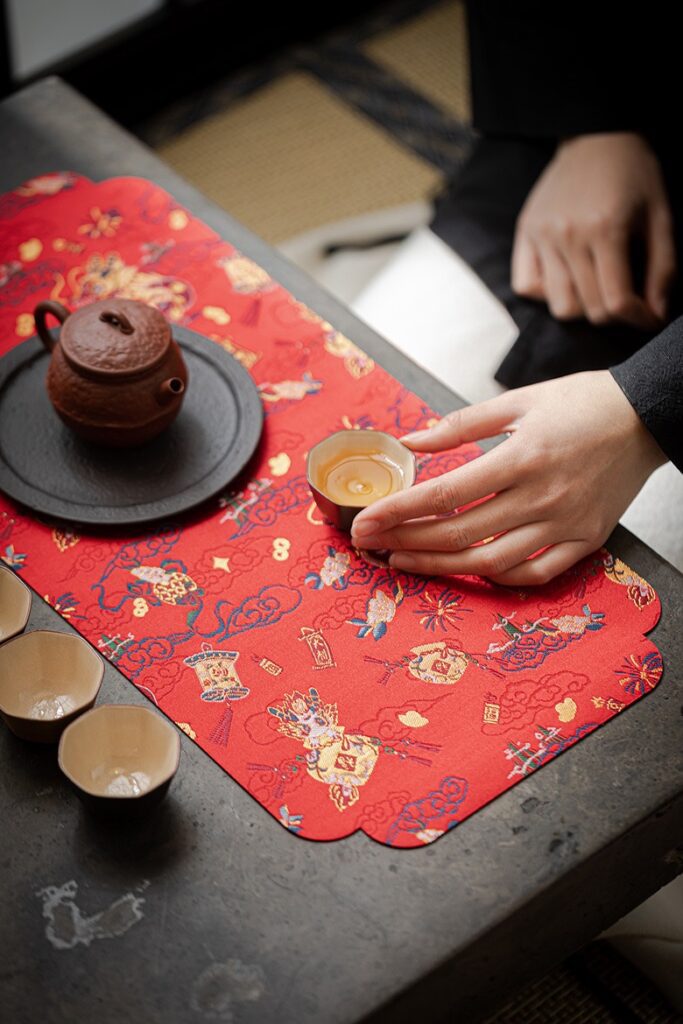
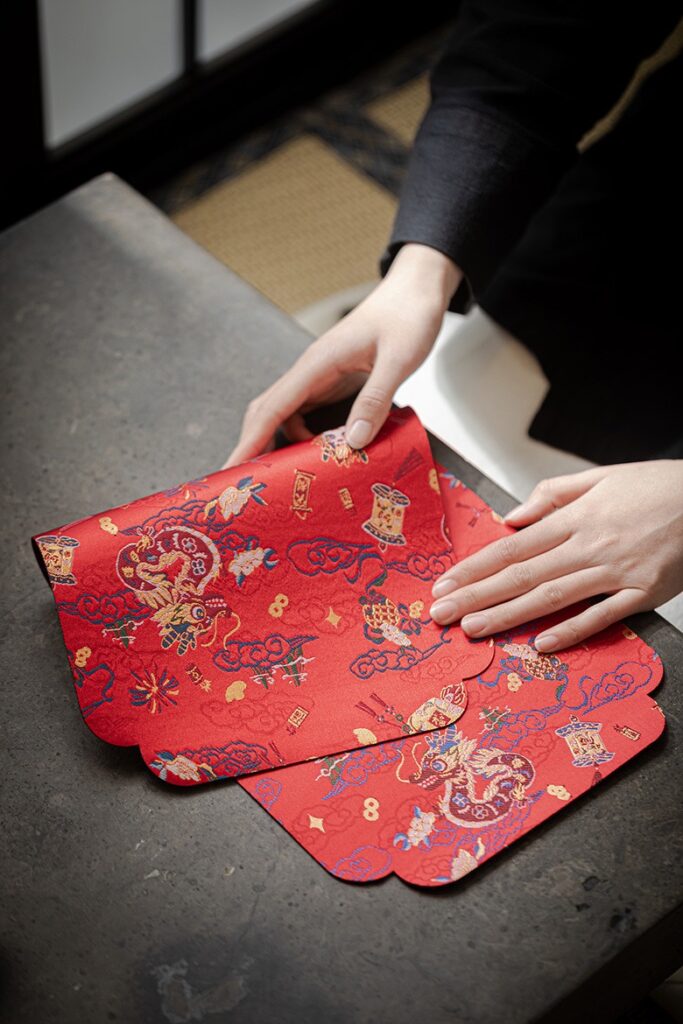
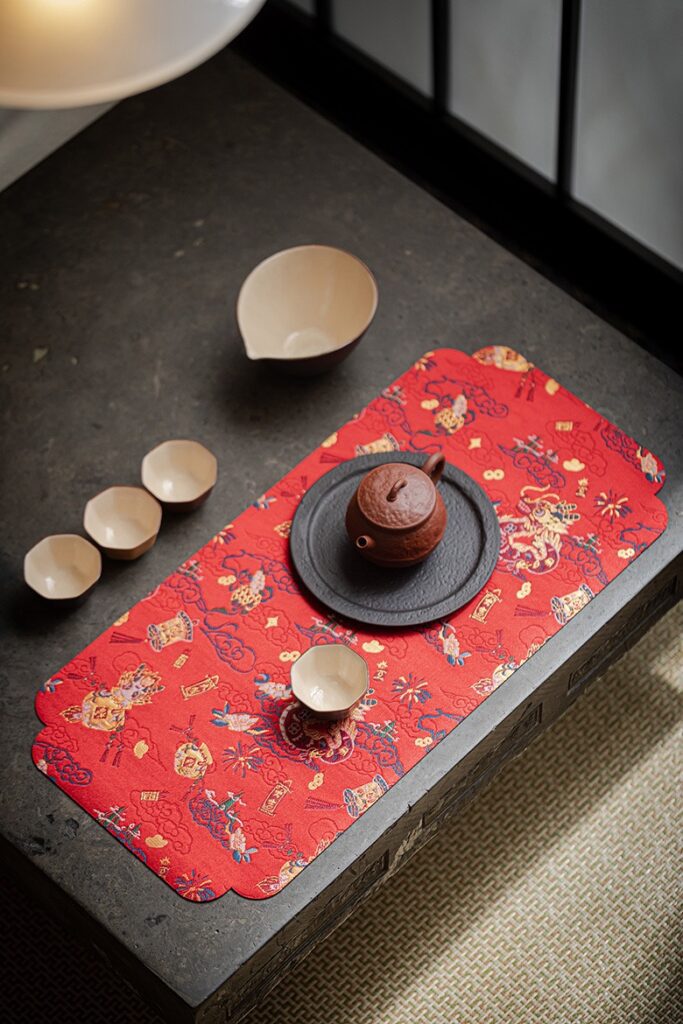
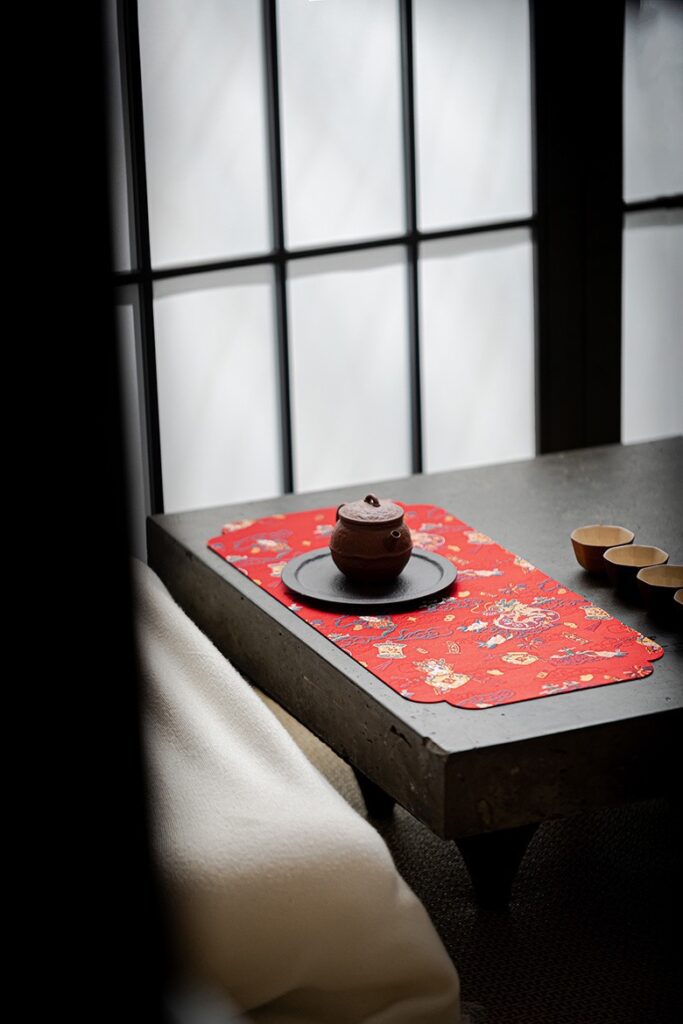
¡Hola, amantes del té! 🐉✨ Tenemos una noticia emocionante ahora que entramos en el Año del Dragón de 2024: con la compra de una tetera de Yixing, te regalamos un tapete para té exclusivo con el diseño del Año del Dragón para que tus rituales de té tengan un toque especial. Es nuestra forma de celebrarlo con vosotros, pero recordad: ¡es una oferta por tiempo limitado! No dejéis pasar la oportunidad de hacer que vuestras sesiones de té sean aún más especiales con este místico complemento. 🍵💫
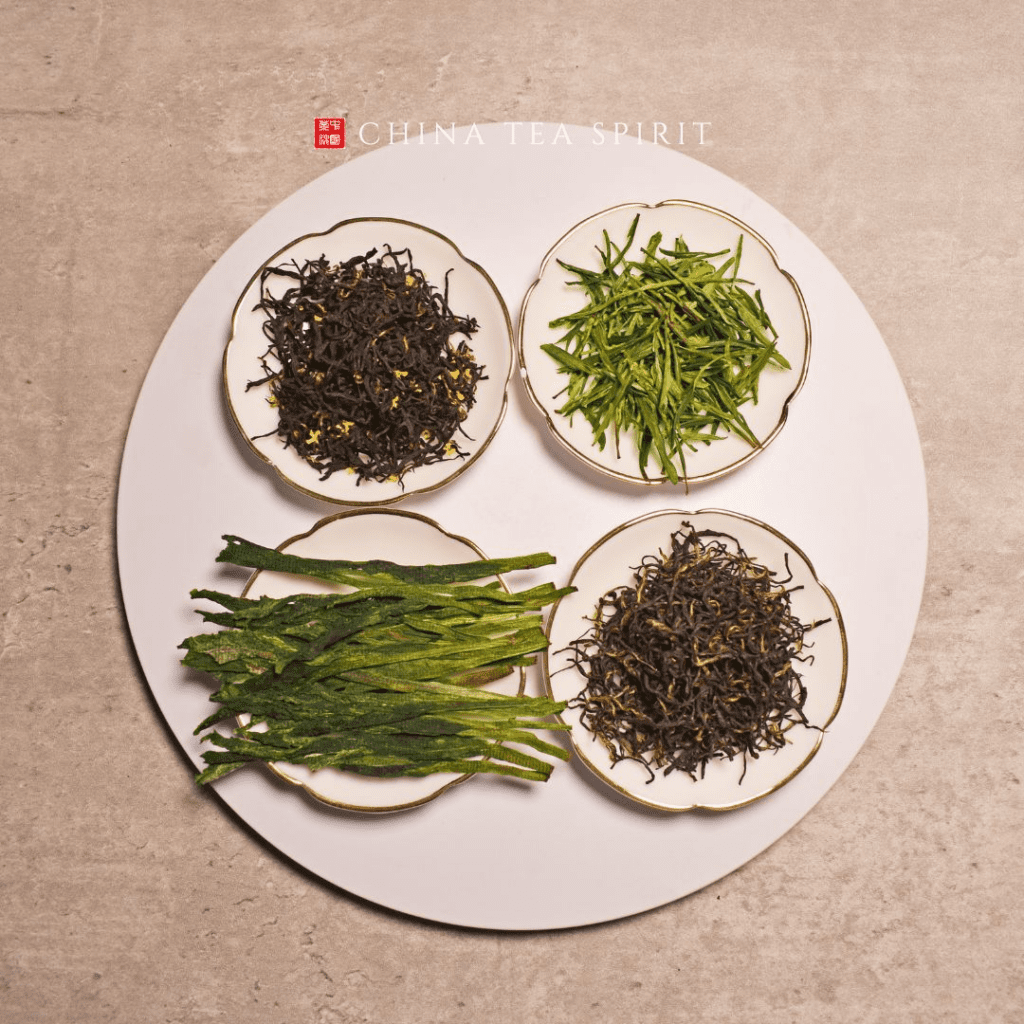
¡Hola, amantes del té! Aunque muchos de vosotros nos conocéis como una empresa especializada en artículos de té chino de alta gama, también nos especializamos en tés de la región de Huang Shan. Huang Shan es la cuna de los tés chinos más famosos: el Huang Shan Mao Feng, el Keemun y el Tai Ping Hou Kui. Como nativos de este lugar impresionante, tenemos un profundo vínculo con la tierra y su rico patrimonio del té.
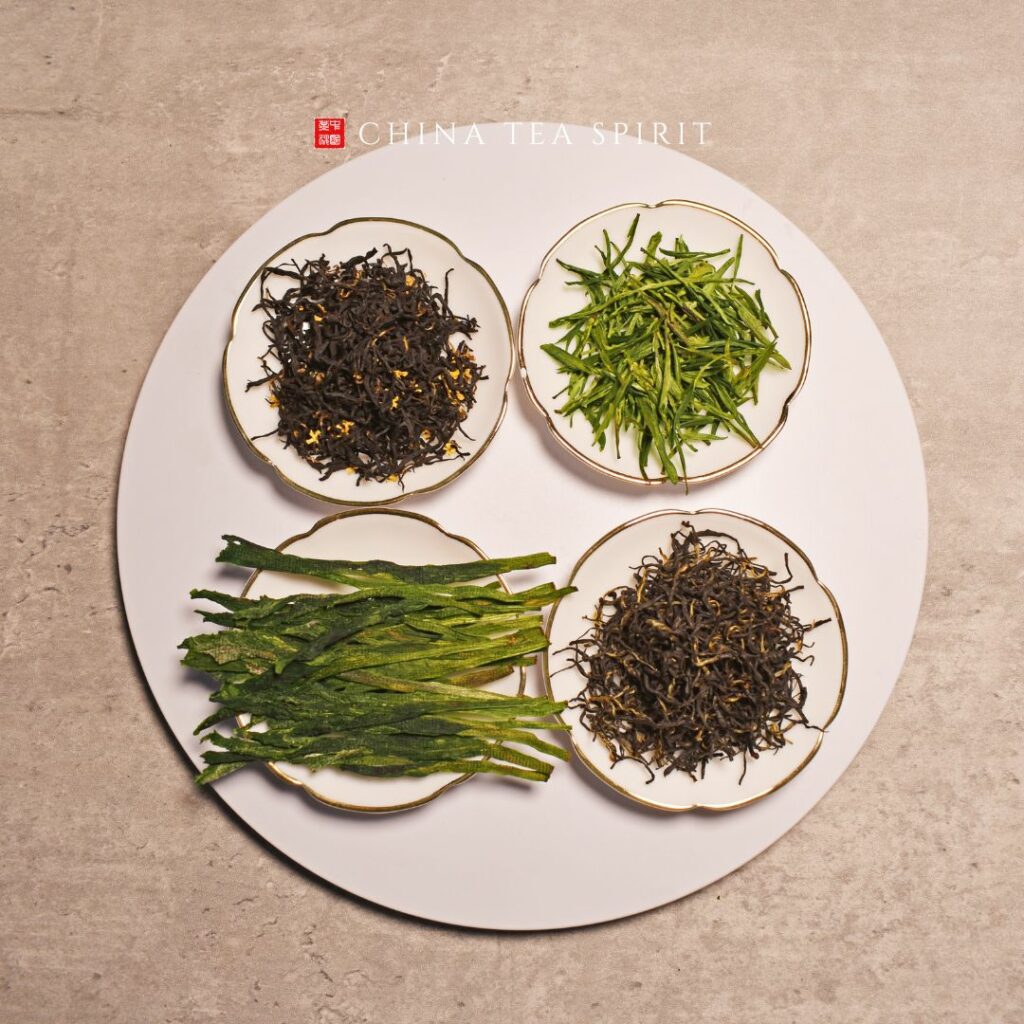
Somos conscientes de que encontrar el té perfecto puede ser toda una experiencia personal, y por eso te ofrecemos nuestro paquete de muestras. Te permite explorar la variedad de sabores de los tés de Huang Shan y descubrir aquel que más se adapte a tu paladar.
Todos los tés proceden directamente de los productores de té, lo que garantiza su calidad y su sabor auténtico.
Paquete de muestras que incluye: Huang Shan Mao Feng – 10 g Tai Ping Hou Kui – 10 g Keemun Mao Feng – 10 g Osmanthus Keemun – 10 g
Estamos deseando conocer vuestras opiniones sobre nuestros tés. Acompañadnos en este viaje y dejad que seamos vuestra guía mientras exploráis el encantador mundo de los tés de Huang Shan.
Ten en cuenta que el té y los utensilios para el té se enviarán en paquetes separados, de acuerdo con los requisitos aduaneros. Normalmente, el té llegará un poco más tarde que los utensilios para el té.
Estimados clientes,
Si has tenido algún problema durante el proceso de pago, ponte en contacto con nosotros en [email protected]. Y te echaremos una mano.
A continuación, enumeramos los errores de pago más habituales y sus soluciones para tu información.
#1: China Tea Spirit no realiza envíos a esta ubicación. Por favor, utiliza otra dirección.
Se trata de un error conocido de PayPal. Se produce de forma aleatoria. Si has visto este mensaje de error, ponte en contacto con nosotros en [email protected]. Nos encargaremos de solucionarlo por ti.
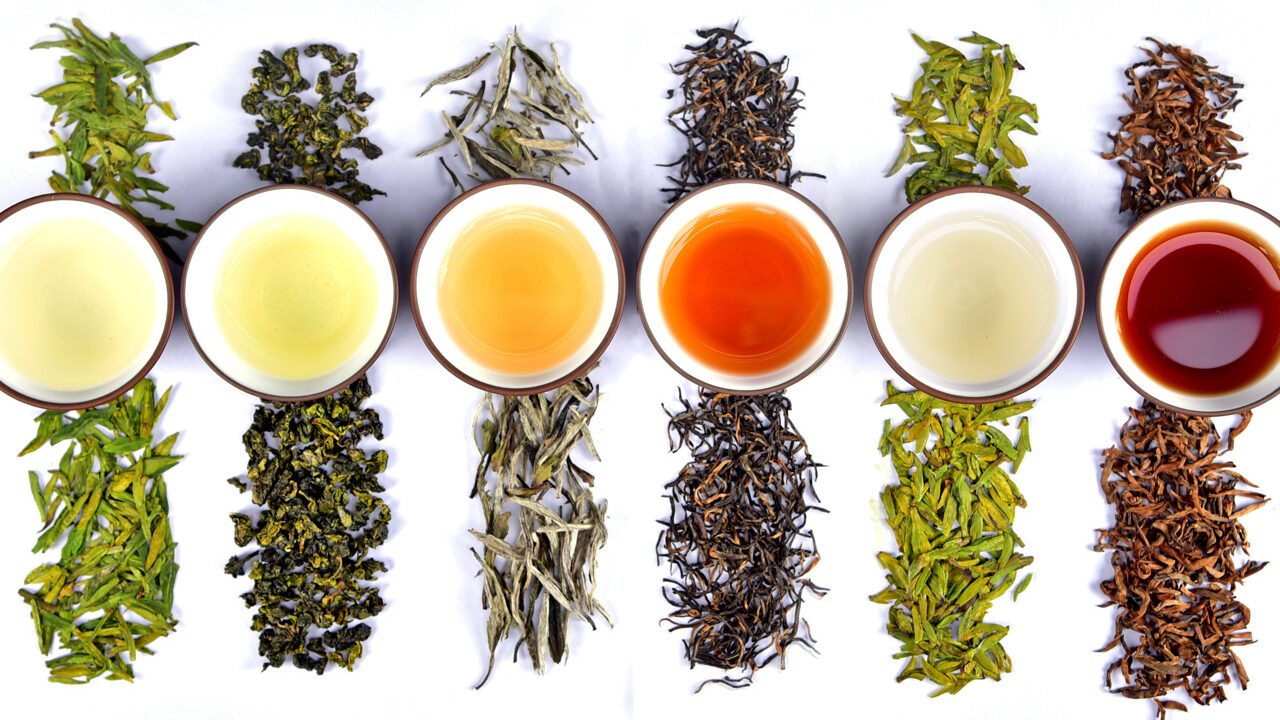
The six main types of Chinese tea are green, white, yellow, oolong, black and dark tea. They are distinguished by how the leaves are processed, rather than simply by the colour of the finished drink.
One naming detail makes a big difference: hong cha (红茶) is black tea in English, although its Chinese name means “red tea”. Hei cha (黑茶) is dark tea, a different category associated with microbial fermentation. Keeping those two names separate makes Chinese tea much easier to explore.
Six types of Chinese tea at a glance
Tea type
Chinese name
Main processing difference
Examples
Té verde
绿茶 · lü cha
Heated early to limit oxidation, then shaped and dried
Longjing, Huangshan Mao Feng, Taiping Hou Kui
Té blanco
白茶 · bai cha
Withered and dried with relatively little handling
Silver Needle, White Peony, Shou Mei
Yellow tea
黄茶 · huang cha
Includes a covered yellowing step
Junshan Yin Zhen, Mengding Huang Ya, Huoshan Huang Ya
Té oolong
乌龙茶 · wulong cha
Partially oxidised; style varies with processing and roasting
Tieguanyin, Wuyi rock tea, Phoenix Dancong
Té negro
红茶 · hong cha
Oxidised before final drying
Keemun, Dian Hong, Zheng Shan Xiao Zhong
Dark tea
黑茶 · hei cha
Microbial fermentation is part of its processing or maturation
Liubao, Qimen An Cha, ripe Pu-erh
Oxidation and microbial fermentation are different processes. Older descriptions often use “fermentation” for both, but the distinction helps explain why black tea and dark tea belong to different categories.
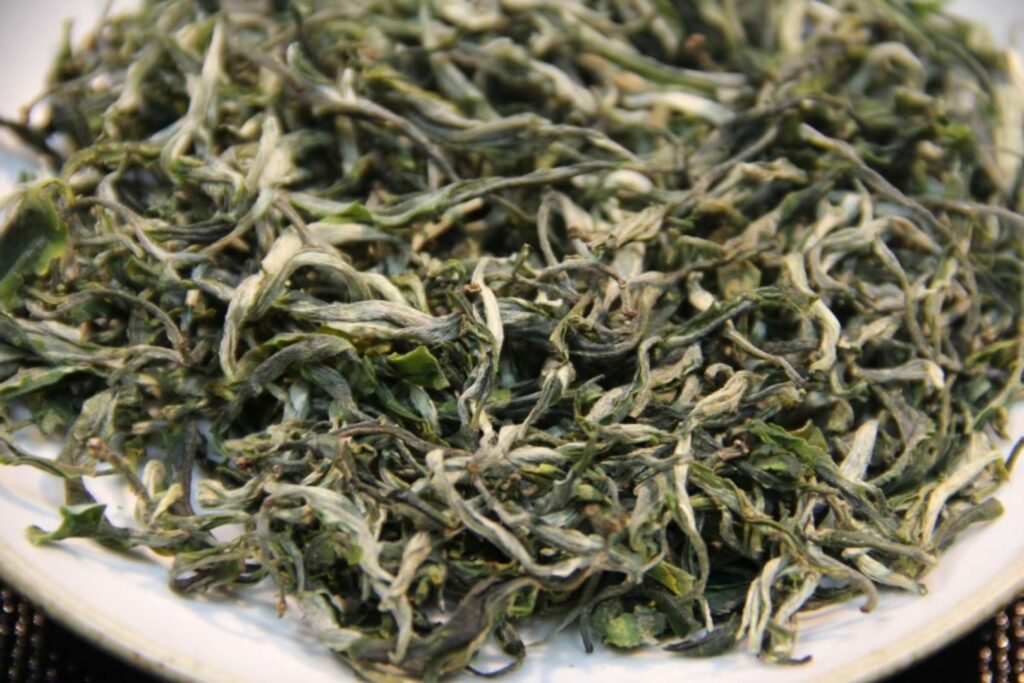
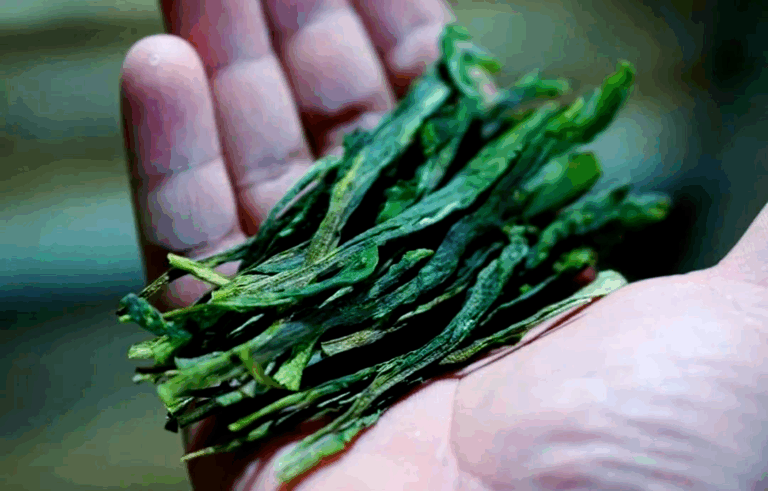
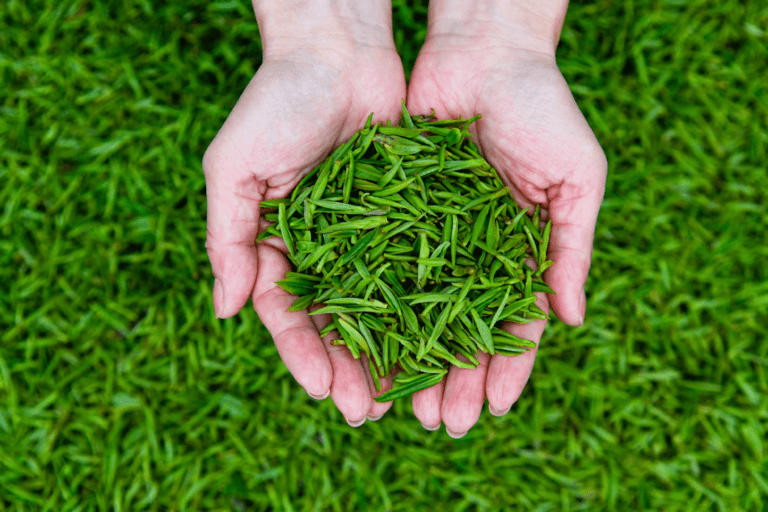
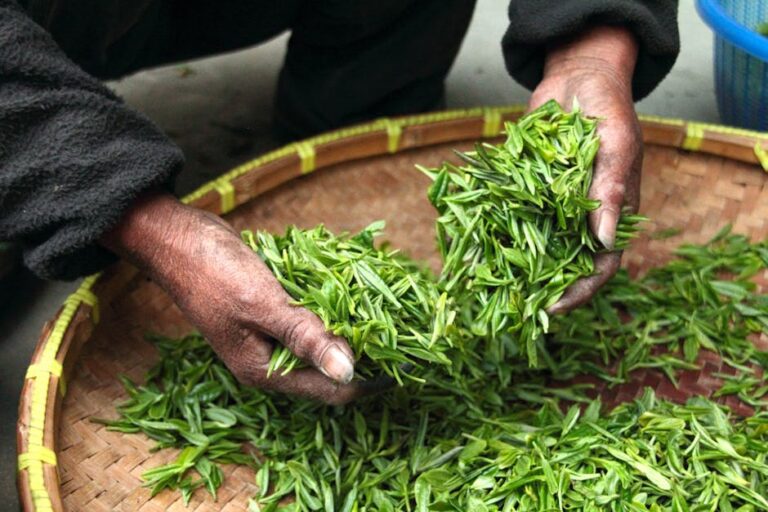
Green tea is heated early in processing to limit oxidation. It is then shaped and dried.
This early heating helps preserve the leaves’ green character. Pan-firing and steaming are two ways of applying that heat; the exact method depends on the tea.
Su proceso de producción pasa por las fases de «Sha Qing» (matar el verde), amasado y secado. El «Sha Qing» utiliza altas temperaturas para inactivar las enzimas oxidantes, con el fin de evitar que las hojas de té se oxiden y mantener su color verde. El amasado desempeña una función en el moldeado de las hojas, y otra función es romper las células de las hojas de té para que puedan someterse a múltiples infusiones. El secado, además de facilitar el almacenamiento de las hojas de té, también tiene el efecto de potenciar el aroma.
Los tés verdes más comunes son el té blanco de Anji, Huangshan Mao Feng, Taiping Hou Kui, Xihu Dragon Well, Xinyang Mao Jian, Bi Luo Chun, etc.
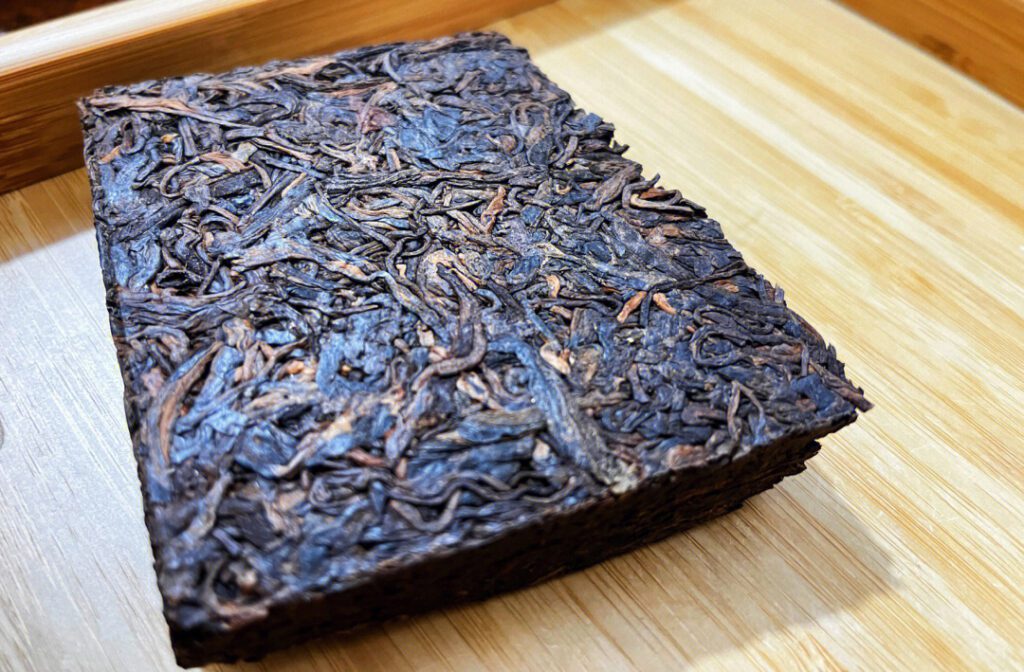
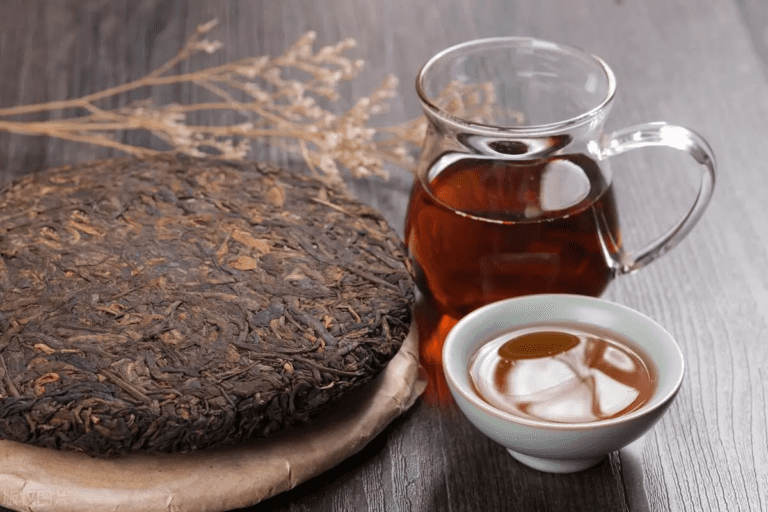
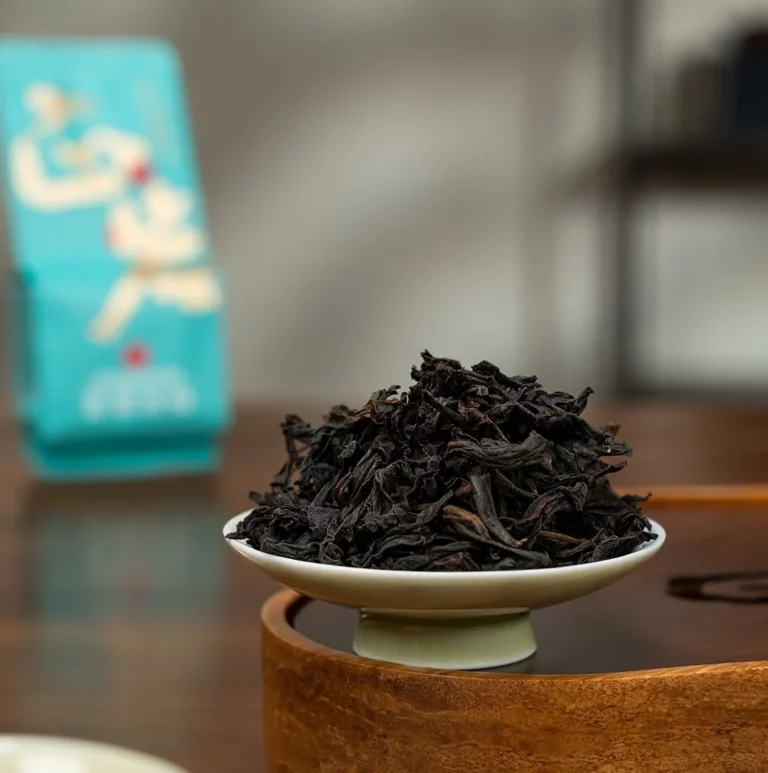
Dark tea, or hei cha, is associated with microbial fermentation after the initial processing of the leaves. It is a different category from the tea called black tea in English.
Examples include Liubao from Guangxi and Qimen An Cha from Anhui. Ripe Pu-erh is also commonly discussed alongside dark tea. Pu-erh includes both raw (sheng) and ripe (shou) styles, which should not be treated as one identical processing method.
The name hei cha literally means “black tea”, but “dark tea” is the clearer English term here. In English, black tea usually means hong cha (红茶).
Aquí encontrarás más información sobre el té negro chino.
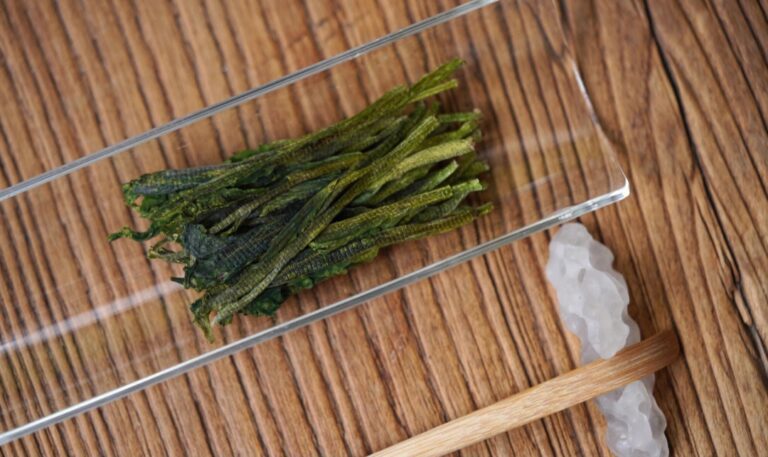
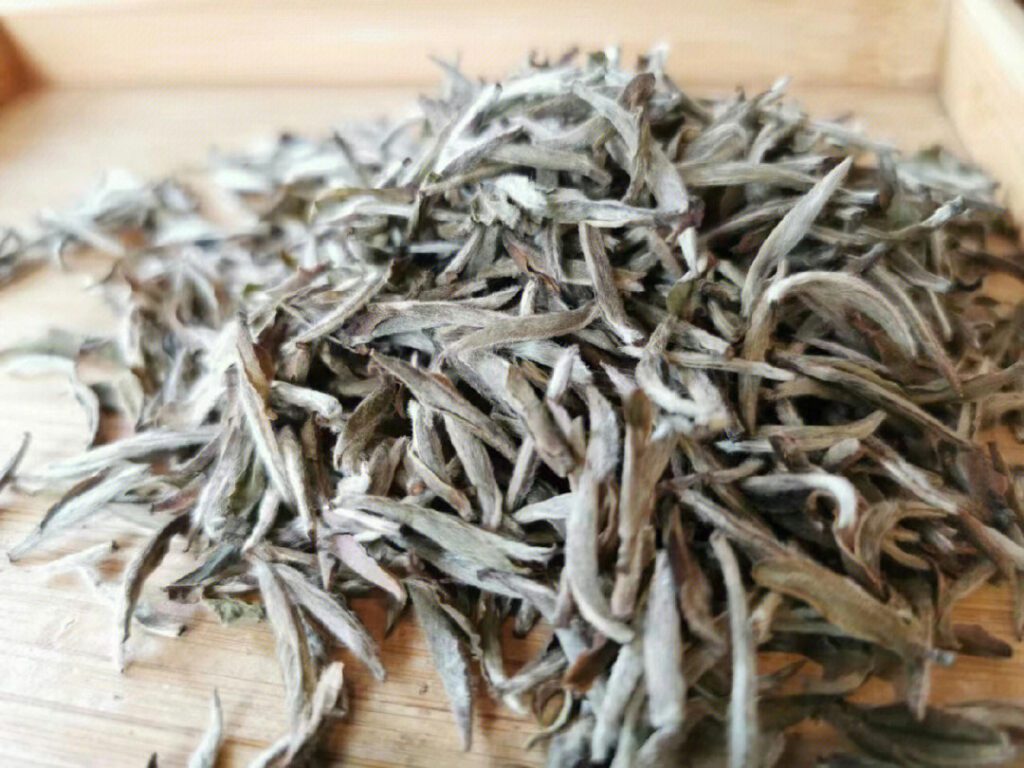
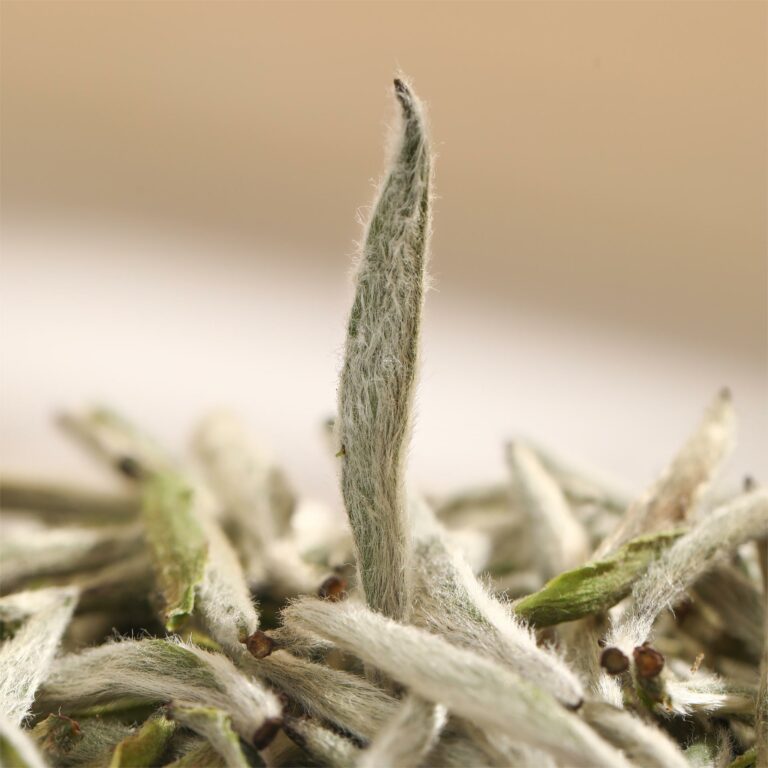
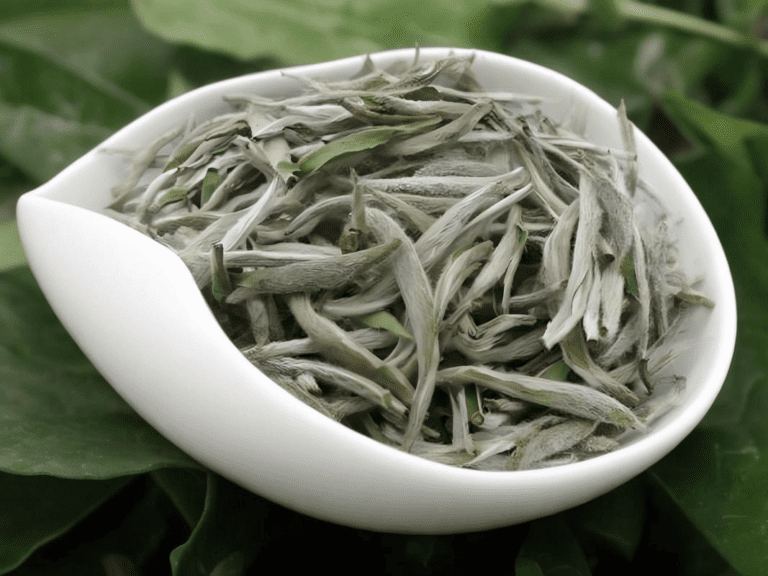
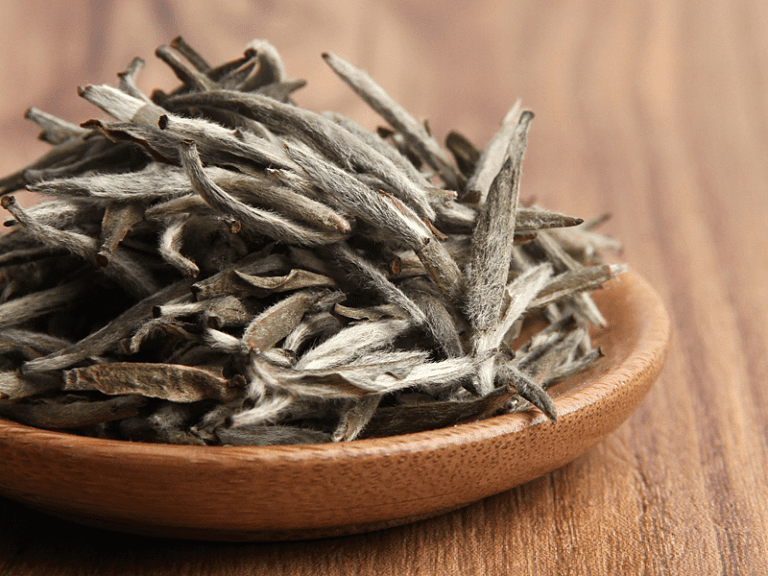
White tea is mainly made by withering and drying, with relatively little handling of the leaves. It is produced mainly in Fuding, Zhenghe, Songxi and Jianyang counties in Fujian. It is processed without frying or kneading. The tea leaves are dried in the sun or with a gentle fire. Thus, the white hairs remain intact. The white tea has a complete bud and hair, full of hair appearance characteristics, as well as the characteristics of fresh fragrance, yellow-green color and clear broth, light and sweet taste.
El té blanco se divide en té de brote y té de hoja. El té que tiene un solo brote se denomina “aguja de plata”. El té que tiene un brote y dos o tres hojas se denomina “peonía blanca”. También existe el “Gong Mei / Shou Mei”, que suele tener tres hojas o menos.
¿Se puede hervir el té blanco añejo después de prepararlo al estilo gongfu? A continuación te explicamos por qué el Shou Mei aún puede ofrecer más, cómo cocerlo a fuego lento y cuándo hervirlo no es la mejor opción.
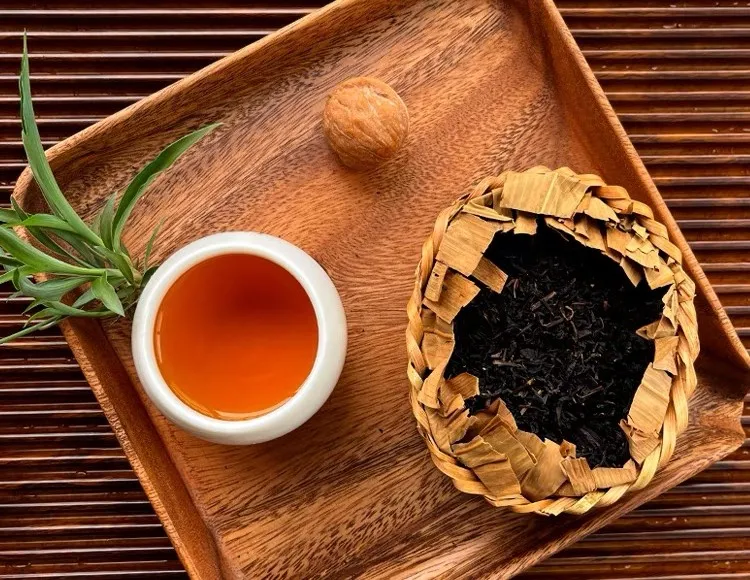
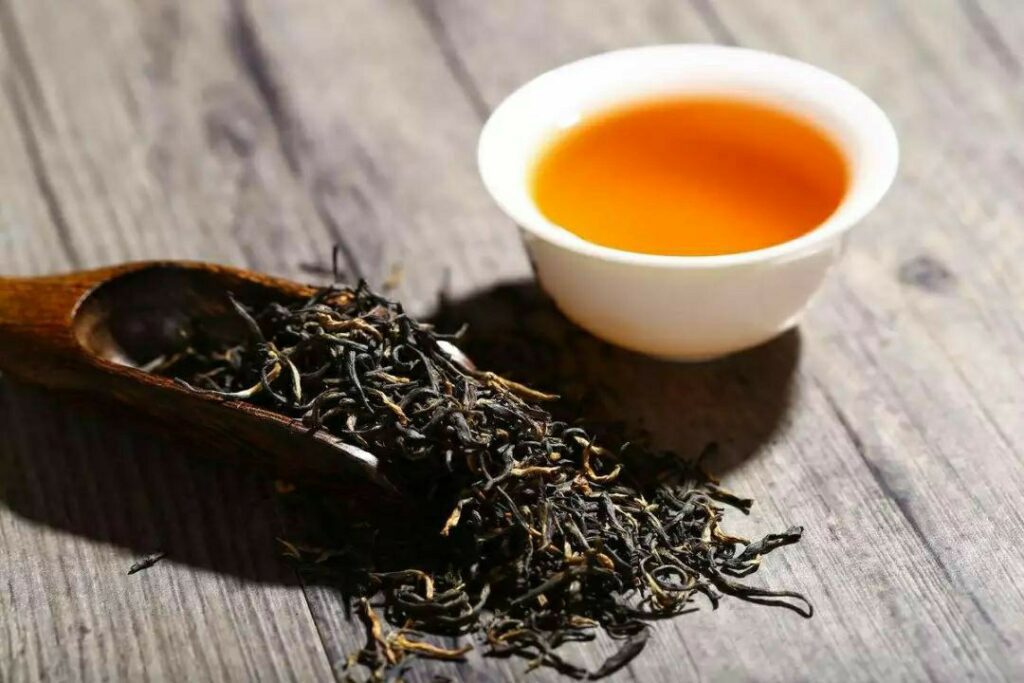
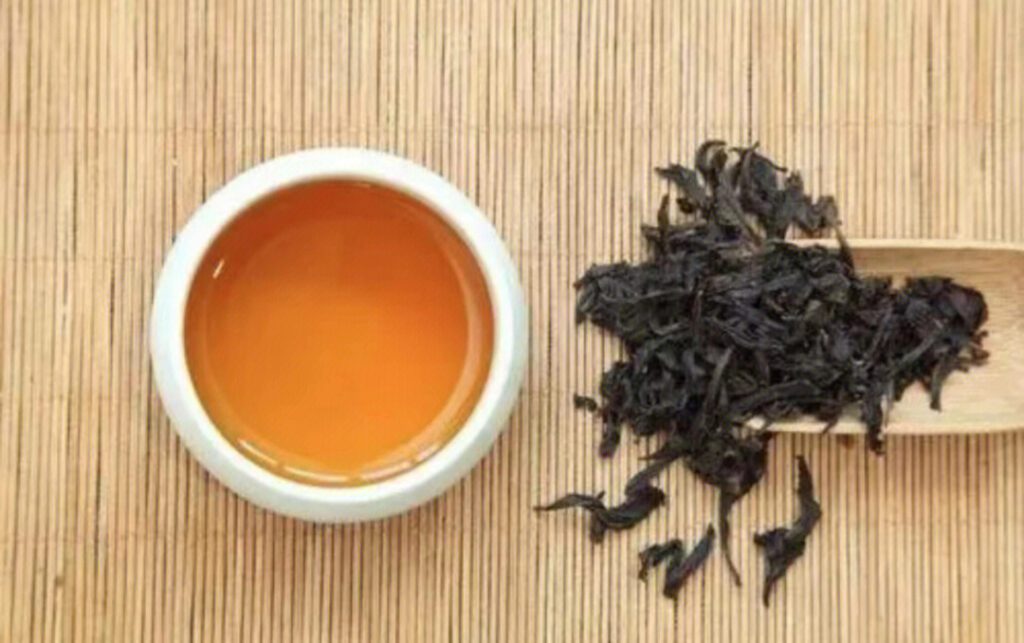
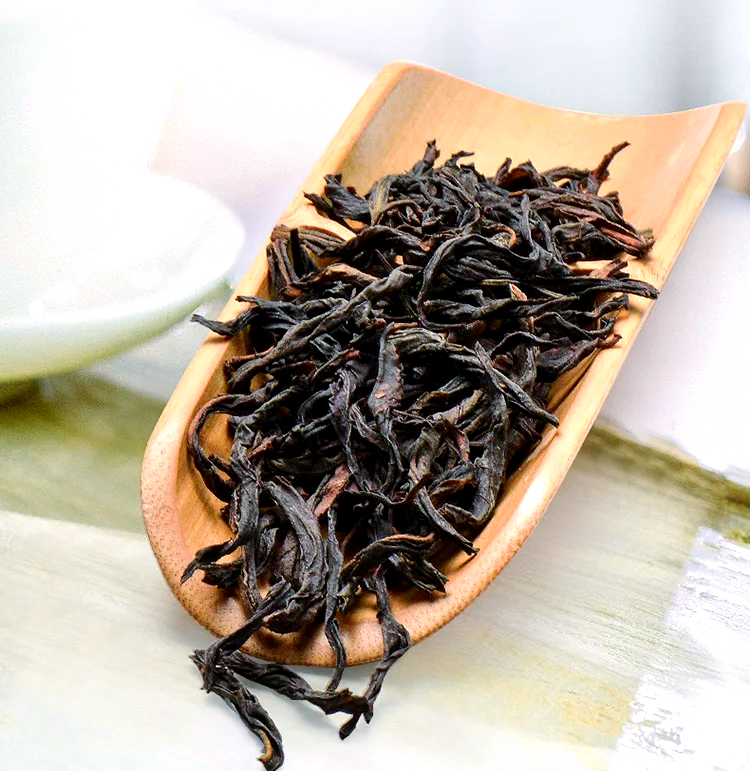
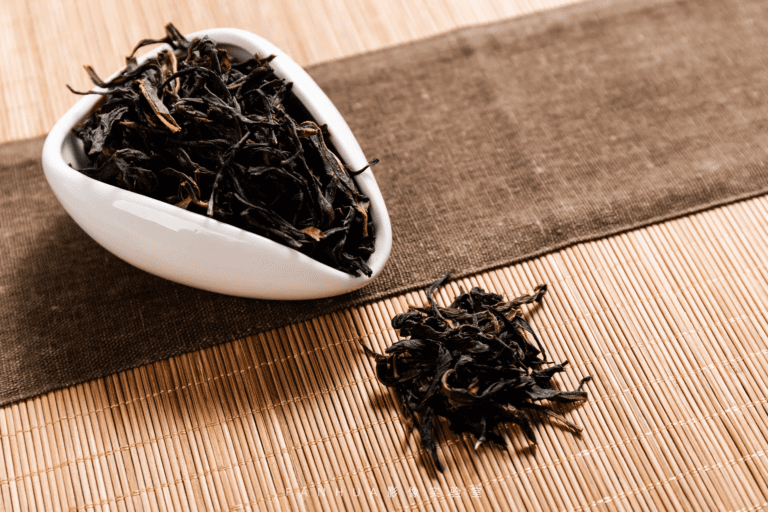
Black tea is called hong cha (红茶), or “red tea”, in Chinese. The English and Chinese names refer to the same category. The leaves are withered and rolled, then allowed to oxidise before drying. This oxidation helps develop the tea’s colour and flavour.
Examples of Chinese black tea include Zheng Shan Xiao Zhong, Jin Jun Mei, Dian Hong and Keemun. CTC means “crush, tear, curl”, a processing method often used for tea bags.
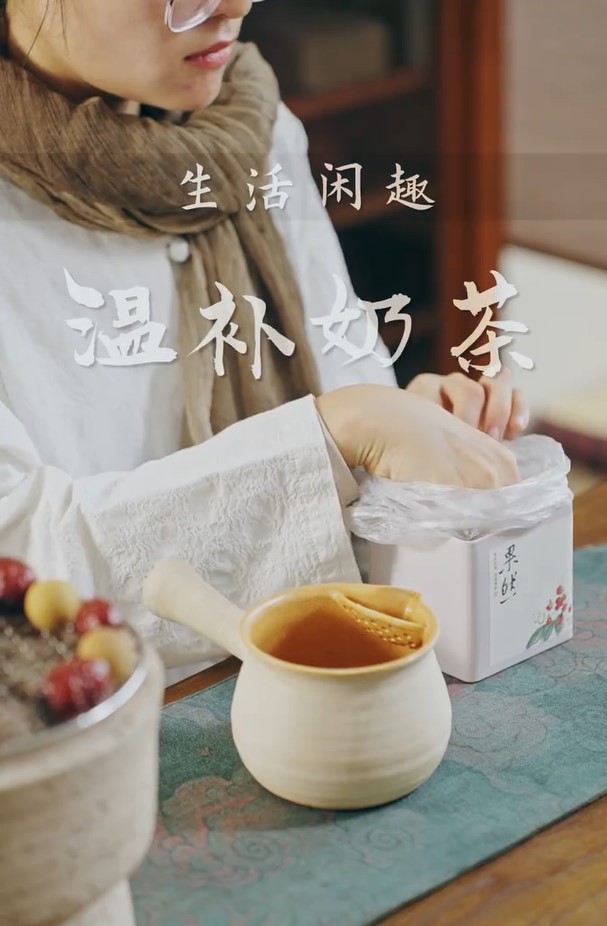
Aprende a preparar una deliciosa y saludable infusión: té rojo con leche al horno, dátiles rojos de longan y osmanto. Esta receta, muy fácil de seguir, te mostrará paso a paso cómo preparar a la perfección esta bebida refrescante y reconfortante.
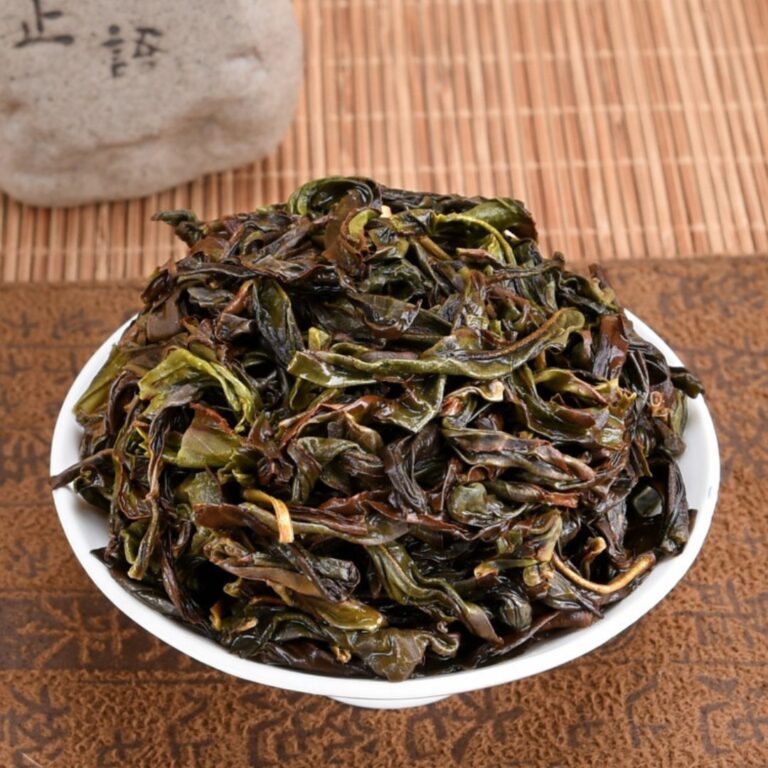
Oolong tea, also called Qing Cha, is partially oxidised. Tieguanyin and Da Hong Pao are both oolong teas, even though they can taste very different.
Yao Qing, or shaking the leaves, is part of the processing of many oolongs and helps control oxidation. Oolong covers a wide range of styles, so its flavour also depends on the leaves, processing and roasting.
El té oolong se clasifica generalmente según su origen, y las principales zonas de producción se concentran en Fujian, Guangdong y Taiwán.
Four familiar regional groups are:
Oolong del norte de Fujian: té de roca de Wuyi, etc.;
Oolong del sur de Fujian: Tieguanyin, Golden Cinnamon, etc.;
Oolong de Guangdong: Phoenix Dancong, Lingtou Dancong, etc.;
Oolong de Taiwán: Dongding oolong, Oriental Beauty, etc.
¿Qué té combina mejor con los pasteles de luna? Elige el té en función del relleno —desde la pasta de loto y la yema de huevo salada hasta la masa «piel de nieve», el durián, los frutos secos y la crema pastelera— en lugar de seguir una regla fija del Festival del Medio Otoño.
¡Descubre los sabores únicos del té de roca de Wuyi! Conoce las diferencias entre el Dahongpao, el Rougui y el Shuixian, desde sus orígenes hasta su aroma, sabor y consejos para prepararlos.
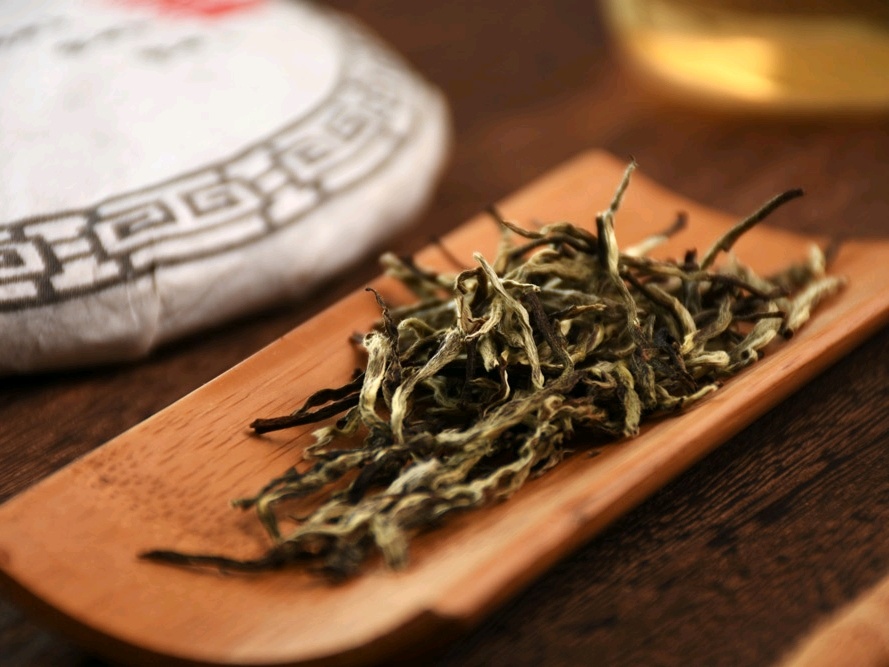
Yellow tea includes a covered yellowing step, often called men huang, as part of processing. This distinguishes it from green tea and helps develop its yellow character.
En comparación con otros tipos de té, el té amarillo es relativamente poco común, por lo que, en la actualidad, se trata de un producto bastante especializado.
Los tés amarillos más comunes son: el «brote plateado de Junshan», el «brote amarillo de Mengding», el «brote amarillo de Huoshan», etc.
Prueba nuestro pack de muestras de té de Huang Shan
¡Hola, amantes del té! Aunque muchos de vosotros nos conocéis como una empresa de artículos de té chino de alta gama, también estamos especializados en tés de la región de Huang Shan. Huang Shan es la cuna de los tés chinos más famosos: el Huang Shan Mao Feng, el Keemun y el Tai Ping Hou Kui. Como somos originarios de este lugar impresionante, tenemos un…