Recevez un torchon gratuit pour toute commande supérieure à $49. Inscrivez-vous à la newsletter et bénéficiez d'une réduction de 7% ! IgnorerAller directement au contenu
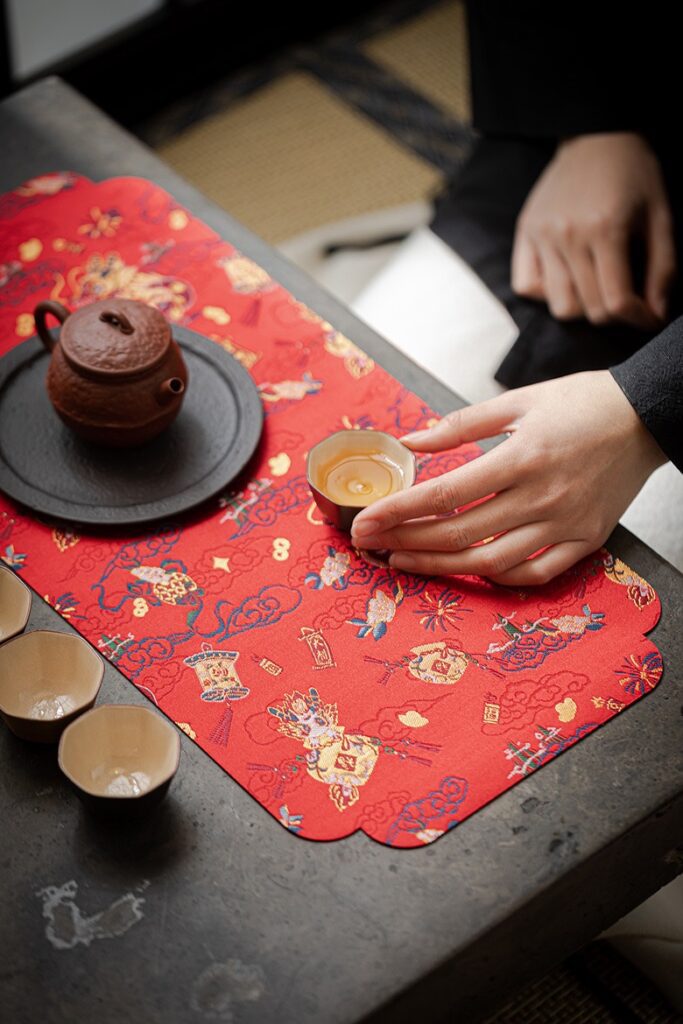
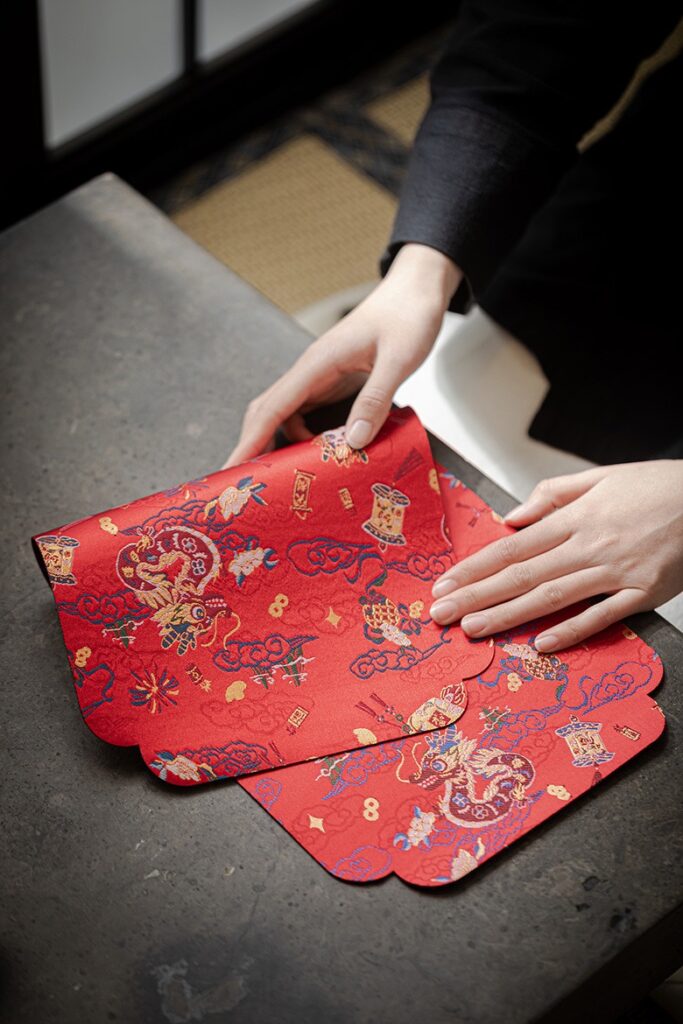
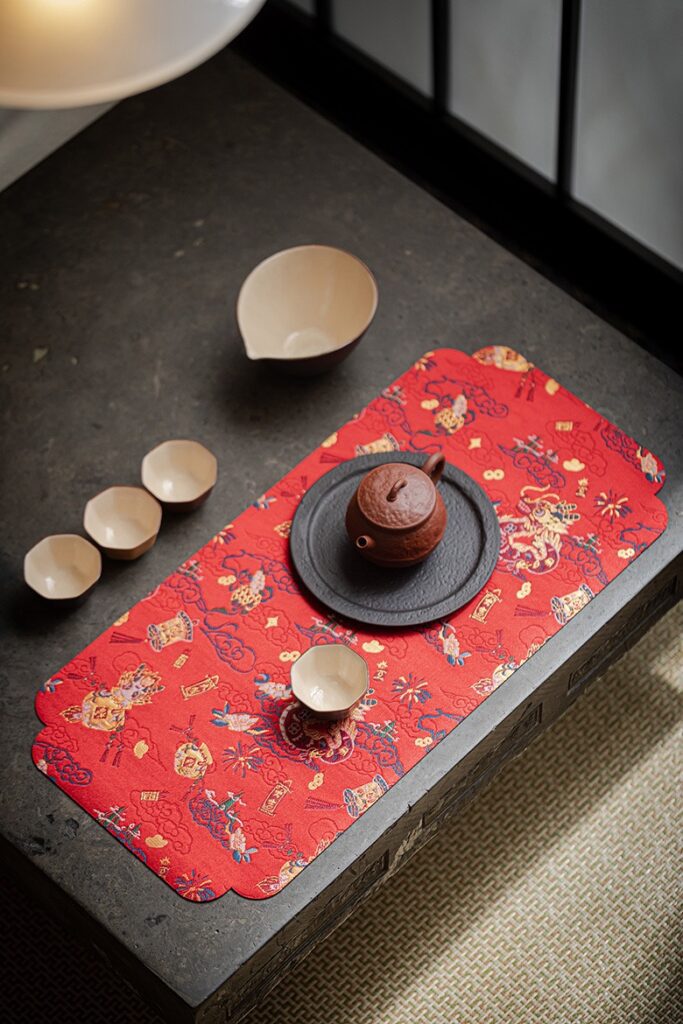
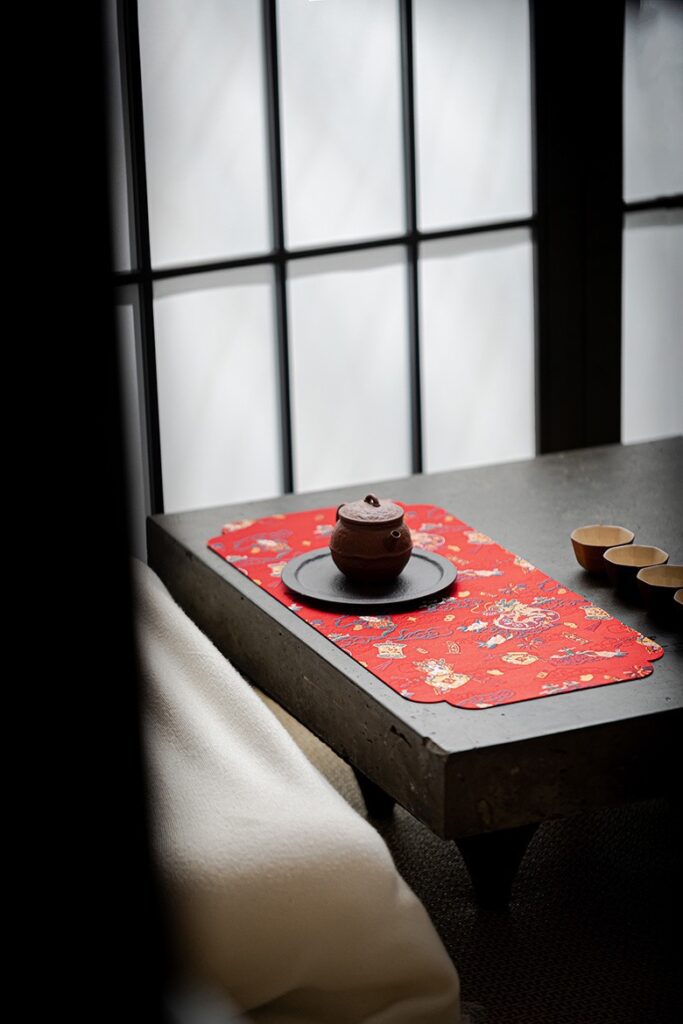
Bonjour à tous les amateurs de thé ! 🐉✨ Une nouvelle passionnante en ce début d’Année du Dragon 2024 : pour tout achat d’une théière Yixing, nous vous offrons un set de thé exclusif aux motifs de l’Année du Dragon, pour apporter une touche d’originalité à vos rituels du thé. C'est notre façon de célébrer cet événement avec vous, mais n'oubliez pas : cette offre est valable pour une durée limitée ! Ne manquez pas l'occasion de rendre vos moments de dégustation encore plus spéciaux grâce à cet accessoire mystique. 🍵💫
Bonjour à tous les amateurs de thé ! Si beaucoup d’entre vous nous connaissent comme une entreprise spécialisée dans les accessoires haut de gamme pour le thé chinois, nous sommes également spécialisés dans les thés de la région de Huang Shan. Huang Shan abrite les thés chinois les plus célèbres : le Huang Shan Mao Feng, le Keemun et le Tai Ping Hou Kui. Originaires de cet endroit à couper le souffle, nous entretenons un lien profond avec cette terre et son riche patrimoine du thé.
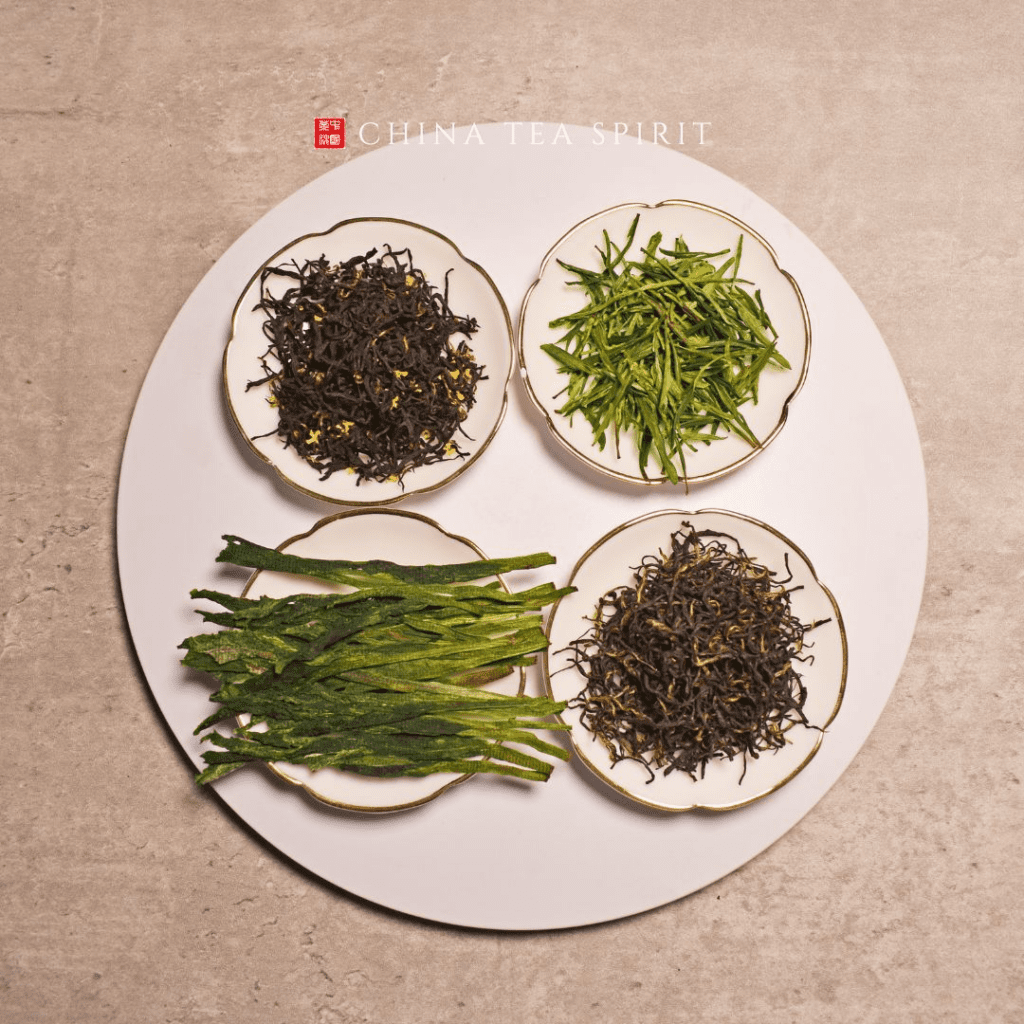
Nous savons que trouver le thé idéal peut être un parcours personnel, c'est pourquoi nous vous proposons notre coffret d'échantillons. Il vous permet d'explorer la diversité des saveurs des thés de Huang Shan et de découvrir celui qui séduira vos papilles.
Chacun de ces thés est acheté et produit directement auprès des producteurs de thé, ce qui garantit sa qualité et son goût authentique.
Coffret d'échantillons comprenant : Huang Shan Mao Feng – 10 g Tai Ping Hou Kui – 10 g Keemun Mao Feng – 10 g Osmanthus Keemun – 10 g
Nous avons hâte de connaître vos impressions sur nos thés. Rejoignez-nous dans cette aventure et laissez-nous vous guider à la découverte de l'univers enchanteur des thés de Huang Shan.
Veuillez noter que le thé et les accessoires de thé seront expédiés dans des colis séparés, conformément aux exigences douanières. En général, le thé arrive un peu plus tard que les accessoires de thé.
Chers clients,
Si vous avez rencontré des problèmes lors du paiement, veuillez nous contacter à l'adresse suivante : [email protected]. Et nous serons là pour vous aider.
Vous trouverez ci-dessous une liste des erreurs de paiement courantes et leurs solutions, à titre de référence.
#1 : China Tea Spirit ne livre pas à cette adresse. Veuillez indiquer une autre adresse.
Il s'agit d'un bug connu de PayPal. Il survient de manière aléatoire. Si vous avez reçu ce message d'erreur, veuillez nous contacter à l'adresse suivante : [email protected]. Nous allons régler cela pour vous.
A traditional baked lotus-seed mooncake with salted egg yolk needs a very different partner from a chilled lychee snowskin mooncake. A five-nut mooncake asks something different again.
That sounds obvious, but many tea-and-mooncake guides still begin by choosing a tea category first and fitting the mooncake around it.
I would do the opposite.
Start with how heavy the mooncake feels
Think about the filling before thinking about the tea.
Is it dense and oily? Sweet and floral? Nutty? Salty? Cold and fruity?
Then choose a tea strong enough to remain noticeable beside it.
This is why oolong appears so often at Mid-Autumn tables. It covers an unusually wide range.
A roasted Tieguanyin or Wuyi oolong has enough aroma and structure to stand beside a rich baked mooncake, while a lighter Tieguanyin can work surprisingly well with snowskin or fruit-based fillings.
A tea drinker this week paired homemade snowskin mooncake with roasted Tieguanyin. They had originally considered rose-aged Shou Mei but ended up choosing Tieguanyin because it was simply the tea they wanted to drink.
That is worth remembering.
A pairing does not become better because it follows a chart.
Lotus paste and salted egg yolk: bring some structure
Traditional white-lotus or lotus-seed mooncakes can be intensely sweet and dense. Add one or two salted egg yolks and the experience becomes richer, saltier and more persistent.
This is where a stronger roasted oolong makes sense.
A medium- or traditionally roasted Tieguanyin can bring roasted fragrance and enough body to remain present after the mooncake. Wuyi oolongs can do something similar, particularly when their mineral and roasted character is more pronounced.
Ripe pu’er is another useful option. Its darker, earthier profile creates contrast rather than adding more sweetness.
I would not say that the tea “removes the fat” or somehow makes an indulgent mooncake healthier. That is not what a pairing needs to do.
It only needs to make the next bite taste good again.
That is a sensory job, not a nutritional one.
Five-nut mooncakes want a tea that understands roasted flavours
Five-nut mooncakes can contain walnuts, seeds, peanuts and candied ingredients, depending on the recipe.
They are less uniformly sweet than lotus paste and much more textural.
Here, I would start with roasted oolong again—but for a different reason.
Instead of fighting richness, the roasted notes echo the nuts.
A Wuyi tea can work especially well because roasted, woody and mineral flavours have enough depth to sit beside toasted nuts without disappearing.
Dian Hong is another interesting option. A Yunnan black tea with a fuller body and natural honey or malt character can connect with the sweeter side of the filling while still giving enough contrast.
The point is not that either tea is “correct.” It is that the flavours have somewhere to meet.
Snowskin changes the rules
Snowskin mooncakes are a good reminder that “mooncake” no longer tells you very much about flavour.
The wrapper is soft rather than baked, the cakes are generally served chilled, and fillings can range from traditional pastes to fruit, durian, chocolate or custard.
For a lighter fruit or floral filling, I would usually move away from the darkest teas.
A fragrant Tieguanyin works naturally. So can jasmine tea. A young or lightly aged white tea can also be lovely when the filling is subtle enough that the tea will still be heard.
But there is no reason a roasted Tieguanyin cannot work.
Temperature creates another interesting contrast. A cold snowskin mooncake followed by warm aromatic tea can make the tea’s fragrance feel particularly vivid.
Red bean and mung bean usually need less force
Bean-paste fillings have an earthy sweetness but are often less buttery than salted-yolk lotus or custard fillings.
That means you do not necessarily need your strongest tea.
A jasmine green tea can add fragrance without making the combination heavier. A lighter oolong can do the same. Even a fresh green tea can work if the mooncake is not aggressively sweet.
The main danger is choosing something so delicate that all you can taste after the mooncake is hot water.
If that happens, the tea is not bad. It has simply been given the wrong job.
Custard and durian need contrast
Custard lava mooncakes are almost the opposite of subtle.
They are creamy, sweet, salty and rich. Durian versions can be even more aromatic.
With fillings like these, trying to find a tea equally rich often produces too much of everything.
Contrast becomes more interesting.
A roasted oolong works. Ripe pu’er can work. A reasonably assertive green tea can also be refreshing if you enjoy a more obvious bitter-fresh contrast.
For durian, I would be careful with extremely delicate floral teas. The fruit may simply flatten them.
That does not mean you need the darkest tea available. You only need enough presence for the tea to still taste like itself.
If there are six mooncakes on the table, choose one versatile tea
Mid-Autumn gatherings rarely involve everyone eating one identical filling.
There may be lotus paste, egg yolk, red bean, nuts, snowskin and something involving chocolate sitting on the same plate.
You probably do not want six teapots.
If I had to choose one Chinese tea to cover the whole table, I would pick a moderately roasted oolong.
It has enough body for richer mooncakes, enough aroma for lighter ones and enough roast to work with nuts without being as dominant as some very dark teas.
Pu’er would be my second choice if the table leans heavily toward traditional, rich baked mooncakes.
If most of the selection is chilled, fruity or floral snowskin, I would move toward lighter Tieguanyin or jasmine tea instead.
This is a more useful approach than declaring one tea the universal Mid-Autumn answer.
Look at the plate first. Then choose the tea.
Serve less mooncake than you think
One small practical change improves almost every pairing: cut the mooncakes smaller.
When several flavours are being shared, one mooncake can easily become six or eight wedges rather than four large pieces. Smaller portions make it easier to compare fillings rather than letting one dense mooncake dominate the tasting.
This also makes the tea more interesting.
Take a bite. Drink a little tea. Notice what changes. Then try another filling.
You are effectively doing a tasting session, except half of the tasting happens to be pastry.
Your favorite tea is allowed to win
Tea people sometimes make pairing sound more scientific than it really is.
There are useful principles. Intensity should roughly match intensity. Roast often works with nuts. Bitterness and astringency can contrast sweetness. Floral teas can lift lighter fillings.
But after that, personal preference takes over.
The most revealing detail in today’s Mid-Autumn discussion was not that roasted Tieguanyin worked with snowskin mooncake.
It was that the person had another theoretically suitable tea ready and chose Tieguanyin anyway because it was their favorite.
That is probably the right way to approach the festival.
A good pairing should make both things more enjoyable. It should not turn dessert into an exam.
If your favorite Tieguanyin tastes wonderful after a piece of mooncake, you already found the answer.