Suspension des expéditions pendant les fêtes — reprise le 8 octobre. Fêtez la Fête de la mi-automne avec une réduction de 10% en utilisant le code ctsmooncake. IgnorerAller directement au contenu
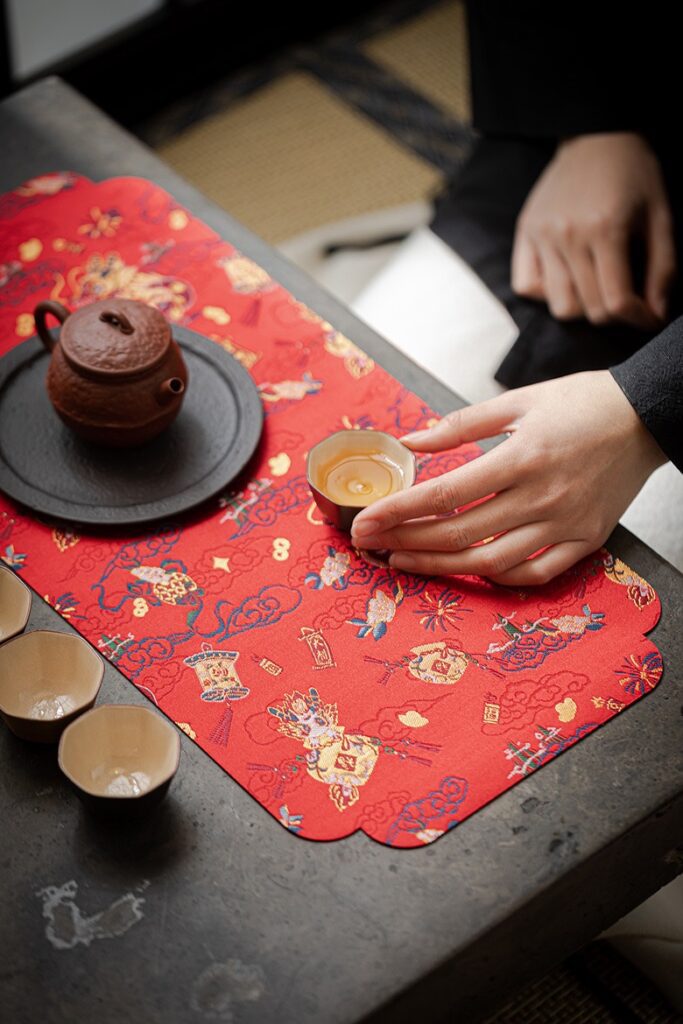
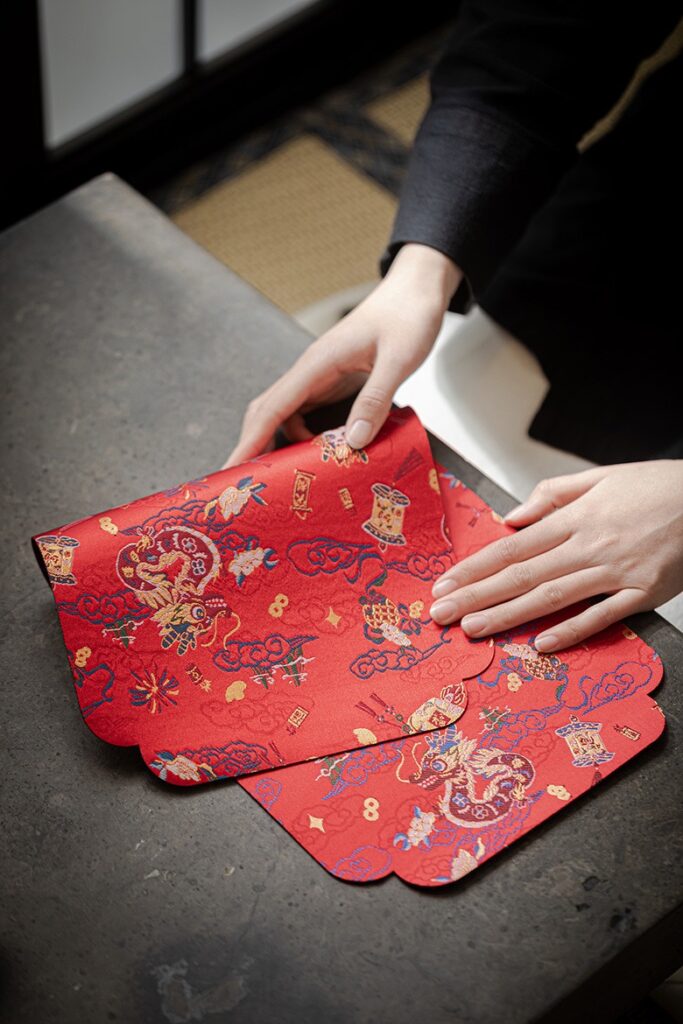
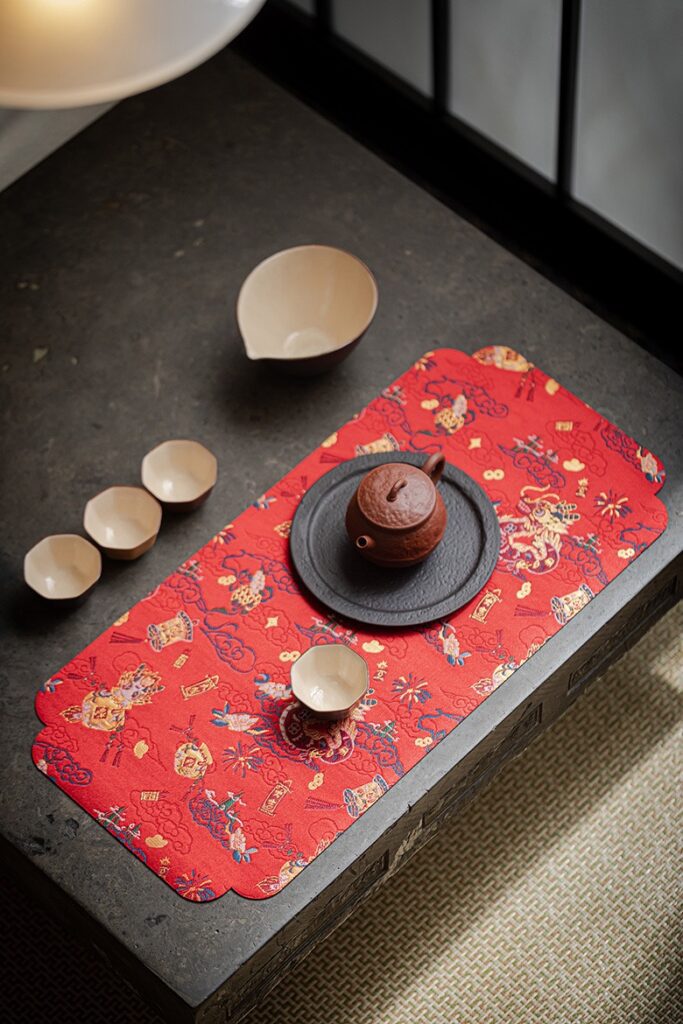
Bonjour à tous les amateurs de thé ! 🐉✨ Une nouvelle passionnante en ce début d’Année du Dragon 2024 : pour tout achat d’une théière Yixing, nous vous offrons un set de thé exclusif aux motifs de l’Année du Dragon, pour apporter une touche d’originalité à vos rituels du thé. C'est notre façon de célébrer cet événement avec vous, mais n'oubliez pas : cette offre est valable pour une durée limitée ! Ne manquez pas l'occasion de rendre vos moments de dégustation encore plus spéciaux grâce à cet accessoire mystique. 🍵💫
Bonjour à tous les amateurs de thé ! Si beaucoup d’entre vous nous connaissent comme une entreprise spécialisée dans les accessoires haut de gamme pour le thé chinois, nous sommes également spécialisés dans les thés de la région de Huang Shan. Huang Shan abrite les thés chinois les plus célèbres : le Huang Shan Mao Feng, le Keemun et le Tai Ping Hou Kui. Originaires de cet endroit à couper le souffle, nous entretenons un lien profond avec cette terre et son riche patrimoine du thé.
Nous savons que trouver le thé idéal peut être un parcours personnel, c'est pourquoi nous vous proposons notre coffret d'échantillons. Il vous permet d'explorer la diversité des saveurs des thés de Huang Shan et de découvrir celui qui séduira vos papilles.
Chacun de ces thés est acheté et produit directement auprès des producteurs de thé, ce qui garantit sa qualité et son goût authentique.
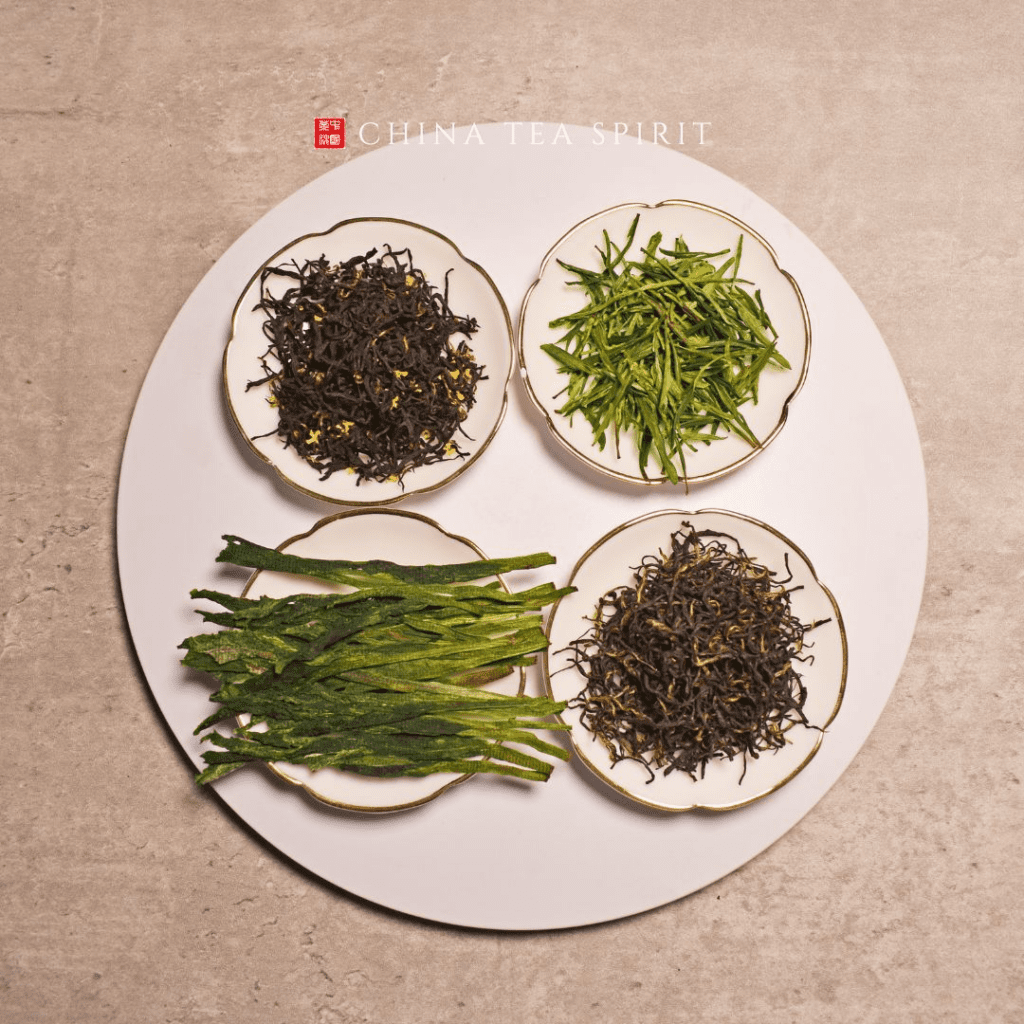
Coffret d'échantillons comprenant : Huang Shan Mao Feng – 10 g Tai Ping Hou Kui – 10 g Keemun Mao Feng – 10 g Osmanthus Keemun – 10 g
Nous avons hâte de connaître vos impressions sur nos thés. Rejoignez-nous dans cette aventure et laissez-nous vous guider à la découverte de l'univers enchanteur des thés de Huang Shan.
Veuillez noter que le thé et les accessoires de thé seront expédiés dans des colis séparés, conformément aux exigences douanières. En général, le thé arrive un peu plus tard que les accessoires de thé.
Chers clients,
Si vous avez rencontré des problèmes lors du paiement, veuillez nous contacter à l'adresse suivante : [email protected]. Et nous serons là pour vous aider.
Vous trouverez ci-dessous une liste des erreurs de paiement courantes et leurs solutions, à titre de référence.
#1 : China Tea Spirit ne livre pas à cette adresse. Veuillez indiquer une autre adresse.
Il s'agit d'un bug connu de PayPal. Il survient de manière aléatoire. Si vous avez reçu ce message d'erreur, veuillez nous contacter à l'adresse suivante : [email protected]. Nous allons régler cela pour vous.
A tea leaf doesn’t need to be perfect to become something extraordinary.
A small green insect settles on a tender tea shoot. It pierces the leaf with its mouthparts and begins feeding on the plant’s sap.
For the tea grower, this is usually bad news.
The leaf may develop pale spots, yellow around the veins, or begin to curl at the edges. A severe infestation can weaken the plant and reduce the harvest.
Yet in certain Chinese teas, that same encounter can be responsible for one of the most prized aromas of all: honey.
Not honey added during processing. Not a sweetener. And certainly not honey produced by the insect.
The fragrance comes from changes within the tea leaf itself.
It’s a remarkable example of how something a plant does to defend itself can eventually become something humans find delicious.
The little insect that changes the leaf
The insect is the tea green leafhopper, Empoasca onukii.
Unlike a caterpillar, it doesn’t chew large holes in the leaf. Its mouthparts pierce the plant tissue, allowing it to feed on sap.
The resulting damage can be surprisingly subtle, particularly in the early stages.
Tea green leafhopper, Empoasca onukii. Image from Triapitsyn et al. (2019), ZooKeys, Wikimedia Commons, CC BY 4.0. No changes.
But the plant notices.
A tea tree is not passive when insects attack. Like many plants, it activates biochemical defense responses, changing the production and release of various compounds.
Some of these are involved in aroma.
Linalool and geraniol, for example, are associated with floral notes. Other compounds help produce the fruity, sweet and honey-like impressions that certain tea drinkers recognize immediately.
The leaf isn’t trying to become fragrant for our benefit. These changes are part of its biological response to stress.
The interesting part comes when people harvest those altered leaves and turn them into tea.
The making of honey-scented tea
One of the best-known examples is Taiwan’s Oriental Beauty, also called Bai Hao Oolong.
Oriental Beauty: the varied colors and pale leaf tips of a Taiwanese leafhopper-influenced oolong. Photo: TeaShop.by, Wikimedia Commons, CC BY-SA 4.0. Unmodified.
Its distinctive sweet, fruity and honey-like character is closely associated with leafhopper feeding. Rather than regarding every damaged leaf as unsuitable, producers of this style work with the changes that moderate insect activity can create.
In mainland China, Guangdong’s Zijin County has developed its own regional identity around Zijin Chan Cha (紫金蝉茶), often translated as Zijin Cicada Tea.
The name can be misleading to English-speaking readers. The insect responsible for the characteristic tea-leaf damage is a small green leafhopper, not the large, noisy cicada commonly associated with summer.
But there is more to this tea than letting insects feed on the leaves. The tea still has to be harvested at the right stage, handled carefully, and processed with skill.
Two batches of leaves may have experienced similar leafhopper activity and still produce very different teas. Cultivar, weather, leaf maturity, oxidation and other processing choices all influence the result.
The insect changes the raw material. The tea maker decides what to do with it.
Tea processing demonstrated at a Chinese plantation in 1987. This archival photograph illustrates the maker’s role; it does not depict Zijin Cicada Tea production. Photo: BeenAroundAWhile, Wikimedia Commons, CC BY-SA 3.0. Unmodified.
Researchers from Fujian Agriculture and Forestry University compared tea made from ordinary leaves with tea made from leaves showing light leafhopper damage.
They used the same tea cultivar, Jinxuan, and processed the leaves into four different kinds of tea: green, yellow, white and oolong.
Jin Xuan oolong brewed in a gaiwan (illustrative, not a sample from the 2026 experiment). Photo: Difference engine, Wikimedia Commons, CC BY-SA 4.0. Unmodified.
The differences were not limited to aroma.
Across the experimental samples, the researchers found changes in the compounds associated with sweetness, bitterness, astringency and the appearance of the tea infusion.
Two aroma compounds were particularly important: phenethyl alcohol and damascenone.
Phenethyl alcohol is associated with floral, rose-like notes, while damascenone can contribute powerful sweet, fruity impressions. The researchers also identified contributions from compounds such as linalool and geraniol.
What made the study interesting was not simply that these substances were present. The researchers conducted aroma reconstruction and omission experiments to investigate which compounds materially influenced the characteristic fragrance.
They also examined non-volatile compounds that help shape the tea’s taste. This matters because what we experience as flavor isn’t produced by the tongue alone.
Aroma travels through the nose, including from the back of the mouth while drinking. The brain combines these sensations with sweetness, bitterness, texture and other signals.
A tea can therefore seem richly honeyed without containing honey. The fragrance and the taste work together.
There was another intriguing finding: the effects differed with processing.
The more extended oxidation involved in making certain oolongs can transform compounds that were already altered by the plant’s response to leafhoppers. Green tea processing, with its early heat-fixation step, changes the direction of those reactions.
So even when the leaves come from the same cultivar, the way they are made into tea influences how that insect-related character is expressed.
The research provides a useful explanation for a sensory phenomenon that tea makers have been working with for generations. It doesn’t, however, mean that any insect-damaged tea will taste wonderful.
There is such a thing as too much
If a little insect damage can create appealing aroma, why not encourage as many leafhoppers as possible?
Because the relationship is not that simple. The amount of damage matters.
And the 2026 Jinxuan study examined relatively mild leafhopper damage. Its findings cannot automatically be extended to every cultivar, growing region or infestation level.
For farmers, the balancing act is very real.
Leafhoppers are agricultural pests. They can reduce yields and damage leaves beyond the point where desirable processing is practical.
Managing them requires an understanding of the tea garden, the particular tea being produced and the economic consequences of losing part of a harvest.
Tea cultivation (illustrative image, not a Zijin plantation). Photo by 一只猫的橘 sur Unsplash.
There is an appealing story here about working with nature. But nature does not always cooperate with a production schedule.
A tea garden isn’t simply better because it has more insects. Nor is leafhopper activity a universal mark of superior tea.
Some remarkable teas depend on precisely the opposite approach: protecting tender leaves so their original freshness and appearance are preserved.
That diversity is one of the fascinating things about Chinese tea. There isn’t just one path to quality.
A different way to think about a beautiful leaf
Tea buyers often encounter ideas about what excellent tea should look like: perfect buds, uniform leaves, consistent color, carefully sorted grades.
These characteristics can be meaningful, depending on the tea. But honey-scented leafhopper teas offer a useful reminder that appearance and flavor do not always follow the same rules.
A small blemish can represent a biochemical change that becomes desirable after processing. A leaf that would be rejected for one tea may be valuable for another.
And a wonderful aroma can emerge from an interaction between the environment and the tea plant that a producer cannot completely manufacture or control.
Perhaps that’s what makes these teas so intriguing.
The honeyed fragrance is not the insect’s gift alone. It’s the result of a plant responding to injury, a particular growing environment, and a tea maker knowing when and how to transform those leaves.
Something begins as damage. And, under the right circumstances, becomes flavor.



_onukii_(10.3897-zookeys.836.32634)_Figure_1.jpg)


