Suspension des expéditions pendant les fêtes — reprise le 8 octobre. Fêtez la Fête de la mi-automne avec une réduction de 10% en utilisant le code ctsmooncake. IgnorerAller directement au contenu
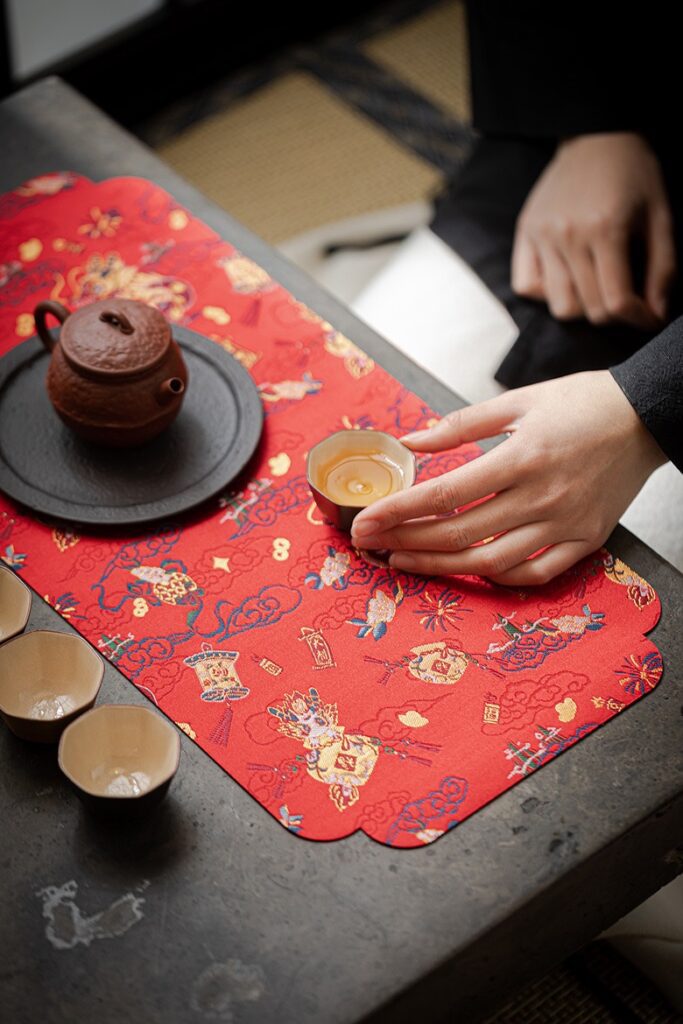
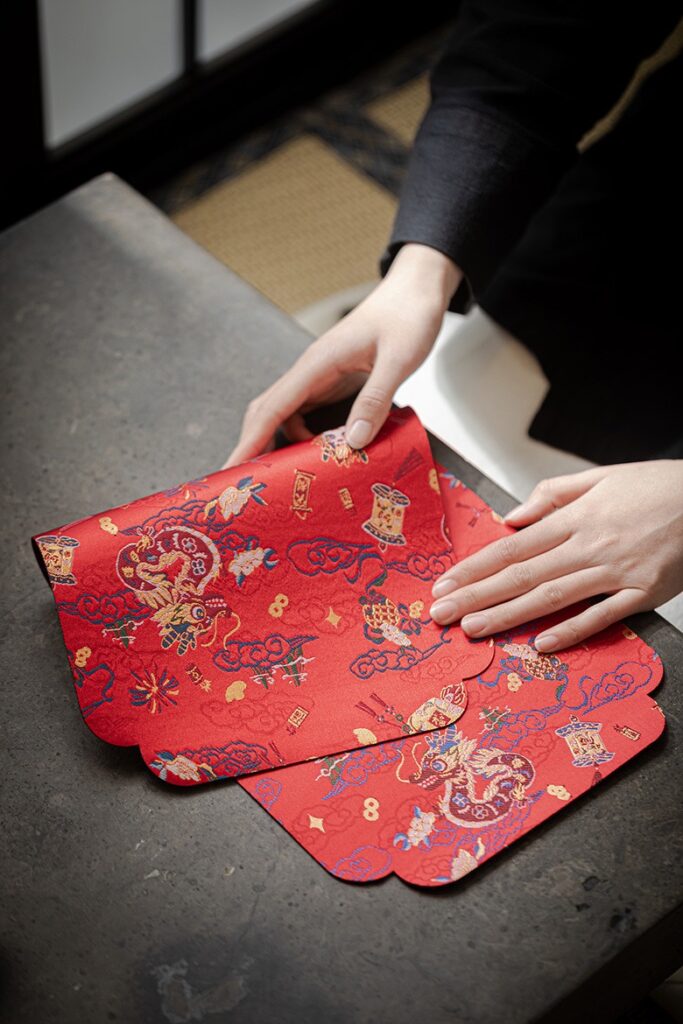
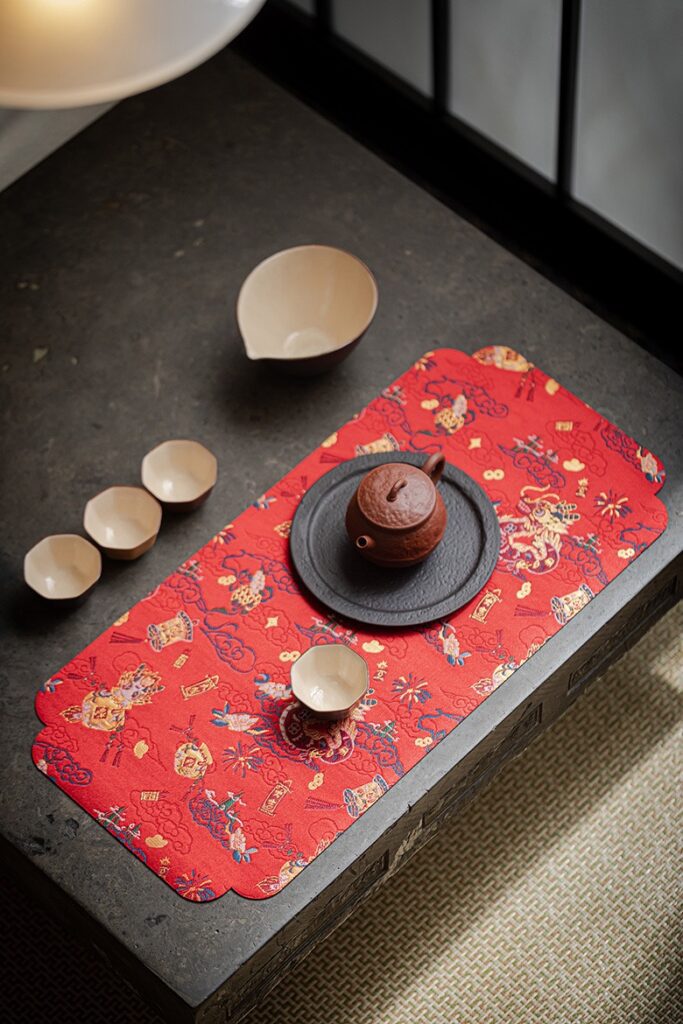
Bonjour à tous les amateurs de thé ! 🐉✨ Une nouvelle passionnante en ce début d’Année du Dragon 2024 : pour tout achat d’une théière Yixing, nous vous offrons un set de thé exclusif aux motifs de l’Année du Dragon, pour apporter une touche d’originalité à vos rituels du thé. C'est notre façon de célébrer cet événement avec vous, mais n'oubliez pas : cette offre est valable pour une durée limitée ! Ne manquez pas l'occasion de rendre vos moments de dégustation encore plus spéciaux grâce à cet accessoire mystique. 🍵💫
Bonjour à tous les amateurs de thé ! Si beaucoup d’entre vous nous connaissent comme une entreprise spécialisée dans les accessoires haut de gamme pour le thé chinois, nous sommes également spécialisés dans les thés de la région de Huang Shan. Huang Shan abrite les thés chinois les plus célèbres : le Huang Shan Mao Feng, le Keemun et le Tai Ping Hou Kui. Originaires de cet endroit à couper le souffle, nous entretenons un lien profond avec cette terre et son riche patrimoine du thé.
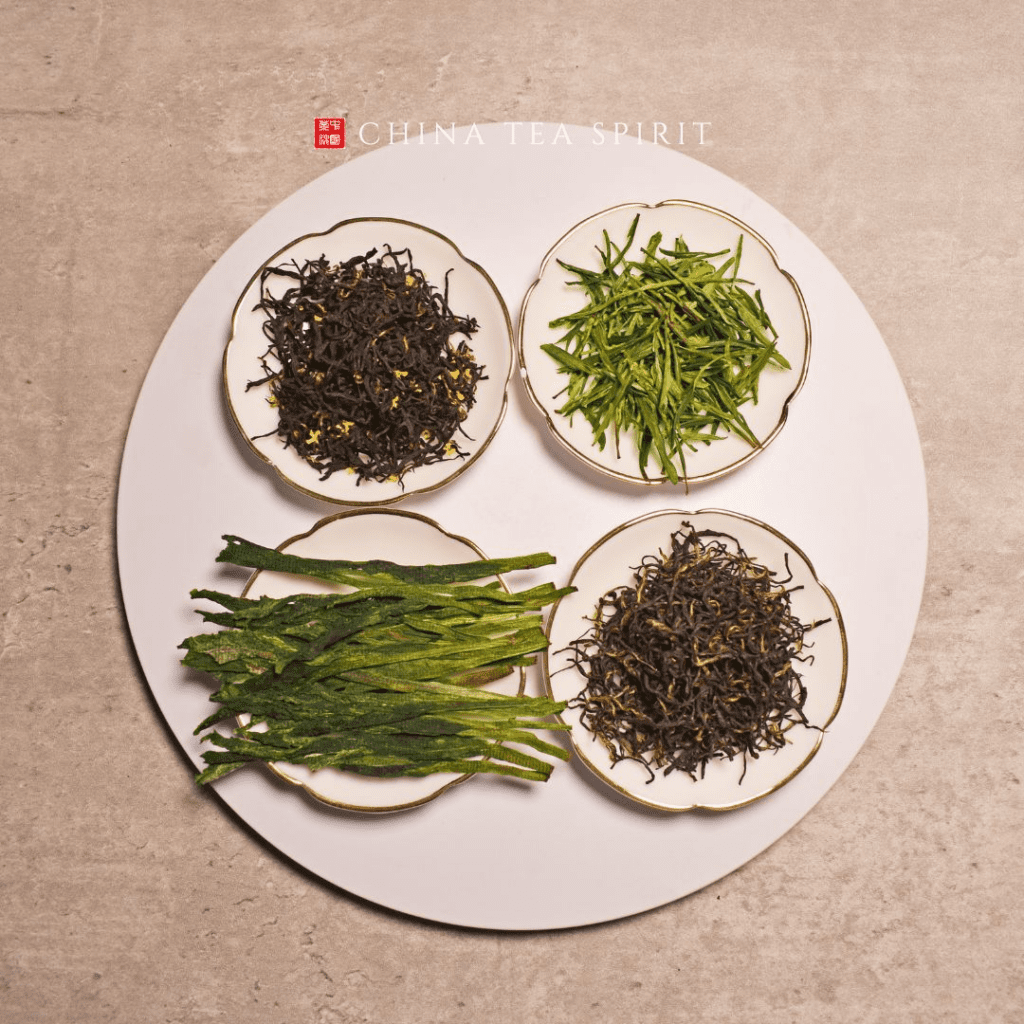
Nous savons que trouver le thé idéal peut être un parcours personnel, c'est pourquoi nous vous proposons notre coffret d'échantillons. Il vous permet d'explorer la diversité des saveurs des thés de Huang Shan et de découvrir celui qui séduira vos papilles.
Chacun de ces thés est acheté et produit directement auprès des producteurs de thé, ce qui garantit sa qualité et son goût authentique.
Coffret d'échantillons comprenant : Huang Shan Mao Feng – 10 g Tai Ping Hou Kui – 10 g Keemun Mao Feng – 10 g Osmanthus Keemun – 10 g
Nous avons hâte de connaître vos impressions sur nos thés. Rejoignez-nous dans cette aventure et laissez-nous vous guider à la découverte de l'univers enchanteur des thés de Huang Shan.
Veuillez noter que le thé et les accessoires de thé seront expédiés dans des colis séparés, conformément aux exigences douanières. En général, le thé arrive un peu plus tard que les accessoires de thé.
Chers clients,
Si vous avez rencontré des problèmes lors du paiement, veuillez nous contacter à l'adresse suivante : [email protected]. Et nous serons là pour vous aider.
Vous trouverez ci-dessous une liste des erreurs de paiement courantes et leurs solutions, à titre de référence.
#1 : China Tea Spirit ne livre pas à cette adresse. Veuillez indiquer une autre adresse.
Il s'agit d'un bug connu de PayPal. Il survient de manière aléatoire. Si vous avez reçu ce message d'erreur, veuillez nous contacter à l'adresse suivante : [email protected]. Nous allons régler cela pour vous.
Technically, that is already enough to make gongfu tea.
So when beginners first see a full Chinese tea table, one object often seems particularly unnecessary: the little pitcher sitting between the gaiwan and the cups.
Why pour the tea into another vessel when it could go straight into the cup?
Then you use one.
And suddenly a lot of the tea table makes more sense.
That small pitcher is called a gong dao bei (公道杯), often translated as a fairness cup, fair cup, or simply tea pitcher.
Its job is simple: it collects the entire infusion before the tea is served.
That one extra step solves several surprisingly practical problems.
Why “fairness cup”?
Imagine brewing tea for three people.
You pour directly from the gaiwan into the first cup.
Then the second.
Then the third.
The first cup receives tea from the beginning of the pour. The last cup receives tea that has remained in contact with the leaves slightly longer.
With a fast pour, the difference may be small. With a slower-draining tea, it can be noticeable.
The final cup may be stronger than the first.
The gong dao bei fixes this by collecting the entire infusion first.
Once everything is mixed together in the pitcher, each cup receives tea of roughly the same concentration.
Hence the name:
gong dao — fairness.
Everyone gets the same tea.
It also lets you stop the infusion completely
This may be even more important when drinking alone.
Suppose you want to steep an oolong for ten seconds.
At ten seconds, you begin pouring directly into your cup.
But the gaiwan takes another seven or eight seconds to empty.
Those last drops have now been brewing considerably longer than the first ones.
That may be fine.
But if you are trying to control extraction carefully, the cleaner approach is to drain the gaiwan completely into a gong dao bei.
Once the leaves are no longer sitting in water, the infusion has effectively stopped.
Now you can drink slowly.
The tea is waiting in the pitcher rather than continuing to brew in the gaiwan.
This is especially useful with teas that can turn bitter or astringent quickly. If you are still getting comfortable with the brewing vessel itself, our guide to brewing with a gaiwan covers the basic pouring sequence.
The pitcher is also a buffer
A gaiwan can feel surprisingly frantic when you are learning.
Water in.
Lid on.
Wait.
Verser.
Do not burn your fingers.
Do not drop the lid.
Do not over-steep the tea.
Do not spill it everywhere.
Now imagine trying to divide that same pour neatly between four tiny cups.
The gong dao bei separates those two jobs.
First: brew the tea well.
Then: serve the tea well.
You can concentrate on draining the gaiwan completely into one generous opening.
After that, you have time to pour slowly and neatly into each cup.
It sounds like a very small difference.
In practice, it makes the whole session feel calmer.
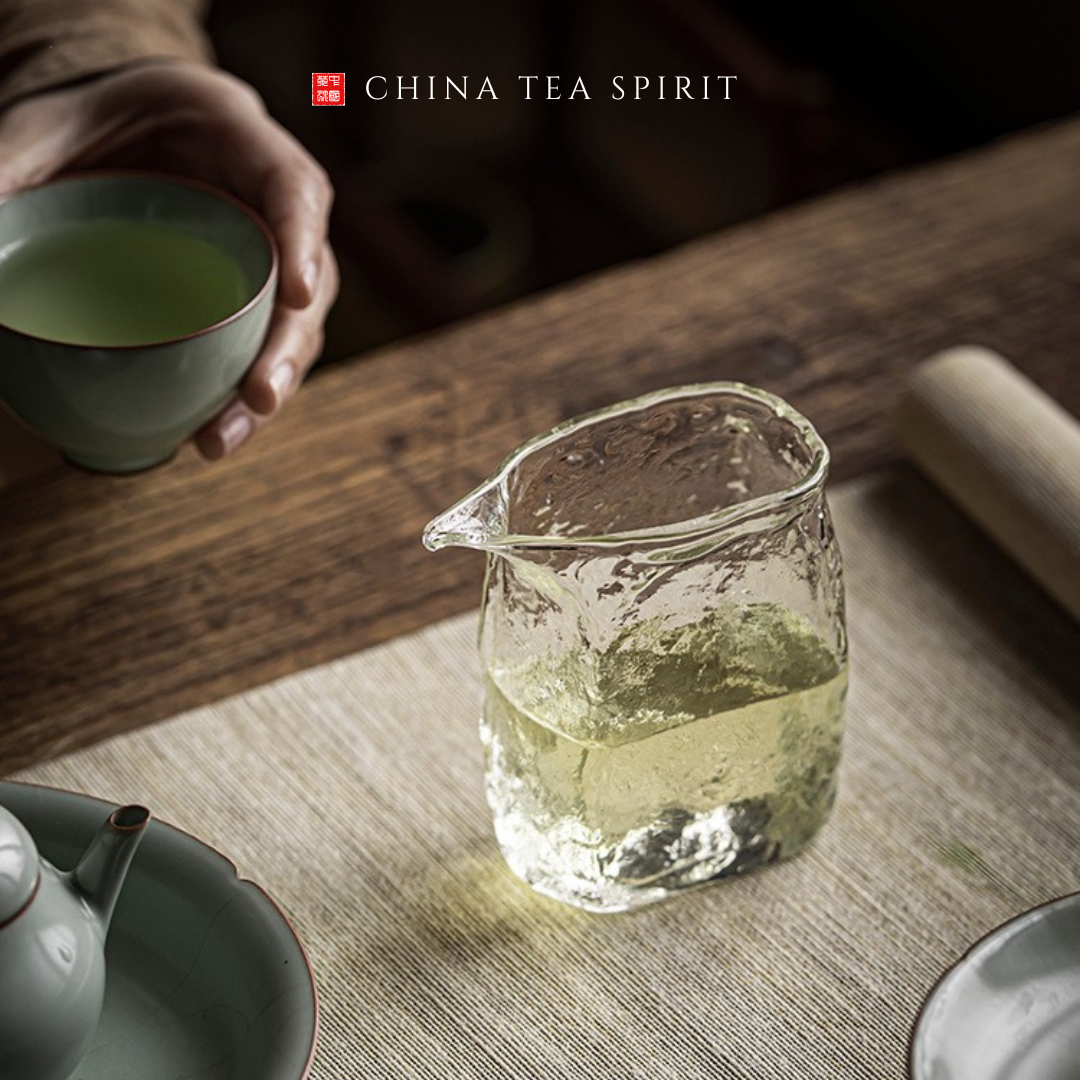
A shared tea table makes the role of a fairness pitcher much easier to understand. Photo by 五玄土 ORIENTO sur Unsplash.
This is why it suddenly matters when more people sit down
If you drink gongfu tea alone, it is completely reasonable to wonder why you need a fairness pitcher at all.
If your cup can hold one full infusion, you can simply pour the gaiwan directly into it.
Nothing is wrong with that.
The gong dao bei becomes much more useful when a second or third person joins the table.
Now the infusion needs to be divided.
The cups need to receive roughly equal amounts.
And everyone should ideally taste the same brew.
That little pitcher becomes a very efficient piece of equipment.
Once several cups are on the table, collecting one complete infusion before serving becomes much more practical. Photo by Sergey N sur Unsplash.
It is one of those tea tools whose purpose is difficult to appreciate from a product photograph and immediately obvious once you actually use it.
You do not actually need a special gong dao bei
This is worth saying because gongfu tea sometimes becomes unnecessarily equipment-heavy.
The function matters more than the object.
A small bowl can work.
A glass measuring cup can work.
A ceramic pitcher from another tea set can work.
Anything clean, food-safe, easy to pour from and large enough to hold the infusion can perform the same basic job.
In fact, many people begin this way.
They use whatever vessel is already available, then buy a dedicated gong dao bei later because the shape is more convenient.
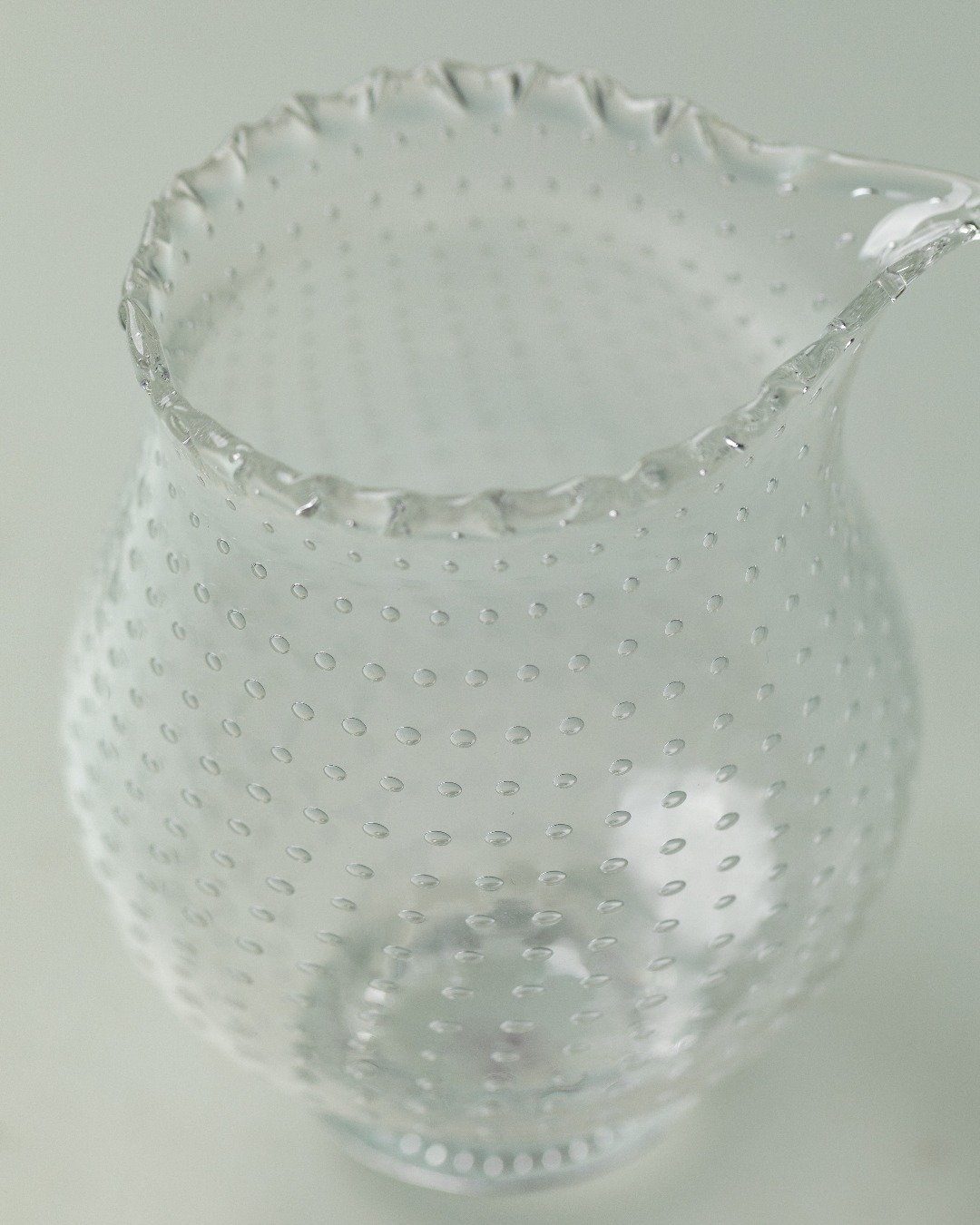
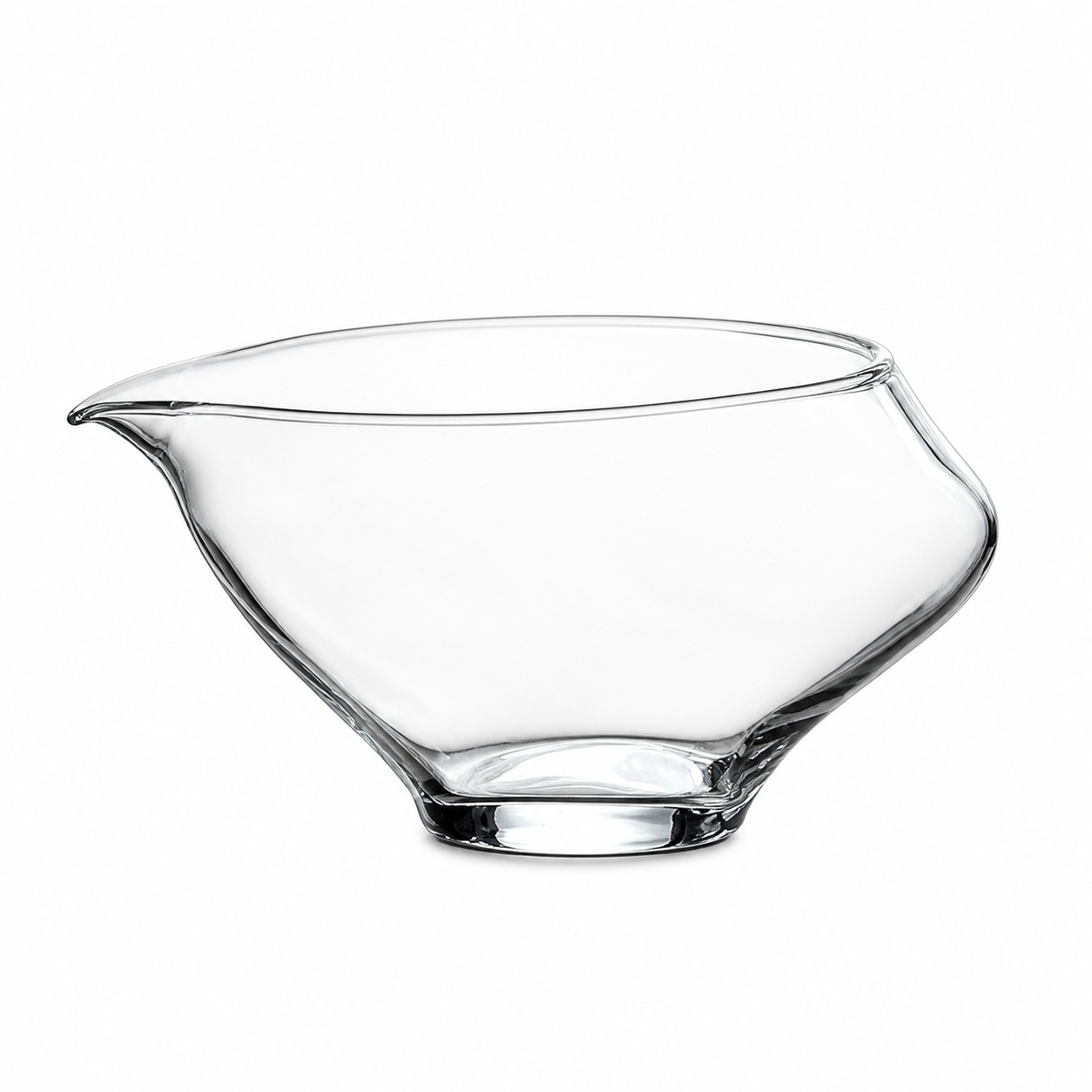
A purpose-made fairness pitcher simply tends to have features that make the job easier: a clean pouring lip, a comfortable handle or grip, an opening wide enough to receive tea quickly, and a capacity suited to small-batch brewing.
You are not buying a ritual.
You are buying a very convenient shape.
Glass is popular for a reason
Among modern gong dao bei, glass is everywhere.
It is easy to understand why.
Glass is neutral.
It does not retain tea aroma.
It works with almost every tea.
And it allows you to see the liquor clearly.
That last point is more useful than it sounds.
A young sheng may begin pale yellow and deepen over several infusions.
A roasted oolong may move through shades of amber.
A black tea can shift from bright copper to deeper red-brown.
A white porcelain gaiwan hides most of the liquor while brewing.
A glass gong dao bei gives you a clear view the moment the tea is poured out.
For someone learning tea, that becomes another piece of information.
You are not only tasting how the infusion changes.
You can watch it happen.
Porcelain and ceramic change the feeling of the table
Glass is practical, but it is not the only choice.
A porcelain gong dao bei can visually connect beautifully with a porcelain gaiwan.
A handmade ceramic pitcher may add more texture and warmth.
A Jingdezhen piece can turn something purely functional into part of the visual rhythm of the tea table.
The main practical difference is visibility.
With opaque porcelain or ceramic, you cannot see the liquor from the side in the same way you can with glass.
For some people, that does not matter at all.
They care more about the object in the hand.
For others—especially when tasting unfamiliar tea—seeing the liquor is part of the pleasure.
Neither is more correct.
Does material change the taste?
With a glazed porcelain, glazed ceramic or glass fairness pitcher, the effect on flavor should generally be small compared with the brewing vessel itself.
The tea does not spend much time inside the gong dao bei.
It arrives.
It is poured.
That means this is one place where you can usually choose primarily for function and aesthetics.
Unglazed clay is a different question.
Because porous clay can interact with tea over time, using an unglazed pitcher for every type of tea may not be as neutral as glass or glazed porcelain.
There is also very little practical reason to introduce that complication when the gong dao bei is supposed to be a simple transfer vessel.
For a versatile everyday setup, glass or glazed porcelain is difficult to beat.
The gong dao bei makes more sense as part of a working tea table than as an isolated object. Photo by Sergey N sur Unsplash.
How large should a gong dao bei be?
Slightly larger than one full infusion from your brewing vessel.
That is the simple answer.
If you use a 100ml gaiwan, you do not need a 500ml fairness pitcher.
A pitcher around 150–250ml is usually more than enough for many solo and small-group gongfu setups.
The extra space matters because you do not want the pitcher filled completely to the rim.
It should be easy to receive the infusion without splashing and easy to pick up afterward.
If you sometimes make two quick consecutive infusions and combine them before serving several guests, a little extra capacity becomes useful.
But bigger is not automatically better.
An oversized pitcher can feel clumsy beside small gongfu teaware.
A strainer often sits here—but it is optional
You will often see a small tea strainer placed on top of the gong dao bei.
Tea leaves leave the gaiwan.
The strainer catches them.
The filtered liquor enters the pitcher.
That arrangement is convenient, especially with broken tea or fine fragments.
But the strainer is not essential.
With large intact leaves and a well-controlled gaiwan pour, very little leaf may escape.
And even when small fragments enter the pitcher, they often settle at the bottom while you drink.
Some tea drinkers actually prefer the slightly fuller texture of unfiltered tea.
So the usual setup:
gaiwan → strainer → gong dao bei → cups
is useful.
It is not a rule.
Do you need one when drinking alone?
Sometimes.
Not always.
This is where the answer becomes personal.
If you drink from a cup that easily holds one entire gaiwan infusion, direct pouring is beautifully simple.
One gaiwan.
One cup.
Almost nothing to clean.
But a gong dao bei still has advantages even for one person.
It lets you drain the leaves completely.
It separates brewing speed from drinking speed.
It gives you a clear view of the liquor if you use glass.
And if your drinking cup is smaller than the gaiwan, the remaining tea has somewhere to wait without continuing to steep.
That last point becomes important with very small Chinese teacups.
A 100ml gaiwan may produce enough tea for two or three servings in a 30ml cup.
Without a pitcher, the rest has to remain somewhere.
Leaving it with the leaves is usually the least useful option.
It becomes even more useful with a small teapot
The same logic applies to Yixing and other gongfu teapots.
A 100ml pot may be pouring into three 30ml cups.
You could move from cup to cup during the pour.
Many people do.
But a gong dao bei makes distribution simpler and more consistent.
It also gives you a chance to look at the liquor, which can be especially useful when the brewing pot itself is opaque.
This is why the fairness pitcher belongs naturally with both gaiwans and teapots.
It is not connected to one specific brewing vessel.
It is connected to the problem of serving an infusion after it has been brewed.
The funny thing is that it looks more ceremonial than it is
This happens with a lot of Chinese teaware.
From the outside, gongfu tea can look like a collection of ritual objects.
Every piece seems to have a special name.
Every movement seems deliberate.
That can make a beginner assume that the equipment exists mainly because tradition says it should.
Then you actually use it.
The fairness pitcher solves uneven cups.
The tea tray catches water.
The gaiwan gives direct control over the leaves.
The small cups make repeated infusions practical.
Most of the tea table turns out to be much less mysterious than it first appears.
The objects survived because they are useful.
And that is why one extra pitcher can change the whole setup
A gong dao bei does not make the tea more authentic.
It does not make the tea automatically taste better.
You do not need one before you are allowed to call what you are doing gongfu tea.
What it does is make the process easier to manage.
It lets you separate brewing from serving.
It lets several people drink the same infusion.
It prevents the last cup from becoming the strongest one.
And it allows you to drain the leaves completely, then drink at your own pace.
That is quite a lot of work for one small pitcher.
Which is why the gong dao bei often starts as the piece beginners question—and ends up being one of the pieces they use most.