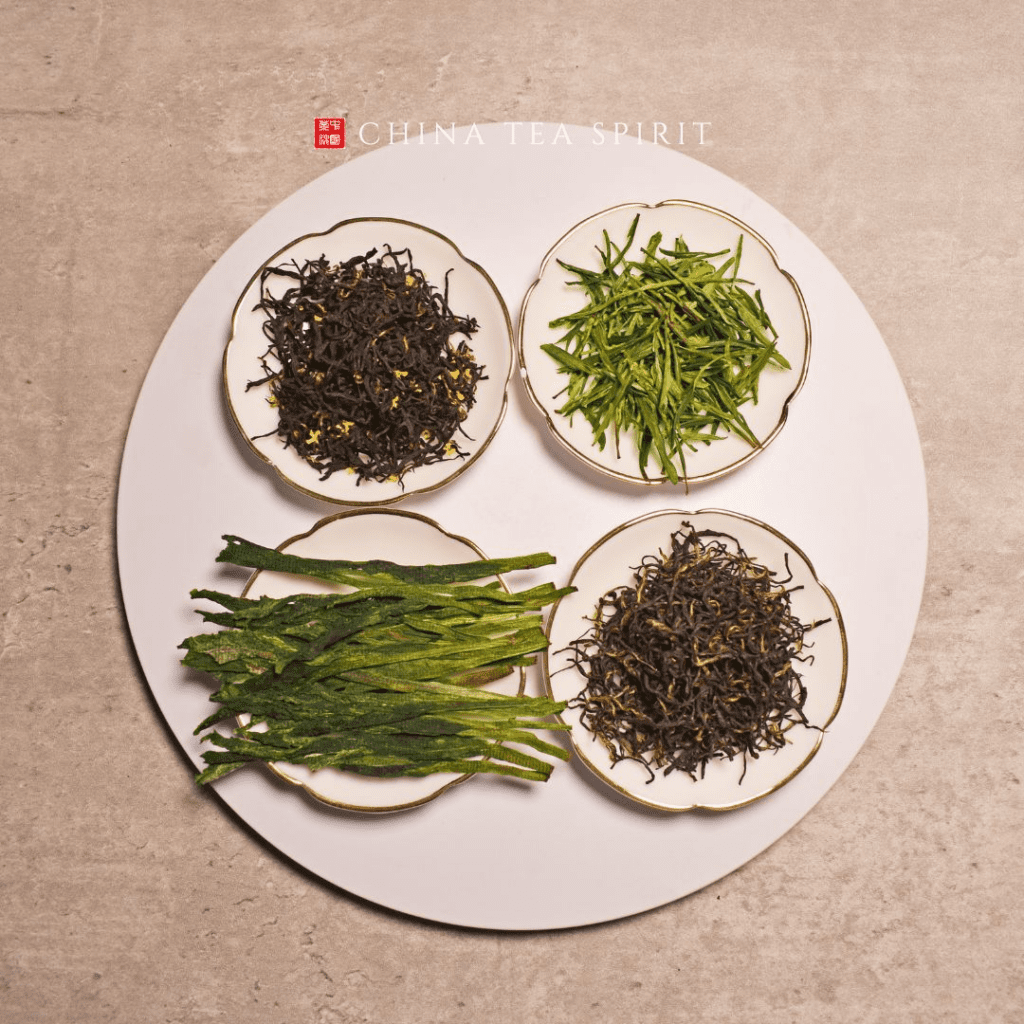
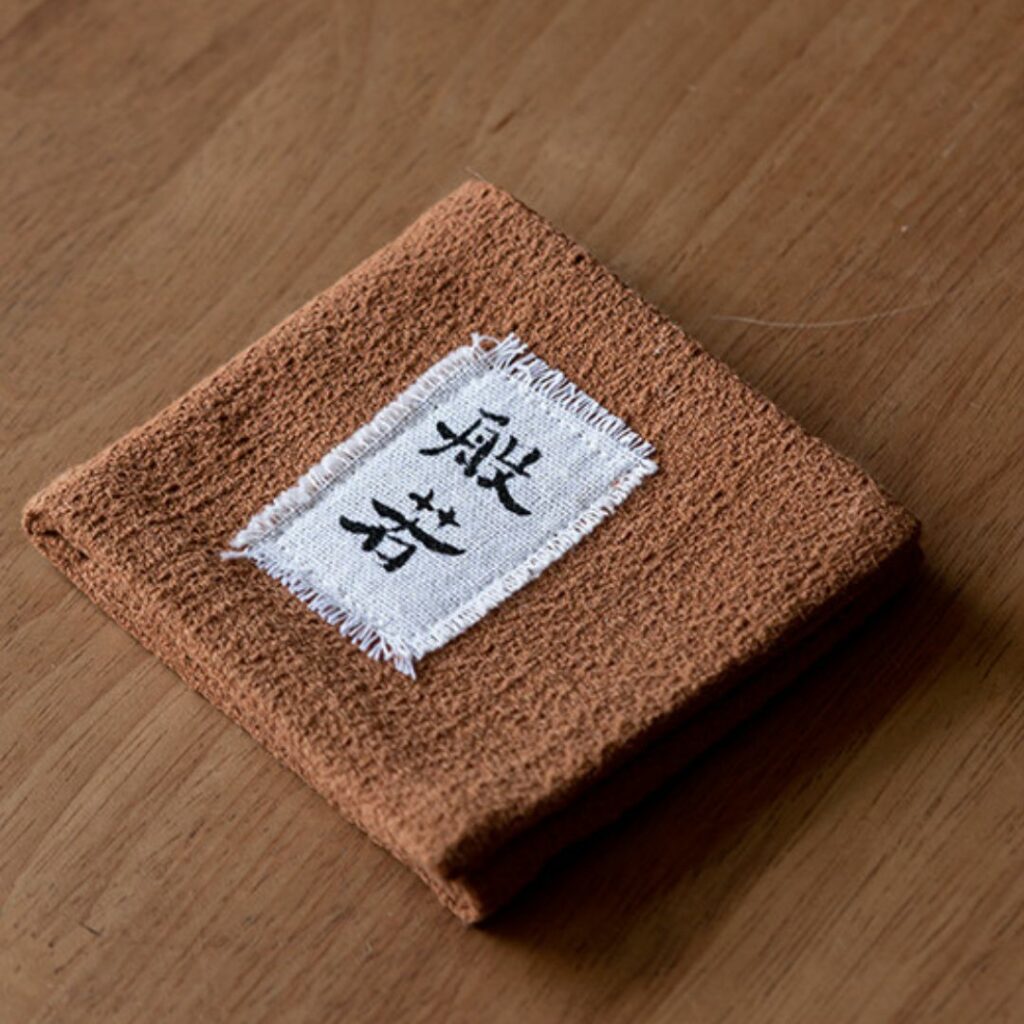
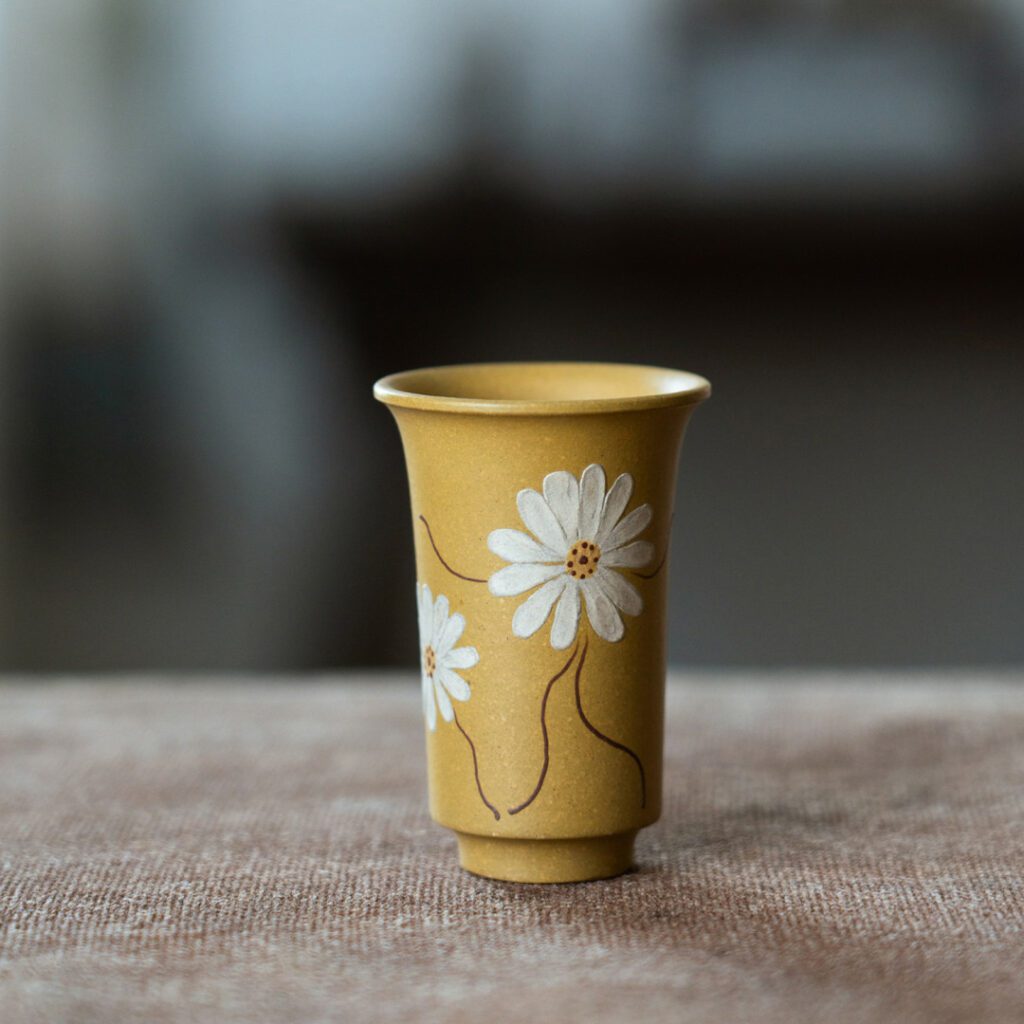
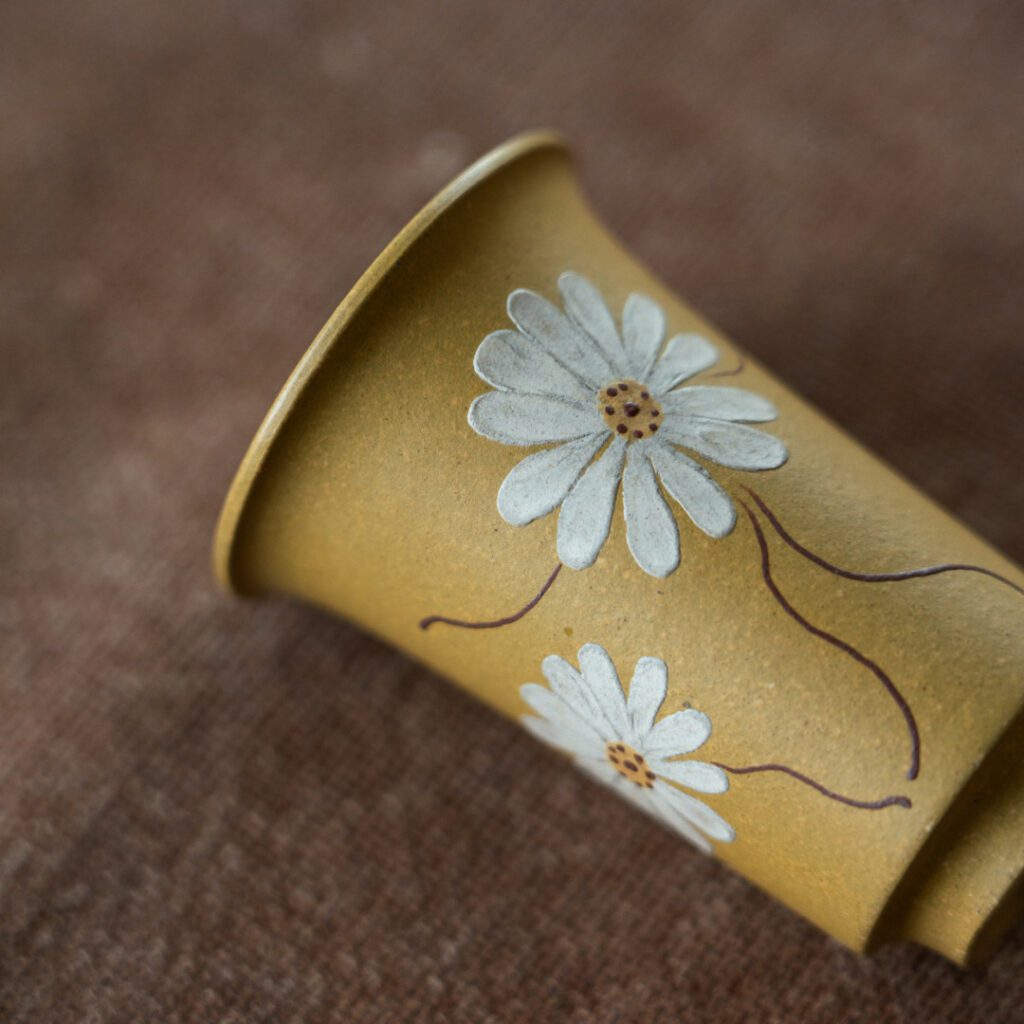
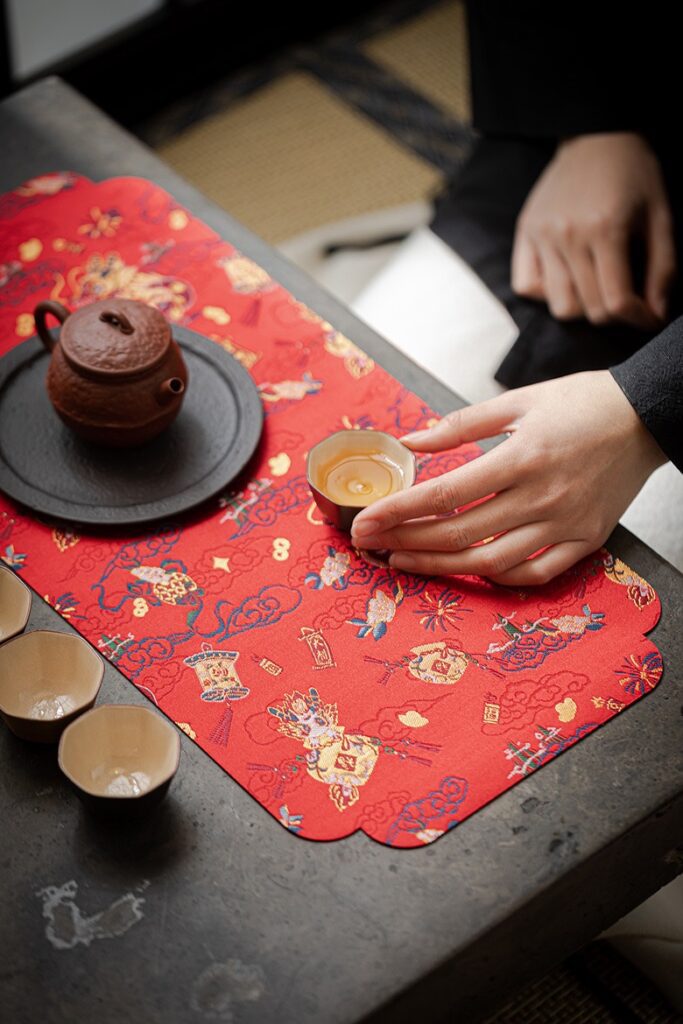
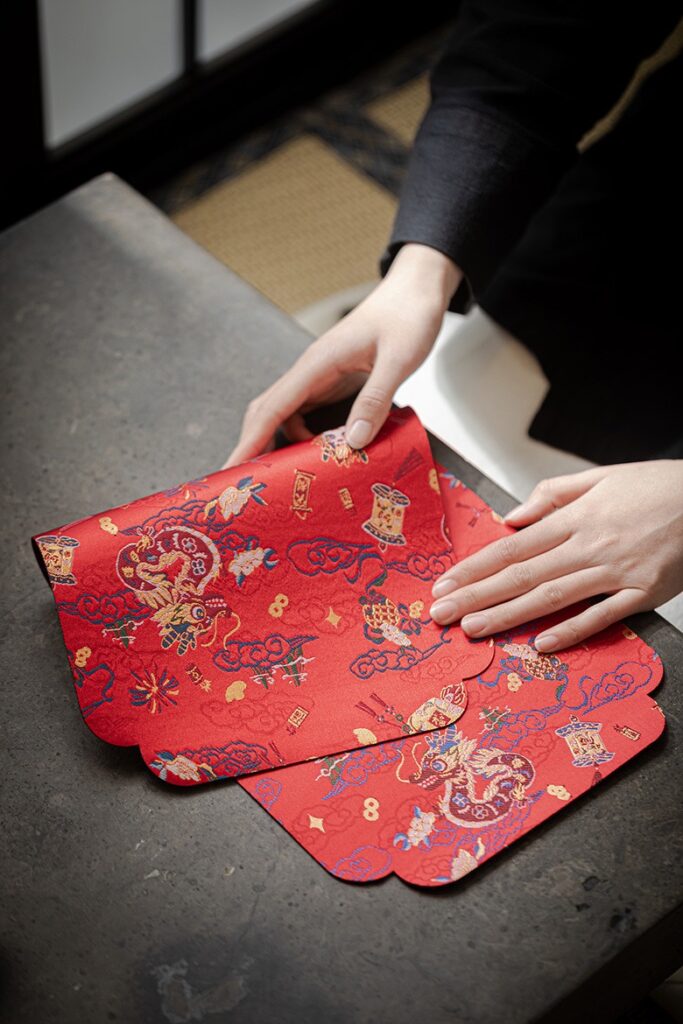
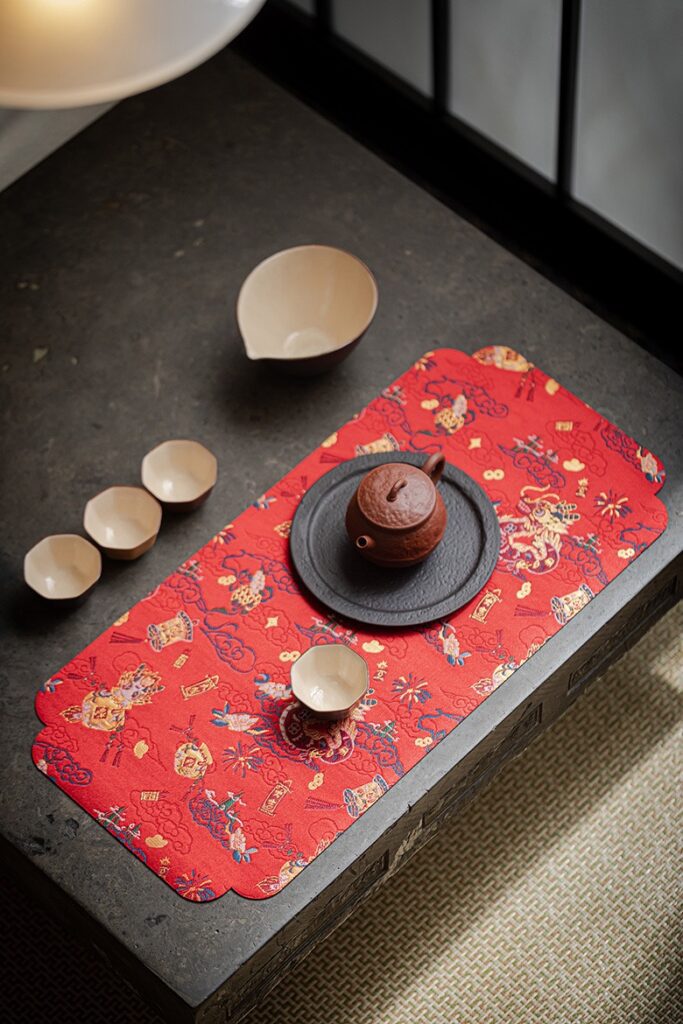
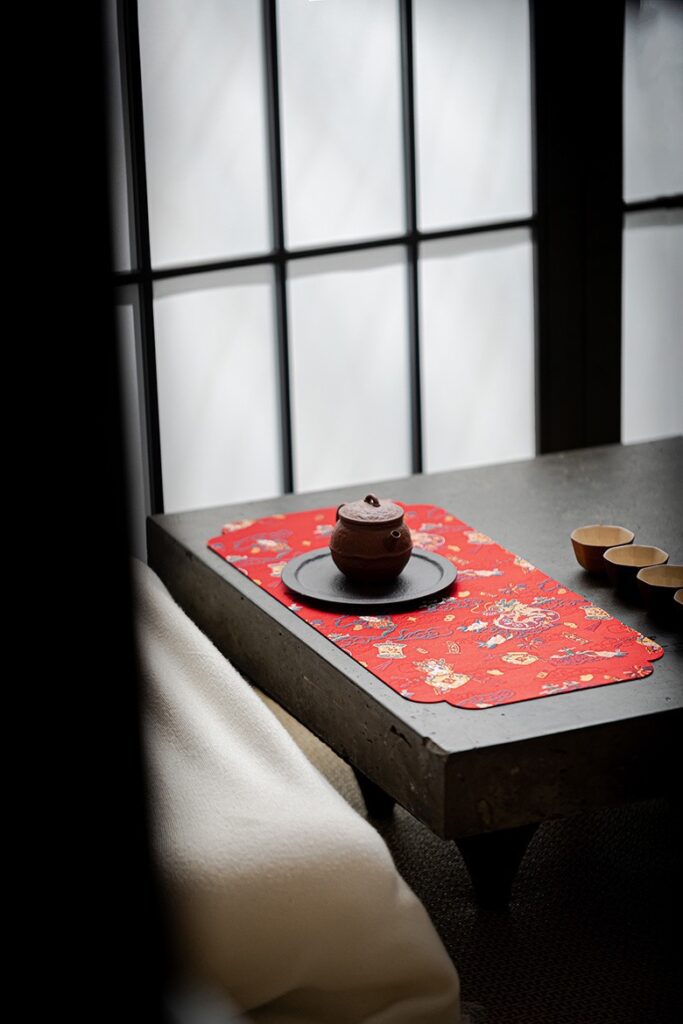
お茶好きの皆さん、こんにちは!🐉✨ 2024年の辰年を迎えるにあたり、嬉しいお知らせです。宜興(イシン)の急須をご購入いただいたお客様には、お茶のひとときに特別な彩りを添える、辰年限定デザインの茶敷きをプレゼントいたします。 これは皆様と共にこの年を祝うための私たちのささやかな贈り物ですが、期間限定のオファーですのでお見逃しなく!この神秘的なアイテムで、お茶のひとときをさらに特別なものにしてください。🍵💫
A tea pet can be a wish, a joke or simply a small creature you enjoy having beside the cups. Some figures carry recognizable stories from Chinese culture. Others owe more to a maker’s imagination or to the owner’s affection for a particular animal.
Those are different kinds of meaning, and both are worth keeping. A three-legged Money Frog has a story that an ordinary ceramic frog does not automatically share. A sleepy cat needs no ancient wealth legend to make a tea table feel more personal.
This guide looks at familiar designs as choices for a tea table. For a closer look at the mythical creatures themselves, our illustrated Chinese mythical beasts guide connects their appearances with their individual stories. Symbolism expresses hopes and associations; it does not guarantee wealth, health or protection.
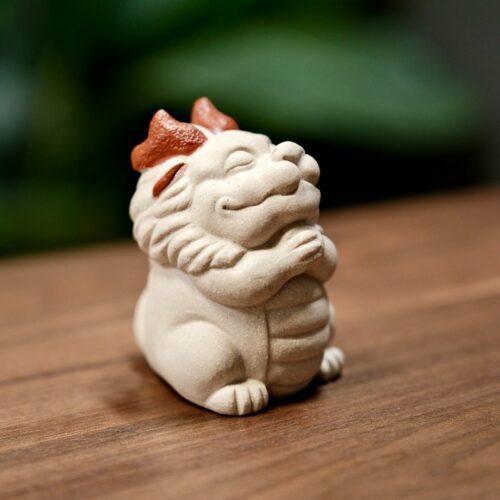
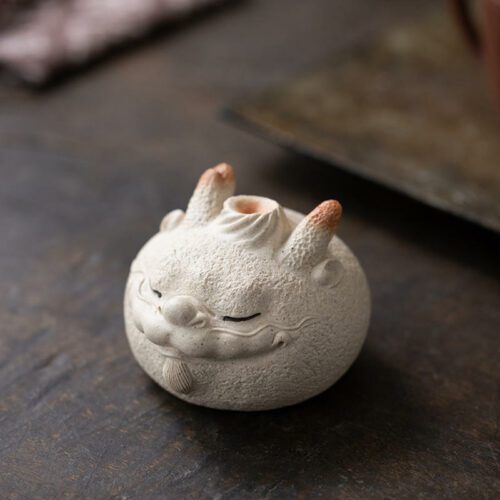
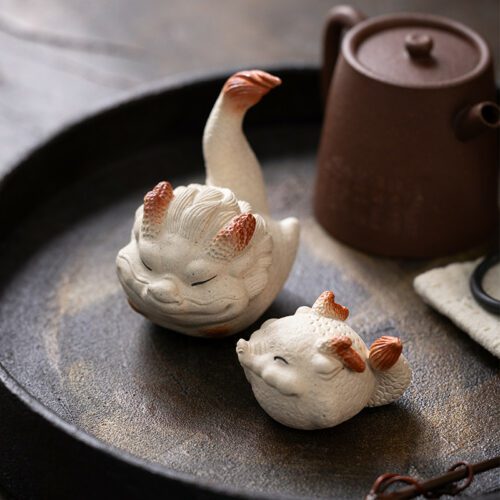
The dragon suggests power and an extraordinary presence, but a small ceramic dragon need not be solemn. A curled body or exaggerated face can turn the subject into something playful. Look at the particular design rather than assuming that all dragon images have one meaning or were reserved exclusively for emperors.
Not every dragon-related beast is a dragon with a different face. The Nine Sons of the Dragon tradition attaches different personalities to different forms, and its lists vary. That variety helps explain why the creatures deserve their own names.
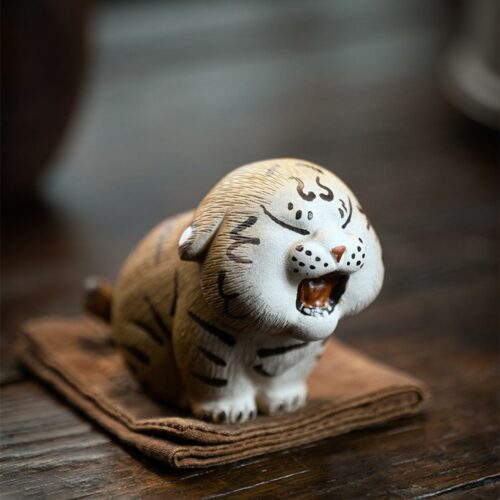
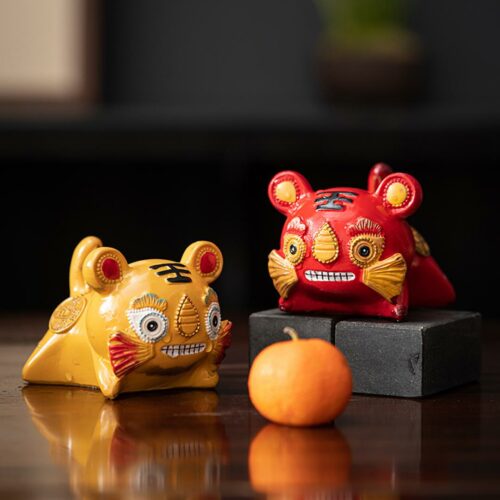
A tiger can be chosen as a personal reminder of courage and resolve. In a tea pet, the expression matters as much as the stripes: a watchful tiger has a different character from a round, sleeping cub. Neither needs a promise of supernatural protection to be appealing.
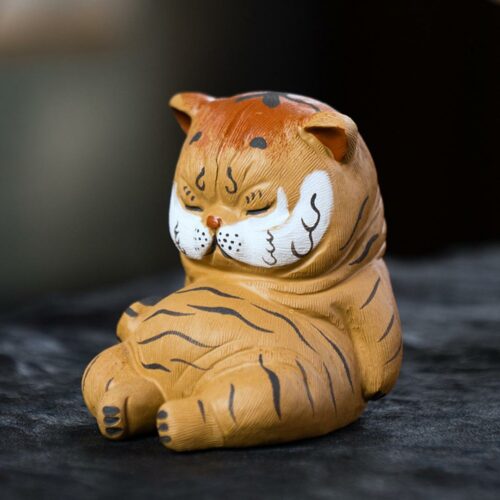
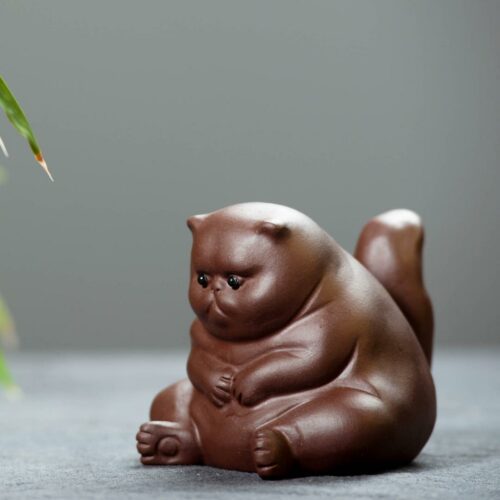
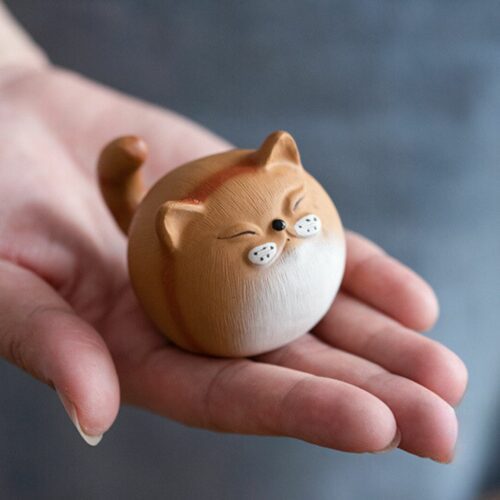
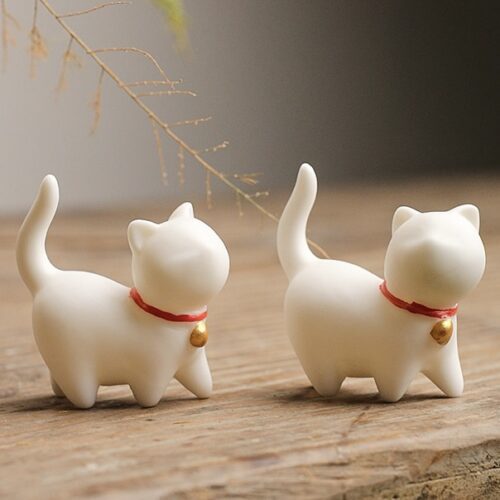
A cat may stand for companionship, independence or the pleasure of doing very little. Those are personal readings, not a fixed ancient Chinese code. Choose the one whose posture or expression feels familiar; a resemblance to your own cat can mean more than an invented explanation about wealth or nine lives.
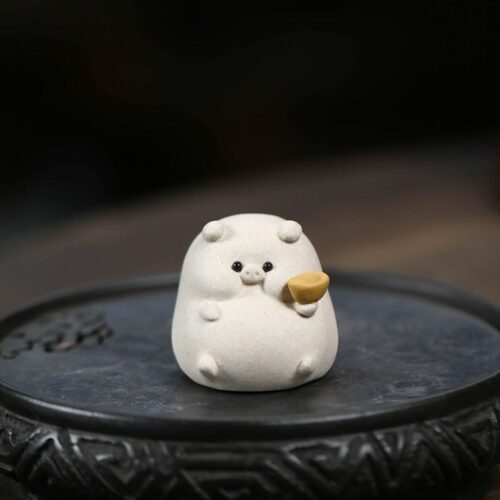
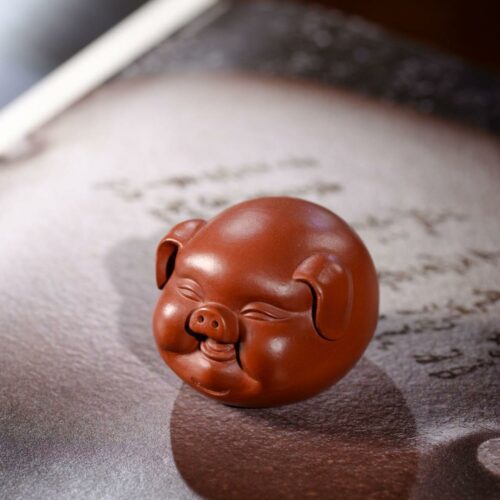
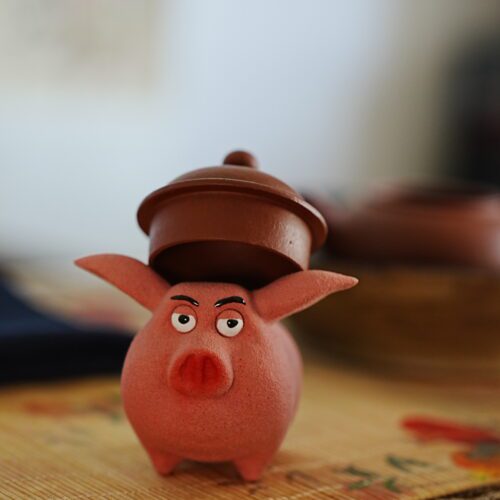
A plump pig makes a fitting little image of contentment. Its rounded form can suggest being comfortable and having enough, without turning the sculpture into a device for attracting money. It is a good choice for someone who likes their tea companions cheerful rather than majestic.
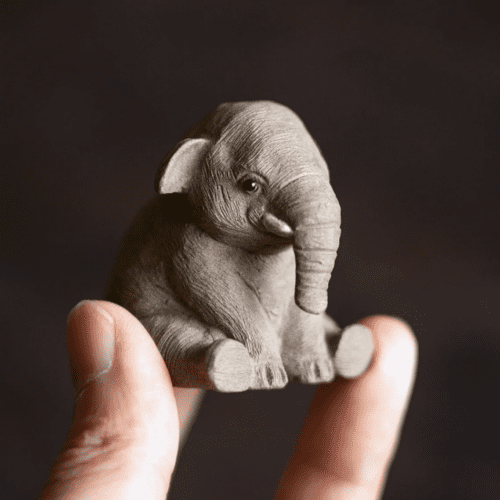
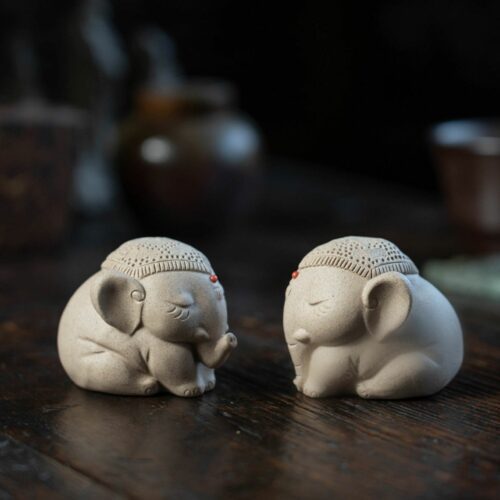
An elephant’s solid body and carefully shaped trunk offer plenty of character at a small scale. You might choose one as a personal image of steadiness or family affection. Avoid assuming that every trunk position carries the same religious or Feng Shui meaning across different traditions.
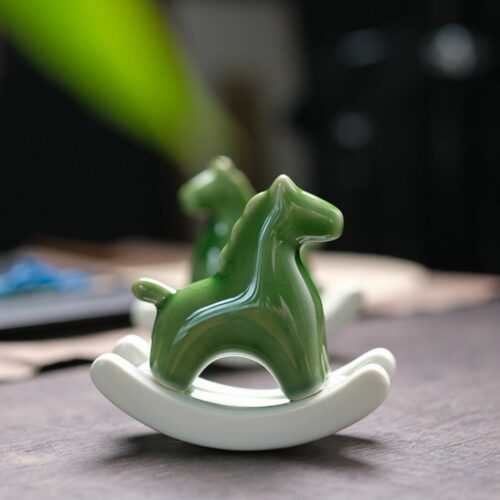
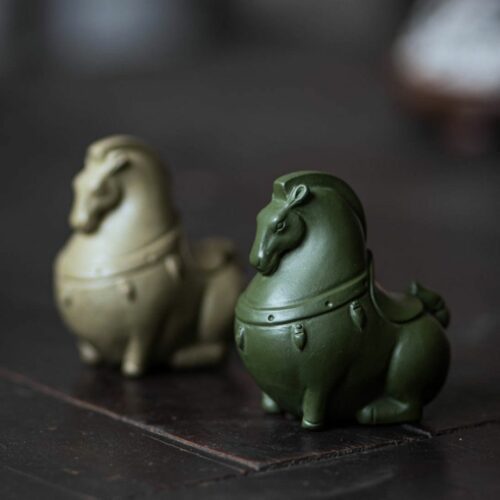
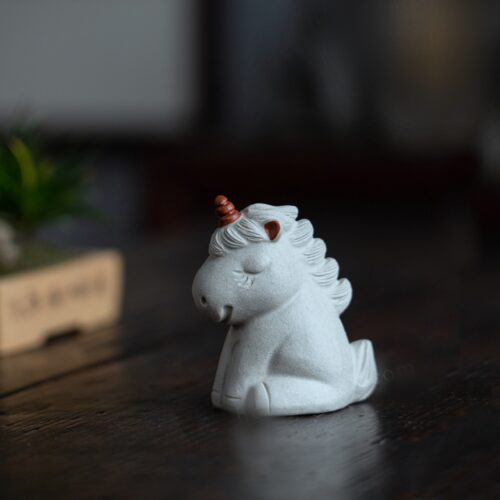
A horse can suggest movement and determination. The maker decides whether that energy becomes a galloping figure, a poised stance or a quiet resting animal. For a gift, it can express encouragement for a new undertaking, rather than a promise that owning the figure produces success.
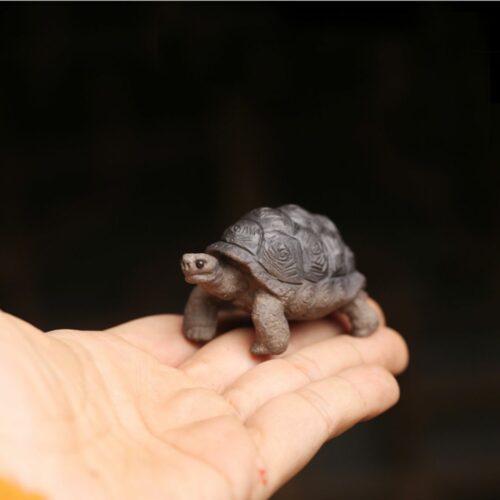
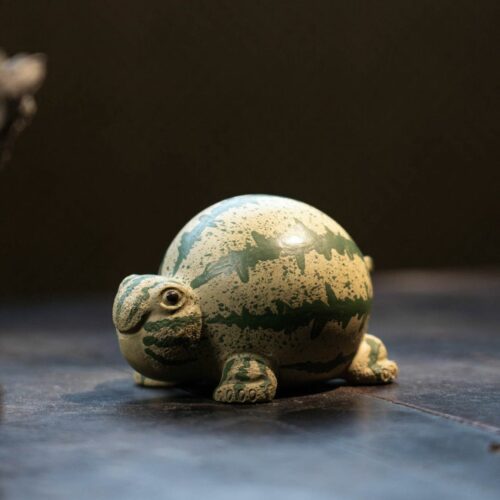
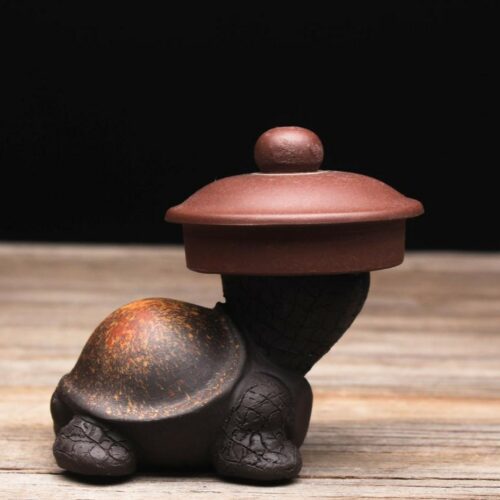
The Dragon Turtle brings a dragon-like head together with a tortoise-like shell. Its association with longevity and strength appears in the Palace Museum’s description of the stone-bearing Baxia. A plain turtle tea pet need not represent that mythical creature.
Look at the head as well as the shell, then read the maker’s identification. Our Dragon Turtle article explains its relationship to Bixi, Baxia and the animals beneath great stone monuments. The little figure does not need to face one prescribed direction to be enjoyed at home.
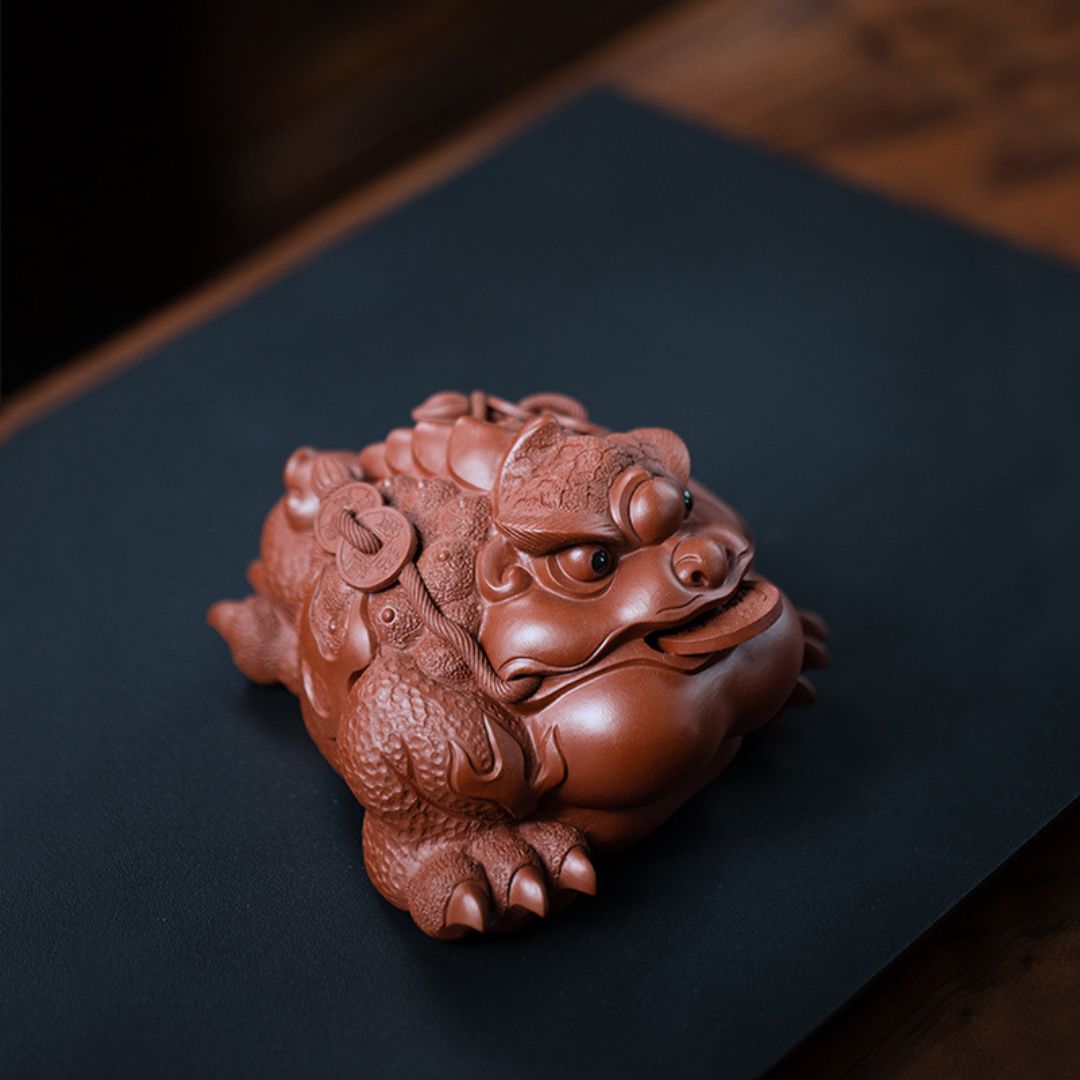
ジン・チャン means Golden Toad, not gold coins. Money Frog and Money Toad are familiar English names. Three legs and coin imagery are useful clues to the traditional subject, whose stories include both lunar associations and the Daoist figure Liu Hai.
1 legend recorded by The Met has Liu Hai retrieve his toad from a well using a line baited with coins. That makes the money imagery much more interesting than a set of instructions about which way a figurine must face. Read the fuller story in What Is Jin Chan?
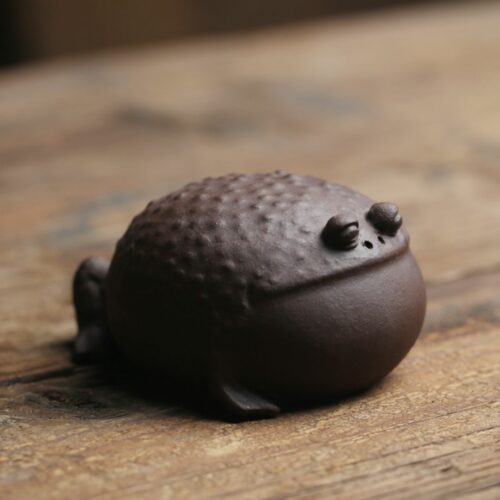
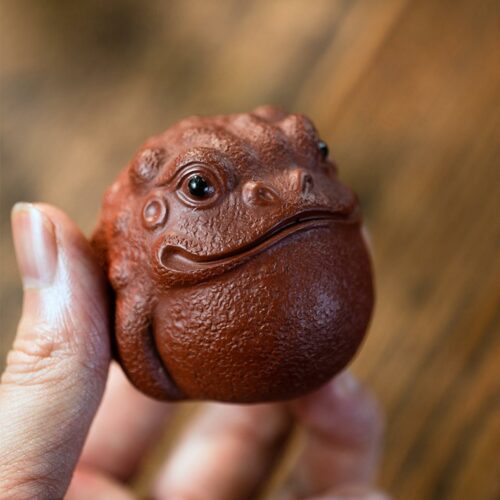
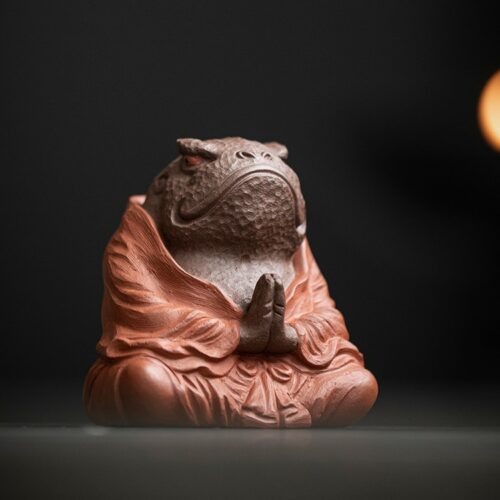
Identify the figure before giving it a meaning. Objects sold under a broad Buddha label can depict different religious subjects. Budai, the smiling monk associated with Maitreya in Chinese Buddhist art, should not simply be confused with every seated Buddha; the Asian Art Museum’s Budai object record gives one example of that identification.
For someone who treats the image as devotional rather than decorative, display and handling matter. A separate, respectfully chosen place beside the tea setting may be more appropriate than treating every religious figure as a tea pet to pour water over.
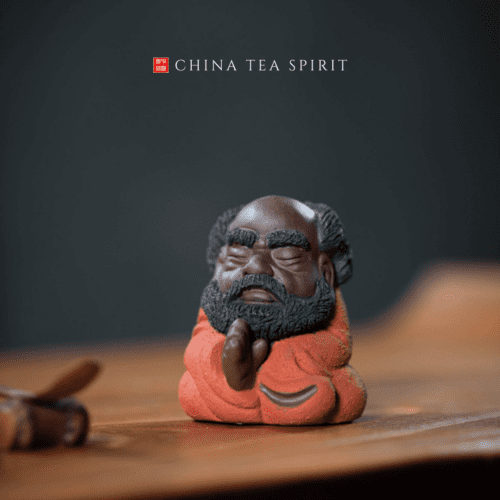
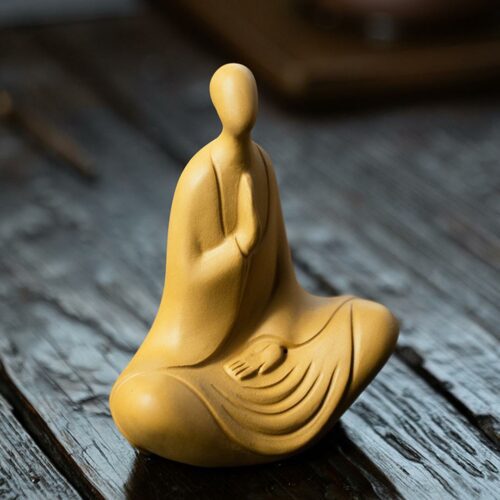
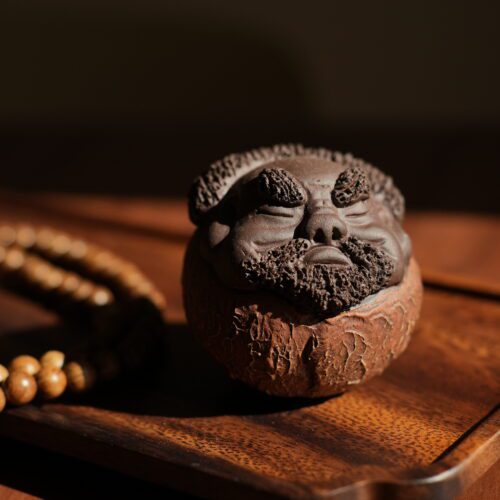
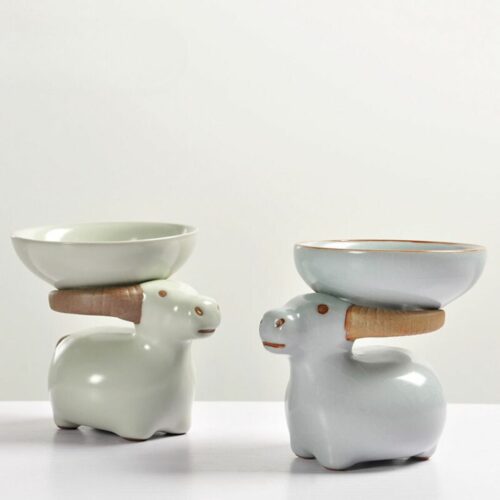
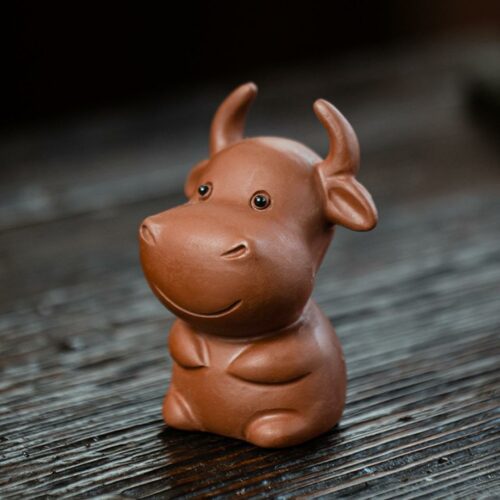
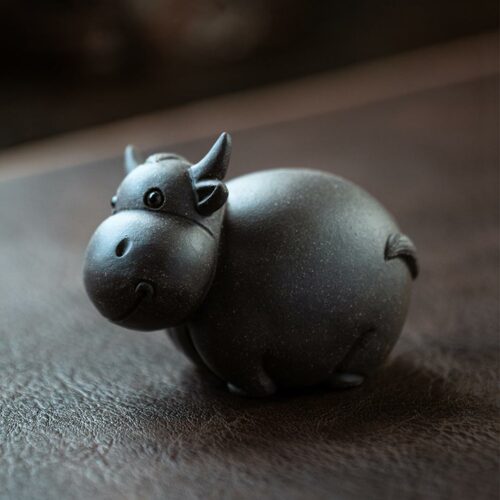
An ox can make a personal reminder of patience and steady work. A resting animal offers a different mood from one pulling a load. Let the sculpture’s actual pose help you choose its meaning, instead of giving every bovine figure the same promise about overcoming obstacles.
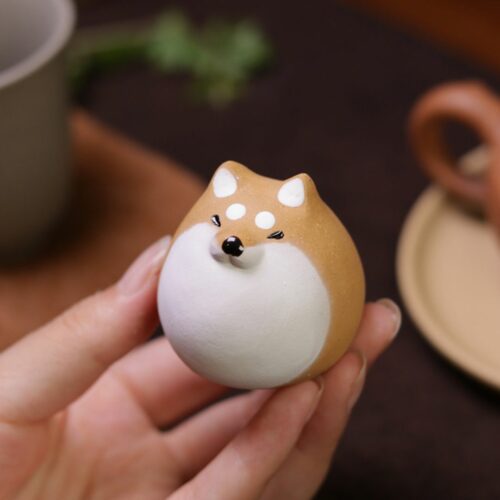
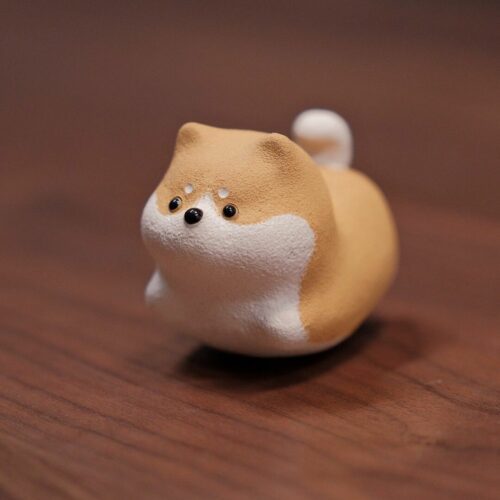
For many owners, a dog tea pet is first a companion: a familiar face, a remembered pet or a bit of humor beside the cups. It need not carry a wealth story. Also watch the name: objects called Foo Dogs belong to the Chinese guardian-lion tradition rather than representing ordinary dogs.
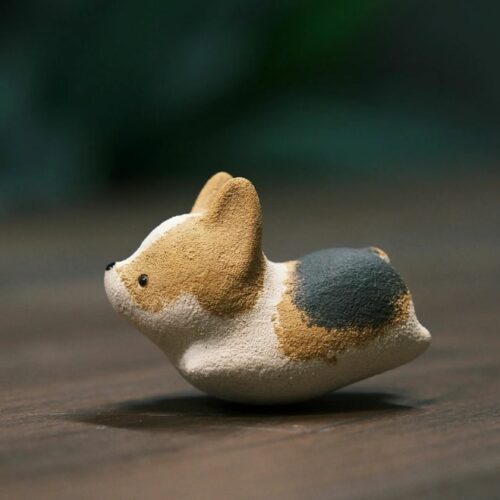
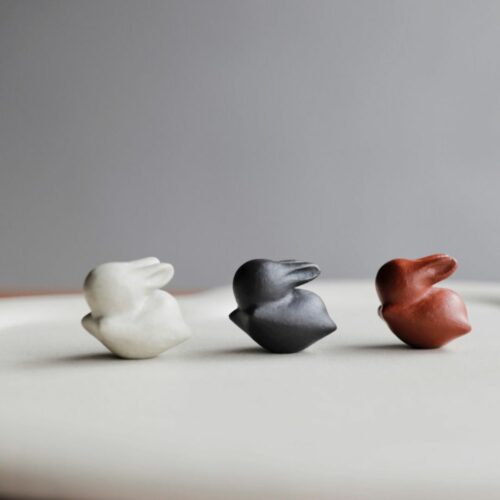
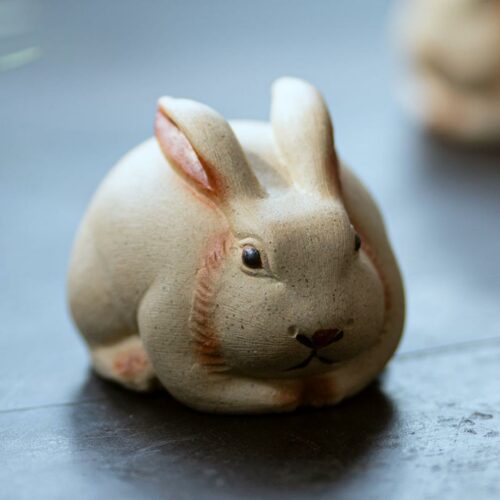
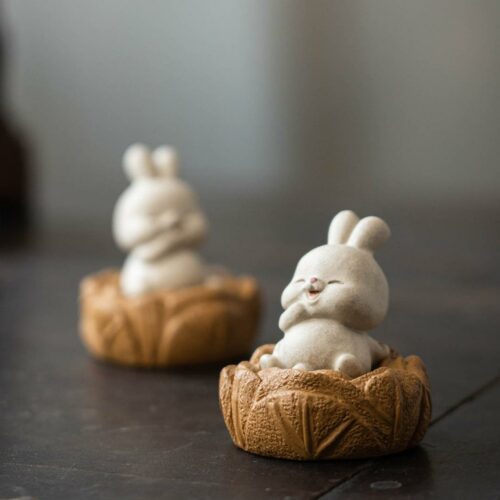
A rabbit can be chosen for its gentle expression, lively ears or a personal connection with the animal. Some designs refer to a specific story; others are simply rabbits. Look for the accompanying objects and the artist’s description before assigning a myth to every figure.
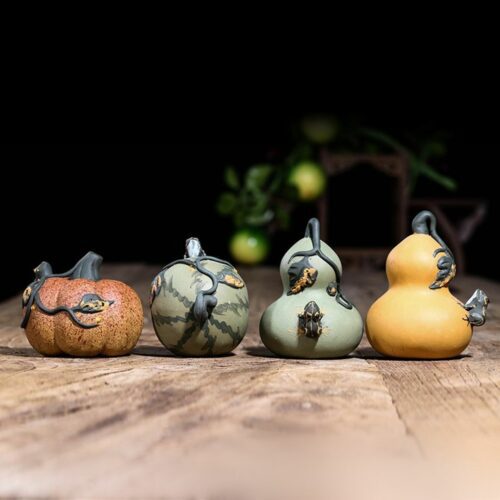
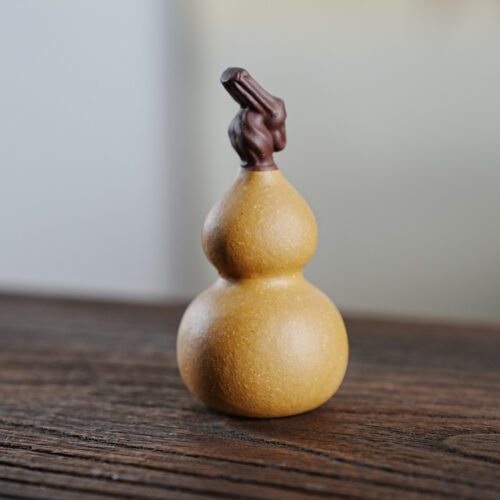
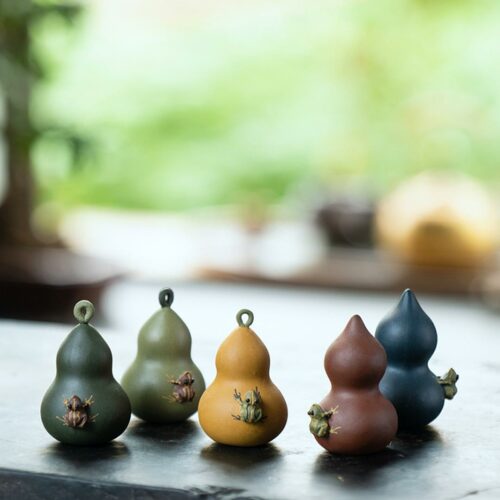
A gourd offers a quieter alternative to an animal. Its rounded lobes and narrow waist make an appealing sculptural form. Individual designs may add inscriptions, vines or other auspicious motifs; those details deserve their own explanation rather than a blanket claim that any gourd brings health or good fortune.
Fish have a particularly clear auspicious association: the Chinese word yu sounds like the word for abundance. The Cleveland Museum of Art explains this wordplay in its description of a fish painting. A fish tea pet can therefore express a wish for plenty without suggesting that the object itself produces wealth.
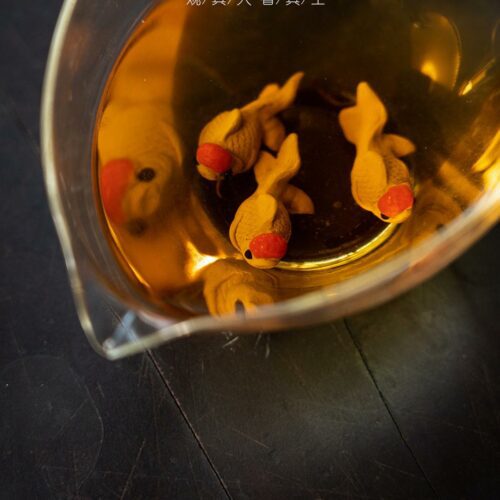
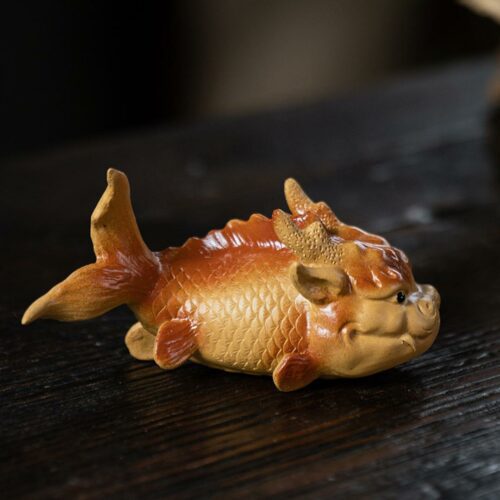
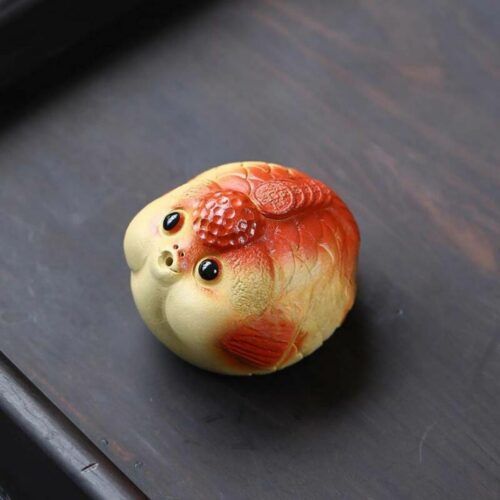
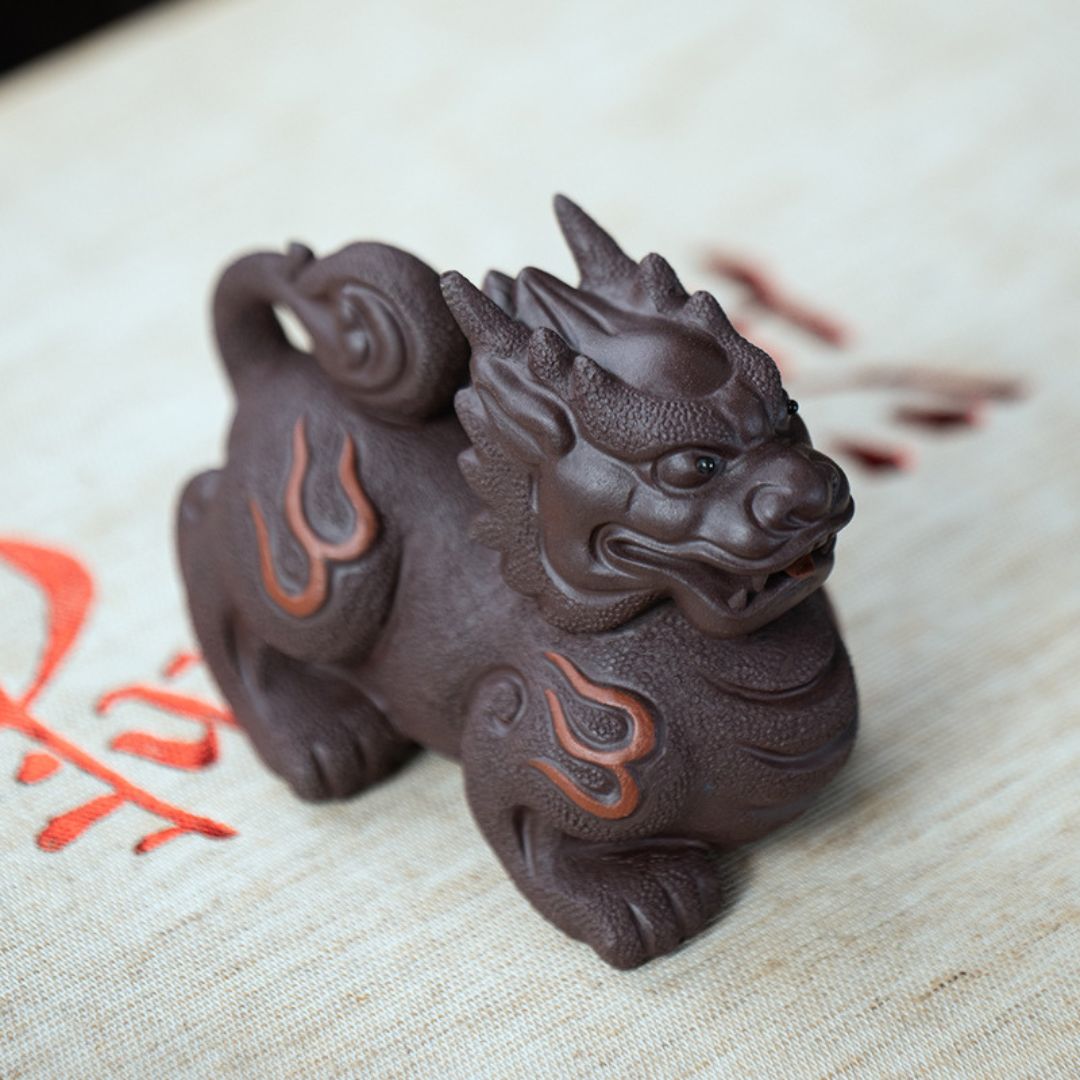
Pixiu is associated with guardianship and, in modern popular tradition, the gathering and keeping of wealth. The tale of a beast that eats treasure but cannot expel it is one folkloric explanation of that symbolism, not a verified history of every ancient winged guardian.
There is no need to call it the Dragon’s fixed ninth son or assign male and female roles from a generic sales label. Our Pixiu guide explores the related names, changing forms and later wealth stories.
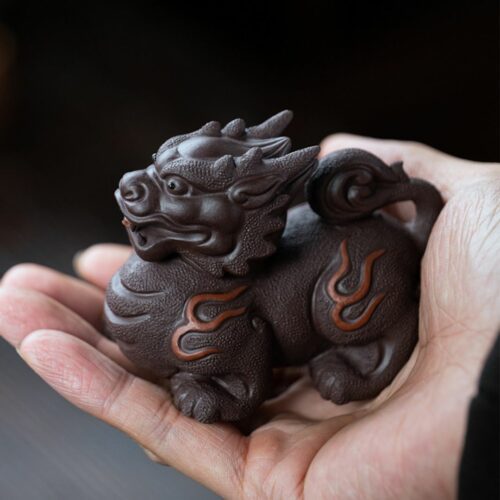
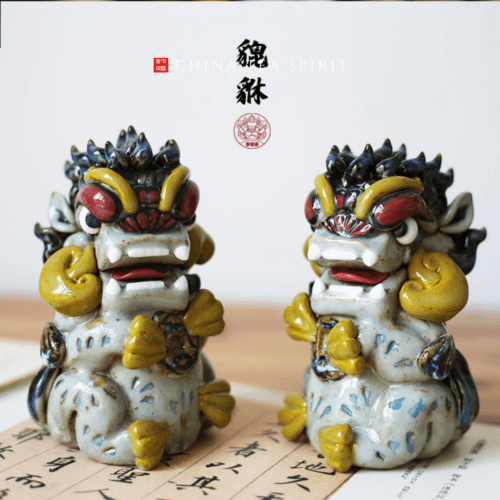
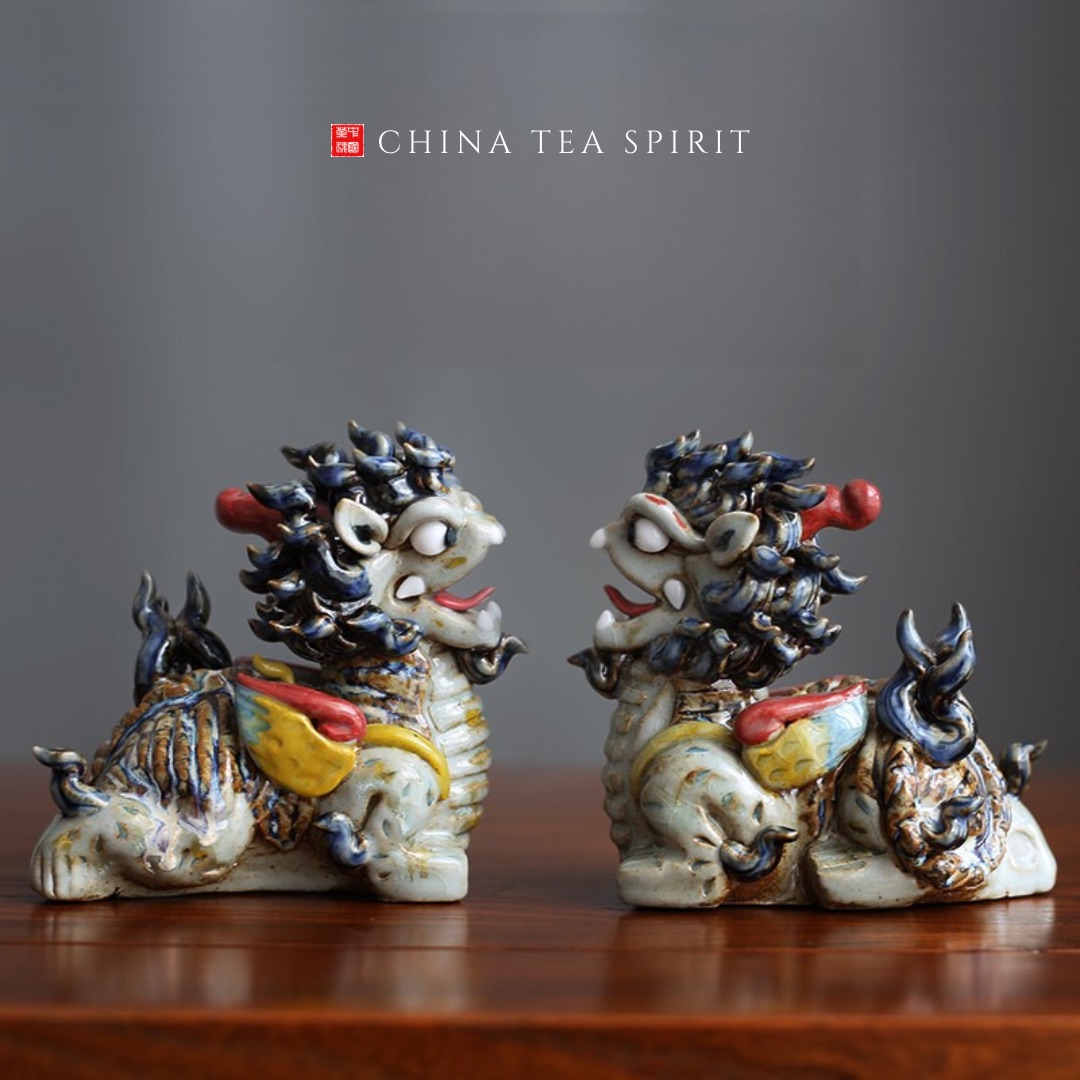
Qilin is associated with good omens and virtuous rule. Its appearance changes across artworks, so a recipe of one exact head, tail and number of horns is too restrictive. The useful distinction is its cultural identity, not a fixed imaginary anatomy.
Read What Is Qilin? for its symbolism and the story of the giraffe that was celebrated as a Qilin at the Ming court.
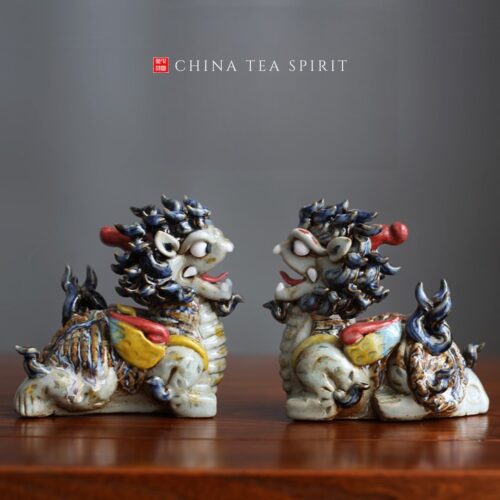
Suanni has an older lion-related identity and a later place in the Nine Sons of the Dragon tradition, with a well-known connection to smoke and incense. It is not simply another name for any lion-shaped tea pet. Our Suanni article helps distinguish the stories without forcing every modern sculpture into one rigid classification.
Nor is every ceramic ornament intended to be soaked. Choose and care for the actual object according to its material and intended use. A decorative companion does not brew tea or improve the flavor of the tea in your cup.
In the end, choose a figure you will enjoy seeing repeatedly. Its history can enrich the choice, but the expression, the feel of the clay and the associations you bring to it are part of the meaning too.