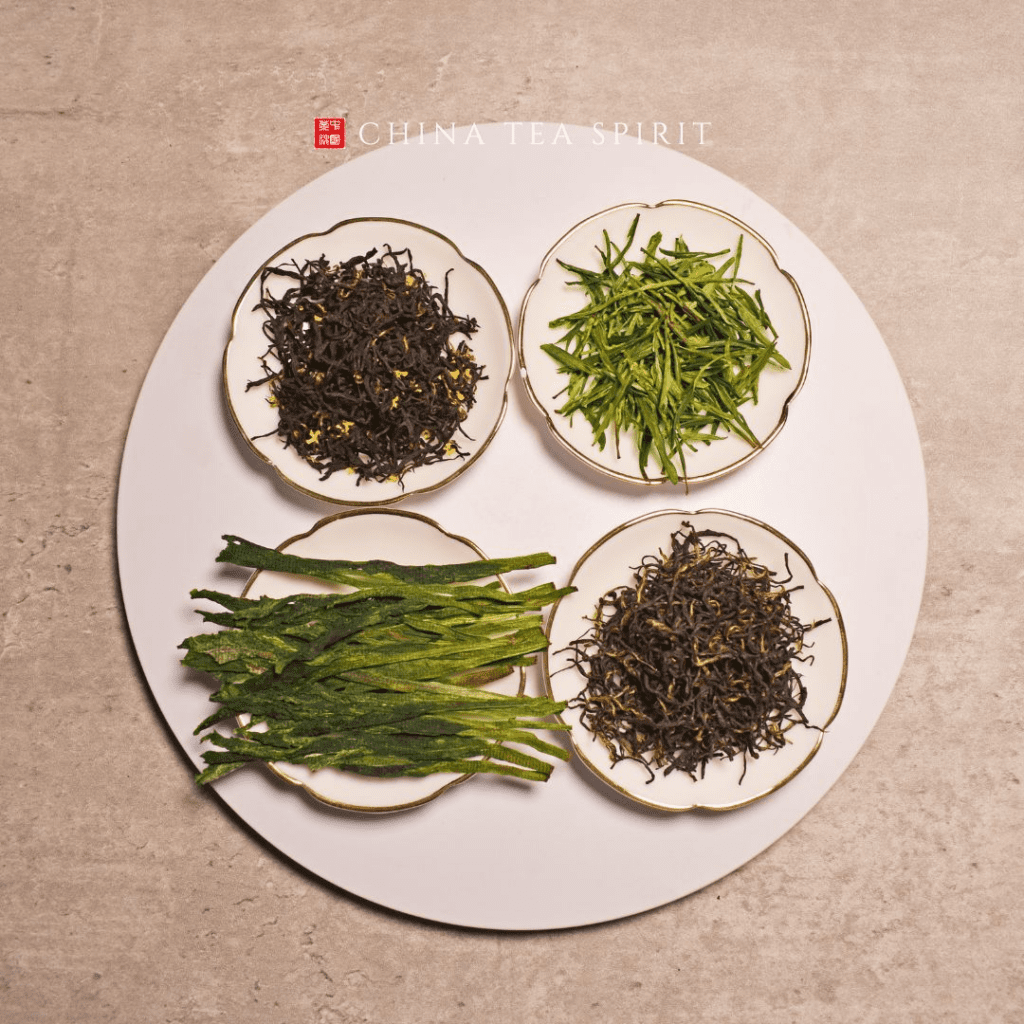
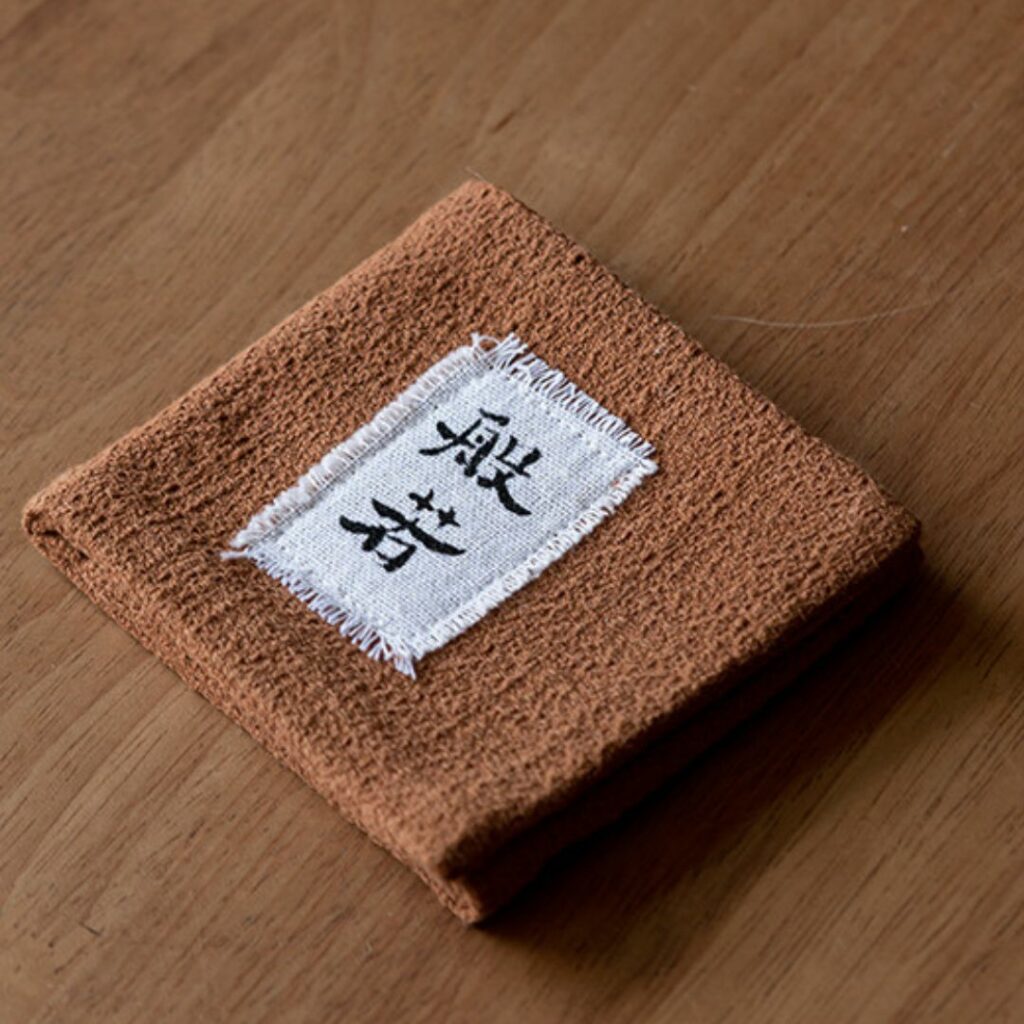
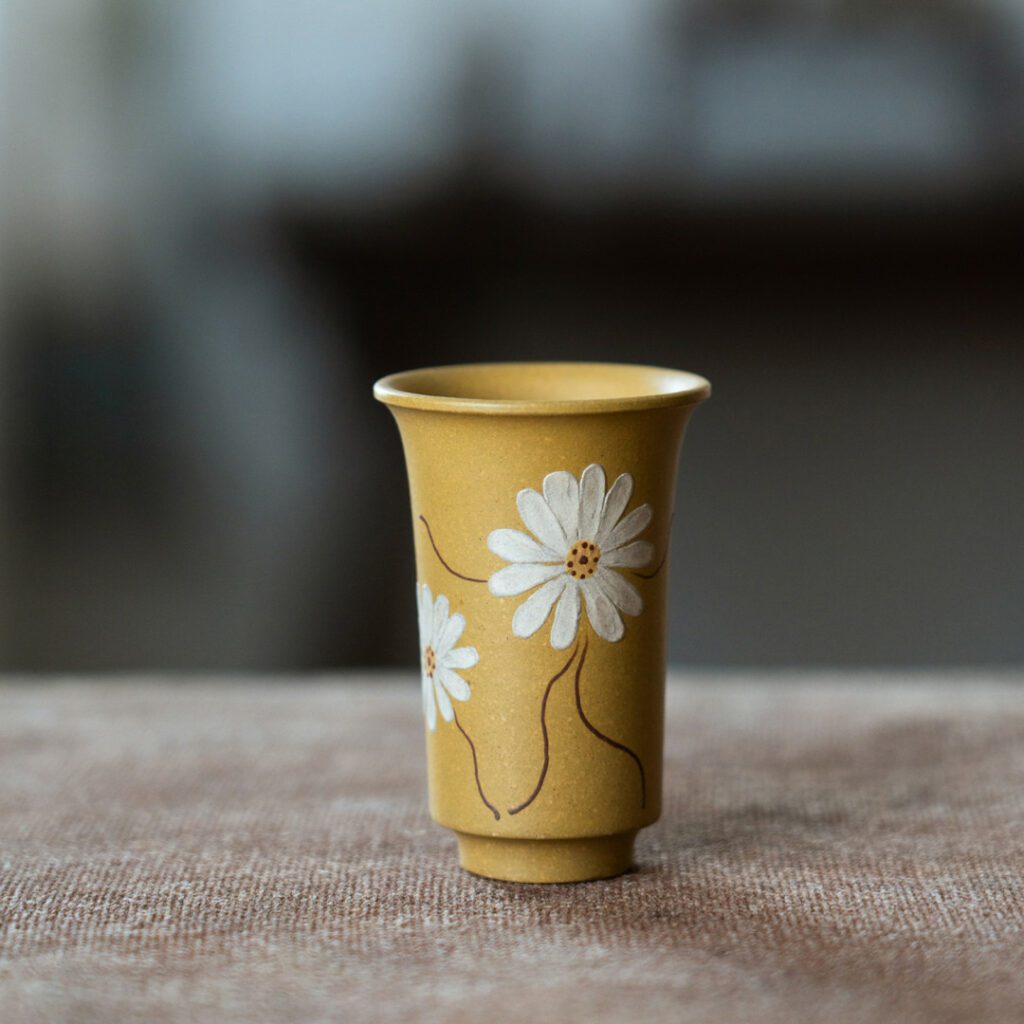
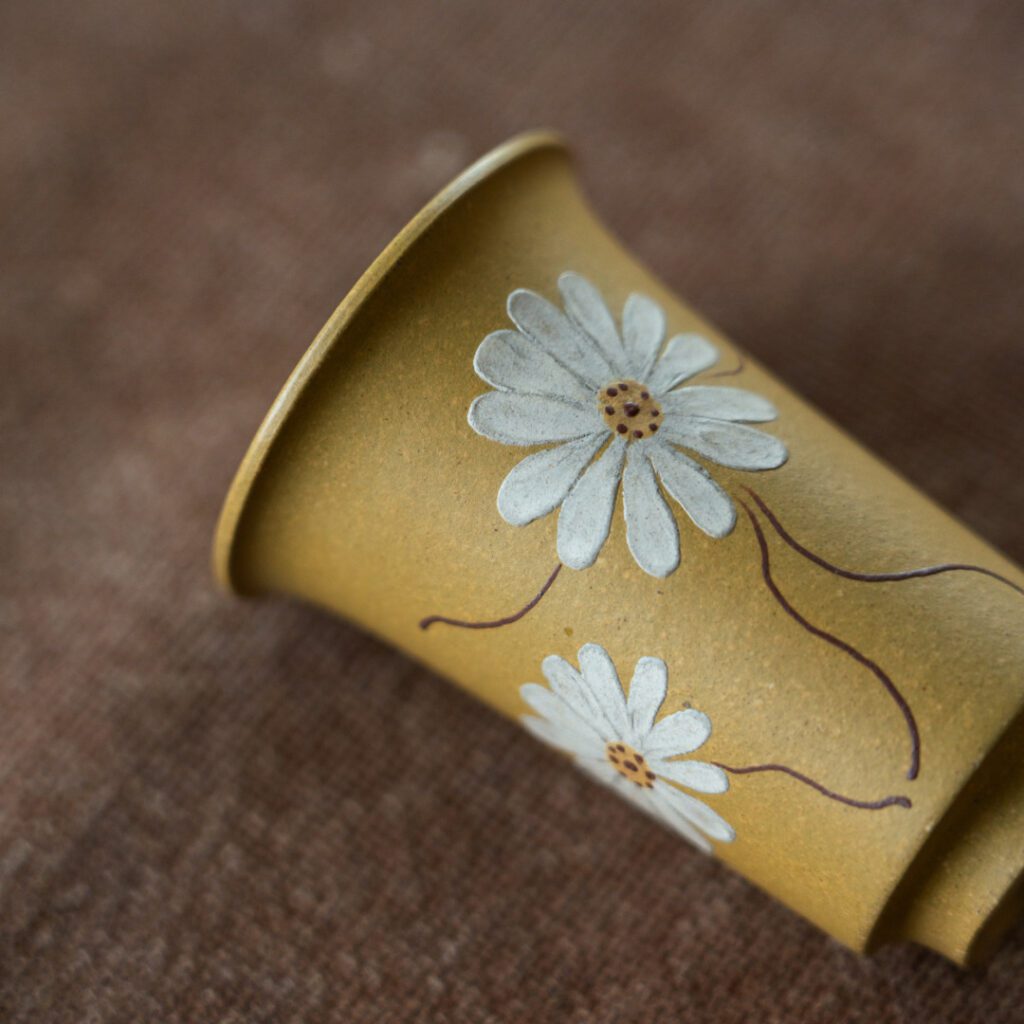
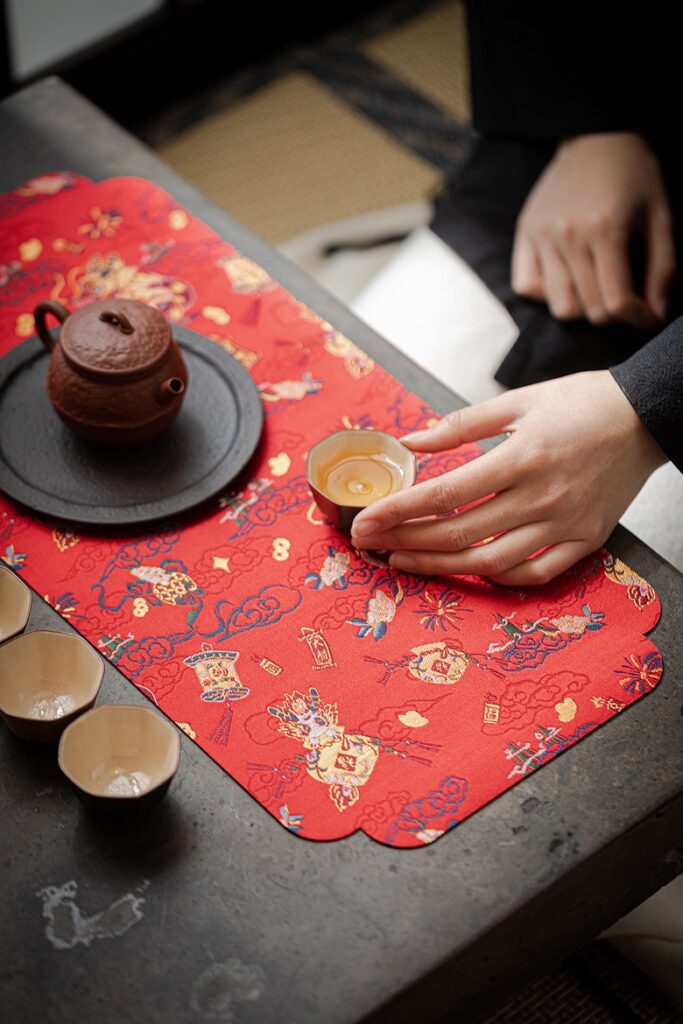
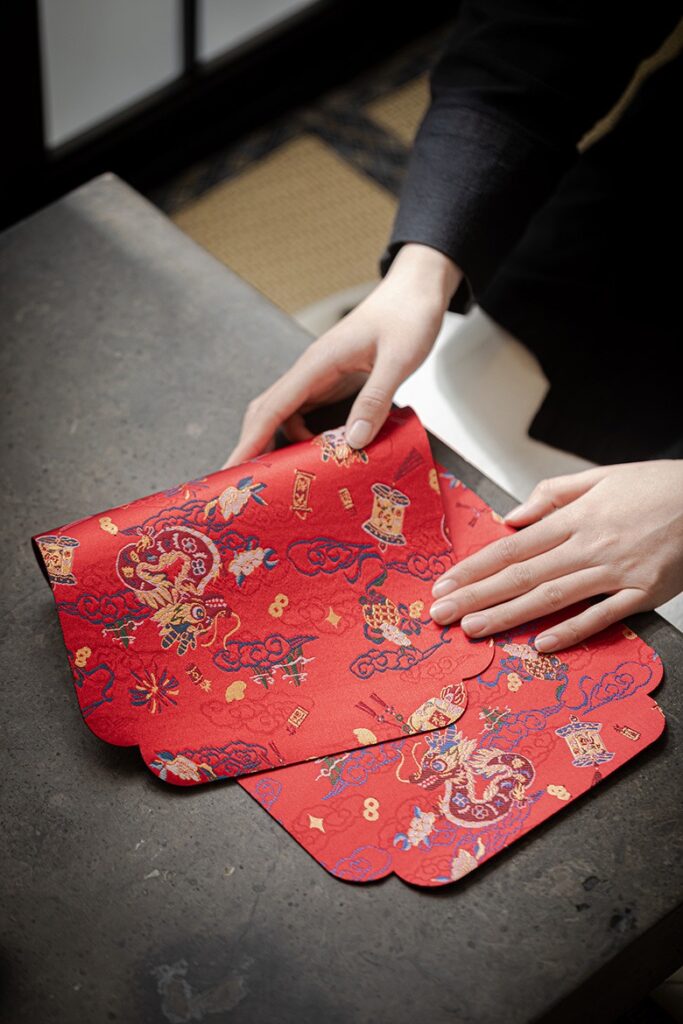
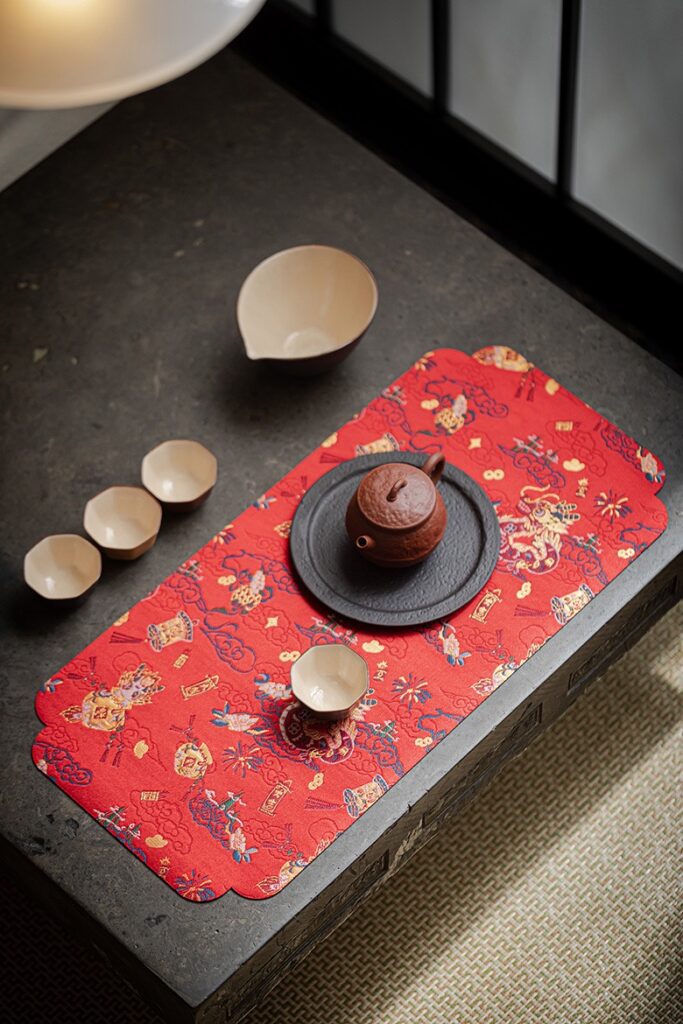
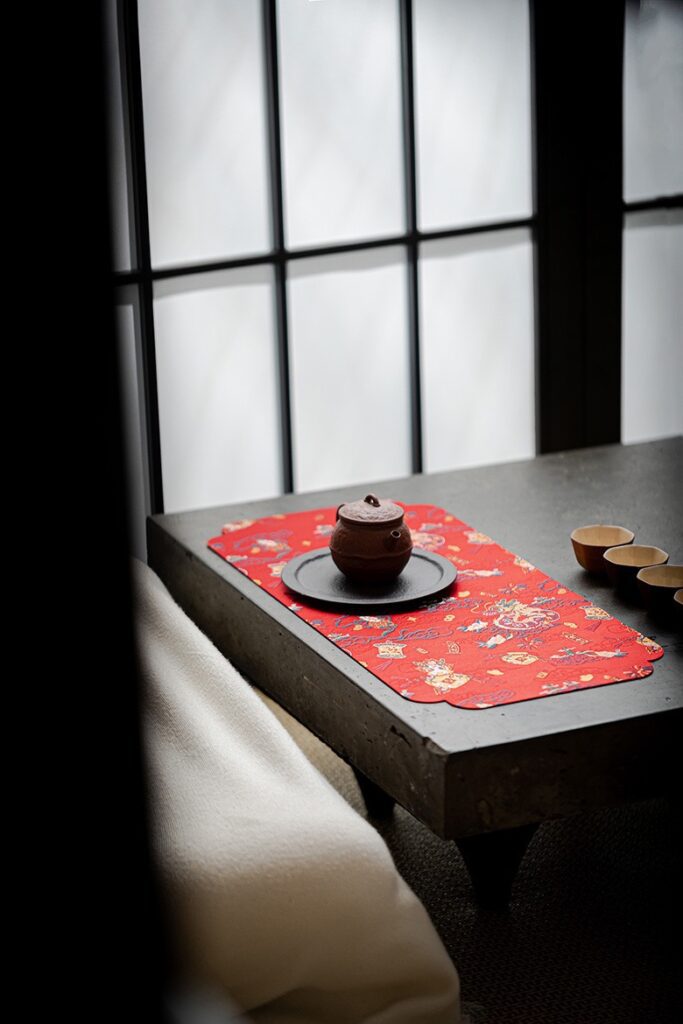
お茶好きの皆さん、こんにちは!🐉✨ 2024年の辰年を迎えるにあたり、嬉しいお知らせです。宜興(イシン)の急須をご購入いただいたお客様には、お茶のひとときに特別な彩りを添える、辰年限定デザインの茶敷きをプレゼントいたします。 これは皆様と共にこの年を祝うための私たちのささやかな贈り物ですが、期間限定のオファーですのでお見逃しなく!この神秘的なアイテムで、お茶のひとときをさらに特別なものにしてください。🍵💫
An elaborate enamel kettle, a remarkably plain silver pot, and two emperors who saw foreign objects as opportunities for invention.
The most surprising detail of one eighteenth-century Chinese imperial teapot is hidden underneath it.
Beneath its painted landscapes, gilded edges and elaborate handle sits a small oil container. Once lit, it provided heat to keep the vessel warm.
The arrangement came from European warming vessels. But the teapot surrounding it is unmistakably a product of the Qing imperial court: an eight-sided copper body covered in brilliantly colored enamel, with miniature scenes of mountains, flowers and birds.
Even its handle tells a story. The Qianlong Emperor personally instructed craftsmen to incorporate aventurine glass, a sparkling material that was particularly difficult to make.
The result was neither a straightforward European imitation nor a traditional Chinese teapot with a few foreign decorations. It was something the imperial workshops had made their own.
This remarkable vessel is among the objects highlighted in Design for the Forbidden City: Imperial Workshops of the Qing Court, an exhibition that opened at the Hong Kong Palace Museum in September 2026. Bringing together 157 objects from Beijing’s Palace Museum, the exhibition explores how things were designed, tested, modified and reimagined inside the Forbidden City. See the museum’s illustrated introduction to the original Qianlong teapot (audio-guide exhibit 5104).

And this was not the only time a Qing emperor found inspiration beyond China’s borders.
The Qianlong teapot is formally known as the Painted Enamel Octagonal Teapot with Landscape, Flowers, and Birds in Reserved Panels. Its rather long name describes only part of what makes it fascinating.
The copper body is divided into eight decorative panels. Landscapes, birds and flowers evoke the changing seasons, while blue bats, scrolling floral motifs and extensive gilding create a richly ornamented surface.
This is painted enamel on metal. Glass-based pigments were applied to the copper and fired repeatedly, fusing color with the vessel’s surface. It required careful control of painting and heat.
The underlying idea, however, came from a different tradition.
By the eighteenth century, European tea and hot-water equipment included metal kettles supported above small burners. These arrangements made it possible to keep water or prepared drinks warm at the table without constantly returning to the fire.
One surviving British example, this silver kettle and lamp stand made by Lewis Mettayer in London in 1708–09, illustrates the equipment Europeans were using around this period. It is not identified as the direct model for the Qing teapot, but it helps explain the functional design the imperial craftsmen were adapting.
The Chinese artisans retained the idea of a warming vessel while transforming its appearance through the materials and decorative language of the Qing court.
Then came the emperor’s personal intervention: the aventurine-glass handle. Incorporating a difficult, glittering material into a functional component added another challenge to an already elaborate object. The Hong Kong Palace Museum identifies this as a specific instruction from Qianlong himself.

The detail is revealing. The emperor was not merely receiving expensive things and deciding whether he liked them. At least in some cases, he intervened in their design.
But an even more unexpected transformation had taken place during the reign of his father.
The Yongzheng Emperor, who ruled from 1723 to 1735, admired Japanese lacquerware. Among the objects that interested him were lacquer vessels decorated with maki-e, a Japanese technique in which gold or silver powder is sprinkled onto lacquer to produce intricate designs.
Gold can seem to float against dark lacquer, forming flowers, landscapes or delicate patterns. Such objects were collected at the Qing court—but Yongzheng also instructed imperial craftsmen to create objects inspired by their shapes.
One of the Hong Kong exhibition’s most striking examples is a silver vessel, listed as an Ewer with handle, modeled on a Japanese maki-e lacquer teapot.
The choice of material is curious. Instead of reproducing the lacquer surface, the craftsmen made the vessel in silver. Rather than covering it in patterns, they left the surface entirely undecorated.
Its appeal lay in its outline, proportions and the quiet finish of the metal. The craftsmen borrowed the Japanese vessel’s form without copying its most recognizable decorative technique. A lacquer teapot had become a silver one.

The museum’s exhibition account identifies the object and the influence behind it; the Japanese ewer pictured here is a historical comparison, not a claimed match to that prototype.
It would be easy to describe the two Qing emperors in simple aesthetic terms: Yongzheng as restrained, Qianlong as extravagant. Their teapots certainly invite the comparison.
But the more revealing similarity is that both encouraged the transformation of existing designs. For Yongzheng, the inspiration came from Japanese lacquerware, reinterpreted in plain silver. For Qianlong, it came from European metalwork, transformed into elaborate enamel with a demanding glass handle.
In neither case was the objective simply to reproduce a foreign object exactly. The foreign object was a starting point.
These transformations were possible because the Qing court maintained an unusually sophisticated manufacturing organization.
「~として知られる」 Zaobanchu (造办处), or Imperial Workshops, it was established inside the Forbidden City during the Kangxi reign. It brought together specialized craftspeople working in metal, enamel, lacquer, wood, glass and other materials, while drawing on skilled artisans and production networks elsewhere in China.

The workshops made more than ceremonial masterpieces. They supplied and repaired objects for imperial daily life as well as elaborate display pieces. Their operation involved close supervision from the court.
An imperial order could be followed by a drawing or a physical model. The emperor could examine the proposed design, request adjustments and authorize production.
An extraordinary object described in the museum’s audio guide (exhibit 5103) makes this process tangible: a wax prototype for a seal topped with a crouching dragon. Wax was useful because it could be shaped with precision before a more demanding material was used for the finished piece.

The prototype shows that design was not necessarily a single instruction followed by silent execution. Craftsmen submitted examples; the emperor reviewed them; further changes might follow.
It is tempting to imagine the emperor as an eighteenth-century creative director. There is some truth in that comparison, but it should not obscure the craftsmanship involved.
A ruler might demand a different shape, a more difficult material or a particular decorative effect. The craftsmen still had to determine how to make it work. A glittering glass handle was an instruction; incorporating it into a complex metal vessel was a technical achievement.
Likewise, translating a lacquer vessel’s silhouette into silver required new decisions about what a very different material could do. The surviving objects reflect both imperial taste and artisanal problem-solving.
The movement of tea objects between China, Japan and Europe is often described as a story of Chinese influence spreading outward. That history is real: Chinese ceramics and tea traditions profoundly shaped tastes and practices elsewhere.
But ideas did not travel in only one direction.
European silversmiths developed their own approaches to tea equipment. Japanese lacquer artists refined distinctive decorative techniques. Chinese imperial craftsmen, in turn, encountered foreign objects and found ways to incorporate their forms, mechanisms or material ideas into Qing court production.
The exchange rarely required an object to be copied unchanged. A useful shape could survive while its material changed. A technical function might remain while the decoration became entirely different. Sometimes a foreign idea became the starting point for something more complicated than its source.
The Qianlong enamel teapot and Yongzheng silver ewer capture two contrasting possibilities. One takes a European warming vessel and makes it visually exuberant. The other takes a Japanese lacquer design and strips it back to the quiet surface of silver.
Both speak to a court that was not isolated from artistic ideas circulating beyond China’s borders. And both remind us that the history of tea objects is much larger than the history of tea preparation.
A teapot can tell us about changing technologies, the movement of luxury goods, the preferences of powerful patrons and the inventiveness of people who worked with their hands.
Sometimes the most interesting part of its history is not what it held, but what went into making it.
For Qianlong’s extraordinary enamel teapot, that story can be found in two details: the small warming flame beneath it, and the sparkling glass above.
For another chapter of Chinese teapot design—this time involving literati collaboration rather than imperial workshops—explore the Mansheng Eighteen Forms.