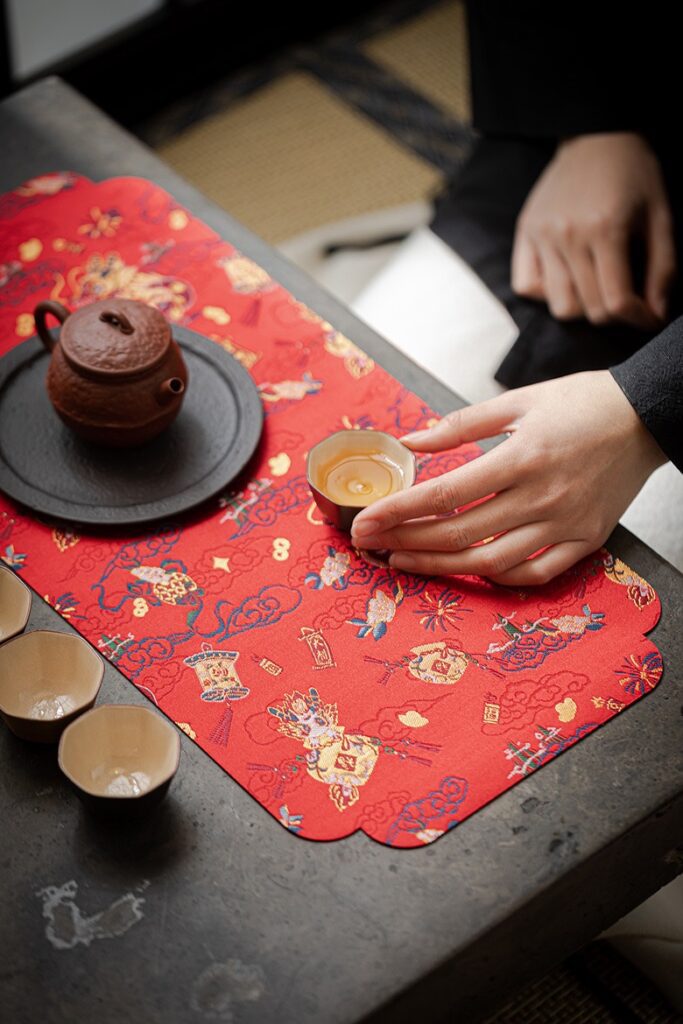
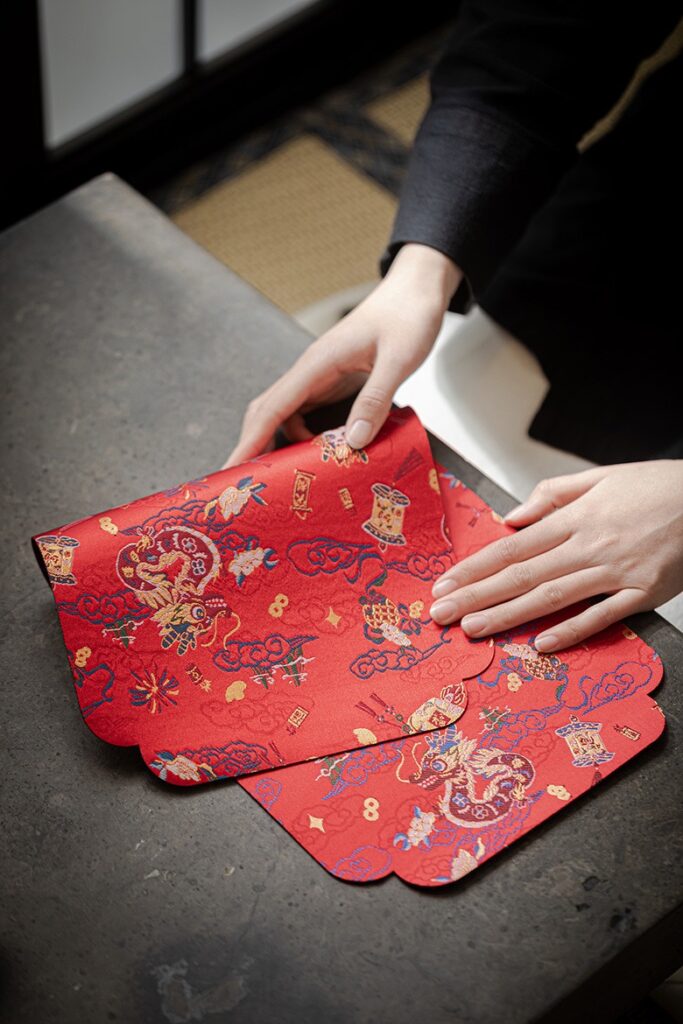
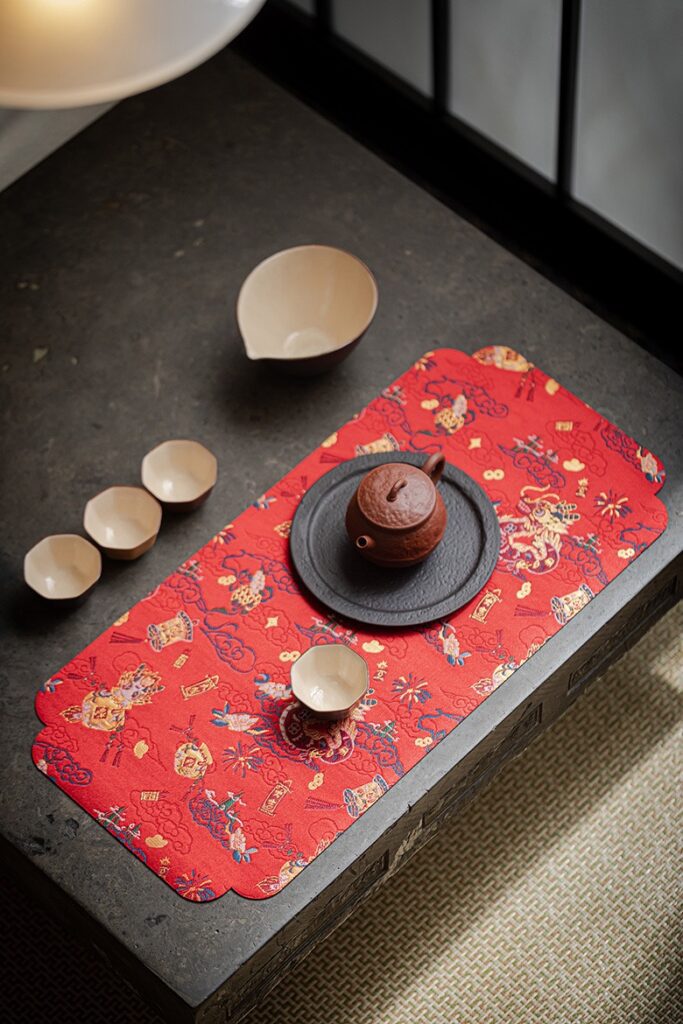
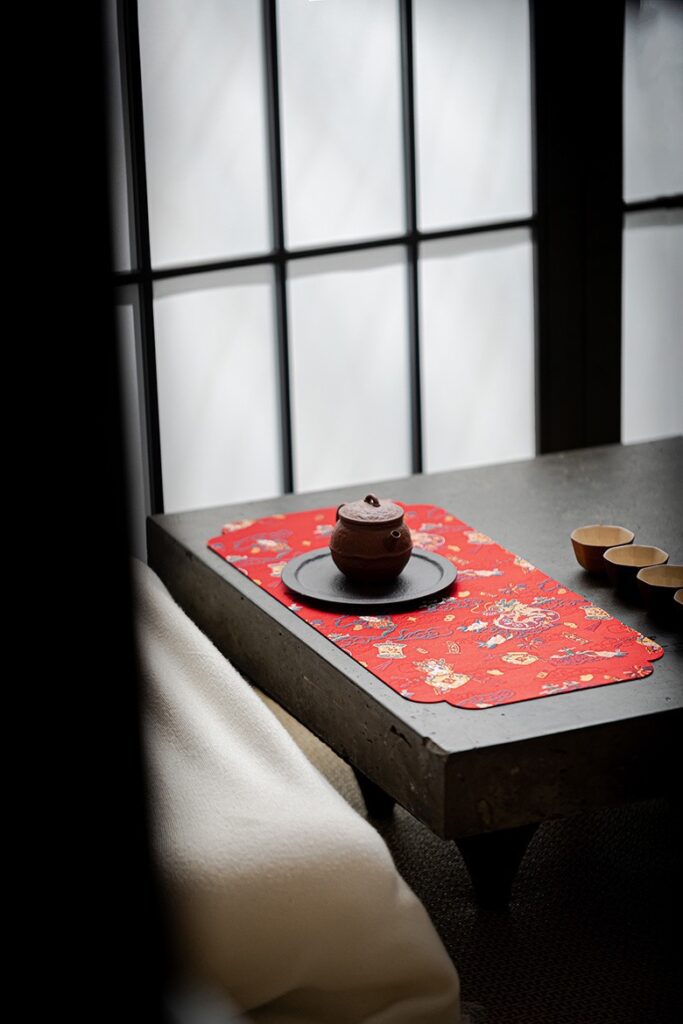
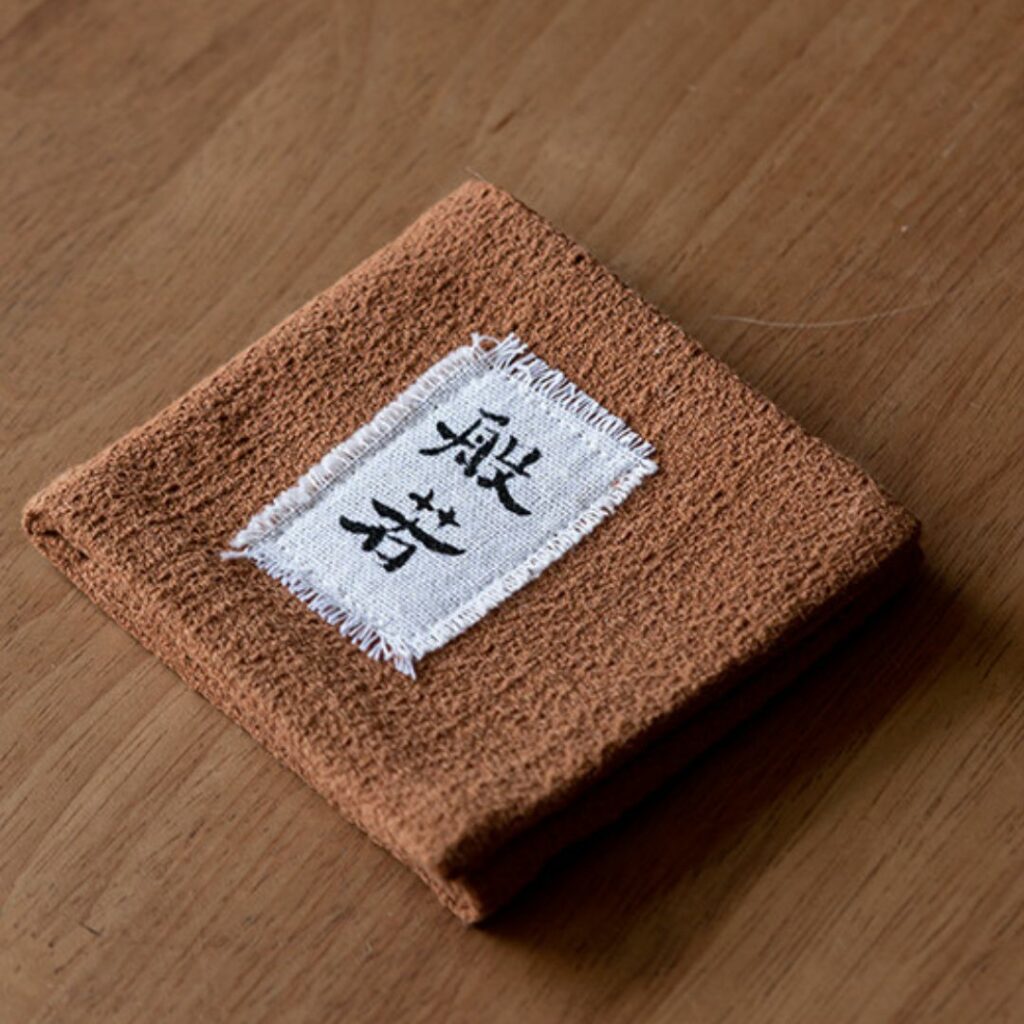
مرحبًا يا عشاق الشاي! 🐉✨ أخبار مثيرة مع دخولنا «عام التنين» 2024 — عند شراء إبريق شاي «ييشينغ»، نهديكم مفرش شاي حصري بتصميم «عام التنين» لإضفاء لمسة إضافية على طقوس الشاي الخاصة بكم. هذه طريقتنا للاحتفال معكم، لكن تذكروا أن هذا العرض متاح لفترة محدودة! لا تفوتوا فرصة جعل جلسات الشاي الخاصة بكم أكثر تميزًا مع هذه الإضافة السحرية. 🍵💫
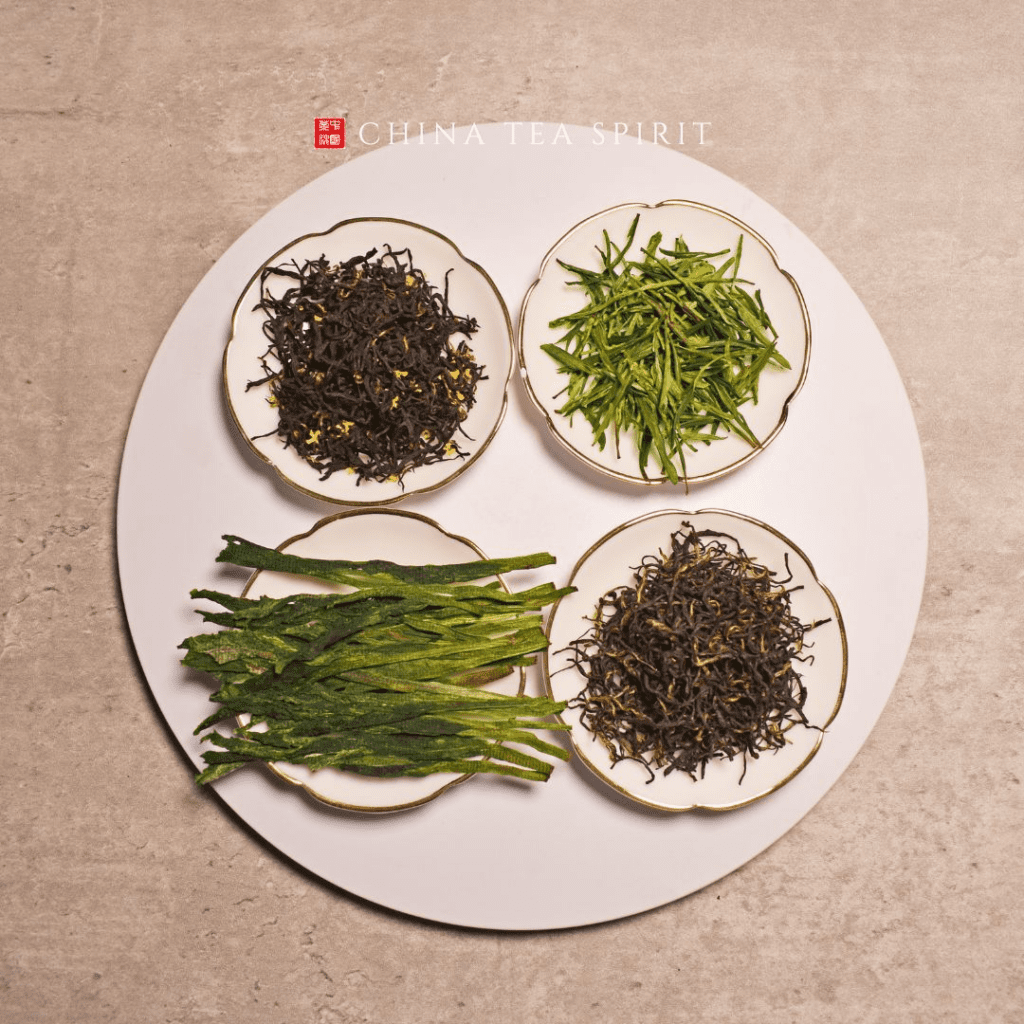
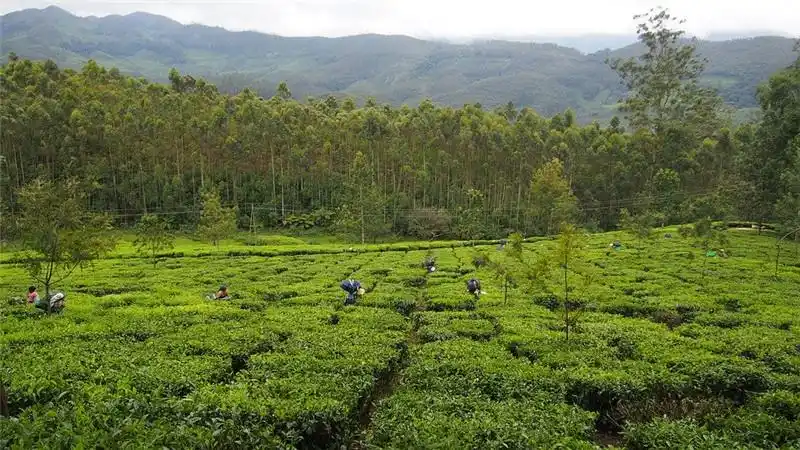
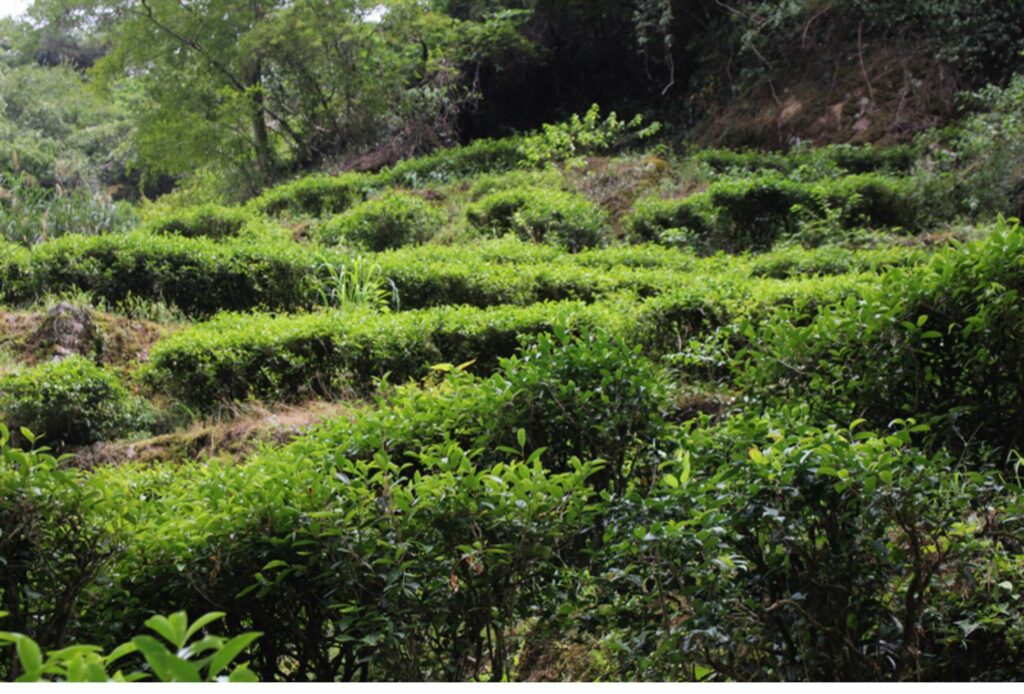
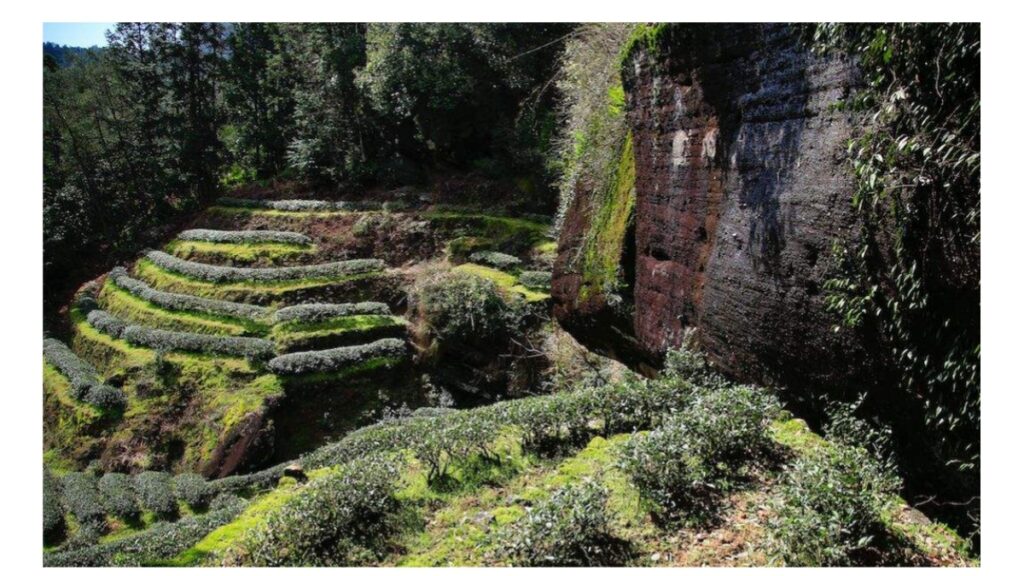
مرحبًا يا عشاق الشاي! على الرغم من أن الكثيرين منكم يعرفوننا كشركة متخصصة في أدوات الشاي الصينية الفاخرة، إلا أننا متخصصون أيضًا في أنواع الشاي من منطقة هوانغ شان. وتُعد هوانغ شان موطنًا لأشهر أنواع الشاي الصيني – هوانغ شان ماو فنغ، وكيمون، وتاي بينغ هو كوي. وبصفتنا من سكان هذا المكان الخلاب، فإننا نتمتع بارتباط عميق بهذه الأرض وتراثها الغني في مجال الشاي.
نحن ندرك أن العثور على الشاي المثالي قد يكون رحلة شخصية، ولهذا السبب نقدم حزمة العينات الخاصة بنا. فهي تتيح لك استكشاف النكهات المتنوعة لشاي هوانغ شان واكتشاف النوع الذي يرضي ذوقك.
يتم الحصول على كل نوع من أنواع الشاي وإنتاجه مباشرةً من مزارعي الشاي، مما يضمن جودته ومذاقه الأصيل.
Dahongpao, Rougui and Shuixian are three familiar names in Wuyi rock tea, a family of oolong teas from Fujian. Rougui is known for a cinnamon-like aroma, Shuixian often has a softer orchid-like character, and Dahongpao can bring several flavour notes together. The producer, roast and individual batch still matter.
Dahongpao vs Rougui vs Shuixian
الشاي
A useful starting point
What to check when choosing
Rougui · 肉桂
Cinnamon-like aroma and a more assertive character
Roast level and the producer’s description of this batch
Shuixian · 水仙
Orchid-like notes and a softer, rounded impression
Roast level; any specific old-bush claims should have supporting provenance
Dahongpao · 大红袍
Often sold as a blend, though the label can cover different styles
Whether it is a blend or a named cultivar, and how the producer describes it
What is Rougui tea?
Rougui is a Wuyi oolong tea known for a cinnamon-like aroma. Its name means “cinnamon”, but an aroma name is not an ingredient list. Look at the tea’s actual product details rather than assuming cinnamon has been added.
If you enjoy a bolder aromatic style, Rougui is a useful place to start. If you prefer a softer impression, compare it with Shuixian. For Dahongpao, ask about the particular blend or style rather than expecting every tea with that name to taste alike.
شويشيان (ويي(النرجس)
الأصل والتاريخ
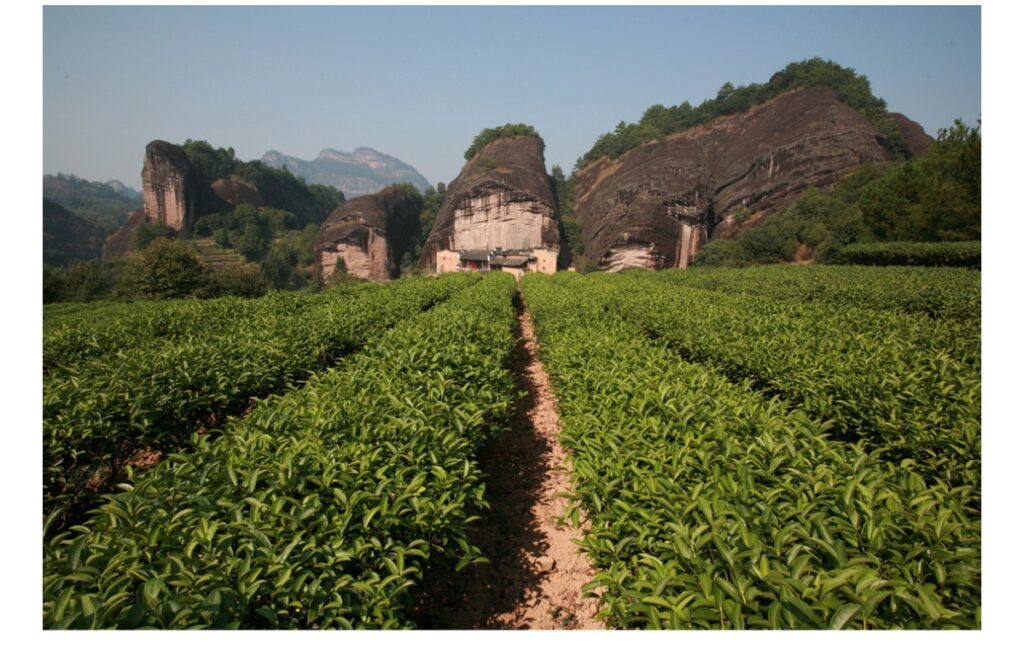
تعود جذور شاي شويشيان إلى كهف تشو شيان في جيانيانغ, ، فوجيان. وقد تم إدخالها إلى جبل ووي خلال عهد غوانغشو في عهد أسرة تشينغ، وتتمتع بتاريخ زراعي يمتد لمئات السنين.
يمكن تصنيف شويشيان حسب موسم الحصاد:
شويشيان الربيعية: تشتهر بجودتها الفائقة ونكهتها الغنية ورائحتها الزكية.
وينتر شويشيان: يتميز بإنتاجية أقل ونكهة أخف، وغالبًا ما يُستخدم في صنع شاي أكثر رقة.
الميزات الفريدة لـ «شويشيان»
Old-bush Shuixian: If a tea carries an old-bush label, look for the producer’s age and origin information. A woody aroma or appearance alone does not establish provenance.
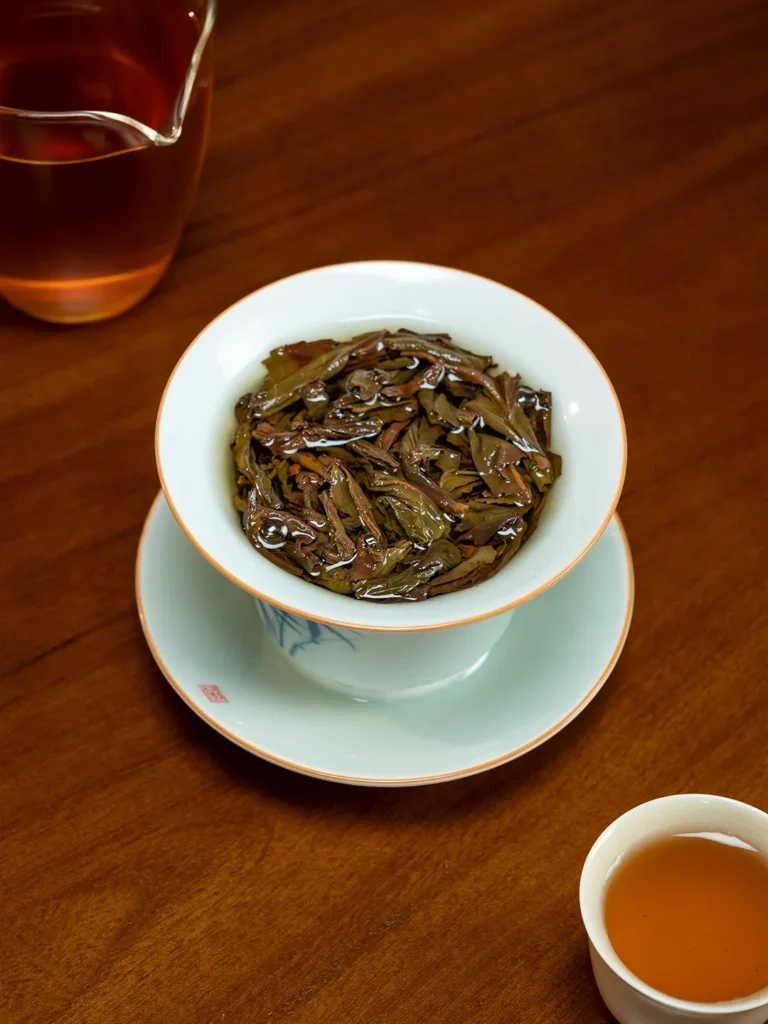
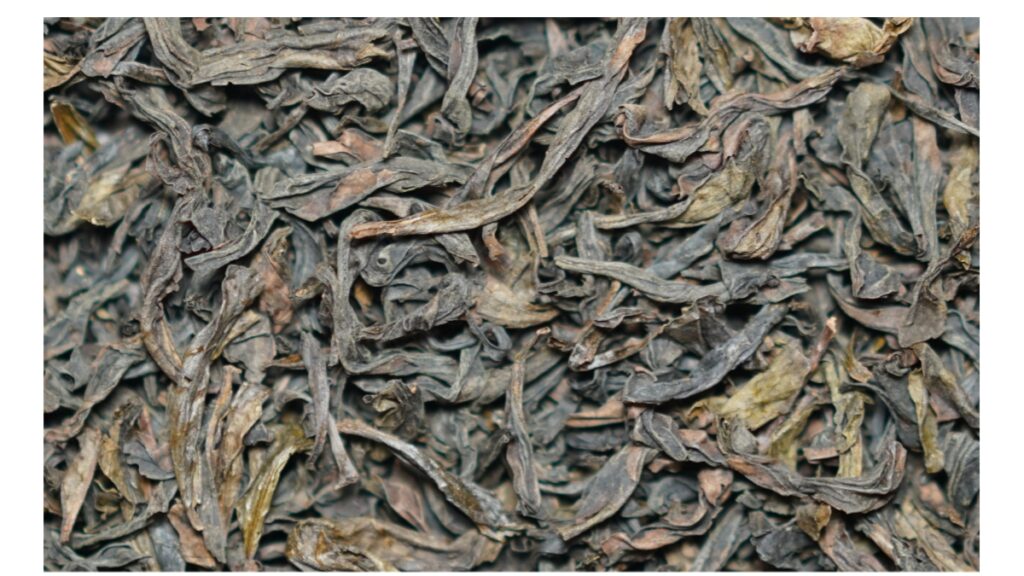
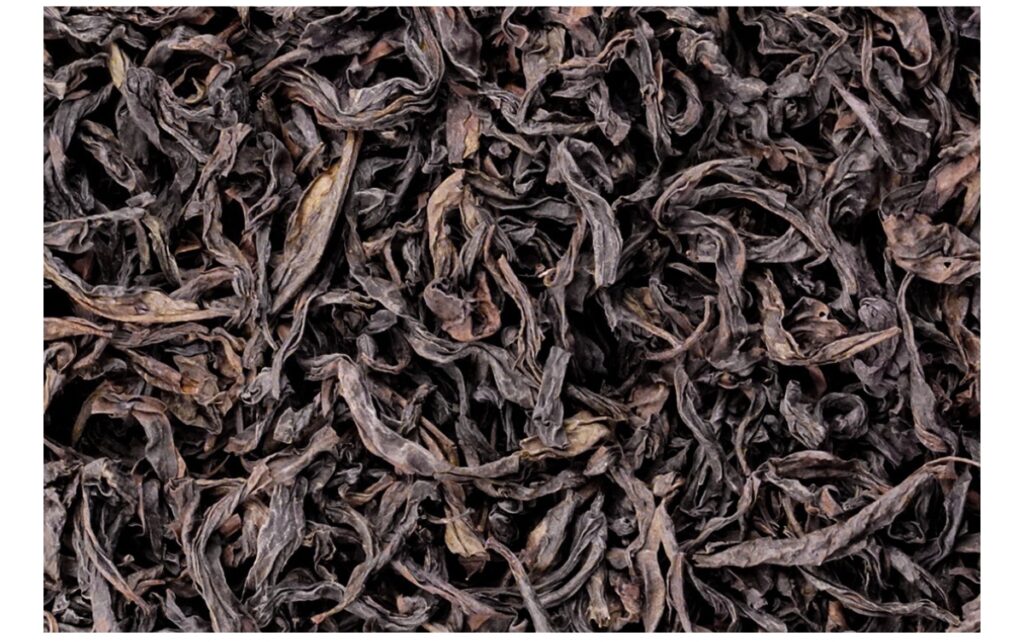
المظهر: أوراق طويلة وسميكة ذات لون أخضر-بني داكن لامع.
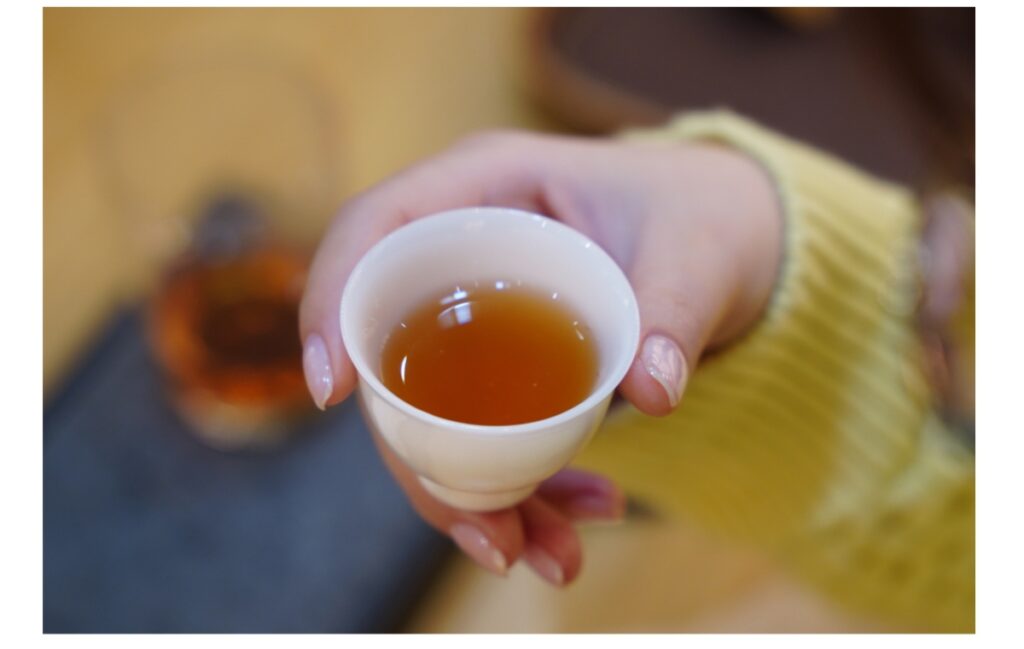
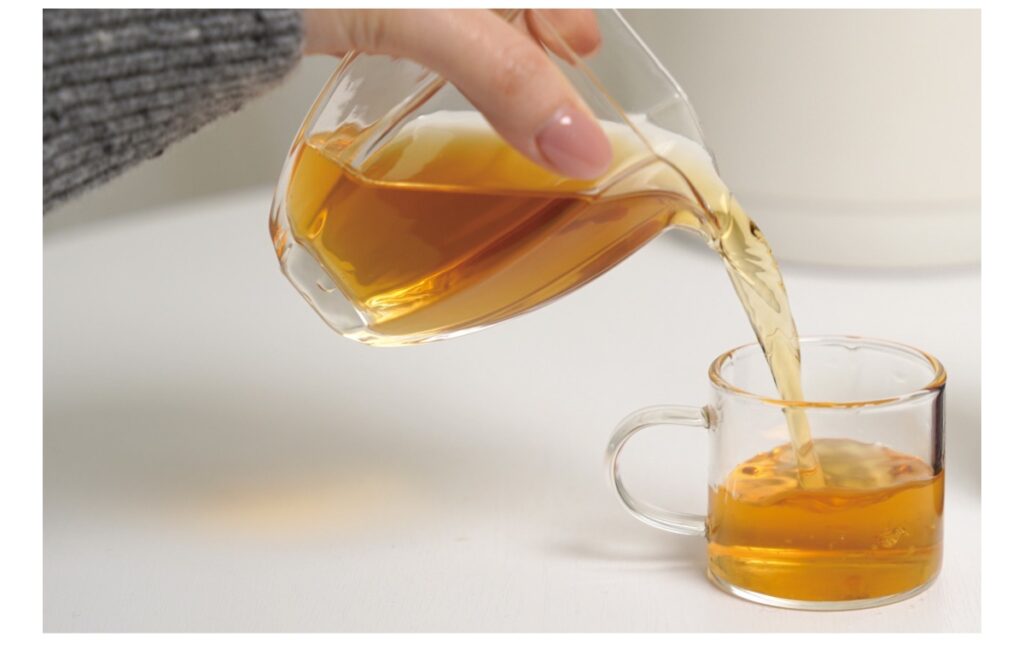
المذاق: رائحة زهرية تشبه رائحة الأوركيد مع مذاق نهائي ناعم وسلس. تنتج أصناف الربيع مشروبًا ذهبي اللون أو كهرماني اللون، بينما تكون أصناف الشتاء أفتح لونًا وذات نكهة أخف.
Visible leaf fibres are not reliable proof of a tea bush’s age. For an old-bush claim, look for specific producer information and provenance.
القرفة (肉桂): رائحة القرفة الحارة والجريئة
الأصل والتاريخ
الملقب بـ “شاي القرفة”بفضل رائحته الحارة المميزة، يعود أصل روغي إلى" هويوان كينغ, ، وهو وادٍ شهير في جبل ووي. وقد انتشرت شهرته على نطاق واسع، حيث تشتهر بأصناف شاي “روغوي” الشهيرة من مناطق مثل نيولانكنغ (“نيورو”) وماتويان («مارو»).
الميزات الفريدة لـ «روغي»
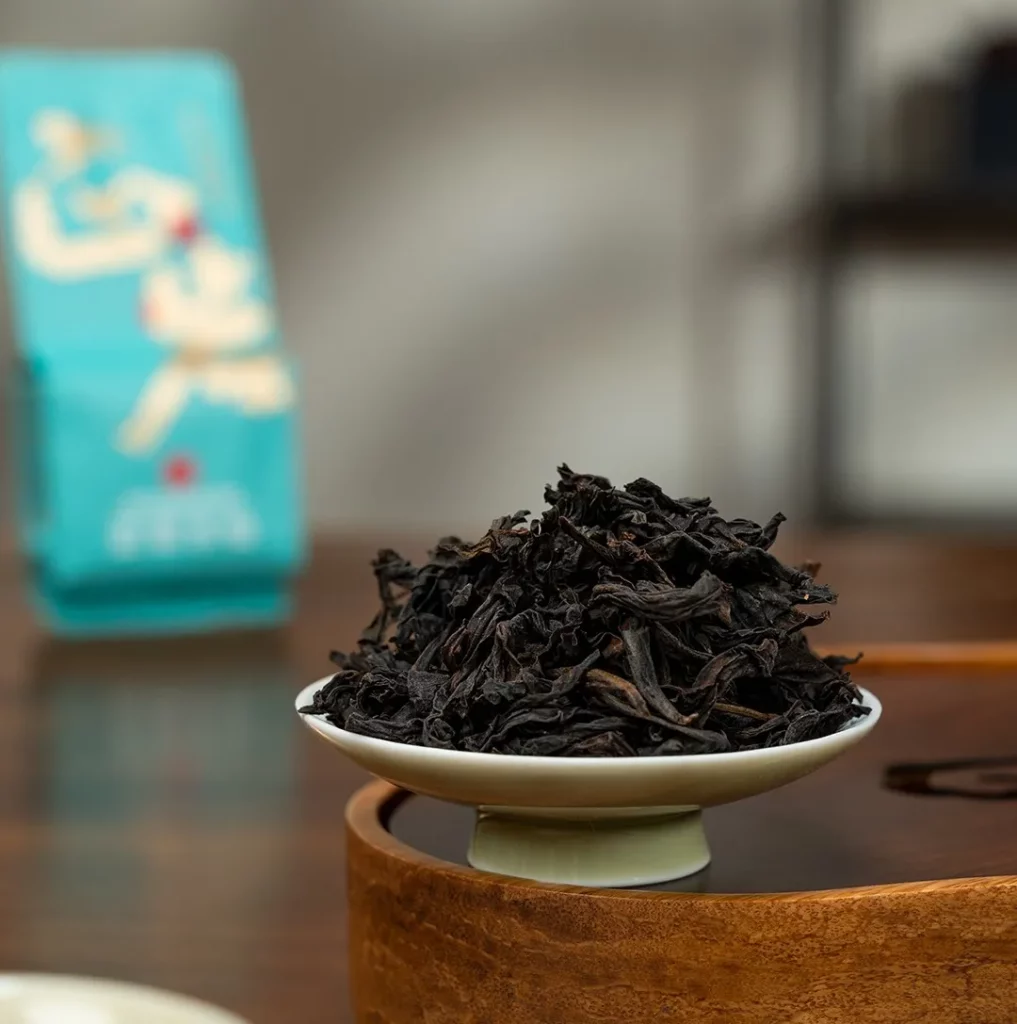
المظهر: شرائح أنيقة ملفوفة بإحكام من أوراق خضراء داكنة ذات لمعان زيتي.
الرائحة: رائحة حادة تشبه رائحة القرفة، تنتشر فور تحضير الشراب.
المذاق: Often described as full-bodied, with a cinnamon-like aroma and a lingering finish. The number of enjoyable infusions depends on the tea and how you brew it.
السمة المميزة لـ «روغي» هي شخصية حازمة. مقارنةً بنفحات الأوركيد الرقيقة التي تتميز بها شويشيان، فإن رائحة روغوي التي تشبه القرفة حارة ومكثفة — إنها تجربة قوية في الفنجان.
داهونغباو (大红袍): ملك شاي الصخور
أسطورة داهونغباو
المعروف باسم “ملك الشاي”،” كان مصطلح «داهونغباو» يشير في البداية إلى الشاي المستخرج من ستة أشجار أم قديمة تنمو في «جيولونغكي» (عش التسعة تنانين). وتُعد هذه الأشجار أسطورية وتخضع لحماية مشددة، لذا فإن أي شاي «داهونغباو» معاصر تتذوقه يكون مصنوعًا من عقل مُستنبت أو من خلطات من أنواع مختلفة من الشاي.
داهونغباو المعاصر
Commercial Dahongpao is often sold as a blend, but the name can also appear on other styles. Check whether the producer identifies a blend or a named cultivar.
A good blend depends on the quality and proportions of its teas. More varieties do not automatically make it better or more balanced.
الاختلافات الرئيسية بين «داهونغباو» و«شويشيان» و«روغوي»
الرائحة
شويشيان: عطر خفيف برائحة الأوركيد.
روغي: نكهات القرفة الحارة.
داهونغباو: متوازن، بمزيج من الروائح الزهرية والخشبية والمعدنية.
النكهة
شويشيان: ناعمة وسلسة، مع لمسة خفيفة من الحلاوة.
روغي: قوي، جريء، مع نكهة توابلية تدوم طويلاً.
داهونغباو: معقد ومتناغم، يجمع بين أفضل صفات أنواع شاي متعددة.
المظهر
شويشيان: أوراق طويلة وسميكة ولامعة.
روغي: أوراق داكنة، ملفوفة بإحكام، ذات لمعان زيتي.
داهونغباو: Appearance varies with the tea’s style and producer; the label alone does not specify a blend.
How to compare them in your cup
Start with the producer’s brewing guidance and compare the teas using the same vessel and water. Notice the aroma, texture and finish over several infusions. Adjust the leaf amount or infusion time to your taste rather than judging a tea by its name alone.
The term yan yun, often translated as “rock rhyme”, describes a sensory impression associated with Wuyi tea. It is not a laboratory measurement of mineral content.