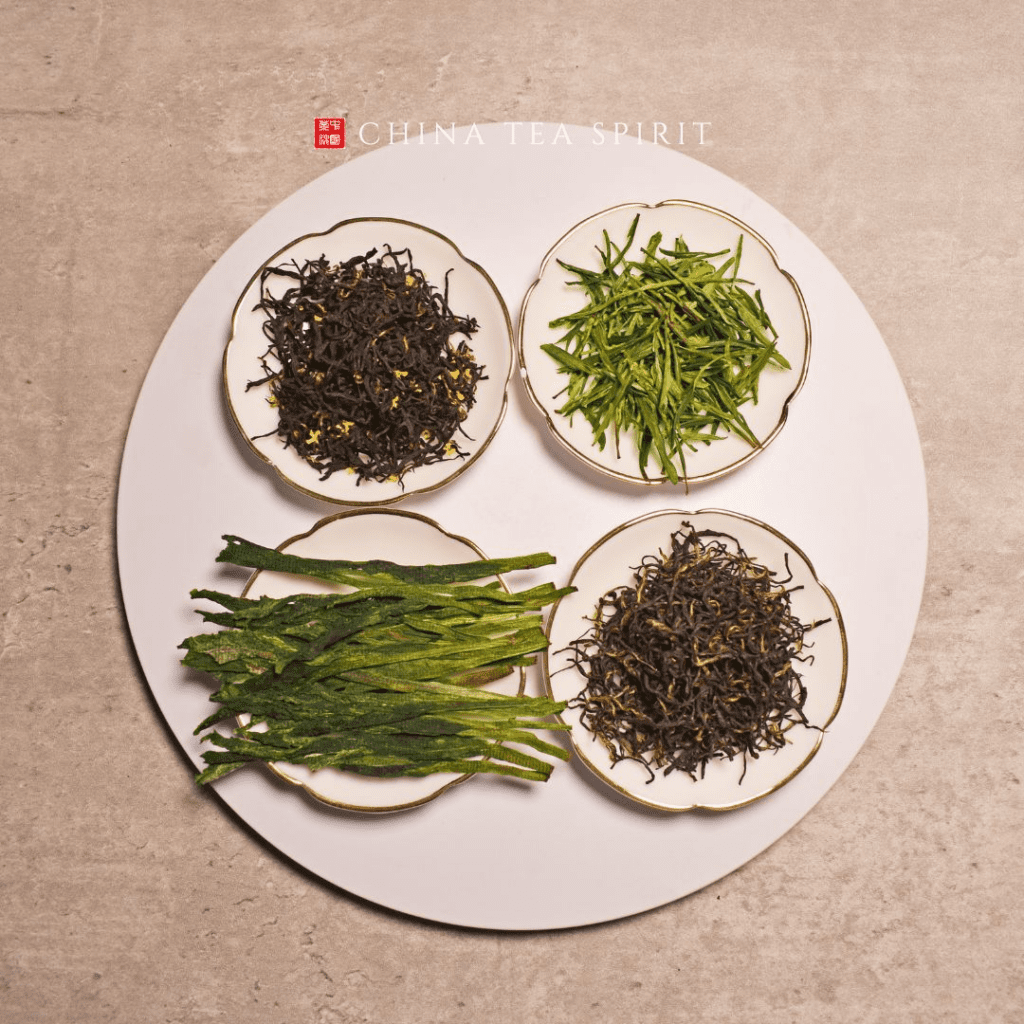
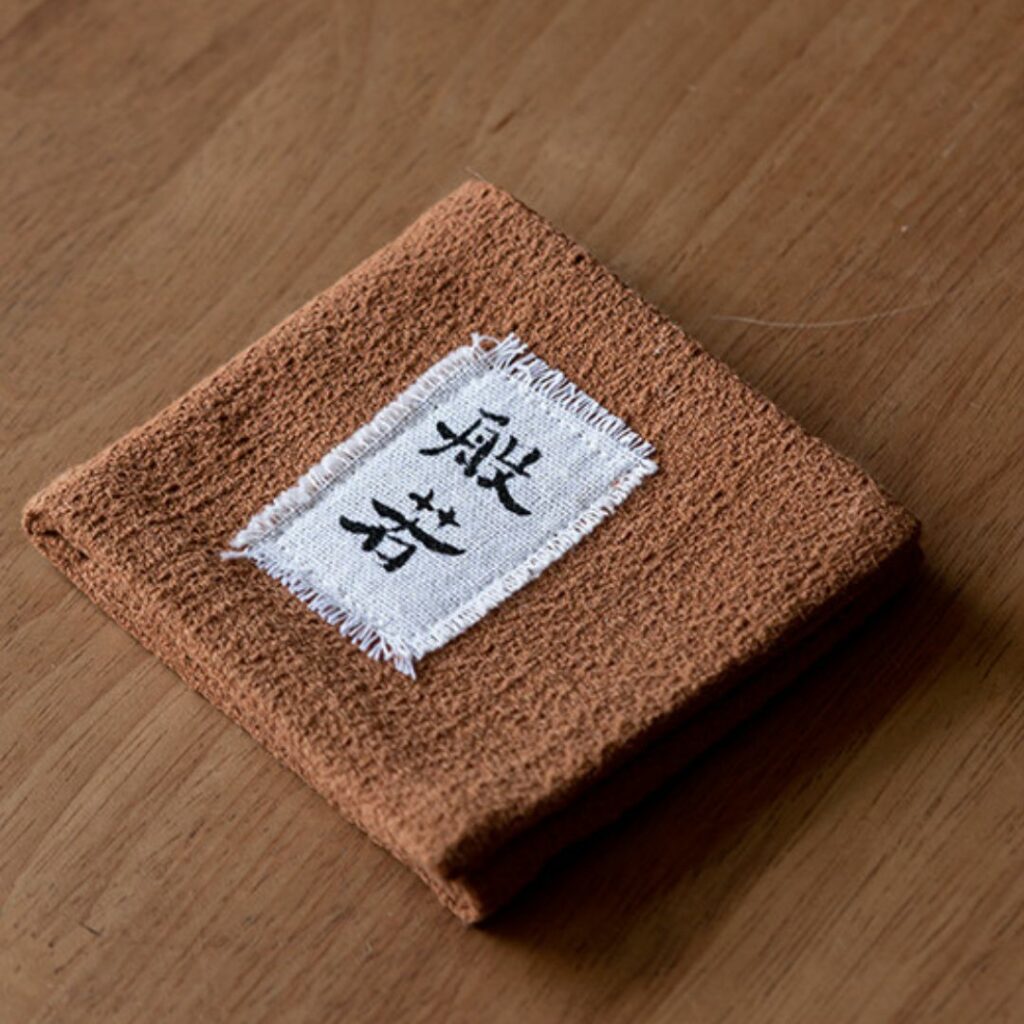
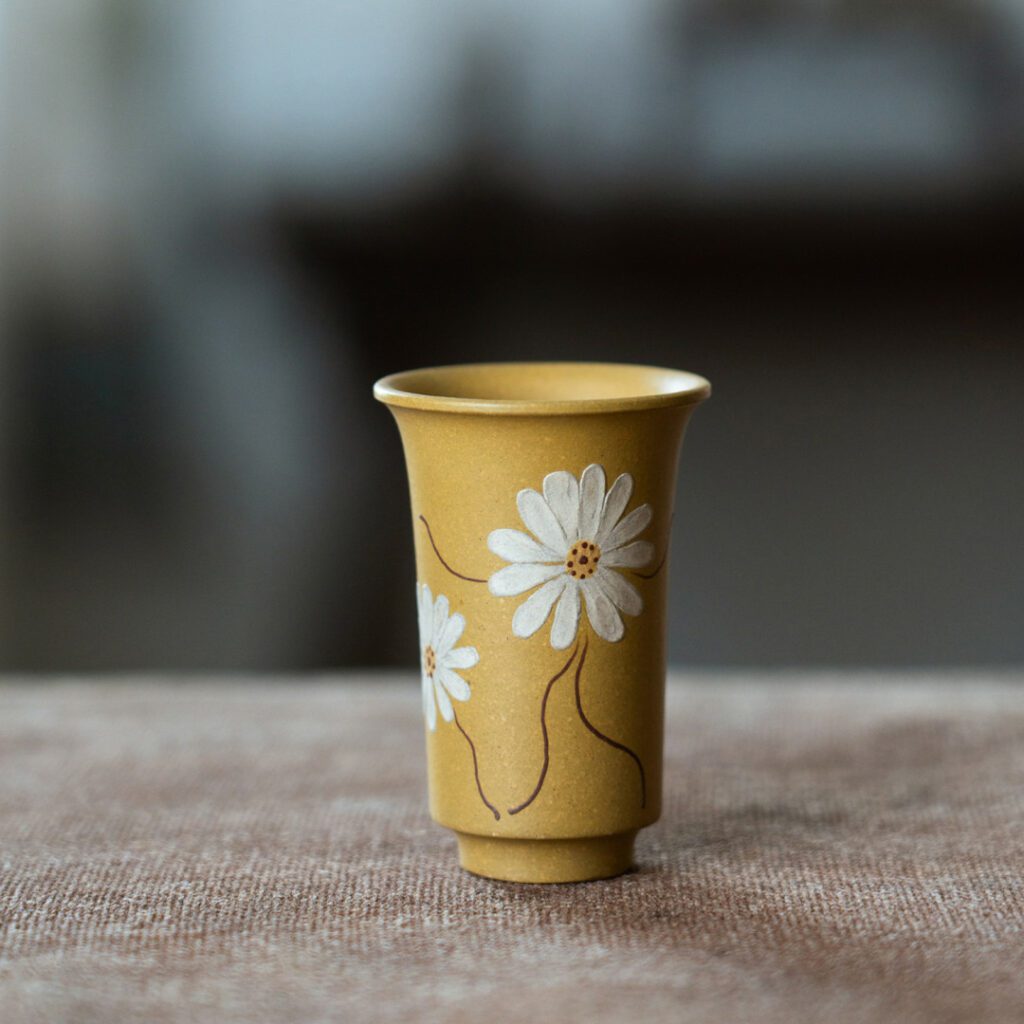
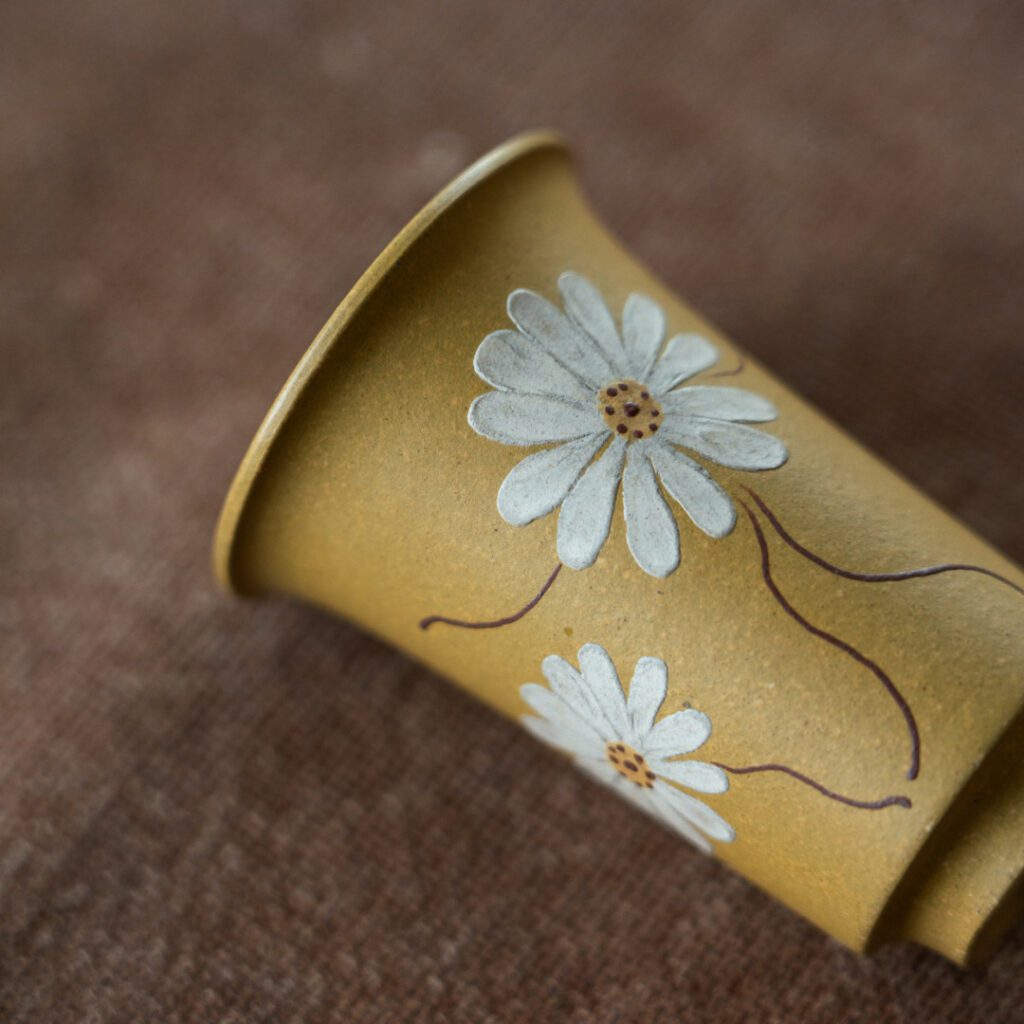
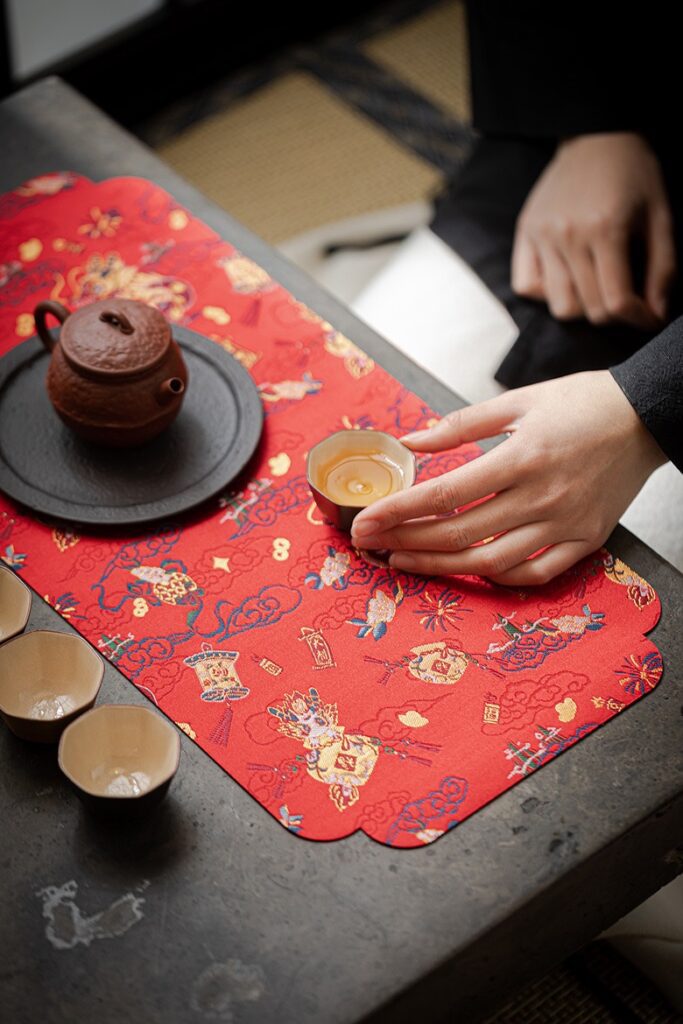
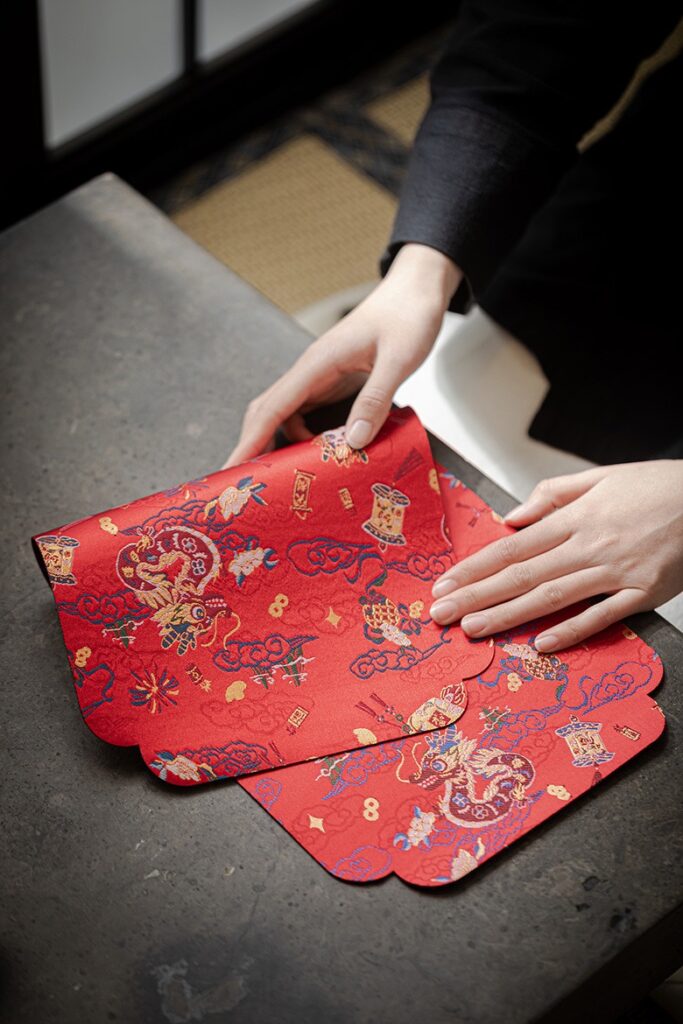
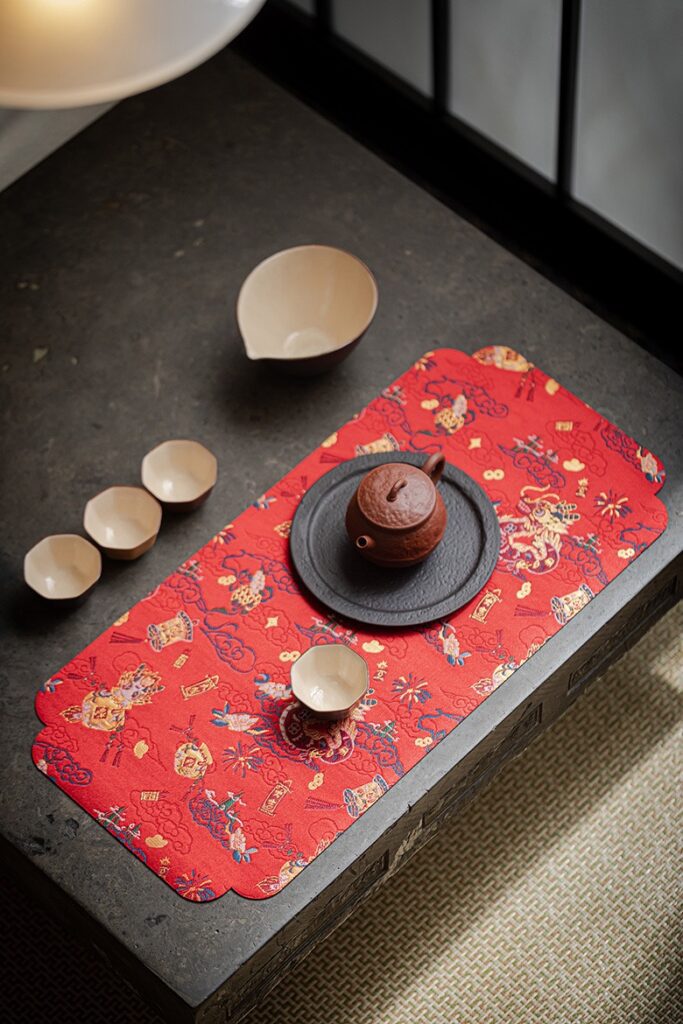
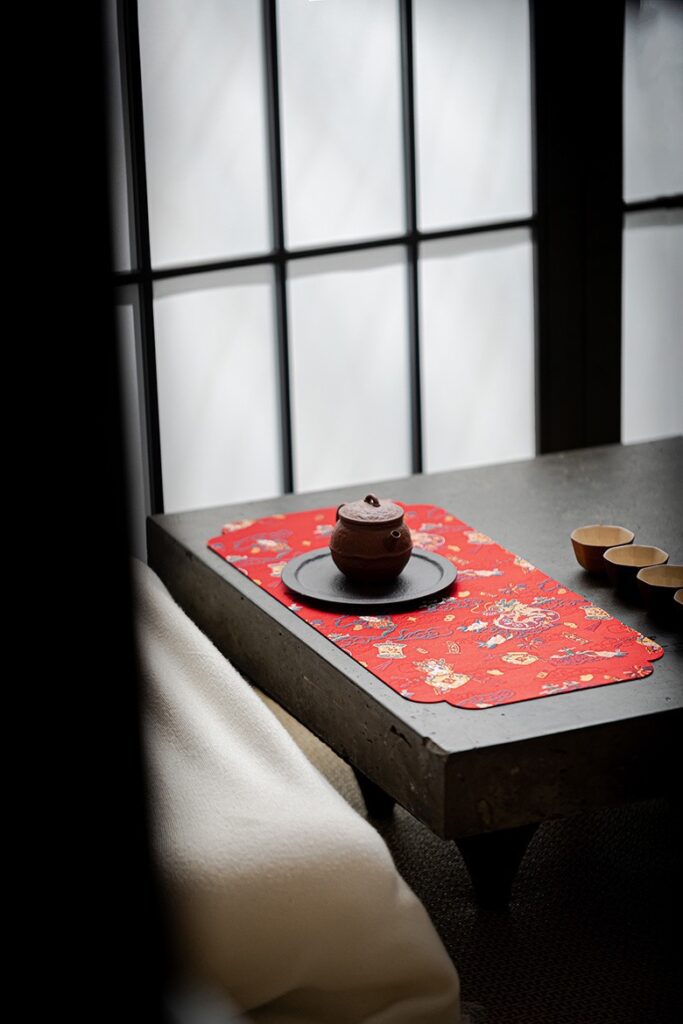
お茶好きの皆さん、こんにちは!🐉✨ 2024年の辰年を迎えるにあたり、嬉しいお知らせです。宜興(イシン)の急須をご購入いただいたお客様には、お茶のひとときに特別な彩りを添える、辰年限定デザインの茶敷きをプレゼントいたします。 これは皆様と共にこの年を祝うための私たちのささやかな贈り物ですが、期間限定のオファーですのでお見逃しなく!この神秘的なアイテムで、お茶のひとときをさらに特別なものにしてください。🍵💫
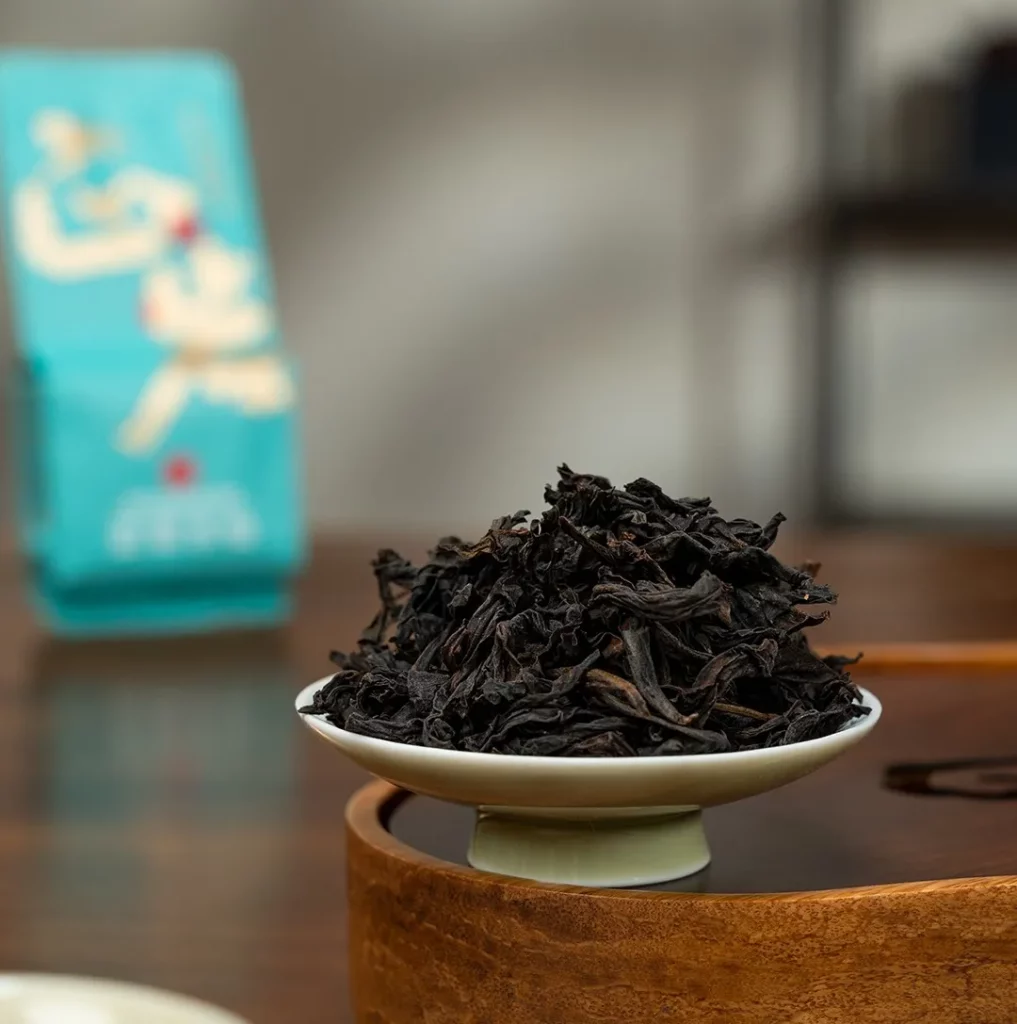
Dahongpao, Rougui and Shuixian are three familiar names in Wuyi rock tea, a family of oolong teas from Fujian. Rougui is known for a cinnamon-like aroma, Shuixian often has a softer orchid-like character, and Dahongpao can bring several flavour notes together. The producer, roast and individual batch still matter.
| お茶 | A useful starting point | What to check when choosing |
|---|---|---|
| Rougui · 肉桂 | Cinnamon-like aroma and a more assertive character | Roast level and the producer’s description of this batch |
| Shuixian · 水仙 | Orchid-like notes and a softer, rounded impression | Roast level; any specific old-bush claims should have supporting provenance |
| Dahongpao · 大红袍 | Often sold as a blend, though the label can cover different styles | Whether it is a blend or a named cultivar, and how the producer describes it |
Rougui is a Wuyi oolong tea known for a cinnamon-like aroma. Its name means “cinnamon”, but an aroma name is not an ingredient list. Look at the tea’s actual product details rather than assuming cinnamon has been added.
If you enjoy a bolder aromatic style, Rougui is a useful place to start. If you prefer a softer impression, compare it with Shuixian. For Dahongpao, ask about the particular blend or style rather than expecting every tea with that name to taste alike.
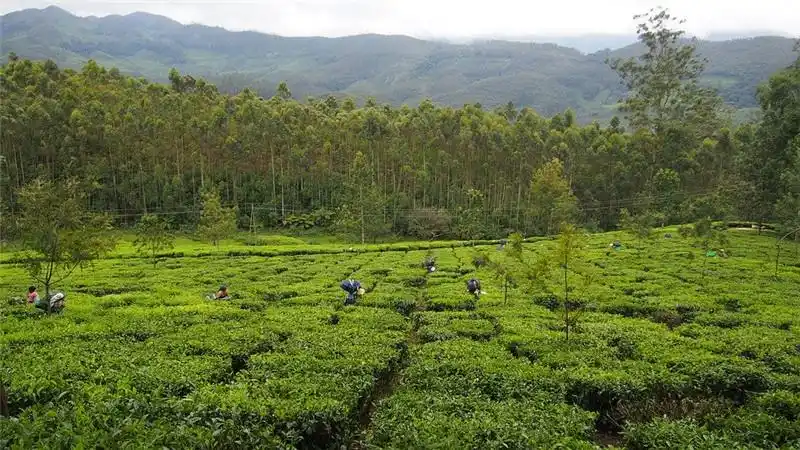
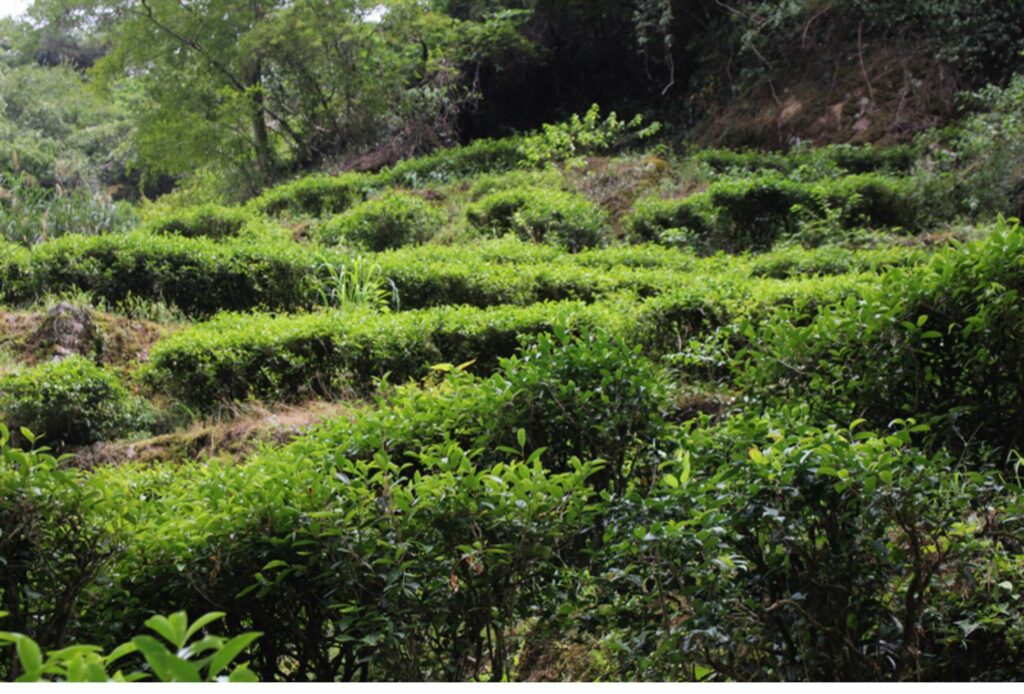
水仙茶の起源は 建陽の朱仙洞, 、福建省。清の光緒年間に武夷山に導入され、数百年にわたる栽培の歴史を誇る。.
水仙は収穫時期によって次のように分類することができます:
Visible leaf fibres are not reliable proof of a tea bush’s age. For an old-bush claim, look for specific producer information and provenance.
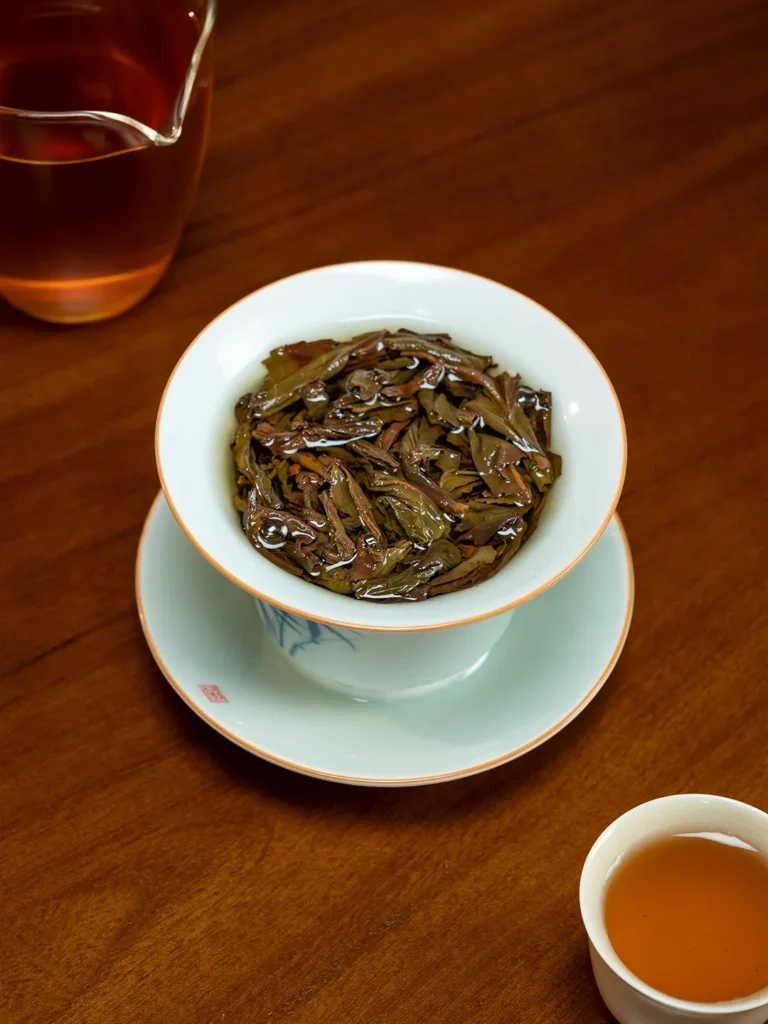
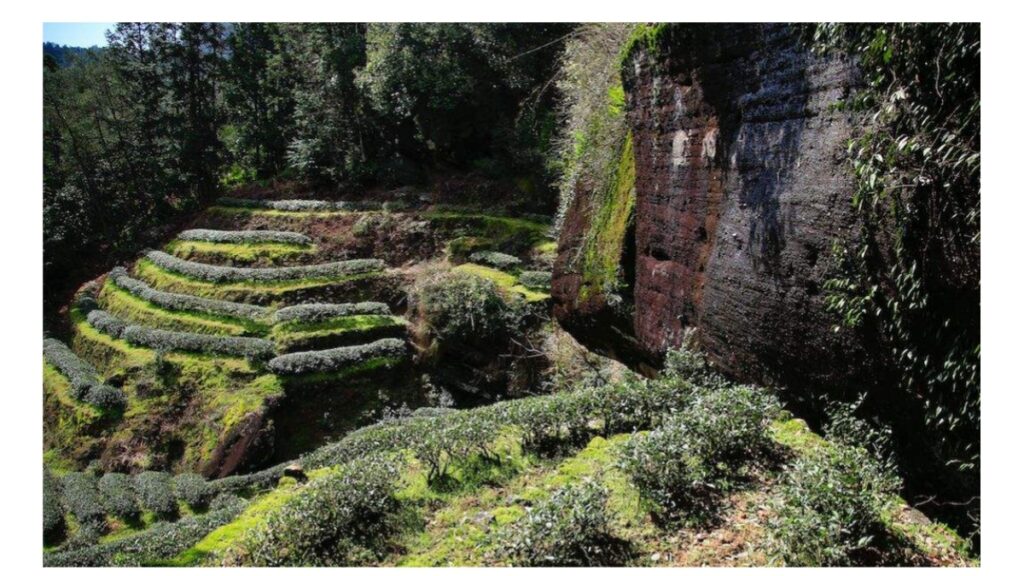
「」という愛称で呼ばれている“シナモンティー”「その独特のスパイシーな香りで知られる『ルグイ』は、 恵園坑, 、武夷山にある有名な渓谷です。その名声は広く知られており、牛蘭坑(「ニウロウ」)や馬頭岩(「マロウ」)などからの有名な「肉桂」茶が生産されています。.
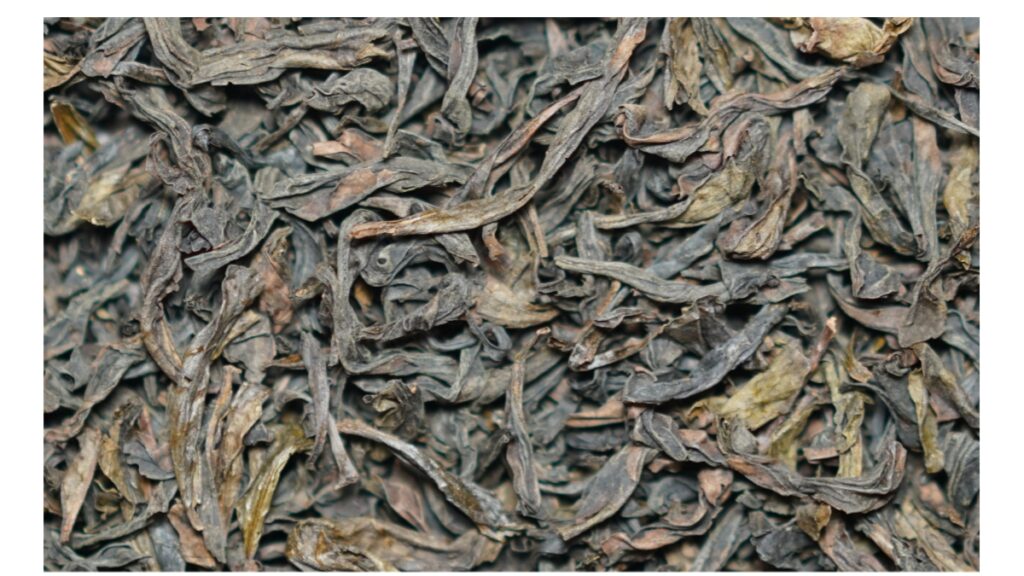
ルギの最大の特徴は、その 自己主張の強い性格. 水仙の穏やかな蘭の香りと比べると、肉桂のシナモンを思わせる香りは力強く濃厚で、一杯の茶葉の中に力強い存在感を放っています。.
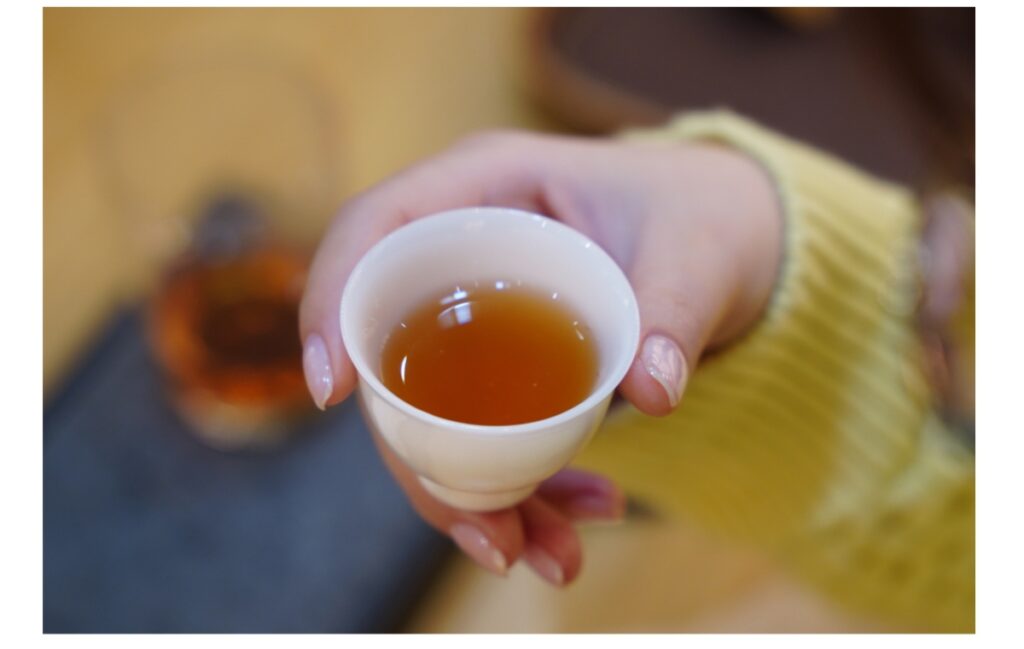
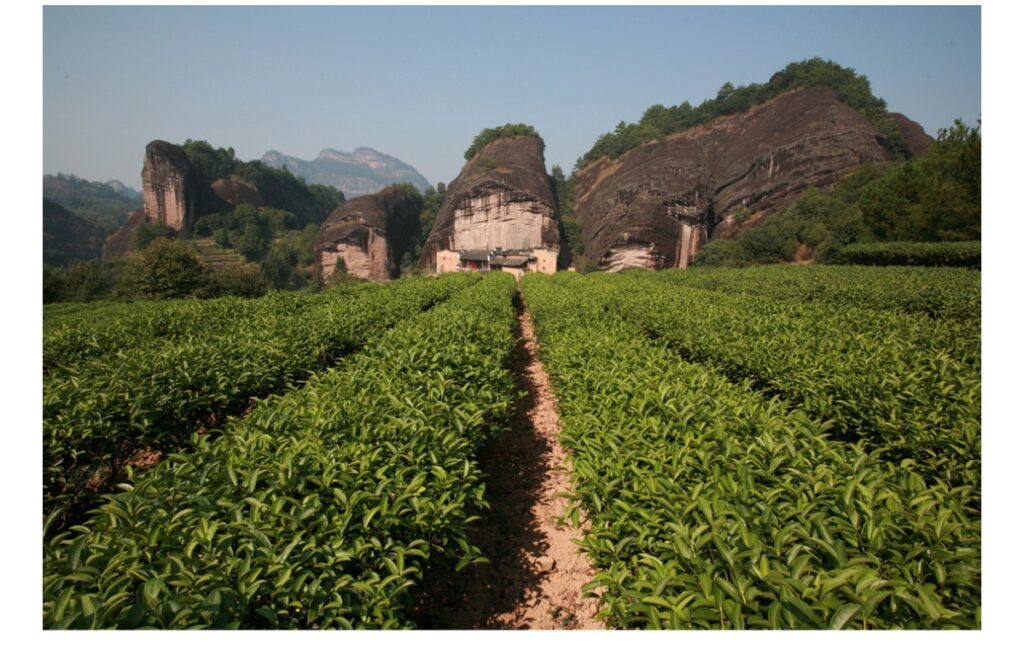
「~として知られる」 “「お茶の王様」、” 「大紅袍」とは、もともと九龍窩(九龍の巣)に自生する6本の古木から採れた茶を指していました。これらの木は伝説的な存在であり、厳重に保護されているため、現在味わえる大紅袍はすべて、挿し木で増やした茶樹から作られたものか、ブレンド茶です。.
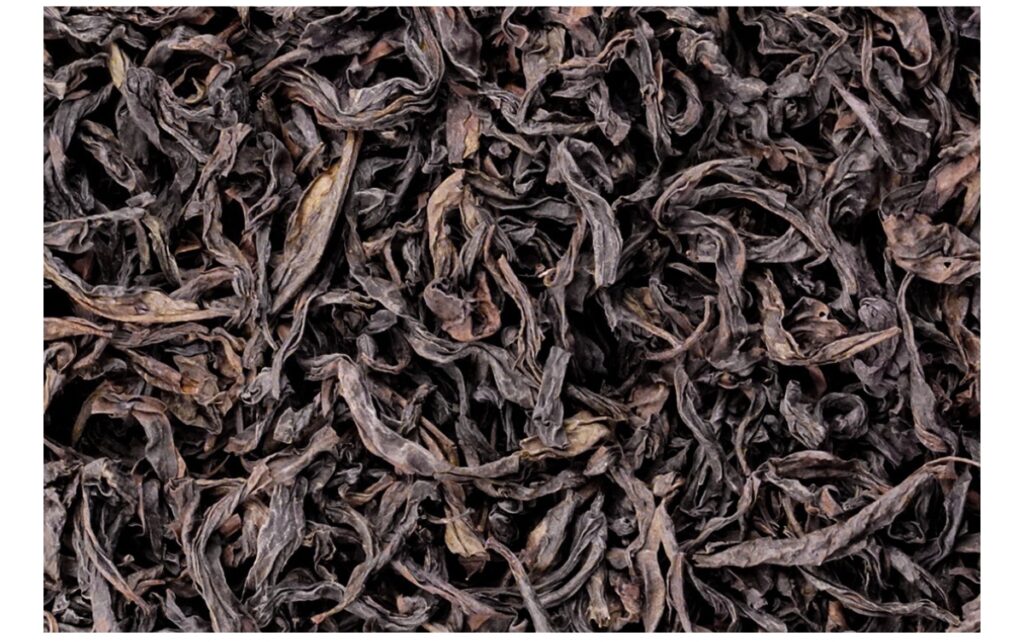
Commercial Dahongpao is often sold as a blend, but the name can also appear on other styles. Check whether the producer identifies a blend or a named cultivar.
A good blend depends on the quality and proportions of its teas. More varieties do not automatically make it better or more balanced.
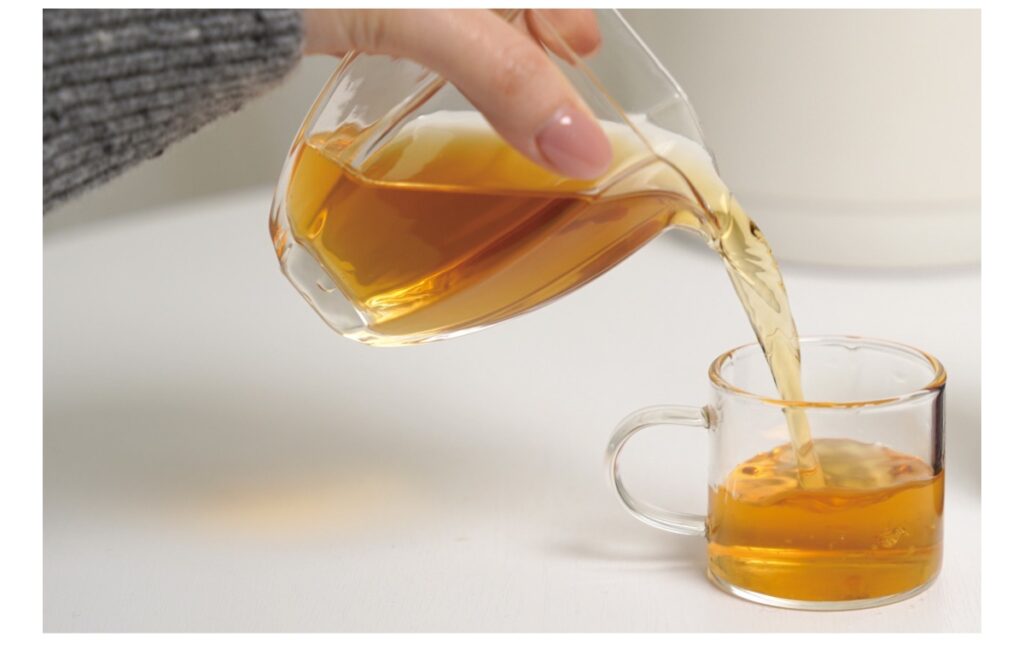
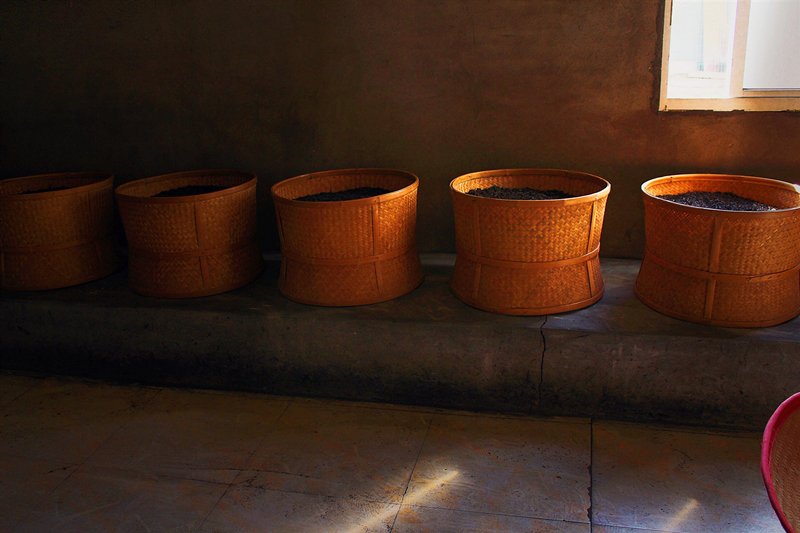
Start with the producer’s brewing guidance and compare the teas using the same vessel and water. Notice the aroma, texture and finish over several infusions. Adjust the leaf amount or infusion time to your taste rather than judging a tea by its name alone.
The term yan yun, often translated as “rock rhyme”, describes a sensory impression associated with Wuyi tea. It is not a laboratory measurement of mineral content.
For the bigger picture, see our six types of Chinese tea guide. To taste what is currently available, browse our Chinese teas and check each tea’s own description.