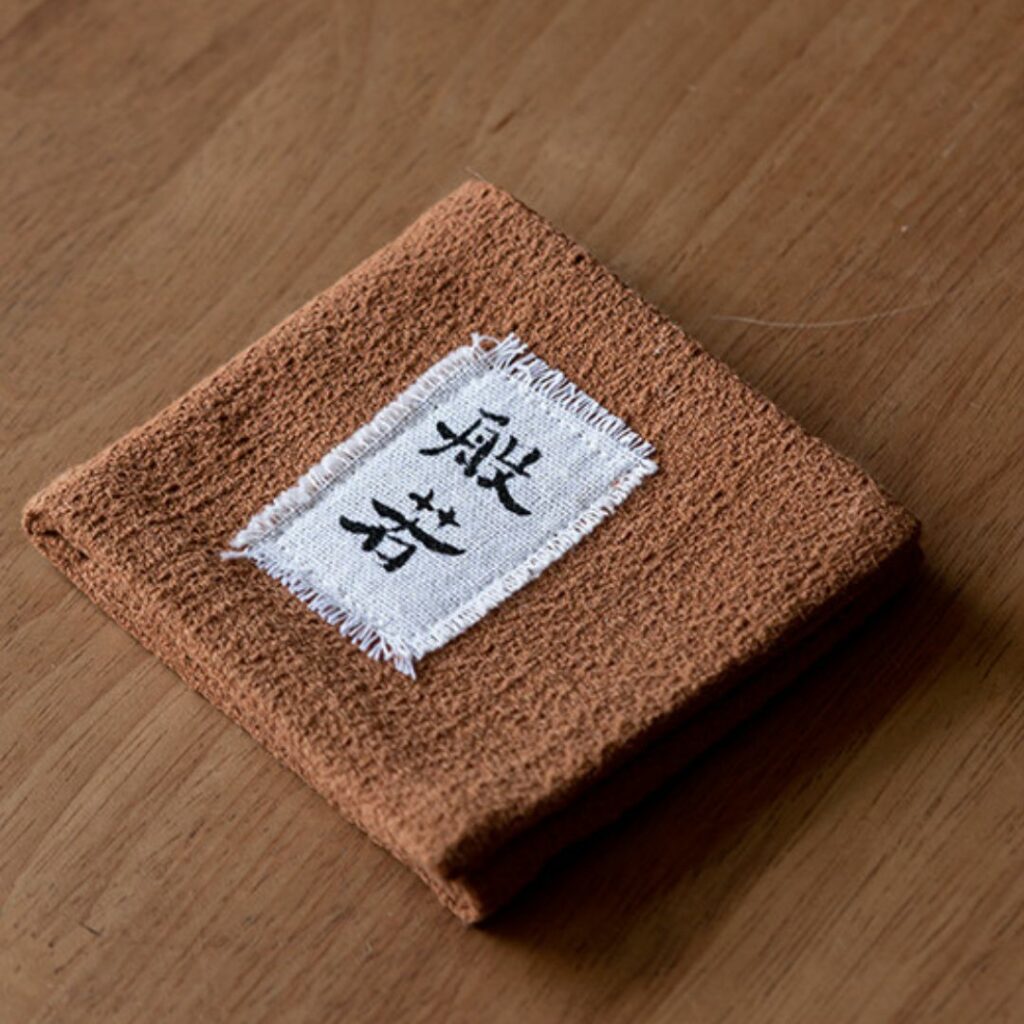
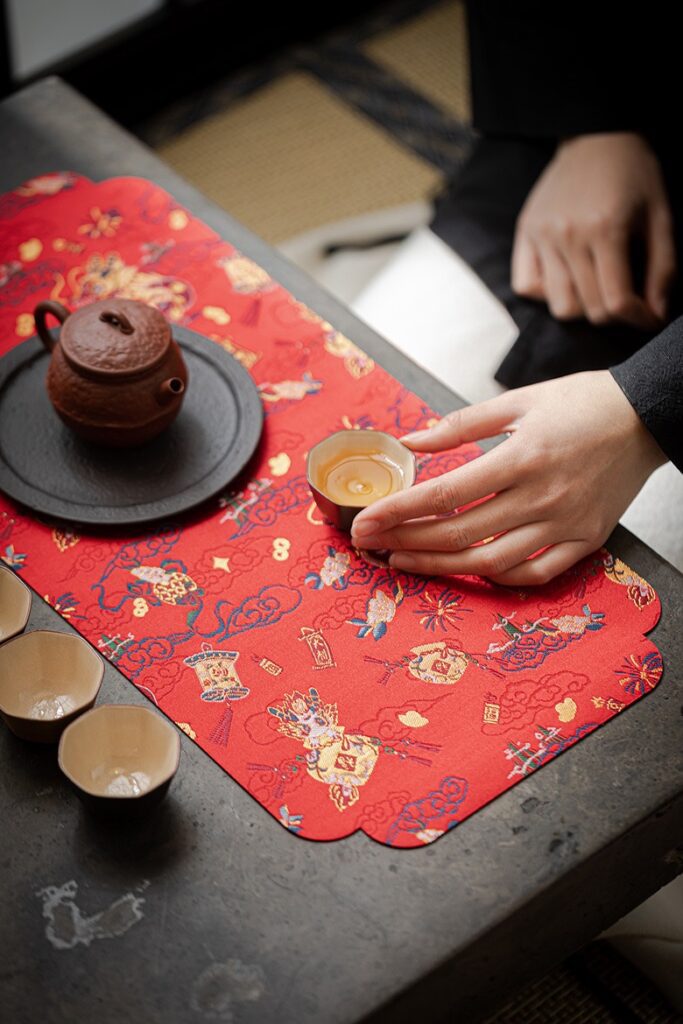
お茶好きの皆さん、こんにちは!🐉✨ 2024年の辰年を迎えるにあたり、嬉しいお知らせです。宜興(イシン)の急須をご購入いただいたお客様には、お茶のひとときに特別な彩りを添える、辰年限定デザインの茶敷きをプレゼントいたします。 これは皆様と共にこの年を祝うための私たちのささやかな贈り物ですが、期間限定のオファーですのでお見逃しなく!この神秘的なアイテムで、お茶のひとときをさらに特別なものにしてください。🍵💫
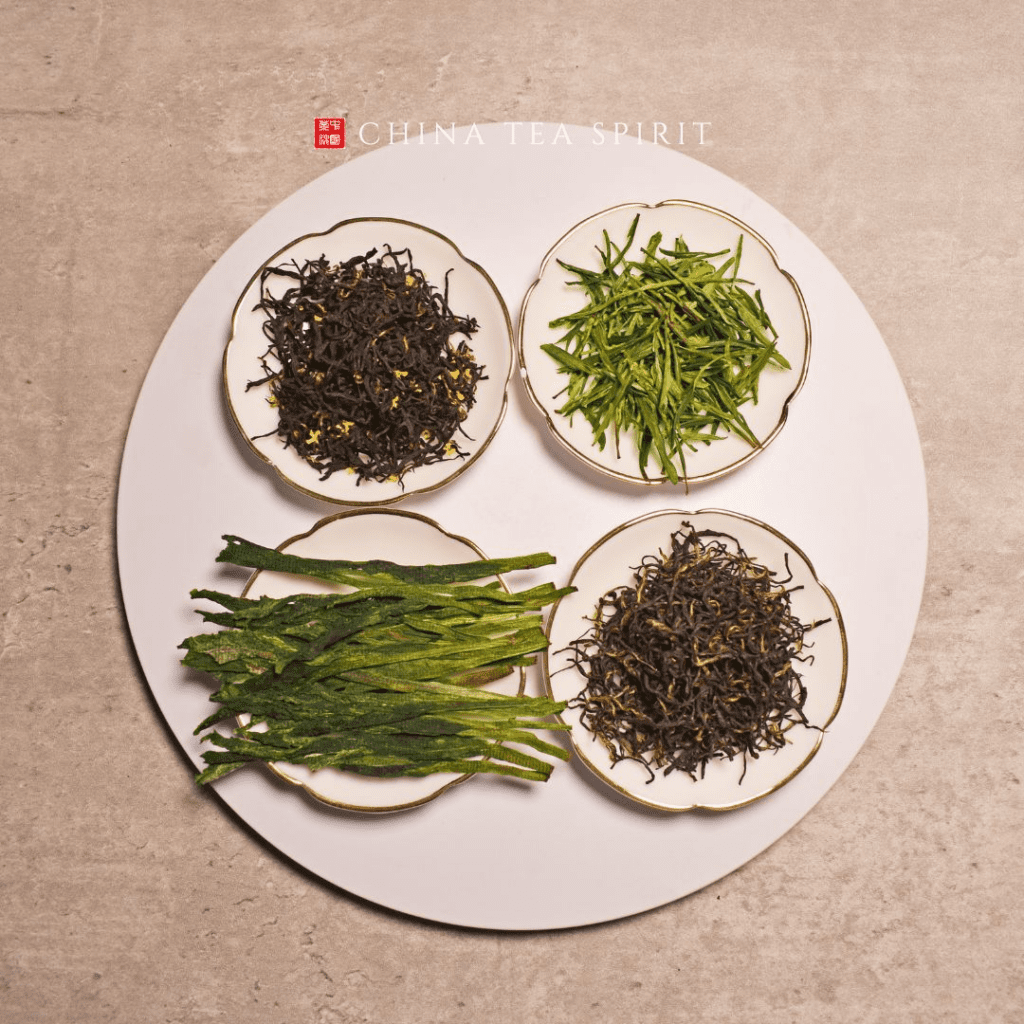
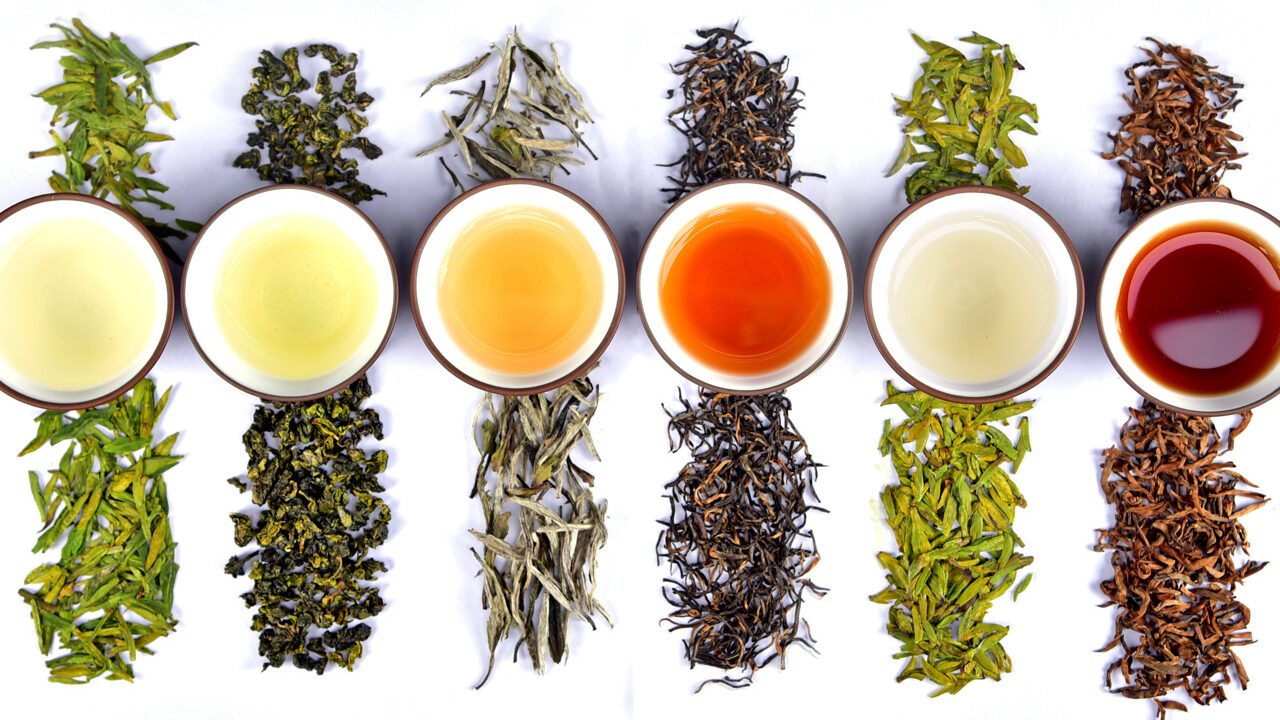
The six main types of Chinese tea are green, white, yellow, oolong, black and dark tea. They are distinguished by how the leaves are processed, rather than simply by the colour of the finished drink.
One naming detail makes a big difference: hong cha (红茶) is black tea in English, although its Chinese name means “red tea”. Hei cha (黑茶) is dark tea, a different category associated with microbial fermentation. Keeping those two names separate makes Chinese tea much easier to explore.
| Tea type | Chinese name | Main processing difference | Examples |
|---|---|---|---|
| 緑茶 | 绿茶 · lü cha | Heated early to limit oxidation, then shaped and dried | Longjing, Huangshan Mao Feng, Taiping Hou Kui |
| ホワイトティー | 白茶 · bai cha | Withered and dried with relatively little handling | Silver Needle, White Peony, Shou Mei |
| Yellow tea | 黄茶 · huang cha | Includes a covered yellowing step | Junshan Yin Zhen, Mengding Huang Ya, Huoshan Huang Ya |
| ウーロン茶 | 乌龙茶 · wulong cha | Partially oxidised; style varies with processing and roasting | Tieguanyin, Wuyi rock tea, Phoenix Dancong |
| 紅茶 | 红茶 · hong cha | Oxidised before final drying | Keemun, Dian Hong, Zheng Shan Xiao Zhong |
| Dark tea | 黑茶 · hei cha | Microbial fermentation is part of its processing or maturation | Liubao, Qimen An Cha, ripe Pu-erh |
Oxidation and microbial fermentation are different processes. Older descriptions often use “fermentation” for both, but the distinction helps explain why black tea and dark tea belong to different categories.
Ready to taste the differences? Explore our Chinese teas, or start with the Huang Shan tea sample pack. Check its current options to see which teas are included.
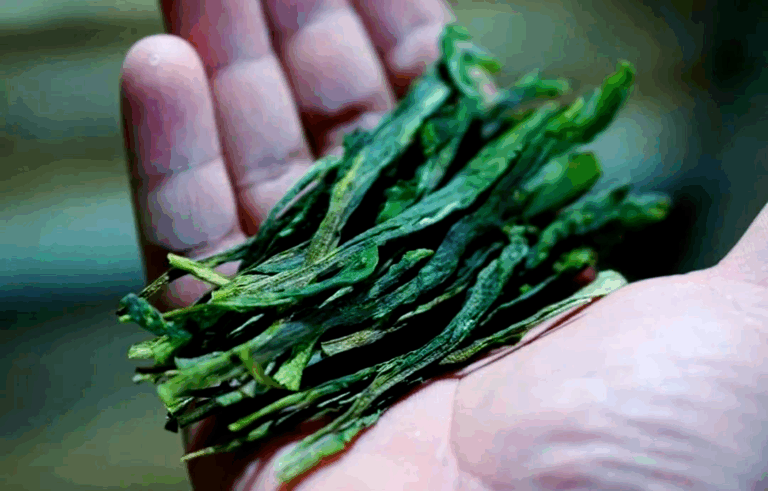
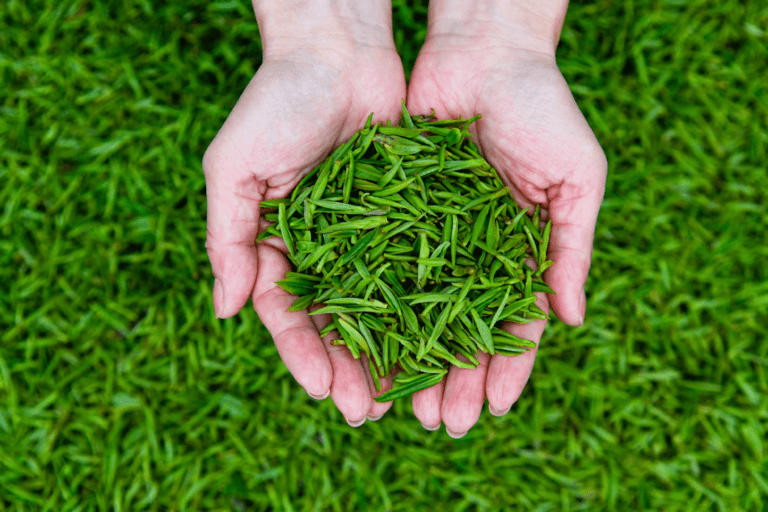
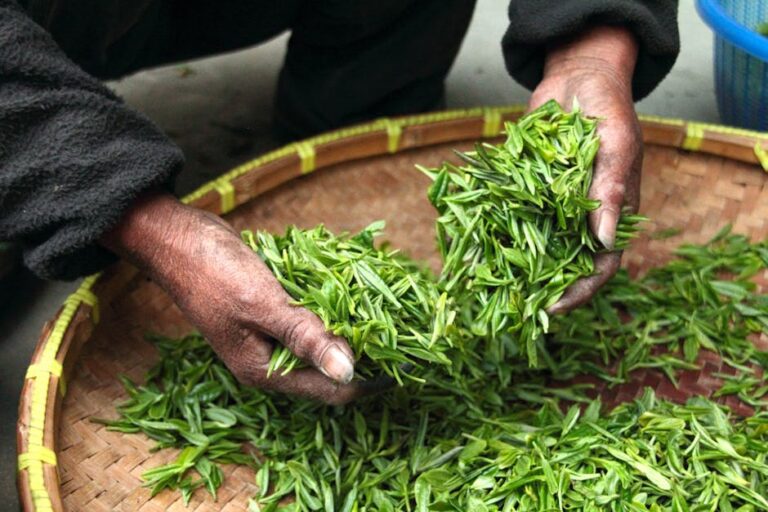
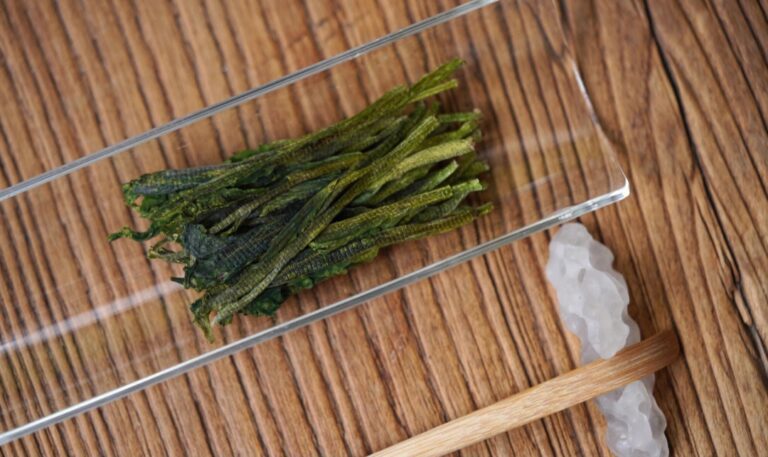
Green tea is heated early in processing to limit oxidation. It is then shaped and dried.
This early heating helps preserve the leaves’ green character. Pan-firing and steaming are two ways of applying that heat; the exact method depends on the tea.
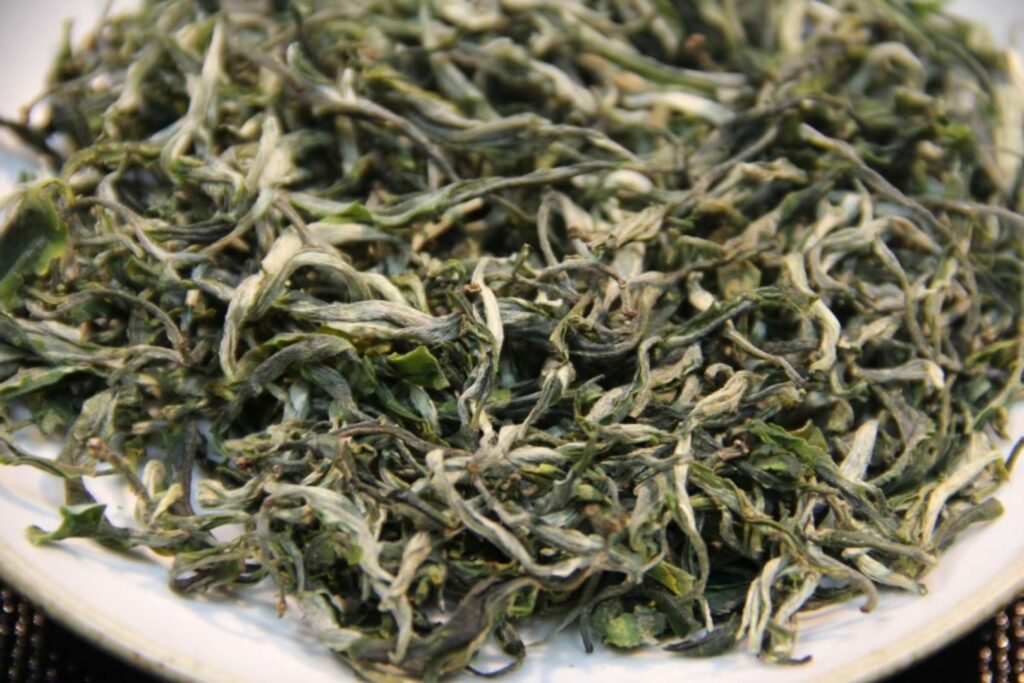
その製造工程は、殺青、揉捻、乾燥の順で行われます。殺青では、高温を用いて酸化酵素を不活性化し、茶葉の酸化を防ぎ、緑色を保つようにします。揉捻には形状を整える役割があるほか、茶葉の細胞を破壊して、何度も淹れられるようにするという役割もあります。 乾燥は、茶葉の保存を容易にするだけでなく、香りを引き立てる効果もあります。.
最も一般的な緑茶は、安吉白茶、, 黄山毛峰, 太平侯奎, 、西湖龍井、信陽毛尖、碧螺春など。.
中国産緑茶に関するその他の記事をご覧ください。.
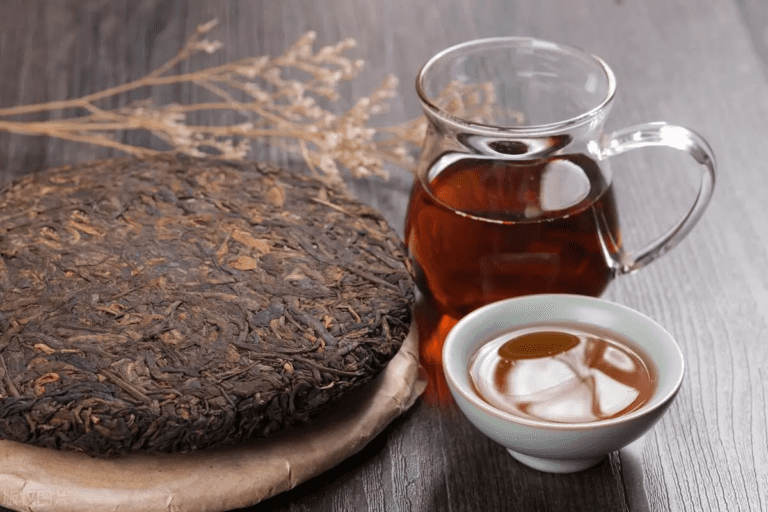
Dark tea, or hei cha, is associated with microbial fermentation after the initial processing of the leaves. It is a different category from the tea called black tea in English.
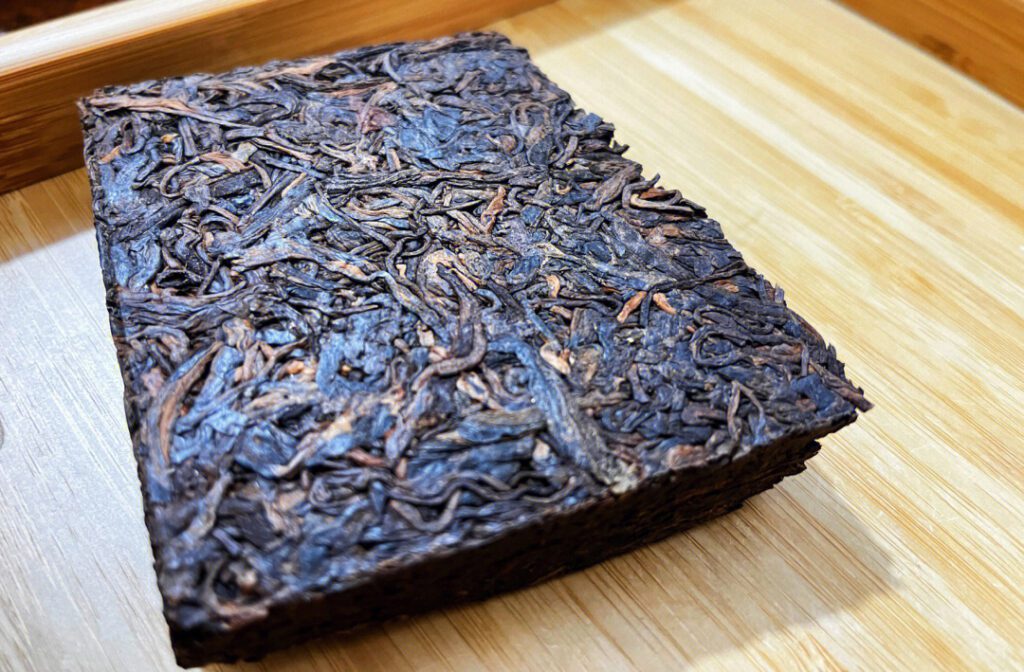
Examples include Liubao from Guangxi and Qimen An Cha from Anhui. Ripe Pu-erh is also commonly discussed alongside dark tea. Pu-erh includes both raw (sheng) and ripe (shou) styles, which should not be treated as one identical processing method.
The name hei cha literally means “black tea”, but “dark tea” is the clearer English term here. In English, black tea usually means hong cha (红茶).
中国のダークティーに関する詳細はこちらをご覧ください。.
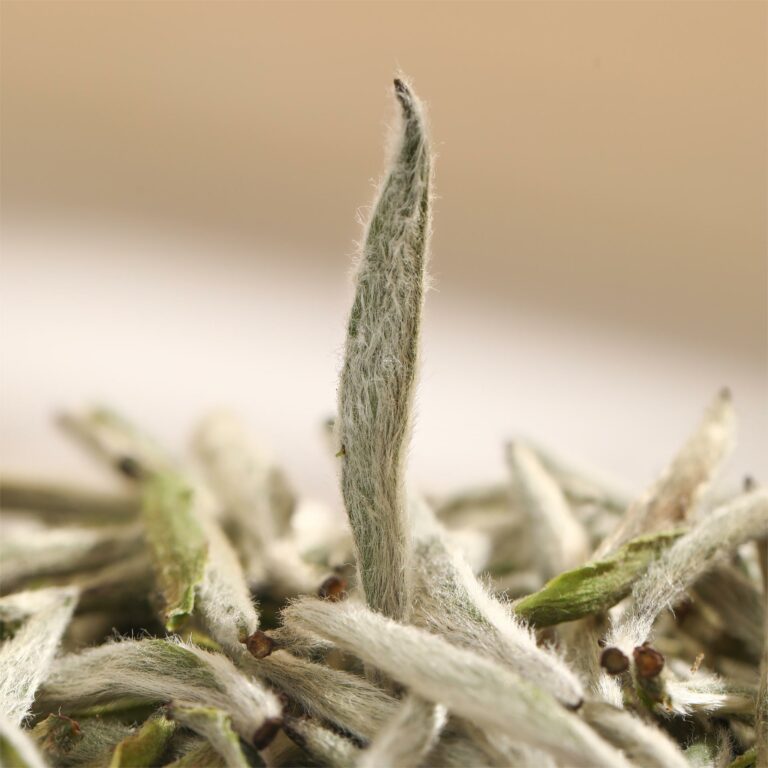
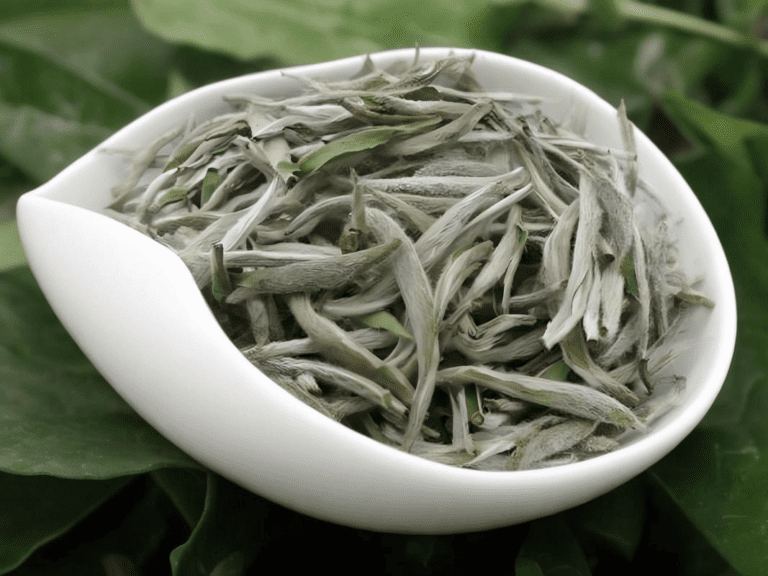
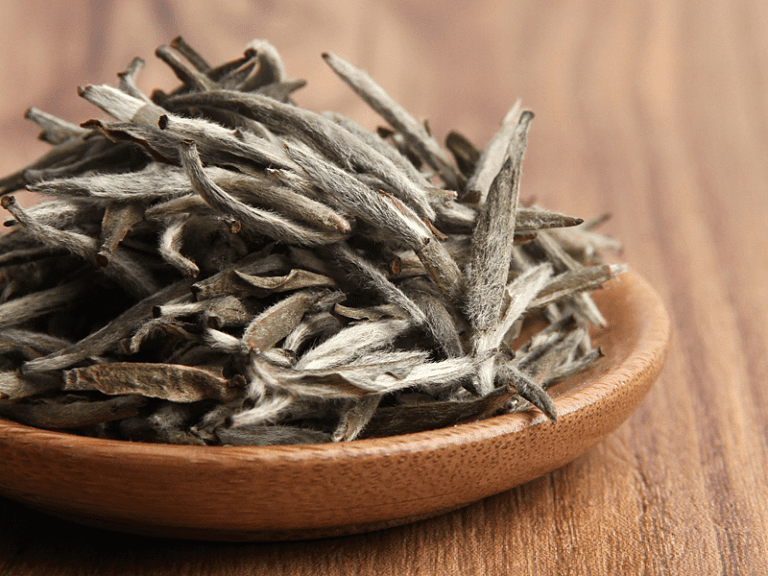
White tea is mainly made by withering and drying, with relatively little handling of the leaves. It is produced mainly in Fuding, Zhenghe, Songxi and Jianyang counties in Fujian. It is processed without frying or kneading. The tea leaves are dried in the sun or with a gentle fire. Thus, the white hairs remain intact. The white tea has a complete bud and hair, full of hair appearance characteristics, as well as the characteristics of fresh fragrance, yellow-green color and clear broth, light and sweet taste.
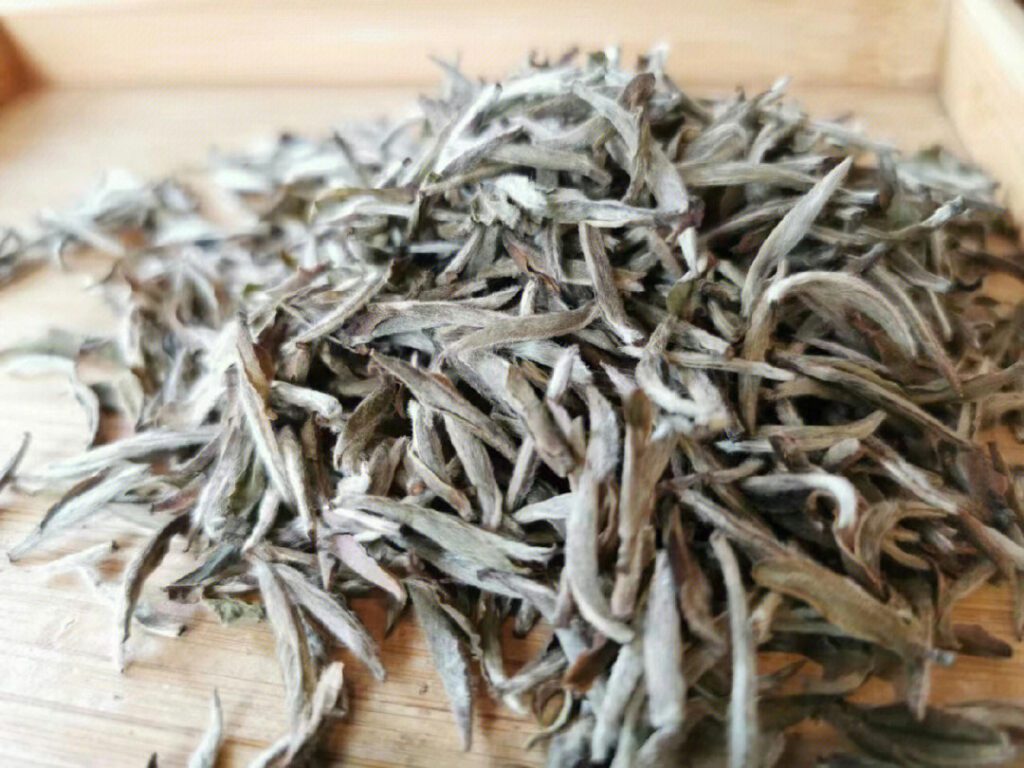
白茶は、芽茶と葉茶に分けられます。芽が1つだけのものは「銀針」と呼ばれます。芽が1つで葉が2~3枚あるものは「白牡丹」と呼ばれます。また、一般的に葉が3枚以下の「功梅/寿梅」というものもあります。.
中国の白茶に関する記事をもっと読む。.
功夫茶で淹れた後、熟成した白茶を煮出すことはできるのでしょうか?「寿梅」にはまだ味わいの余地がある理由、煮出し方、そして煮出すのが適さない場合についてご紹介します。.
ホワイトティーは…
さて、その件については…
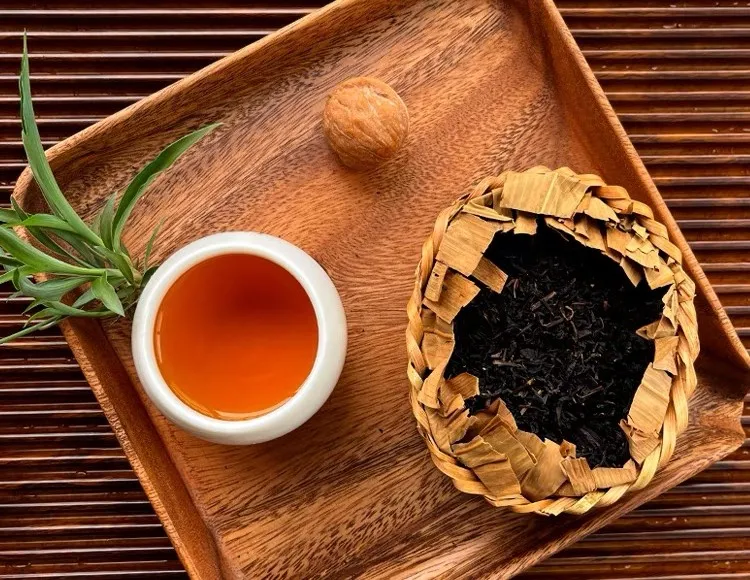
Black tea is called hong cha (红茶), or “red tea”, in Chinese. The English and Chinese names refer to the same category. The leaves are withered and rolled, then allowed to oxidise before drying. This oxidation helps develop the tea’s colour and flavour.
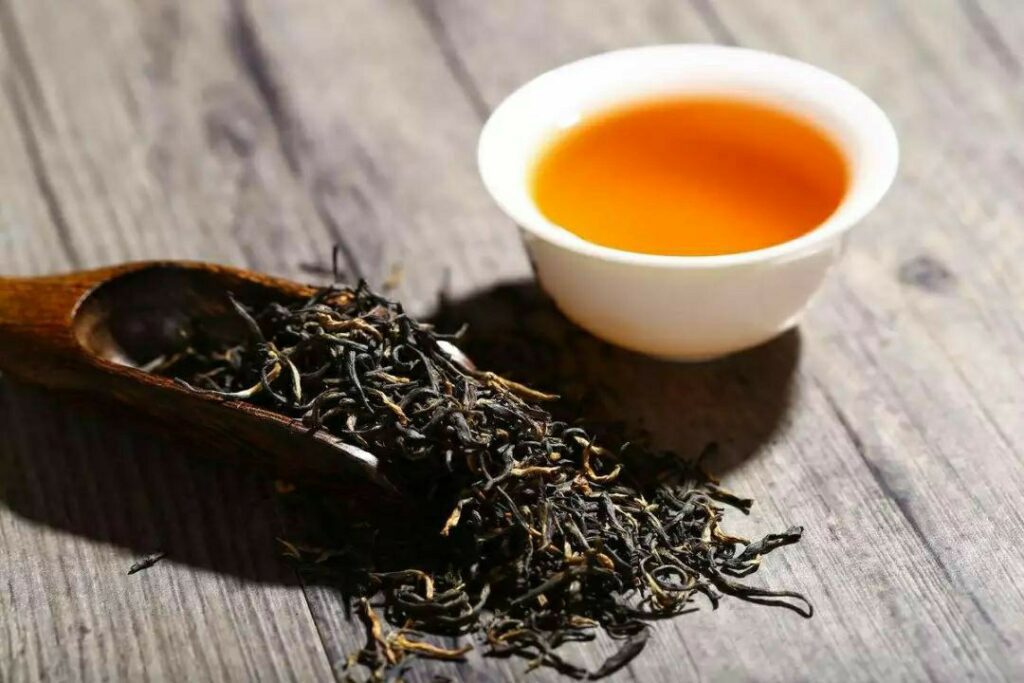
Examples of Chinese black tea include Zheng Shan Xiao Zhong, Jin Jun Mei, Dian Hong and キームン. CTC means “crush, tear, curl”, a processing method often used for tea bags.
Read more about Chinese black tea (hong cha).
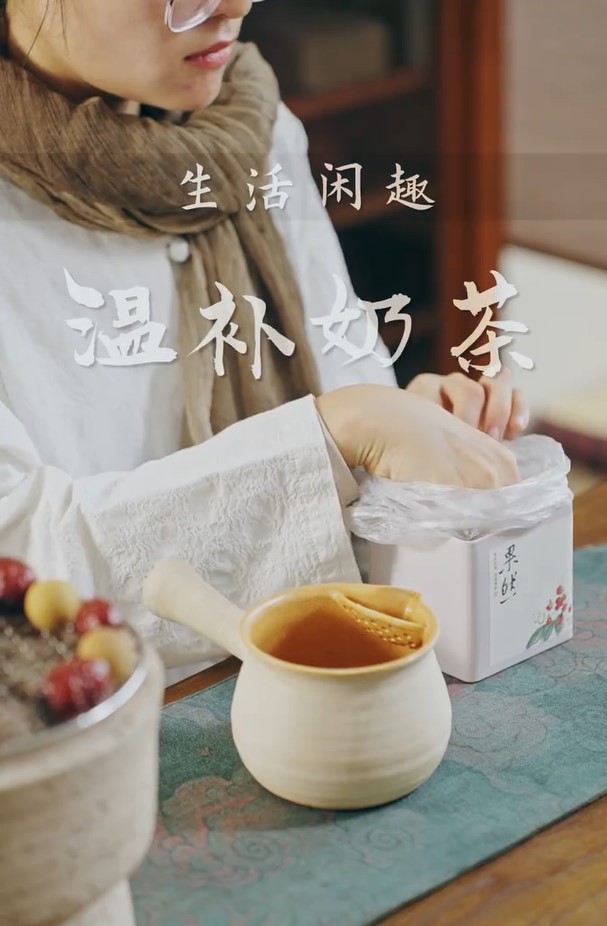
美味しくてヘルシーなお茶「ロンガン、紅棗、金木犀入り焼きミルク紅茶」の作り方を学びましょう。このわかりやすいレシピでは、爽やかで心安らぐこの飲み物を完璧に仕上げるための手順を、ステップバイステップでご紹介します。.
Oolong tea, also called Qing Cha, is partially oxidised. Tieguanyin and Da Hong Pao are both oolong teas, even though they can taste very different.
Yao Qing, or shaking the leaves, is part of the processing of many oolongs and helps control oxidation. Oolong covers a wide range of styles, so its flavour also depends on the leaves, processing and roasting.
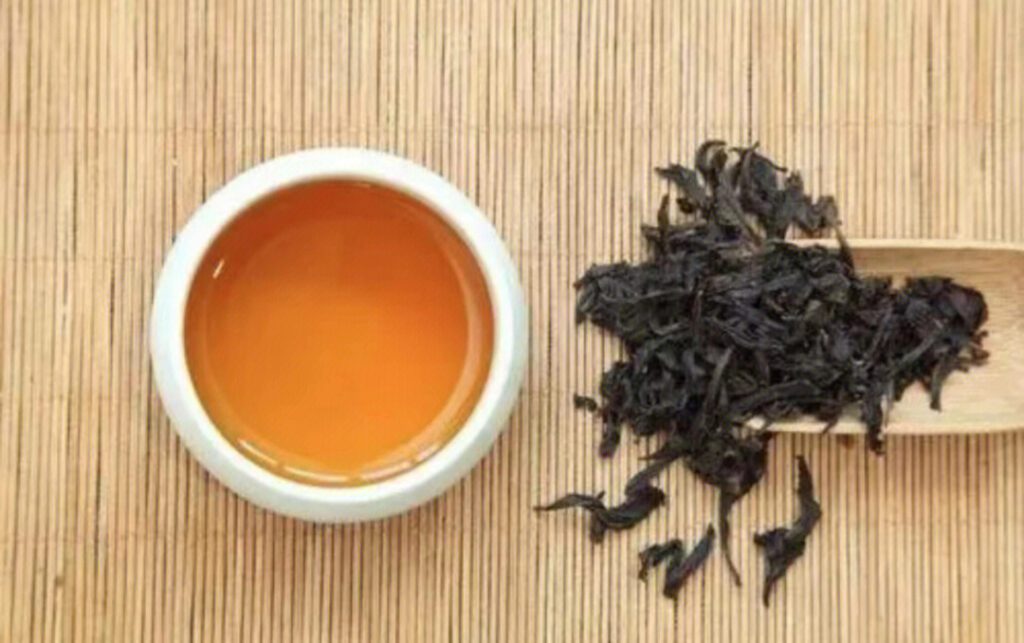
烏龍茶は一般的に産地によって分類され、主な生産地は福建省、広東省、台湾に集中しています。.
Four familiar regional groups are:
中国産ウーロン茶に関するその他の記事をご覧ください。.
Compare Dahongpao, Rougui and Shuixian to explore three familiar Wuyi rock teas.
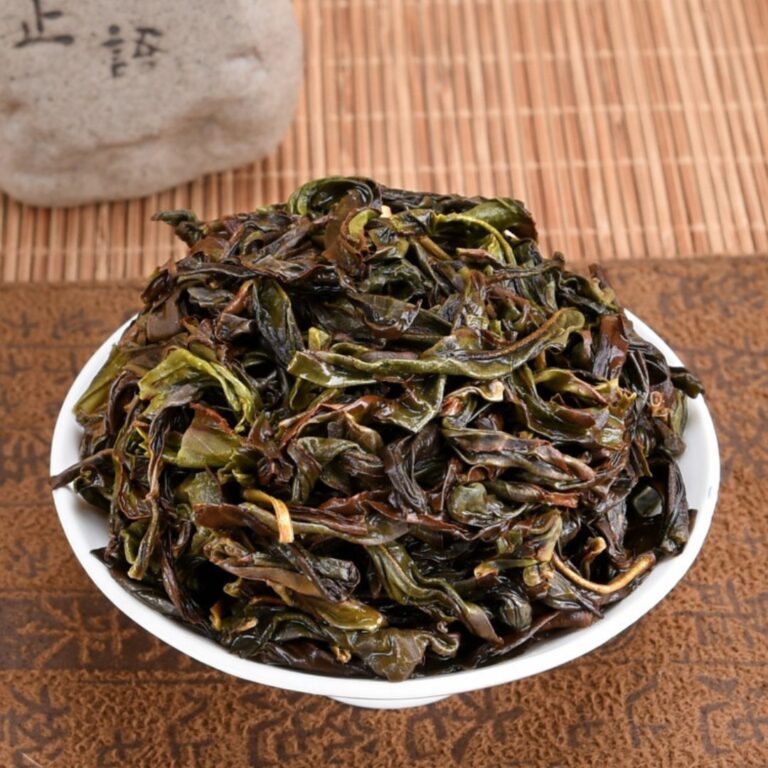
月餅にはどんなお茶が合うでしょうか?中秋節の決まりに縛られるのではなく、蓮餡や塩卵黄、雪皮、ドリアン、ナッツ、カスタードなど、具材に合わせてお茶を選んでみてください。.
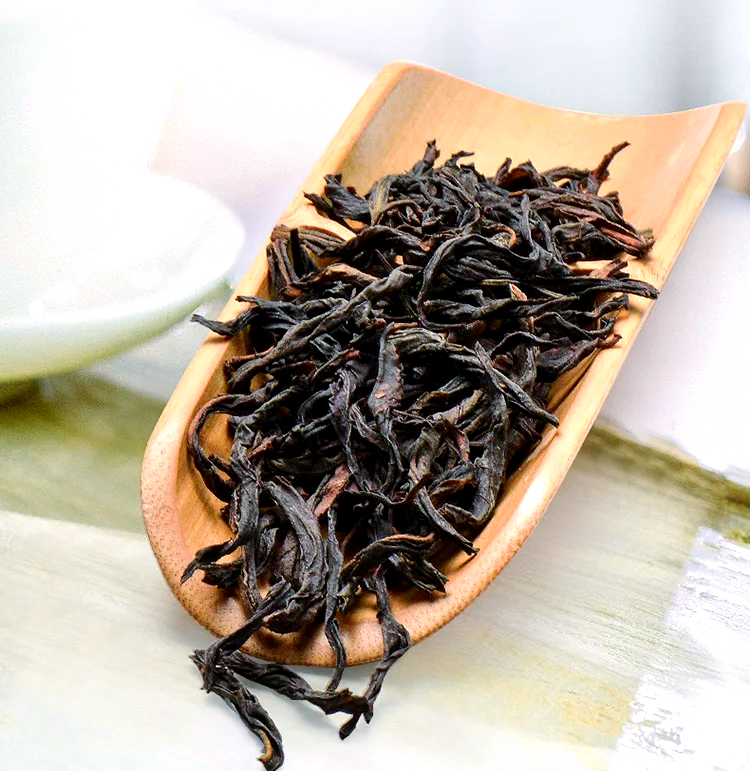
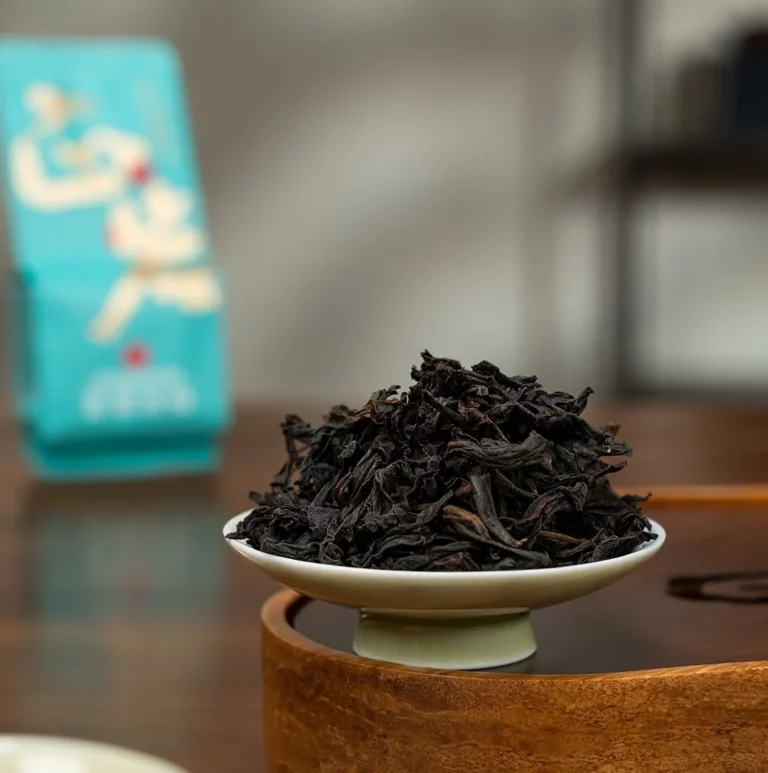
武夷岩茶ならではの風味をぜひご堪能ください!大紅袍、肉桂、水仙の違いについて、産地から香り、味わい、淹れ方のコツまで詳しくご紹介します。.
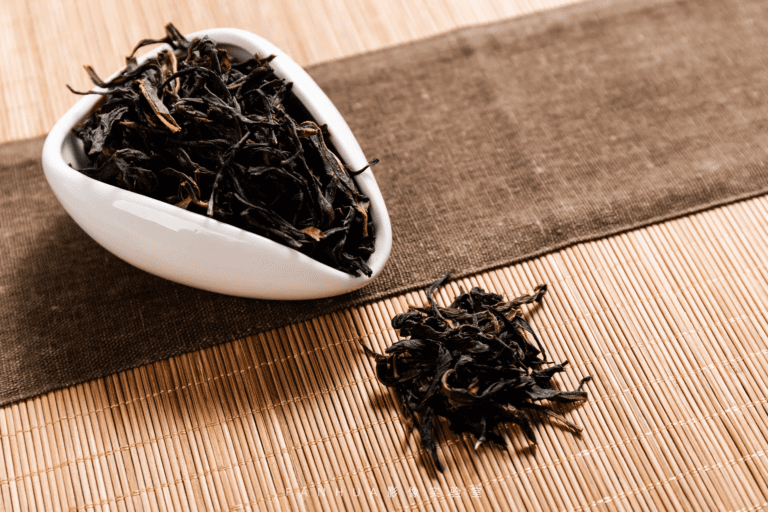
Phoenix Dan…
Yellow tea includes a covered yellowing step, often called men huang, as part of processing. This distinguishes it from green tea and helps develop its yellow character.
他の茶の種類と比較すると、黄茶は比較的マイナーなため、現時点では比較的ニッチな存在です。.
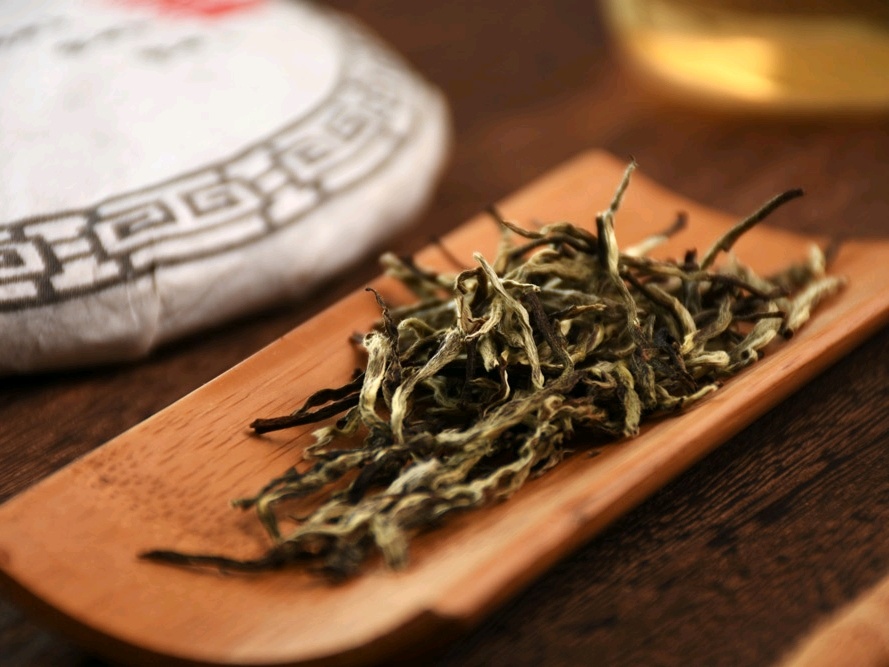
代表的な黄茶には、軍山銀芽、蒙頂黄芽、火山黄芽などがあります。.
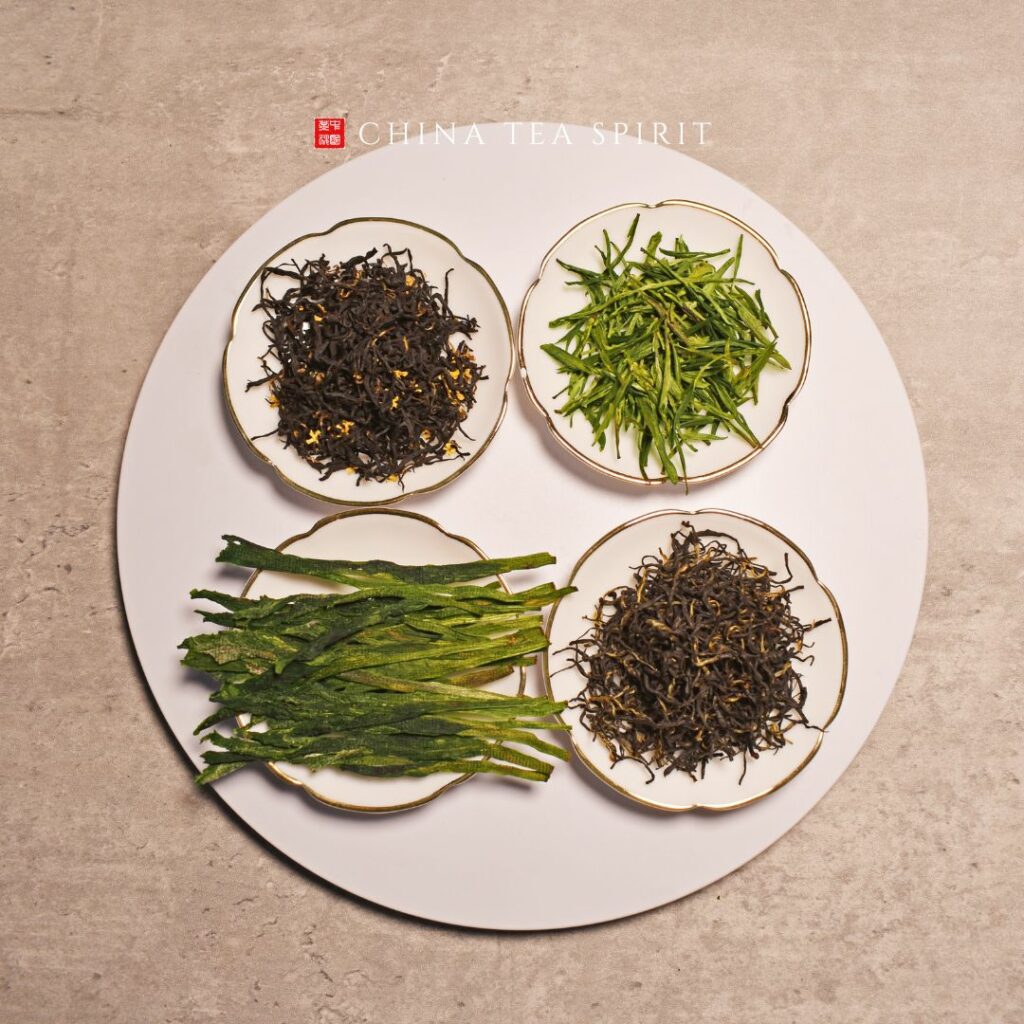
お茶好きの皆さん、こんにちは! 多くの皆様には、当社を高級中国茶器メーカーとしてご存知かと思いますが、実は黄山(ホアンシャン)産のお茶も専門に取り扱っています。黄山は、中国で最も有名な茶葉――黄山毛峰、祁門(キーマン)、太平侯桂――の産地です。この息をのむほど美しい土地の出身者として、私たちは……