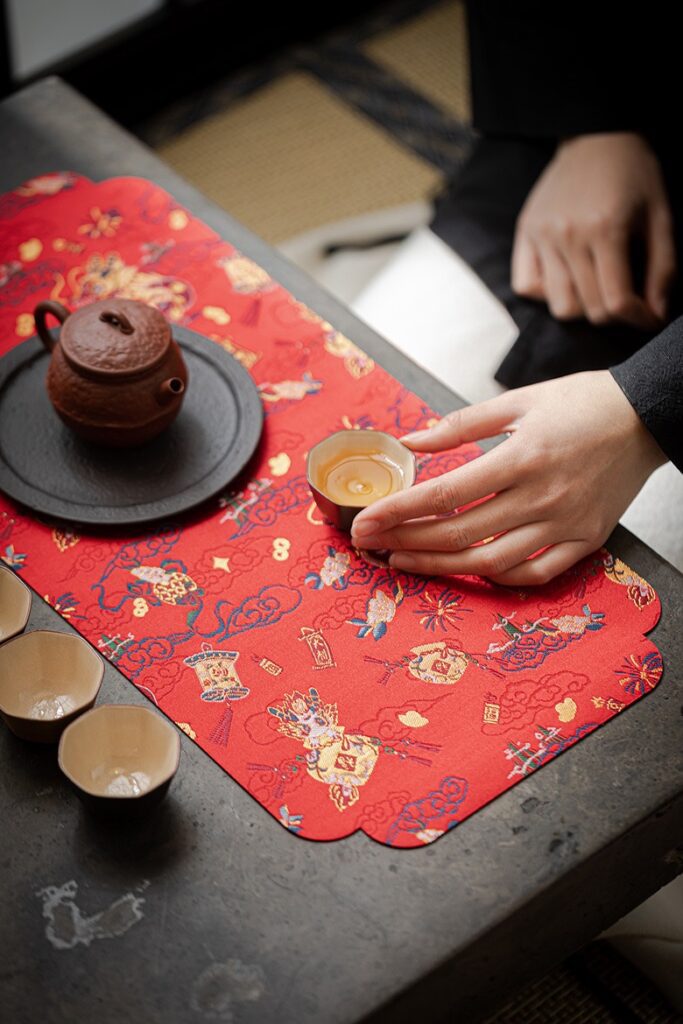
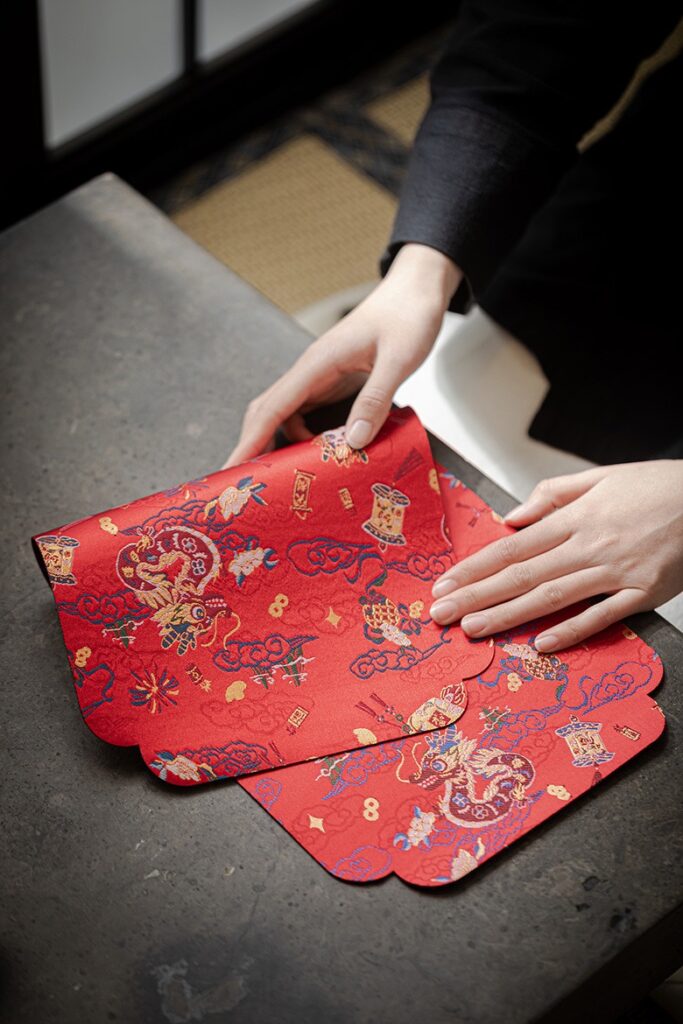
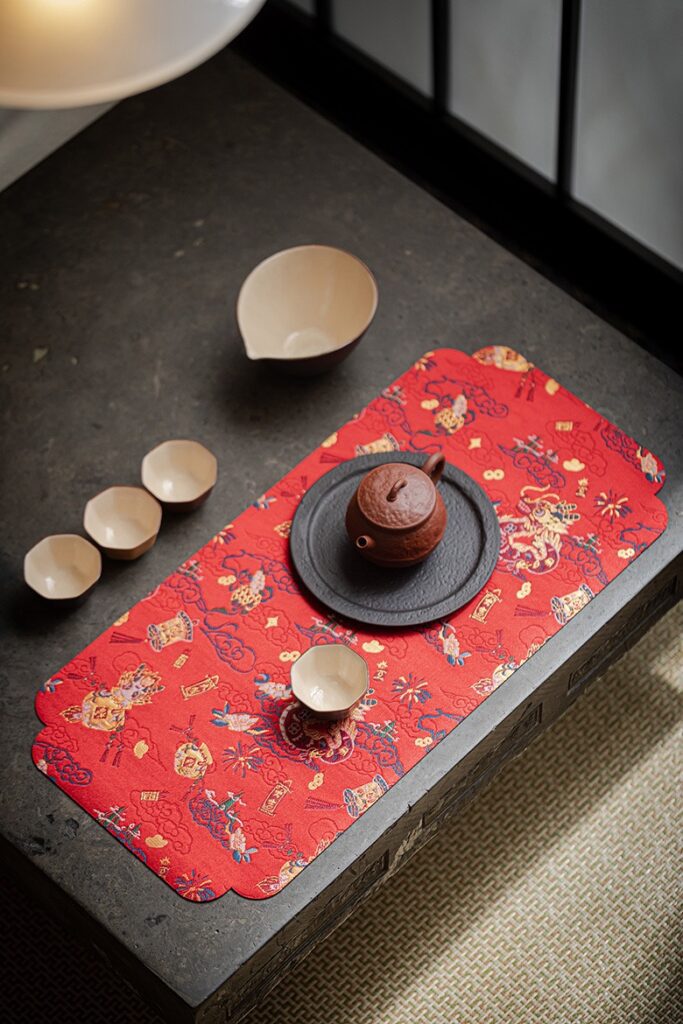
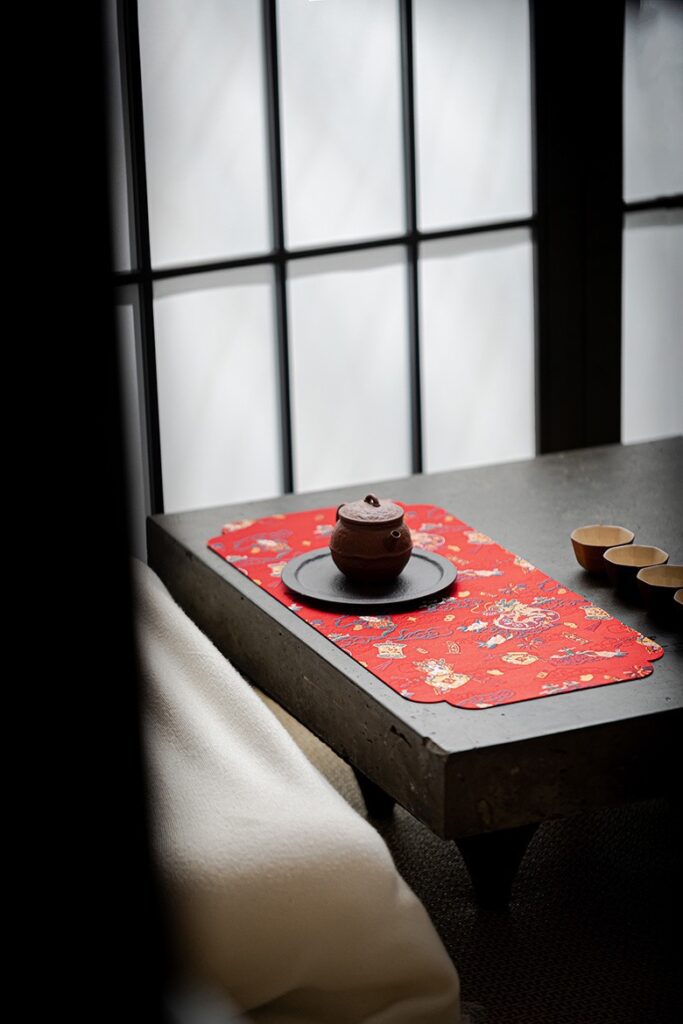
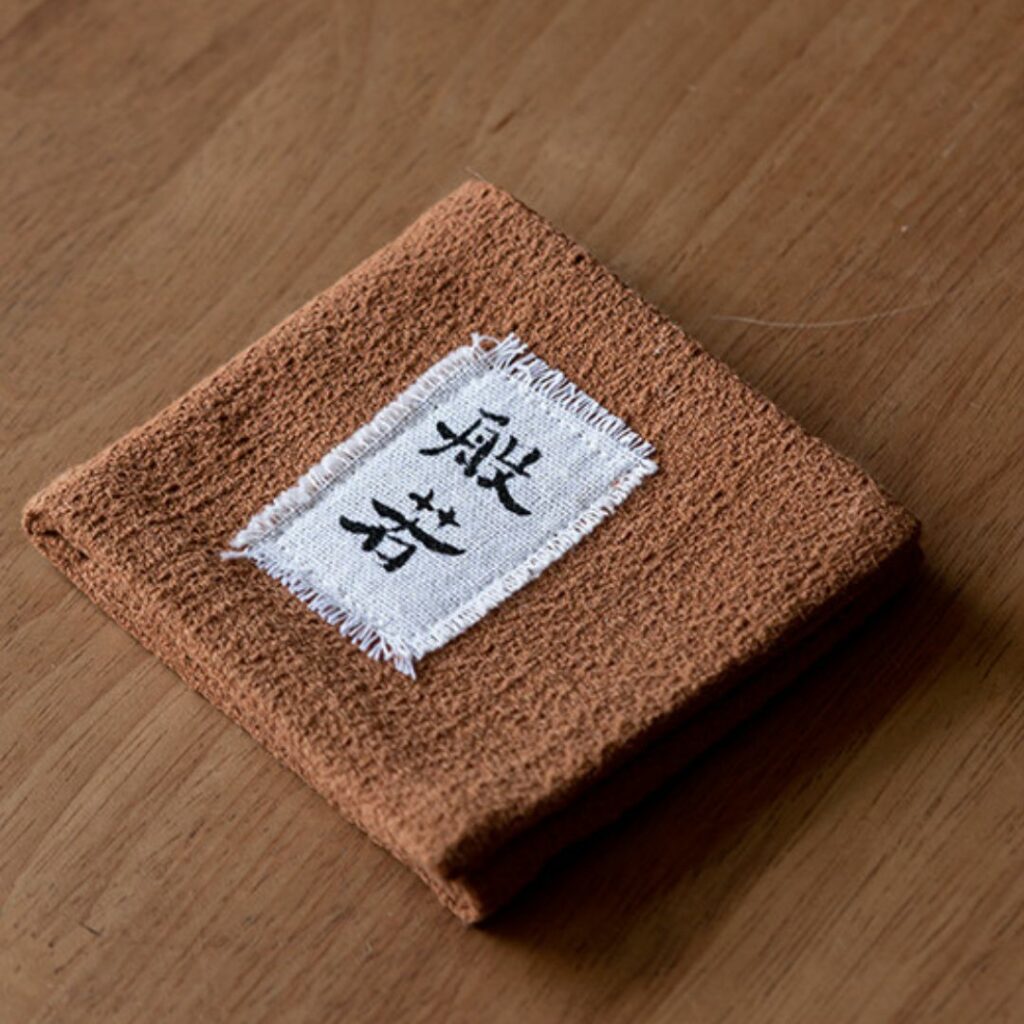
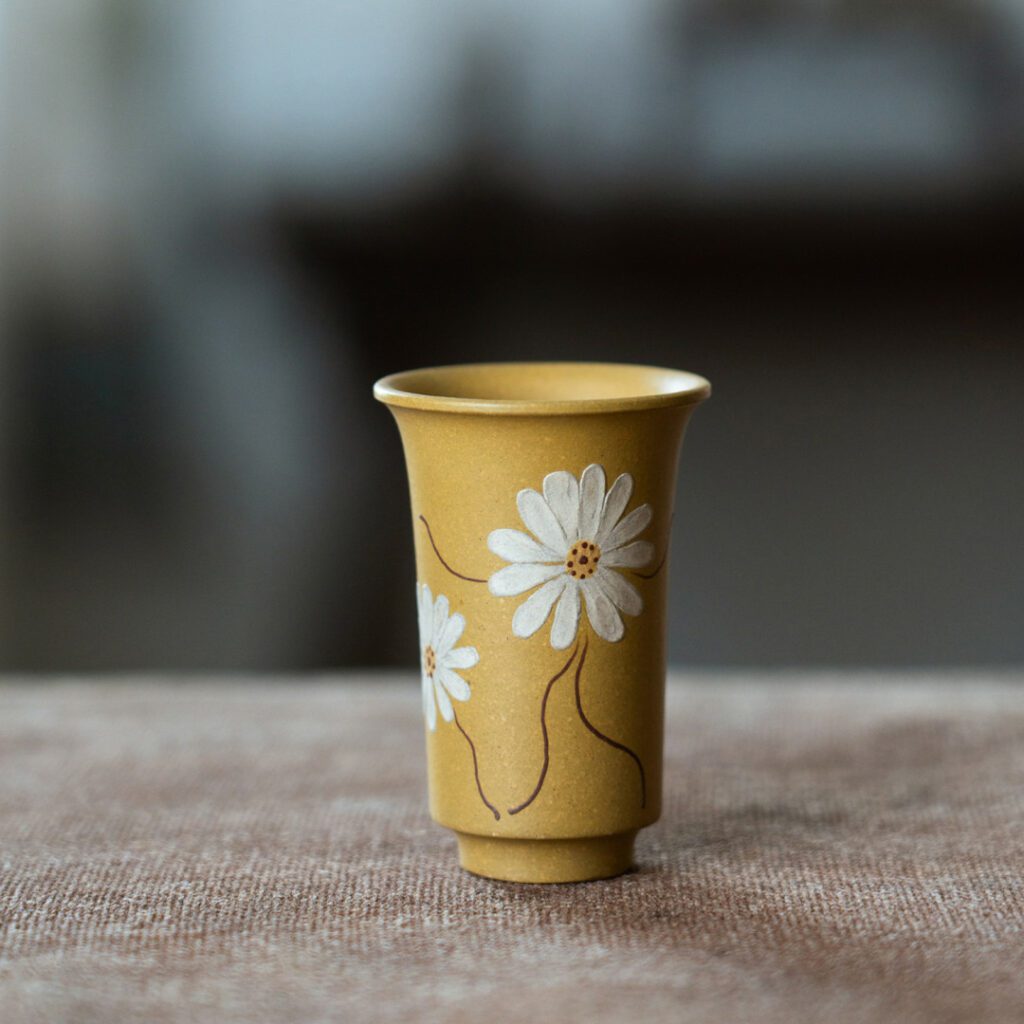
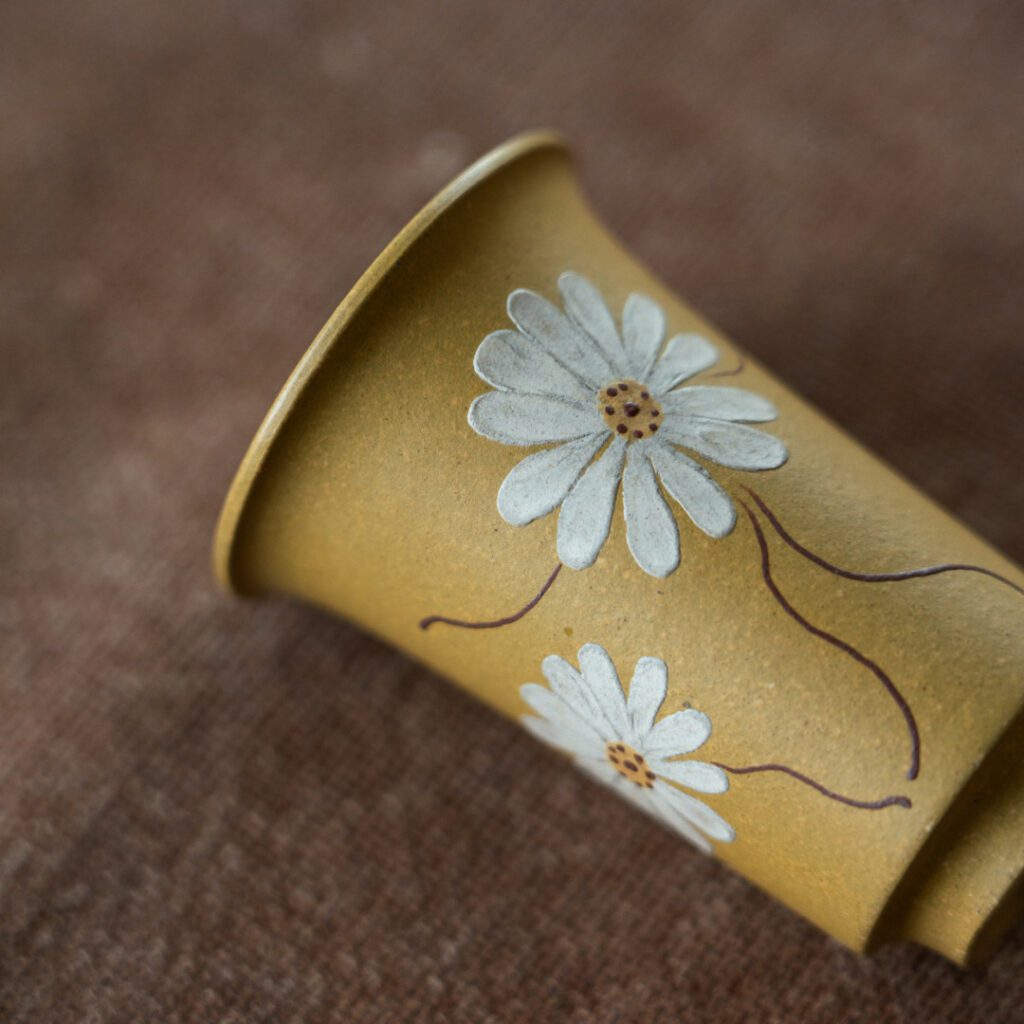
Hey tea lovers! 🐉✨ Exciting news as we step into the Dragon Year of 2024 - with Yixing teapot purchase, we're gifting you an exclusive Dragon Year style tea mat to add that extra flair to your tea rituals. It's our way of celebrating with you, but remember, it's a limited-time offer! Don't miss out on making your tea sessions even more special with this mystical addition. 🍵💫
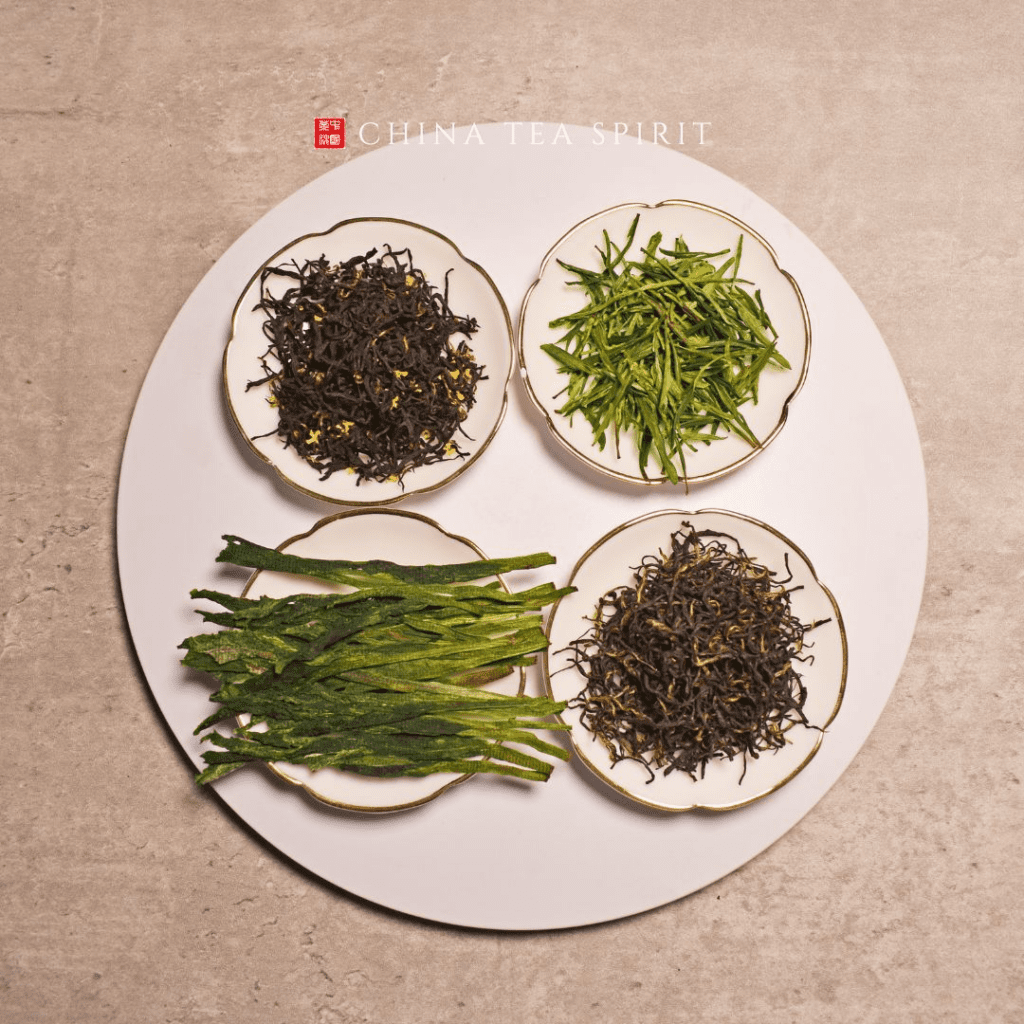
Hey tea lovers! While many of you know us as a premium Chinese tea wares company. We also specialized in teas in Huang Shan region. Huang Shan is home to the most famous Chinese teas – Huang Shan Mao Feng, Keemun and Tai Ping Hou Kui. As natives of this breathtaking place, we have a deep connection to the land and its rich tea heritage.
We understand that finding the perfect tea can be a personal journey, which is why we offer our sample pack. It allows you to explore the diverse flavors of Huang Shan teas and discover the one that resonates with your taste buds.
Each of the teas are sourced and produced directly from the tea farmers, ensuring the quality and the authentic taste.
Sample pack including: Huang Shan Mao Feng – 10g Tai Ping Hou Kui – 10g Keemun Mao Feng – 10g Osmanthus Keemun – 10g
We can’t wait to hear from your feedbacks on our teas. Join us on this journey and let us be your guide as you explore the enchanting world of Huang Shan teas.
Please note that the tea and tea wares will be shipped in seperate packages according to customs requirement. Usually tea will come slightly later than the tea wares.
Dear customers,
If you experienced any issues during checkout, please contact us at [email protected]. And we will help you out.
Below we listed common payment errors and their solutions for your reference.
#1: China Tea Spirit does not ship to this location. Please use a different address.
This is a known bug from PayPal. It occurs randomly. If you have seen this error message, please contact us at [email protected]. We will work this out for you.
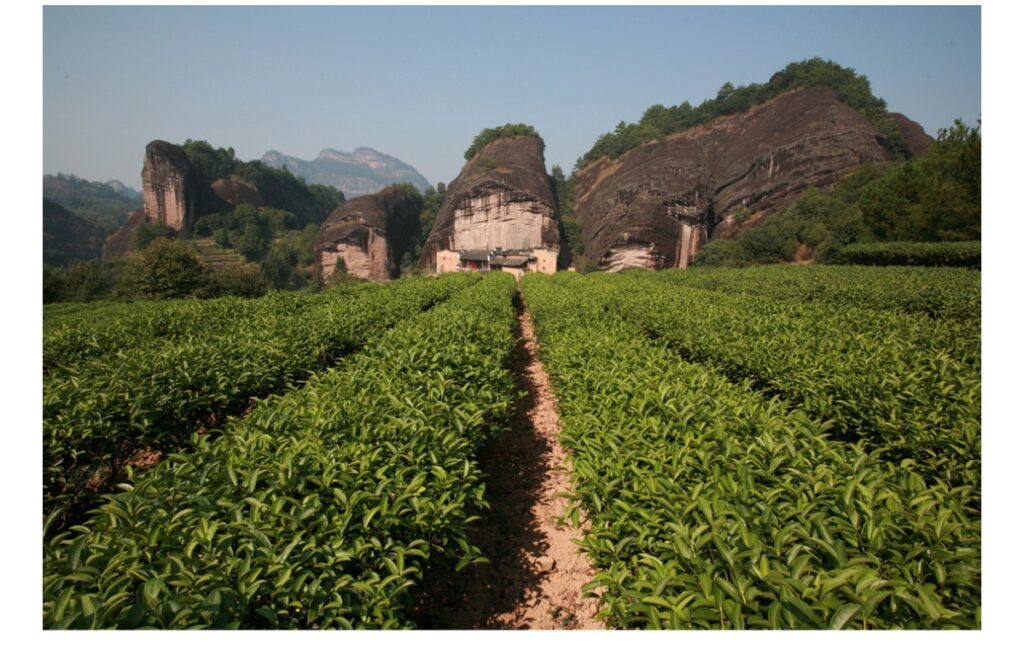
When diving into the world of Wuyi rock tea, it can feel like unraveling a mystery. These teas are famous for their “rocky” character and deep, complex flavors. But did you know they’re officially classified into five main categories?
Here’s the breakdown:
Dahongpao
Shuixian
Rougui
Mingcong (Famous Bushes)
Qizhong (Rare Varieties)
The first three—Dahongpao, Shuixian, and Rougui—are the most widely grown and consumed. Among them, Dahongpao and Rougui are native to Wuyi Mountain, while Shuixian originates from elsewhere. Curious about their differences? Let’s explore!
Shuixian (武夷水仙)
Origin and History
Shuixian tea traces its roots to Zhu Xian Cave in Jianyang, Fujian. It was introduced to Wuyi Mountain during the Guangxu reign of the Qing Dynasty and boasts hundreds of years of cultivation history.
Shuixian can be categorized by harvest season:
Spring Shuixian: Known for its superior quality, rich flavor, and vibrant aroma.
Winter Shuixian: Lower yield and lighter in flavor, often made into a more delicate tea.
Unique Features of Shuixian
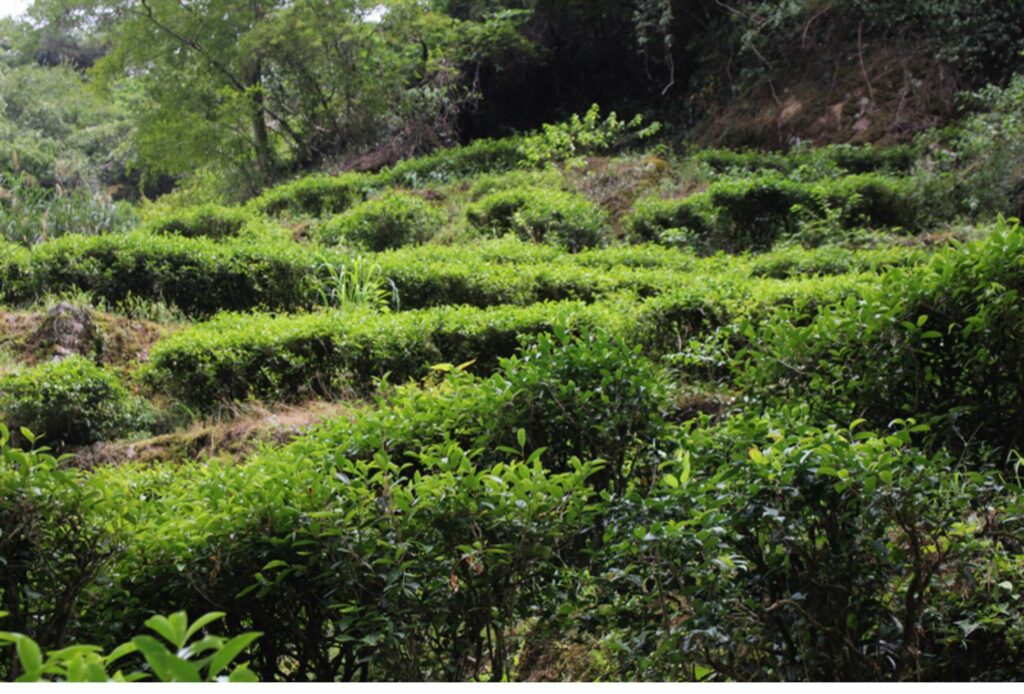
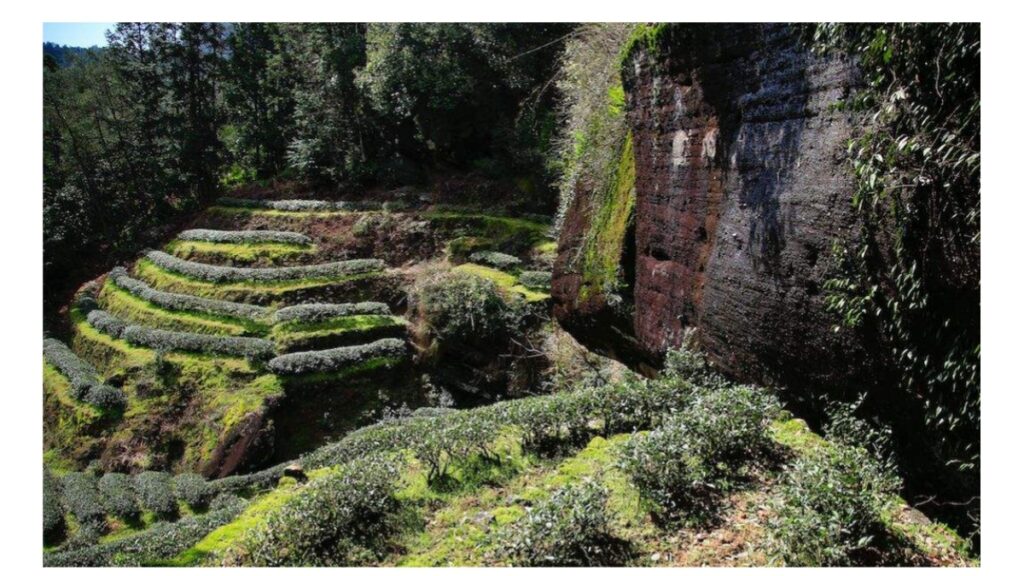
Old Bush Shuixian: From trees over 50 years old, also called “Laocong Shuixian.” These ancient tea trees have moss-covered trunks and produce tea with earthy, mossy, and slightly woody notes.
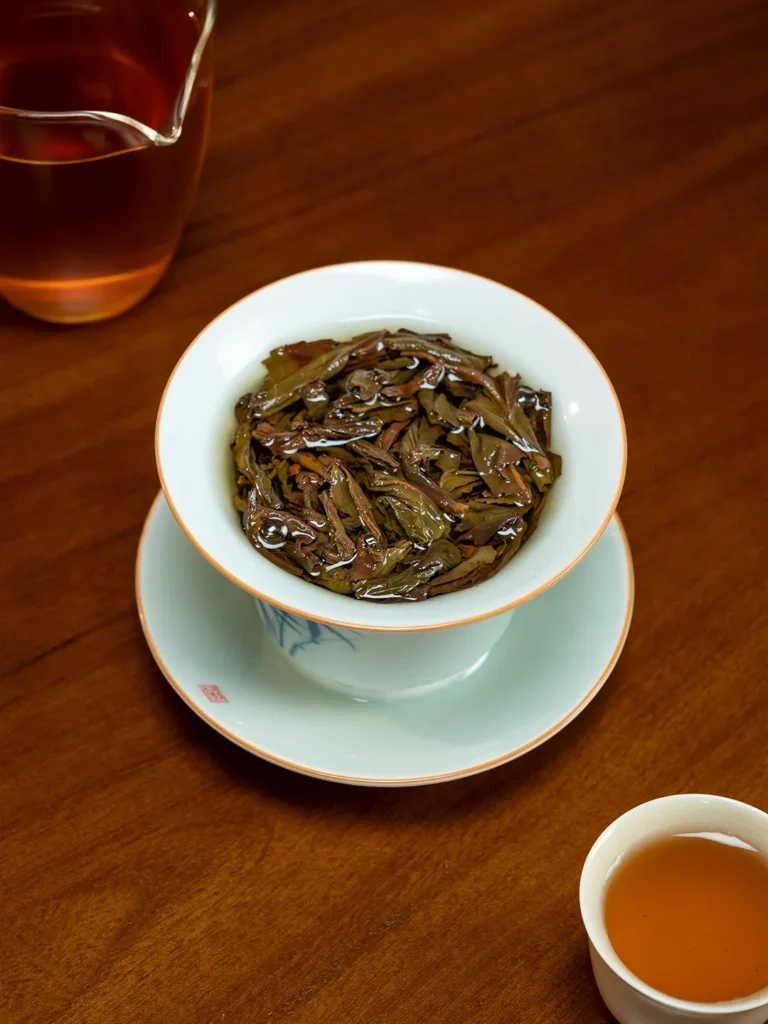
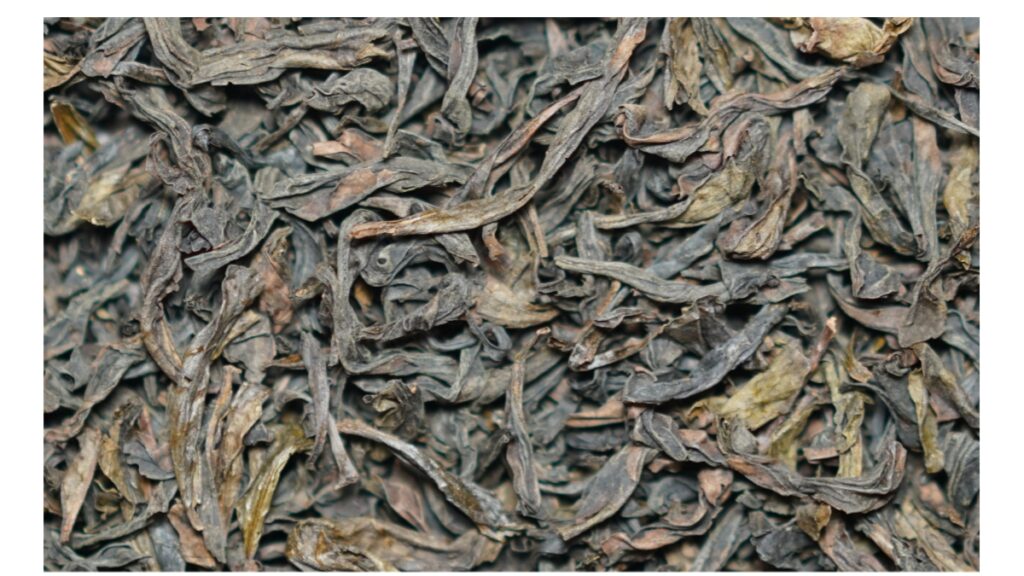
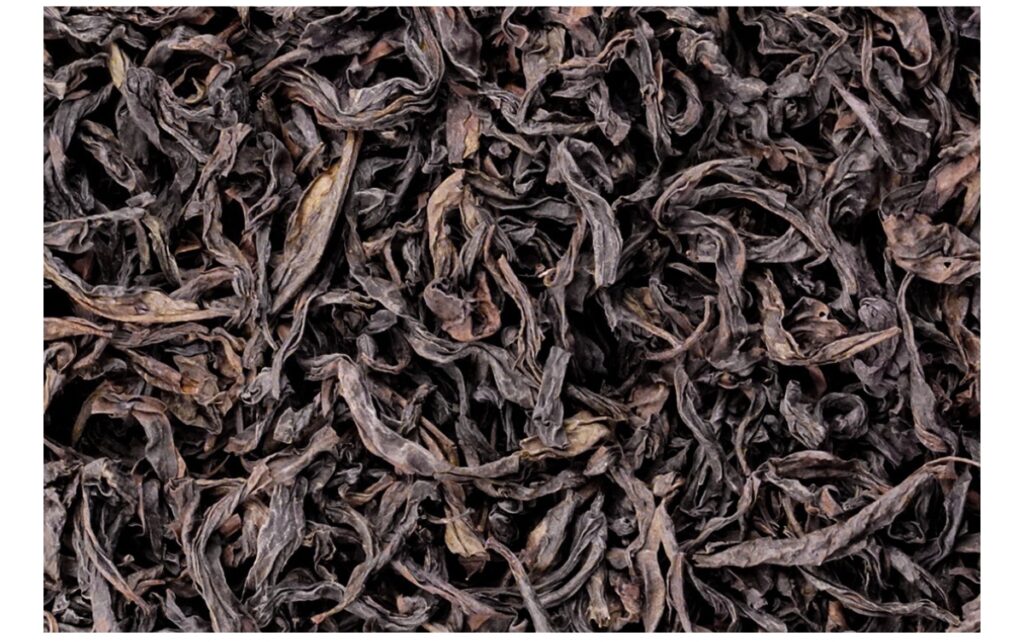
Appearance: Long, thick leaves with a glossy dark green-brown hue.
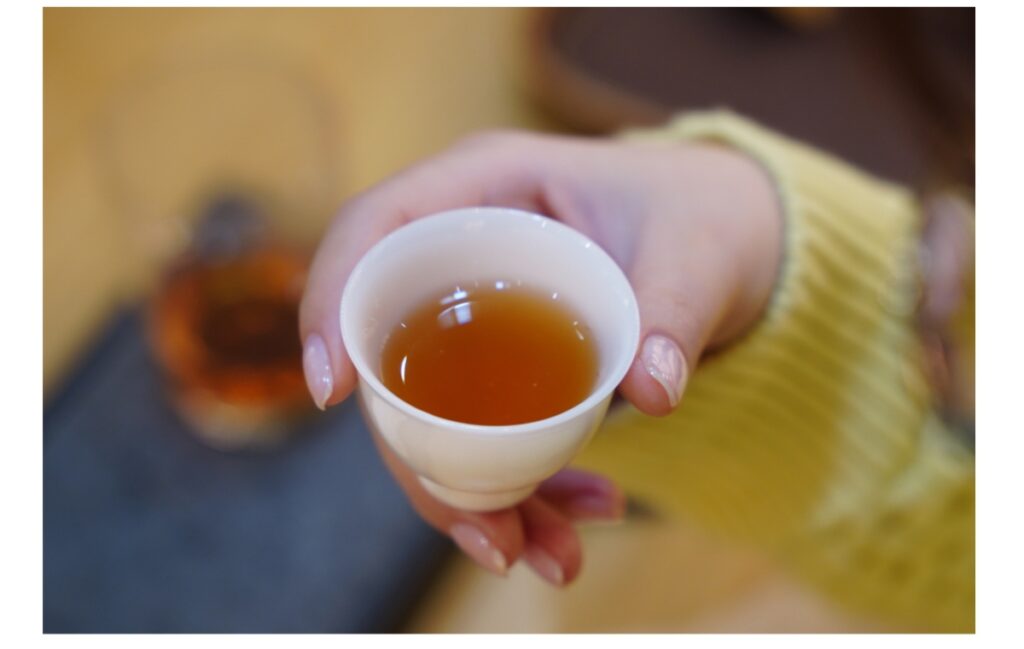
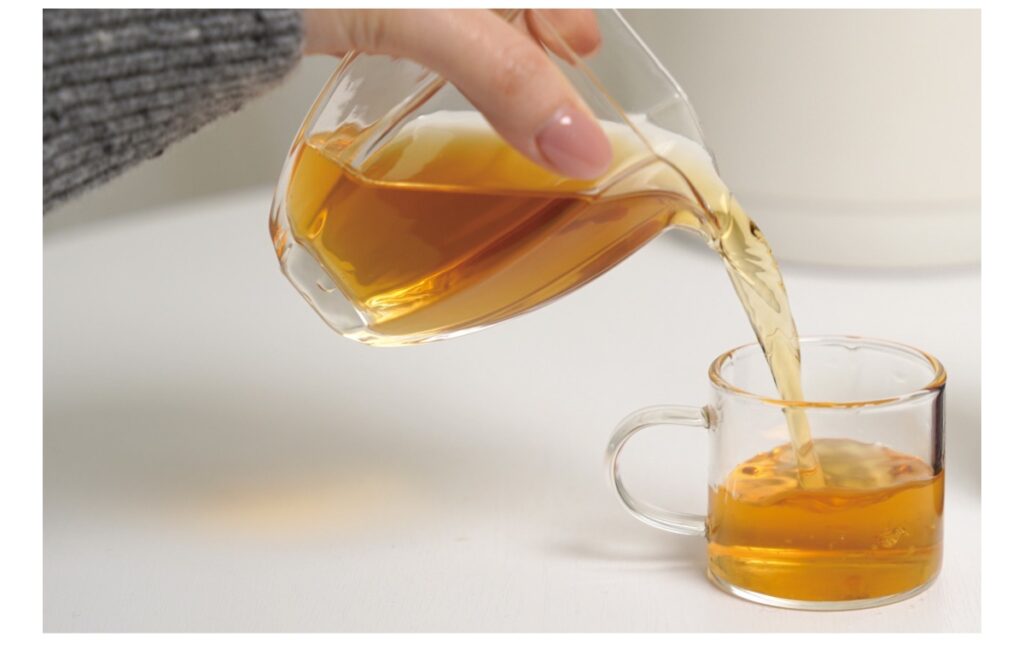
Taste: Orchid-like floral aroma with a soft, smooth finish. The spring varieties produce golden or amber-colored liquor, while winter ones are paler with lighter flavor.
A special trait of old bush Shuixian? Their leaves are fibrous, and if you gently tear them, you’ll notice fine white threads—a sign of the tree’s age.
Rougui (肉桂): The Fiery and Bold Cinnamon Aroma
Origin and History
Nicknamed “Cinnamon Tea” for its distinct spicy aroma, Rougui originated from Huiyuan Keng, a famous valley in Wuyi Mountain. Its reputation has spread far and wide, with famous Rougui tea varieties from places like Niulankeng (“Niurou”) and Matouyan (“Marou”).
Unique Features of Rougui
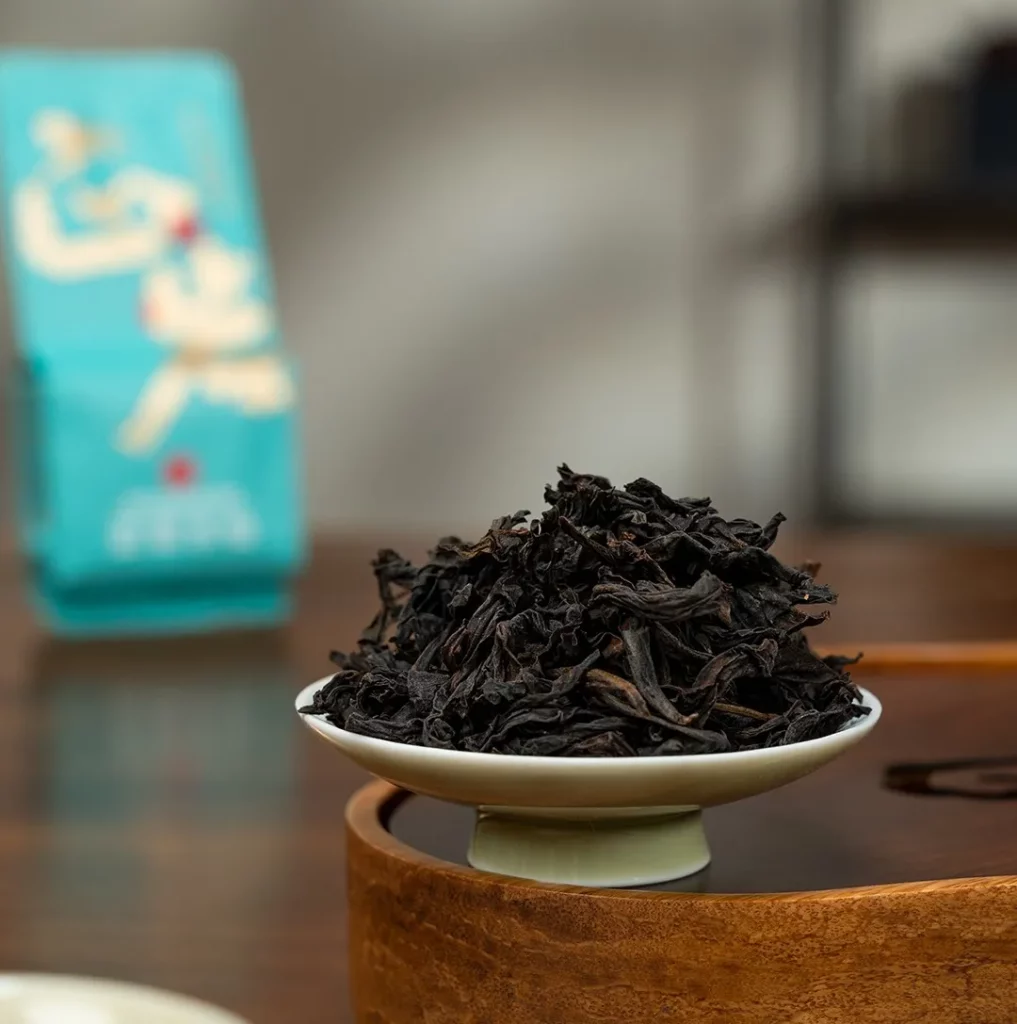
Appearance: Neat, tightly rolled strips of dark green leaves with an oily sheen.
Aroma: Sharp, cinnamon-like fragrance that hits immediately when brewed.
Taste: Strong, full-bodied flavor with a lingering spiciness and sweetness that stays in your mouth. Even after six or seven brews, Rougui maintains its bold “rock rhyme” (the mineral-rich character unique to Wuyi teas).
Rougui’s defining feature is its assertive personality. Compared to Shuixian’s gentle orchid notes, Rougui’s cinnamon-like aroma is fiery and intense—a bold statement in a cup.
Dahongpao (大红袍): The King of Rock Tea
The Legend of Dahongpao
Known as the “King of Tea,” Dahongpao initially referred to tea from six ancient mother trees growing in Jiulongke (Nine Dragon Nest). These trees are legendary and highly protected, so any modern Dahongpao you taste is made from propagated cuttings or blended teas.
Modern Dahongpao
Today’s commercial Dahongpao isn’t a single variety but rather a carefully crafted blend. Most commonly, it includes:
Shuixian (for smoothness)
Rougui (for spiciness)
Pure Dahongpao for balance
The more varieties in the blend, the more balanced and harmonious the flavor. In fact, the hallmark of a great Dahongpao is its “moderation”—a perfect balance between aroma, taste, and body.
Key Differences Between Dahongpao, Shuixian, and Rougui
Aroma
Shuixian: Subtle orchid fragrance.
Rougui: Spicy cinnamon notes.
Dahongpao: Balanced, with a mix of floral, woody, and mineral notes.
Flavor
Shuixian: Soft, smooth, with a hint of sweetness.
Rougui: Strong, bold, with lingering spiciness.
Dahongpao: Complex and harmonious, bringing together the best qualities of several teas.
Appearance
Shuixian: Long, thick, glossy leaves.
Rougui: Dark, tightly rolled leaves with an oily shine.
Dahongpao: Varies due to blending, but generally uniform and neat.
Wrapping It Up
Each type of Wuyi rock tea has its own unique charm. Shuixian is delicate and floral, Rougui is bold and spicy, and Dahongpao strikes the perfect balance. Whether you’re drawn to the orchid-like elegance of Shuixian, the fiery personality of Rougui, or the majestic harmony of Dahongpao, there’s a Wuyi tea for every mood and moment.
So, why not brew a cup and let these teas speak for themselves? 😊