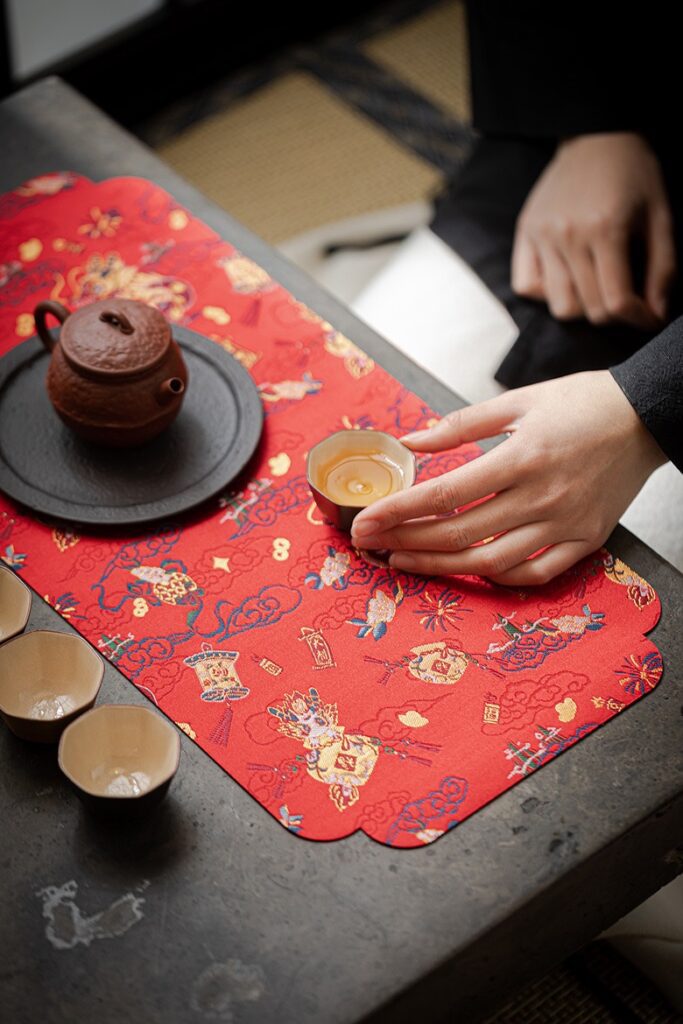
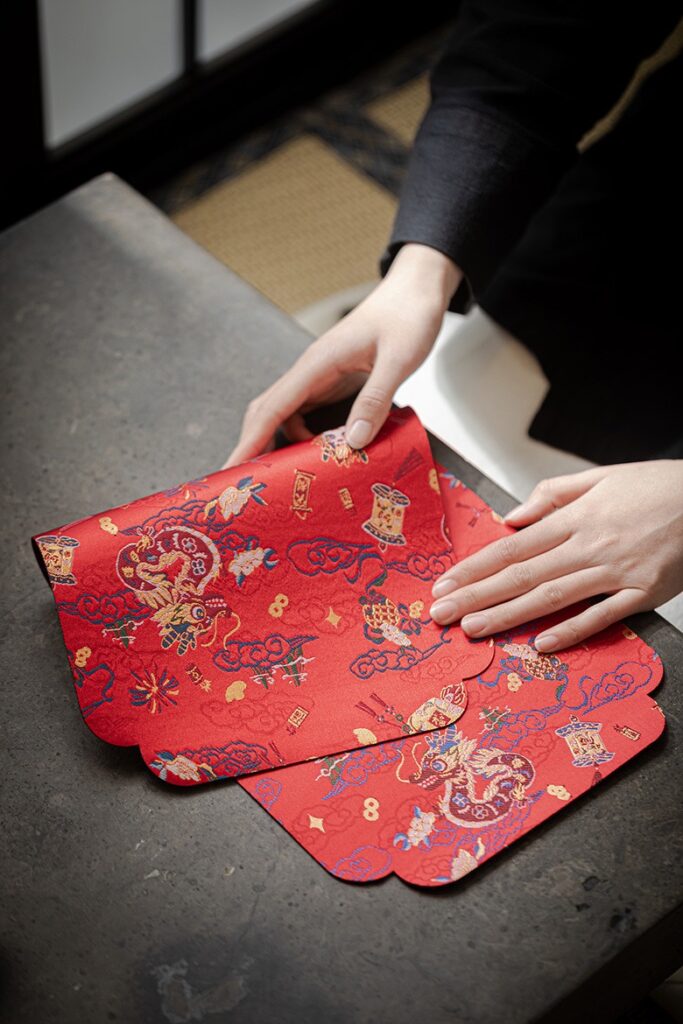
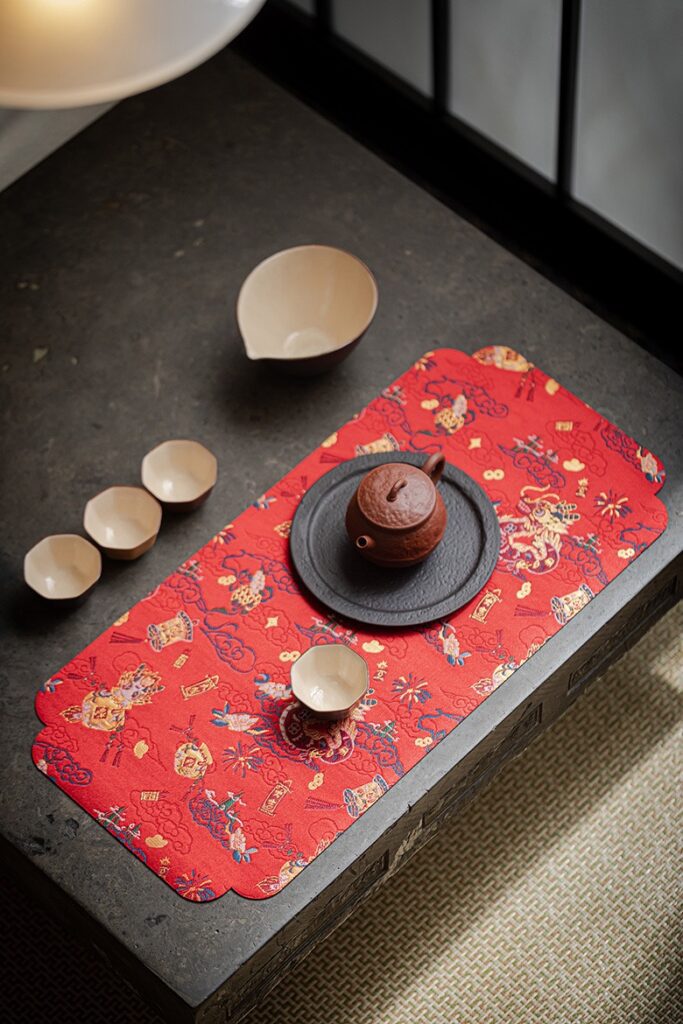
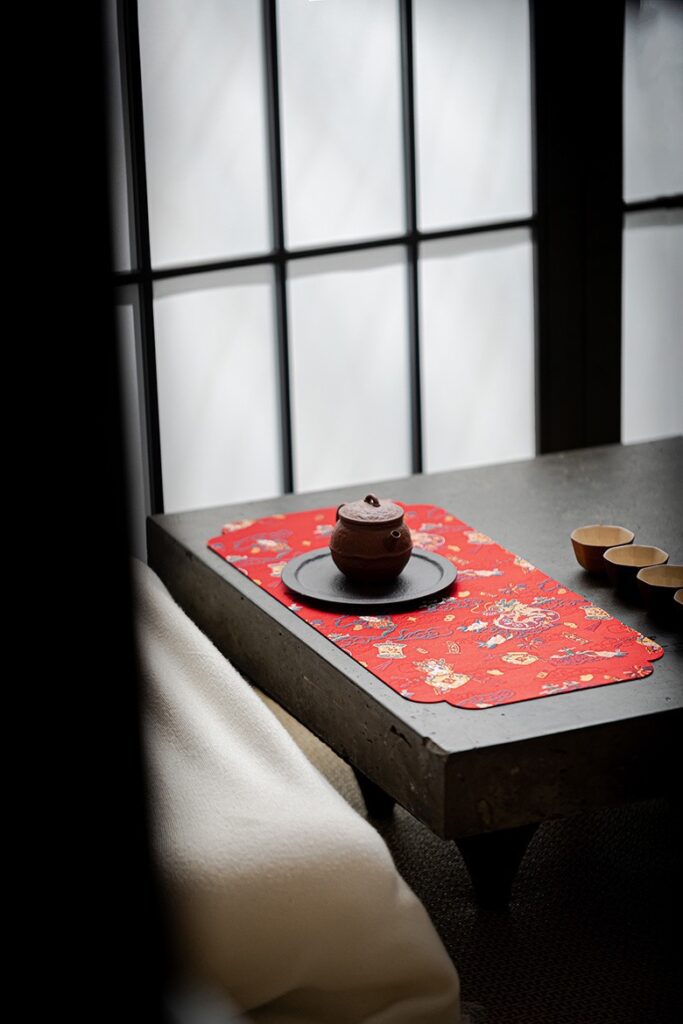
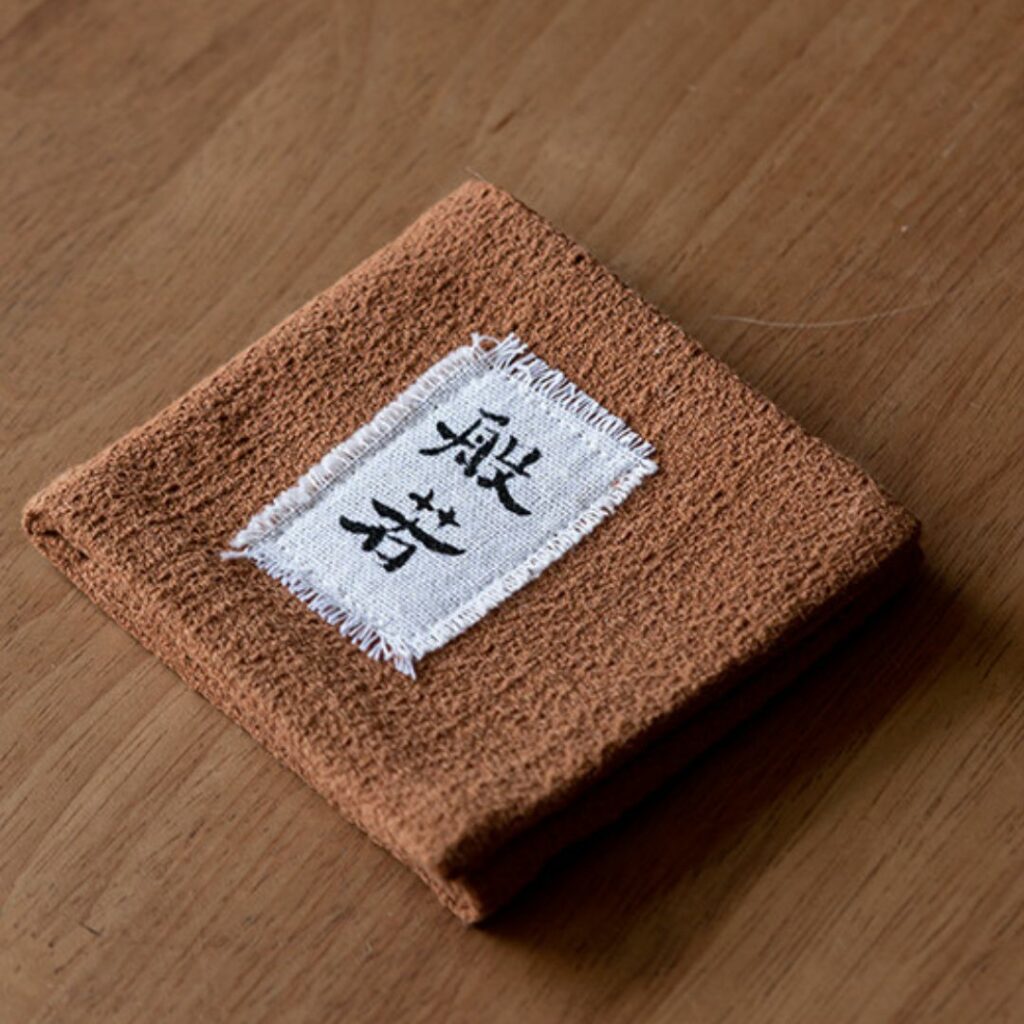
Hey tea lovers! 🐉✨ Exciting news as we step into the Dragon Year of 2024 - with Yixing teapot purchase, we're gifting you an exclusive Dragon Year style tea mat to add that extra flair to your tea rituals. It's our way of celebrating with you, but remember, it's a limited-time offer! Don't miss out on making your tea sessions even more special with this mystical addition. 🍵💫
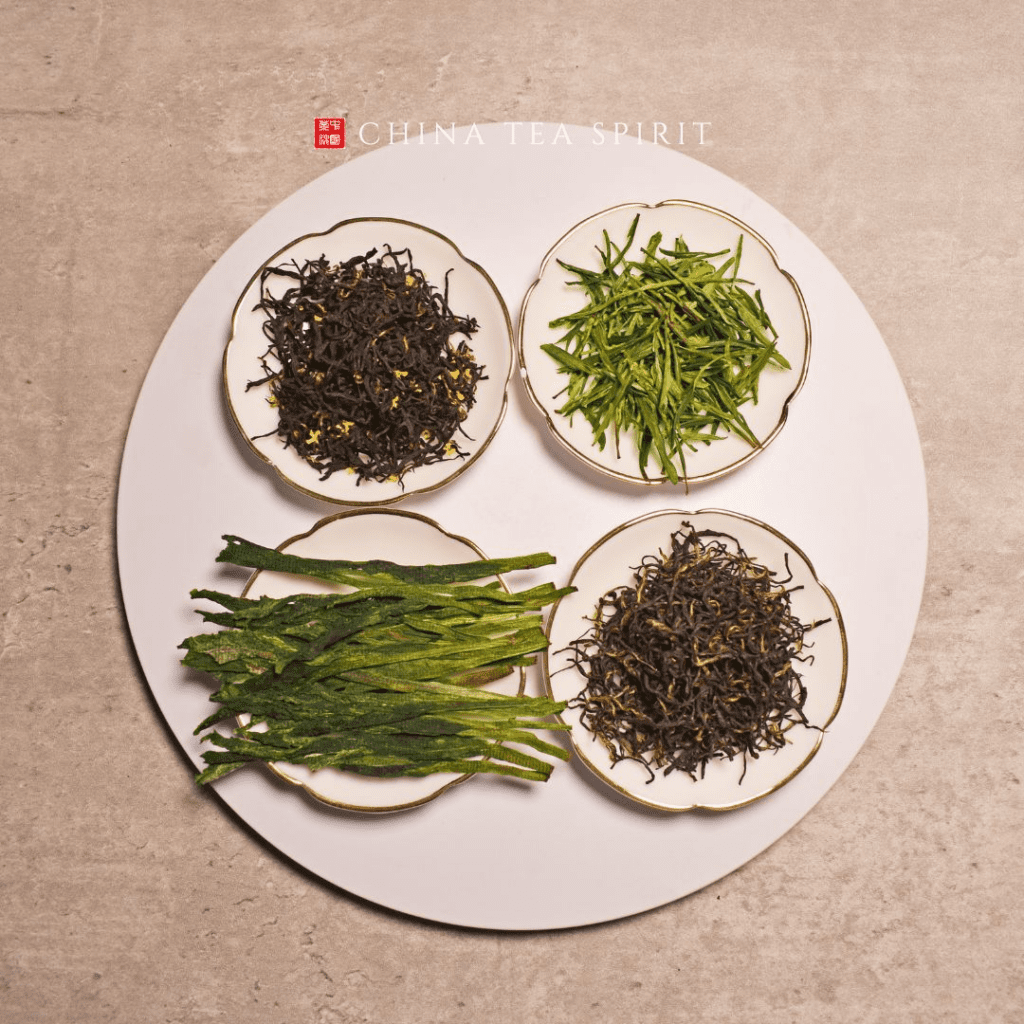
Hey tea lovers! While many of you know us as a premium Chinese tea wares company. We also specialized in teas in Huang Shan region. Huang Shan is home to the most famous Chinese teas – Huang Shan Mao Feng, Keemun and Tai Ping Hou Kui. As natives of this breathtaking place, we have a deep connection to the land and its rich tea heritage.
We understand that finding the perfect tea can be a personal journey, which is why we offer our sample pack. It allows you to explore the diverse flavors of Huang Shan teas and discover the one that resonates with your taste buds.
Each of the teas are sourced and produced directly from the tea farmers, ensuring the quality and the authentic taste.
Sample pack including: Huang Shan Mao Feng – 10g Tai Ping Hou Kui – 10g Keemun Mao Feng – 10g Osmanthus Keemun – 10g
We can’t wait to hear from your feedbacks on our teas. Join us on this journey and let us be your guide as you explore the enchanting world of Huang Shan teas.
Please note that the tea and tea wares will be shipped in seperate packages according to customs requirement. Usually tea will come slightly later than the tea wares.
Dear customers,
If you experienced any issues during checkout, please contact us at cary.wang@cnteaspirit.com. And we will help you out.
Below we listed common payment errors and their solutions for your reference.
#1: China Tea Spirit does not ship to this location. Please use a different address.
This is a known bug from PayPal. It occurs randomly. If you have seen this error message, please contact us at cary.wang@cnteaspirit.com. We will work this out for you.
When people think of white tea, the classics from Fujian typically come to mind: Baihao Yinzhen (Silver Needle), White Peony (Bai Mudan), Shoumei, and Gongmei.
But in recent years, another contender has been rising in popularity—Yunnan white tea, especially for its distinctive flavor profile. Many tea lovers have found themselves captivated by its bold and unique charm.
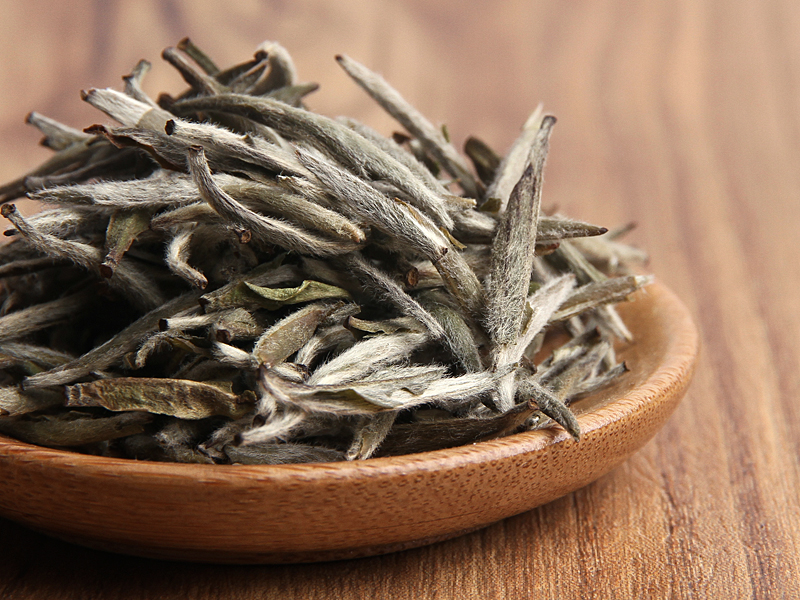
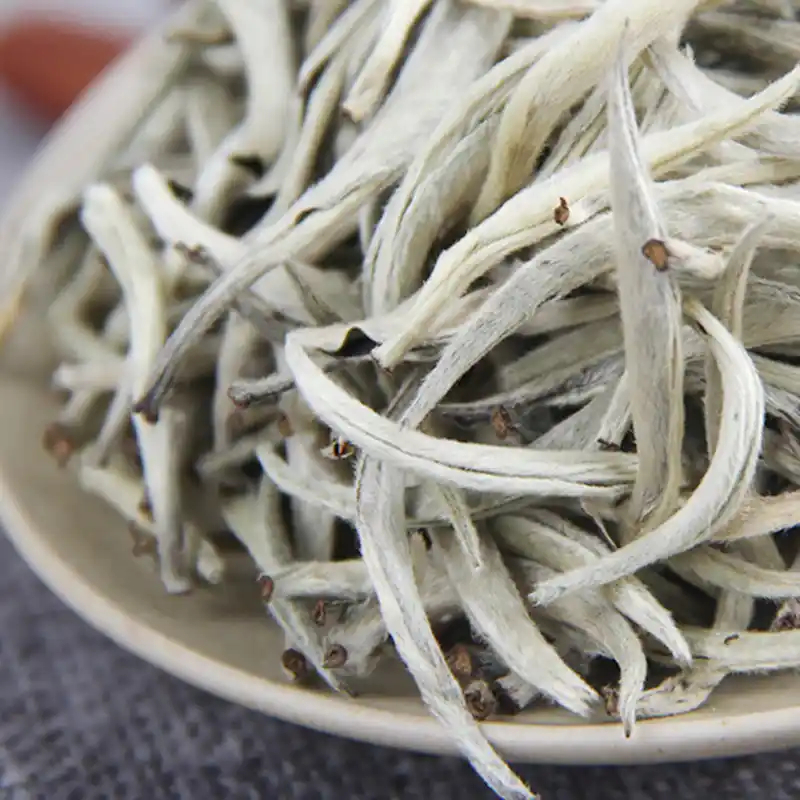
So, what exactly makes Fuding white tea and Yunnan white tea so different in appearance, taste, and chemical composition? Let’s explore with a side-by-side comparison, using Fuding Silver Needle and Yue Guang Bai (Moonlight White) as examples.
1. Appearance: Two Very Different Looks
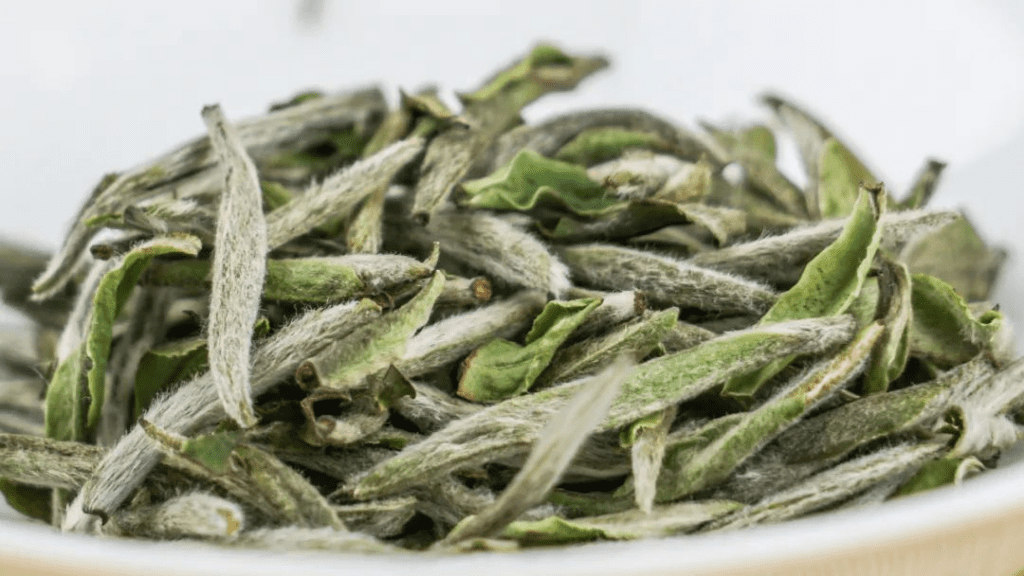
Fuding Silver Needle: Thick, plump buds covered in dense silvery-white hairs. The color is even on both sides of the leaves.
Yue Guang Bai: Slender buds with shorter, flatter hairs. Its most striking feature? A distinct contrast—white on one side, black on the other, giving it a dramatic, two-tone appearance.
Fuding Silver NeedleYue Guang Bai
2. Flavor Profile: Fragrant Elegance vs. Deep Complexity
Fuding white tea offers floral and silvery-bud aromas. As it ages, it develops notes of jujube and herbal medicine, and the taste becomes rounder and smoother over time.
Yue Guang Bai, on the other hand, undergoes a transformation that leans toward the fragrance of oolong tea—with orchid and honey notes—placing it somewhere between raw pu-erh and oolong tea in terms of flavor and character.
But what causes these major taste differences?
It all comes down to chemical composition.
A Scientific Breakdown: What’s Inside These Teas?
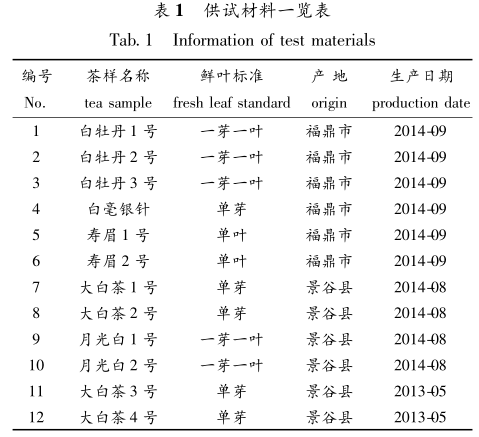
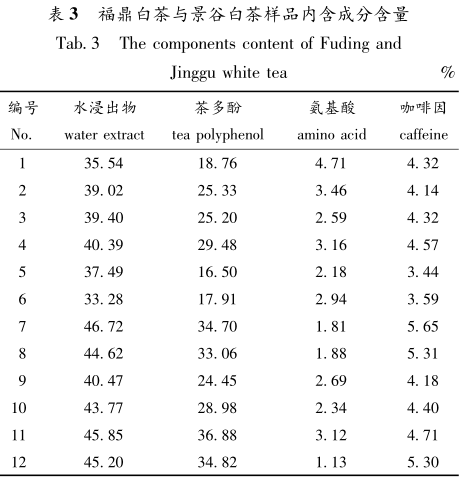
A research study examined 12 commercially available white teas and analyzed their chemical content. Here’s what they found:
Water-Soluble Extracts
These determine how thick and full-bodied the tea soup tastes.
Fuding white tea: 33.28%–40.39%, average 37.52%
Jinggu (Yunnan) white tea: 40.74%–46.72%, average 44.44%
Conclusion: Yunnan white tea delivers a richer, more full-bodied brew.
Tea Polyphenols
These contribute bitterness and astringency, but are also key to the tea’s color and overall structure.
Fuding: 16.50%–29.48%, average 22.20%
Jinggu (Yunnan): 24.45%–36.89%, average 32.15%
Conclusion: Yunnan white tea has nearly 10% more polyphenols, resulting in a deeper, more intense taste.
Amino Acids
These enhance the tea’s umami and freshness, while also contributing to its aroma.
Fuding: 2.18%–4.17%
Jinggu: 1.13%–3.12%
Conclusion: Fuding white tea has about 1.5x more amino acids, which explains its lighter, fresher, and sweeter flavor.
Caffeine Content
Responsible for bitterness and that classic pick-me-up effect.
Fuding white tea: 3.44%–4.57%
Yunnan white tea: 4.18%–5.65%
Conclusion: Yunnan tea packs a slightly stronger punch in terms of caffeine.
What Happens When Leaf Grade is Equal?
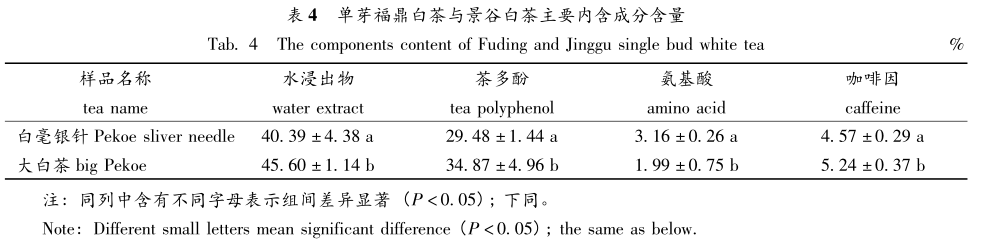
To level the playing field, researchers also compared teas made from the same grade of fresh leaves:
Single-bud grade: Yunnan tea had higher polyphenols, caffeine, and extractives, but Fuding had more amino acids—and the differences were significant.
One-bud-one-leaf grade: Yunnan still had higher extractives, polyphenols, and caffeine, though the differences were smaller. Fuding continued to dominate in amino acid content.
The Root Cause: Different Tea Varietals
It all boils down to tea cultivar.
Fuding white tea is made from Fuding Da Bai (large white) cultivar, known for its elegant fragrance and mellow taste.
Yunnan white tea comes from Yunnan large-leaf varietals, which are naturally rich in polyphenols and caffeine, but lower in amino acids.
As a result, Yunnan white tea tends to be bolder, richer, and more full-bodied, while Fuding white tea offers a delicate, sweet, and refreshing profile.
Which One Should You Choose?
Craving a clean, floral, and fresh brew with subtle complexity? Go for Fuding white tea.
Looking for something bolder, more oxidized, with a deeper, honeyed note that bridges oolong and pu-erh? Try Yue Guang Bai from Yunnan.
Each has its own personality—just like tea lovers themselves.
Have you tried both styles of white tea? Which one stole your heart? Share your experience in the comments below!