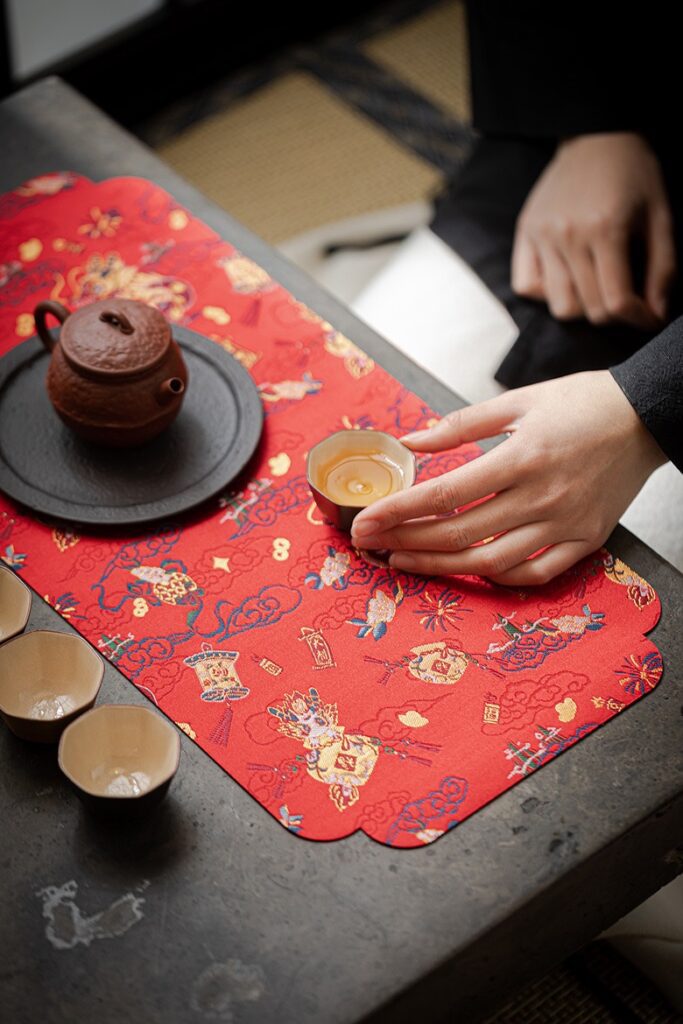
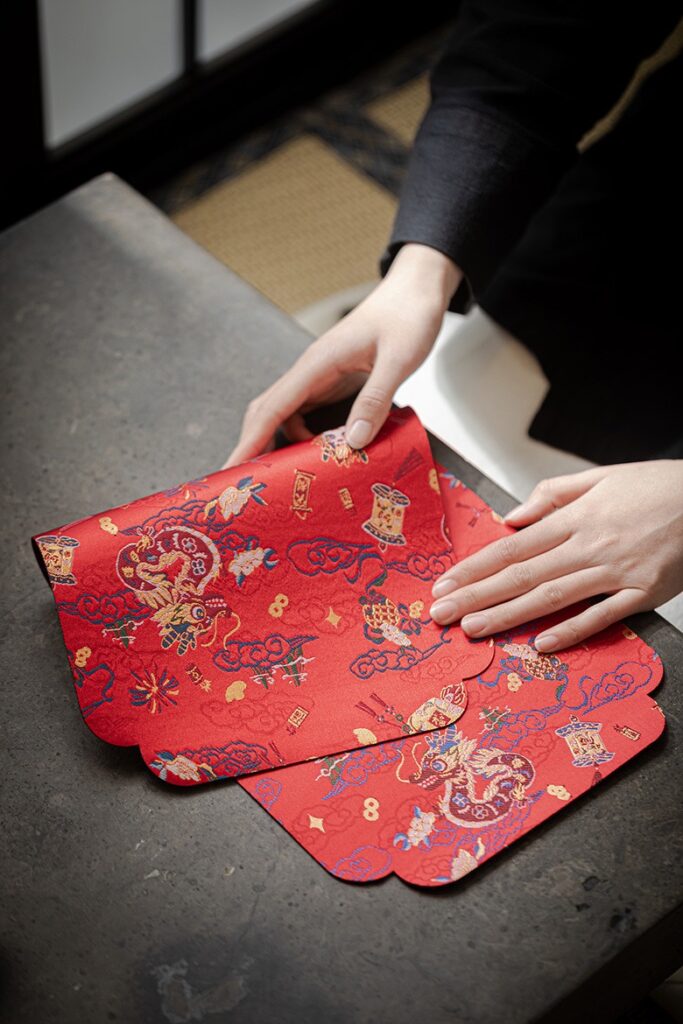
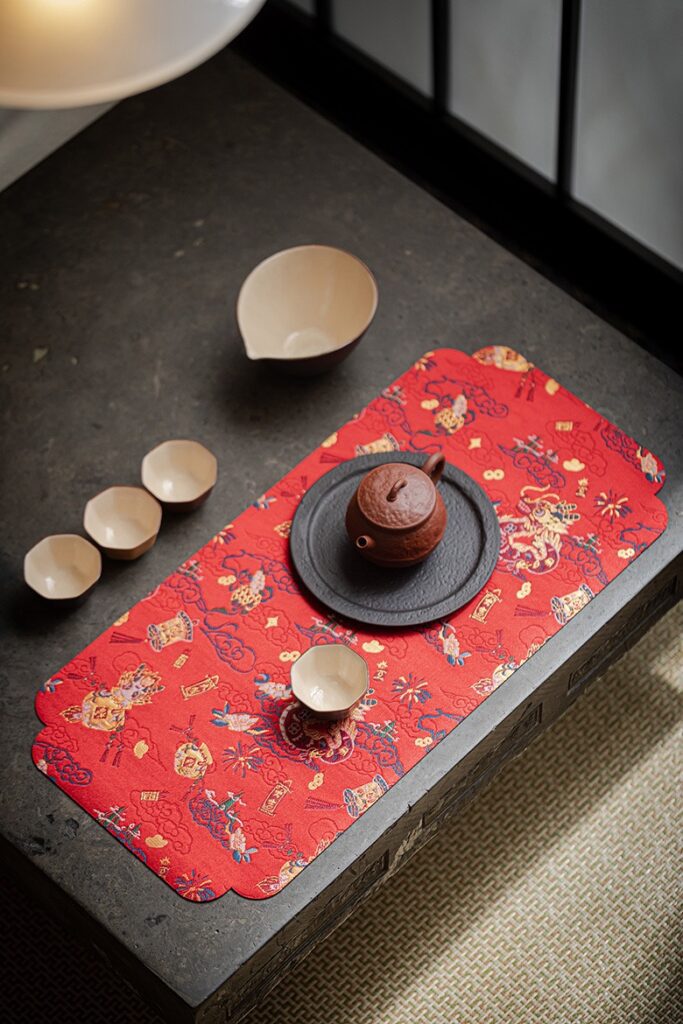
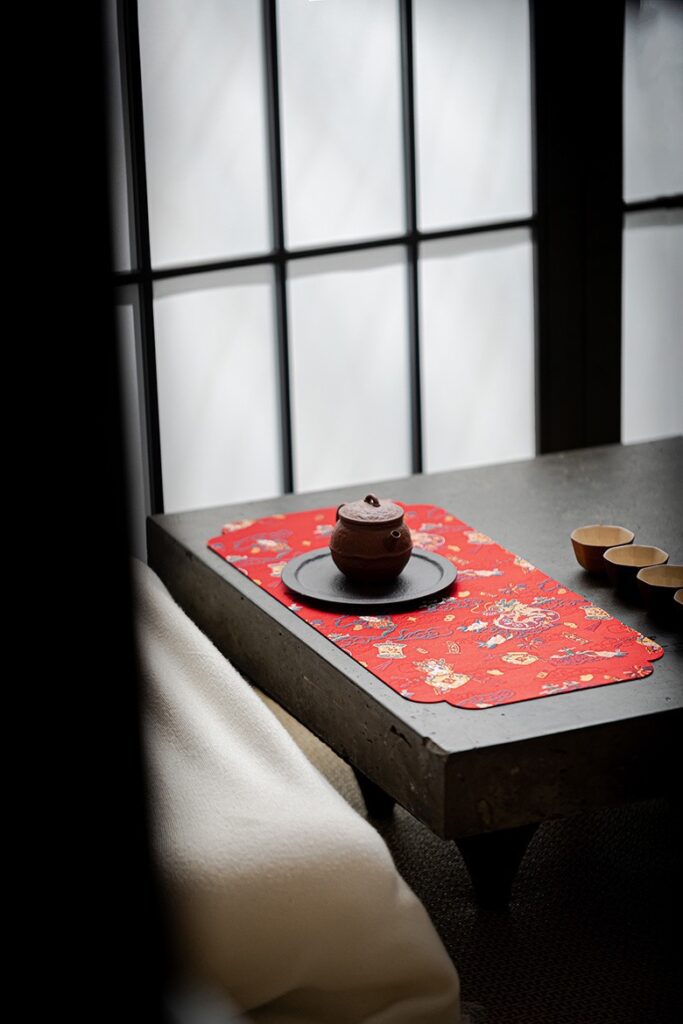
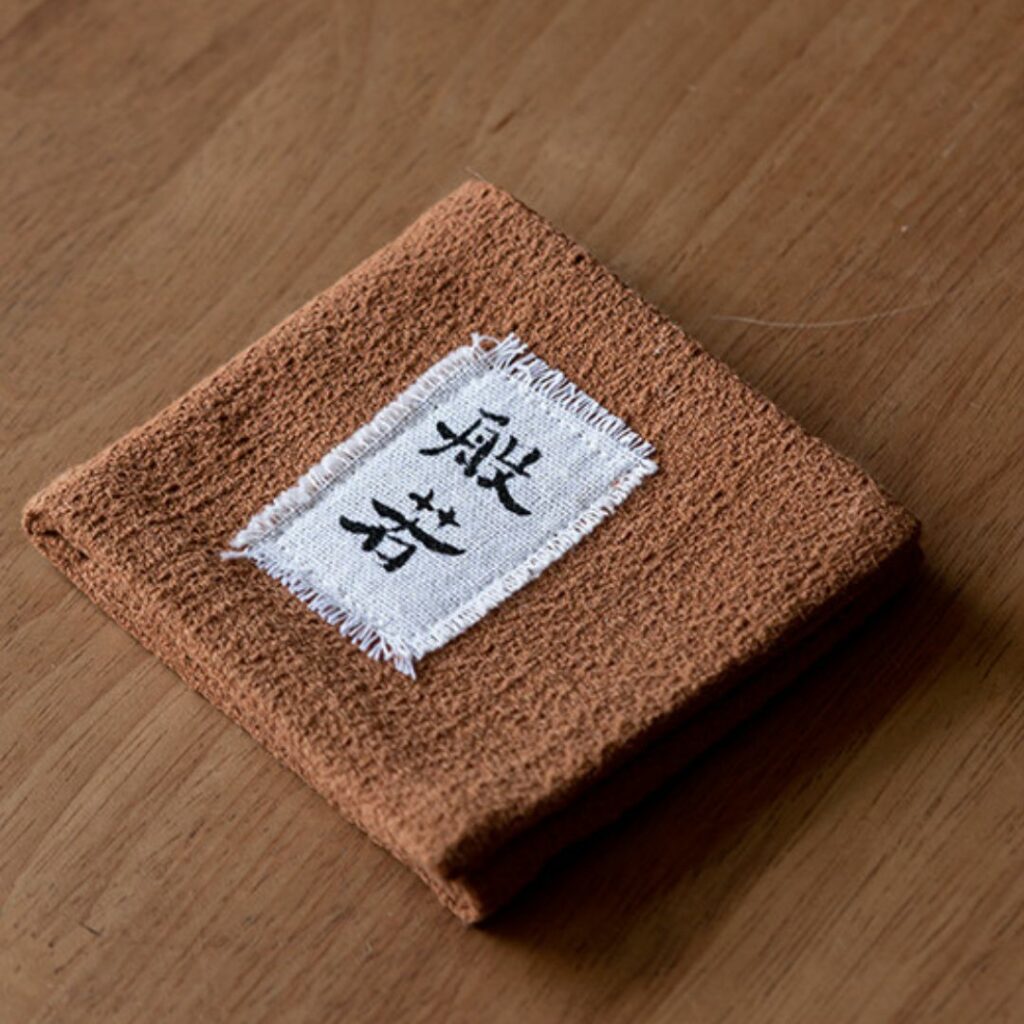
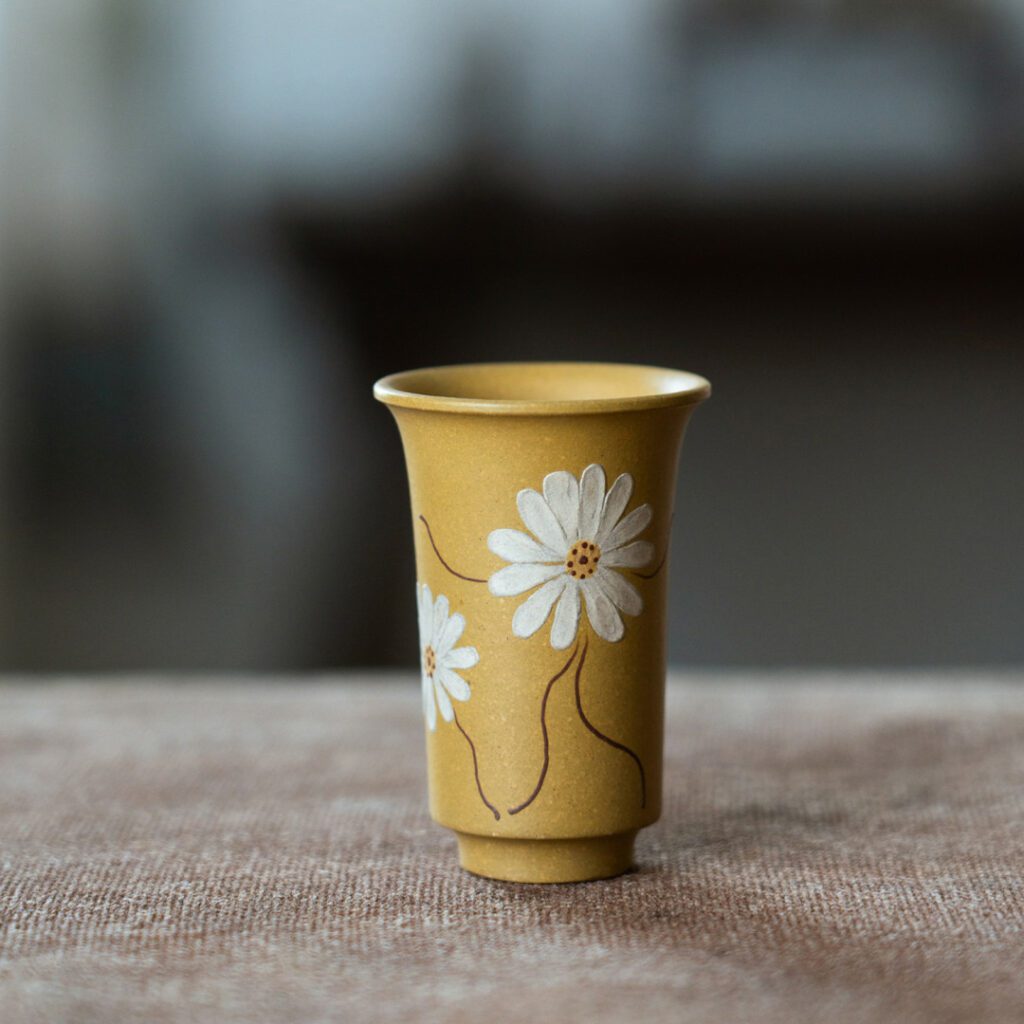
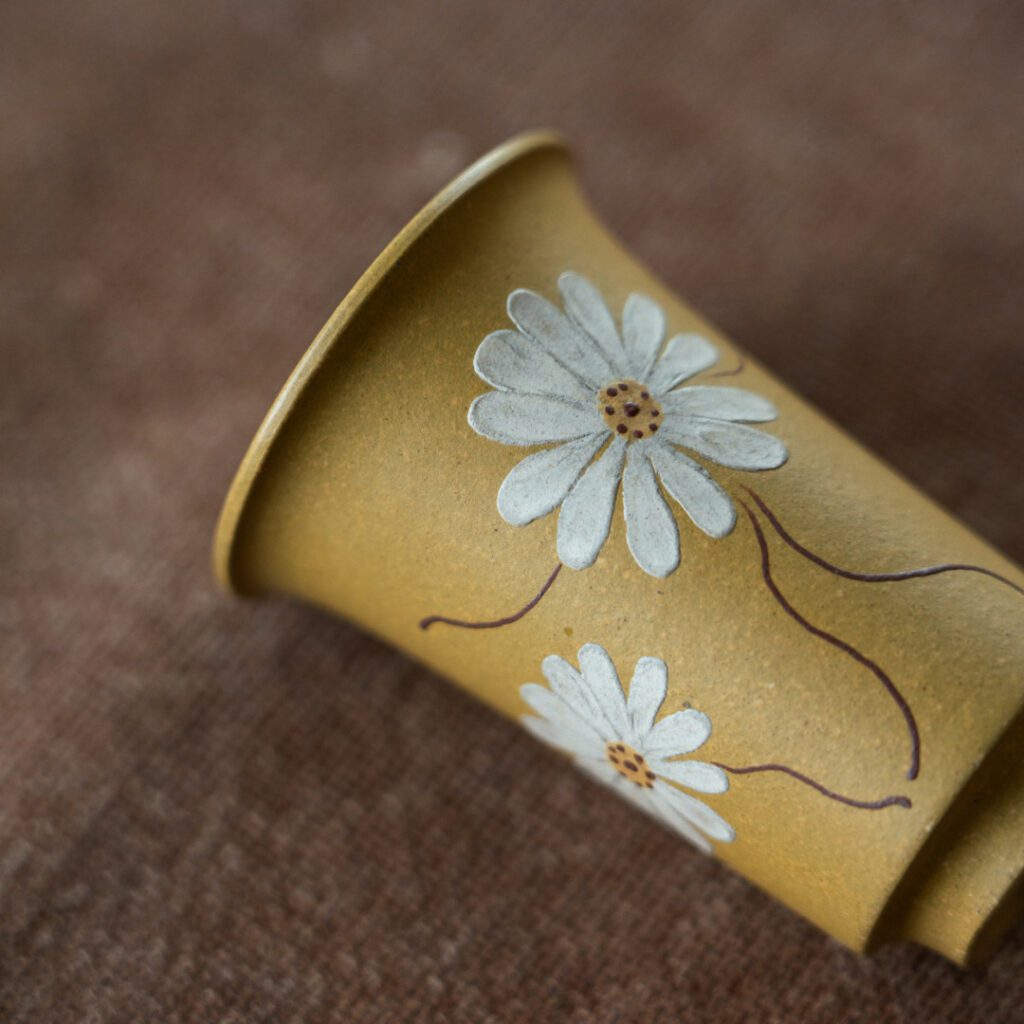
Hey tea lovers! 🐉✨ Exciting news as we step into the Dragon Year of 2024 - with Yixing teapot purchase, we're gifting you an exclusive Dragon Year style tea mat to add that extra flair to your tea rituals. It's our way of celebrating with you, but remember, it's a limited-time offer! Don't miss out on making your tea sessions even more special with this mystical addition. 🍵💫
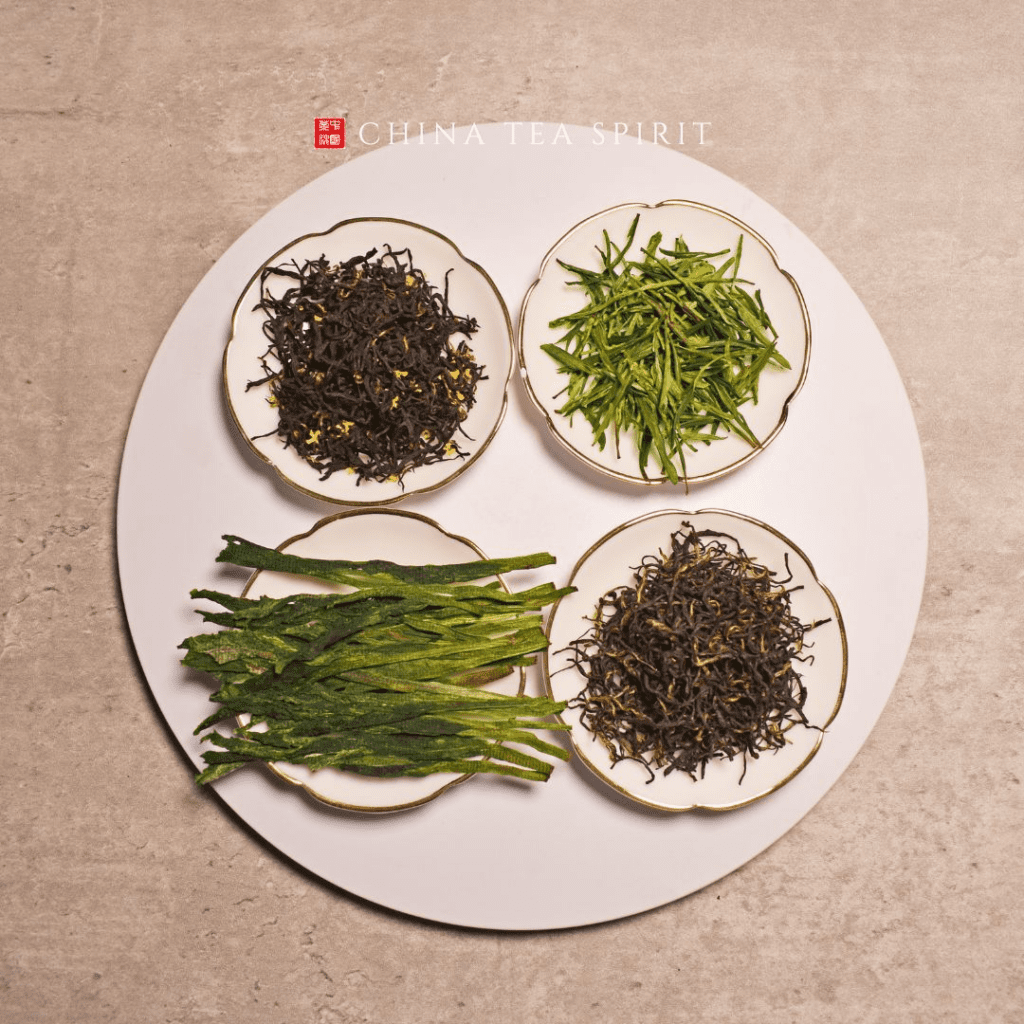
Hey tea lovers! While many of you know us as a premium Chinese tea wares company. We also specialized in teas in Huang Shan region. Huang Shan is home to the most famous Chinese teas – Huang Shan Mao Feng, Keemun and Tai Ping Hou Kui. As natives of this breathtaking place, we have a deep connection to the land and its rich tea heritage.
We understand that finding the perfect tea can be a personal journey, which is why we offer our sample pack. It allows you to explore the diverse flavors of Huang Shan teas and discover the one that resonates with your taste buds.
Each of the teas are sourced and produced directly from the tea farmers, ensuring the quality and the authentic taste.
Sample pack including: Huang Shan Mao Feng – 10g Tai Ping Hou Kui – 10g Keemun Mao Feng – 10g Osmanthus Keemun – 10g
We can’t wait to hear from your feedbacks on our teas. Join us on this journey and let us be your guide as you explore the enchanting world of Huang Shan teas.
Please note that the tea and tea wares will be shipped in seperate packages according to customs requirement. Usually tea will come slightly later than the tea wares.
Dear customers,
If you experienced any issues during checkout, please contact us at cary.wang@cnteaspirit.com. And we will help you out.
Below we listed common payment errors and their solutions for your reference.
#1: China Tea Spirit does not ship to this location. Please use a different address.
This is a known bug from PayPal. It occurs randomly. If you have seen this error message, please contact us at cary.wang@cnteaspirit.com. We will work this out for you.
White tea is often praised for its minimal processing—no pan-firing, no rolling—just withering and drying. Among the six major tea categories in China, it’s known for its simplicity. But here’s something many don’t realize:
Not all white teas are created equal.
Based on leaf-picking standards, white tea is typically divided into three main grades:
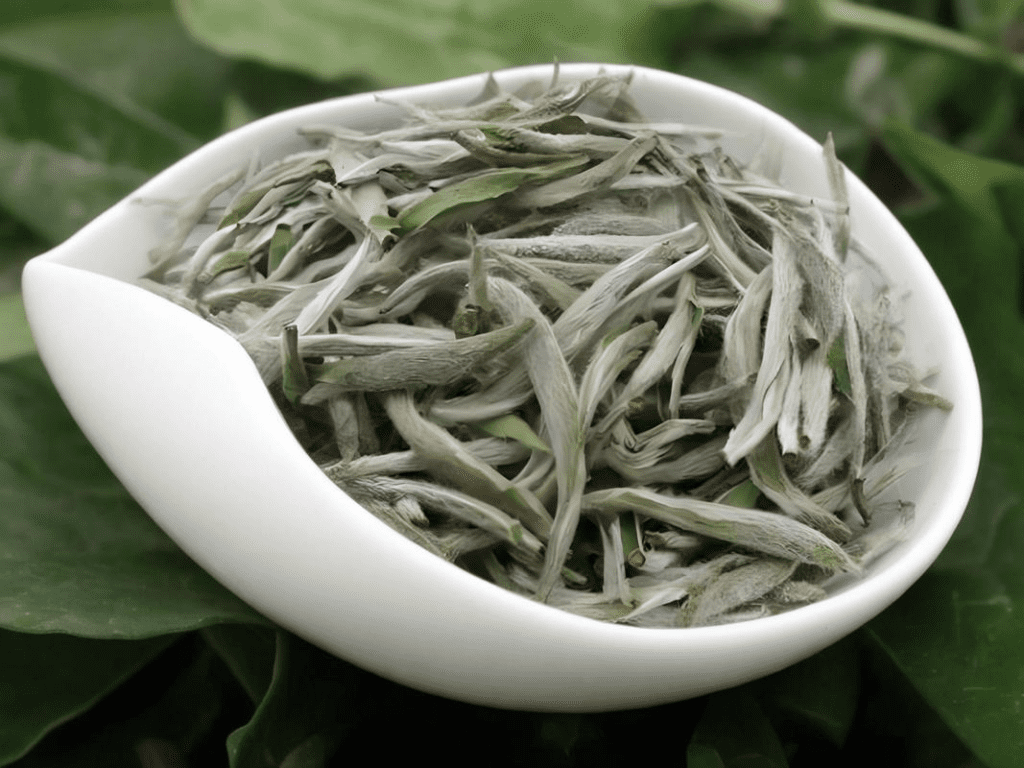
Baihao Yinzhen (Silver Needle) – made from only tender buds
White Peony (Bai Mudan) – a bud with one or two young leaves
Shoumei – more mature leaves (Gongmei is sometimes listed separately and made from a mix of tea cultivars.)
Silver Needle
So, what exactly sets these different grades apart in terms of chemical composition and health benefits? Let’s break it down—with the help of scientific research.
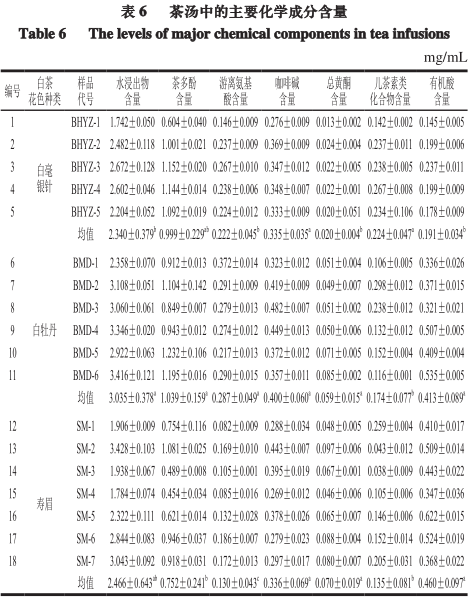
Water-Soluble Compounds: Who Delivers the Richest Brew?
These compounds—including polyphenols, amino acids, and caffeine—are what you actually taste in the cup. The more water-soluble matter, the richer and fuller the tea soup.
White Peony had the highest concentration
Silver Needle came in second
Shoumei ranked lowest
Why doesn’t Silver Needle, the highest grade, lead the pack? Researchers suggest it’s due to its whole, plump buds—which, when left uncrushed for testing, released fewer compounds into the water.
Tea Polyphenols: The Antioxidant Powerhouses
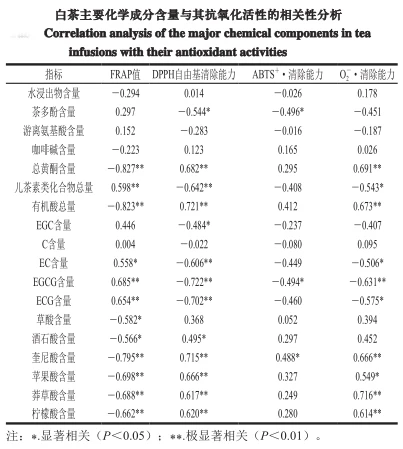
Polyphenols (especially catechins) are major contributors to flavor and color—and they’re natural antioxidants.
White Peony had more polyphenols than Shoumei, and levels comparable to Silver Needle
Antioxidant capacity, however, was highest in Silver Needle, thanks to its higher catechin content, total flavonoids, and organic acids
White Peony and Shoumei had similar antioxidant performance
Takeaway: When it comes to anti-aging, anti-inflammatory, and anti-radiation benefits, Silver Needle comes out on top.
Caffeine Content: The Brain Booster
Caffeine stimulates the central nervous system, promoting alertness and focus. It’s more concentrated in tender buds and young leaves, and less so in mature leaves and stems.
Silver Needle and White Peony had similarly high levels
Shoumei had noticeably less
So if you’re seeking a gentle pick-me-up, both Silver Needle and White Peony are great choices.
Amino Acids: Freshness, Sweetness, and Feel-Good Vibes
Amino acids—especially L-theanine—are responsible for that umami sweetness in tea. They also promote relaxation and dopamine release, enhancing memory and mood.
Highest in White Peony
Followed by Silver Needle
Lowest in Shoumei
Why does White Peony beat Silver Needle? Its combination of buds and young leaves naturally contains more theanine than buds alone.
Aroma Compounds: The Soul of the Tea
Tea’s aroma has a powerful impact on mood and experience. Inhaling its floral, fruity, or honeyed notes is part of what makes gongfu tea sessions so enjoyable.
White Peony, with its moderate tenderness, was richest in aromatic compounds
Silver Needle was elegant and subtle
Shoumei, while more mature, had a more muted fragrance
This proves that higher leaf grade doesn’t always mean stronger aroma—balance matters more than rank.
Tea Polysaccharides: A Natural Ally for Blood Sugar Control
Polysaccharides are another important compound in white tea. They’re linked to blood sugar regulation and have shown promise in supporting those with diabetes.
In a joint study by the Beijing Food Nutrition Center and Cornell University, mice with diabetes were given infusions of Silver Needle, White Peony, and Shoumei.
All three teas lowered blood sugar levels.
But—Shoumei, with its mature leaves and higher polysaccharide content, showed the most pronounced effect. This aligns with Traditional Chinese Medicine practices, which have long used aged, coarse teas to treat “heat thirst syndrome” (an ancient description of diabetes-like symptoms).
So… Which White Tea Suits You Best?
Tea Type
Best For
Key Benefits
Silver Needle
Antioxidants, beauty, mental clarity
High catechins, balanced caffeine, elegant sweetness
White Peony
Balance of flavor and wellness
Highest in amino acids, rich aroma, well-rounded brew
Shoumei
Blood sugar support, everyday health
High in polysaccharides, mellow and earthy taste
No matter which you choose, all white teas offer anti-aging, immune-boosting, and stress-relieving properties. The key is to find the one that best suits your body and your lifestyle.
So—what’s your white tea match? Let us know in the comments below!