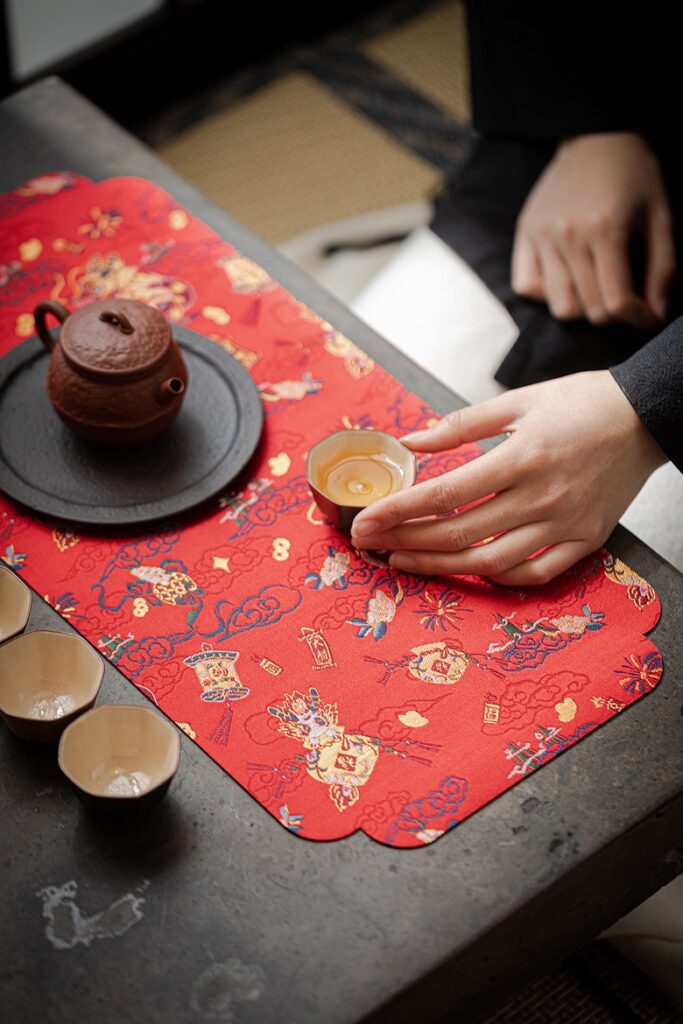
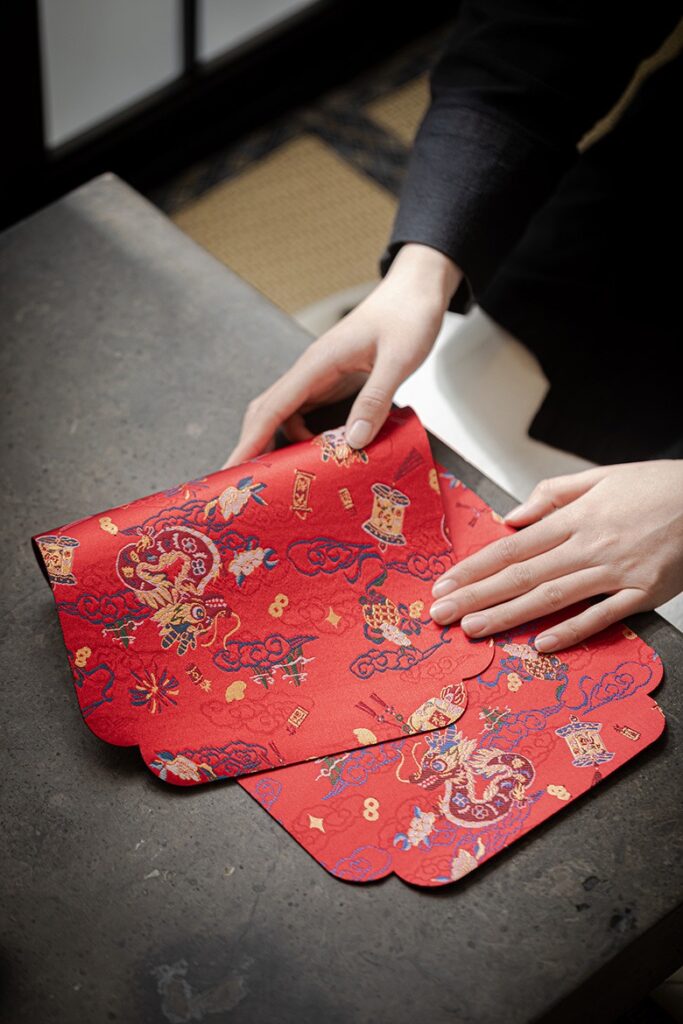
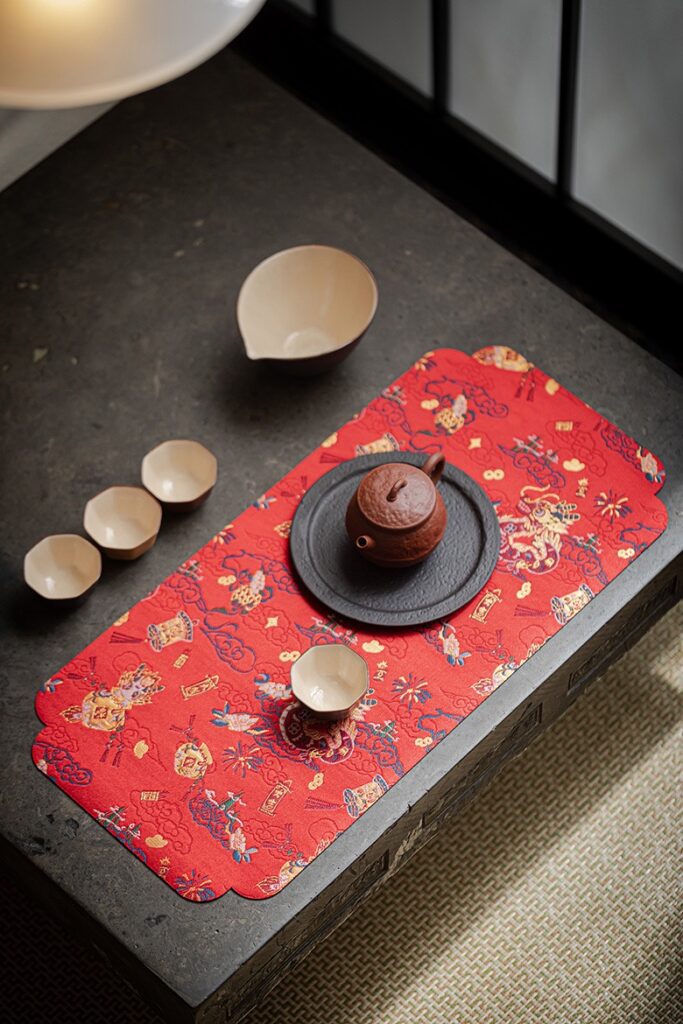
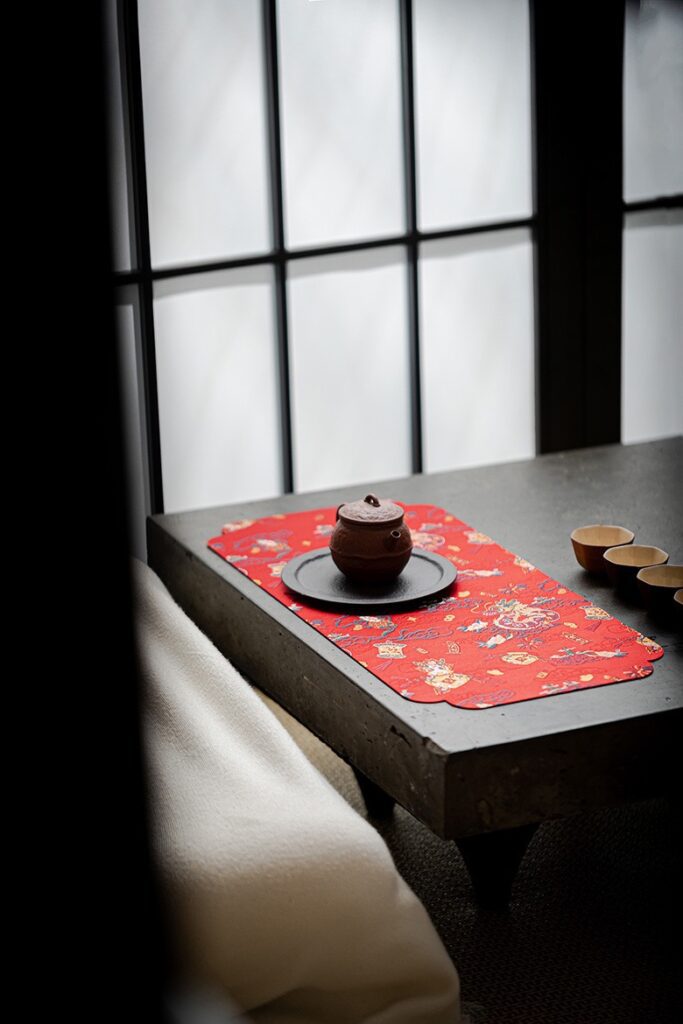
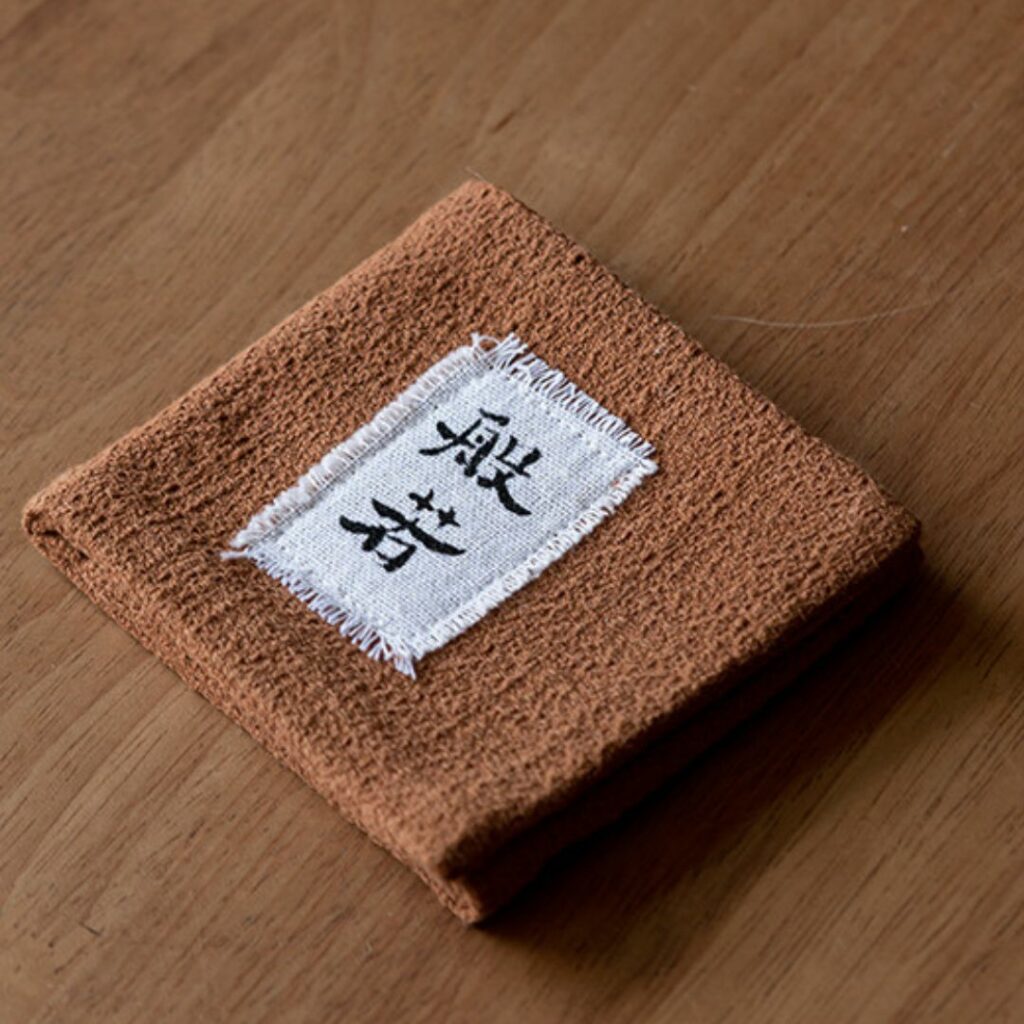
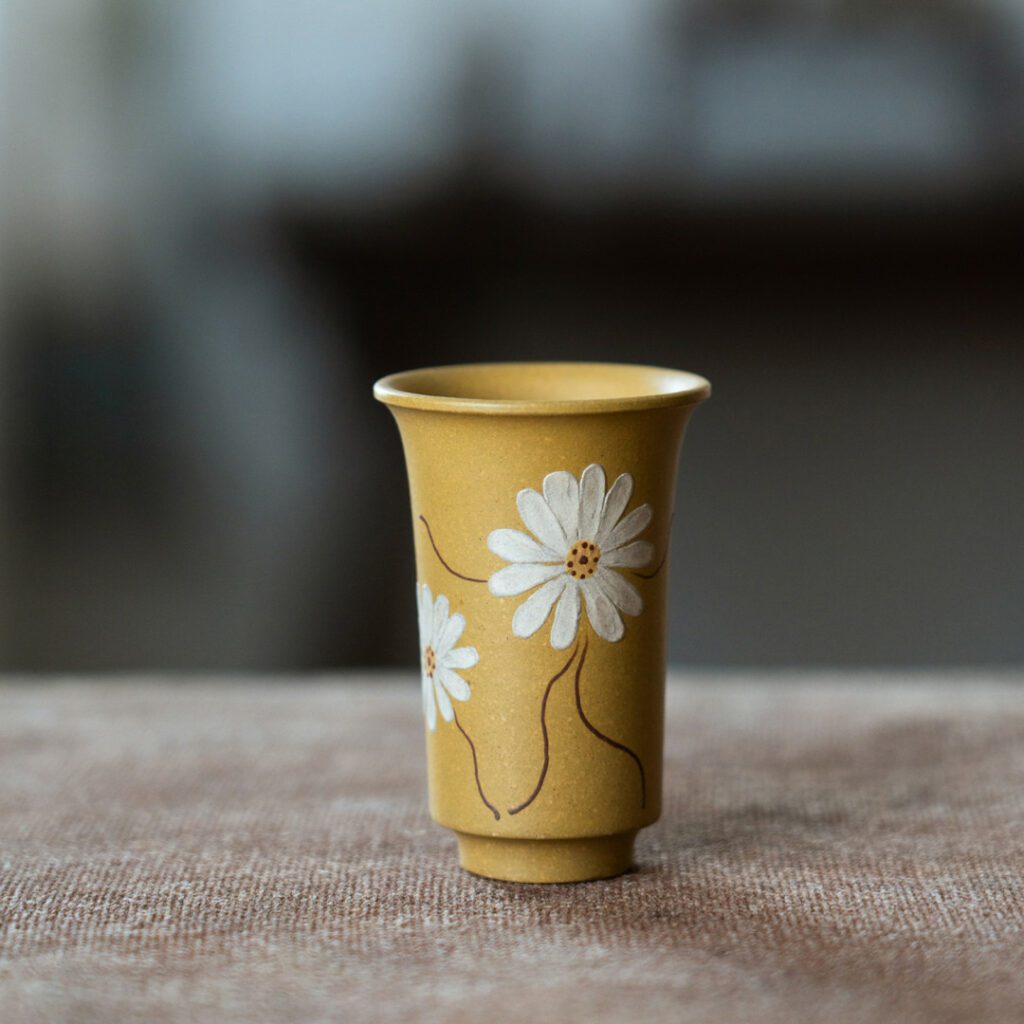
Hey tea lovers! 🐉✨ Exciting news as we step into the Dragon Year of 2024 - with Yixing teapot purchase, we're gifting you an exclusive Dragon Year style tea mat to add that extra flair to your tea rituals. It's our way of celebrating with you, but remember, it's a limited-time offer! Don't miss out on making your tea sessions even more special with this mystical addition. 🍵💫
Hey tea lovers! While many of you know us as a premium Chinese tea wares company. We also specialized in teas in Huang Shan region. Huang Shan is home to the most famous Chinese teas – Huang Shan Mao Feng, Keemun and Tai Ping Hou Kui. As natives of this breathtaking place, we have a deep connection to the land and its rich tea heritage.
We understand that finding the perfect tea can be a personal journey, which is why we offer our sample pack. It allows you to explore the diverse flavors of Huang Shan teas and discover the one that resonates with your taste buds.
Each of the teas are sourced and produced directly from the tea farmers, ensuring the quality and the authentic taste.
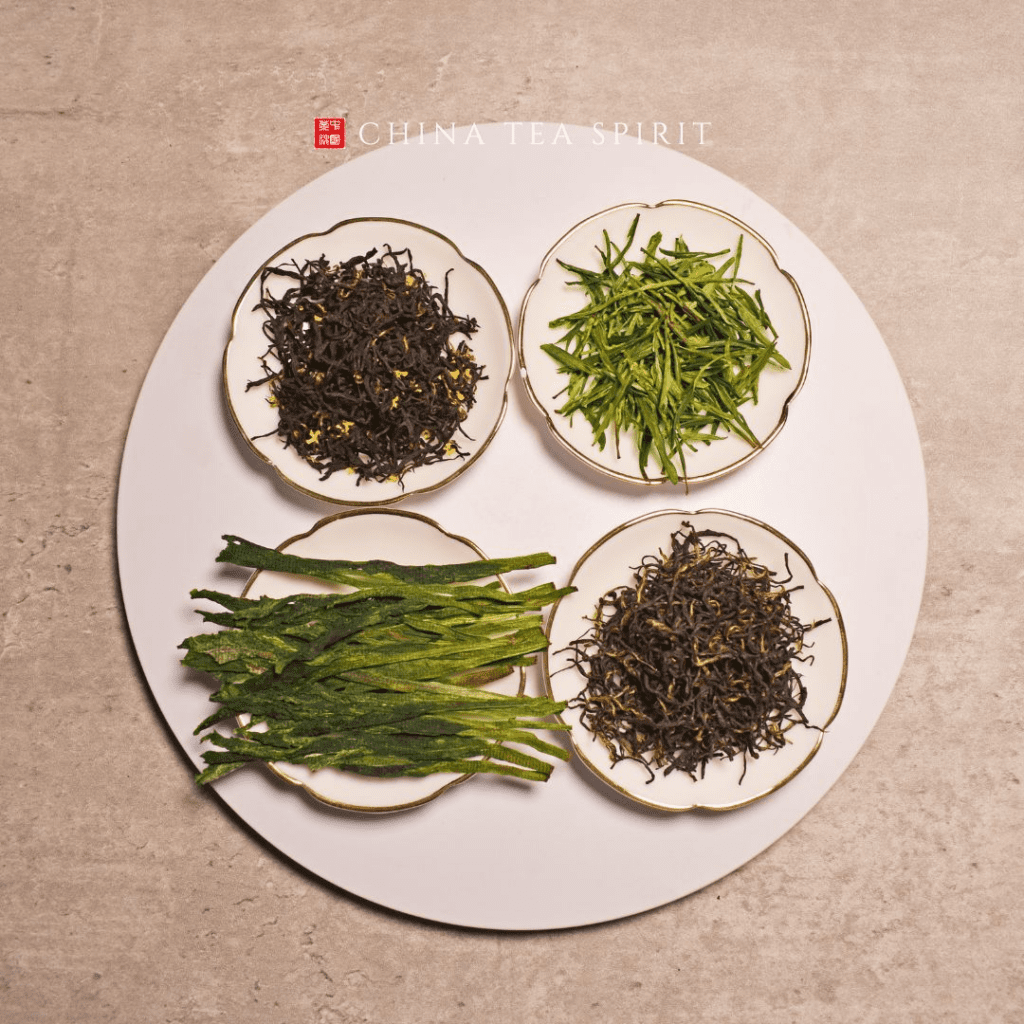
Sample pack including: Huang Shan Mao Feng – 10g Tai Ping Hou Kui – 10g Keemun Mao Feng – 10g Osmanthus Keemun – 10g
We can’t wait to hear from your feedbacks on our teas. Join us on this journey and let us be your guide as you explore the enchanting world of Huang Shan teas.
Please note that the tea and tea wares will be shipped in seperate packages according to customs requirement. Usually tea will come slightly later than the tea wares.
Dear customers,
If you experienced any issues during checkout, please contact us at [email protected]. And we will help you out.
Below we listed common payment errors and their solutions for your reference.
#1: China Tea Spirit does not ship to this location. Please use a different address.
This is a known bug from PayPal. It occurs randomly. If you have seen this error message, please contact us at [email protected]. We will work this out for you.
How a pine fire, a mountain tea-making tradition, and the passage of time shape one of China’s most distinctive black teas.
A traditional tea-smoking house in the Wuyi Mountains is an unusual place to make something delicate.
Pinewood burns below. Heat and smoke move through the building, while tea leaves rest on bamboo trays at different stages of production. The maker has to manage moisture, temperature, airflow and exposure to smoke. Too little control, and the finished tea can become harsh. Done well, the result can be surprisingly gentle beneath its smoky exterior.
Tea plantation at the Dahongpao scenic area, Wuyi Mountains (not the Tongmu tea-smoking house). Photograph: Lennartbj, Wikimedia Commons; CC BY-SA 4.0.
This is the world of Zhengshan Xiaozhong (正山小种), better known internationally as Lapsang Souchong.
For many tea drinkers, Lapsang Souchong is synonymous with smoke. Open the packet and the aroma might suggest a wood fire, a forest cabin or a smoky whisky. Yet traditional Chinese descriptions often mention something quite different alongside the pine: guiyuan tang (桂圆汤), a dried-longan-like sweetness.
It sounds like an unlikely combination. What does smoke have to do with dried fruit?
The fire is part of the craft
The historic home of Zhengshan Xiaozhong is Tongmu, in the Wuyi Mountains of Fujian Province. Its traditional smoked form is associated with the qinglou (青楼), a purpose-built tea-processing house in which pinewood heat and smoke are used during production.
The building is part of the technique. Fresh leaves can be withered in its warmer spaces, while processed leaves are dried or smoked on bamboo trays. In traditional manufacture, the smoke is not merely an aromatic finishing touch. It interacts with the leaves during important stages of their transformation.
A traditional sequence may include withering, rolling, oxidation, a brief high-temperature pan-firing step, re-rolling and smoke-drying. Actual practices vary among producers.
A study of smoked Lapsang Souchong production, published online in 2024, followed changes in volatile aroma compounds during manufacturing. The researchers identified substances contributing to smoky character alongside tea-derived compounds associated with fruity and floral qualities. The fragrance of the finished tea is not simply the smell of burning pine transferred onto leaves.
It is a combination of what the tea plant already contains, what processing develops, and what the smoke introduces.
That distinction matters. A heavily smoked tea can smell overwhelmingly of wood fire, but smoke intensity alone says little about the sweetness, balance or complexity beneath it.
Where does the longan come from?
Longan is a small, sweet fruit familiar across southern China. Once dried, its aroma becomes richer and more concentrated, suggesting warm fruit, honeyed sweetness and sometimes a faint caramel-like depth.
Dried longan shown for comparison; traditional unflavored tea does not contain this fruit. Photograph: Fumikas Sagisavas, Wikimedia Commons; CC0.
When Chinese tea drinkers describe a Zhengshan Xiaozhong as having guiyuan xiang (桂圆香), they are identifying a sensory resemblance. It does not mean longan fruit was added.
Researchers from Wuyi University and collaborating institutions examined Lapsang Souchong samples with different natural aging times. They combined sensory evaluation, analysis of volatile compounds, and experiments that reconstructed and omitted aroma components. The goal was not merely to list the substances present, but to identify which ones mattered for the perception of dried longan.
Three compounds emerged as important contributors: benzaldehyde, geranyl acetate and 2-acetylfuran.
Their interactions were as intriguing as their identities. In the study’s sensory experiments, the three-component mixture produced a synergistic effect on the dried-longan-like impression. Its combined impact could not be understood by considering each compound in isolation.
This is one reason tea aroma can be difficult to explain using a single ingredient or flavor note. Our nose encounters a mixture, and the whole can smell different from its individual parts.
There is no single molecule that simply is the smell of dried longan.
What four years changed
The same study found another interesting pattern. As the sampled teas aged, the balance of their aromas shifted: younger samples emphasized pine smoke, sweetness and fruitiness; dried-longan-like character became more prominent in an intermediate-aged sample; and later samples showed stronger woody and aged notes.
In the researchers’ comparison, a four-year-aged tea had the strongest dried-longan-like character. The most interesting stage, in other words, was not necessarily the oldest one.
This challenges the tempting idea that time always improves tea. Aging can change the relative prominence of aromas, making some notes easier to perceive as others fade or develop. But that does not guarantee a better cup.
Storage conditions matter. So do the starting leaves, the initial processing, moisture exposure and individual preferences. The study examined particular samples; it did not establish four years as an ideal age for all Lapsang Souchong.
Two tasting cups of Zhengshan Xiaozhong; the image does not document the study’s aging samples. Photograph: Difference engine, Wikimedia Commons; CC BY-SA 4.0.
Not every Zhengshan Xiaozhong is smoky
Today, Zhengshan Xiaozhong is produced in both smoked and unsmoked styles. Unsmoked versions can emphasize the tea’s own floral, honeyed and fruity character without the strong influence of pinewood smoke. This can surprise people who have always understood Lapsang Souchong as intensely smoky black tea.
The distinction is worth exploring rather than treating one style as automatically more authentic or sophisticated than the other. Traditional smoked tea expresses a particular historical craft; unsmoked styles reveal a different balance of the leaf’s characteristics.
Try the two side by side, ideally from producers who can identify the origin and processing of their teas. Smell the dry leaves first. With the smoked tea, notice whether the pine aroma resembles clean wood smoke or something sharper and more acrid. After brewing, look for what sits underneath: a rounded sweetness, perhaps something recalling dried fruit, or a lingering woody character.
Then return to the unsmoked tea. Without a dominant smoke note, other fragrances may become easier to distinguish. There is no need to force a longan description if it is not what you smell. Flavor notes are comparisons, not ingredients, and different people recognize different associations.
Perhaps the most revealing moment comes after the tea has cooled slightly, as the strongest steam dissipates and subtler notes become easier to notice.
A tea-table scene with an Yixing teapot and Lapsang tea. Photograph: Markus Kniebes, Wikimedia Commons; CC0.
More than the smell of smoke
It is tempting to describe traditional Lapsang Souchong as tea preserved by fire. But that leaves out the people who learned how to use fire with precision.
The pinewood, the architecture of the smoking house, the handling of the leaves and the judgment of the maker all help shape the finished cup.
Time may reshape that fragrance further, sometimes bringing a dried-longan-like quality into sharper focus. Yet the best expression is not simply the smokiest or the oldest.
It is the tea in which the fire still leaves room for the leaf.
For another example of how processing, rather than added flavoring, produces a distinctive fragrance in Chinese black tea, read our exploration of Keemun’s floral aroma.