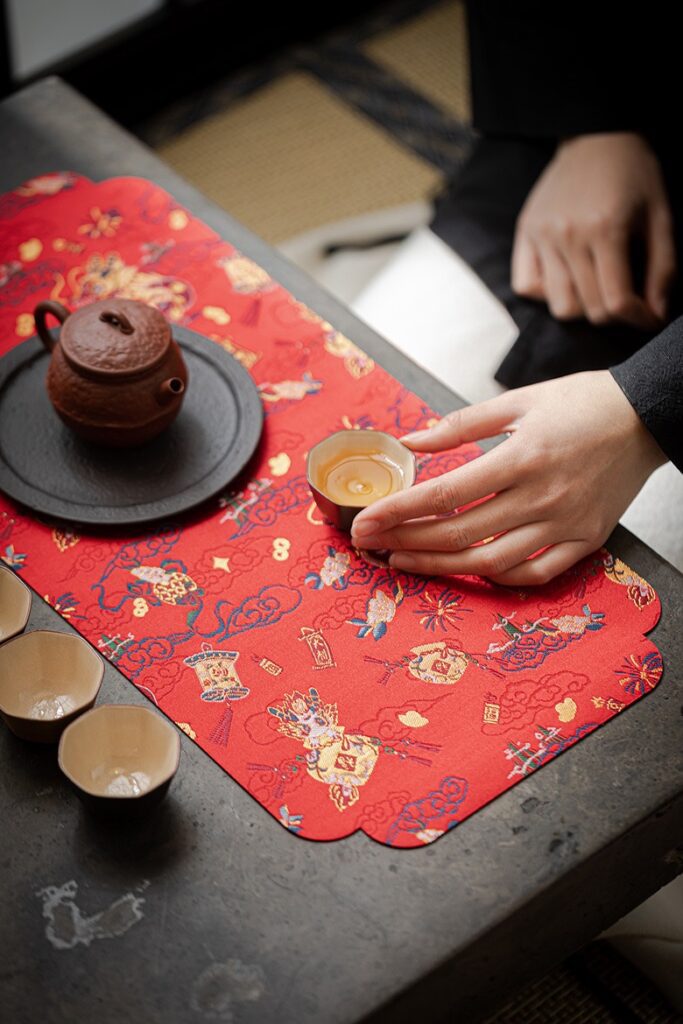
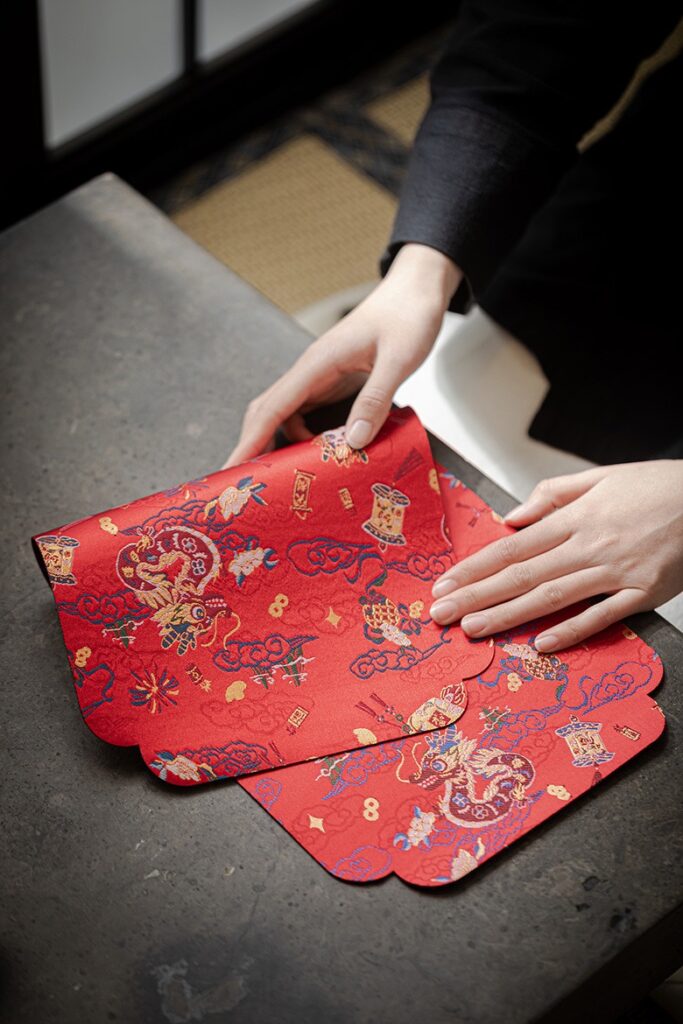
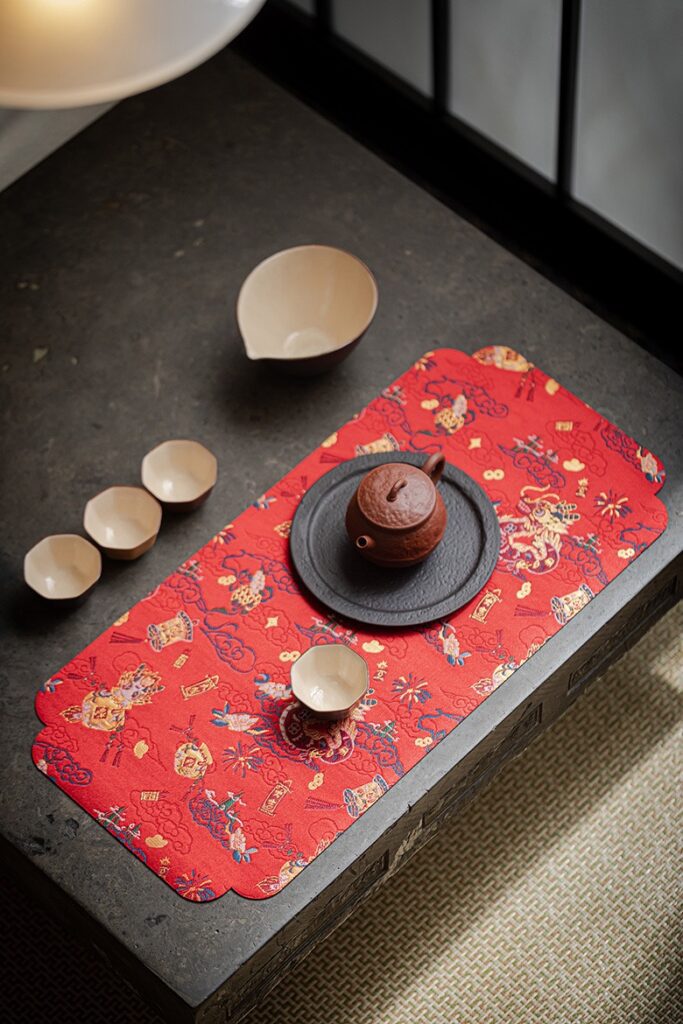
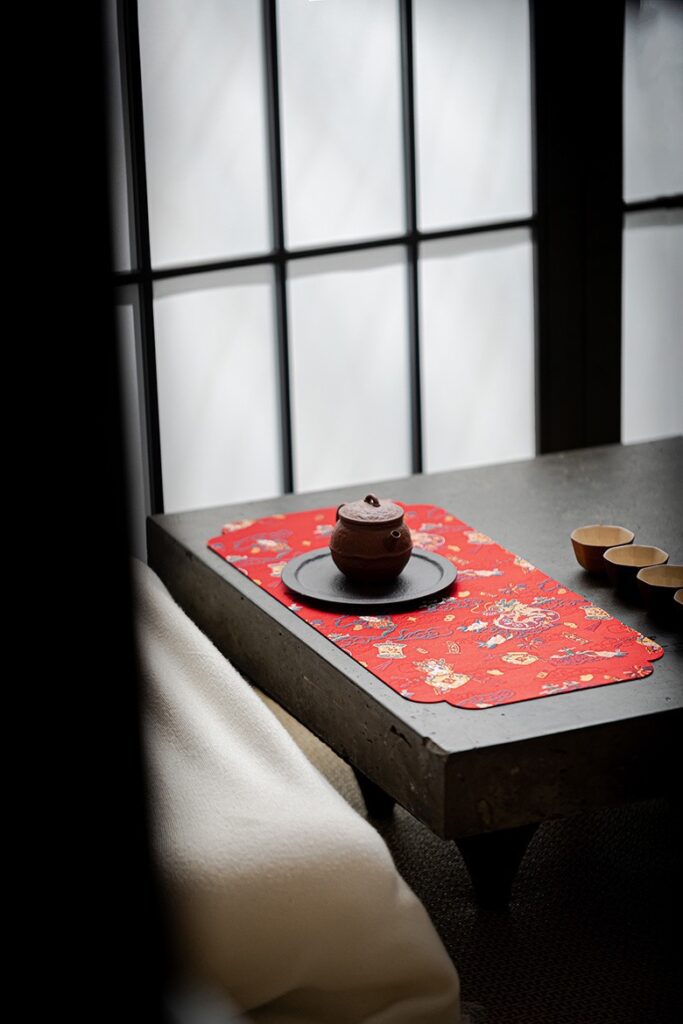
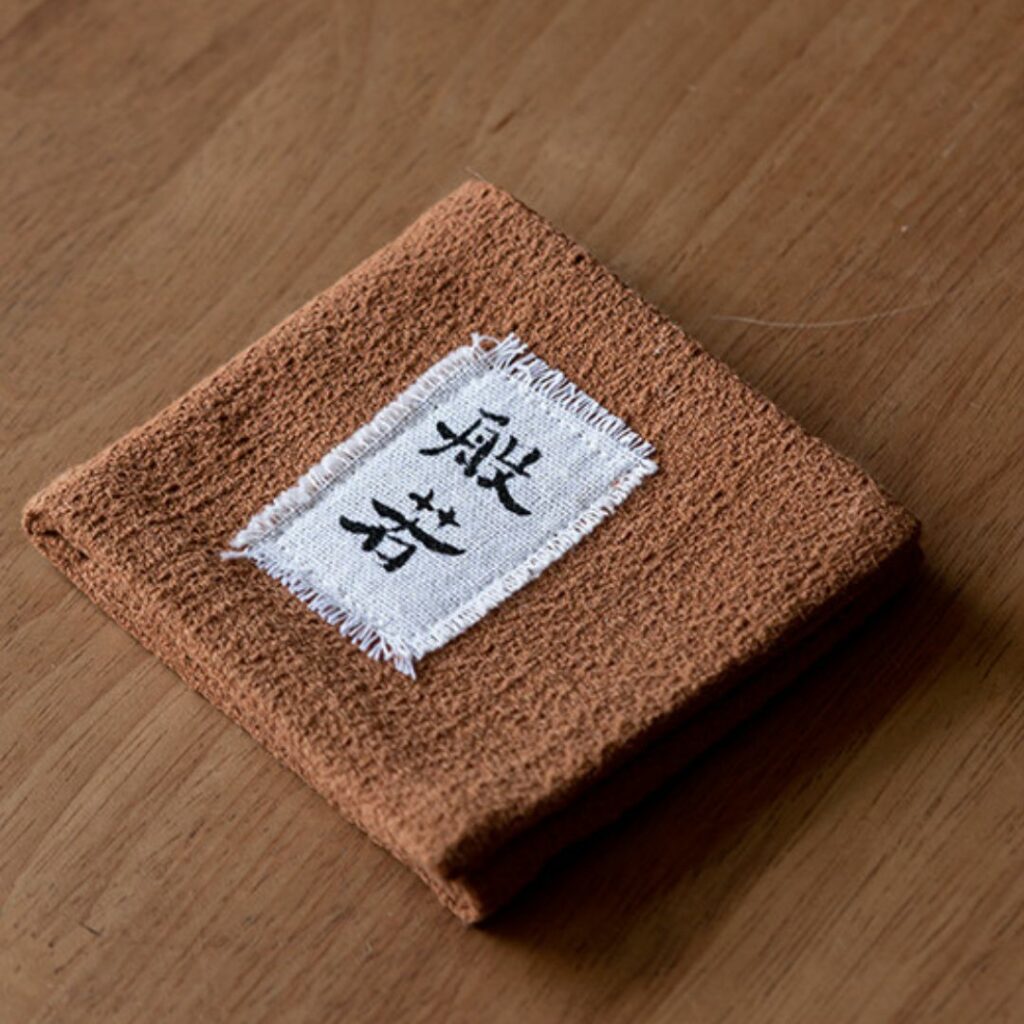
Hey tea lovers! 🐉✨ Exciting news as we step into the Dragon Year of 2024 - with Yixing teapot purchase, we're gifting you an exclusive Dragon Year style tea mat to add that extra flair to your tea rituals. It's our way of celebrating with you, but remember, it's a limited-time offer! Don't miss out on making your tea sessions even more special with this mystical addition. 🍵💫
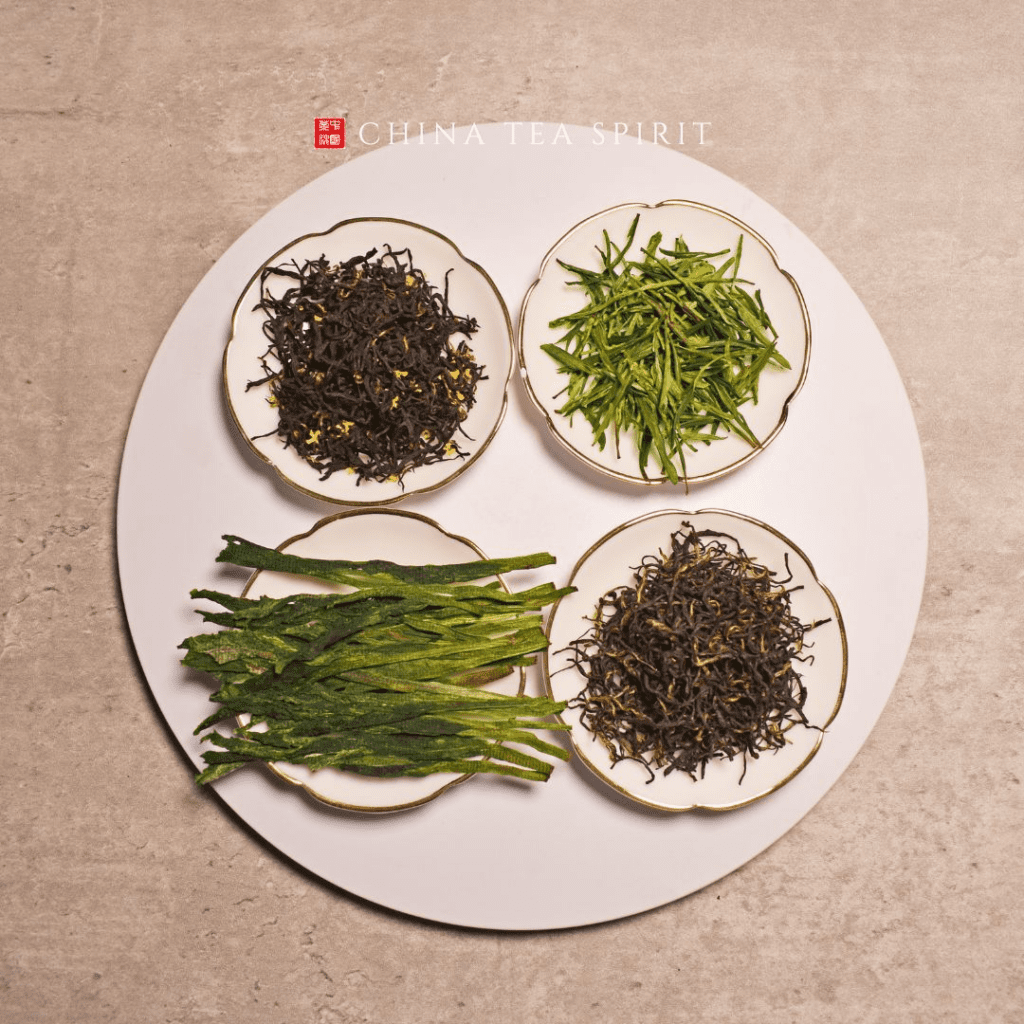
Hey tea lovers! While many of you know us as a premium Chinese tea wares company. We also specialized in teas in Huang Shan region. Huang Shan is home to the most famous Chinese teas – Huang Shan Mao Feng, Keemun and Tai Ping Hou Kui. As natives of this breathtaking place, we have a deep connection to the land and its rich tea heritage.
We understand that finding the perfect tea can be a personal journey, which is why we offer our sample pack. It allows you to explore the diverse flavors of Huang Shan teas and discover the one that resonates with your taste buds.
Each of the teas are sourced and produced directly from the tea farmers, ensuring the quality and the authentic taste.
Sample pack including: Huang Shan Mao Feng – 10g Tai Ping Hou Kui – 10g Keemun Mao Feng – 10g Osmanthus Keemun – 10g
We can’t wait to hear from your feedbacks on our teas. Join us on this journey and let us be your guide as you explore the enchanting world of Huang Shan teas.
Please note that the tea and tea wares will be shipped in seperate packages according to customs requirement. Usually tea will come slightly later than the tea wares.
Dear customers,
If you experienced any issues during checkout, please contact us at cary.wang@cnteaspirit.com. And we will help you out.
Below we listed common payment errors and their solutions for your reference.
#1: China Tea Spirit does not ship to this location. Please use a different address.
This is a known bug from PayPal. It occurs randomly. If you have seen this error message, please contact us at cary.wang@cnteaspirit.com. We will work this out for you.
This is one of our series posts on Shapes of the Yixing Teapot. If you are interested in more of them, please refer to this post for more on Yixing Teapot Shapes.
(The “Jewelled Box” of the Mansheng Eighteen Styles)
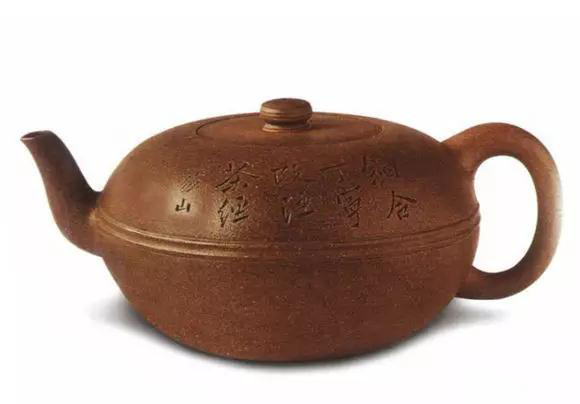
In the world of Yixing teapots, Dian He 钿合壶 stands out not just as a vessel, but as a love poem in clay. Its name, Dian He, literally means “jewelled box” — a reference to the ornate cases once used to store precious ornaments or tokens of affection.
The Inspiration: From Love Tokens to Tea Art
In ancient China, Dian He (钿盒) were intricately decorated boxes inlaid with gold, pearls, and gemstones — gifts exchanged between lovers or betrothed couples. They were symbols of commitment, beauty, and refined craftsmanship.
The great Qing scholar-official Chen Mansheng (陈鸿寿) reimagined this intimate object as a teapot. Working with the celebrated potter Yang Pengnian (杨彭年), he transformed the Dian He’s romantic symbolism into something both practical and poetic.
Their creation became one of the “Eighteen Mansheng Styles” — a timeless fusion of literati aesthetics and artisan mastery.
Mansheng inscribed his Dian He pot with these words:
“The jewelled box whispers softly — rewriting the Classic of Tea.”
The phrase plays on a clever transformation: the box that once held jewelry now holds tea, turning a symbol of courtship into one of contemplation.
The Form: A Dialogue of Elegance and Emotion
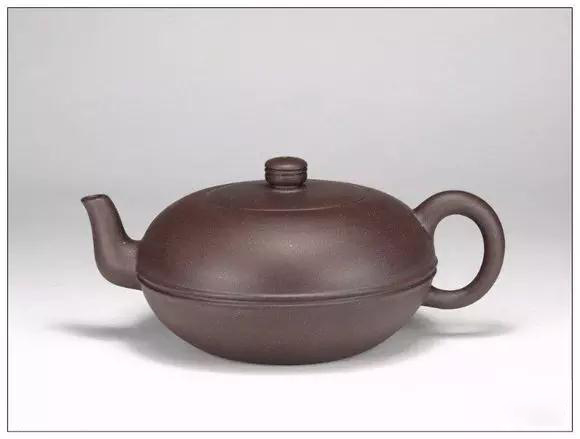
The Dian He teapot takes its shape from the old lacquer and porcelain boxes of the Song and Ming dynasties — two flattened ovals joined by a central decorative band. The design is both balanced and emotive:
Body: soft, round, and low, recalling the form of an antique jewellery case.
Middle band: a subtle raised ridge symbolizing the union of two hearts.
Lid: flat and gently embedded, with a small round knob echoing the pot’s own form.
This harmony of line and proportion gives the Dian He an almost tactile warmth. As art historian Gao Zhenyu described it:
“Its contours are clear, its surface smooth as jade.”
Layers of Meaning
The Dian He is more than aesthetic refinement — it’s a vessel of sentiment. In literature, the jewelled box often appeared as a token of longing or fidelity. Tang poet Xue Neng wrote:
“The jewelled box holds embroidered secrets deep, A token of the night’s shared affection.”
Mansheng’s Dian He carries that emotional undercurrent into the world of tea: A pot that turns passion into poetry, sentiment into ceremony.
Imagine it — a spring afternoon, the first buds of tea steeping inside a Dian He pot, shared between two kindred spirits. Tea becomes the conversation, the teapot becomes the bridge.
Craftsmanship and Legacy
The original Dian He pots were made from fine Yixing zisha clay, their sandy texture resembling tiny pearls — like scattered shell inlay. The detailing, from the banded middle ridge to the smooth curves, demanded exceptional skill.
Over time, the Dian He’s design evolved but kept its quiet grace. Each version maintained that sense of intimacy — a pot meant not for grand ceremonies, but for shared, personal tea moments.
Today, collectors prize it for exactly that quality: subtlety, emotion, and perfect balance. Its form still whispers the same story Mansheng imagined two centuries ago — that tea, like love, is best when both heart and hand meet in harmony.
The Spirit of Dian He
The Dian He Yixing teapot is the most romantic of the Mansheng forms — a bridge between art and affection. It reminds us that beauty isn’t just in form or material, but in the intention behind it: to pour warmth, grace, and meaning into the everyday act of making tea.
In a quiet corner, a pot like this doesn’t just hold tea. It holds sentiment — and perhaps, a memory of someone dear.