Versandpause während der Feiertage – Wiederaufnahme am 8. Oktober. Feiern Sie das Mittherbstfest mit 10% Rabatt unter Verwendung des Codes „ctsmooncake“. SchließenZum Inhalt springen
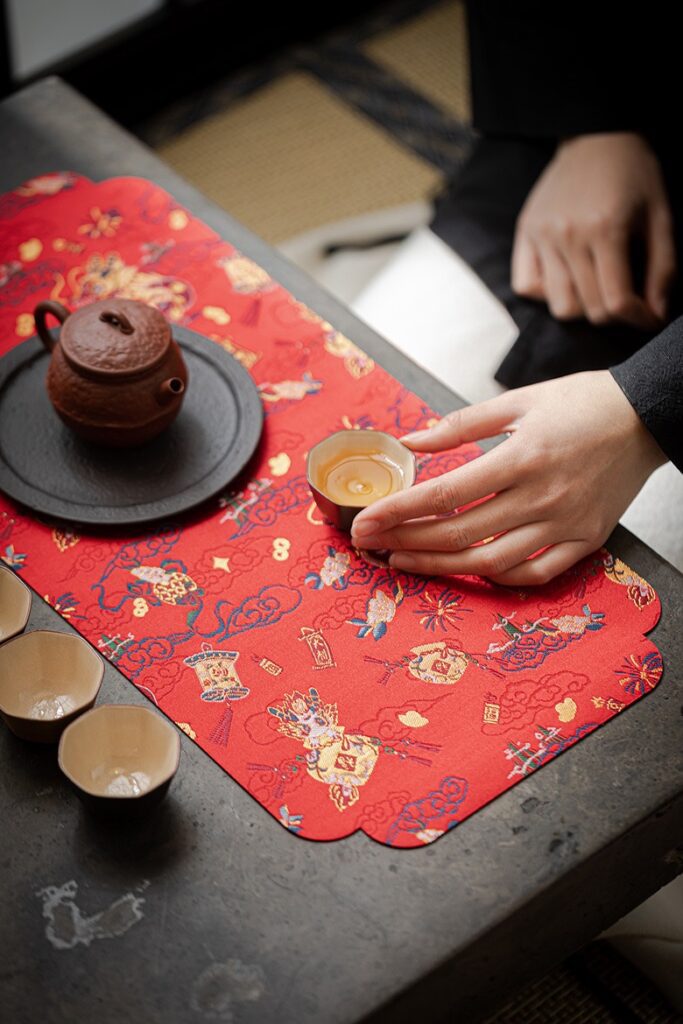
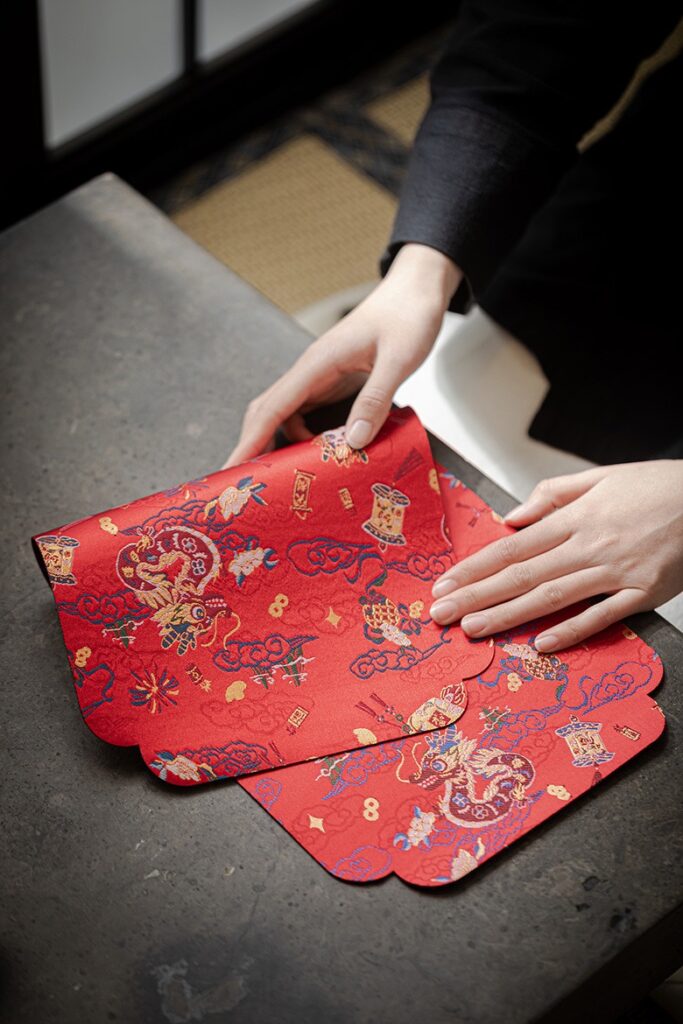
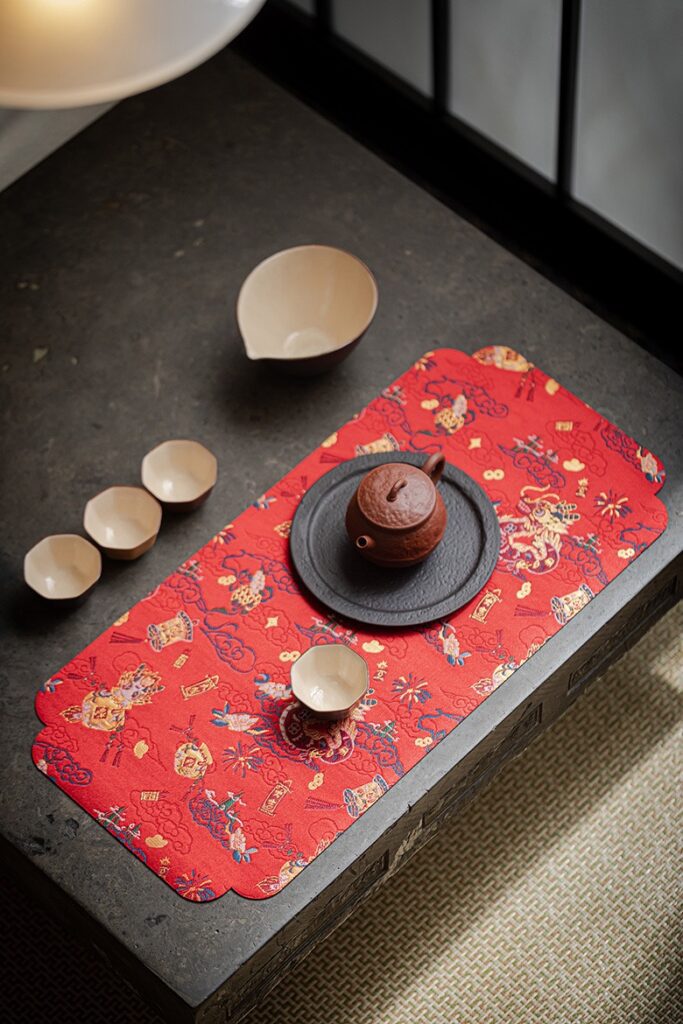
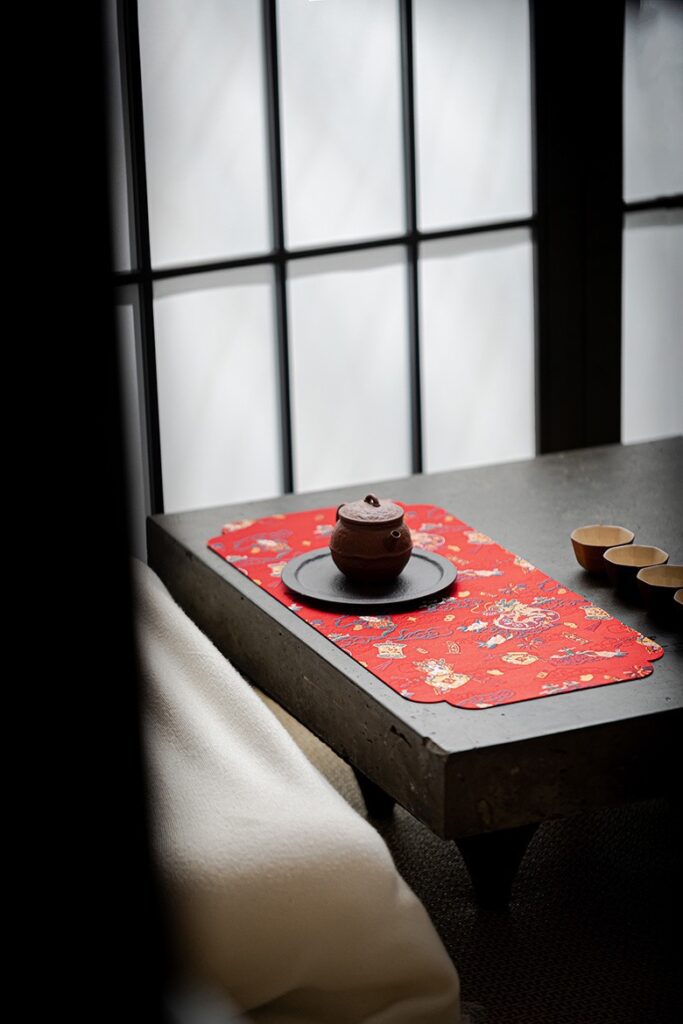
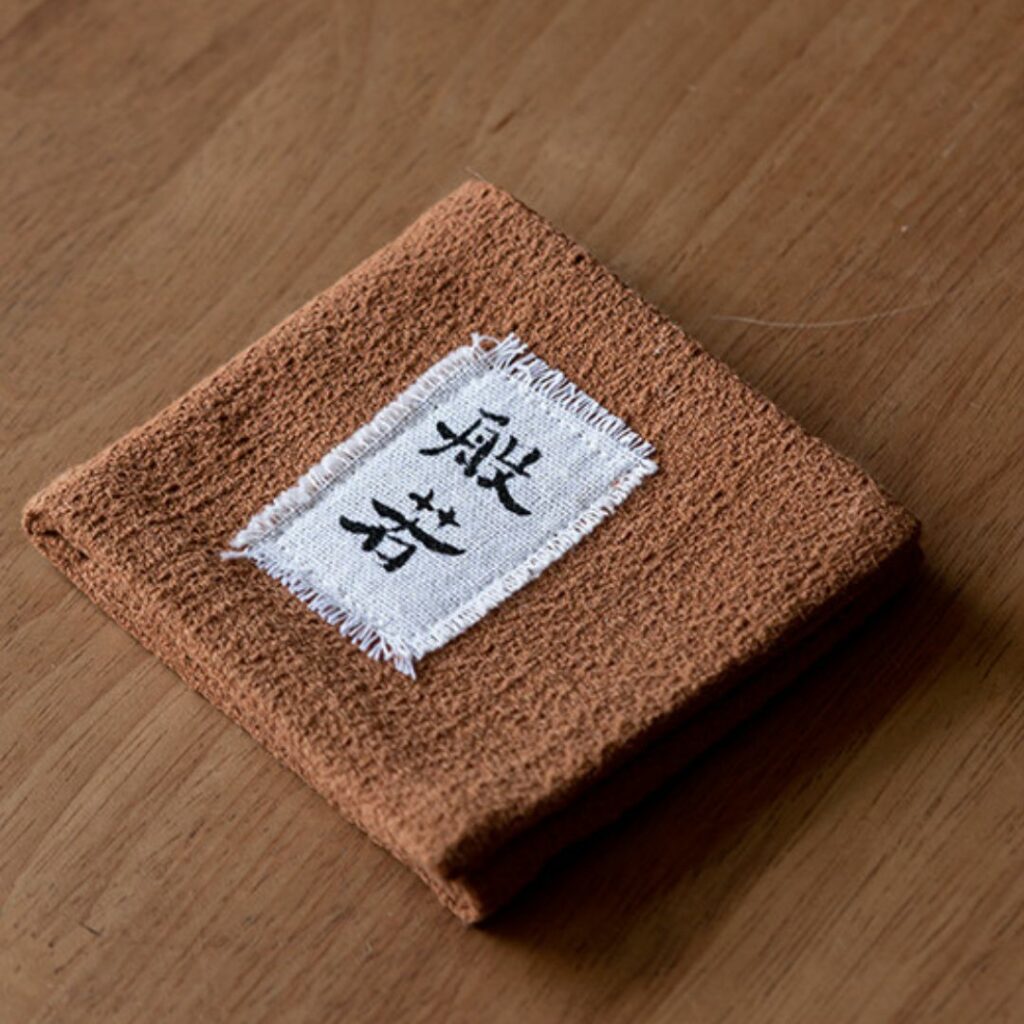
Hallo Teeliebhaber! 🐉✨ Spannende Neuigkeiten zum Start ins Jahr des Drachen 2024 – beim Kauf einer Yixing-Teekanne schenken wir euch eine exklusive Teematte im Stil des Jahres des Drachen, die euren Teeritualen das gewisse Etwas verleiht. So möchten wir gemeinsam mit euch feiern, aber denkt daran: Dieses Angebot gilt nur für begrenzte Zeit! Lasst euch die Gelegenheit nicht entgehen, eure Teestunden mit diesem mystischen Accessoire zu etwas ganz Besonderem zu machen. 🍵💫
Hallo, liebe Teeliebhaber! Viele von euch kennen uns zwar als Anbieter hochwertiger chinesischer Teegeschirre. sind wir auch auf Tees aus der Region Huang Shan spezialisiert. Huang Shan ist die Heimat der berühmtesten chinesischen Teesorten – Huang Shan Mao Feng, Keemun und Tai Ping Hou Kui. Als Einheimische dieses atemberaubenden Ortes haben wir eine tiefe Verbindung zu dieser Gegend und ihrem reichen Tee-Erbe.
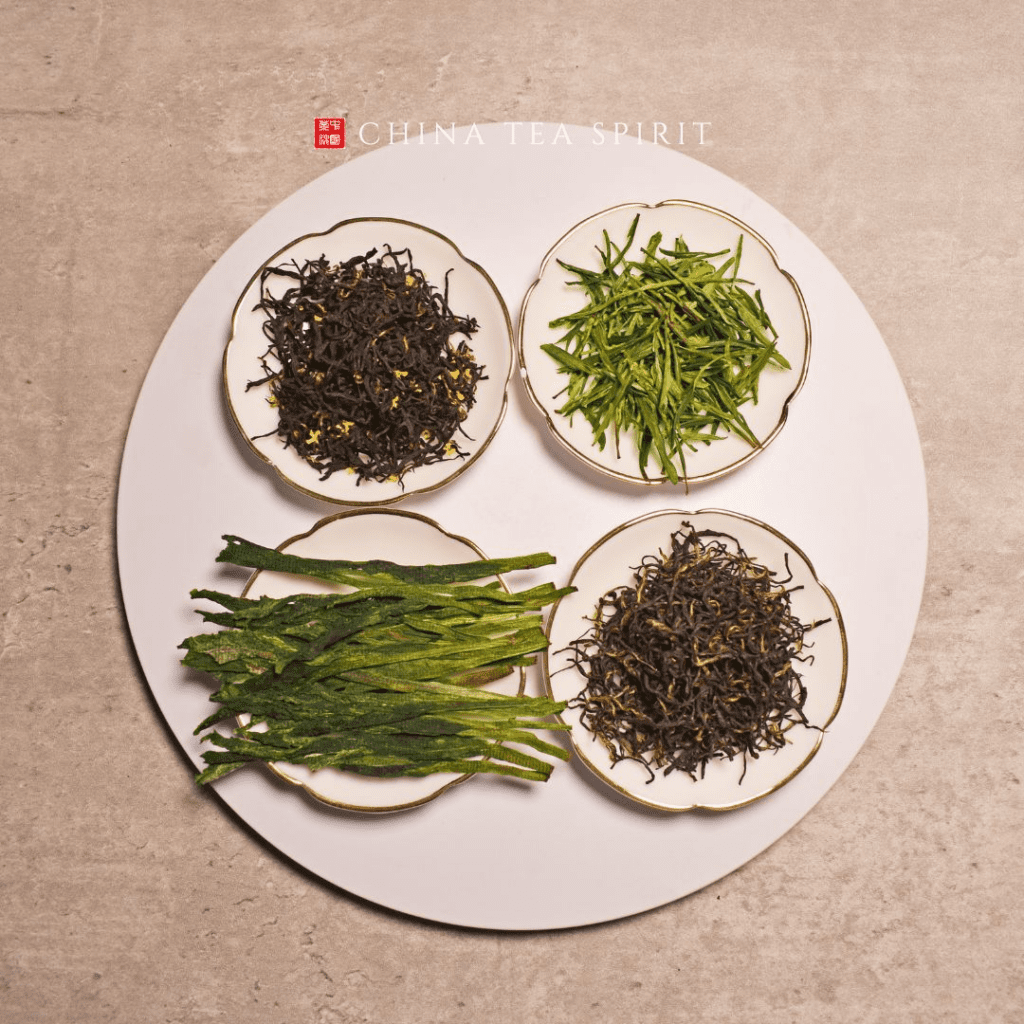
Wir wissen, dass die Suche nach dem perfekten Tee eine ganz persönliche Reise sein kann – deshalb bieten wir unser Probierpaket an. Damit können Sie die vielfältigen Aromen der Huang-Shan-Tees erkunden und denjenigen entdecken, der Ihren Geschmack trifft.
Jeder dieser Tees wird direkt von den Teebauern bezogen und verarbeitet, wodurch die Qualität und der authentische Geschmack gewährleistet sind.
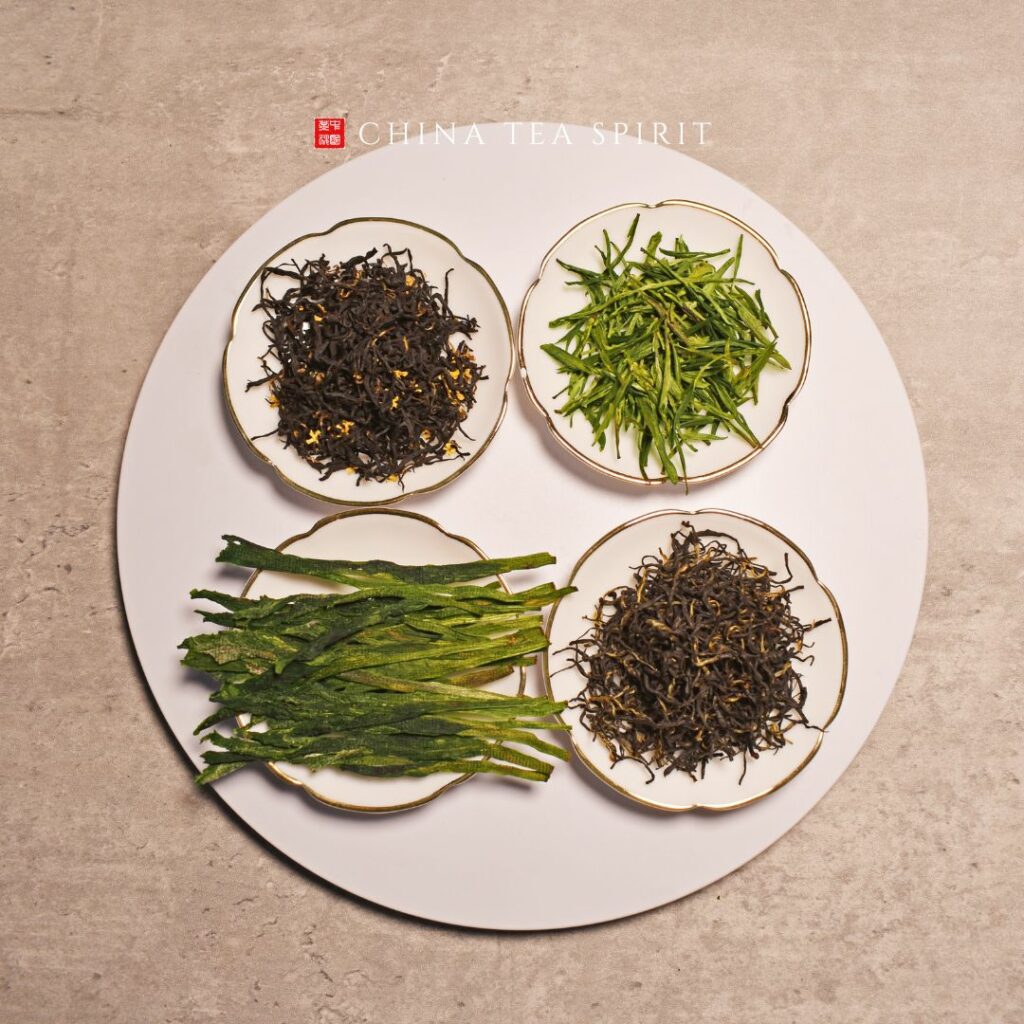
Probierset mit folgendem Inhalt: Huang Shan Mao Feng – 10 g Tai Ping Hou Kui – 10 g Keemun Mao Feng – 10 g Osmanthus Keemun – 10 g
Wir freuen uns schon sehr auf Ihr Feedback zu unseren Teesorten. Begleiten Sie uns auf dieser Reise und lassen Sie sich von uns durch die bezaubernde Welt der Huang-Shan-Tees führen.
Bitte beachten Sie, dass der Tee und das Teegeschirr gemäß den Zollvorschriften in separaten Paketen versandt werden. In der Regel trifft der Tee etwas später ein als das Teegeschirr.
Sehr geehrte Kunden,
Sollten beim Bezahlvorgang Probleme aufgetreten sein, kontaktieren Sie uns bitte unter [email protected]. Und wir werden dir dabei helfen.
Im Folgenden haben wir häufige Zahlungsfehler und deren Lösungen als Orientierungshilfe für Sie aufgelistet.
#1: China Tea Spirit liefert nicht an diesen Standort. Bitte geben Sie eine andere Adresse an.
Dies ist ein bekannter Fehler bei PayPal. Er tritt zufällig auf. Falls Ihnen diese Fehlermeldung angezeigt wurde, kontaktieren Sie uns bitte unter [email protected]. Wir werden das für Sie regeln.
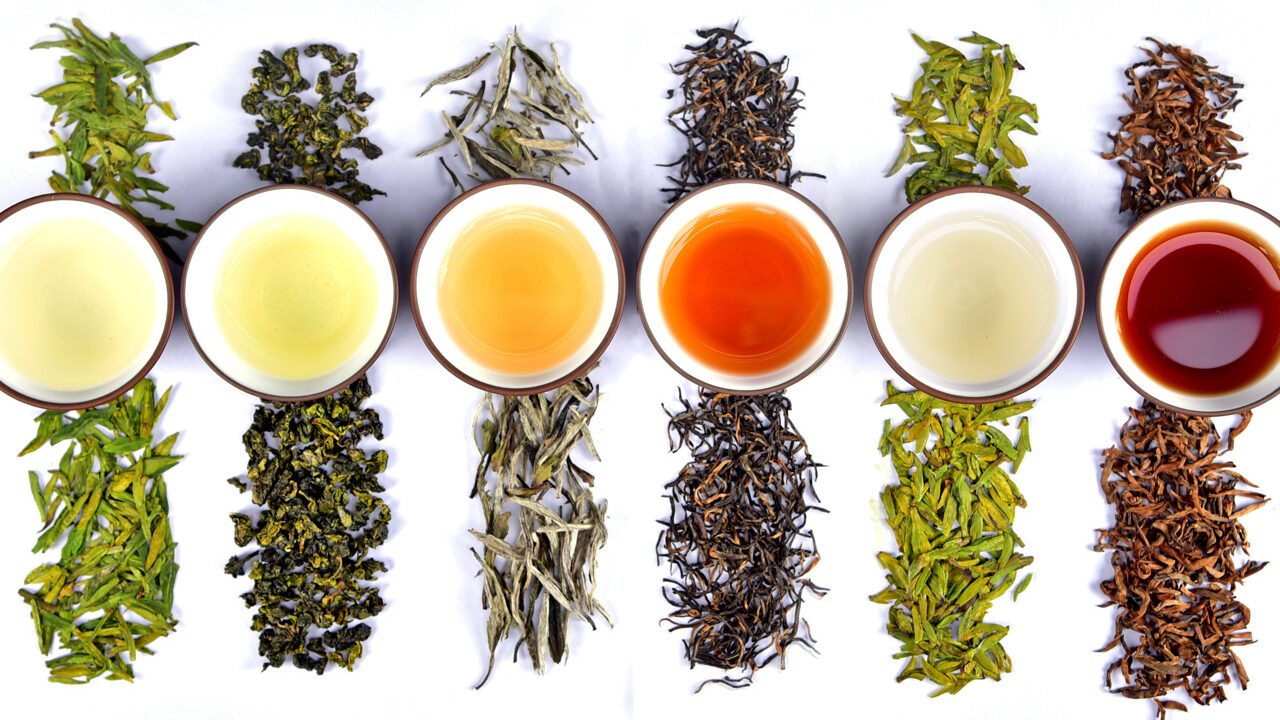
The six main types of Chinese tea are green, white, yellow, oolong, black and dark tea. They are distinguished by how the leaves are processed, rather than simply by the colour of the finished drink.
One naming detail makes a big difference: hong cha (红茶) is black tea in English, although its Chinese name means “red tea”. Hei cha (黑茶) is dark tea, a different category associated with microbial fermentation. Keeping those two names separate makes Chinese tea much easier to explore.
Six types of Chinese tea at a glance
Tea type
Chinese name
Main processing difference
Examples
Grüner Tee
绿茶 · lü cha
Heated early to limit oxidation, then shaped and dried
Longjing, Huangshan Mao Feng, Taiping Hou Kui
Weißer Tee
白茶 · bai cha
Withered and dried with relatively little handling
Silver Needle, White Peony, Shou Mei
Yellow tea
黄茶 · huang cha
Includes a covered yellowing step
Junshan Yin Zhen, Mengding Huang Ya, Huoshan Huang Ya
Oolong-Tee
乌龙茶 · wulong cha
Partially oxidised; style varies with processing and roasting
Tieguanyin, Wuyi rock tea, Phoenix Dancong
Schwarztee
红茶 · hong cha
Oxidised before final drying
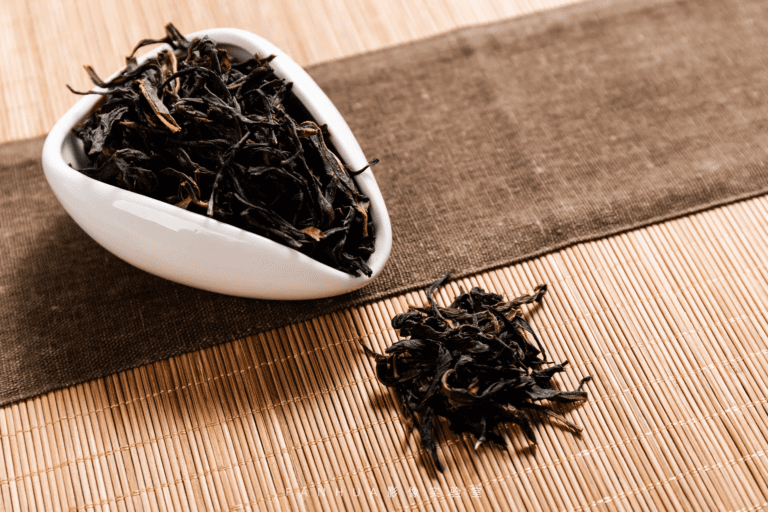
Keemun, Dian Hong, Zheng Shan Xiao Zhong
Dark tea
黑茶 · hei cha
Microbial fermentation is part of its processing or maturation
Liubao, Qimen An Cha, ripe Pu-erh
Oxidation and microbial fermentation are different processes. Older descriptions often use “fermentation” for both, but the distinction helps explain why black tea and dark tea belong to different categories.
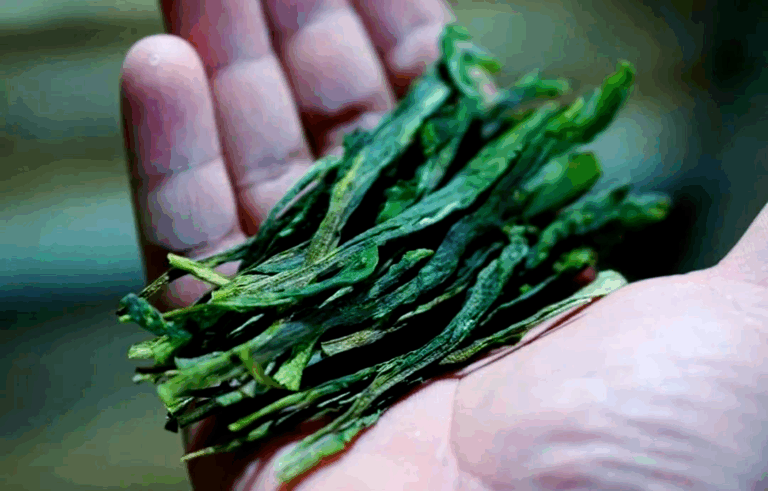
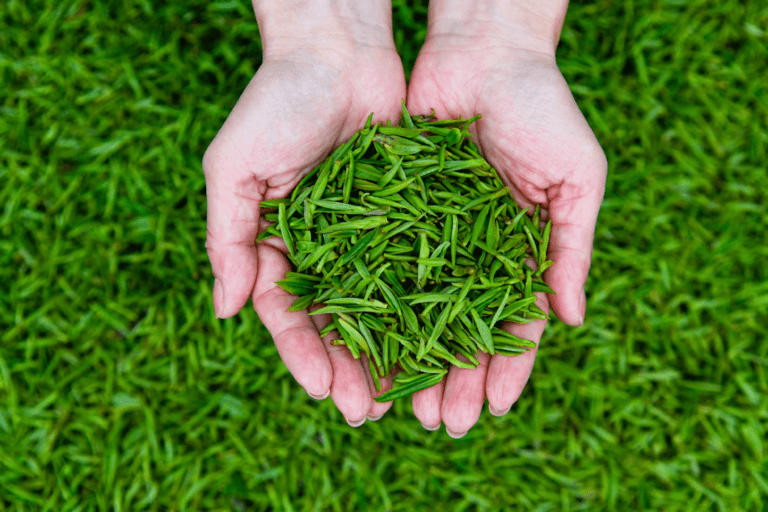
Green tea is heated early in processing to limit oxidation. It is then shaped and dried.
This early heating helps preserve the leaves’ green character. Pan-firing and steaming are two ways of applying that heat; the exact method depends on the tea.
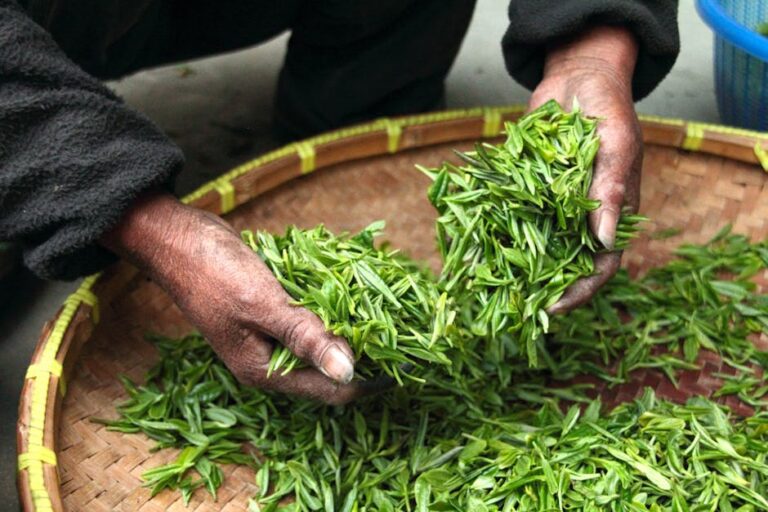
Der Herstellungsprozess umfasst die Schritte „Sha Qing“ (Grünstopp), Kneten und Trocknen. Beim „Sha Qing“ werden oxidierende Enzyme durch hohe Temperaturen inaktiviert, um die Oxidation der Teeblätter zu verhindern und die grüne Farbe zu bewahren. Das Kneten dient zum einen der Formgebung und zum anderen dazu, die Zellen der Teeblätter aufzubrechen, damit der Tee mehrfach aufgegossen werden kann. Das Trocknen erleichtert nicht nur die Lagerung der Teeblätter, sondern verstärkt zudem das Aroma.
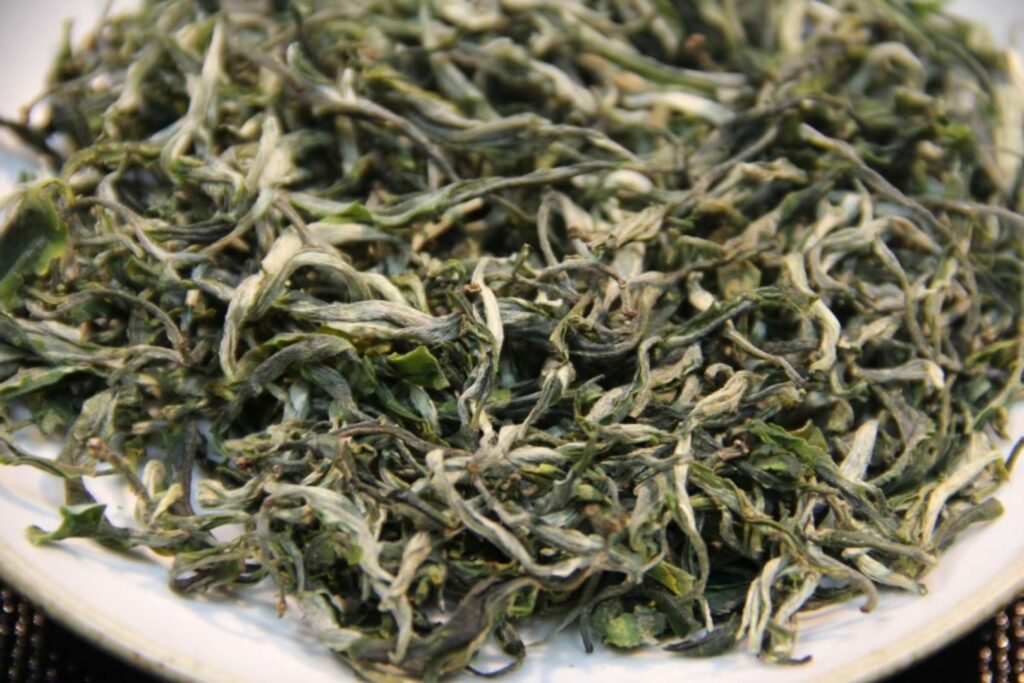
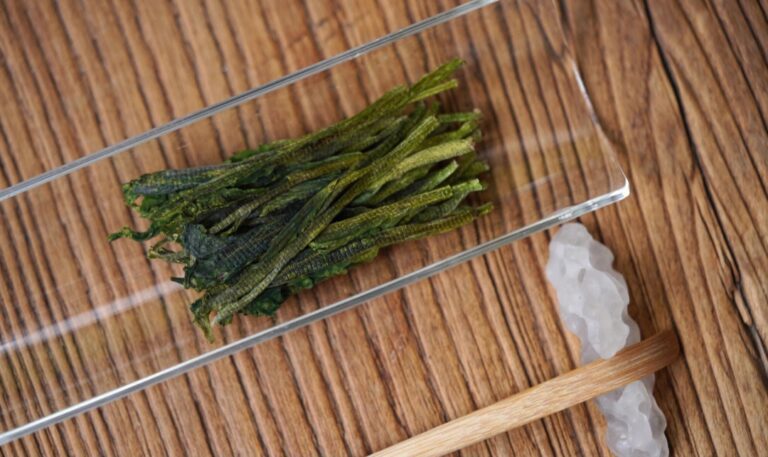
Zu den bekanntesten Grünteesorten gehören der weiße Tee aus Anji, Huangshan Mao Feng, Taiping Hou Kui, Xihu Dragon Well, Xinyang Mao Jian, Bi Luo Chun und so weiter.
Lesen Sie weitere Artikel über chinesischen Grüntee.
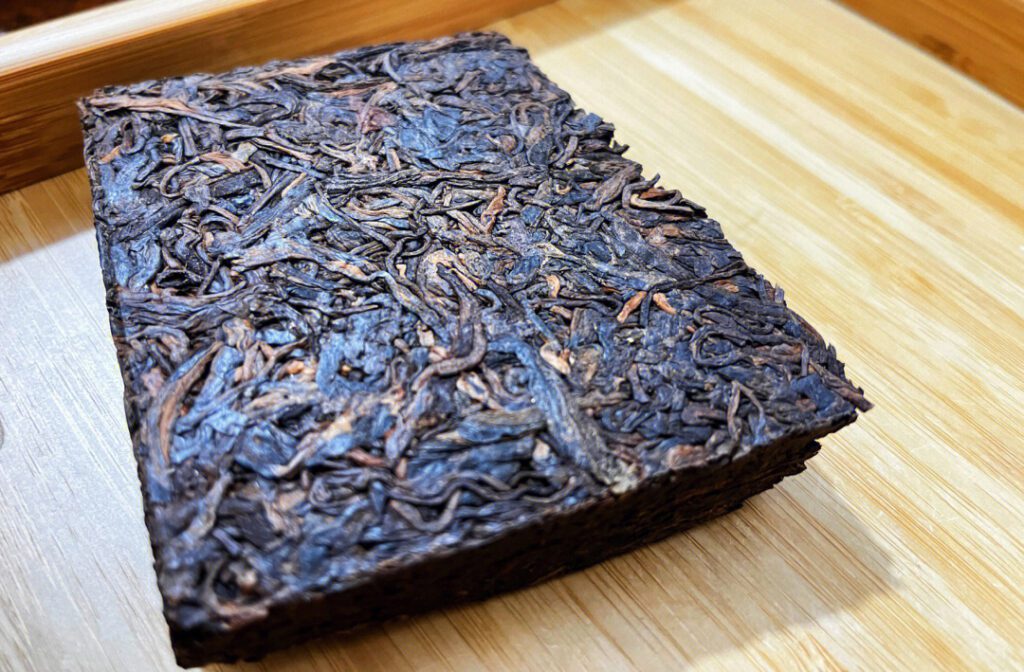
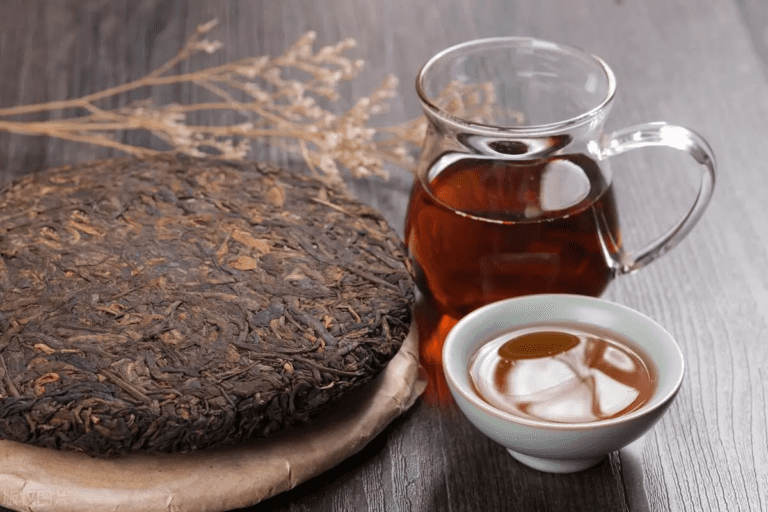
Dark tea, or hei cha, is associated with microbial fermentation after the initial processing of the leaves. It is a different category from the tea called black tea in English.
Examples include Liubao from Guangxi and Qimen An Cha from Anhui. Ripe Pu-erh is also commonly discussed alongside dark tea. Pu-erh includes both raw (sheng) and ripe (shou) styles, which should not be treated as one identical processing method.
The name hei cha literally means “black tea”, but “dark tea” is the clearer English term here. In English, black tea usually means hong cha (红茶).
Weitere Informationen zum chinesischen Schwarztee finden Sie hier.
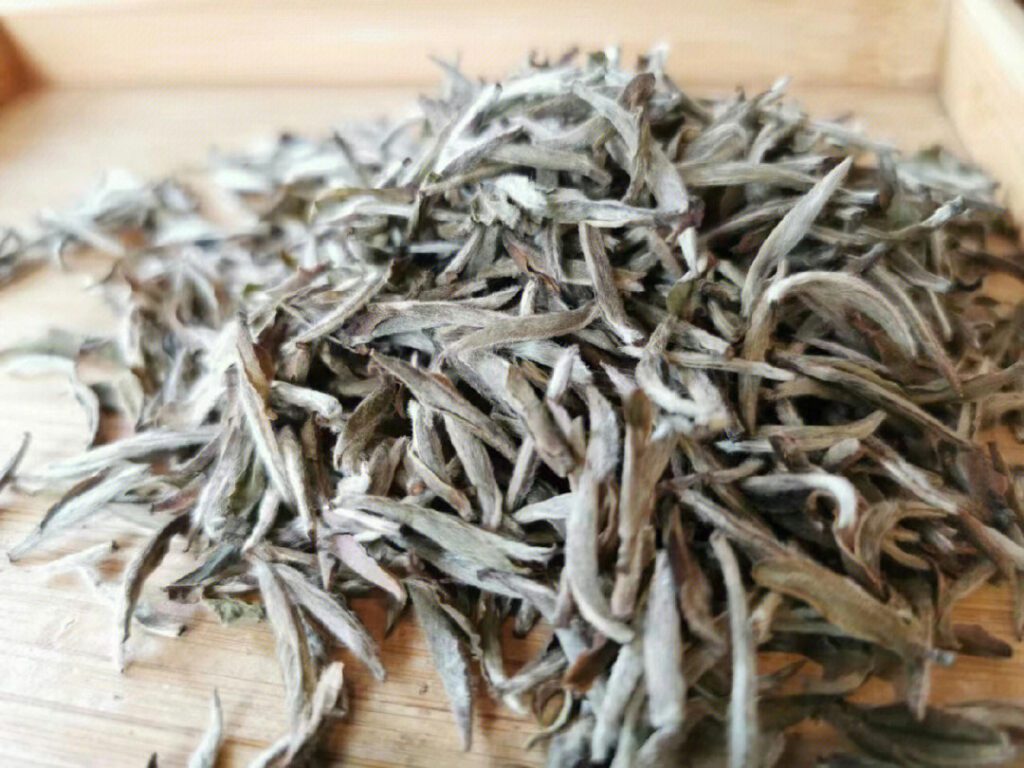
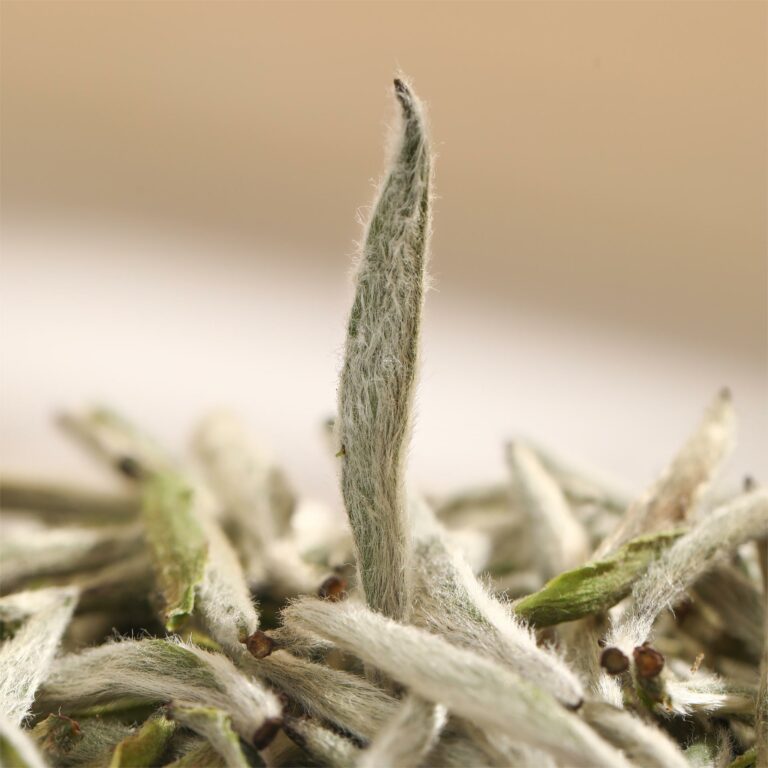
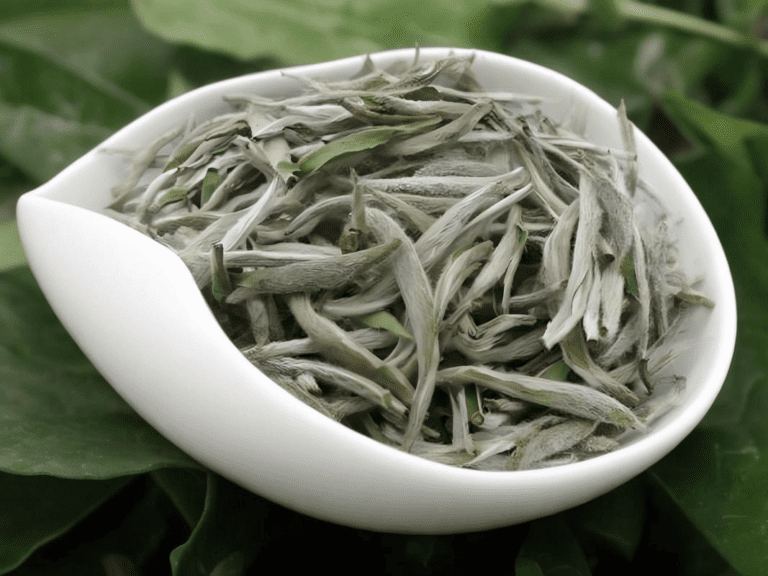
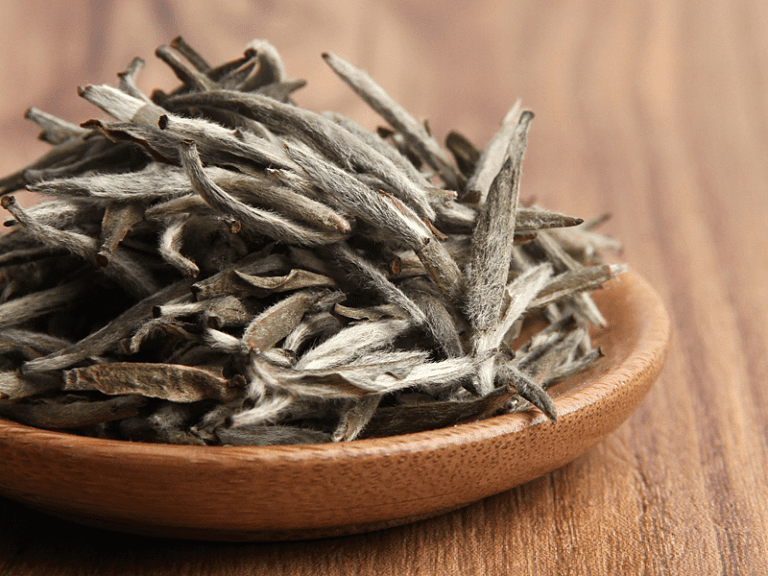
White tea is mainly made by withering and drying, with relatively little handling of the leaves. It is produced mainly in Fuding, Zhenghe, Songxi and Jianyang counties in Fujian. It is processed without frying or kneading. The tea leaves are dried in the sun or with a gentle fire. Thus, the white hairs remain intact. The white tea has a complete bud and hair, full of hair appearance characteristics, as well as the characteristics of fresh fragrance, yellow-green color and clear broth, light and sweet taste.
Weißer Tee wird in Knospentee und Blatttee unterteilt. Der Tee mit einer einzigen Knospe wird als “Silbernadel” bezeichnet. Der Tee mit einer Knospe und zwei oder drei Blättern ist “Weiße Pfingstrose”. Außerdem gibt es “Gong Mei / Shou Mei”, der in der Regel aus drei Blättern oder weniger besteht.
Lesen Sie weitere Artikel über chinesischen Weißtee.
Kann man gereiften weißen Tee nach der Gongfu-Zubereitung aufkochen? Hier erfahren Sie, warum Shou Mei noch mehr zu bieten hat, wie man ihn köchelt und wann das Aufkochen nicht die richtige Wahl ist.
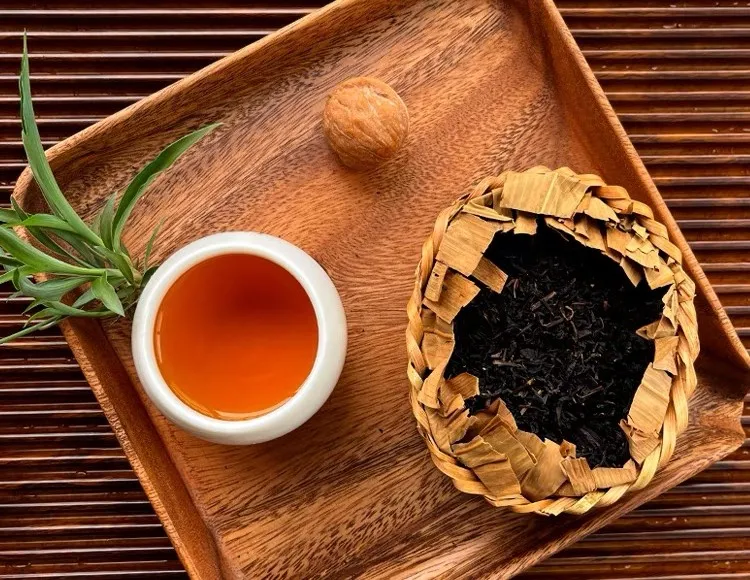
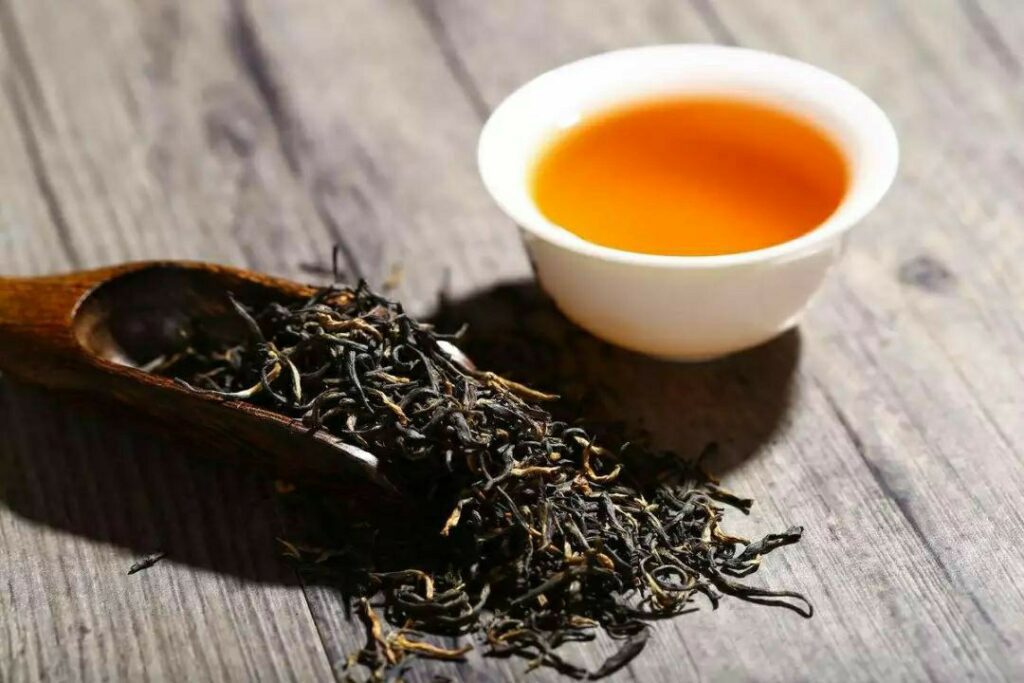
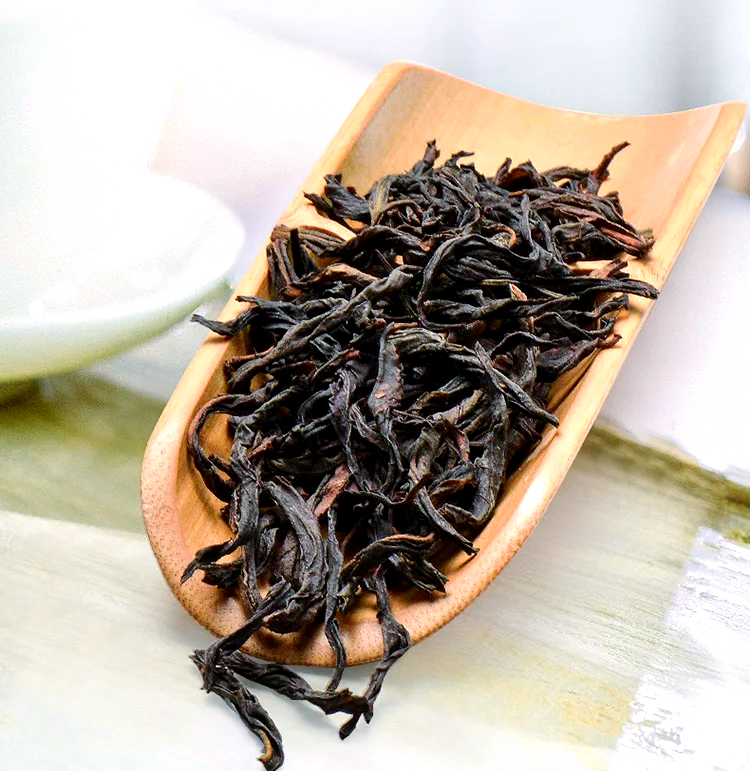
Black tea is called hong cha (红茶), or “red tea”, in Chinese. The English and Chinese names refer to the same category. The leaves are withered and rolled, then allowed to oxidise before drying. This oxidation helps develop the tea’s colour and flavour.
Examples of Chinese black tea include Zheng Shan Xiao Zhong, Jin Jun Mei, Dian Hong and Keemun. CTC means “crush, tear, curl”, a processing method often used for tea bags.
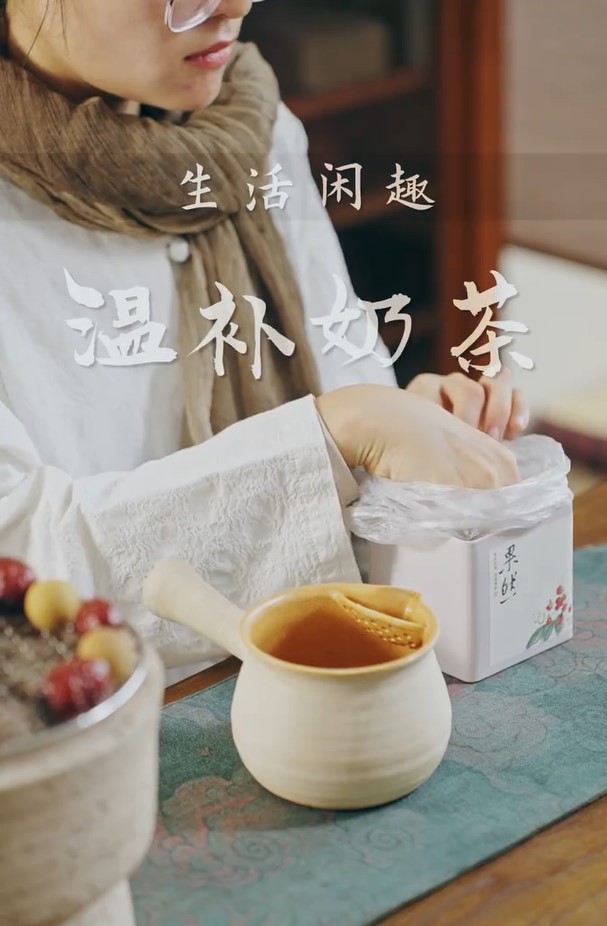
Erfahren Sie, wie Sie das köstliche und gesunde Teegetränk „Gebackener Milch-Rot-Tee mit Longan, roten Datteln und Osmanthus“ zubereiten. Dieses leicht nachzumachende Rezept zeigt Ihnen Schritt für Schritt, wie Sie dieses erfrischende und wohltuende Getränk perfekt zubereiten.
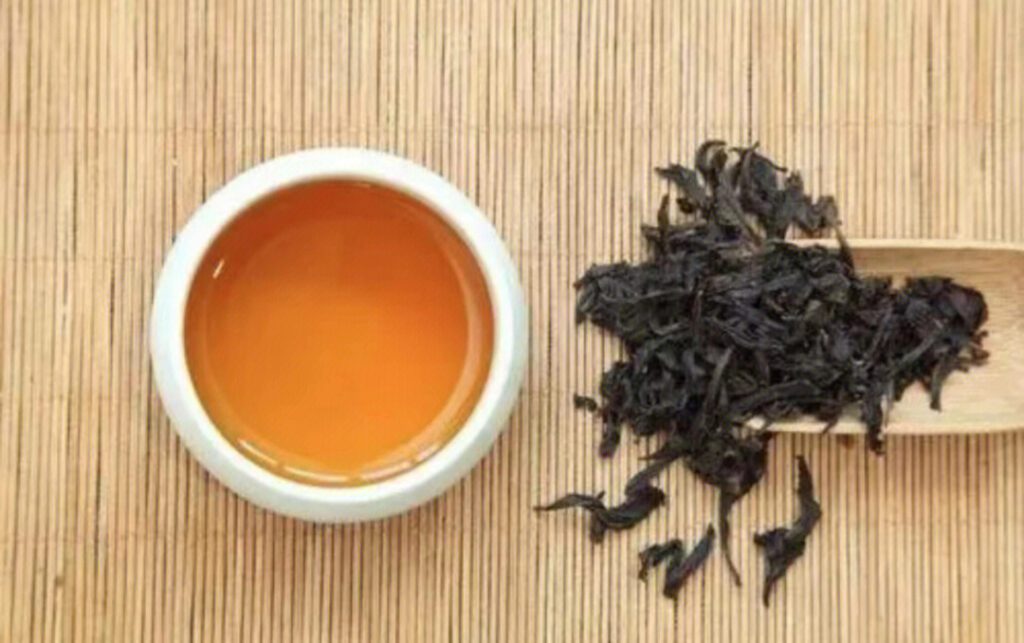
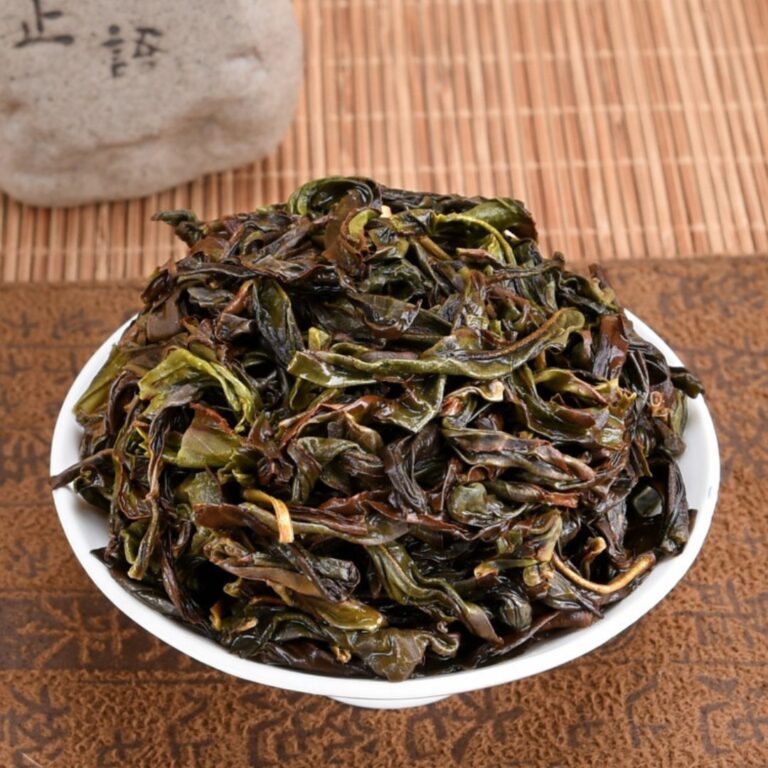
Oolong tea, also called Qing Cha, is partially oxidised. Tieguanyin and Da Hong Pao are both oolong teas, even though they can taste very different.
Yao Qing, or shaking the leaves, is part of the processing of many oolongs and helps control oxidation. Oolong covers a wide range of styles, so its flavour also depends on the leaves, processing and roasting.
Oolong-Tee wird im Allgemeinen nach seiner Herkunft klassifiziert, wobei sich die wichtigsten Anbaugebiete auf Fujian, Guangdong und Taiwan konzentrieren.
Four familiar regional groups are:
Oolong aus Nord-Fujian: Wuyi-Felsentee usw.;
Oolong aus Süd-Fujian: Tieguanyin, Golden Cinnamon usw.;
Oolong aus Guangdong: Phoenix Dancong, Lingtou Dancong usw.;
Welcher Tee passt am besten zu Mondkuchen? Wählen Sie den Tee passend zur Füllung aus – von Lotuspaste und gesalzenem Eigelb bis hin zu „Snowskin“, Durian, Nüssen und Vanillecreme –, anstatt sich an eine festgelegte Regel für das Mittherbstfest zu halten.
Entdecken Sie die einzigartigen Aromen des Wuyi-Felsentees! Erfahren Sie mehr über die Unterschiede zwischen Dahongpao, Rougui und Shuixian – von ihrer Herkunft über ihr Aroma und ihren Geschmack bis hin zu Tipps zur Zubereitung.
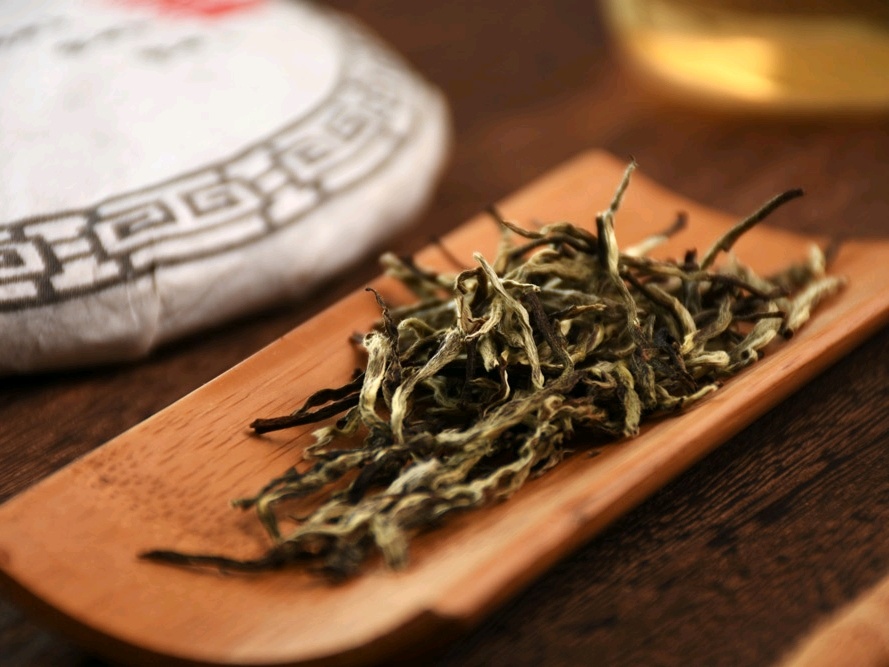
Yellow tea includes a covered yellowing step, often called men huang, as part of processing. This distinguishes it from green tea and helps develop its yellow character.
Im Vergleich zu anderen Teesorten ist gelber Tee eher selten, weshalb er derzeit eher ein Nischenprodukt ist.
Zu den gängigen gelben Teesorten zählen: Junshan Silver Bud, Mengding Yellow Bud, Huoshan Yellow Bud und so weiter.
Hallo, liebe Teeliebhaber! Viele von euch kennen uns zwar als Anbieter hochwertiger chinesischer Teegeschirre, doch wir haben uns auch auf Tees aus der Region Huang Shan spezialisiert. Huang Shan ist die Heimat der berühmtesten chinesischen Teesorten – Huang Shan Mao Feng, Keemun und Tai Ping Hou Kui. Als Einheimische dieses atemberaubenden Ortes haben wir eine…