Suspension des expéditions pendant les fêtes — reprise le 8 octobre. Fêtez la Fête de la mi-automne avec une réduction de 10% en utilisant le code ctsmooncake. IgnorerAller directement au contenu
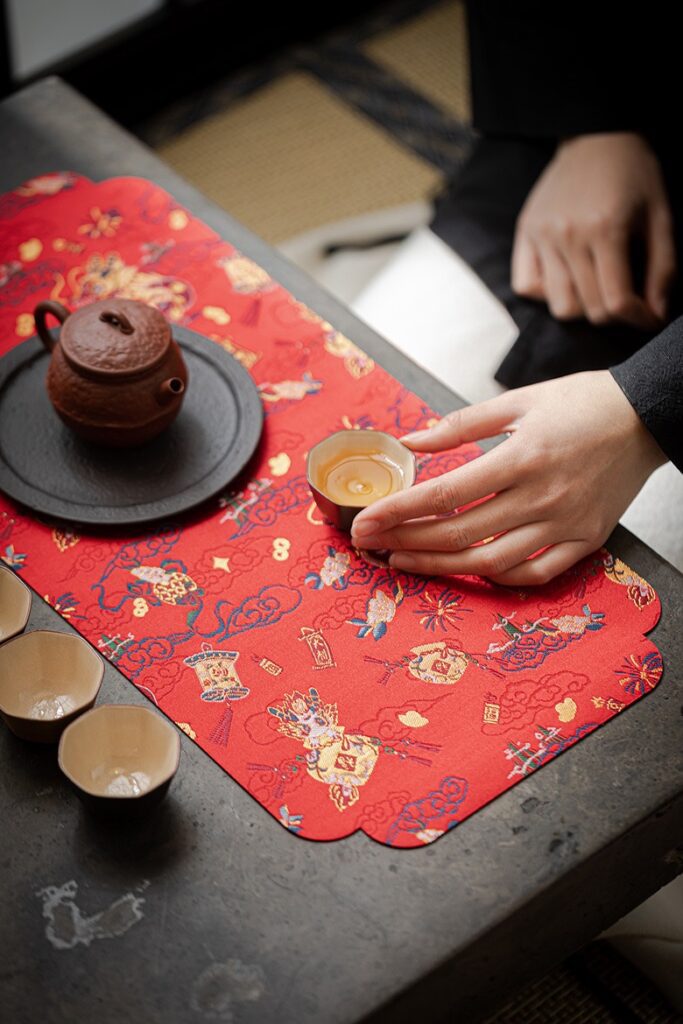
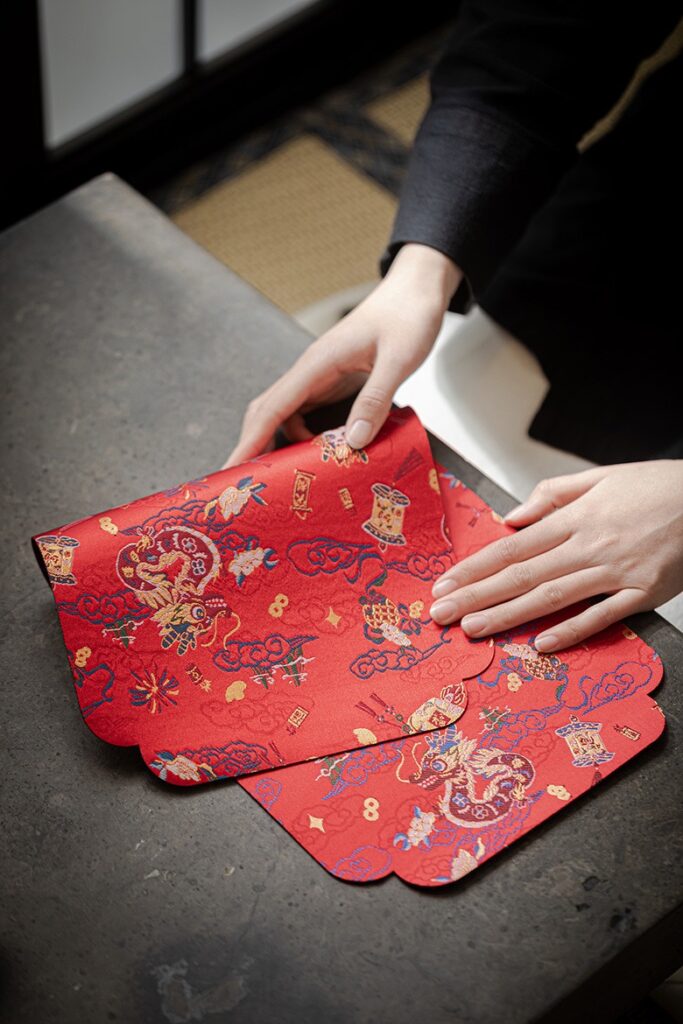
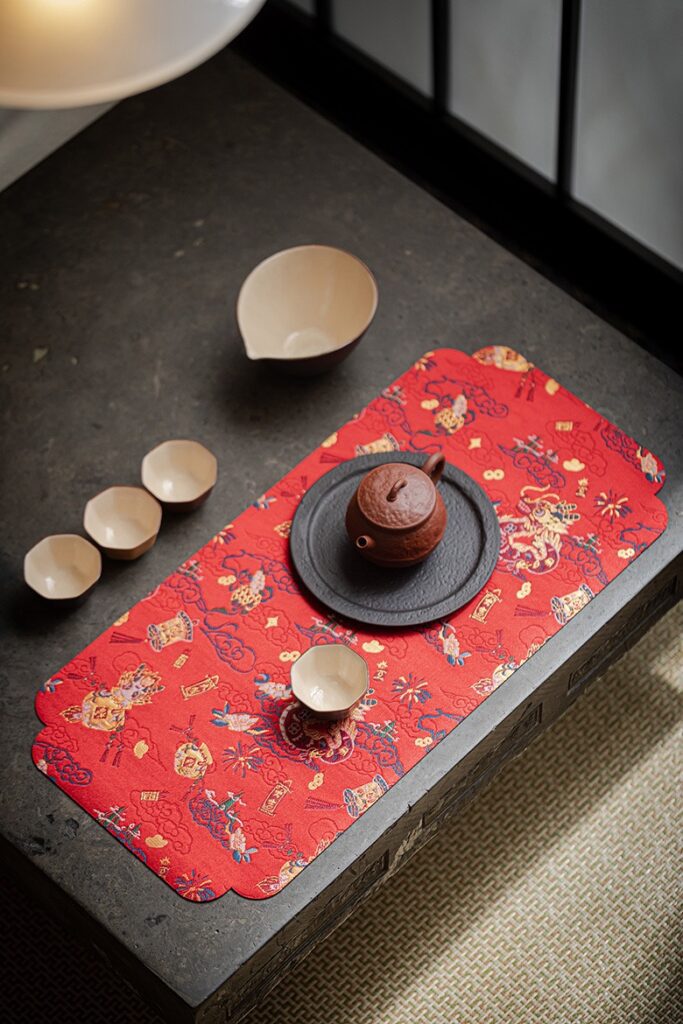
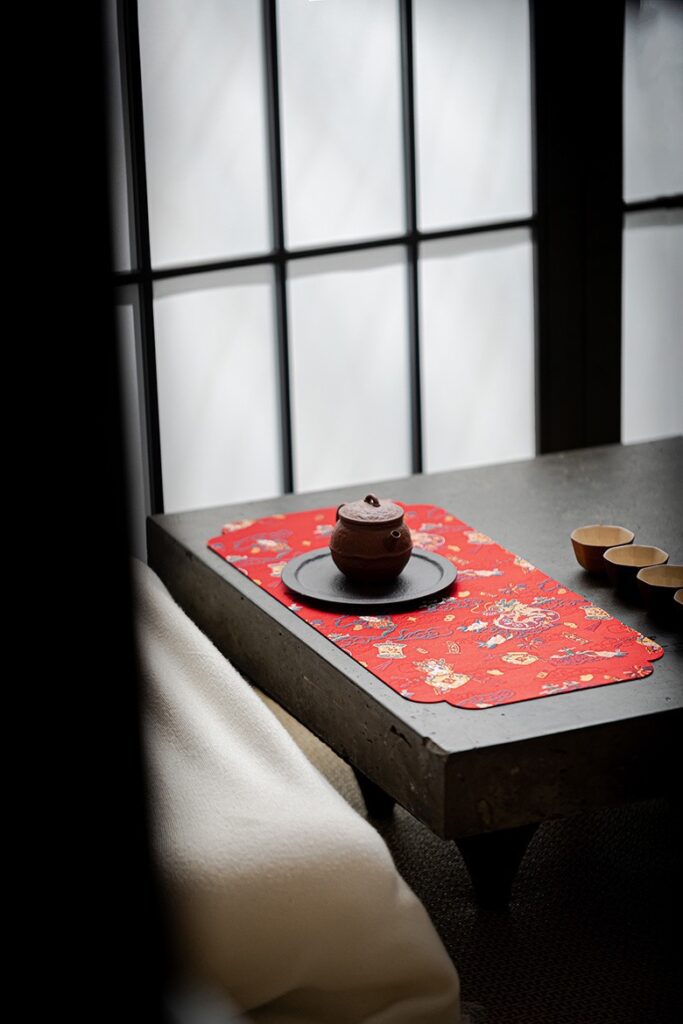
Bonjour à tous les amateurs de thé ! 🐉✨ Une nouvelle passionnante en ce début d’Année du Dragon 2024 : pour tout achat d’une théière Yixing, nous vous offrons un set de thé exclusif aux motifs de l’Année du Dragon, pour apporter une touche d’originalité à vos rituels du thé. C'est notre façon de célébrer cet événement avec vous, mais n'oubliez pas : cette offre est valable pour une durée limitée ! Ne manquez pas l'occasion de rendre vos moments de dégustation encore plus spéciaux grâce à cet accessoire mystique. 🍵💫
Bonjour à tous les amateurs de thé ! Si beaucoup d’entre vous nous connaissent comme une entreprise spécialisée dans les accessoires haut de gamme pour le thé chinois, nous sommes également spécialisés dans les thés de la région de Huang Shan. Huang Shan abrite les thés chinois les plus célèbres : le Huang Shan Mao Feng, le Keemun et le Tai Ping Hou Kui. Originaires de cet endroit à couper le souffle, nous entretenons un lien profond avec cette terre et son riche patrimoine du thé.
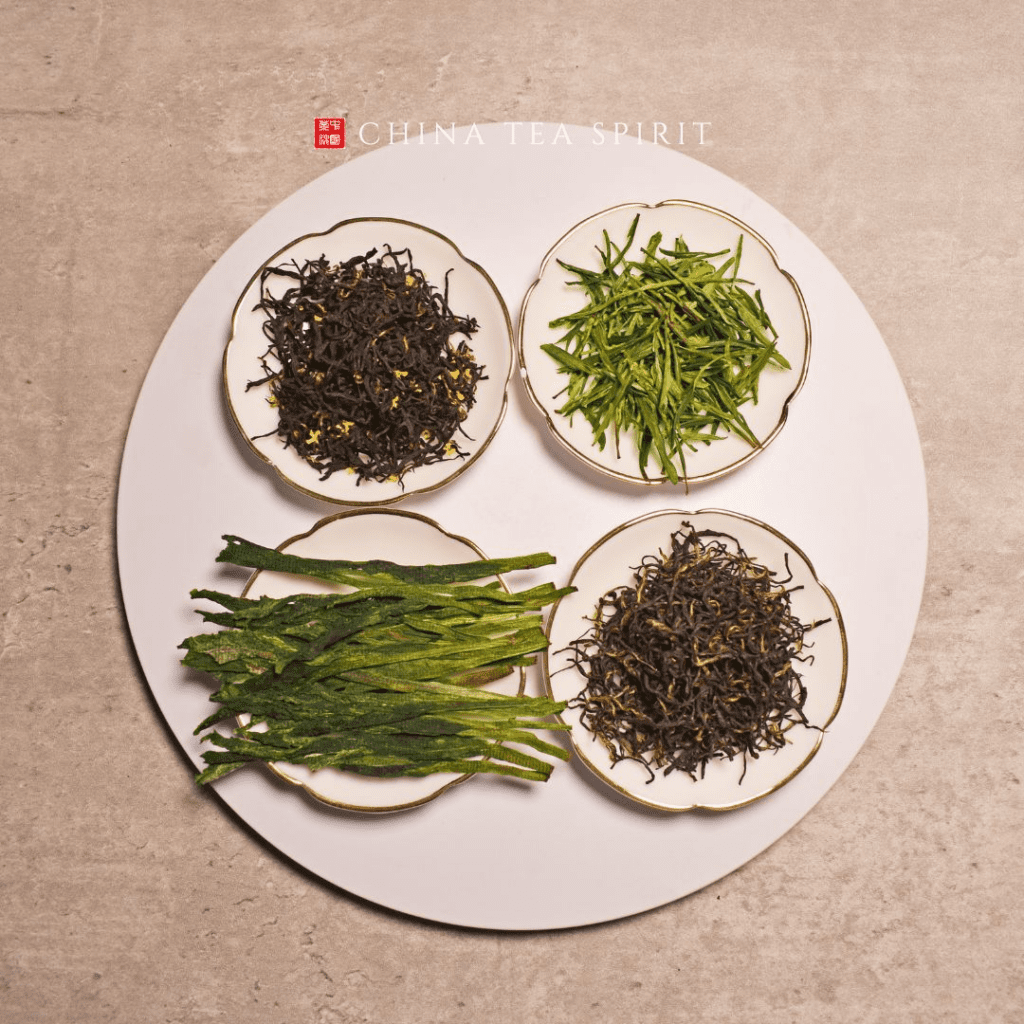
Nous savons que trouver le thé idéal peut être un parcours personnel, c'est pourquoi nous vous proposons notre coffret d'échantillons. Il vous permet d'explorer la diversité des saveurs des thés de Huang Shan et de découvrir celui qui séduira vos papilles.
Chacun de ces thés est acheté et produit directement auprès des producteurs de thé, ce qui garantit sa qualité et son goût authentique.
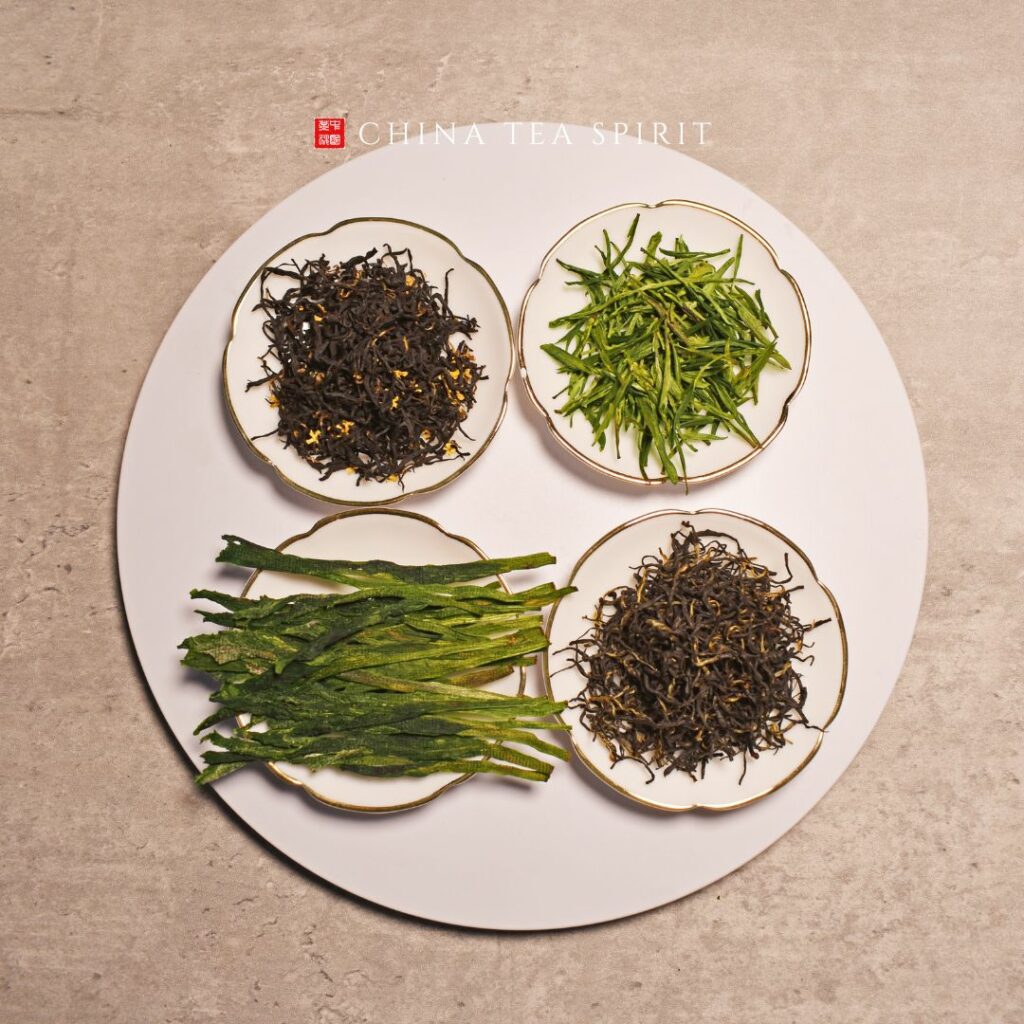
Coffret d'échantillons comprenant : Huang Shan Mao Feng – 10 g Tai Ping Hou Kui – 10 g Keemun Mao Feng – 10 g Osmanthus Keemun – 10 g
Nous avons hâte de connaître vos impressions sur nos thés. Rejoignez-nous dans cette aventure et laissez-nous vous guider à la découverte de l'univers enchanteur des thés de Huang Shan.
Veuillez noter que le thé et les accessoires de thé seront expédiés dans des colis séparés, conformément aux exigences douanières. En général, le thé arrive un peu plus tard que les accessoires de thé.
Chers clients,
Si vous avez rencontré des problèmes lors du paiement, veuillez nous contacter à l'adresse suivante : [email protected]. Et nous serons là pour vous aider.
Vous trouverez ci-dessous une liste des erreurs de paiement courantes et leurs solutions, à titre de référence.
#1 : China Tea Spirit ne livre pas à cette adresse. Veuillez indiquer une autre adresse.
Il s'agit d'un bug connu de PayPal. Il survient de manière aléatoire. Si vous avez reçu ce message d'erreur, veuillez nous contacter à l'adresse suivante : [email protected]. Nous allons régler cela pour vous.
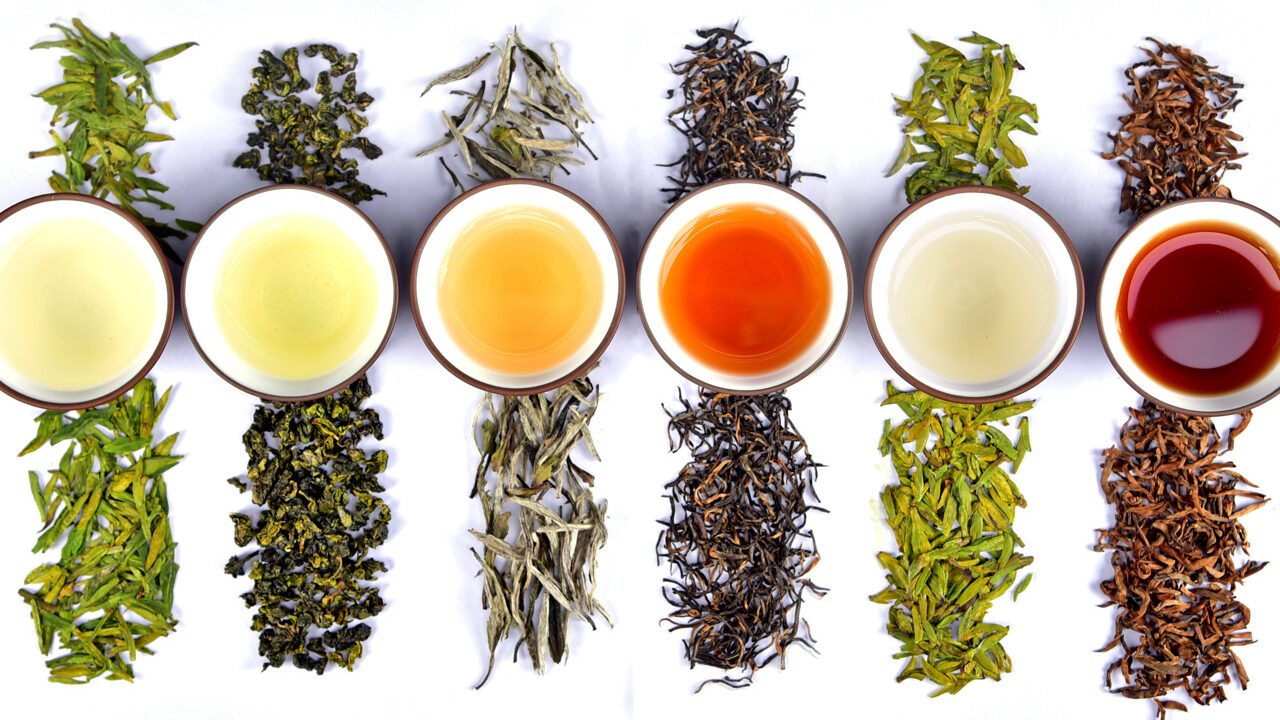
The six main types of Chinese tea are green, white, yellow, oolong, black and dark tea. They are distinguished by how the leaves are processed, rather than simply by the colour of the finished drink.
One naming detail makes a big difference: hong cha (红茶) is black tea in English, although its Chinese name means “red tea”. Hei cha (黑茶) is dark tea, a different category associated with microbial fermentation. Keeping those two names separate makes Chinese tea much easier to explore.
Six types of Chinese tea at a glance
Tea type
Chinese name
Main processing difference
Examples
Thé vert
绿茶 · lü cha
Heated early to limit oxidation, then shaped and dried
Longjing, Huangshan Mao Feng, Taiping Hou Kui
Thé blanc
白茶 · bai cha
Withered and dried with relatively little handling
Silver Needle, White Peony, Shou Mei
Yellow tea
黄茶 · huang cha
Includes a covered yellowing step
Junshan Yin Zhen, Mengding Huang Ya, Huoshan Huang Ya
Thé Oolong
乌龙茶 · wulong cha
Partially oxidised; style varies with processing and roasting
Tieguanyin, Wuyi rock tea, Phoenix Dancong
Thé noir
红茶 · hong cha
Oxidised before final drying
Keemun, Dian Hong, Zheng Shan Xiao Zhong
Dark tea
黑茶 · hei cha
Microbial fermentation is part of its processing or maturation
Liubao, Qimen An Cha, ripe Pu-erh
Oxidation and microbial fermentation are different processes. Older descriptions often use “fermentation” for both, but the distinction helps explain why black tea and dark tea belong to different categories.
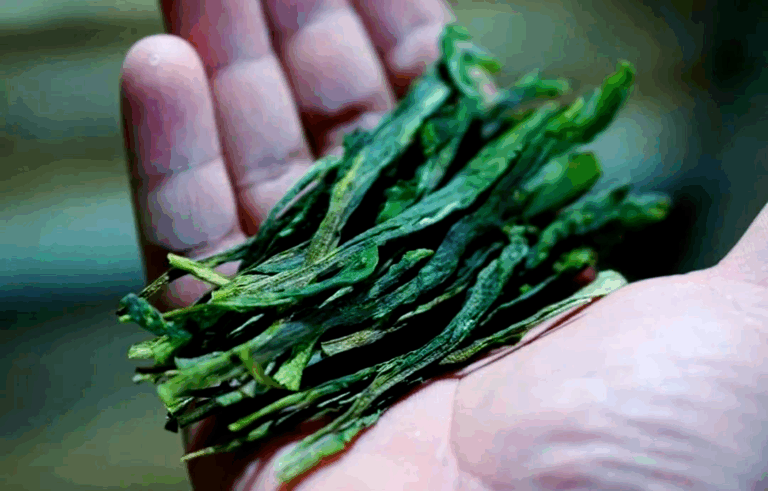
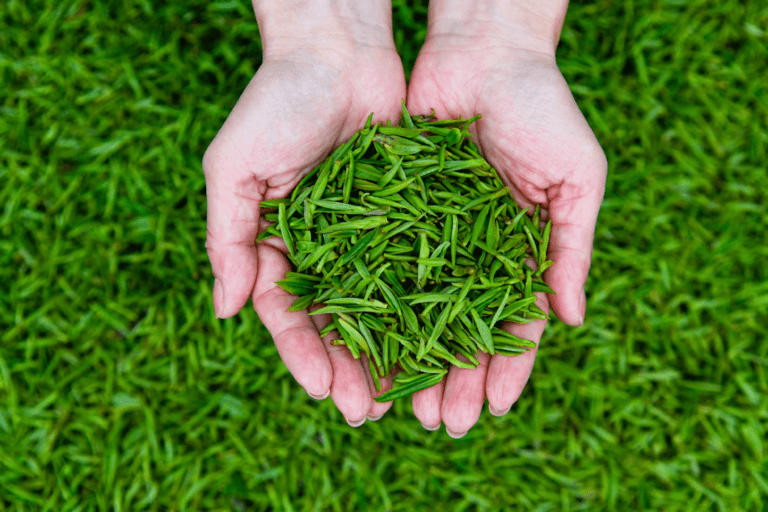
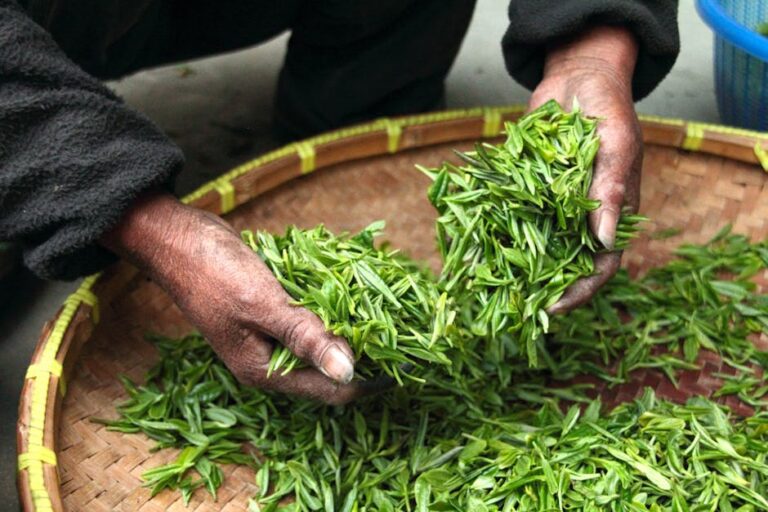
Green tea is heated early in processing to limit oxidation. It is then shaped and dried.
This early heating helps preserve the leaves’ green character. Pan-firing and steaming are two ways of applying that heat; the exact method depends on the tea.
Son processus de fabrication comprend les étapes suivantes : le « Sha Qing » (arrêt de l'oxydation), le malaxage et le séchage. Le « Sha Qing » consiste à utiliser une température élevée pour inactiver les enzymes oxydantes, afin d'empêcher l'oxydation des feuilles de thé et de préserver leur couleur verte. Le malaxage sert d'une part à façonner les feuilles, et d'autre part à briser leurs cellules afin de permettre plusieurs infusions. Le séchage, en plus de faciliter la conservation des feuilles de thé, a également pour effet de rehausser l'arôme.
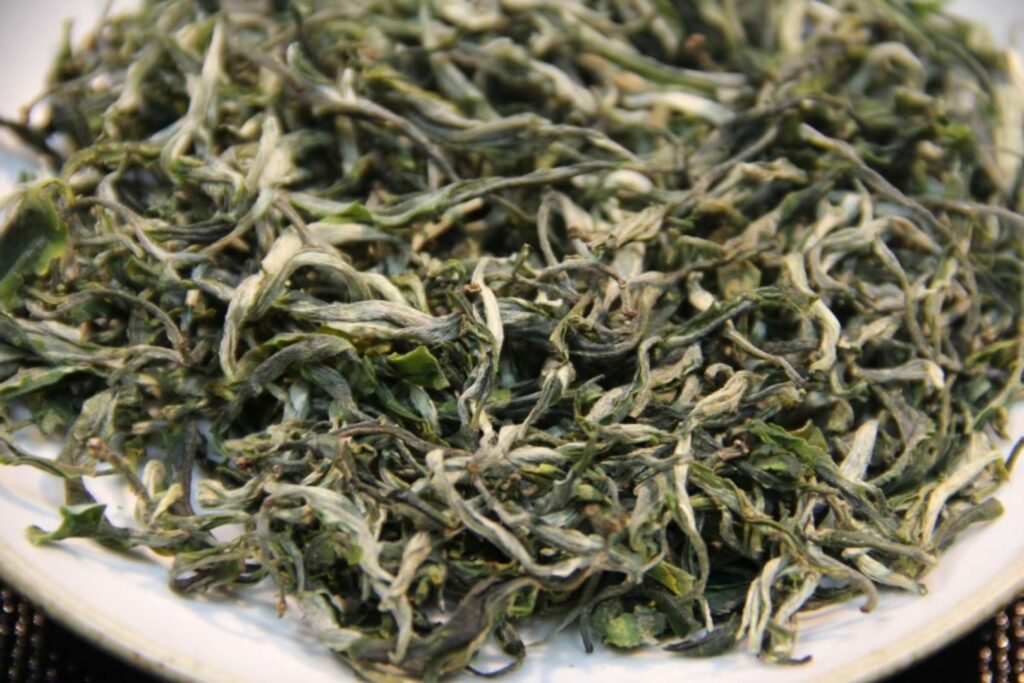
Les thés verts les plus courants sont le thé blanc d'Anji, Huangshan Mao Feng, Taiping Hou Kui, le Dragon Well de Xihu, le Mao Jian de Xinyang, le Bi Luo Chun, etc.
Découvrez d'autres articles sur le thé vert chinois.
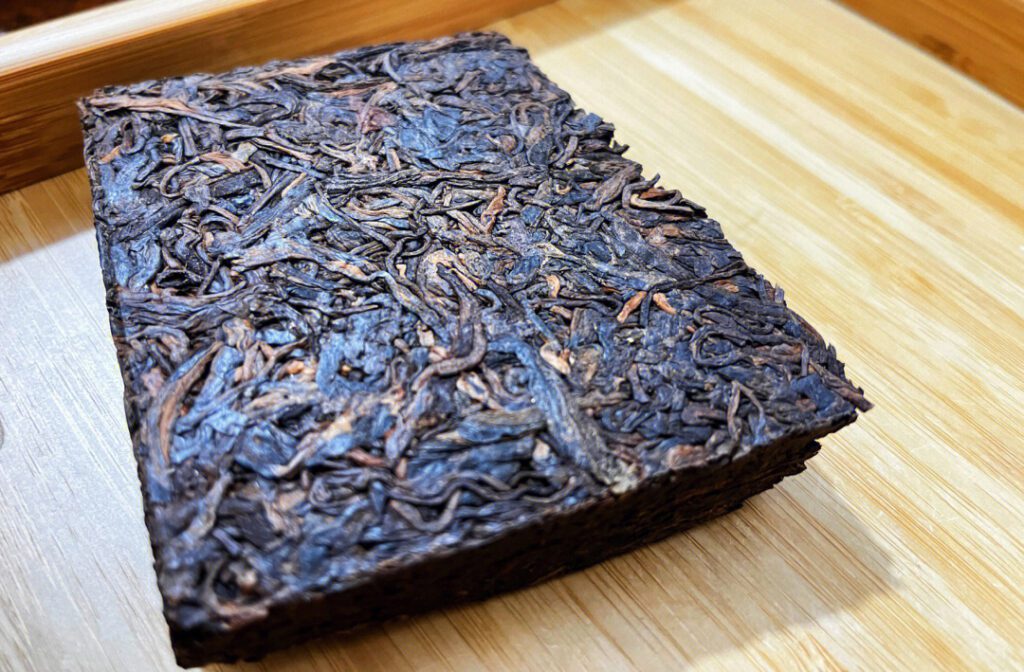
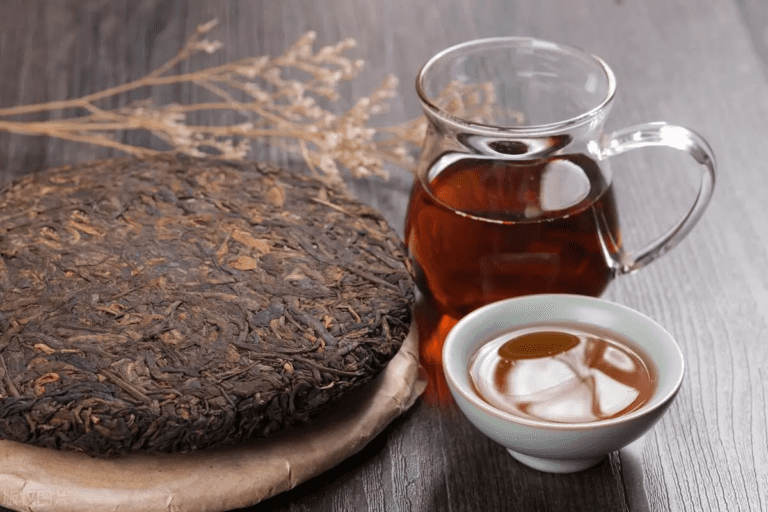
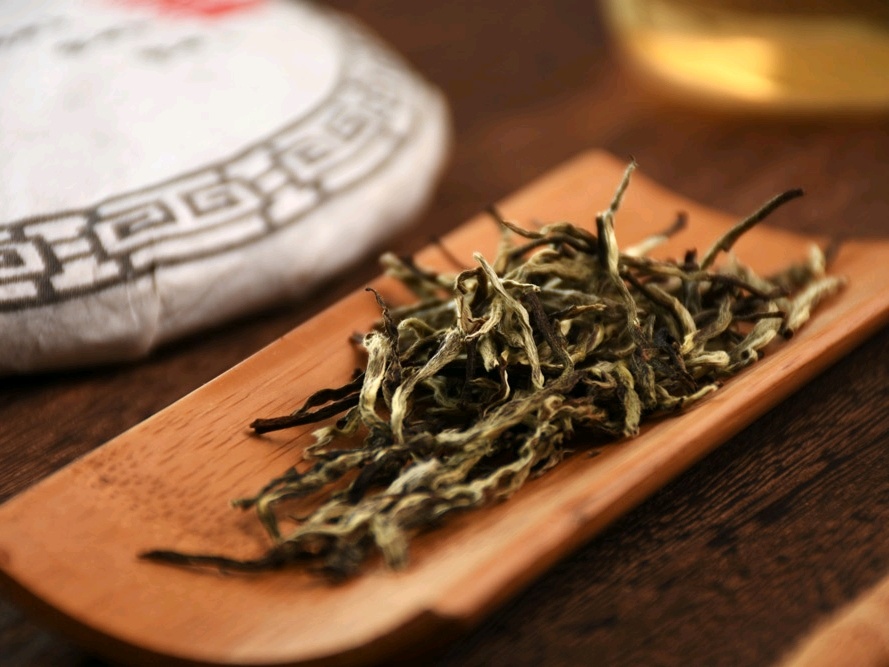
Dark tea, or hei cha, is associated with microbial fermentation after the initial processing of the leaves. It is a different category from the tea called black tea in English.
Examples include Liubao from Guangxi and Qimen An Cha from Anhui. Ripe Pu-erh is also commonly discussed alongside dark tea. Pu-erh includes both raw (sheng) and ripe (shou) styles, which should not be treated as one identical processing method.
The name hei cha literally means “black tea”, but “dark tea” is the clearer English term here. In English, black tea usually means hong cha (红茶).
Pour en savoir plus sur le thé noir chinois, cliquez ici.
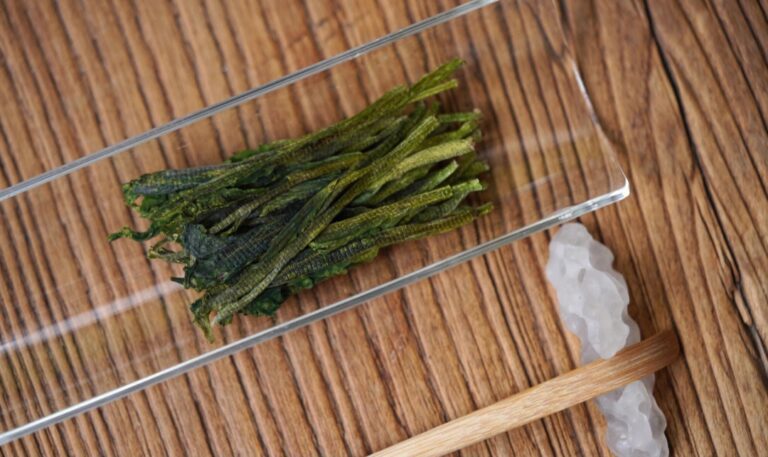
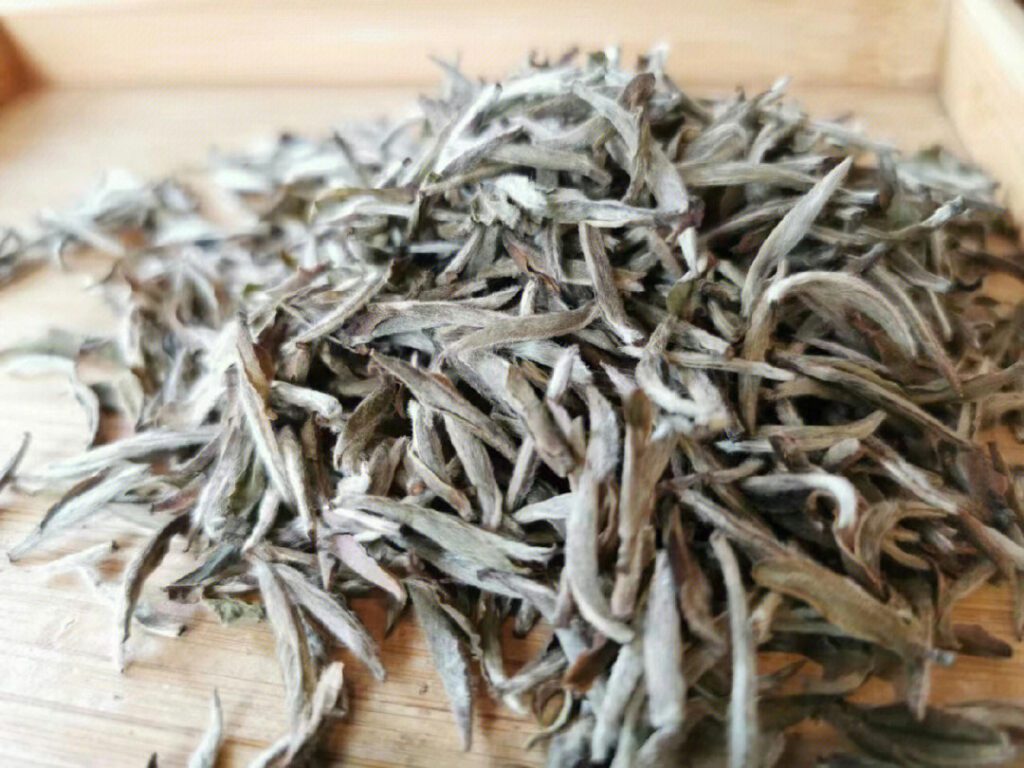
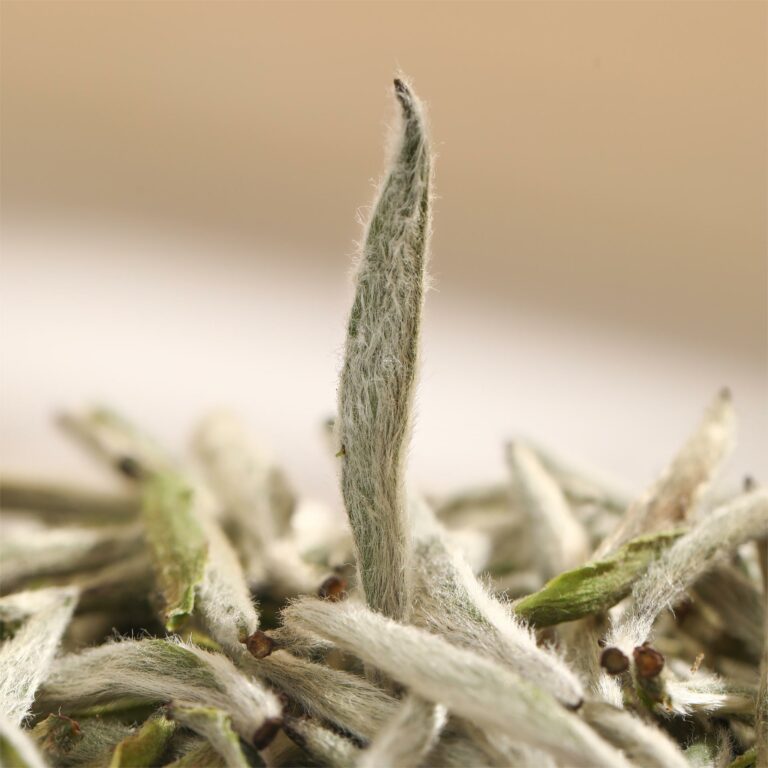
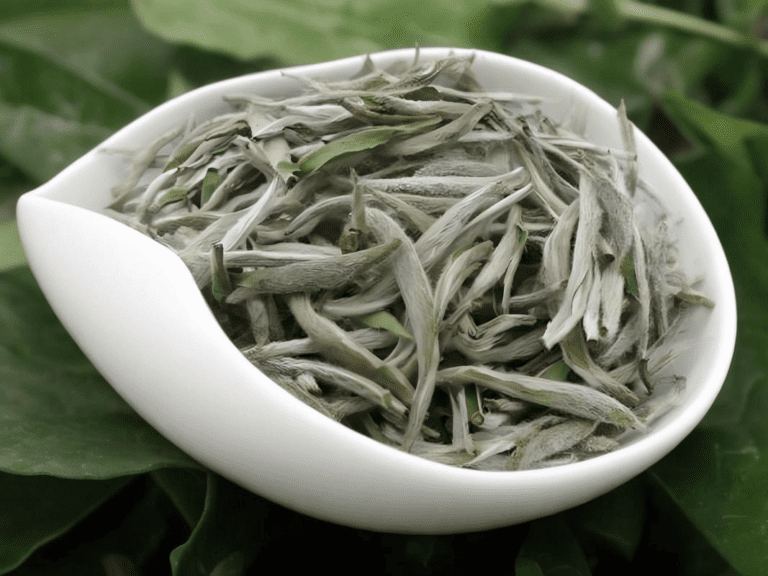
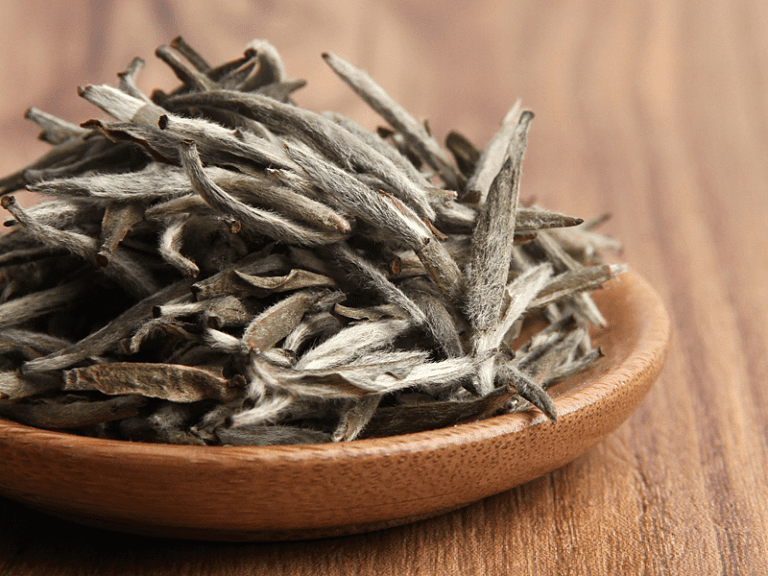
White tea is mainly made by withering and drying, with relatively little handling of the leaves. It is produced mainly in Fuding, Zhenghe, Songxi and Jianyang counties in Fujian. It is processed without frying or kneading. The tea leaves are dried in the sun or with a gentle fire. Thus, the white hairs remain intact. The white tea has a complete bud and hair, full of hair appearance characteristics, as well as the characteristics of fresh fragrance, yellow-green color and clear broth, light and sweet taste.
Le thé blanc se divise en deux catégories : le thé en bourgeon et le thé en feuille. Le thé composé d'un seul bourgeon est appelé “ aiguille d'argent ”. Le thé composé d'un bourgeon et de deux ou trois feuilles est appelé “ pivoine blanche ”. Il existe également le “ Gong Mei / Shou Mei ”, qui comporte généralement trois feuilles ou moins.
Découvrez d'autres articles sur le thé blanc chinois.
Peut-on faire bouillir du thé blanc vieilli après une infusion « gongfu » ? Voici pourquoi le Shou Mei peut encore révéler tout son potentiel, comment le faire mijoter, et dans quels cas le faire bouillir n'est pas la bonne solution.
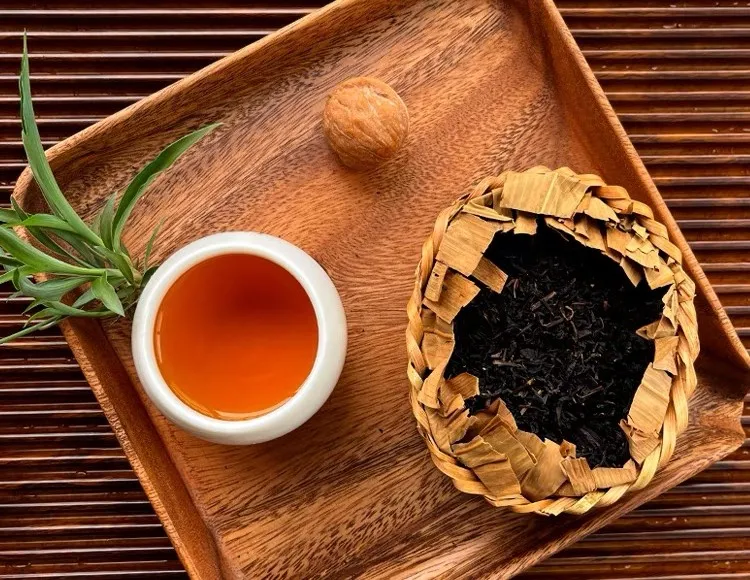
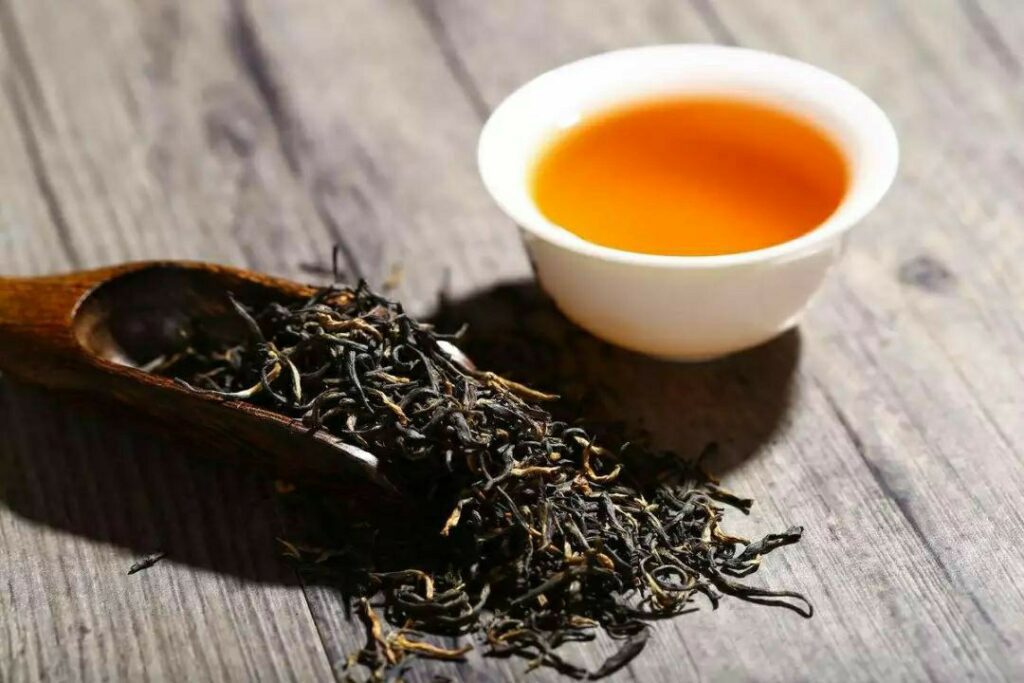
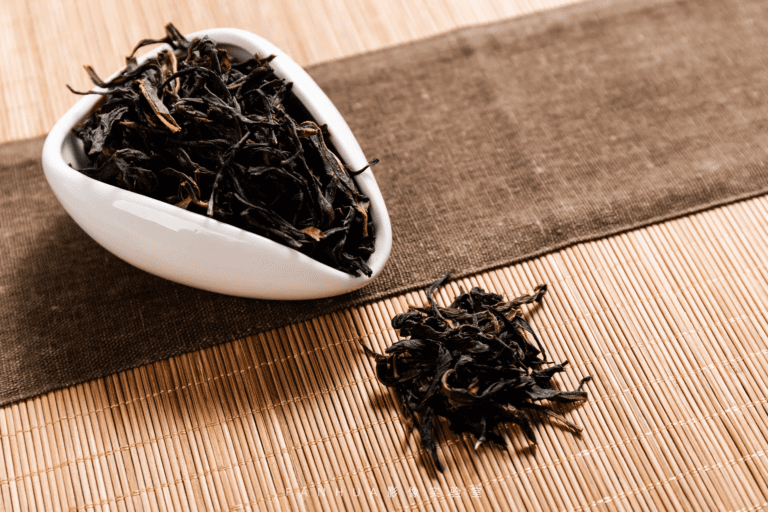
Black tea is called hong cha (红茶), or “red tea”, in Chinese. The English and Chinese names refer to the same category. The leaves are withered and rolled, then allowed to oxidise before drying. This oxidation helps develop the tea’s colour and flavour.
Examples of Chinese black tea include Zheng Shan Xiao Zhong, Jin Jun Mei, Dian Hong and Keemun. CTC means “crush, tear, curl”, a processing method often used for tea bags.
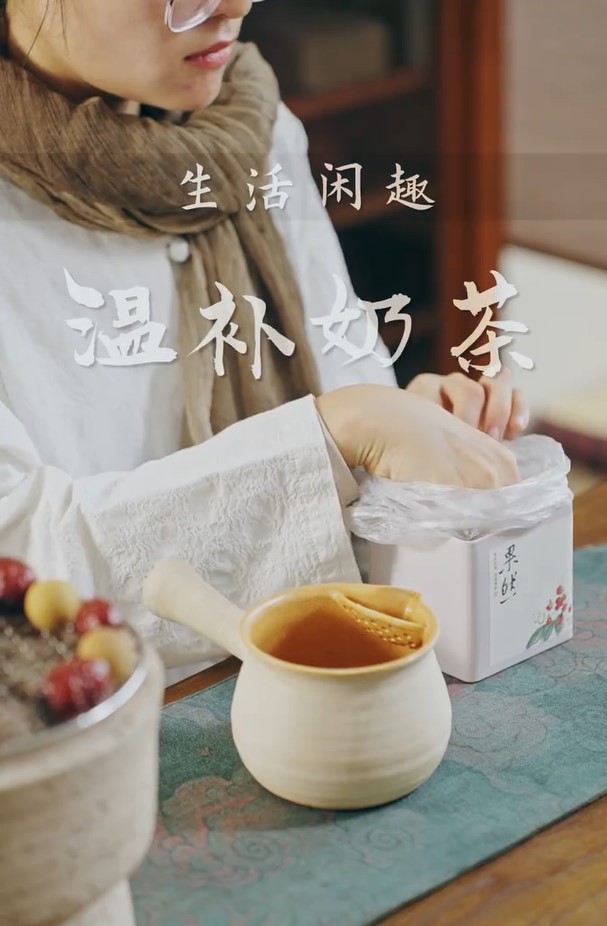
Découvrez comment préparer une boisson à base de thé à la fois délicieuse et saine : le thé rouge au lait cuit au four, agrémenté de longanes, de dattes rouges et d'osmanthus. Cette recette facile à suivre vous guidera étape par étape pour réaliser à la perfection cette boisson rafraîchissante et réconfortante.
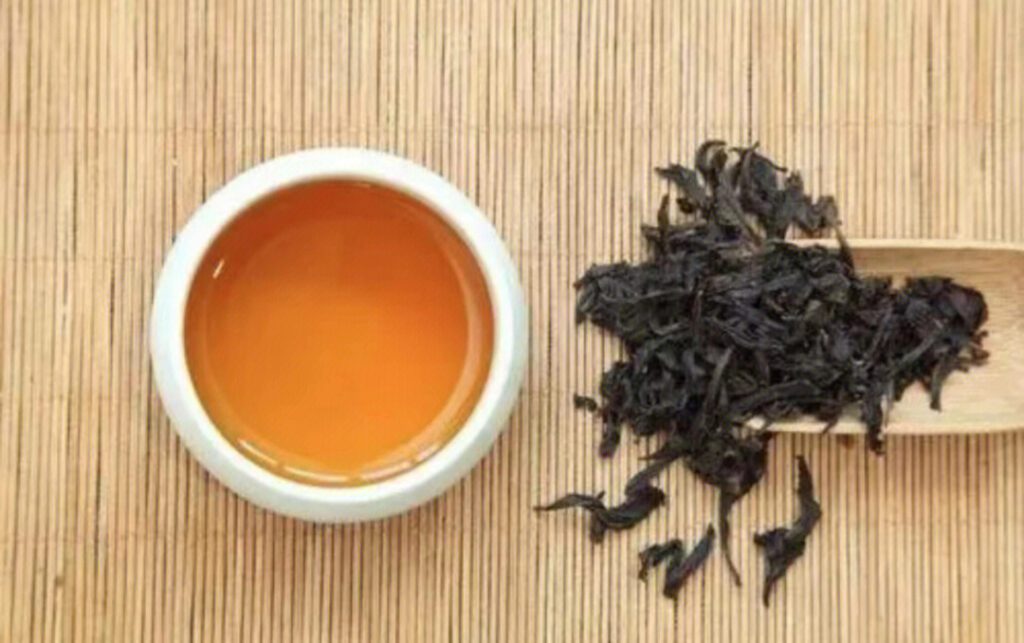
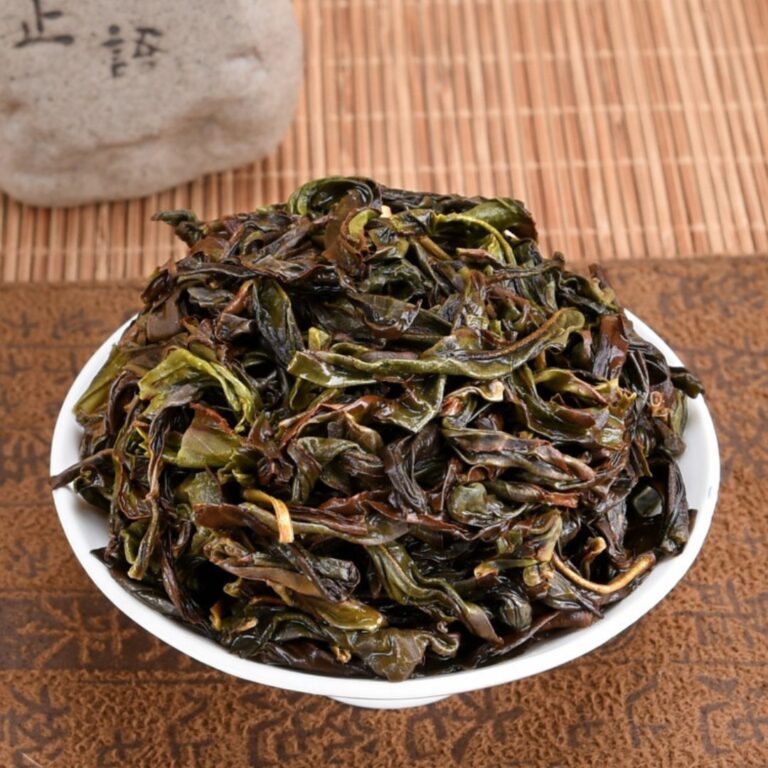
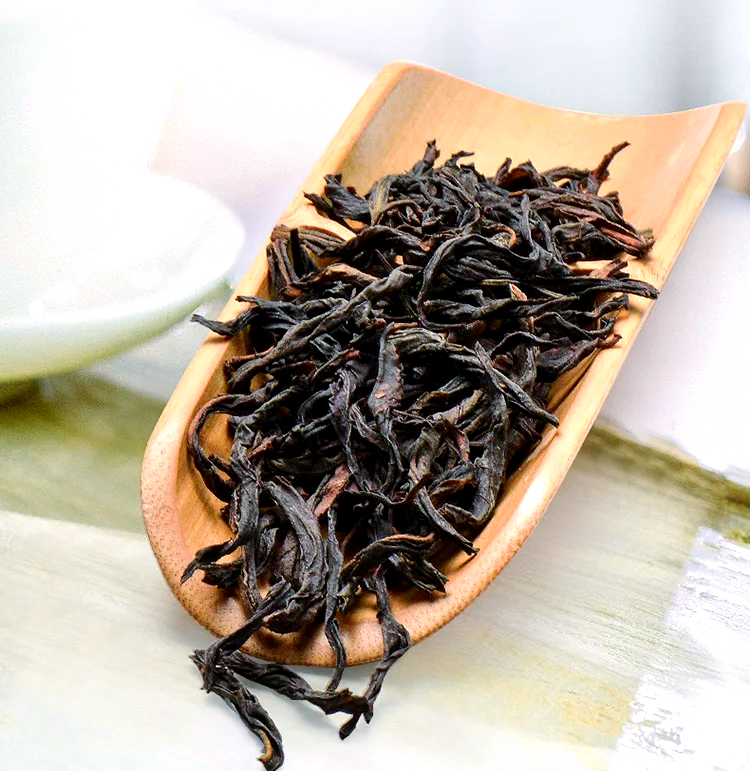
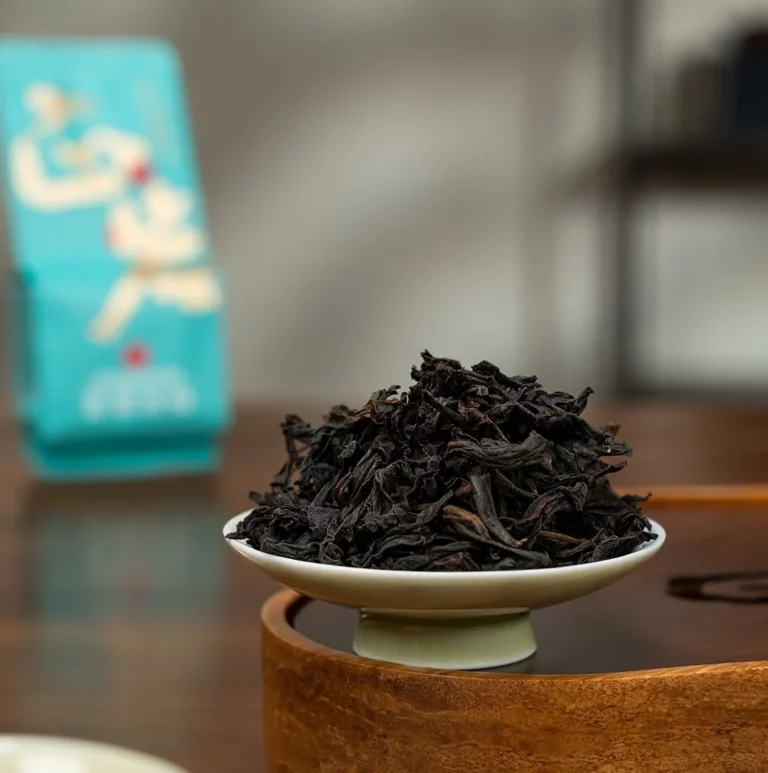
Oolong tea, also called Qing Cha, is partially oxidised. Tieguanyin and Da Hong Pao are both oolong teas, even though they can taste very different.
Yao Qing, or shaking the leaves, is part of the processing of many oolongs and helps control oxidation. Oolong covers a wide range of styles, so its flavour also depends on the leaves, processing and roasting.
Le thé oolong est généralement classé en fonction de son origine, et les principales zones de production se concentrent dans le Fujian, le Guangdong et à Taïwan.
Four familiar regional groups are:
Oolong du nord du Fujian : thé de roche de Wuyi, etc. ;
Oolongs du sud du Fujian : Tieguanyin, Golden Cinnamon, etc. ;
Oolongs du Guangdong : Phoenix Dancong, Lingtou Dancong, etc. ;
Oolongs de Taïwan : Dongding, Oriental Beauty, etc.
Découvrez d'autres articles sur le thé oolong chinois.
Quel thé se marie le mieux avec les gâteaux de la Lune ? Choisissez votre thé en fonction de la garniture — qu'il s'agisse de pâte de lotus, de jaune d'œuf salé, de « peau de neige », de durian, de noix ou de crème pâtissière — plutôt que de suivre une règle immuable de la Fête de la Mi-Automne.
Découvrez les saveurs uniques du thé de roche de Wuyi ! Apprenez à distinguer le Dahongpao, le Rougui et le Shuixian, de leurs origines à leurs arômes et saveurs, en passant par les conseils d'infusion.
Yellow tea includes a covered yellowing step, often called men huang, as part of processing. This distinguishes it from green tea and helps develop its yellow character.
Comparé aux autres types de thé, le thé jaune est relativement peu répandu ; il s'agit donc pour l'instant d'un produit de niche.
Les thés jaunes courants sont : le « bourgeon d'argent » de Junshan, le « bourgeon jaune » de Mengding, le « bourgeon jaune » de Huoshan, etc.
Découvrez notre coffret dégustation de thés Huang Shan
$19.90–$23.90Fourchette de prix : de $19.90 à $23.90
Bonjour à tous les amateurs de thé ! Si beaucoup d’entre vous nous connaissent comme une entreprise spécialisée dans les accessoires haut de gamme pour le thé chinois, sachez que nous sommes également spécialisés dans les thés de la région de Huang Shan. C’est à Huang Shan que sont cultivés les thés chinois les plus célèbres : le Huang Shan Mao Feng, le Keemun et le Tai Ping Hou Kui. En tant qu’habitants de cette région à couper le souffle, nous avons…