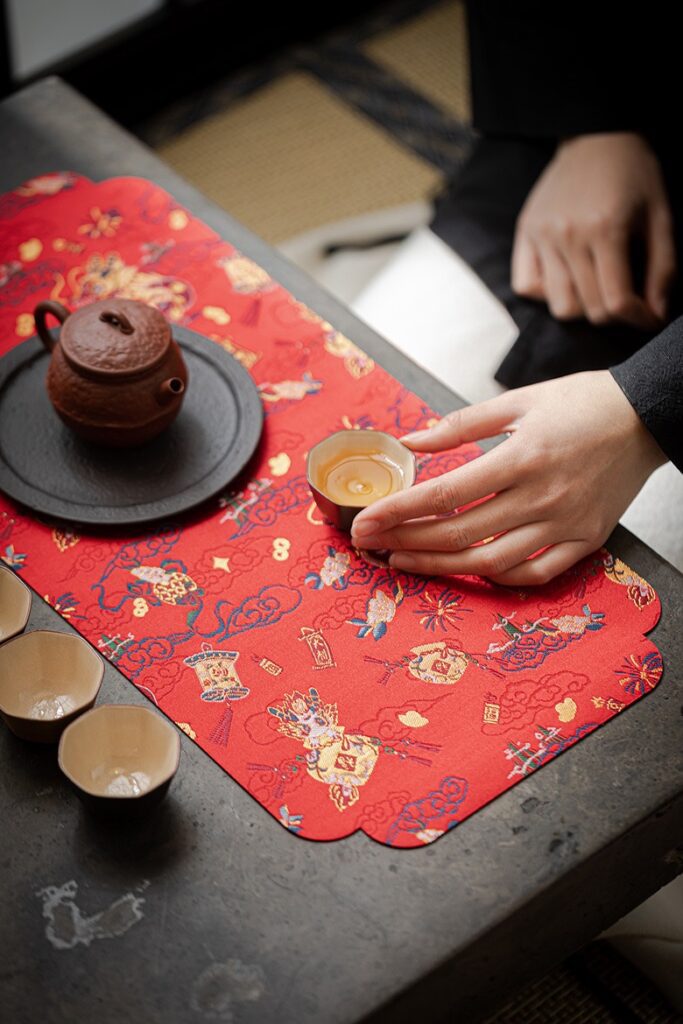
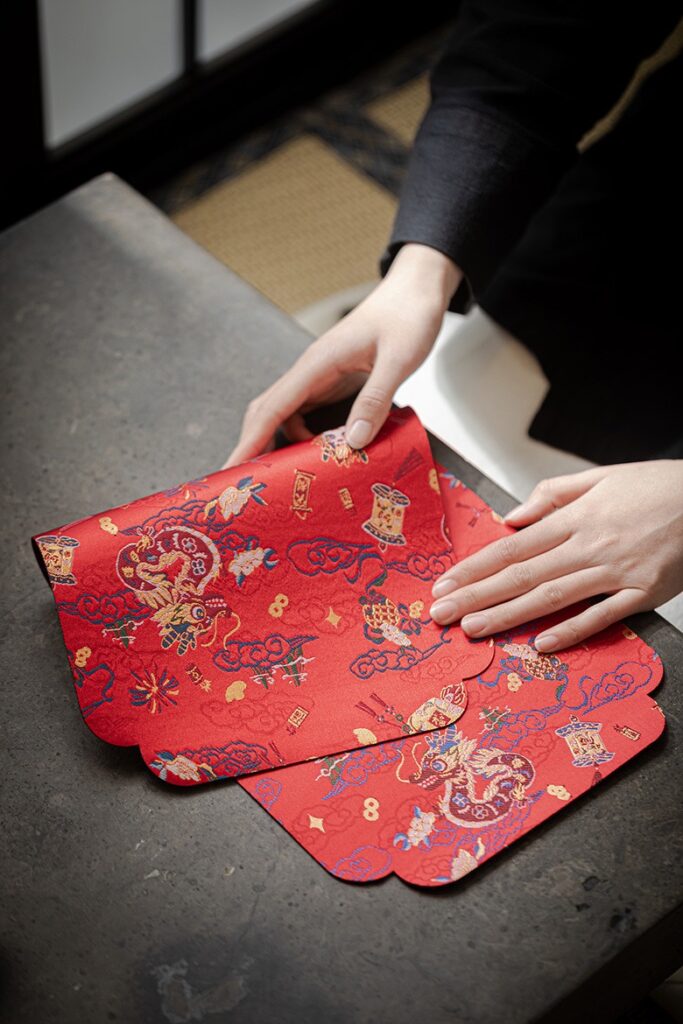
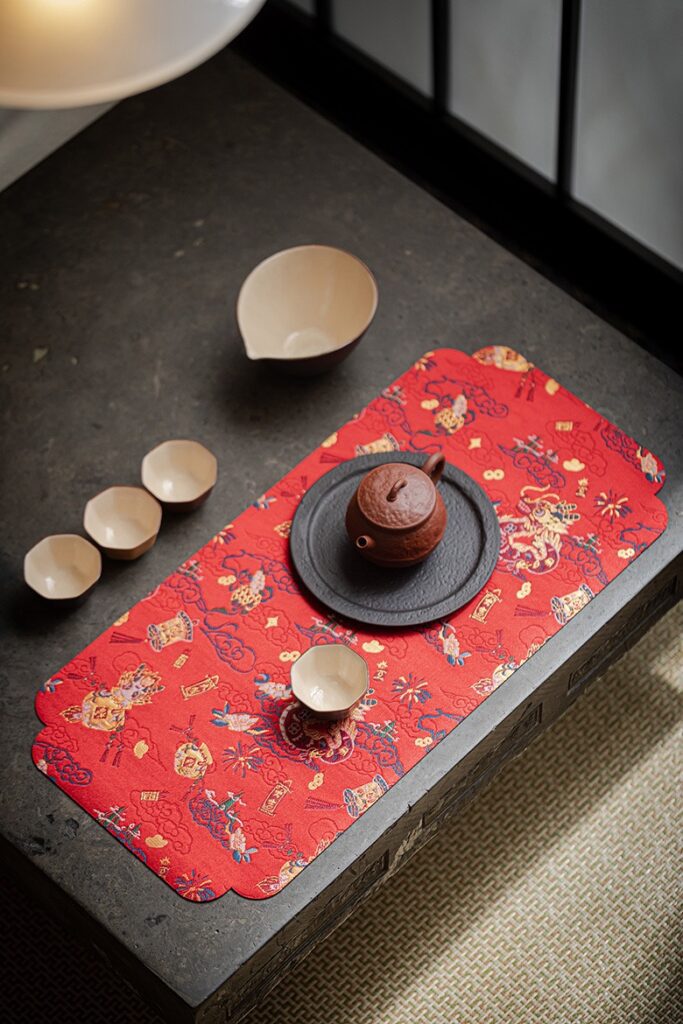
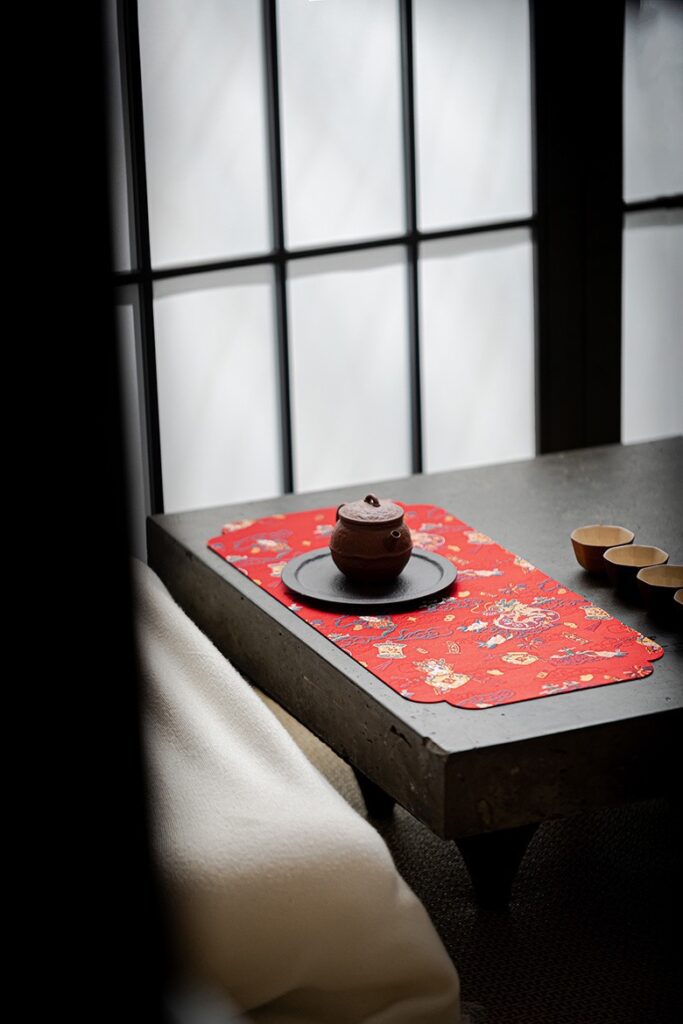
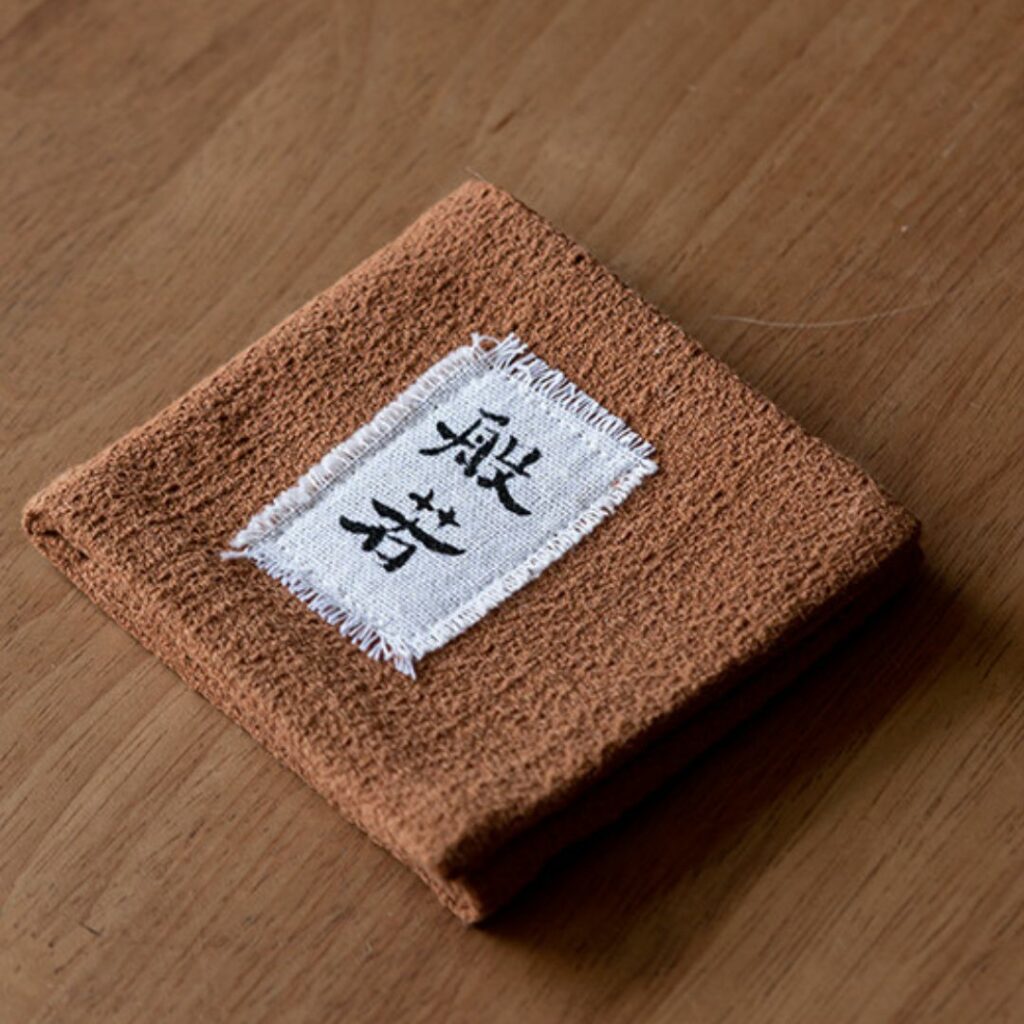
Hey tea lovers! 🐉✨ Exciting news as we step into the Dragon Year of 2024 - with Yixing teapot purchase, we're gifting you an exclusive Dragon Year style tea mat to add that extra flair to your tea rituals. It's our way of celebrating with you, but remember, it's a limited-time offer! Don't miss out on making your tea sessions even more special with this mystical addition. 🍵💫
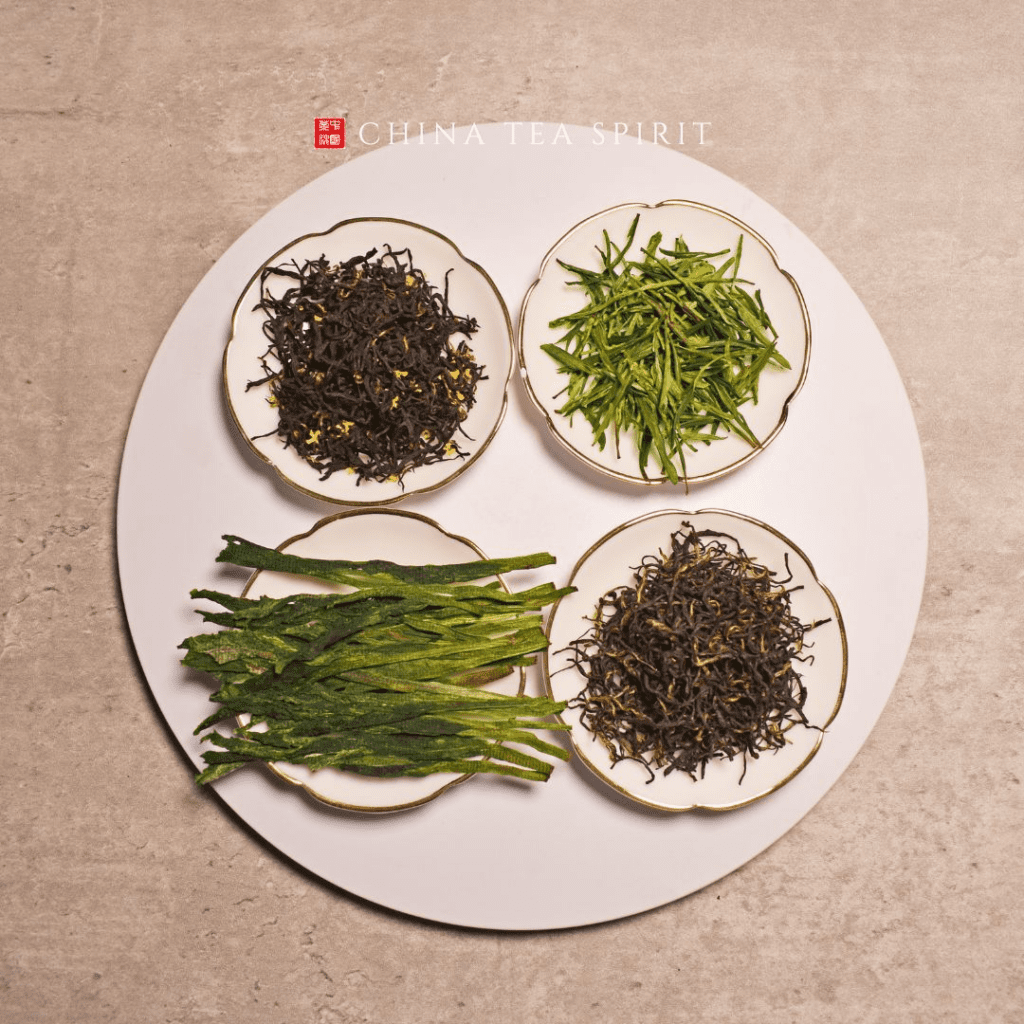
Hey tea lovers! While many of you know us as a premium Chinese tea wares company. We also specialized in teas in Huang Shan region. Huang Shan is home to the most famous Chinese teas – Huang Shan Mao Feng, Keemun and Tai Ping Hou Kui. As natives of this breathtaking place, we have a deep connection to the land and its rich tea heritage.
We understand that finding the perfect tea can be a personal journey, which is why we offer our sample pack. It allows you to explore the diverse flavors of Huang Shan teas and discover the one that resonates with your taste buds.
Each of the teas are sourced and produced directly from the tea farmers, ensuring the quality and the authentic taste.
Sample pack including: Huang Shan Mao Feng – 10g Tai Ping Hou Kui – 10g Keemun Mao Feng – 10g Osmanthus Keemun – 10g
We can’t wait to hear from your feedbacks on our teas. Join us on this journey and let us be your guide as you explore the enchanting world of Huang Shan teas.
Please note that the tea and tea wares will be shipped in seperate packages according to customs requirement. Usually tea will come slightly later than the tea wares.
Dear customers,
If you experienced any issues during checkout, please contact us at [email protected]. And we will help you out.
Below we listed common payment errors and their solutions for your reference.
#1: China Tea Spirit does not ship to this location. Please use a different address.
This is a known bug from PayPal. It occurs randomly. If you have seen this error message, please contact us at [email protected]. We will work this out for you.
Some of the most interesting creatures in Chinese mythology are easy to overlook, especially when they are doing a job.
Walk into an old temple courtyard or an imperial burial complex and you may find a huge stone inscription resting on the back of what looks like a tortoise. Look again. The face may be fierce and dragon-like, with a broad mouth and an expression that seems remarkably unfazed by the weight above it.
It is not an ordinary tortoise.
This is the world of the Dragon Turtle—and of the stone-bearing creatures often called Bixi or Baxia.
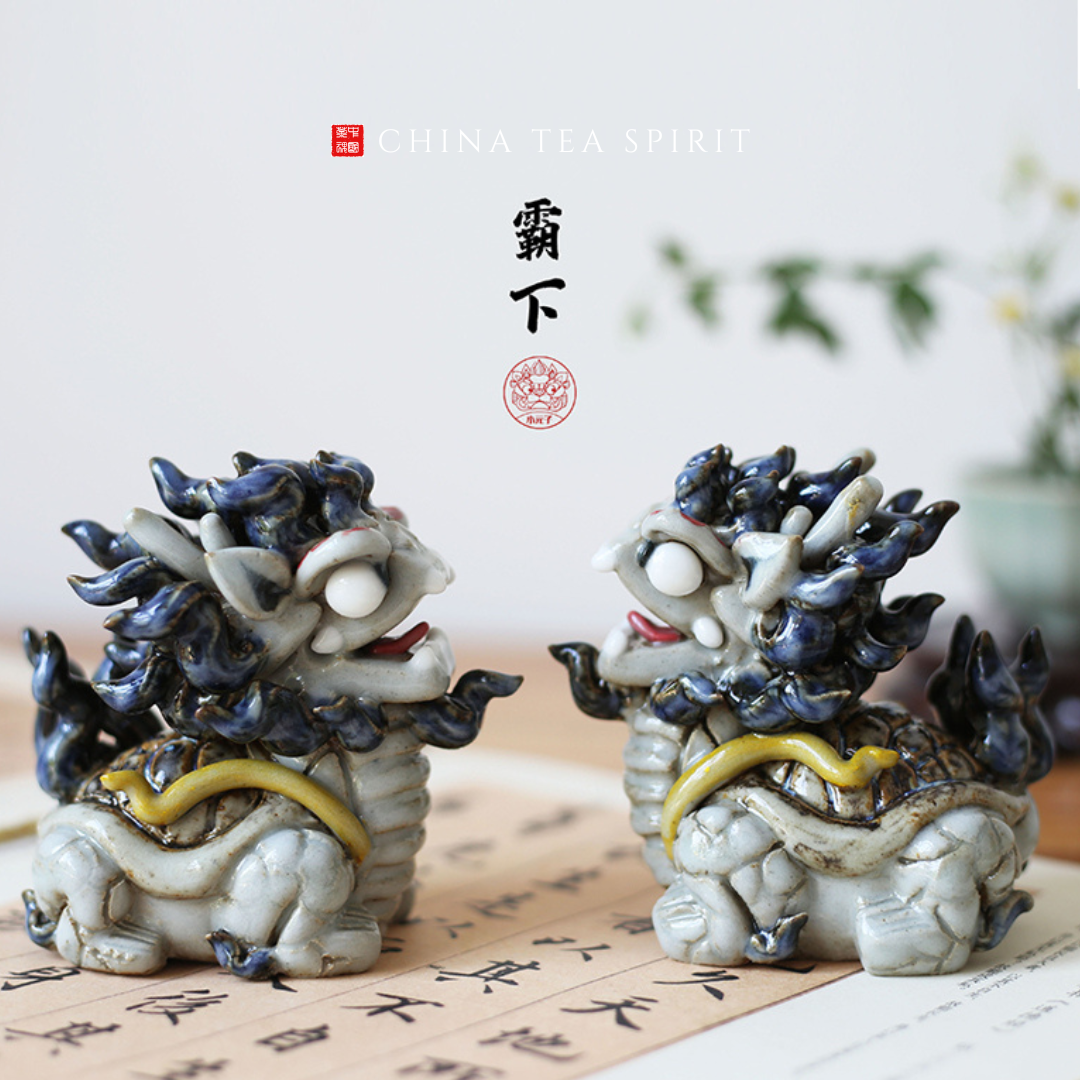
A contemporary interpretation of the Dragon Turtle form.
Today, small dragon turtles appear as ornaments, tea pets and Feng Shui figures. But the monumental animals beneath those inscriptions tell a rather different story from the one on a modern lucky-charm label.
The creature that carries a stone monument
In traditional Chinese architecture, a stone stele is much more than a large piece of rock. Its inscription might record the achievements of an emperor, commemorate a person, preserve a decree or mark an important event. The words were meant to last.
And beneath many such monuments sits a powerful tortoise-like beast.
The Palace Museum’s description of Tailing, the tomb of the Yongzheng emperor, offers a striking example: inside the memorial stele pavilion, a pair of Bixi supports stone monuments inscribed in Manchu and Chinese. One of the tall steles is described as more than thirteen metres high.
It is an extraordinary contrast. The writing tells people what should be remembered. The creature underneath makes that memory appear physically enduring.
The weight on its back is not just a sculptural trick. It tells us something about what people wanted those monuments to mean.
Why a tortoise?
The choice makes more sense once you think about the tortoise’s place in Chinese culture.
Tortoises have long been associated with longevity and endurance. Their shells suggest protection, while their slow, steady presence makes them fitting images for something intended to remain through generations.
Add the head or features of a dragon and the animal changes again. The dragon brings associations of extraordinary power and authority; the tortoise brings stability and lasting life.
The result is a creature that looks capable of carrying something far more important than its own weight.
That does not mean every ancient carving was made from one fixed symbolic recipe. Chinese mythical animals evolved across centuries. But the combination is especially compelling when the object actually has a monument to support.
Bixi, Baxia, Dragon Turtle: are they all the same thing?
The answer is not a very neat one—and that is worth knowing.
Dragon Turtle, or Longgui, is a broad descriptive name for an animal combining dragon and tortoise features. It is also the name many people encounter on modern decorative figures.
Bixi and Baxia are names that appear in traditions about dragon-like and tortoise-like creatures, particularly the famous stories of the Nine Sons of the Dragon. Depending on the historical account, the names and the specific roles attached to them may shift.
For instance, the Palace Museum’s account of the Nine Sons describes Baxia as the immensely strong, tortoise-bodied son that carries stone monuments, while describing Bixi separately in connection with writing and inscriptions.
Yet the Palace Museum also uses Bixi for the stele-bearing tortoise figures at Tailing. These examples are a good reminder that the names have not always followed one unchanging set of rules.
So rather than insisting that every dragon-headed tortoise is definitely one named dragon son, it is more useful to ask what kind of object we are looking at and what it is doing.
The easiest way to recognize the old stone-bearing form
A large turtle-bodied figure supporting a vertical inscribed slab is a strong clue that you are looking at the traditional stele-bearing type, often called Bixi or Baxia.
The shell may be broad and heavily carved. The head may look far more dragon-like than tortoise-like, with stylized teeth, nostrils or mane-like details. Some examples are enormous; others are surprisingly compact.
If a figure has the same dragon-headed tortoise body but no stele at all, it may still draw from this visual tradition. The absence of a stone tablet does not automatically make the object inauthentic or meaningless.
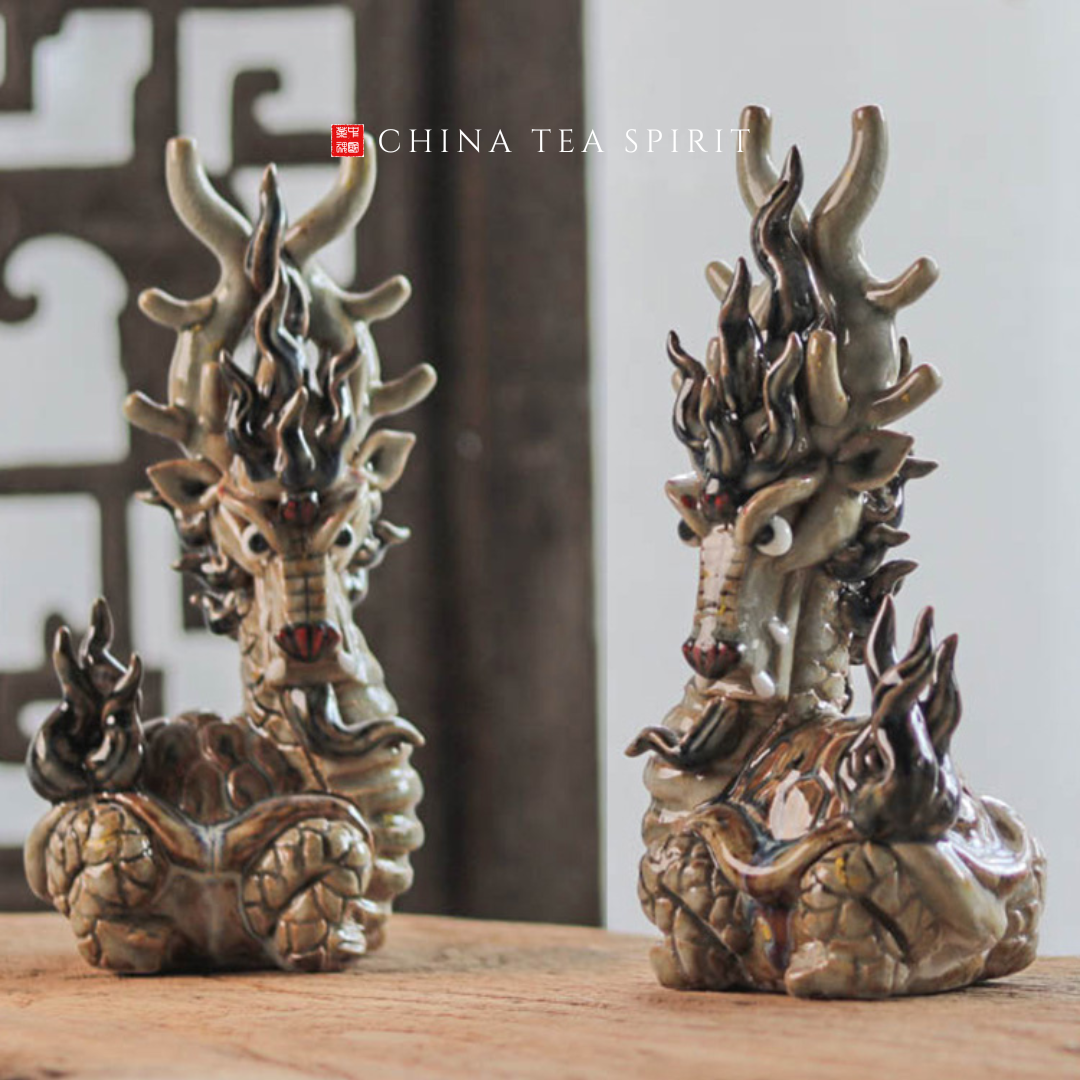
The dragon-and-tortoise combination continues in smaller decorative forms.
The important distinction is between recognizing a family of related forms and forcing every object into one exact historical identity.
From a guardian of monuments to a symbol of good fortune
Modern Dragon Turtle figures are often sold with explanations about longevity, prosperity, protection or career success. Sometimes the sculpture sits on coins. Sometimes there is a smaller tortoise resting on its back. Sometimes it appears simply as a dragon-headed creature with a shell.
Those meanings are part of contemporary decorative and Feng Shui practice, but they should not be presented as one universal ancient instruction manual.
A tortoise-like creature’s older associations with endurance and stability are easy to understand. The dragon’s authority and vitality add another layer. Modern prosperity readings extend those ideas into new settings.
You can appreciate that symbolism without believing that pointing a statue in one precise direction guarantees a promotion or a change in fortune.
The design has survived because it expresses something people have valued for centuries: the hope that what matters will endure.
What about the Dragon Turtle on a tea table?
A stone creature that once helped support monumental inscriptions might seem an unlikely model for a tiny tea pet. Yet the change in scale works remarkably well.
The broad shell and low, sturdy stance give a Dragon Turtle presence even when the sculpture is only a few centimetres long. Its face can remain fierce, while its size makes the creature approachable—even a little amusing.
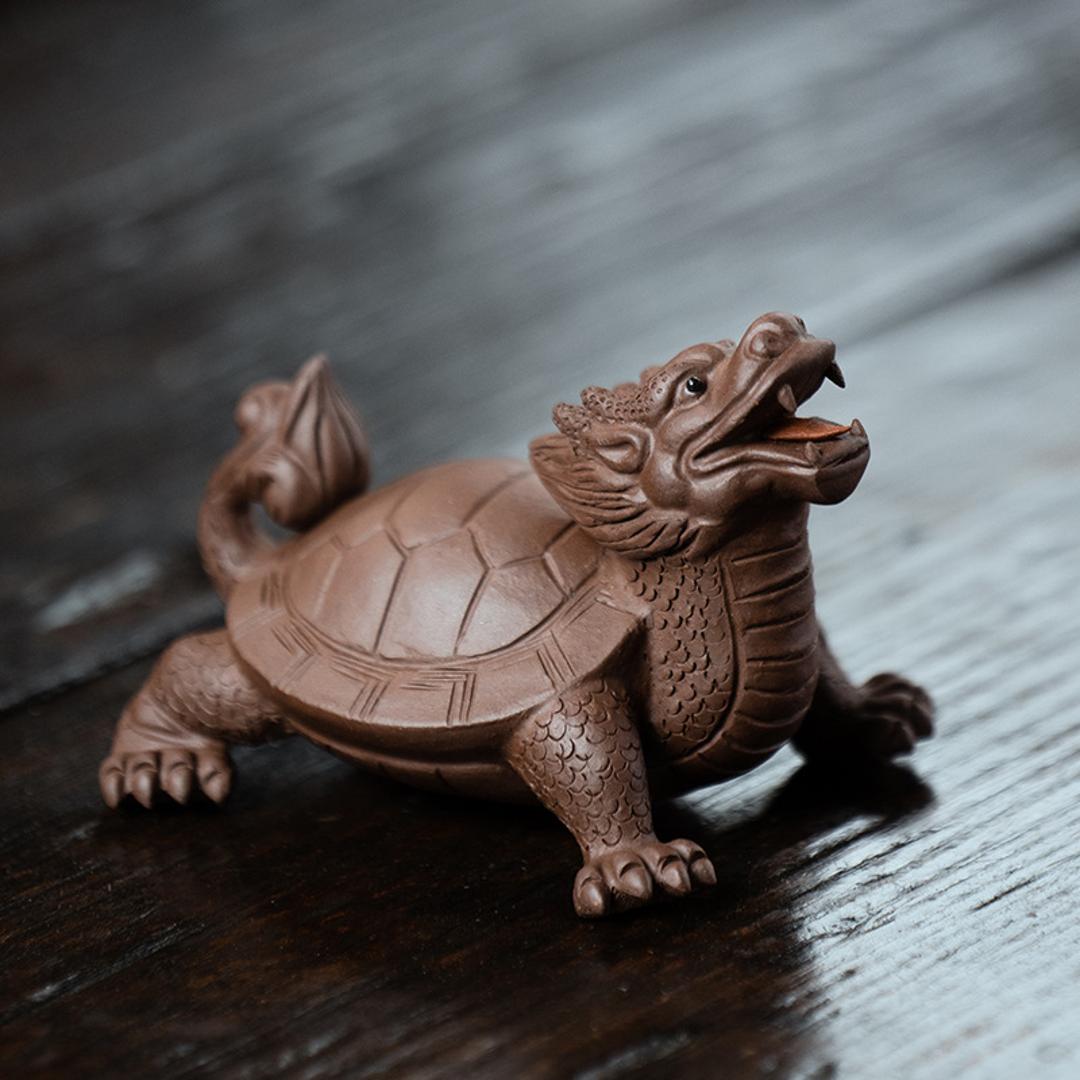
A modern Dragon Turtle interpreted as a small Zisha-clay tea pet.
A Zisha-clay Dragon Turtle tea pet is a contemporary expression of that contrast. It can sit beside the gaiwan and become part of the small personal world of a tea session.
In a larger room, a ceramic Dragon Turtle decoration plays a different role: more sculptural, more visible, but still rooted in the same hybrid form.
Neither needs a stele on its back to be worth looking at. The history makes the familiar shape richer rather than laying down rules for every artist.
A small creature carrying a very long story
When you see a Dragon Turtle in a modern collection, it is tempting to start with the usual promises: protection, longevity, wealth.
Those are familiar associations, and some people enjoy keeping the figure for exactly those reasons.
But imagine the creature back in a courtyard beneath a towering stone tablet. People carved words above it because they did not want a memory to disappear. And below, the patient, powerful animal held the record in place.
That is a much older and more compelling image than a list of lucky directions.
A dragon’s face. A tortoise’s shell. A stone carrying human history.
Perhaps it makes sense that the creature has found so many other places to sit.