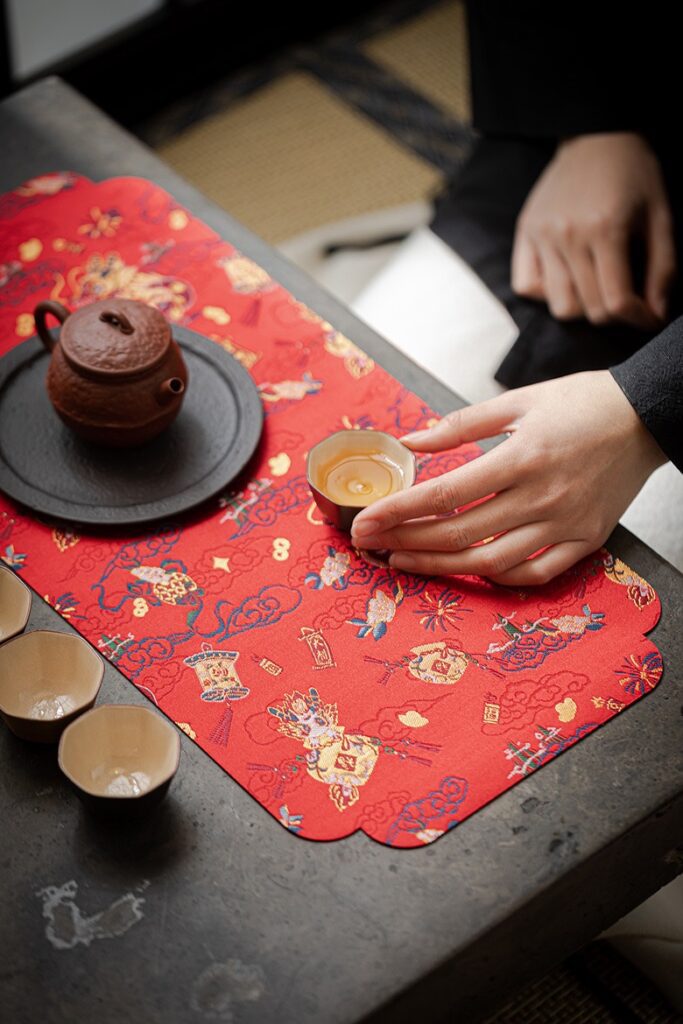
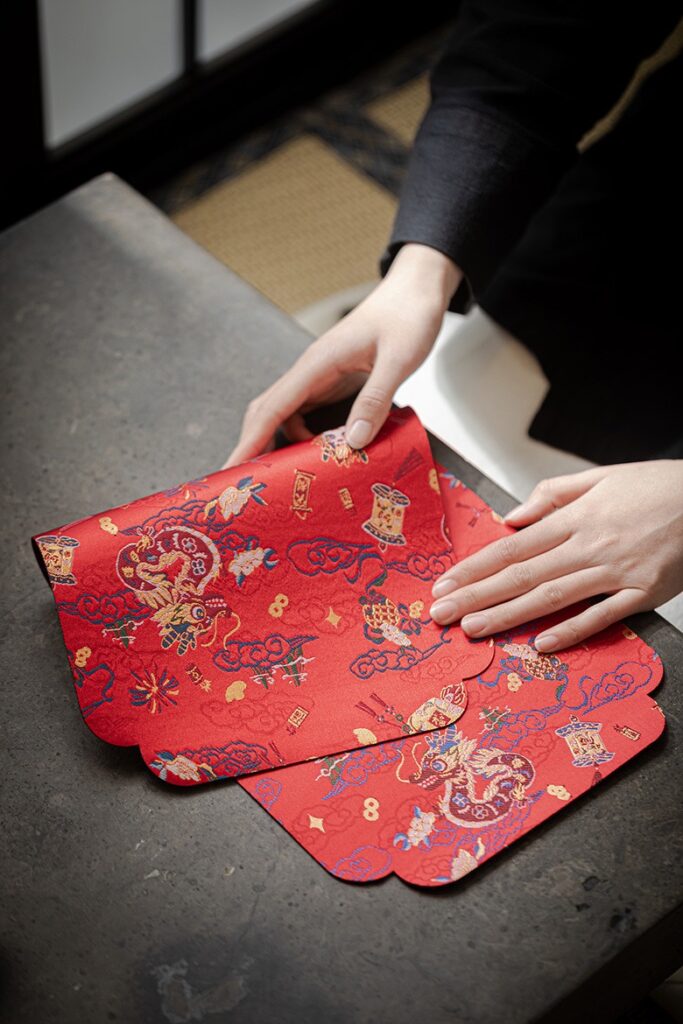
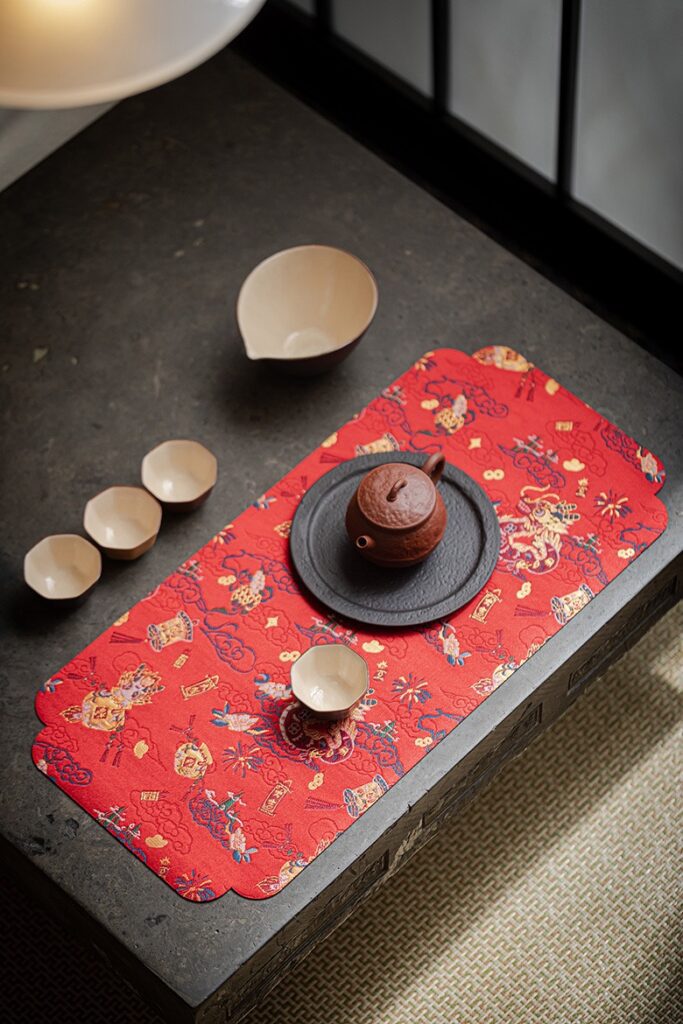
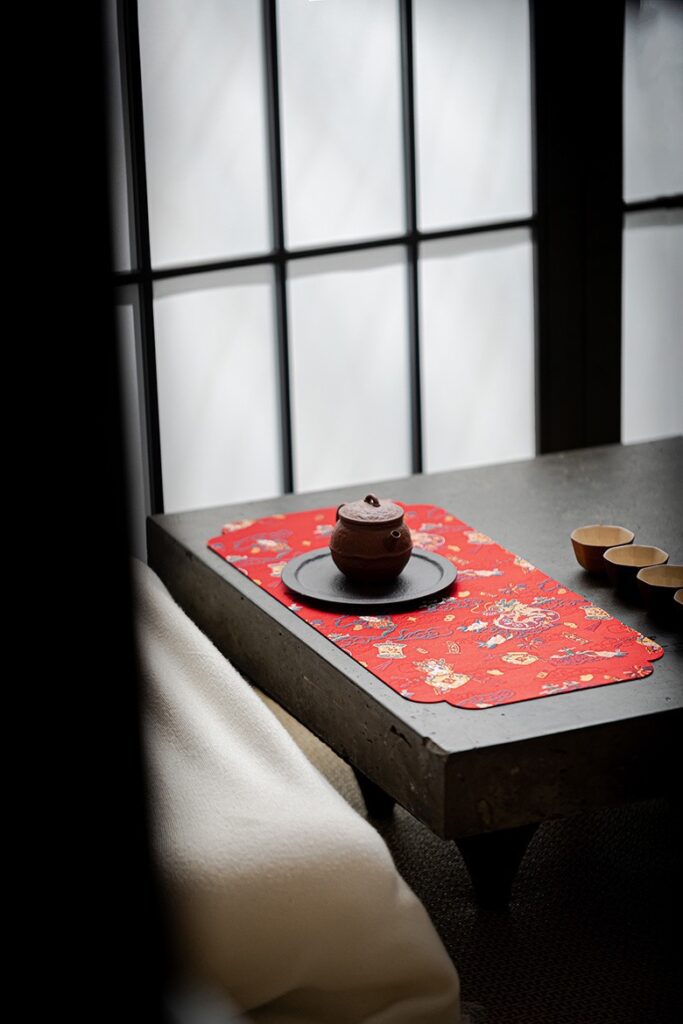
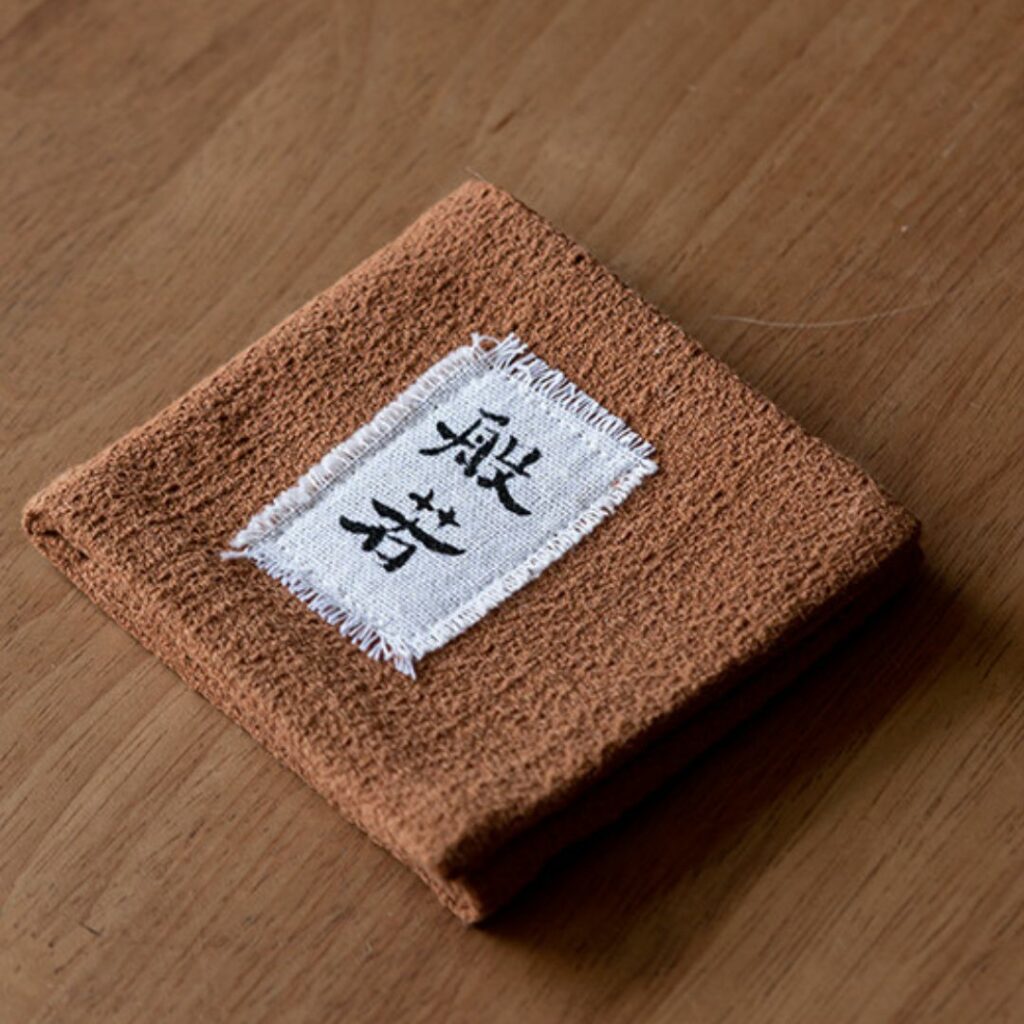
Hey tea lovers! 🐉✨ Exciting news as we step into the Dragon Year of 2024 - with Yixing teapot purchase, we're gifting you an exclusive Dragon Year style tea mat to add that extra flair to your tea rituals. It's our way of celebrating with you, but remember, it's a limited-time offer! Don't miss out on making your tea sessions even more special with this mystical addition. 🍵💫
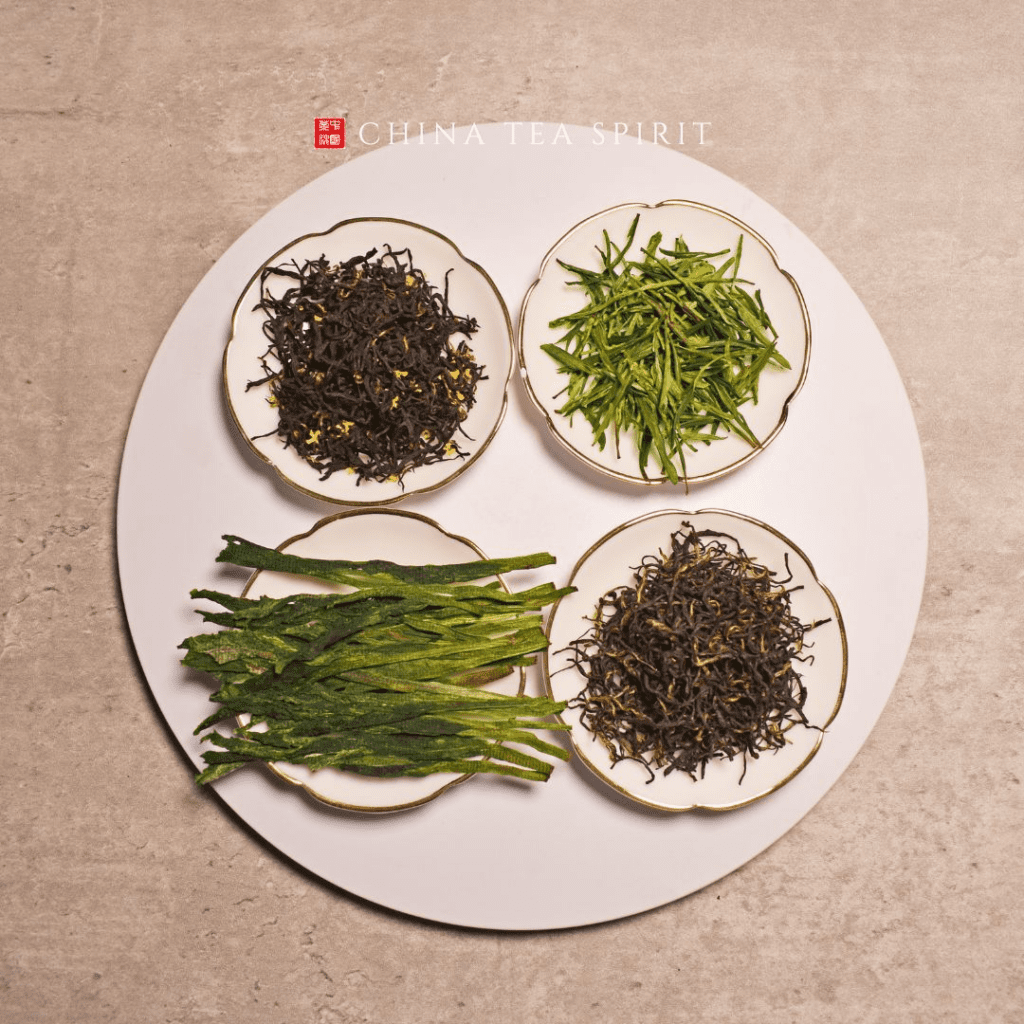
Hey tea lovers! While many of you know us as a premium Chinese tea wares company. We also specialized in teas in Huang Shan region. Huang Shan is home to the most famous Chinese teas – Huang Shan Mao Feng, Keemun and Tai Ping Hou Kui. As natives of this breathtaking place, we have a deep connection to the land and its rich tea heritage.
We understand that finding the perfect tea can be a personal journey, which is why we offer our sample pack. It allows you to explore the diverse flavors of Huang Shan teas and discover the one that resonates with your taste buds.
Each of the teas are sourced and produced directly from the tea farmers, ensuring the quality and the authentic taste.
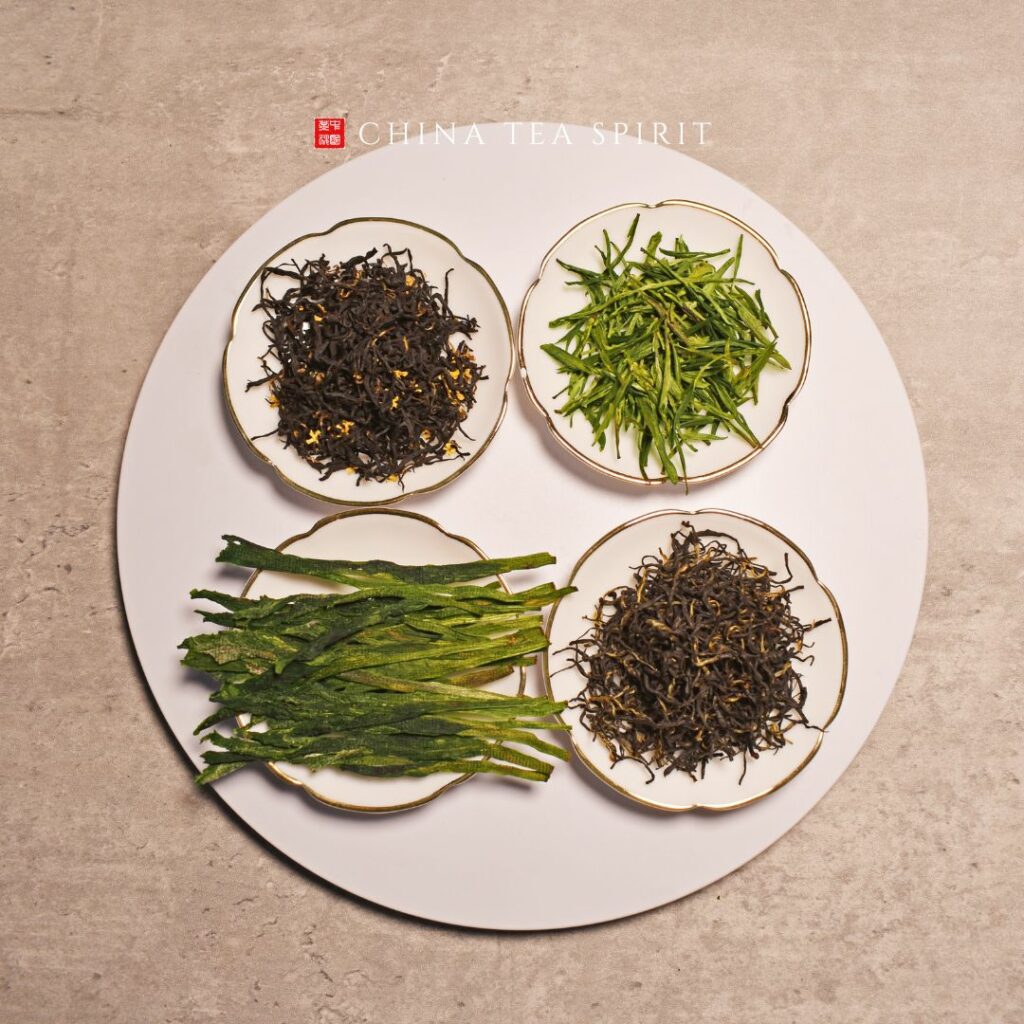
Sample pack including: Huang Shan Mao Feng – 10g Tai Ping Hou Kui – 10g Keemun Mao Feng – 10g Osmanthus Keemun – 10g
We can’t wait to hear from your feedbacks on our teas. Join us on this journey and let us be your guide as you explore the enchanting world of Huang Shan teas.
Please note that the tea and tea wares will be shipped in seperate packages according to customs requirement. Usually tea will come slightly later than the tea wares.
Dear customers,
If you experienced any issues during checkout, please contact us at [email protected]. And we will help you out.
Below we listed common payment errors and their solutions for your reference.
#1: China Tea Spirit does not ship to this location. Please use a different address.
This is a known bug from PayPal. It occurs randomly. If you have seen this error message, please contact us at [email protected]. We will work this out for you.
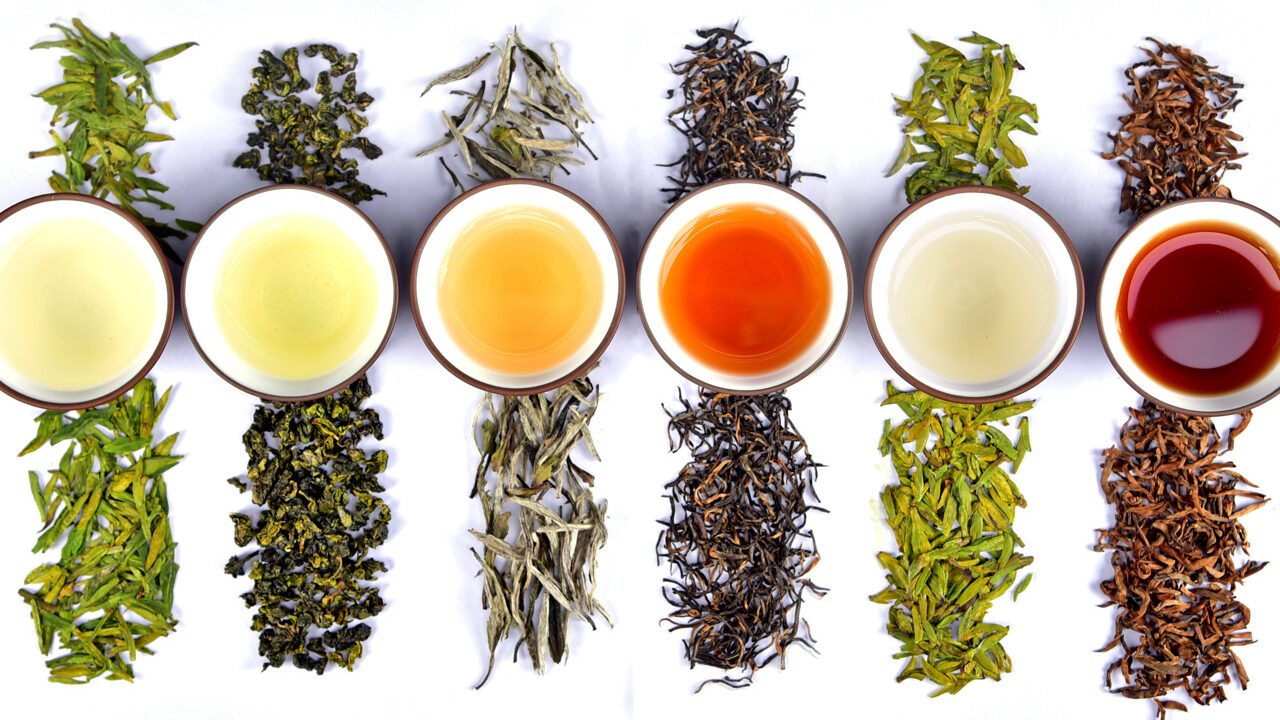
The 6 major Chinese tea types are green tea, black tea, white tea, red tea, oolong tea (Qing Cha), and yellow tea.
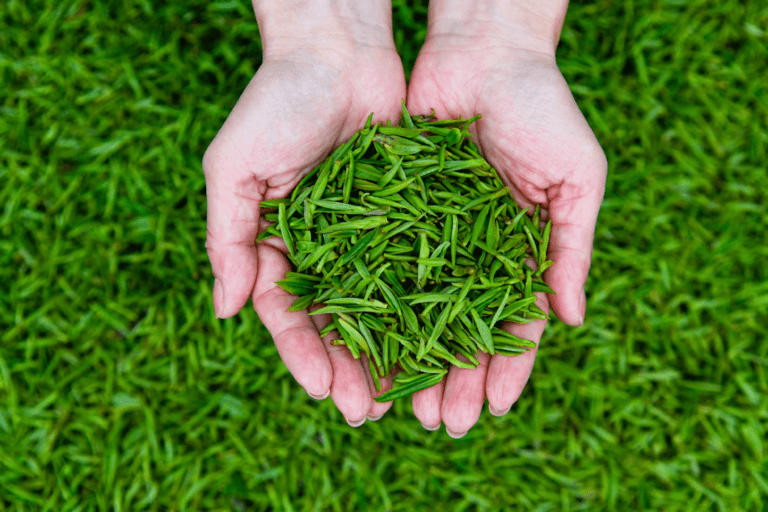
Green tea is a non-fermented tea, which is cold in nature.
Black tea is a post-fermented tea with mild tea nature.
White tea is a slightly fermented tea, which is cold in nature.
Red tea is a fully fermented tea, mild in nature.
Oolong tea, also known as Qing Cha, is a semi-fermented tea, with a mild nature.
Yellow tea is slightly fermented tea, with a cold nature.
Green Tea – 绿茶
Green tea is the most widely studied and produced tea in China. It has the largest number of varieties in the world.
Green tea is made without fermentation. It has green color in the dry leaves, liquor color and wet leaves. Green tea is the earliest type of tea in Chinese history. Since it is not fermented, the color of the fresh leaves is rarely changed and the natural green color is maintained.
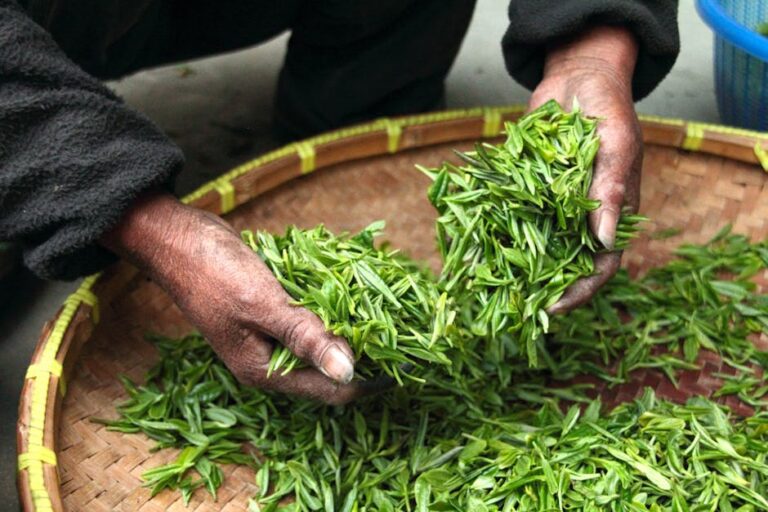
Its production process goes through Sha Qing (kill green), kneading and drying. Sha Qing uses high temperature to passivate oxidizing enzymes to prevent the tea leaves from oxidizing and maintain the green colors. Kneading has a certain role in shaping, and another role is to make the tea leaf cells broken to meet the requirements of multiple infusions. Drying, in addition to facilitating the storage of tea leaves, also has the effect of enhancing the aroma.
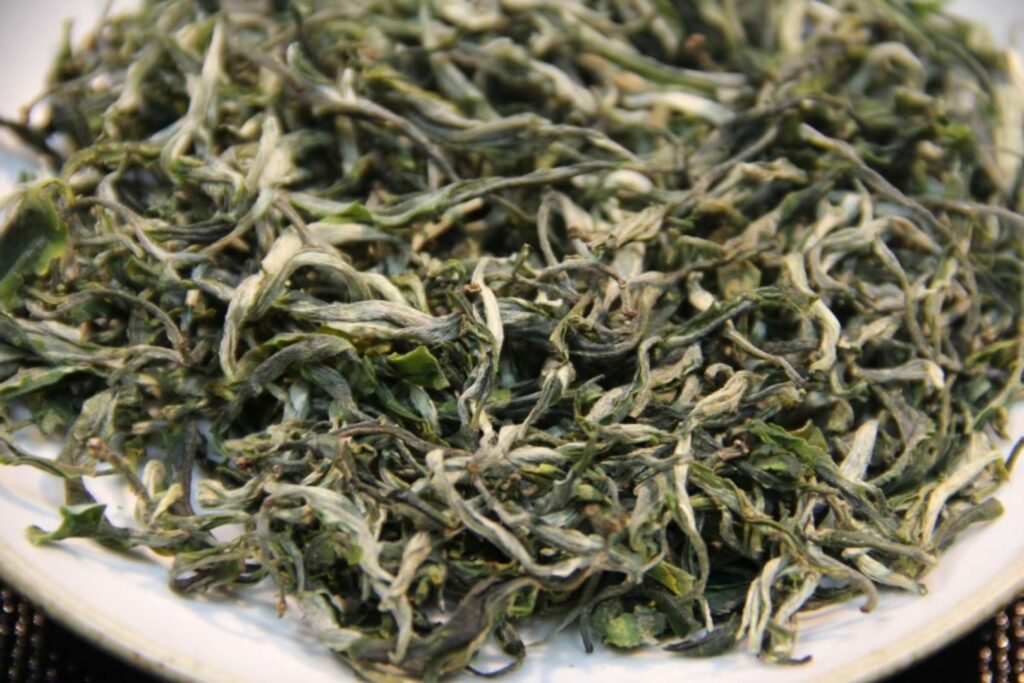
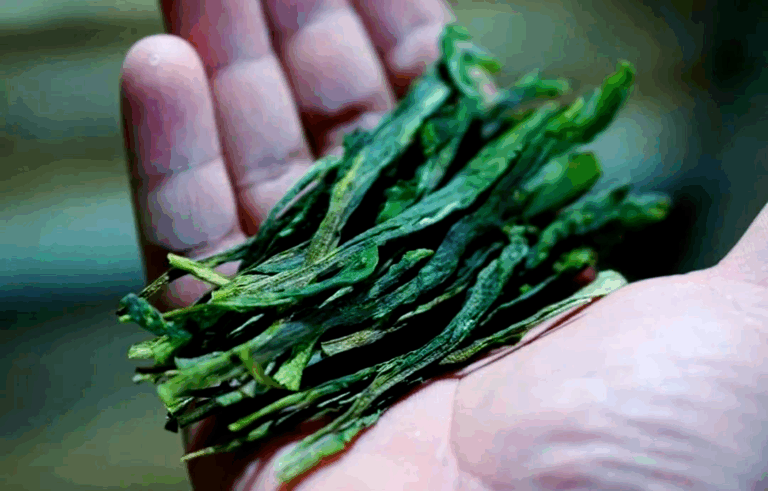
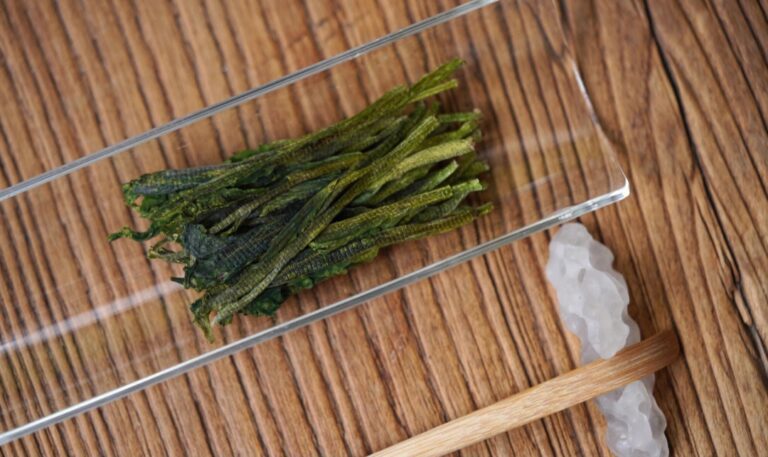
The most common green teas are Anji white tea, Huangshan Mao Feng, Taiping Hou Kui, Xihu Dragon Well, Xinyang Mao Jian, Bi Luo Chun and so on.
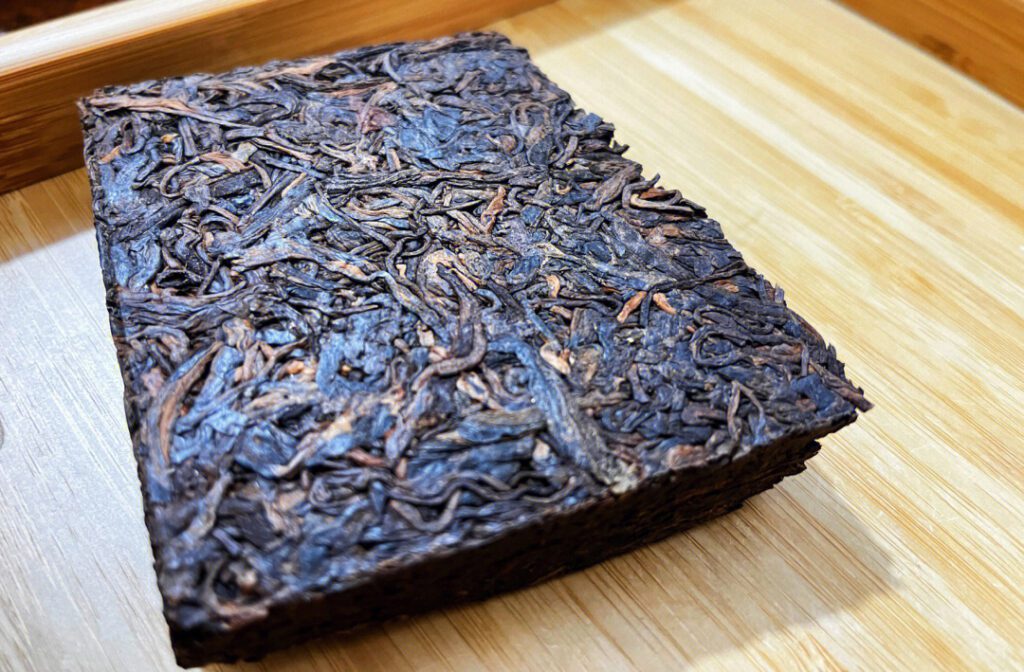
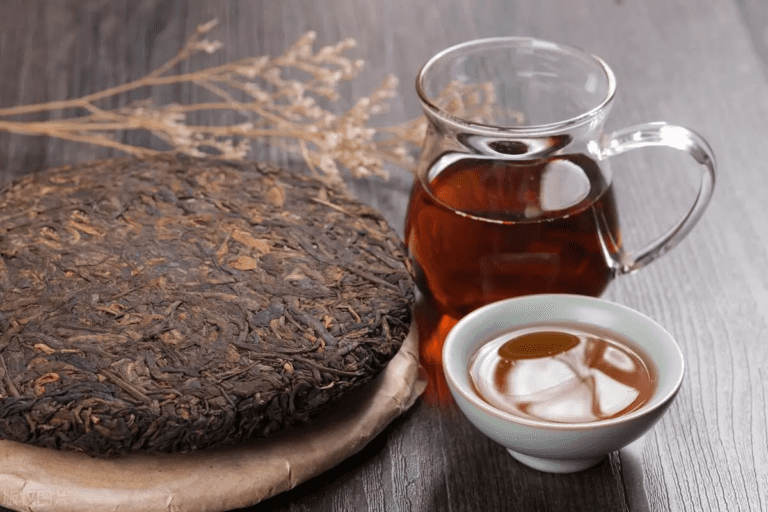
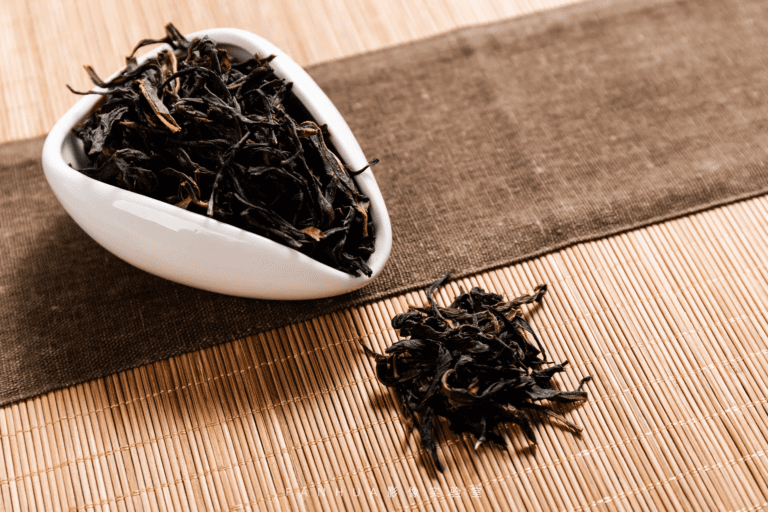
Black tea or dark tea is a post-fermented tea. Compared to other teas, it generally has rougher and older raw materials. Moreover, the fermentation time is longer during the production process, thus the leaf color is dark brown. Black tea is an indispensable daily necessity in Tibet, Inner Mongolia, Xinjiang and other border areas.
Black tea is mainly classified according to the production areas, including the Pu’erh tea (Yunnan black tea), Guangxi Liubao tea, Hunan black tea, Hubei Qing brick tea, Sichuan Bian Cha.
In addition, there are other regions with a small amount of black tea, such as Shanxi Fu brick, Anhui Guyi black tea, Qimen An Cha, etc..
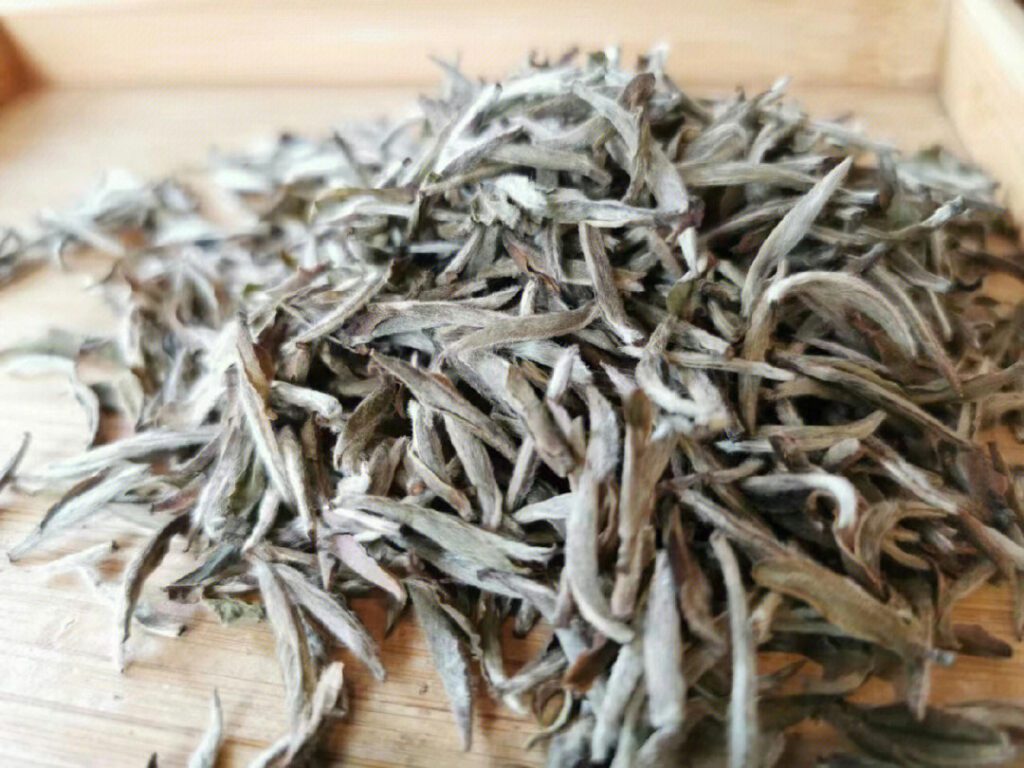
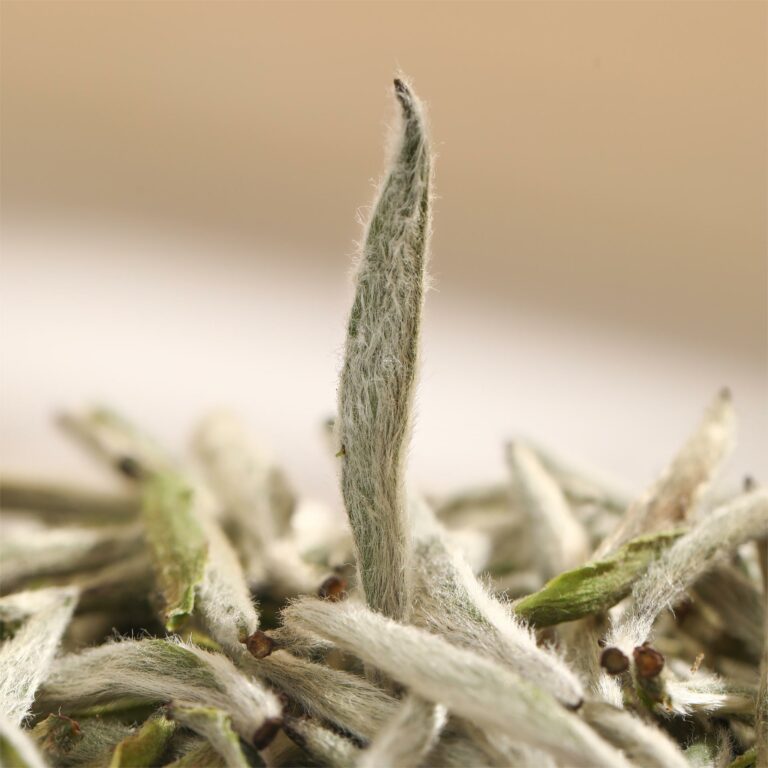
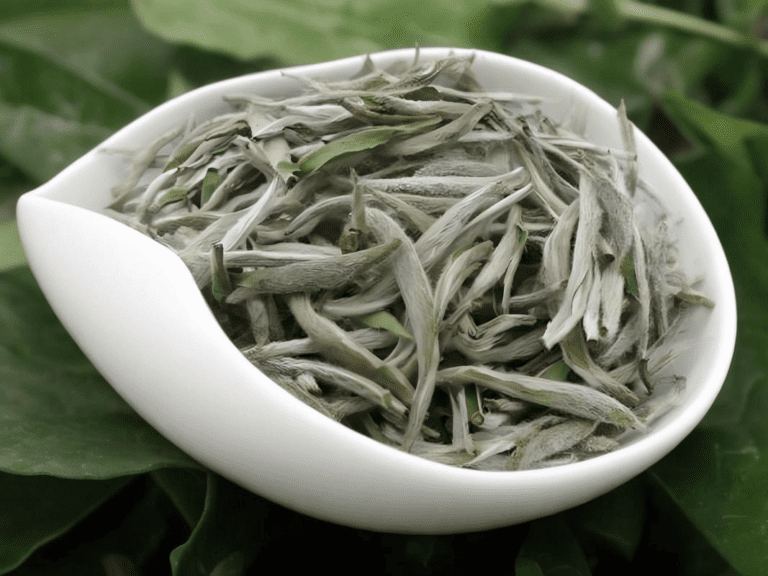
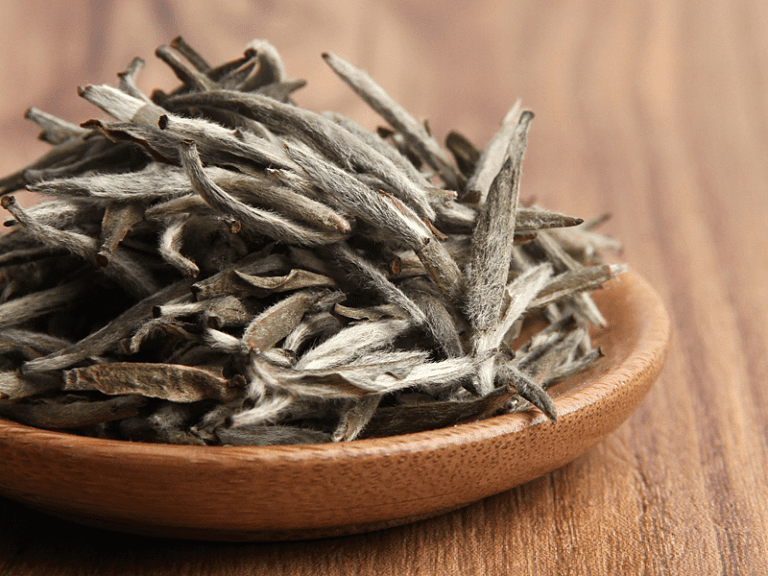
White tea, which is lightly fermented, is a specialty of China. It is produced mainly in Fuding, Zhenghe, Songxi and Jianyang counties in Fujian. It is processed without frying or kneading. The tea leaves are dried in the sun or with a gentle fire. Thus, the white hairs remain intact. The white tea has a complete bud and hair, full of hair appearance characteristics, as well as the characteristics of fresh fragrance, yellow-green color and clear broth, light and sweet taste.
White tea is divided into bud tea and leaf tea. The tea with a single bud becomes “silver needle”. The tea with one bud and two or three leaves is “white peony”. There is also “Gong Mei / Shou Mei”, which is generally three leaves or less.
Can you boil aged white tea after gongfu brewing? Here’s why Shou Mei can still have more to give, how to simmer it, and when boiling is not the right choice.
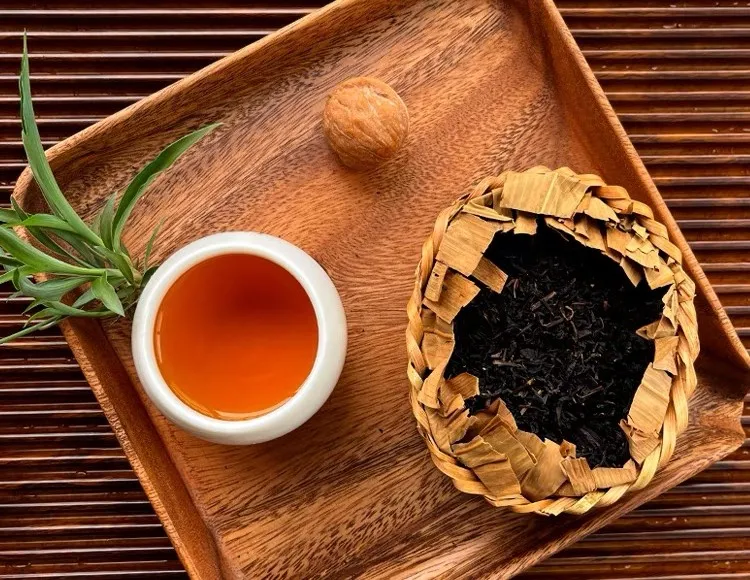
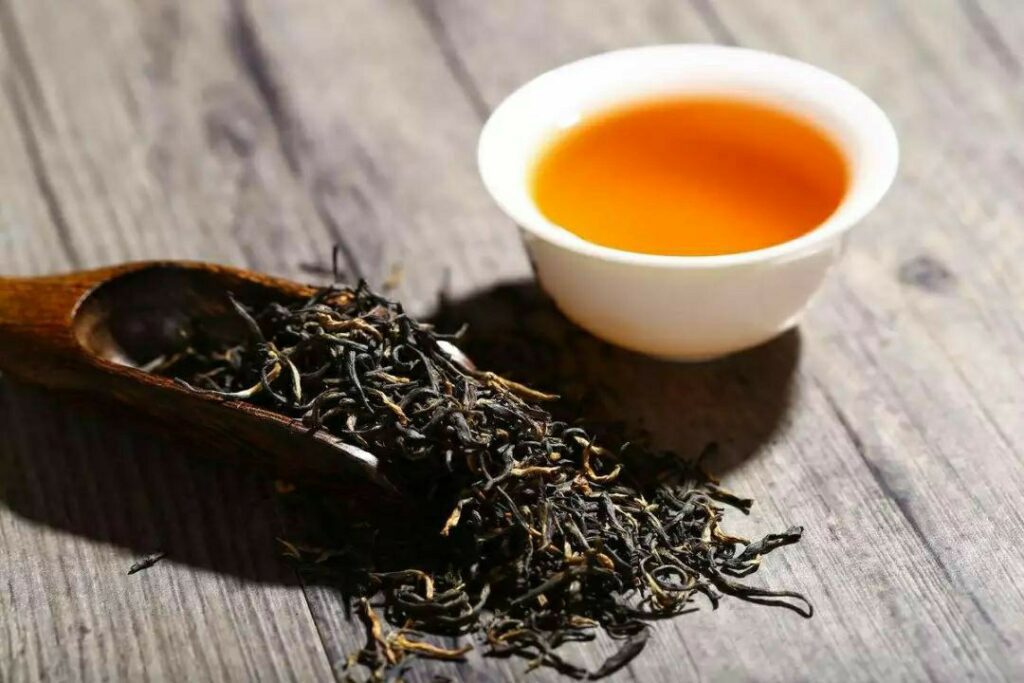
Red tea is a fully fermented tea. The difference between red tea and green tea is that red tea does not go through the Sha Qing process , but rather through withering. This will allow the fresh leaves to lose some moisture. Then by kneading process (kneading into strips or cutting into granules) the cellular structure of the tea leaves is destroyed, allowing the oxidation or fermentation of the tea leaves. This turns the leaves and broth red.
The main classifications of red tea are as follows. Xiao Zhong red teas include Zheng Shan Xiao Zhong, Jin Jun Mei etc. Gong fu red tea has Keemun, Dian Hong, etc. CTC red teas, these are the source for tea bags. CTC refers to crushing, tearing and curling. They are cheap and produced in large quantity.
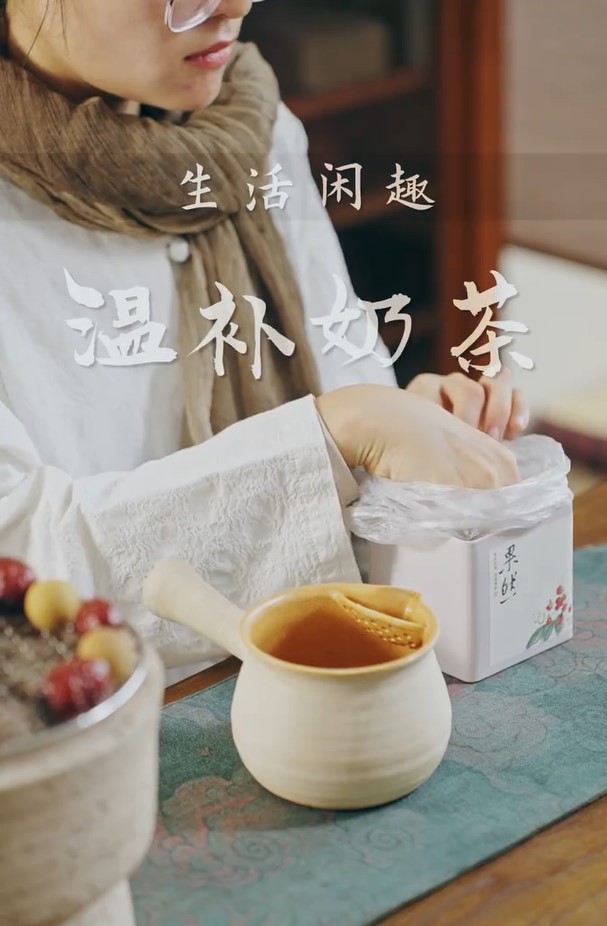
Learn how to make the delicious and healthy tea drink, Baked Milk Red Tea With Longan Red Dates and Osmanthus. This easy-to-follow recipe will show you step-by-step instructions on how to perfect this refreshing and comforting drink.
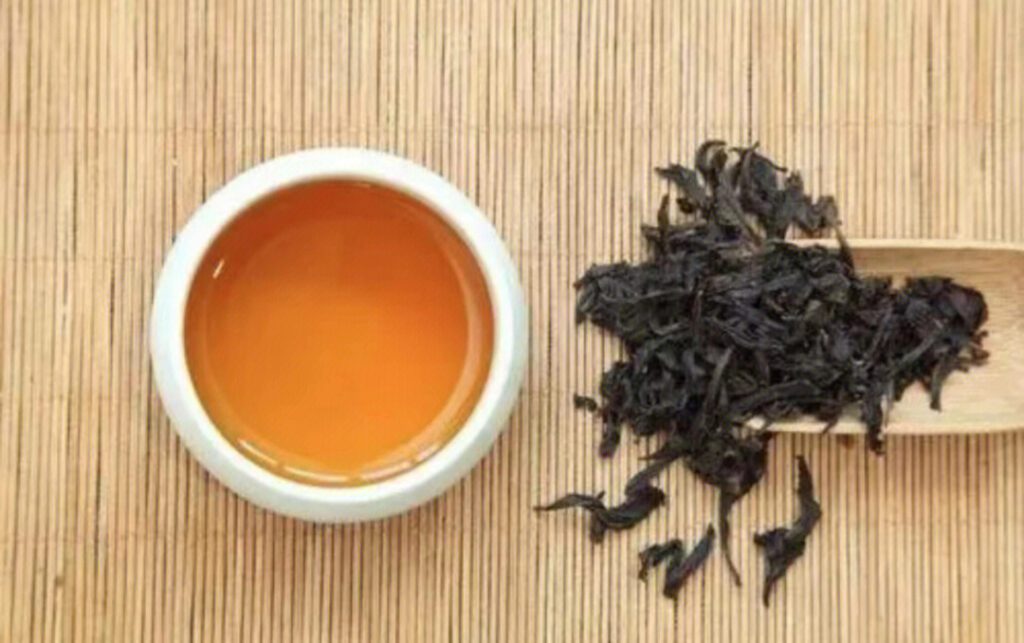
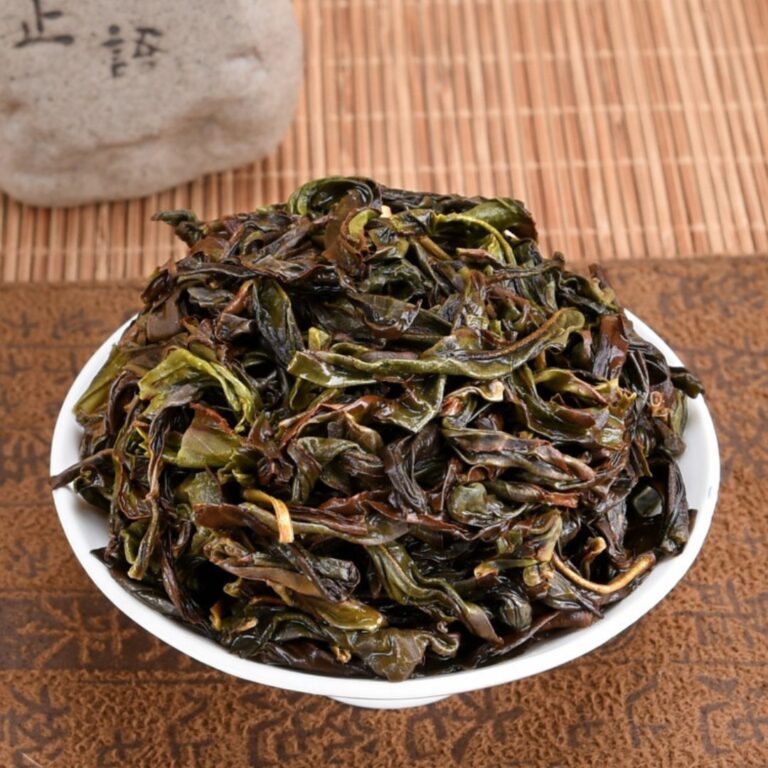
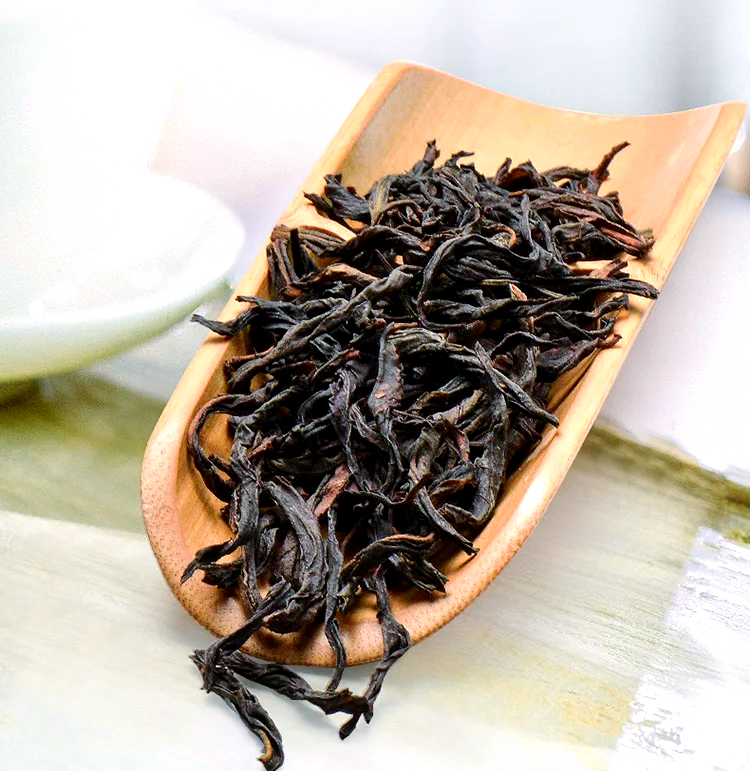
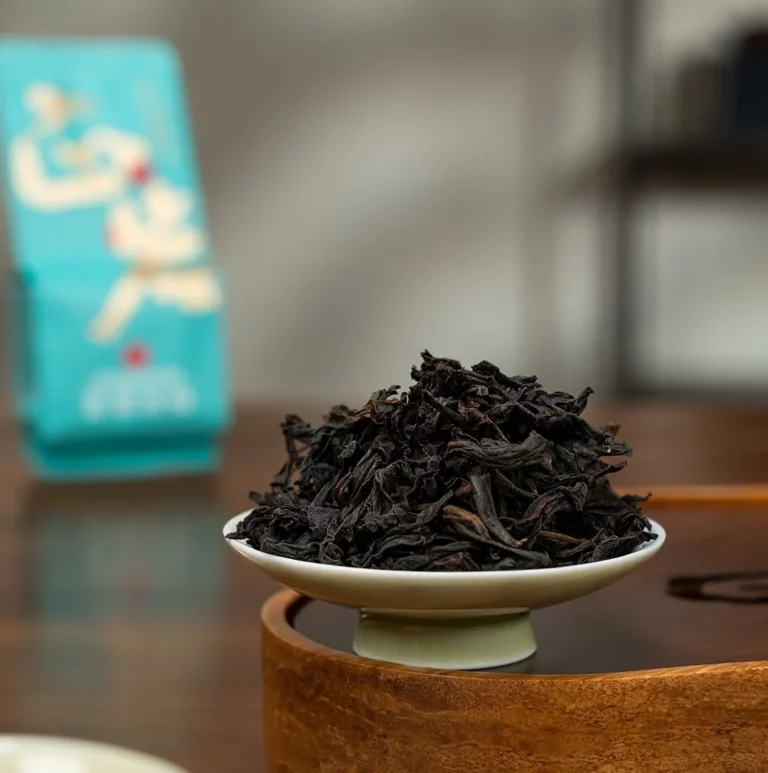
Oolong tea, or Qing Cha, is a semi-fermented tea. Speaking of oolong tea, many people’s first thought is probably Tie Guanyin. Yes, and the well-known Da Hong Pao is actually also oolong tea.
Oolong tea uses a special process called “Yao Qing (Shaking Green)” to make it properly fermented, so the leaves turn slightly red. As a result, it has the freshness of green tea, and the sweetness of red tea. If you look closely, the middle of the leaf is green and the edge is red. Therefore, it is known as “green leaves with red edges”.
Oolong tea is generally classified by its origin, and the main production areas are concentrated in Fujian, Guangdong and Taiwan.
However, the Fujian oolong tea differs greatly from north to south, so it is divided into four categories.
Northern Fujian oolong: Wuyi rock tea, etc.;
Southern Fujian oolong: Tieguanyin, Golden Cinnamon, etc.;
What tea goes best with mooncakes? Match the tea to the filling—from lotus paste and salted egg yolk to snowskin, durian, nuts and custard—rather than following one fixed Mid-Autumn rule.
Discover the unique flavors of Wuyi rock tea! Learn the differences between Dahongpao, Rougui, and Shuixian, from their origins to aroma, taste, and brewing tips.
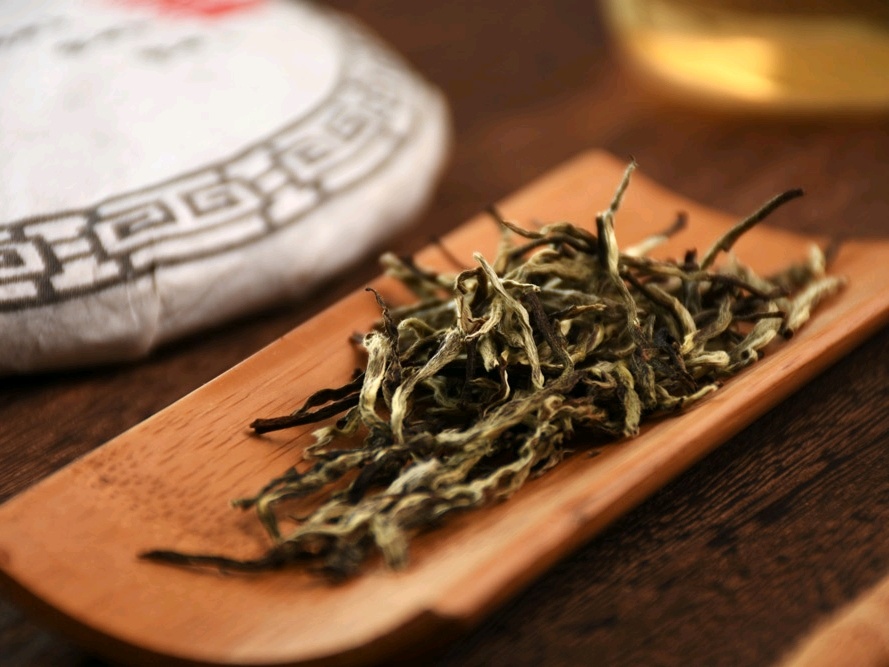
Yellow tea is a slightly fermented tea. It has a production process similar to the green tea. Except that before or after the drying process, there is an additional process of “smothering yellow”. Therefore, it forms a yellow leaf and yellow broth. Yellow tea is cold in nature, characterized by apricot yellow tea broth and yellow wet leaf, thus it is named yellow tea.
Comparing with other tea types, yellow tea is relatively minor, so it is relatively niche at present.
The common yellow teas are: Junshan silver bud, Mengding yellow bud, Huoshan yellow bud and so on.
Hey tea lovers! While many of you know us as a premium Chinese tea wares company. We also specialized in teas in Huang Shan region. Huang Shan is home to the most famous Chinese teas – Huang Shan Mao Feng, Keemun and Tai Ping Hou Kui. As natives of this breathtaking place, we have a…