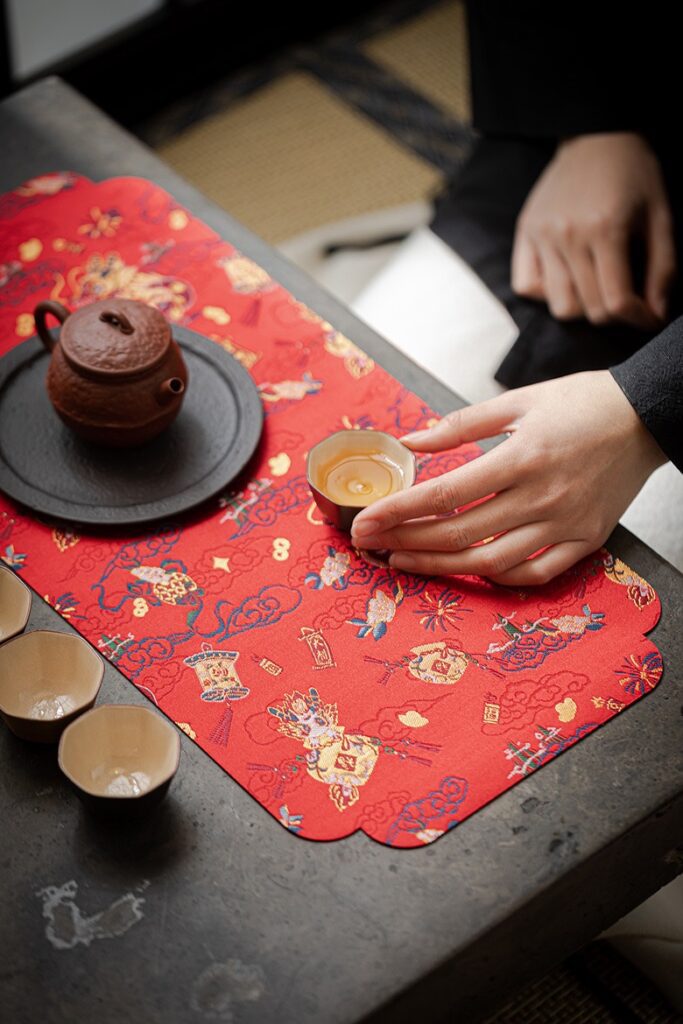
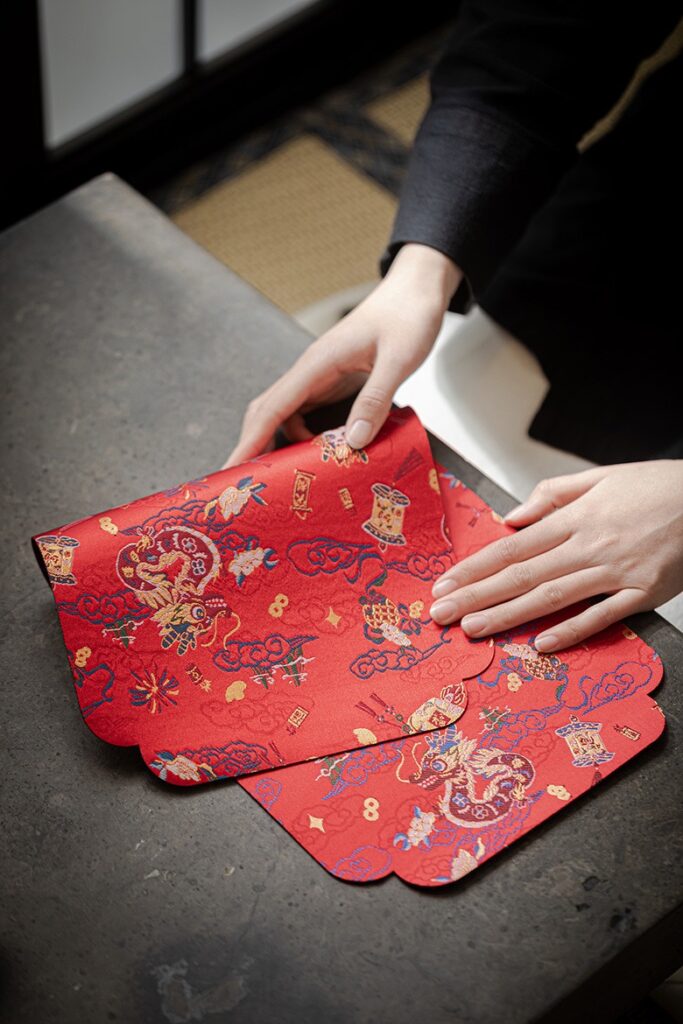
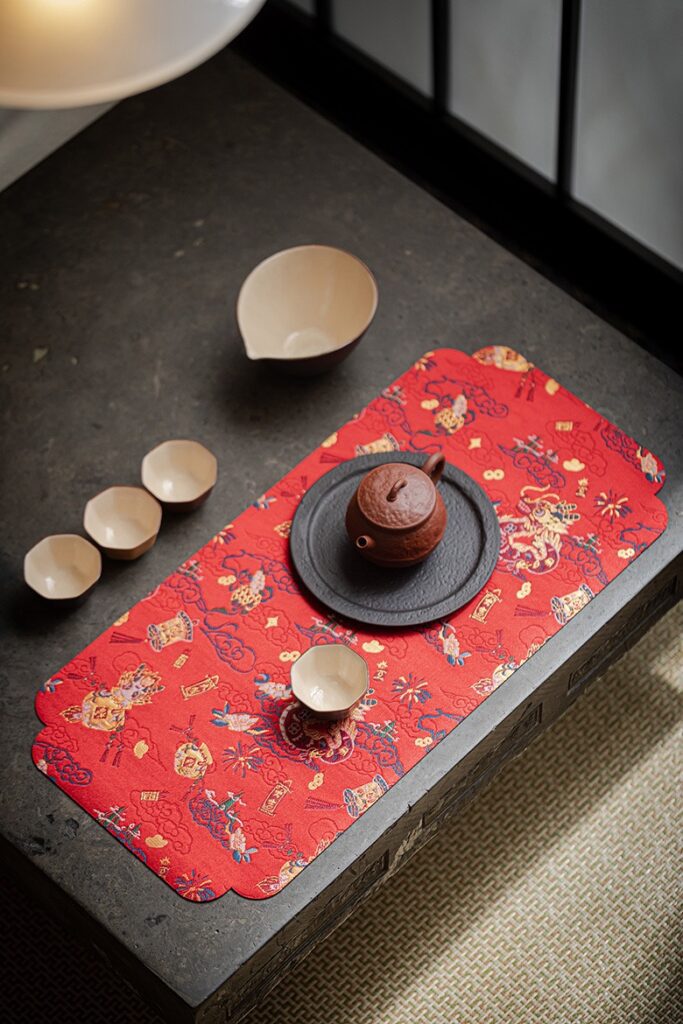
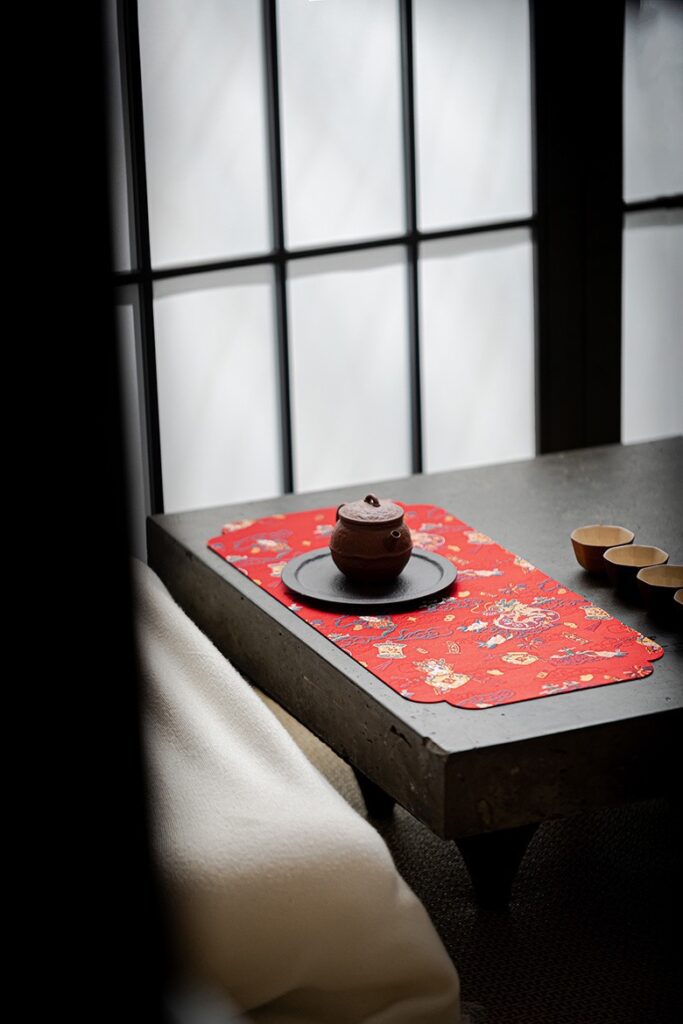
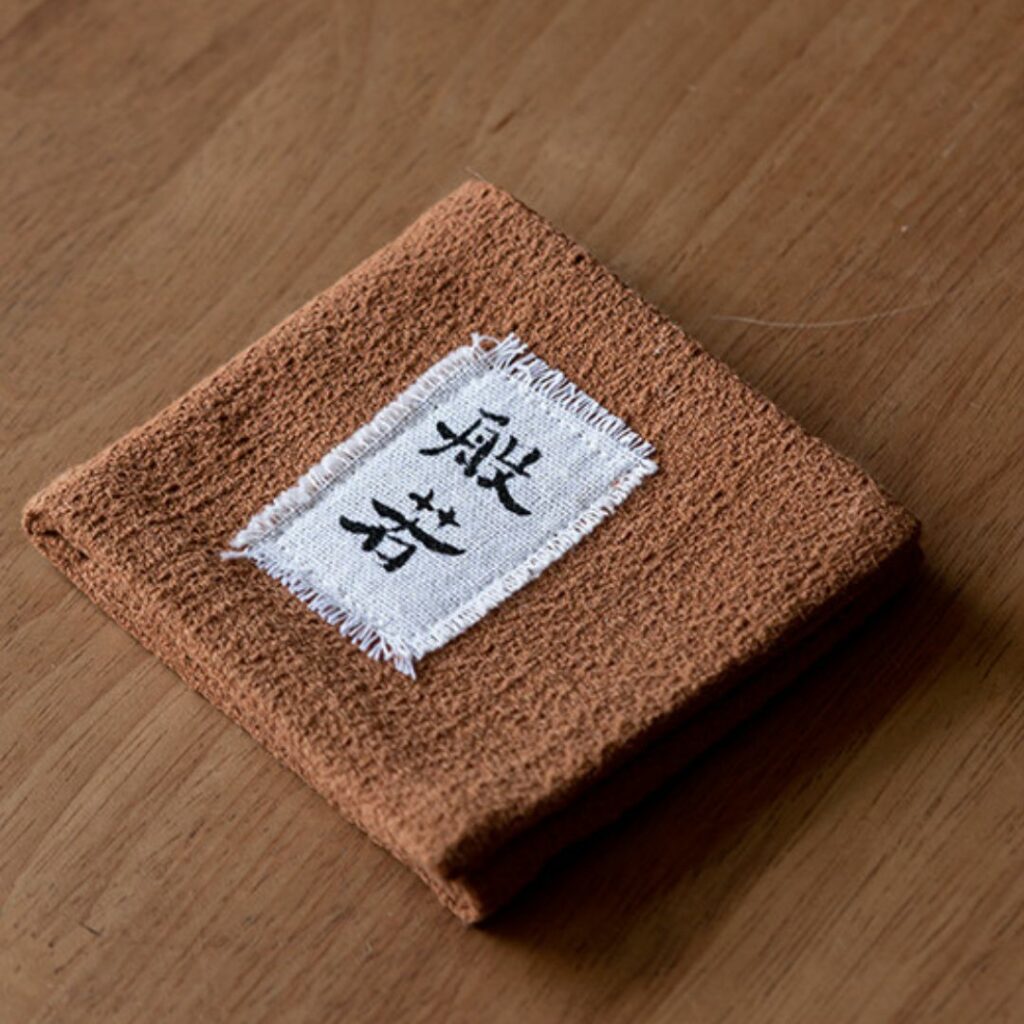
Hey tea lovers! 🐉✨ Exciting news as we step into the Dragon Year of 2024 - with Yixing teapot purchase, we're gifting you an exclusive Dragon Year style tea mat to add that extra flair to your tea rituals. It's our way of celebrating with you, but remember, it's a limited-time offer! Don't miss out on making your tea sessions even more special with this mystical addition. 🍵💫
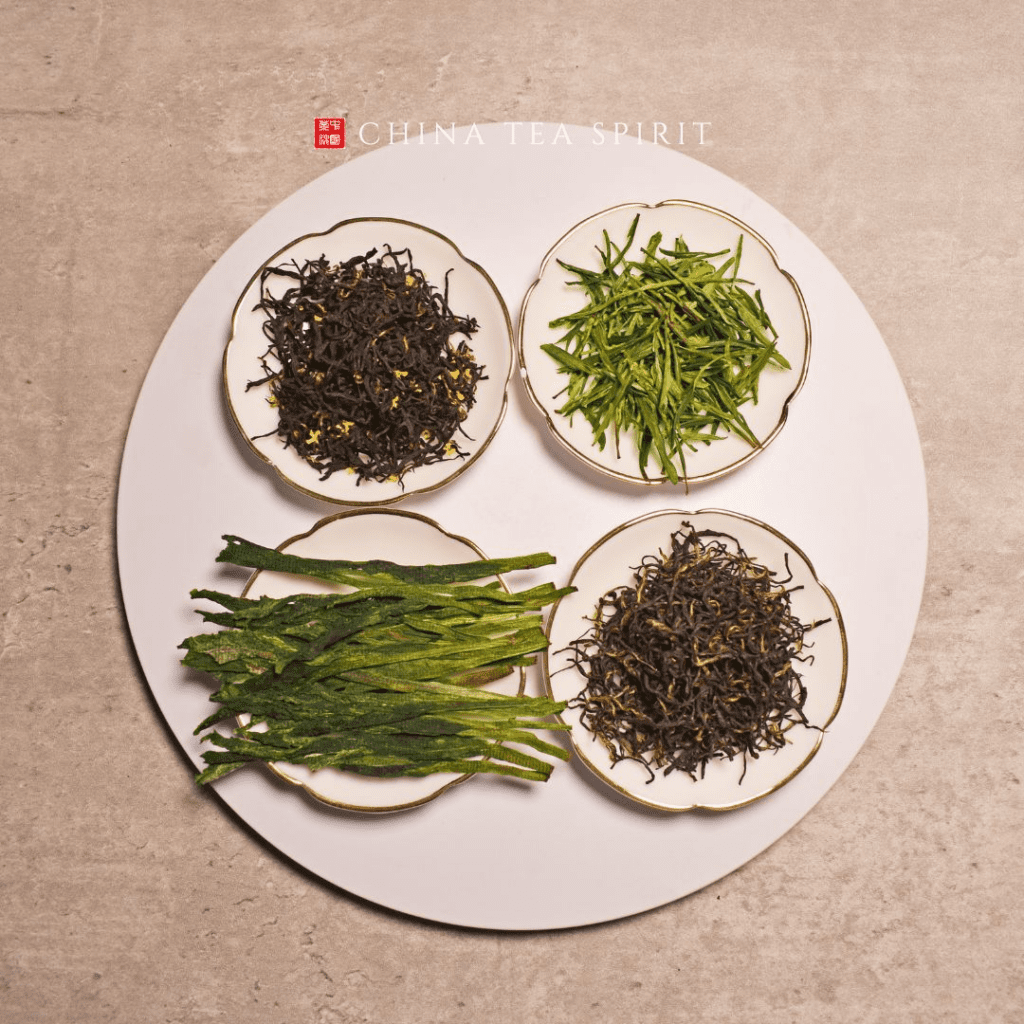
Hey tea lovers! While many of you know us as a premium Chinese tea wares company. We also specialized in teas in Huang Shan region. Huang Shan is home to the most famous Chinese teas – Huang Shan Mao Feng, Keemun and Tai Ping Hou Kui. As natives of this breathtaking place, we have a deep connection to the land and its rich tea heritage.
We understand that finding the perfect tea can be a personal journey, which is why we offer our sample pack. It allows you to explore the diverse flavors of Huang Shan teas and discover the one that resonates with your taste buds.
Each of the teas are sourced and produced directly from the tea farmers, ensuring the quality and the authentic taste.
Sample pack including: Huang Shan Mao Feng – 10g Tai Ping Hou Kui – 10g Keemun Mao Feng – 10g Osmanthus Keemun – 10g
We can’t wait to hear from your feedbacks on our teas. Join us on this journey and let us be your guide as you explore the enchanting world of Huang Shan teas.
Please note that the tea and tea wares will be shipped in seperate packages according to customs requirement. Usually tea will come slightly later than the tea wares.
Dear customers,
If you experienced any issues during checkout, please contact us at [email protected]. And we will help you out.
Below we listed common payment errors and their solutions for your reference.
#1: China Tea Spirit does not ship to this location. Please use a different address.
This is a known bug from PayPal. It occurs randomly. If you have seen this error message, please contact us at [email protected]. We will work this out for you.
That sounds obvious, but a surprising number of people learn gongfu tea by assuming a little pain is simply part of the technique.
It isn’t.
If your fingers are getting uncomfortably hot every time you pour, the problem is usually not that you are “bad at using a gaiwan.” More often, something very practical is happening: the water is too high, your fingers are too close to the hot body, the pour is too slow, or the gaiwan itself is simply too large or awkward for your hand.
Sometimes several of those things happen at once.
The good news is that you usually do not need to replace your gaiwan with a teapot.
You need to change where the heat goes.
Start with the easiest fix: use less water
This solves more gaiwan problems than almost anything else.
A gaiwan should not be filled to the brim.
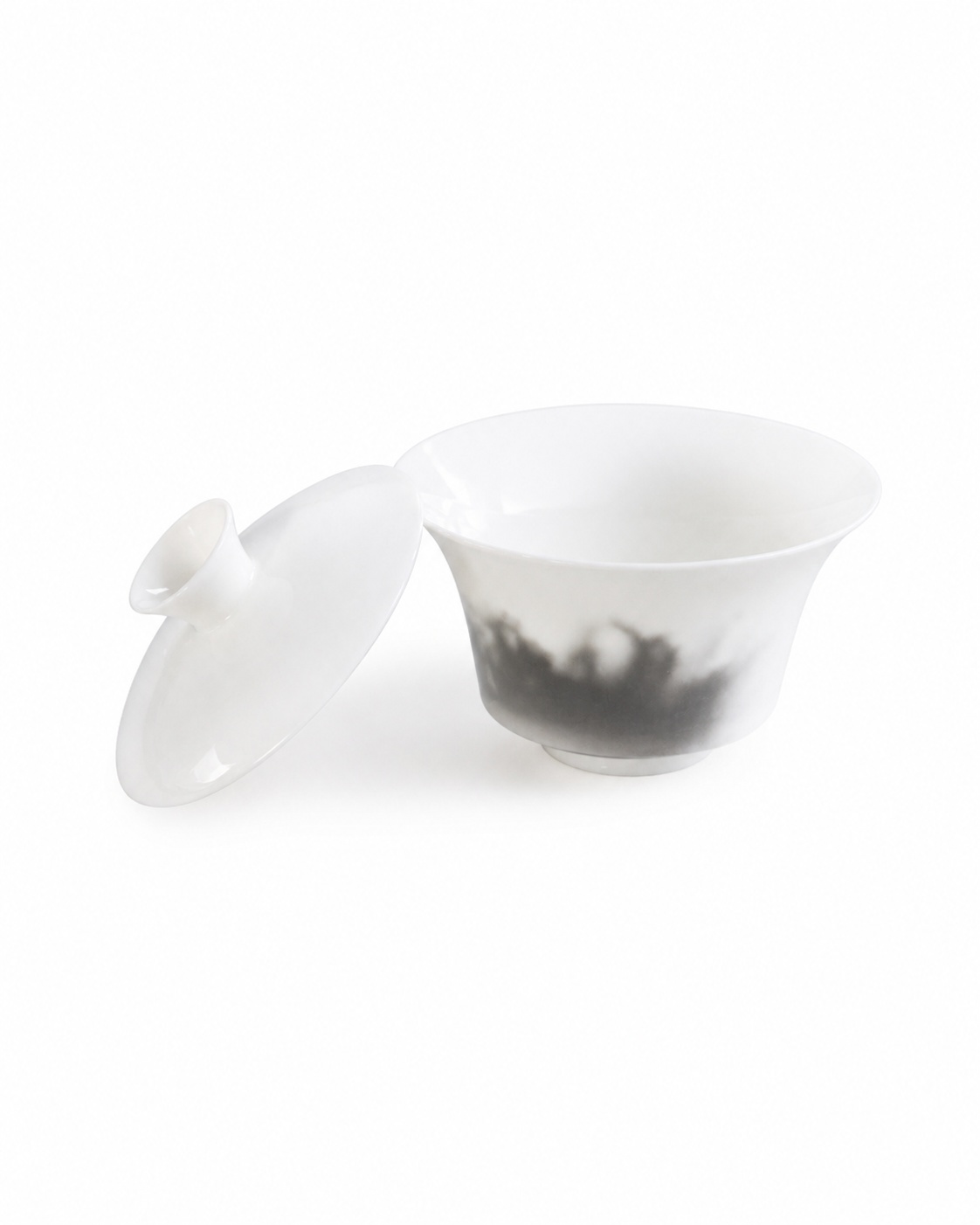
Look at the shape of a typical porcelain gaiwan and you will often see the bowl begin to flare outward near the top. That flare is not only decorative. It helps create a cooler place for your fingers to hold the vessel.
If the hot water rises all the way into that flared area, you remove much of that advantage.
Now the rim heats rapidly. Steam escapes around the lid. And the exact place where your thumb and middle finger need to sit becomes the hottest part of the gaiwan.
Instead, keep the water comfortably below the rim.
You do not lose anything important by doing this.
If a gaiwan is sold as 120ml, that does not mean you need to put exactly 120ml of boiling water into it every infusion. The listed capacity is often closer to what the vessel can physically contain than what is comfortable to brew with.
The useful capacity of a gaiwan is the amount you can fill, close and pour safely. That number may be smaller. If you want to measure yours, our guide to finding a practical gaiwan brewing ratio explains a simple way to check the vessel’s real working volume.
Your fingers should touch the rim, not hug the bowl
For the common three-finger grip, the basic idea is simple.
Your thumb and middle finger hold opposite sides near the rim.
Your index finger controls the lid from the knob.
The hot bowl hangs below those contact points.
What causes trouble is when the thumb and middle finger gradually slide downward and begin gripping the body of the gaiwan.
The body is where the hot water is. Of course it is hot.
This becomes particularly easy to do with a gaiwan that is wide relative to your hand. Instead of lightly pinching the rim, you start reaching around the bowl for security.
At that point the problem is no longer simply technique. The vessel may be too wide for the way you are trying to hold it.
A larger gaiwan is not necessarily easier
A 200ml gaiwan looks generous and practical.
Fill it with hot water and it becomes a fairly large ceramic object that you are trying to control between a few fingertips.
That changes things.
The vessel is heavier. The span between your fingers increases. There is more hot water storing heat inside it. And if you hesitate while pouring, your hand remains in contact with that heat for longer.
This is one reason 80–120ml gaiwans are so comfortable for many solo drinkers. They are not only producing an appropriate amount of tea. They are physically easier to control.
That does not mean a 200ml gaiwan is wrong. It means capacity is also an ergonomic choice.
Open the lid enough to let the tea escape
A very small lid gap feels safe.
It looks controlled.
Then the tea comes out in a thin stream.
You hold the hot gaiwan in the air. It keeps pouring. Your fingers get hotter. You begin adjusting your grip. The lid moves. Now the pour becomes even slower.
This is how a five-second pour turns into an uncomfortable little negotiation with boiling water.
Before lifting the gaiwan, slide the lid slightly to create a clean opening on the pouring side.
Not so wide that a pile of leaves escapes.
Wide enough that the liquor can leave quickly.
This is especially important with large-leaf teas, because the leaves themselves can partially block the opening.
A decisive pour is usually more comfortable than trying to control the tea through the narrowest possible gap.
It also helps your brewing. When you intend a short infusion, taking ten extra seconds to drain the gaiwan is effectively another ten seconds of extraction.
Pouring technique and brewing technique are the same thing here.
Watch where the steam goes
Sometimes the bowl itself is not what burns you.
Steam is.
When the lid is tilted badly, steam can escape directly toward the fingers holding the rim.
This is why simply copying a photograph of someone’s hand position is not always enough.
You also need to notice the relationship between the lid gap, the pouring direction and your fingers.
The opening should direct tea forward and allow steam to escape away from the hand as much as possible.
If hot vapor is constantly curling around your thumb, adjust the lid before deciding the entire gaiwan is unusable.
A few millimeters can completely change how it feels.
Do not squeeze the lid knob
The index finger has a surprisingly small job.
It keeps the lid stable.
That is all.
You do not need to press down hard.
A nervous beginner often pushes firmly on the knob because the lid feels as though it might fall off during the pour.
That creates tension through the whole hand.
The thumb grips harder. The middle finger grips harder. The wrist moves more slowly.
Everything becomes less stable rather than more.
The lid is supposed to move. Its ability to slide is how you control the opening.
Your index finger is guiding it, not locking it to the bowl.
If the lid keeps slipping backward, look at the shape
Not every gaiwan handles the same way.
This sounds obvious, but it is easy to ignore when shopping because decoration gets most of the attention.
Some lids sit deeply inside the bowl. Some are broad and shallow. Some gaiwans have a pronounced flared rim. Others are almost straight-sided. Some have tall lid knobs that are easy to control. Some have very low knobs that look elegant but require a more precise finger position.
Handmade gaiwans introduce even more variation. Two pieces with similar capacities can pour and handle differently because their rims, lid fit, wall thickness and balance are not identical.
That is a useful reminder: “handmade” does not automatically mean “ergonomically perfect.” And perfectly symmetrical does not automatically mean “pleasant to pour.”
A gaiwan is a tool. How it behaves in the hand matters.
Thin porcelain does not mean your fingers should burn
Thin porcelain heats quickly.
That is part of why many people like it.
The vessel responds immediately to the water temperature, and it does not carry as much thermal mass as a thick ceramic piece.
But “thin” does not automatically mean “too hot to use.”
What matters is whether the design keeps the hot parts away from your fingers.
A thin porcelain gaiwan with a well-flared lip can be very comfortable.
A thicker gaiwan with a narrow rim can feel worse if the grip forces your fingers close to the water.
This is why shopping only by material can be misleading.
“Porcelain” tells you something.
The silhouette tells you more.
Consecutive infusions can make the problem worse
The first infusion feels fine.
The fourth does not.
That is normal.
A gaiwan does not return to room temperature between steeps.
Each new infusion begins with a vessel that is already warm. If you are brewing quickly, the bowl, lid and rim gradually accumulate heat.
This is particularly noticeable when using near-boiling water for oolong or pu’er.
You do not need to dramatically cool the gaiwan between every infusion.
But there is no rule saying that round five must begin immediately after round four.
Drink the tea. Smell the lid. Look at the leaves. Give the vessel a moment.
Gongfu tea is not a race.
You can also use the saucer
People sometimes treat the three-finger one-handed pour as the “proper” way to use a gaiwan.
It is one way.
A gaiwan has three parts for a reason.
If the bowl is large, your hands are small, or you simply feel more secure using the saucer, there are two-handed and saucer-supported pouring methods that keep your fingers farther away from the hot bowl.
That is not cheating.
It is using the object.
There is no prize for tolerating more heat.
Practice with cold water
This advice sounds almost too basic, which is probably why people skip it.
Fill the gaiwan with cold water.
Adjust the lid.
Pick it up.
Pour.
Do it again.
Try a slightly wider lid gap. Notice whether your thumb wants to slide downward. Notice where your wrist naturally turns. Try pouring into a fairness pitcher without looking at your hand.
When hot water is removed from the exercise, you can actually pay attention to the movement instead of reacting to heat.
Five minutes of this can do more than five painful tea sessions. If the basic motion still feels unfamiliar, our step-by-step guide to brewing with a gaiwan shows the full process from warming the vessel to pouring the tea.
Sometimes the gaiwan really is the problem
Technique cannot fix every object.
A gaiwan may simply be too wide for your hand.
The rim may not flare enough.
The knob may be uncomfortable.
The lid may fit awkwardly.
A handmade piece may be beautiful but pour poorly.
And a large gaiwan may be perfectly good for two-handed serving while being unpleasant for the one-handed grip you prefer.
You are allowed to decide that you do not like it.
This is also why buying a first gaiwan based only on decoration is risky.
Look closely at the profile.
How far does the rim flare? How wide is the bowl? How high is the knob? How does the lid sit inside the rim? Could your thumb and middle finger comfortably span the vessel without touching the body?
Those details will affect every infusion you make. If you are still choosing a vessel, you can browse the China Tea Spirit gaiwan collection by size, shape and material rather than treating decoration as the only difference.
And yes, you can use a teapot
The person who gets tired of burning their fingers eventually asks the obvious question:
“Can I just use a teapot?”
Of course.
Gongfu tea is not defined by the absence of a handle.
Yixing teapots, Chaozhou teapots and many other small teapots are deeply connected with gongfu brewing.
A gaiwan is popular because it is versatile, easy to clean and gives direct access to the leaves.
It is not compulsory.
If you enjoy a teapot more, use a teapot.
But before replacing a gaiwan you otherwise like, try the simpler fixes first: lower the water level, keep your fingers on the rim, open the pouring gap, and pour with confidence.
If you are building a gongfu setup from scratch, Your First Gongfu Tea Set explains which pieces you actually need and which can wait.
A gaiwan full of hot tea should require attention.